HIGHLIGHTS
- Skill-Based Volunteering: Thammasat Summer Volunteer transforms traditional volunteering by encouraging students to apply specialised academic knowledge and professional skills to address real-world social and environmental challenges.
- Alignment with UN IVY 2026: In line with the United Nations’ International Year of Volunteers for Sustainable Development (IVY 2026), the programme connects students with civil society organisations through hands-on experiential learning aligned with the SDGs.
- Hands-on Impact Across Sectors: During May–July 2026, 18 selected students from eight faculties collaborated with eight partner foundations on key issues including media for disabled persons, food security, IT database management, and wildlife rehabilitation.
- Sustainable Model for Student Development: The initiative acts as a future model for Thammasat University, fostering professional skills, soft skills, and public consciousness while generating tangible benefits for society.
Volunteering serves as a crucial pillar for sustainable development and humanitarian efforts. The role of volunteers helps strengthen society during times of both crisis and peace, and is immensely important for achieving the sustainable development agenda.
Today, volunteering has evolved into a space where the new generation can apply their “knowledge” and “potential” as essential tools to solve social and environmental issues sustainably, alongside dedicating their time to community service. Therefore, Thammasat University has initiated the Thammasat Summer Volunteer programme to transform the image of volunteering into a modern format that concretely connects with the sustainable development agenda.
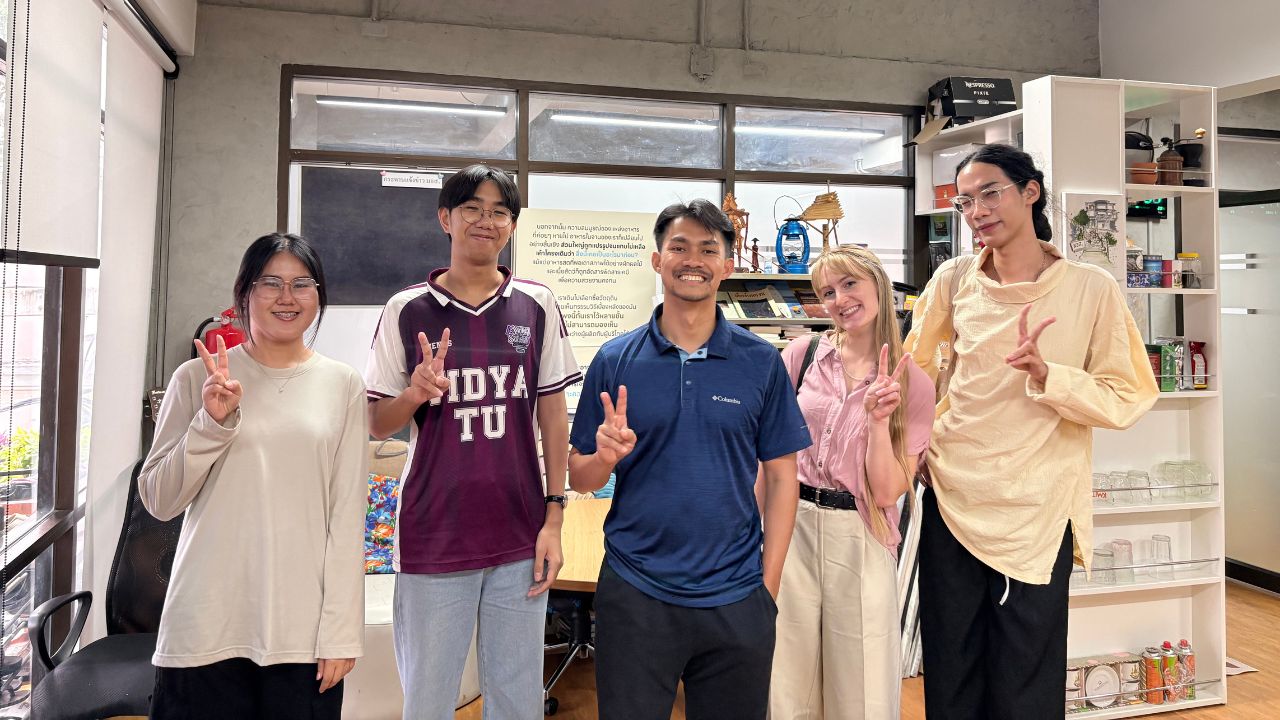
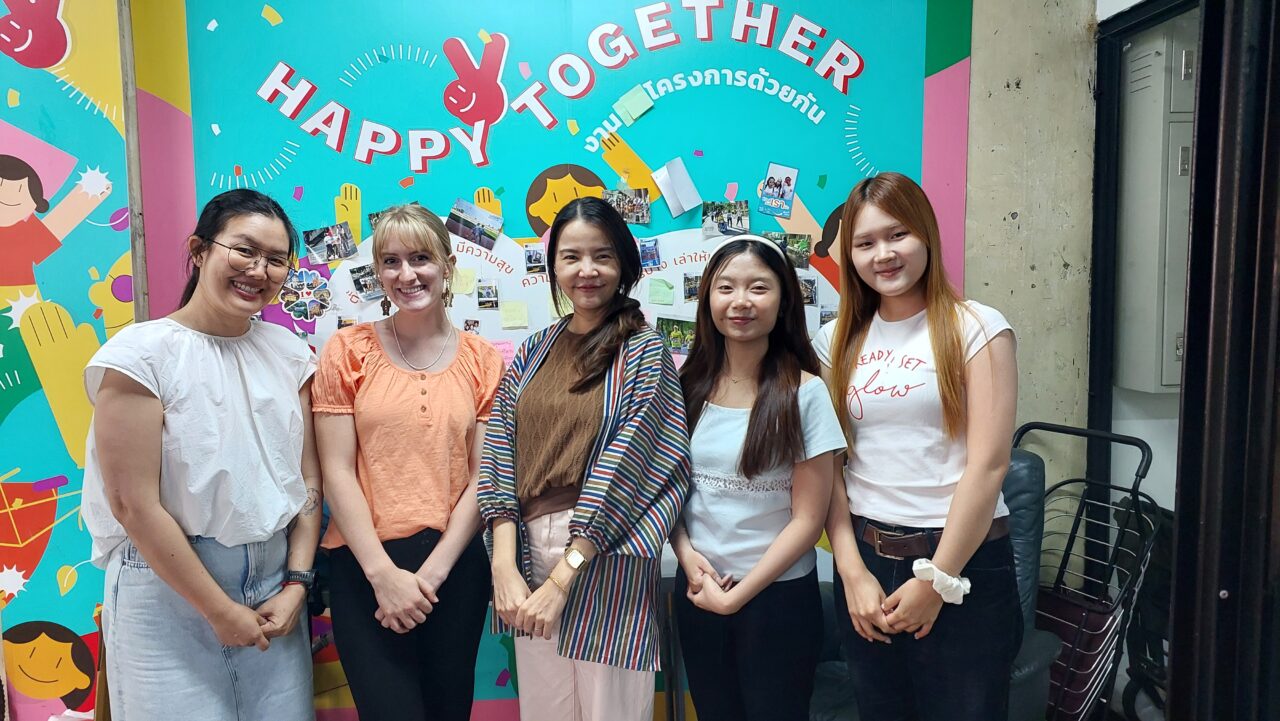
Particularly as the United Nations (UN) has declared 2026 as the International Year of Volunteers for Sustainable Development (IVY 2026) to recognise volunteering as a vital mechanism for driving society forward, this programme serves as a flagship initiative. It encourages students to utilise their knowledge and capabilities to support civil society organisations through volunteering. Operating under an Experiential Learning model, it simultaneously enhances professional skills, public consciousness, and an understanding of contemporary social development issues.
Modern Volunteers: Beyond Giving, Using ‘Skills’ to Solve Problems
The Thammasat Summer Volunteer programme has designed a systematic volunteer selection process, considering the applicants’ interests, readiness, skills, and potential to align with the job descriptions. This ensures they can effectively work towards the specific mission goals of each organisation. The volunteers’ work thus extends beyond general assistance, focusing on applying specialised knowledge from their respective faculties and disciplines to real-world tasks. For example:
- Producing media and audio descriptions for persons with disabilities.
- Supporting missions related to food waste reduction and food security.
- Providing support in information technology and organisational database management.
- Rescuing and rehabilitating wildlife.
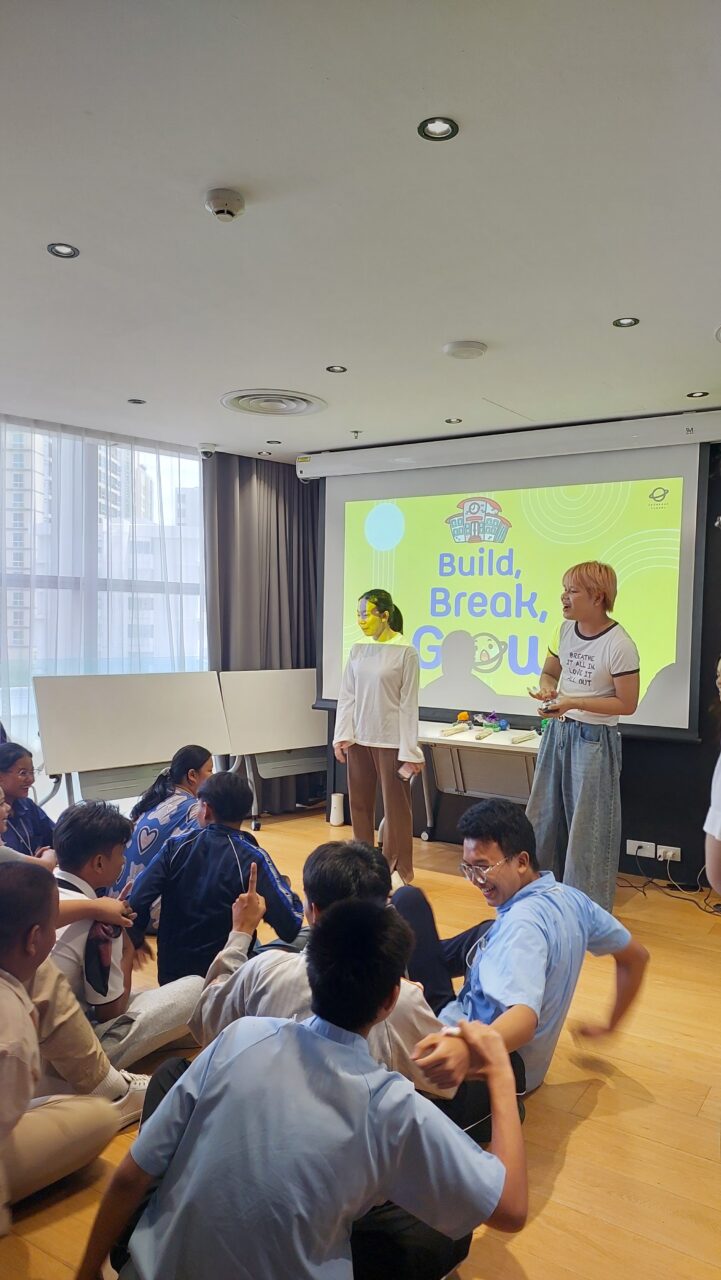
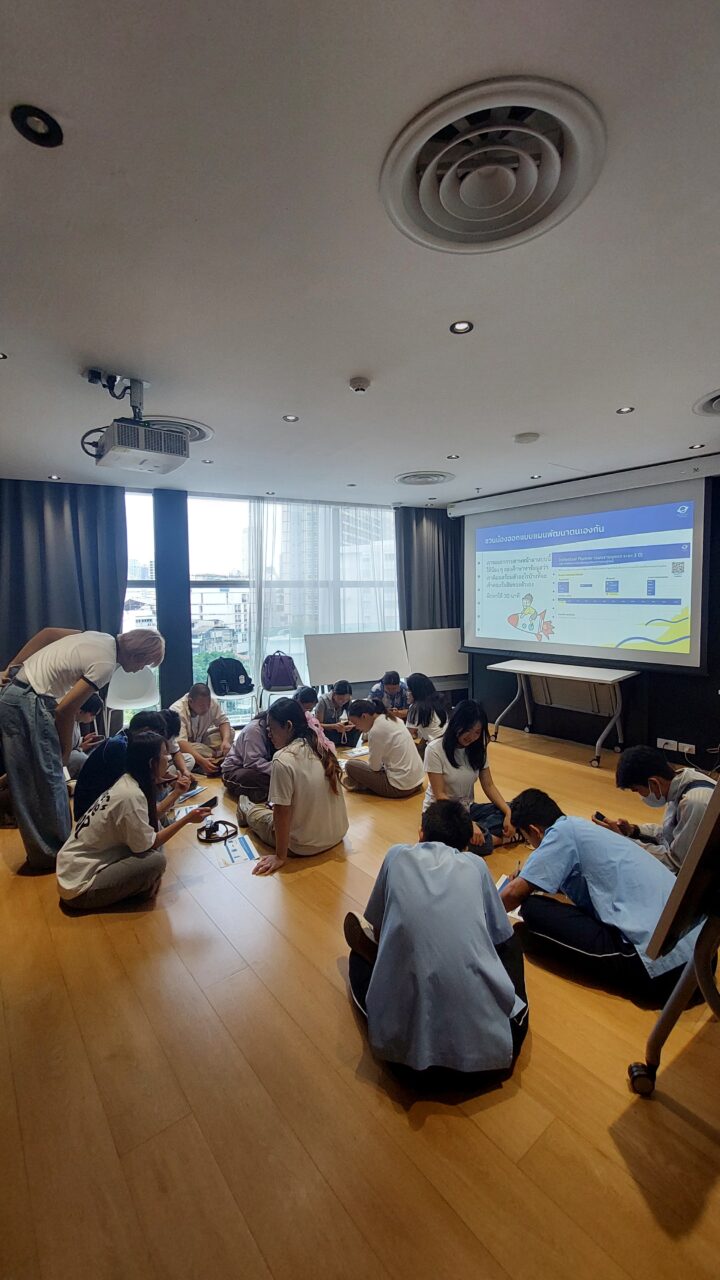
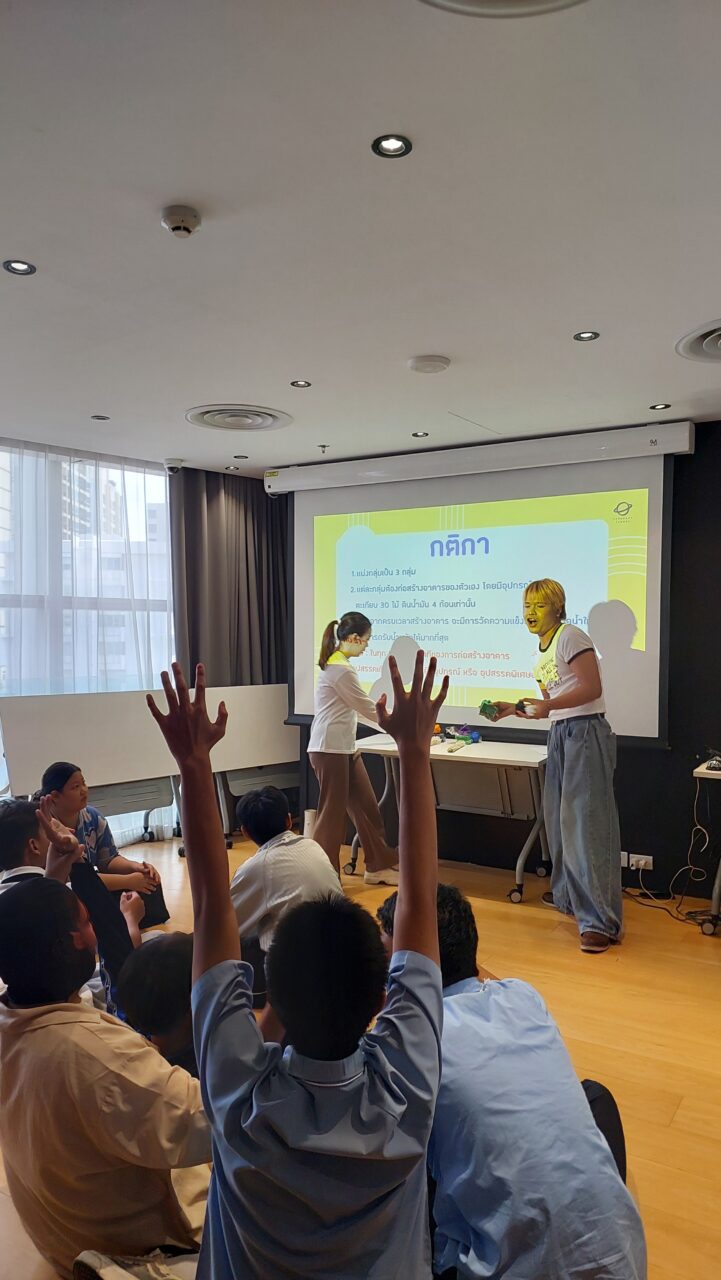
Furthermore, before engaging in actual fieldwork, the programme organises preparatory and orientation activities for volunteers. This builds an understanding of their roles within the context of social development, alongside developing soft skills and teamwork. These activities also provide a space for volunteers and host organisations to get to know one another, exchange ideas, clarify expectations, and establish a mutual, accurate understanding of the Sustainable Development Goals (SDGs).
A Successful First Step
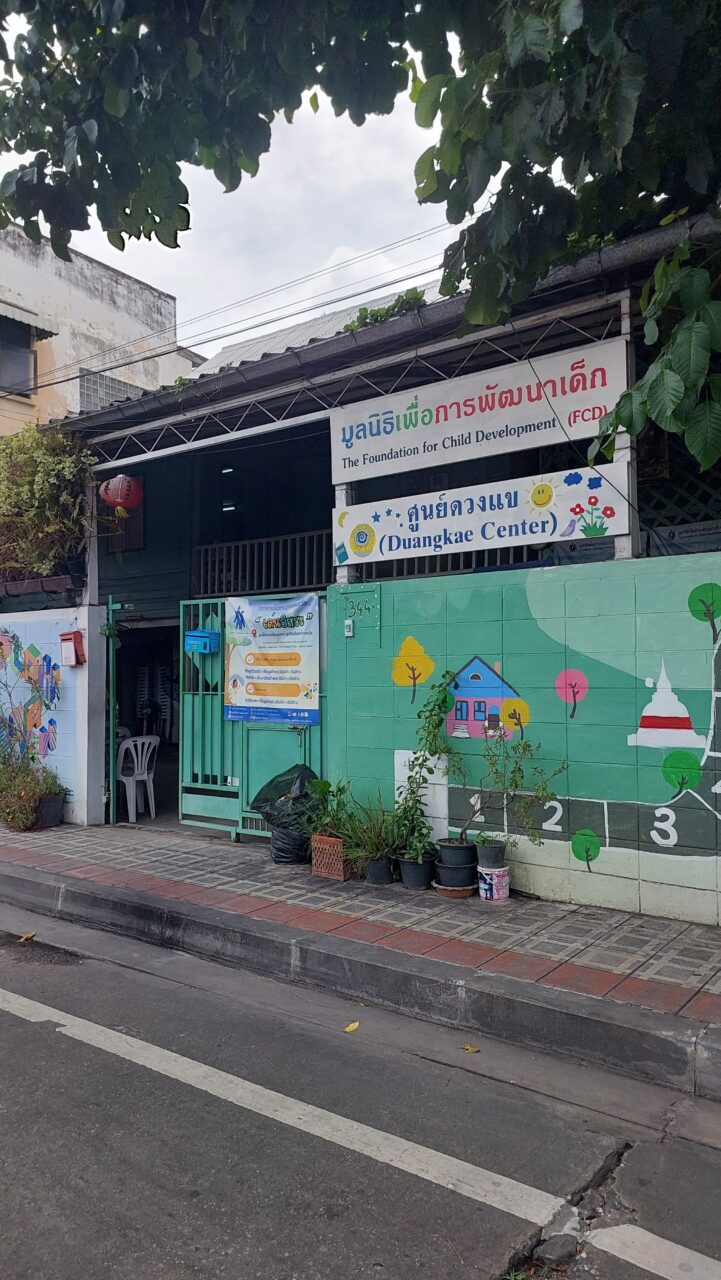
The Thammasat Summer Volunteer programme was held during the recent summer break, with the operational period spanning from late May to July 2026. The programme forged partnerships with civil society organisations and offered opportunities to Thammasat students from various faculties. Eighteen selected student volunteers from eight faculties and colleges—including the College of Interdisciplinary Studies, the Faculty of Learning Sciences and Education, and the Faculty of Social Administration—participated in practical fieldwork with eight civil society organisations, which included:
- Together Foundation
- Scholars of Sustenance Thailand (SOS Thailand)
- The Mirror Foundation
- Wildlife Rescue Foundation & Zoo Friends
- Saturday School
- Thai Volunteer Service (TVS)
- Greenpeace Thailand
- Foundation for Child Development
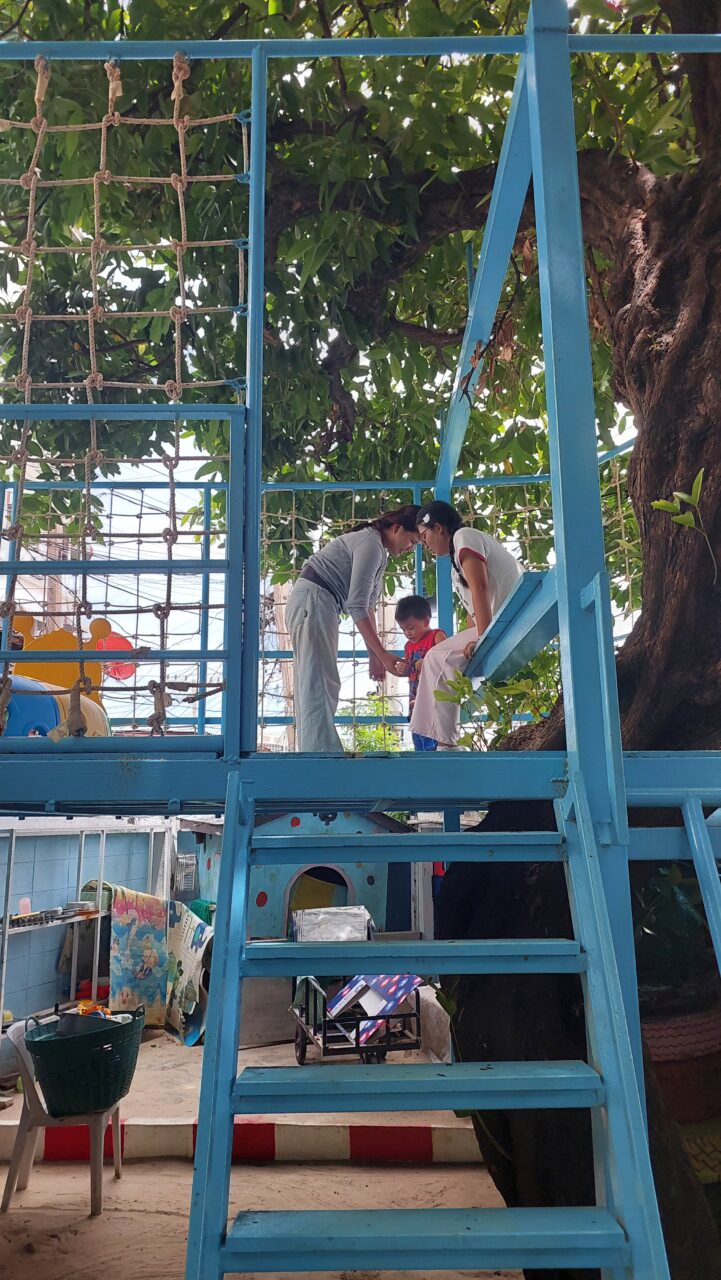
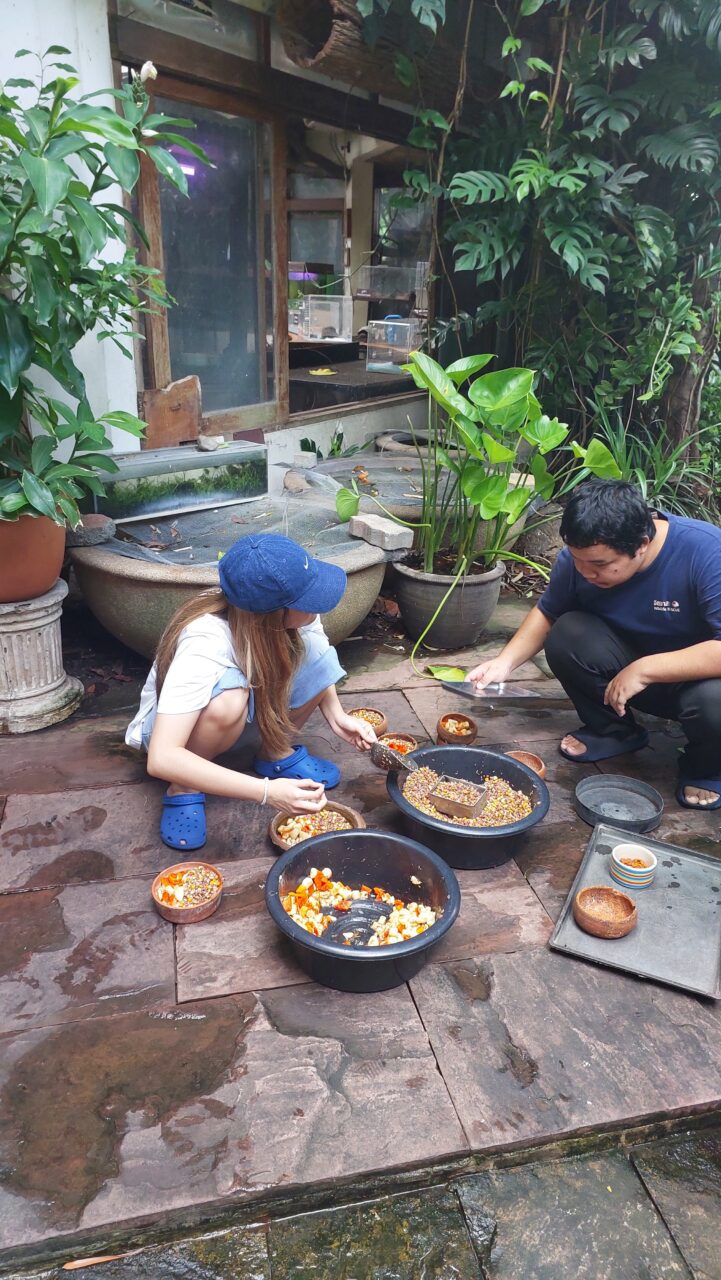
As a result of participating in the programme, volunteers learned through practical experience across diverse social development issues, including education, the environment, persons with disabilities, children and youth, food security, and community development. This programme is therefore considered a vital mechanism for developing student potential while generating benefits for society. It will serve as a future model for integrating learning with volunteering for sustainable development at Thammasat University.
Follow Us and Be Part of Creating Change
The success of the Thammasat Summer Volunteer programme during the recent school break highlights the power of the new generation who believe that classroom knowledge can truly “change the world” through purposeful and sustainable volunteering.
For students interested in driving society forward, you can follow the latest news, activity updates, and opportunities to join the next intake of the programme via:
Website: Thammasat for SDGs
Facebook Page: Thammasat for SDGs
Join us and let’s “Change the World” together!