HIGHLIGHTS
- Elevating to a Green Organisation: Thammasat University hosted the “Guidelines for Green Office Operations” training to equip staff with practical knowledge on reducing resource and energy consumption and managing waste efficiently.
- Mastering the 2026 Evaluation Criteria: The session provided in-depth insights into the 7 Green Office evaluation categories set by the Department of Climate Change and Environment, featuring an expert guest speaker from Mahidol University.
- Fostering Sustainable Behavioural Changes: The training aimed to raise environmental awareness and encourage staff participation in reducing greenhouse gas emissions to help tackle global warming.
The Division of Quality Development and Sustainability, Thammasat University, organised a training programme entitled “Guidelines for Green Office Operations”. The initiative aims to equip staff with the knowledge and understanding to tangibly apply Green Office principles in their daily work. It focuses on reducing resource and energy consumption as well as managing waste efficiently, which is a vital component in elevating Thammasat University into an environmentally conscious and socially responsible organisation.
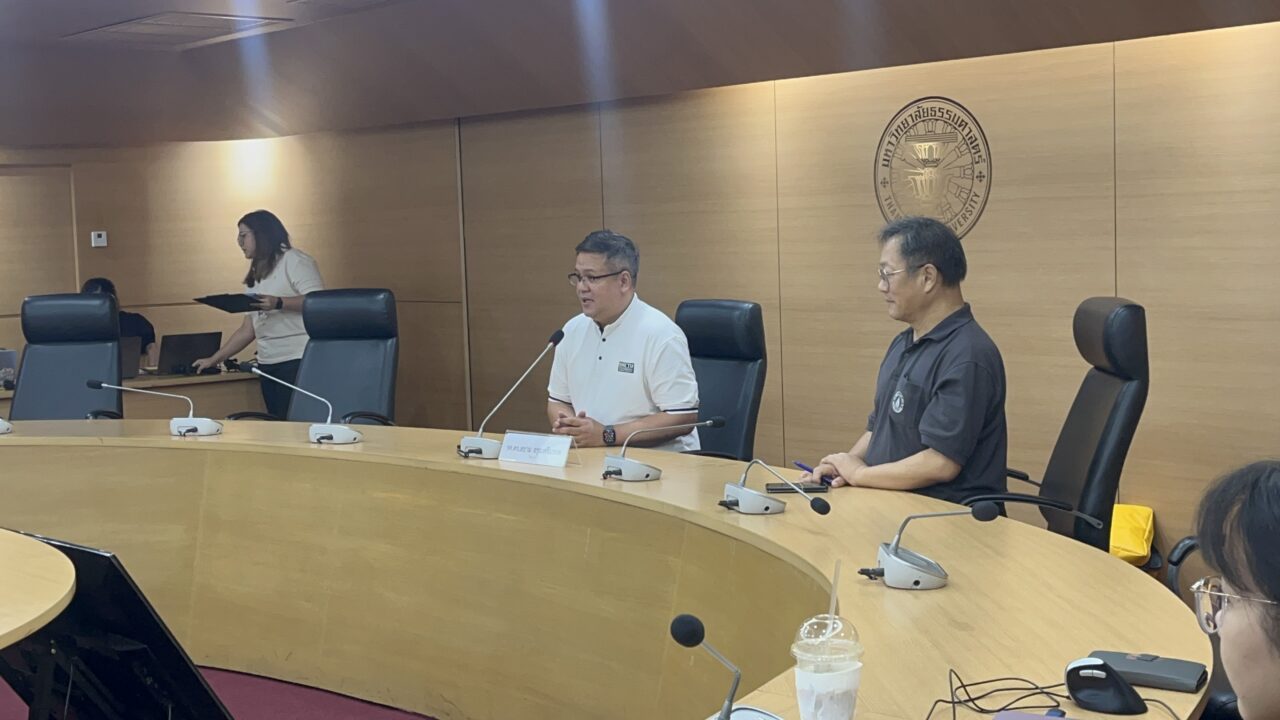
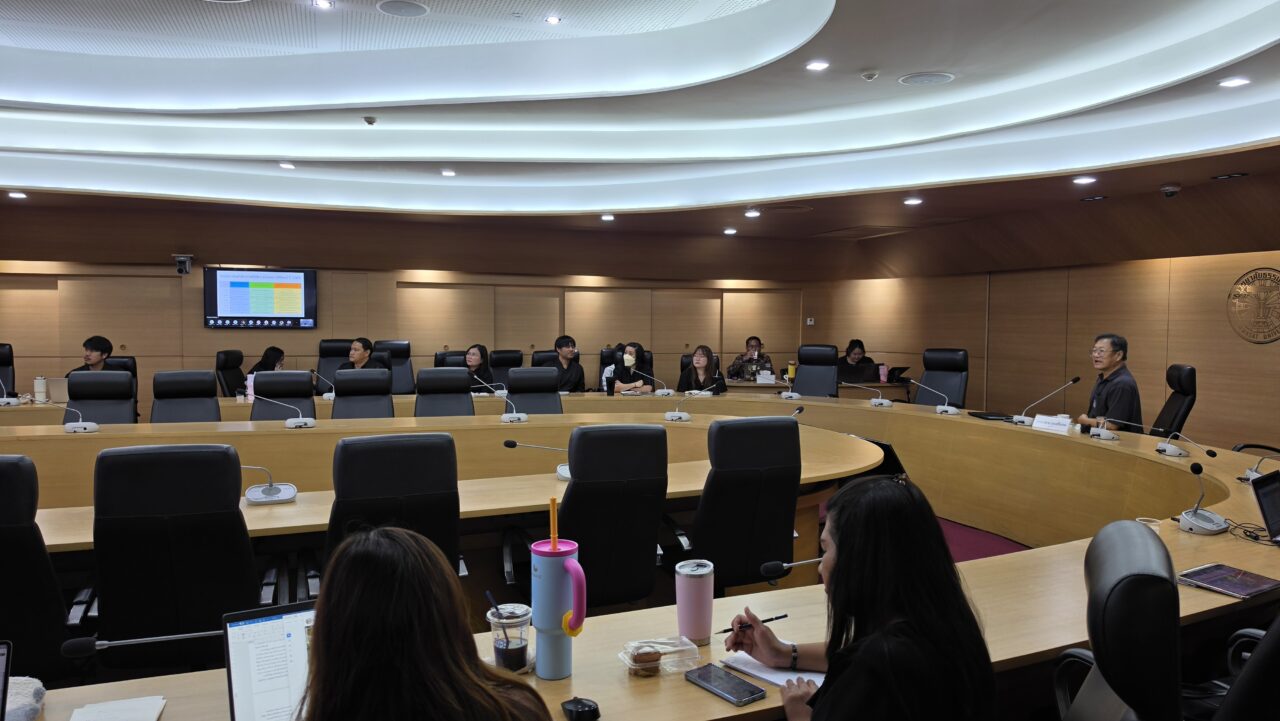
The training took place on 14 July 2026 at the Pridi Banomyong Meeting Room, 3rd Floor, Dome Administration Building, Thammasat University, Rangsit Campus, and online via Microsoft Teams. Associate Professor Dr. Sayam Aroonsrimorakot from the Faculty of Environment and Resource Studies, Mahidol University, was honoured as the guest speaker, delivering a lecture to staff and personnel from various faculties, institutes, and administrative divisions across the University.
Understanding the Green Office and the 7 Evaluation Criteria
A Green Office refers to a workplace where operational activities are managed to minimise environmental impact. This is achieved through the optimal use of resources and energy, efficient waste management practices, the procurement of eco-friendly materials, equipment, and office supplies, and low greenhouse gas emissions. Furthermore, it involves promoting behavioural changes and encouraging staff participation.
The 2026 Green Office evaluation criteria, based on the standards of theDepartment of Climate Change and Environment, consist of 7 categories:
- Policy formulation and operational planning for Green Office
- Communication and awareness raising
- Resource and energy consumption
- Waste management
- Office environment and safety
- Procurement and purchasing
- Continuous green office operations (for departments requesting renewal and upgrades)
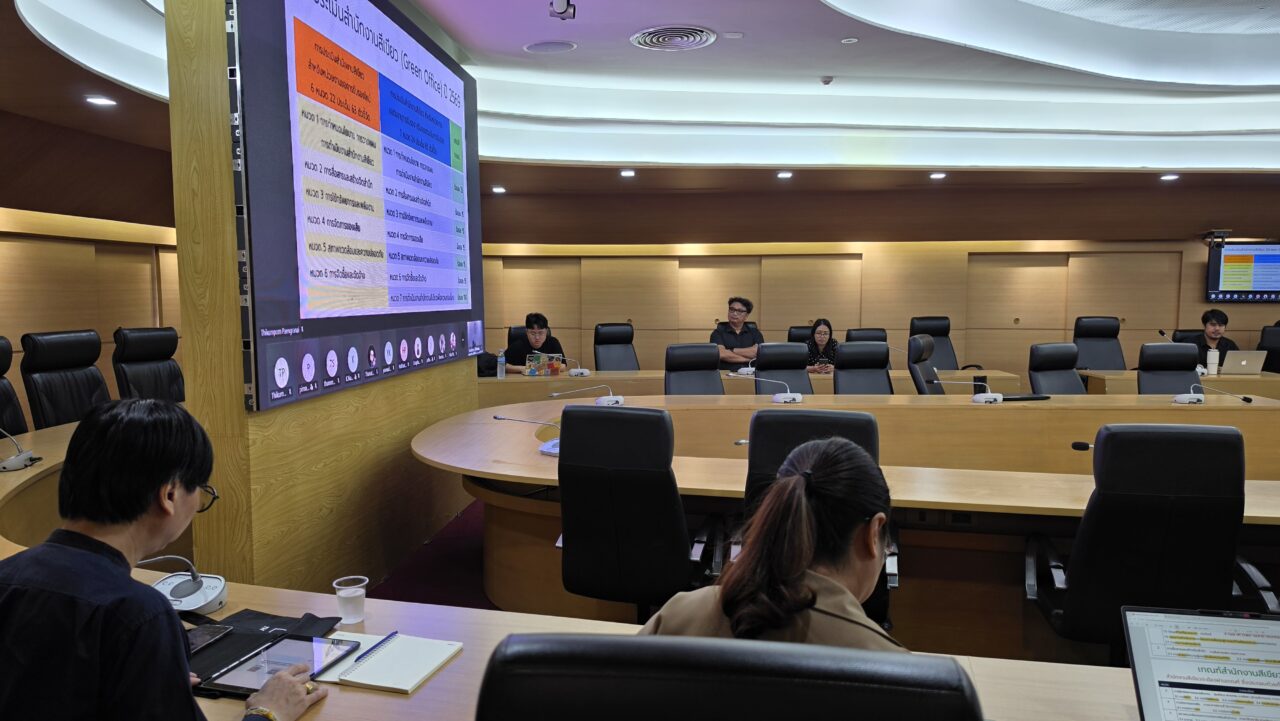
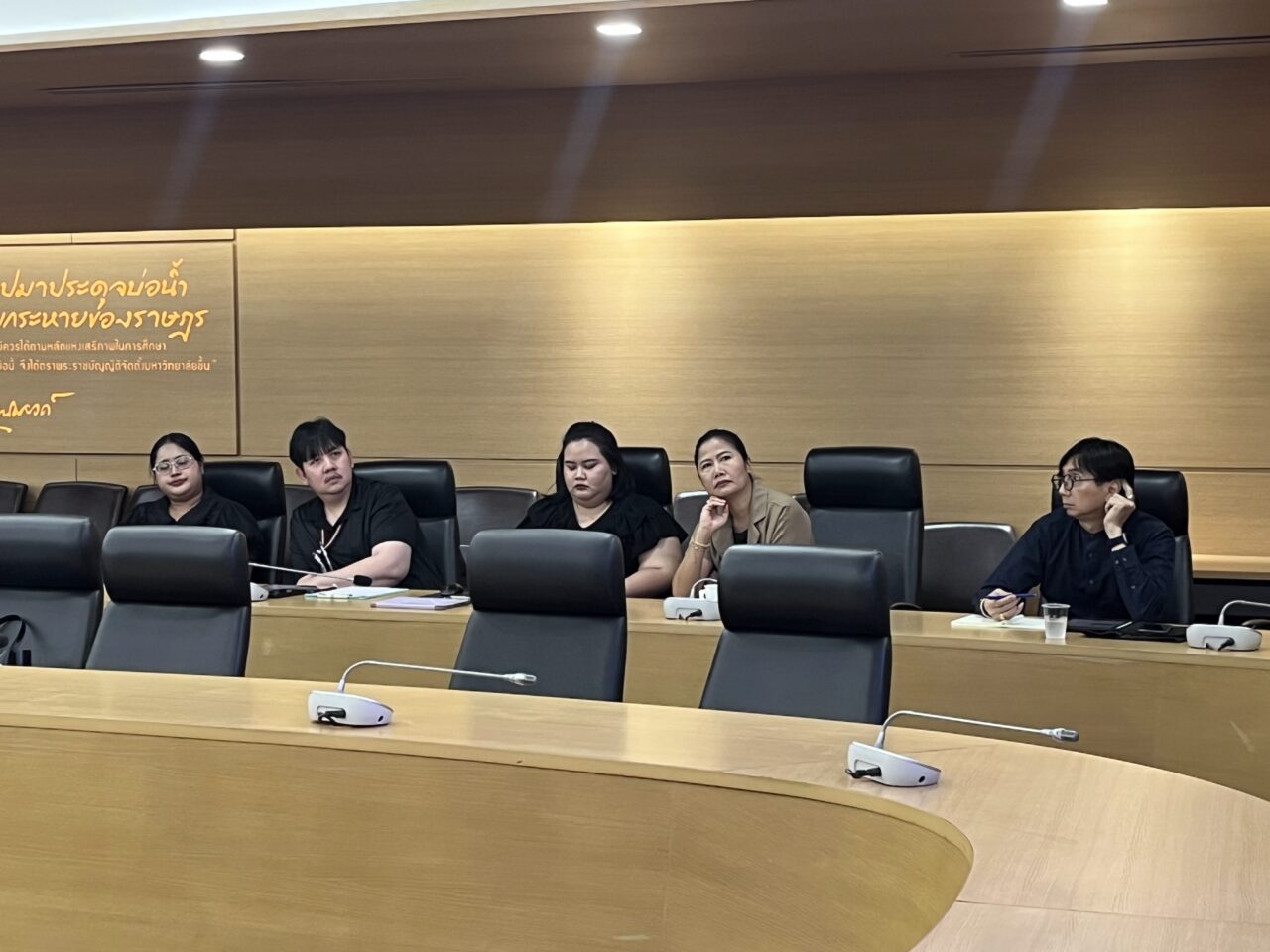
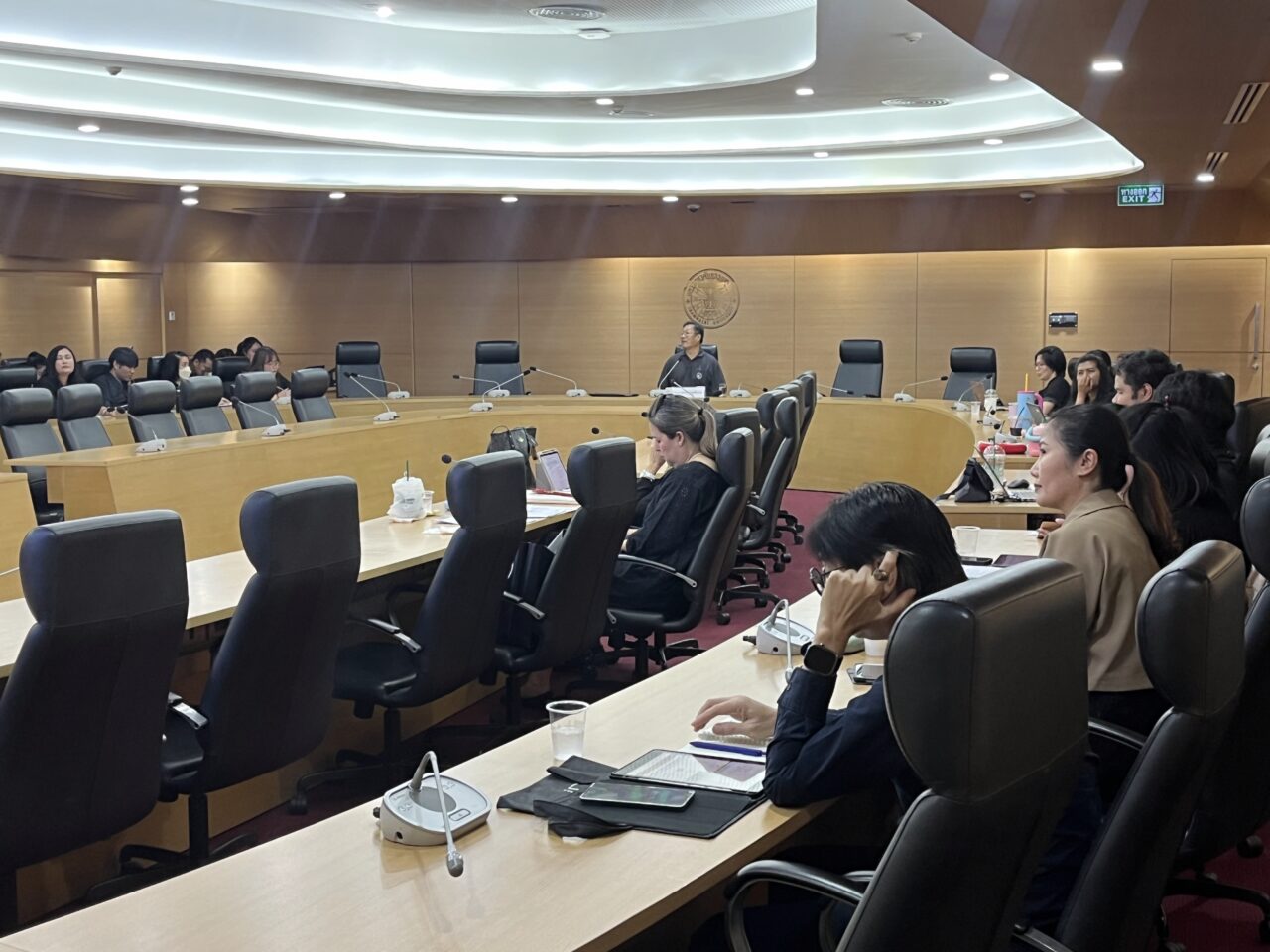
This training session builds on the official launch of the TU Green Office project in January 2026. It aligns with the University’s strategy to drive the Sustainable Development Goals (SDGs), focusing on fostering genuine transformation at the operational level across all departments, rather than merely pursuing rankings. This is guided by the vision that the University cannot achieve excellence in sustainability if its faculties and departments are not yet excellent.
This training provided staff with in-depth knowledge and understanding of the 7 Green Office operational categories, enabling them to apply this knowledge to improve the organisation to meet higher standards and adopt more environmentally friendly practices. It also helped foster environmental awareness and encourage staff participation in behavioural changes, supporting the goal of reducing greenhouse gas emissions and contributing to sustainable solutions for global warming.