Highlights:
- Deepening the Understanding of Gender: The WGSSP Master’s programme at Thammasat University goes beyond the male-female binary, analyzing gender as a complex power structure to promote equal human dignity for all.
- Adapting to Global Dynamics: Evolving from traditional ‘Women’s Studies’, the programme embraces gender fluidity and uses an intersectional approach to dismantle patriarchal structures and social inequalities.
- Developing a ‘Future Workforce’: Aligned with Thammasat University’s strategic vision, the curriculum is designed to create personnel with expertise in gender equality who are ready to step up as leaders of change.
- Driving Sustainable Development (SDGs): Through highly practical modules, the programme directly supports the UN’s Sustainable Development Goals—specifically focusing on Gender Equality (SDG 5), Reduced Inequalities (SDG 10), and Peace, Justice, and Strong Institutions (SDG 16).
In an era where we discuss diversity every day, the crucial question is whether we truly “understand” that complex reality. Gender is not merely a matter of being female or male; rather, it is a power structure embedded in laws, state policies, and ways of life. The Master of Arts Programme in Women, Gender and Sexuality Studies, widely known as WGSSP at the College of Interdisciplinary Studies, Thammasat University, is a space that invites you to step outside traditional frameworks to deeply understand humanity and society, ultimately aiming to create a society where everyone possesses equal human dignity.
From ‘Women’s Studies’ to ‘WGSSP’: Decoding Adaptation to Keep Pace with Global Dynamics
Since its inception under the name “Women’s Studies”, the Women, Gender and Sexuality Studies programme has remained one of the few programmes offering topics on Women, Sexuality, and Gender Studies in Thailand and the ASEAN region. This reflects that such issues may not yet have received the societal attention they deserve. During the initial phase of the programme, the direction of research primarily focused on ‘Gender and development’ to discover policies or guidelines for improving women’s quality of life.
Subsequently, as global trends shifted towards an awareness of gender fluidity and structural problems were critiqued more intensely, the programme adjusted its focus to encompass its current name, “Gender and Sexuality”. This resulted in a transition in students’ research towards structuralist concepts, aiming to understand and find ways to dismantle patriarchy within social structures, media, and policies more than ever before.
Why Study WGSSP at Thammasat?
WGSSP does not merely view gender in isolation; it is a genuinely social interdisciplinary programme. It utilises the perspective of intersectionality to analyse how factors of class, ethnicity, religion, race, skin colour, and age weave together power relations and inequalities.
The goals of the WGSSP programme (2023 revised edition) are designed in alignment with the 13th Thammasat University Strategic Plan (2022-2027), which strives for excellence with the vision of being a “World-class university for the people”. Specifically, it responds to the strategy of developing a “Future Workforce”. Creating personnel with expertise in gender equality is considered a fundamental foundation that remains consistent with and ready to support the university’s current development direction.
Interesting Modules
The programme is packed with engaging and highly practical modules, such as:
- Gender and Economics: Analyses the roles women play in various economic sectors and their contributions to economic development.
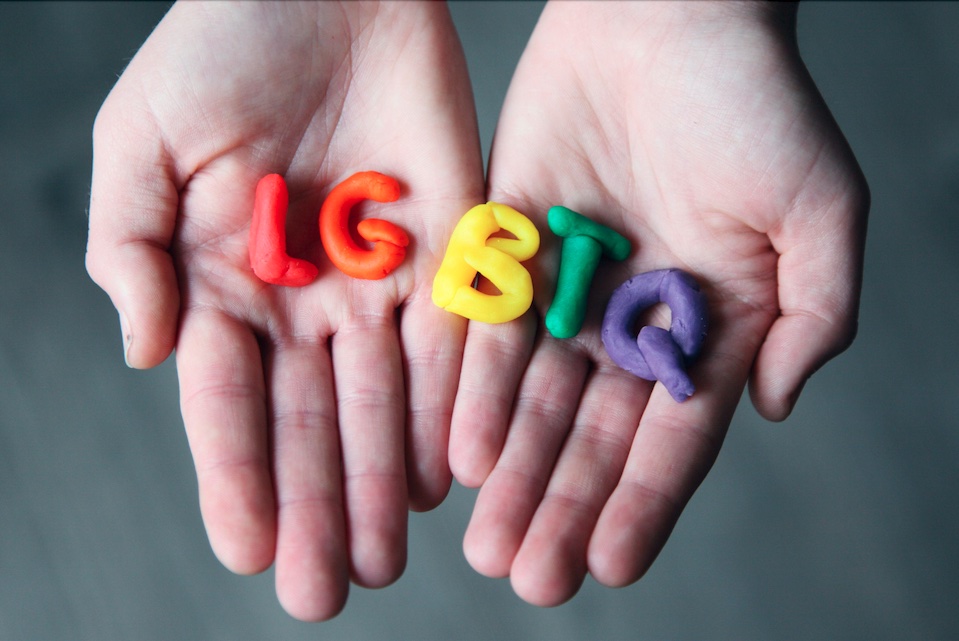
- Women’s and Queer Movements in Comparative Perspectives: Aims to analyse the development and impacts of social movements by women and LGBTQ+ individuals.
- Gender and the Politics of Body: Covers core concepts and debates in the study of sex, gender, and the political and cultural components that shape gender identity.
- LGBT Voices: Global and Local Perspectives on LGBT History and Culture: Aims to study the history, culture, and experiences of people with diverse genders and sexualities.
- Women’s History and Feminist Analysis: Studies women’s history in connection with educational, economic, familial, racial, class, ethnic, and gender dimensions.
A Programme Connected to the Sustainable Development Goals (SDGs)
The body of knowledge within this programme is thoughtfully designed to connect with driving forward key issues of the Sustainable Development Goals, as follows:
- SDG 5 Gender Equality: Aims to end gender inequality and empower women, as well as individuals with diverse genders, through the analysis of power relations and campaigning for bodily rights and political participation.
- SDG 10 Reduced Inequalities: Focuses on eliminating discrimination arising from the intersectionality of gender, ethnicity, class, and age to elevate the quality of life for marginalised groups in society.
- SDG 16 Peace, Justice and Strong Institutions: Analyses legal mechanisms and public policies affecting the status of women and gender-diverse individuals to tangibly drive the justice system and human rights protection.
Join Us in Turning Interest into a Driving Force for Society
If you are ready to broaden your horizons, challenge traditional mindsets, and step up as a leader of change, the WGSSP programme is ready to welcome you. For those interested, further information can be followed at:
Website: วิทยาลัยสหวิทยาการ
Facebook Page: Women, Gender and Sexuality Studies Programme – WGSSP
Details of the Master’s Programme in Women, Gender and Sexuality Studies