
Highlights:
• Visibility vs. Structural Reality: While cultural milestones like drag competition wins suggest openness, LGBTQ+ individuals still face systemic barriers in healthcare, law enforcement, and the military.
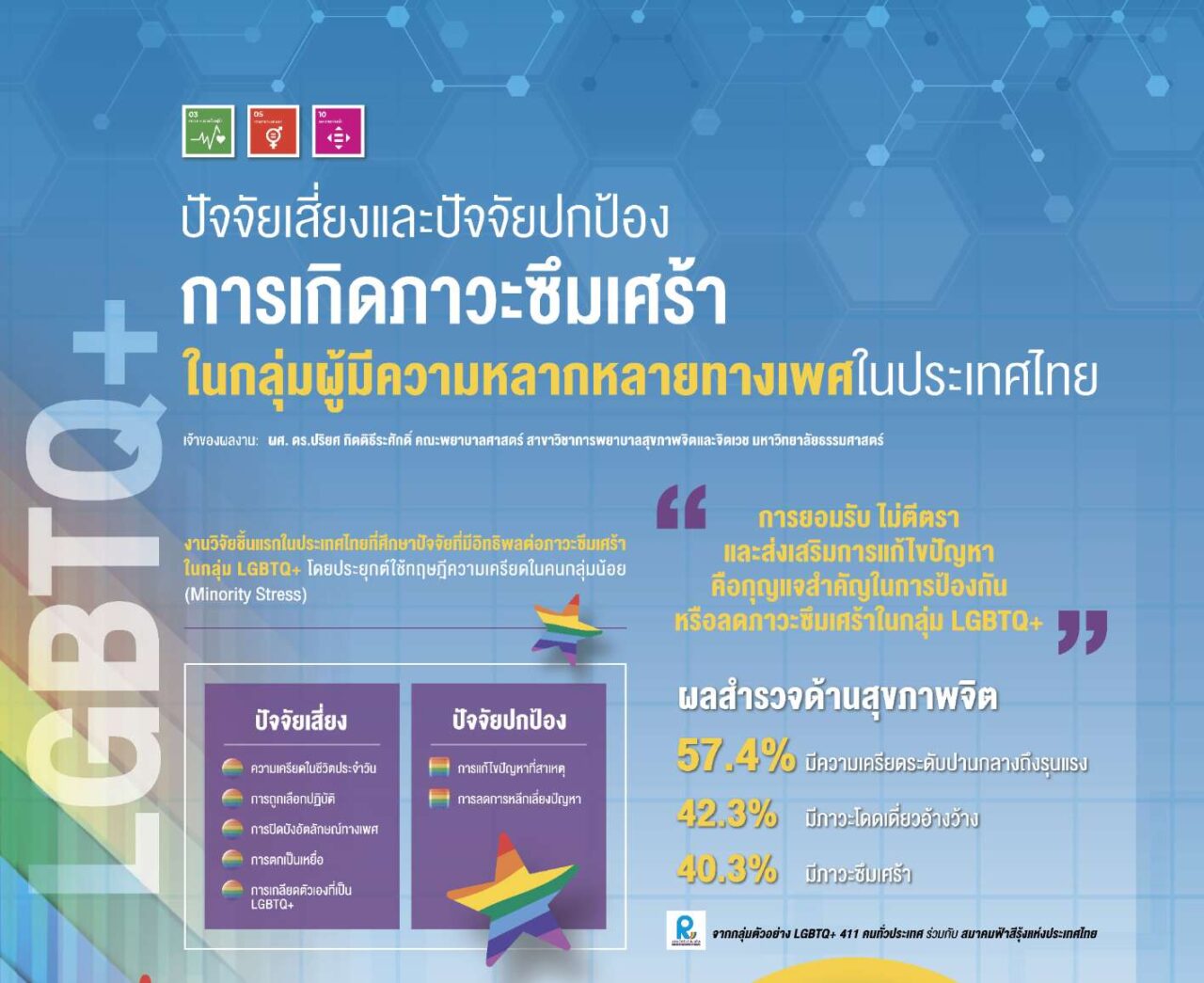
• Impact of Minority Stress: Research reveals a mental health crisis, with nearly 60% of LGBTQ+ respondents reporting high stress and 39% experiencing suicidal ideation due to social stigma and concealment.
• Thammasat’s SDG 10 Leadership: The university drives the SDG 10 sustainability agenda by fostering “safe environments” through inclusive health education and the Thammasat Well Being Centre.
• The Path to True Equity: Moving toward substantive equality requires a holistic shift in institutional systems and societal attitudes to bridge the gap between perceived and lived equity
The Divergence Between Cultural Visibility and Structural Reality
The current research effectively highlights a critical paradox in Thai society: the disconnect between high-profile cultural representation and the lived experiences of LGBTQ+ individuals. While media milestones, such as international drag competition victories, project an image of national openness, the study correctly posits that visibility does not equate to systemic acceptance. This research provides a necessary counter-narrative to the “Land of Smiles” trope, revealing that beneath the celebratory surface lies a complex web of inequality and stigma that continues to marginalize the community.
Quantifying the Psychological Toll of Marginalization
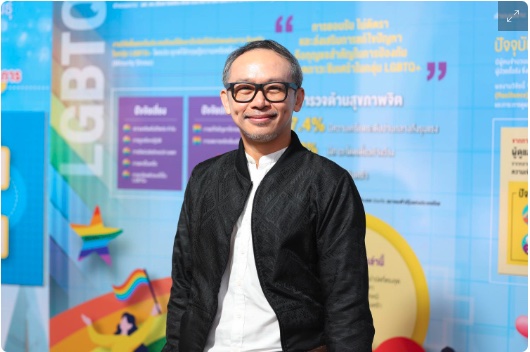
The empirical strength of this project is rooted in data led by Asst Prof Priyoth Kittiteerasack of Thammasat University’s Department of Psychiatric and Mental Health, which quantifies the mental health crisis among 411 LGBTQ+ respondents. The findings showing that 57.4% suffer from moderate to severe stress and 39% have experienced suicidal ideation underscore a significant public health challenge. By categorizing risk factors into general life stressors and identity-specific “minority stress” (such as victimization and internalized stigma), the research aligns with global studies on how social exclusion directly impacts psychological well-being. This data is vital for framing LGBTQ+ rights not merely as a social issue, but as a critical mental health priority.
The Research Center as a Catalyst for Educational Safety
The Department of Psychiatric and Mental Health serves as a critical engine for cultural and institutional shift. Asst Prof Priyoth advocates for the integration of LGBTQ+ topics into health education to clarify the fundamental distinction between biological sex and gender identity. This educational foundation is essential for fostering a “neutral and safe environment” where students and staff are viewed as individuals with diverse identities rather than as “abnormal”. By addressing stigma at its educational roots, the research center facilitates a safer academic space where individuals can exist without the “burden of concealment” that characterizes the struggles in provincial areas.
Thammasat University’s Infrastructure for Wellbeing and SDG 10
In tandem with academic advocacy, Thammasat University’s administration, led by Rector Prof Supasawad Chardchawarn, has implemented structural support systems that directly address the “minority stress” uncovered in the research. The university translates the principles of SDG 10 (Reduced Inequalities) into tangible policy by prioritizing mental health as a “quick big win” for student and staff wellbeing. Central to this is the Thammasat Well Being Centre, which provides a comprehensive safety net including counseling, psychiatric care, telemonitoring, and peer support. These services are crucial for those facing the high levels of stress and depression reported in the study.
To further lower barriers to entry, the university utilizes digital tools like the TU Wellness app for early self-assessment and has streamlined access to ensure care is typically available within two days. These initiatives aim to normalize seeking mental health support, transforming the campus into a sanctuary that bridges the gap between surface-level legal rights and substantive lived equity.
Moving Toward Substantive Rather than Surface Equality
The research concludes that equality in Thailand remains “surface deep” as long as structural and cultural barriers persist. To achieve the targets of SDG 10, the project argues that Thailand must move beyond legislative gestures toward a holistic shift in systems and attitudes. The safety and well-being of LGBTQ+ individuals are ultimately contingent upon a collective effort across all sectors, led by institutional examples like Thammasat, to bridge the gap between perceived equality and true equity. This project serves as a crucial call to action for policy-makers to address the quiet mental health struggles that remain the fallout of persistent social exclusion.