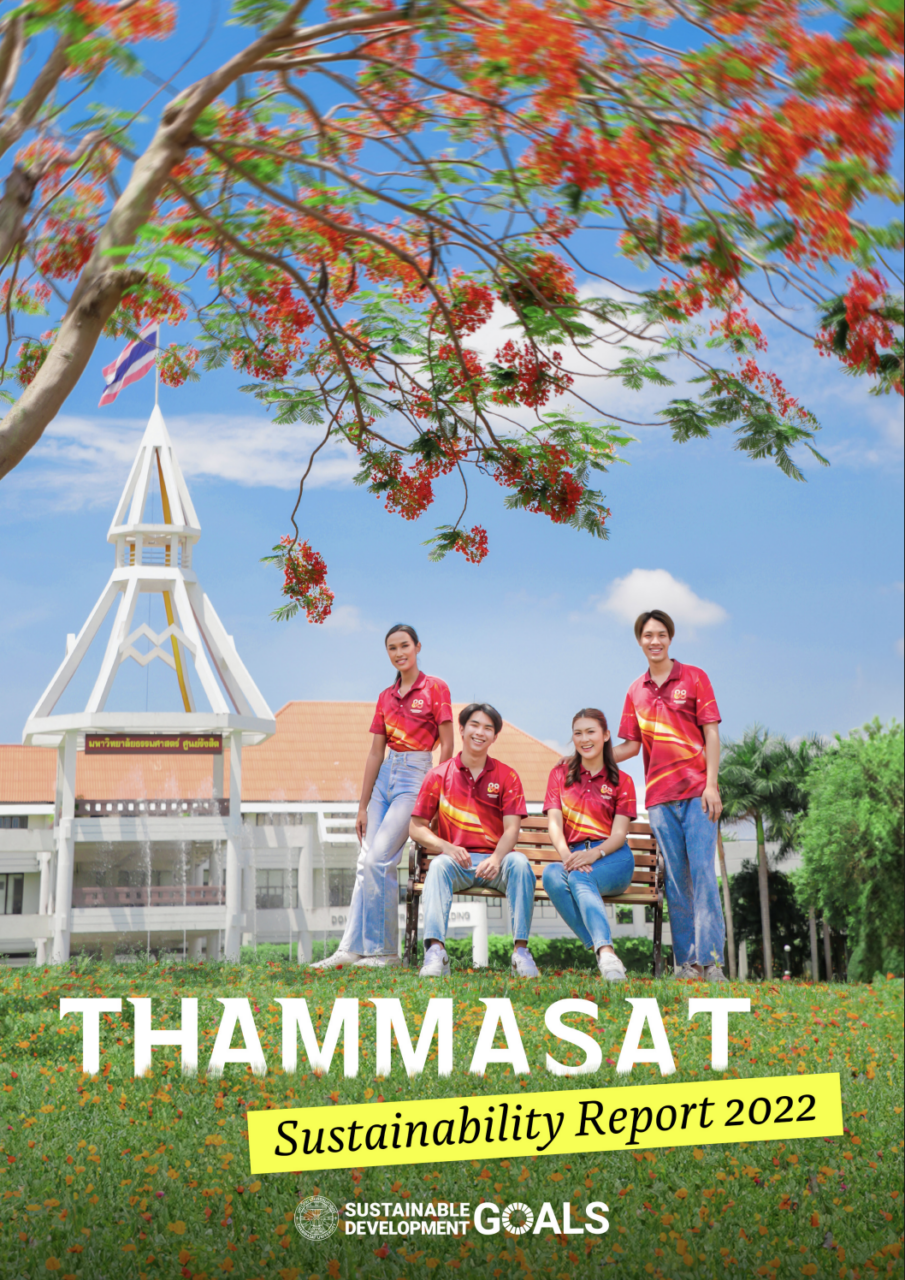
Thammasat University’s 2022 Sustainability Report presents a comprehensive overview of the university’s commitment to advancing the Sustainable Development Goals (SDGs) through research, outreach, and academic services. Through this report, Thammasat University reaffirms its role as a catalyst for sustainability, aspiring to inspire similar commitments across academia for a more equitable, sustainable future.
Thammasat University evaluates interdisciplinary research success in the science disciplines through a comprehensive framework that prioritizes the health of the research “ecosystem” and the tangible translation of knowledge into societal solutions. This approach moves beyond traditional publication counts, focusing instead on collaborative infrastructure, applied innovation, and societal impact. The university’s strategy is deeply integrated with the United Nations Sustainable Development Goals (SDGs), ensuring that technical expertise is consistently met with social responsibility.
Formation of Interdisciplinary CoEs: Success is measured by the number of active, nationally recognized CoEs that successfully integrate multiple science faculties. For instance, the Center of Excellence in Biomedical Engineering is evaluated on how effectively Computer Science experts and Medical practitioners collaborate on joint applications (e.g., 3D-printed prosthetic eyes).
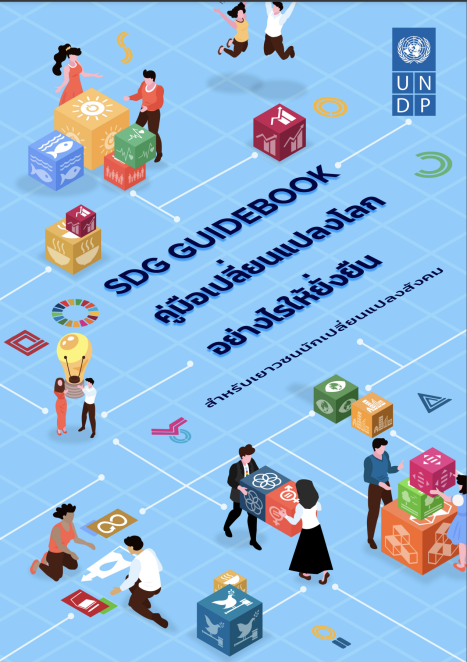
SDG Guidebook for Youth in Action is a resource developed by the United Nations Development Programme (UNDP) to empower young people to engage with and contribute to the Sustainable Development Goals (SDGs). Designed as a self-learning journey, the guidebook encourages readers to explore their communities through an SDG lens while fostering innovative thinking and collaboration to address real-world challenges.
The guide provides reflective questions, practical exercises, and actionable guidance to help youth design and implement small-scale sustainability projects in their communities. By highlighting the importance of youth perspectives, it positions young people as key drivers of change in achieving the 2030 Agenda.
Ideal for students, educators, and youth leaders, this resource supports the development of critical thinking and problem-solving skills, inspiring individuals to take meaningful action toward a more sustainable and inclusive future.