HIGHLIGHTS
- Driving SDGs through Volunteerism: SDG Move and the Division of Quality Development and Sustainability co-hosted a workshop to systematically enhance volunteer management in alignment with the Sustainable Development Goals (SDGs).
- A 6-Component Support System: Participants collaborated to design concrete volunteer systems focusing on six key pillars: Recruitment, Capacity Building, Deployment, Support, Recognition, and Learning.
- Impact-Oriented Approach: The session featured a “Change Goal Design” brainstorming activity to tailor volunteer roles for addressing local issues and reflecting meaningful impacts on the community and the university.
- Fostering Social Responsibility: This systematic approach serves as a crucial mechanism to produce graduates who embody the Thammasat spirit and drive sustainable change.
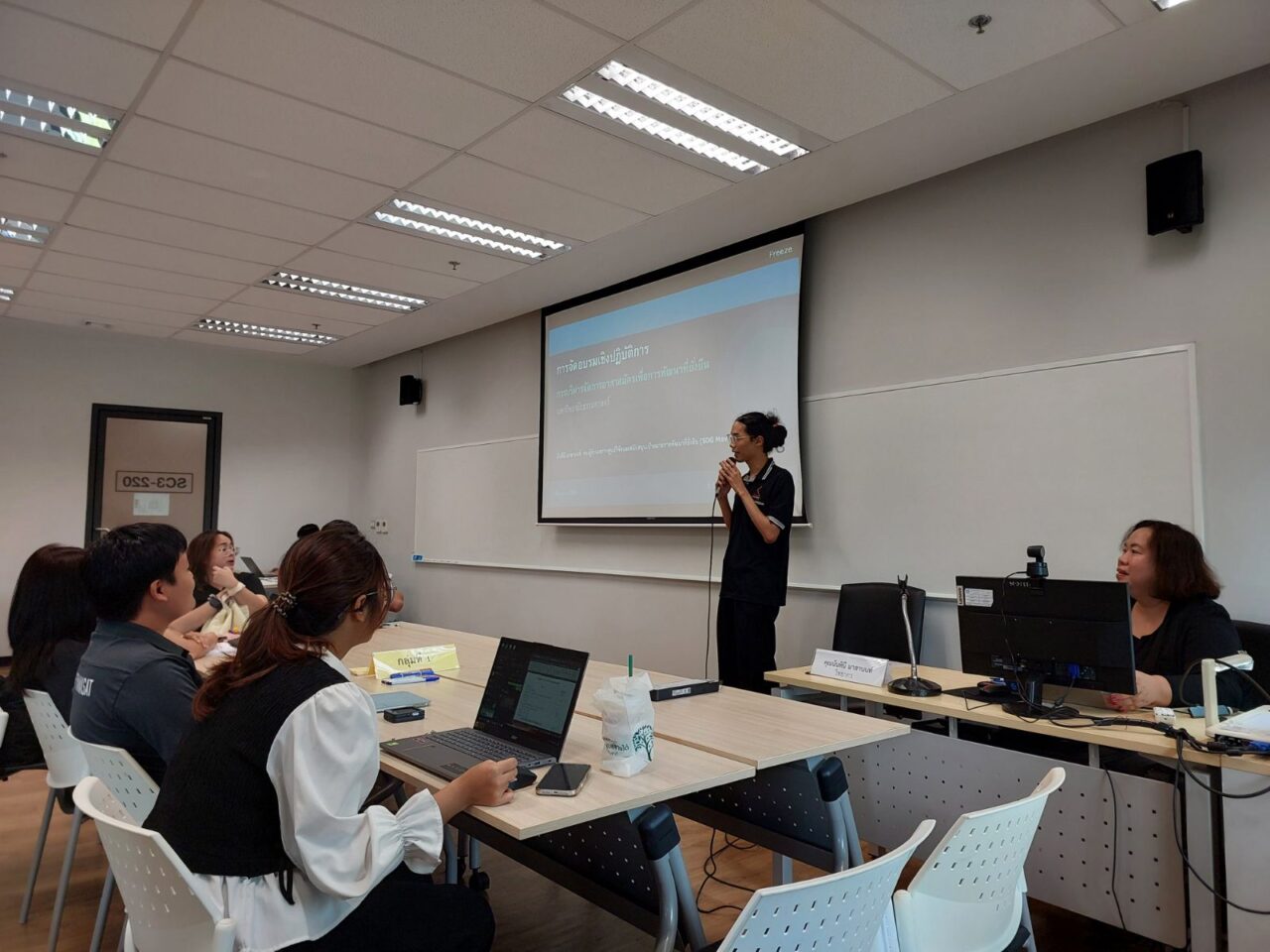
On 25 June 2026, the Centre for SDG Research and Support (SDG Move), Faculty of Economics, Thammasat University, in collaboration with the Division of Quality Development and Sustainability, Thammasat University, organised a workshop titled “Volunteer Management for Sustainable Development” at Room SC3-220, Thammasat University, Rangsit Campus. The event focused on developing the capacity of personnel and stakeholders to systematically design and manage volunteer systems. This is considered a vital mechanism for linking the university with society and the community, in line with the framework for driving the Sustainable Development Goals (SDGs).
The training was honoured to have Ms Nantinee Malanon, Deputy Director of the Centre for SDG Research and Support (SDG Move), as the guest speaker. Attendees included faculty members, support staff, and volunteer project coordinators from various departments. The objective was to develop staff capacity to establish concrete volunteer management systems, focusing on enabling participants to design prototypes suitable for their units’ specific contexts. Furthermore, it aimed to promote the integration of volunteer work into the university’s core missions to maximise operational efficiency and build a strong collaborative network amongst departments within Thammasat University.
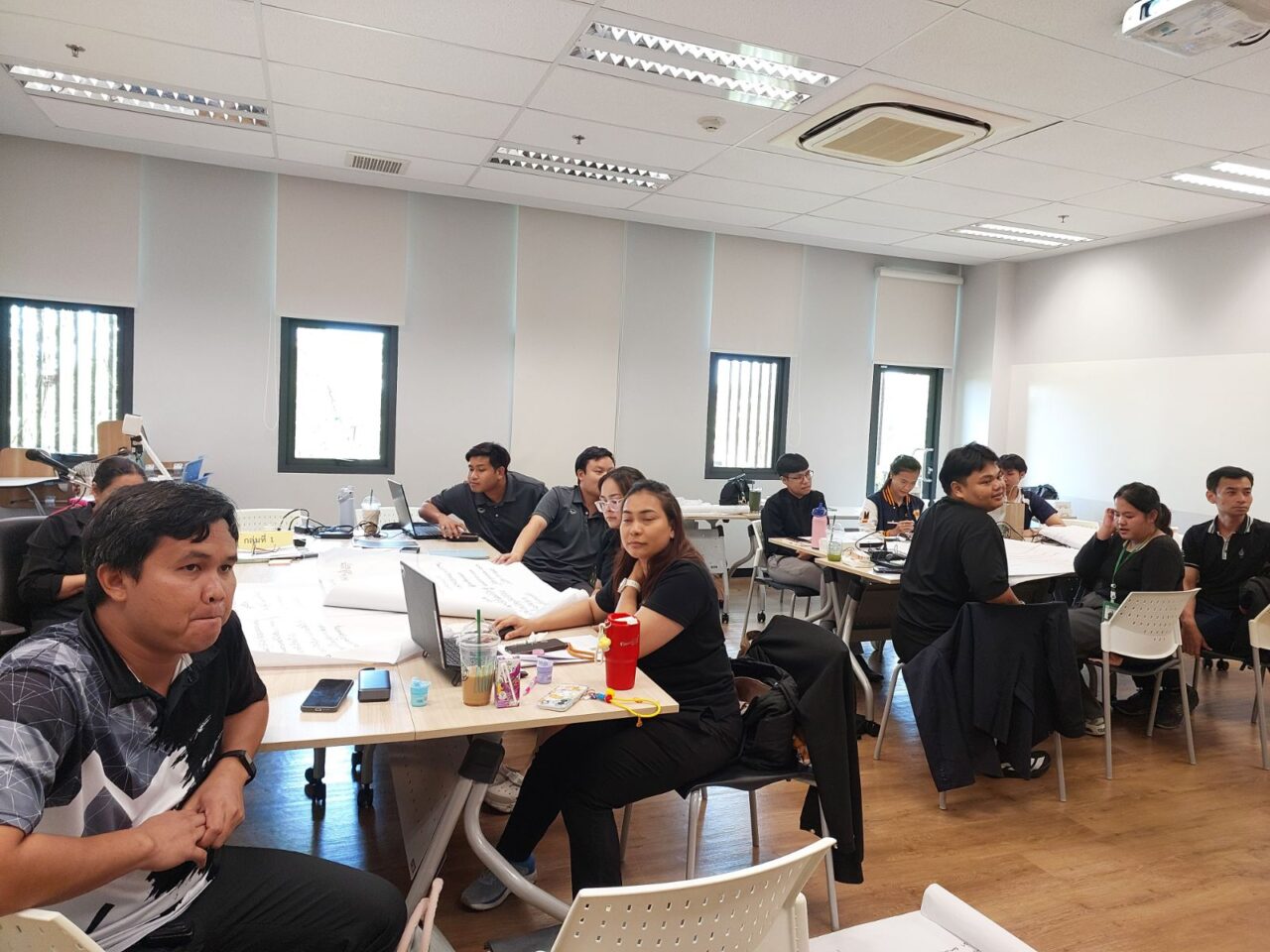
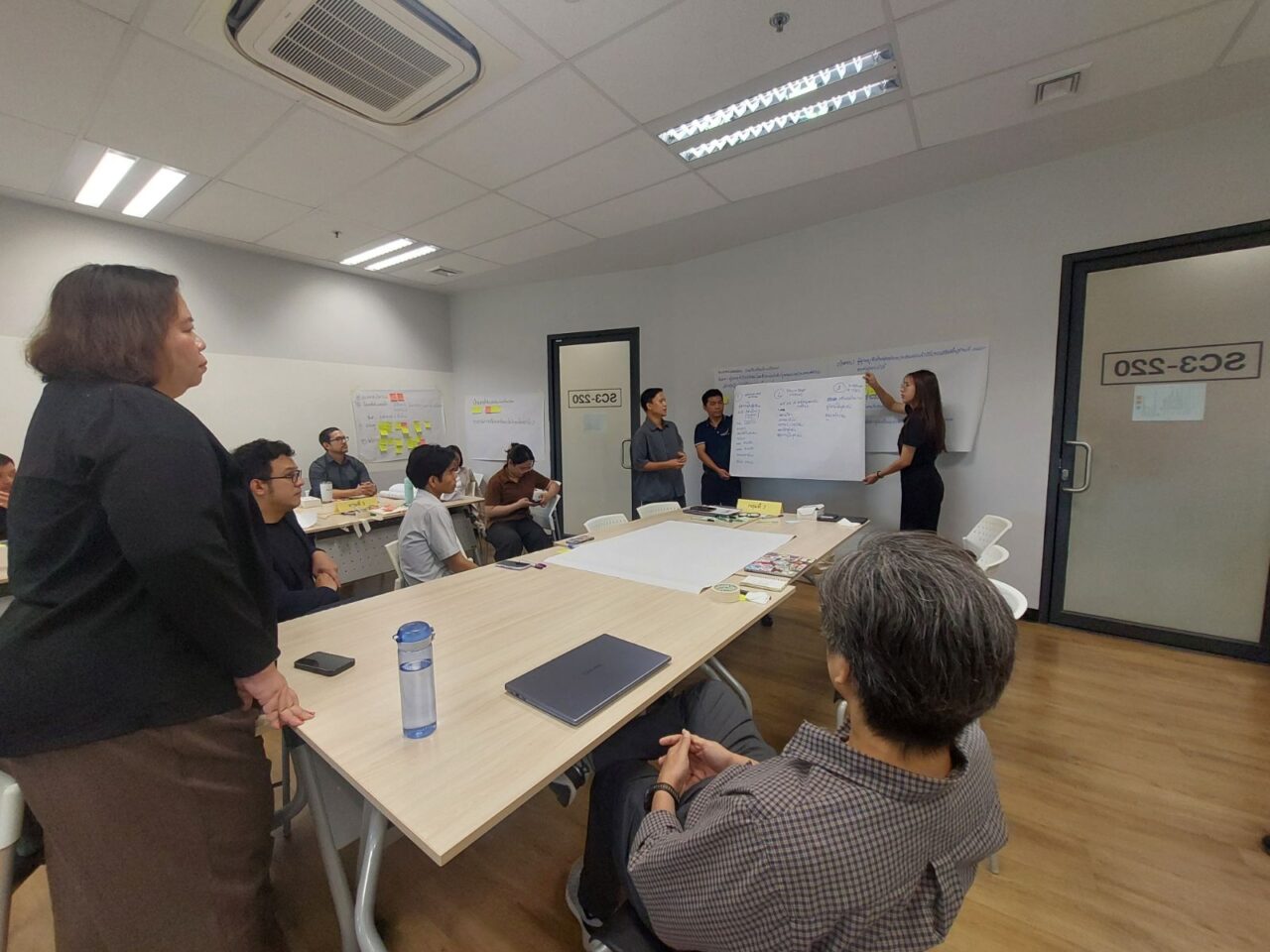
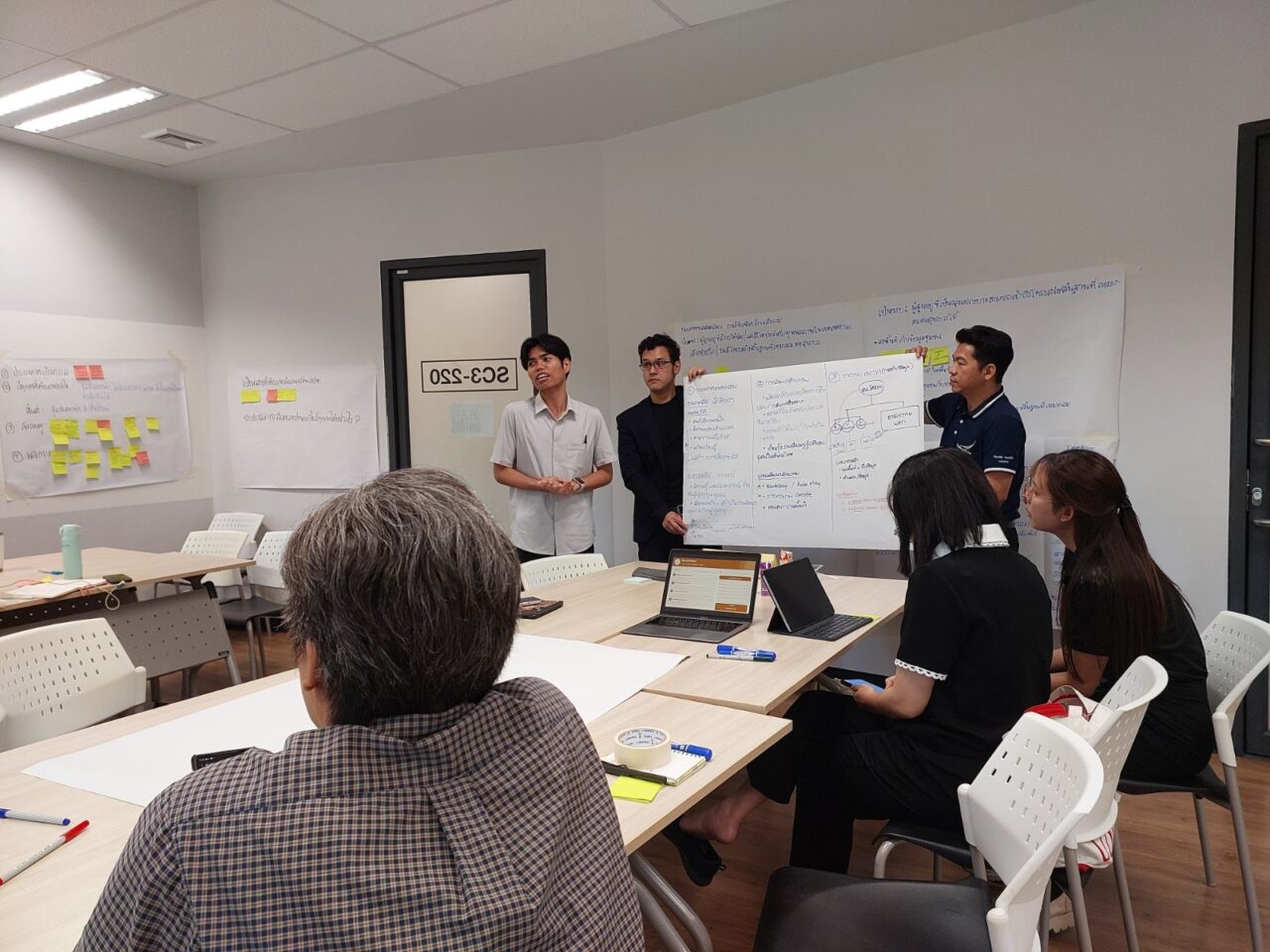
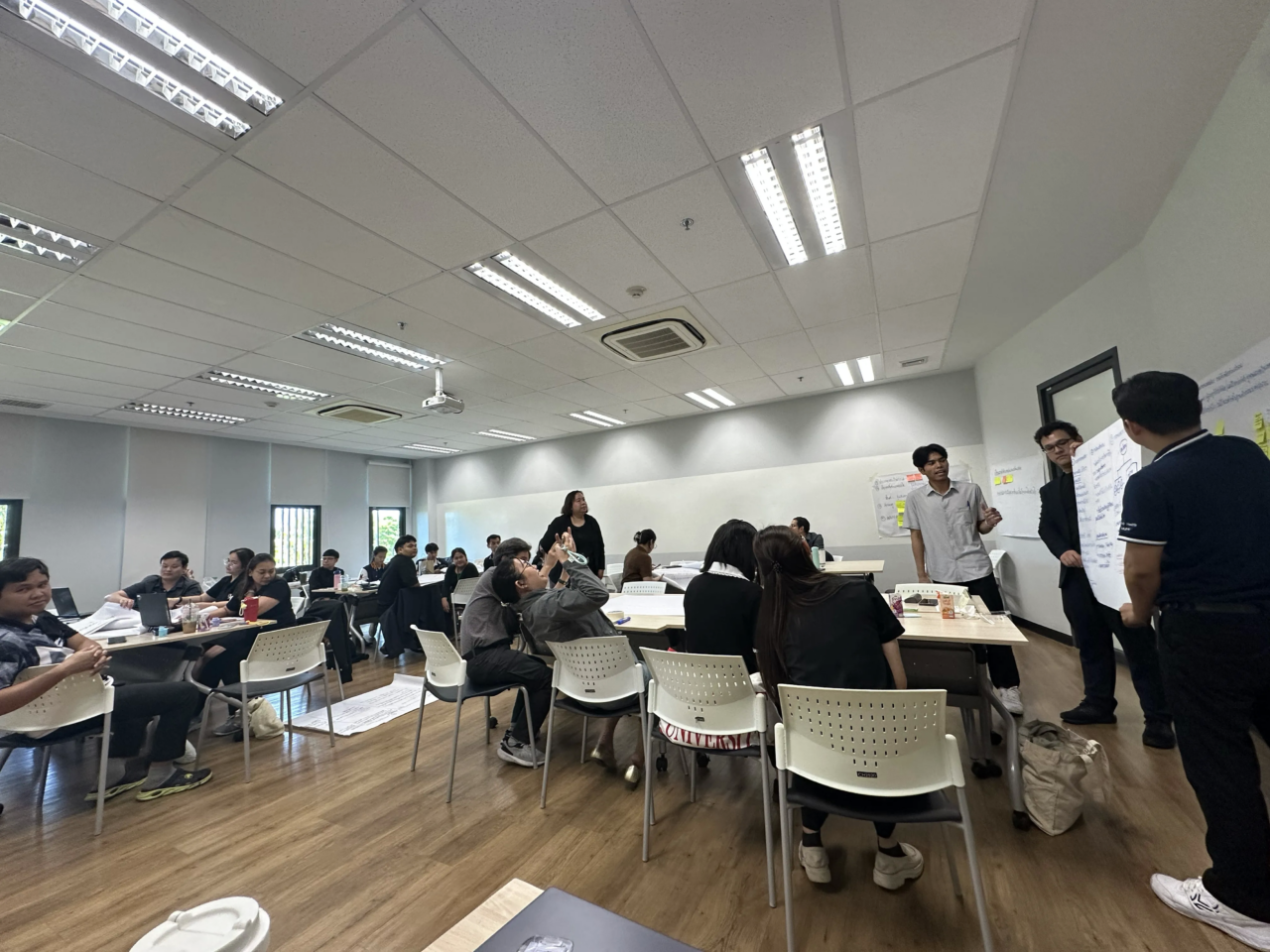
To ensure that volunteer management is efficient and continuous, the attendees collaboratively studied and designed a system through six key components:
- Recruitment: Designing recruitment approaches suitable for the nature of the work, target groups, and departmental missions by considering qualifications, communication channels, and motivation for participation.
- Capacity Building: The process of preparing the necessary knowledge, skills, and attitudes prior to practical implementation, tailored to working within both university and community contexts.
- Deployment: Clearly defining roles, duties, and scopes of work to meet activity goals and reduce operational redundancy.
- Support System: Designing a support system that enables volunteers to work safely and efficiently while receiving appropriate care.
- Recognition: Designing approaches to foster motivation, a sense of value, and appropriate acknowledgement of volunteer roles. This is not limited merely to awarding certificates, but includes reflecting the true value of participation and self-development.
- Learning System: Establishing systems for monitoring, evaluation, extracting lessons learnt, and managing knowledge for continuous improvement, ultimately leading to organisational learning.
Additionally, during the brainstorming session, participants collaboratively analysed problems and established a Change Goal Design. This was to design volunteer roles capable of addressing local issues precisely and to reflect the impact generated on the volunteers themselves, the community, and the university.
Driving this systematic volunteer work will serve as a crucial gear enabling Thammasat University to produce graduates who embody the Thammasat spirit and social responsibility. They will become a major force in creating sustainable change in accordance with the university’s overall goals moving forward.