

Thammasat University Enhances Public Sector Capabilities through Strategic Upskilling Initiatives

HIGHLIGHTS

  • Thammasat University provides specialized education and outreach for policy-makers, lawmakers, and government officials through tailored programs that strengthen national governance and local administration capacities.
  • The university delivers upskilling and capacity-building initiatives across key policy domains—including economics, law, technology, migration, and climate change—to equip officials with future-oriented and practical policy tools.
  • Flagship programs such as “Government Strategic Foresight,” “Commu Max,” and “Creative Tourism with Soft Power” enhance strategic planning, communication, and sustainable economic development at both national and local levels.
  • Beyond formal training, Thammasat ensures community legal empowerment and access to justice through off-campus outreach like the Mobile Law Clinic, extending education and legal support to rural and underserved communities.

Thammasat University is actively strengthening national governance by providing specialized education and capacity-building programs tailored for Thailand’s public sector. These initiatives deliver targeted outreach and upskilling for policy-makers, lawmakers, and government officials, equipping them with essential skills to navigate complex modern challenges, while simultaneously ensuring access to justice at the grassroots level.

Government Strategic Foresight: Strategic Foresight for the Public Sector

The “Government Strategic Foresight” program is an advanced training course designed specifically for public sector agencies to improve long-term planning. The curriculum provides officials with the tools to anticipate future trends and integrate them into effective policy. Key modules focus on the direct application of foresight in:

  • Economics: Analyzing the future of fiscal policy and economic shifts.
  • Environment and Sustainability: Planning for climate change adaptation.
  • Technology: Utilizing Big Data, AI, and Machine Learning.

Legal and Regulatory Compliance for Local Government

Thammasat University provides critical training on complex regulations through its “Course on Land and Building Tax Regulations, NACC/PACC Investigation, and Administrative Court Cases.” This workshop is specifically designed for local administrators, equipping them with the necessary knowledge in public law and finance to ensure legal compliance, manage tax collection effectively, and navigate administrative justice procedures.

Creative Tourism and ‘Soft Power’ Policy

Reflecting a key national agenda, Thammasat offers the “Course on Promoting Creative Tourism for Local Communities with Soft Power.” This capacity-building program is delivered to local administrative organizations across different regions (Krabi, Korat, Khao Kho). It provides local policy-makers with strategies to develop and promote community-based tourism, leveraging local culture (“Soft Power”) for sustainable economic growth.

Commu Max

To ensure policy is communicated effectively in the digital age, the university spearheads the “Commu Max” program. This initiative, developed with the National Research Council of Thailand (NRCT), is designed to upskill public sector personnel in strategic communication. The training focuses on:

  • Policy Outreach: Mastering strategies for social media and digital platforms.
  • Effective Engagement: Enabling officials to effectively engage the public on national policies.

Community Legal Empowerment and Access to Justice

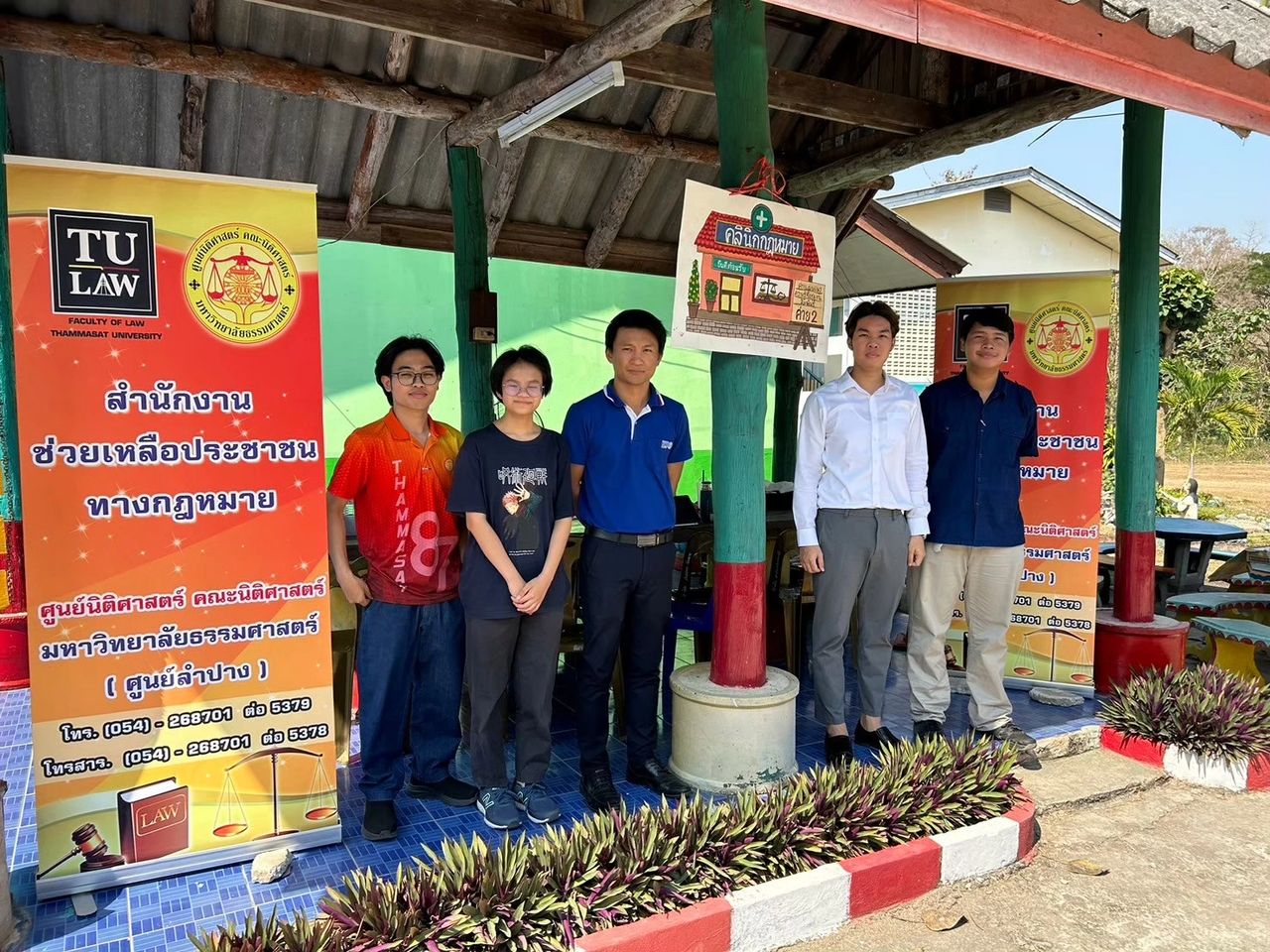
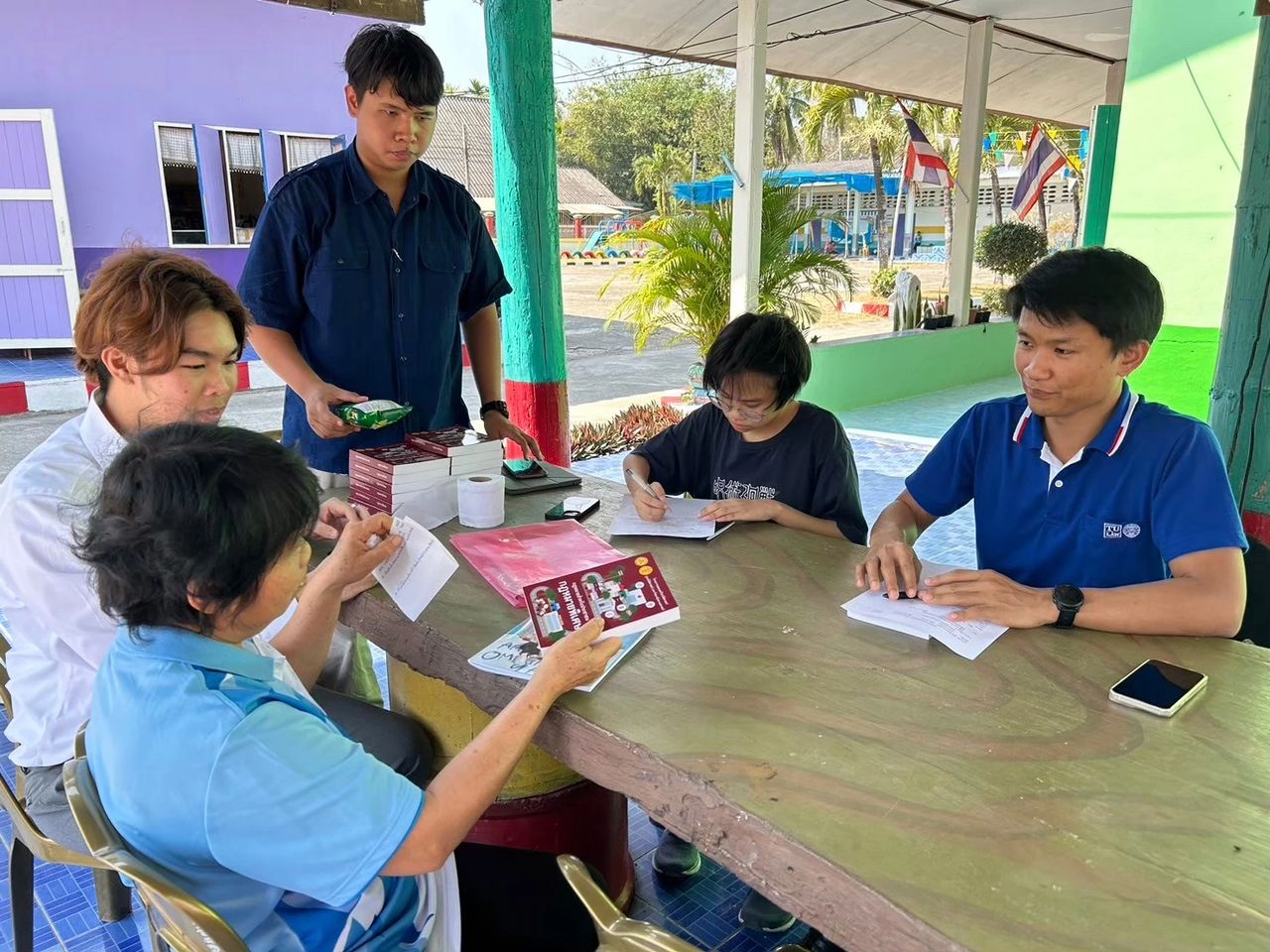
Beyond formal training for officials, Thammasat University also strengthens justice at the community level. Through its “Mobile Law Clinic”, the Lampang Campus conducts direct, off-campus outreach to provide pro bono legal consultations. This initiative, held jointly with the “11th Legal Knowledge Dissemination and Community Relations Project,” specifically targets the public in remote areas, such as the recent clinic held at Ban Thung Pong School in Mueang Pan District, Lampang. This ensures access to justice and provides vital legal education to community leaders and residents, empowering them to navigate complex legal frameworks and uphold their rights.
SDG Move Thammasat Reinforces Alliances, Co-Hosting ‘Sustrends 2026’ to Unveil the Future of Sustainability

In a continued effort to drive Thailand towards a greener future, Thammasat University, through the Centre for SDG Research and Support (SDG Move) under the Faculty of Economics, once again stepped up as a key partner for ‘Sustrends 2026’.

Held on 27 August 2025 at the Benchakitti Forest Park Museum, this premier annual seminar serves as a vital platform for updating the nation on the most critical sustainability trends. It is a space where knowledge is exchanged, and inspiration is ignited to drive Thai society towards sustainability in every dimension.

A Convergence of Changemakers 

The ‘Sustrends’ forum is organised through a robust collaboration of diverse sectors, led by The Cloud—an online media platform dedicated to creative social storytelling—alongside heavyweights such as the United Nations Development Programme (UNDP), the Office of the National Economic and Social Development Council (NESDC), the Bangkok Metropolitan Administration (BMA), and various other sustainability networks.

A Steadfast Partnership 

SDG Move’s involvement with Sustrends has been consistent and impactful. having served as a Co-organising Partner since 2023 (for Sustrends 2024) and again in 2024 (for Sustrends 2025), the Faculty of Economics has consistently deployed its personnel to share expertise on stage. This enduring relationship reflects a deep commitment to pushing the sustainable development agenda alongside the country’s leading networks.

Showcasing Impact and Innovation 

For Sustrends 2026, SDG Move maintained its pivotal role not only as a co-organiser but also as a key exhibitor. The centre’s booth attracted significant interest, showcasing the centre’s mission which aligns with the Sustainable Development Goals (SDGs), and highlighting Thammasat University’s impressive performance in the THE Impact Rankings 2025.

Spotlight on Innovation: “Urban Mining” 

A highlight of the event was the visionary talk by Associate Professor Dr Kriengkrai Techakanont from the Faculty of Economics, Thammasat University. Selected as one of the 15 distinguished speakers, he presented a compelling case for “Urban Mining: Extracting Value from End-of-Life Vehicles.”

Dr Kriengkrai illuminated a hidden economic opportunity, pointing out that the city’s accumulation of end-of-life vehicles (ELVs) is not merely waste, but a potential economic treasure trove worth over 200 billion THB.

  • The Circular Approach: He argued that managing these vehicles correctly is not just about waste disposal; it is a perfect model for the Circular Economy, turning scrap into valuable resources.
  • Call for Legislation: To unlock this potential and solve environmental issues sustainably, he proposed that Thailand must seriously consider enacting specific legislation to support the management of ELVs.

Read the full article from the speakers at The Cloud Facebook Page.

Thammasat Reaffirms Global Leadership in SDG 16, Achieving an Impressive 96.13 in the 2025 Integrity and Transparency Assessment (ITA)

Bangkok – 21 August 2025 – Thammasat University continues to set the standard for institutional governance. The university has officially announced the results of the Integrity and Transparency Assessment (ITA) for the Fiscal Year 2025, achieving a remarkable score of 96.13.

Classified as ‘Pass Good’ by the National Anti-Corruption Commission (NACC), this result is not merely a statistical improvement; it serves as a robust reinforcement of Thammasat’s role as a strong, transparent institution aligned with the United Nations’ Sustainable Development Goal (SDG) 16.

Exceeding Strategic Targets

This year’s assessment represents significant development, marking an increase of 1.40 points compared to the Fiscal Year 2024 (94.73 points). Furthermore, this achievement surpasses the challenging target set in Thammasat University’s Strategic Plan No. 13, which aimed for a minimum benchmark of 95 points.


Deep Dive: What is the ITA?

The Integrity and Transparency Assessment (ITA) is a proactive anti-corruption tool utilised by the NACC to evaluate public sector agencies across Thailand. Its goal is to elevate governance standards and create a society that does not tolerate corruption. The assessment is rigorous, comprising three main components:

  1. Internal Integrity and Transparency Assessment (IIT): Surveys the opinions of “Insiders” (university personnel) regarding the organisation’s integrity, operational culture, and internal anti-corruption measures.
  2. External Integrity and Transparency Assessment (EIT): Surveys the perspectives of “Outsiders” (service recipients, students, suppliers, and external stakeholders) who interact with the university, measuring their experience of transparency and fairness.
  3. Open Data Integrity and Transparency Assessment (OIT): A strict verification of the data the university discloses to the public via its website. This includes procurement data, operational plans, and budget expenditure to ensure maximum transparency and public scrutiny.

Linking Local Action to Global Goals (SDG 16)

Thammasat’s success in the national ITA is directly linked to its commitment to SDG 16: Peace, Justice, and Strong Institutions, a goal prioritised globally.

  • Target 16.5: Substantially reduce corruption and bribery in all their forms.
  • Target 16.6: Develop effective, accountable, and transparent institutions at all levels.

Empirical Proof of a “Strong Institution” 

Achieving a high ITA score acts as empirical evidence that Thammasat is a “Strong Institution” with effective and transparent operations.

This domestic success perfectly aligns with the university’s international standing. Recently, Thammasat University was ranked No. 1 in Thailand and No. 4 in the World for SDG 16 in the prestigious THE Impact Rankings 2025.

The rising ITA score is more than just a number; it is a confirmation of Thammasat University’s unwavering commitment to being a model institution rooted in good governance. It demonstrates that Thammasat is ready to be a key force in driving Thai society towards sustainable transparency.

Thammasat University: Championing Education for Global Goals in the Wider Community

HIGHLIGHTS

  • Empowering Local Citizens and Marginalized Communities: Through the Citizen School for Public Engagement, Thammasat provides structured education for non-students and local residents in Pathum Thani, equipping them with knowledge on governance, democracy, and social innovation. In parallel, the “Friend of the Hill Tribe” student volunteering program reaches remote and disadvantaged communities, offering integrated learning and inclusive activities for both students and villagers.
  • Supporting Local Entrepreneurs and Cultural Industries: The Faculty of Fine and Applied Arts, in collaboration with the Lampang Provincial Community Development Office, delivers specialized training and consultancy for community enterprises and artisans. This partnership enhances local skills and preserves the Lanna region’s cultural heritage while strengthening regional economic resilience.
  • Fostering Lifelong Learning and Sustainability Awareness: Thammasat promotes continuous education through the Cooperative Education and Career Center (TUCEEC), supporting alumni in lifelong skill development and employability. Meanwhile, public-facing initiatives like SDG Move’s “SDG Word Search Puzzle” enhance SDG literacy and engage diverse audiences in sustainability learning.

Thammasat University is deeply committed to embedding the principles of the United Nations Sustainable Development Goals (SDGs) not only within its academic walls but also across various segments of society. Through dedicated outreach and purposeful collaboration, TU ensures that knowledge and critical skills necessary for a sustainable world are accessible to the wider community.

Here are key initiatives that illustrate Thammasat’s commitment to advancing the Education for SDGs mission:

1. Empowering Local Citizens and Rural Development

Thammasat actively engages with local residents and disadvantaged groups through educational programs that address core sustainability challenges:

  • Citizen School for Public Engagement: In collaboration with the Puey Ungphakorn School of Development Studies and the Pathum Thani Provincial Civil Society Development Center, Thammasat offers the Citizen School Program (โรงเรียนพลเมือง). This structured educational activity provides non-Thammasat residents and local citizens in the Pathum Thani area with essential knowledge and skills in governance, democracy, public policy, social innovation, and inequality alleviation. The 2024 iteration ran from May 4, 2024, to June 14, 2024. This initiative directly empowers local communities to become informed and active citizens in sustainable development.

  • Volunteering for Disadvantaged Communities: The “Friend of the Hill Tribe” (ค่ายเพื่อนดอยพัฒนา) student camp, organized by the Thammasat Dome Community, demonstrates a strong commitment to marginalized communities. The camp involves students integrating with and learning from hill tribe villagers in remote areas, such as the Huay Phak Kud Learning Center in Tak province. The program features integrated teaching sessions for local students and community engagement activities, focusing on diversity and inclusion by facilitating cooperation between students with and without disabilities. This unique approach ensures that educational outreach reaches the most underserved populations and promotes intercultural understanding.

2. Upgrading Skills for Regional Economic Resilience

Thammasat leverages its academic expertise to bolster local economies and preserve cultural heritage through specialized upskilling and development programs:

  • Art and Craft Industry Development: The Faculty of Fine and Applied Arts established an academic partnership with the Lampang Provincial Community Development Office on July 3, 2024, through a Memorandum of Understanding (MOU). This formal collaboration focuses on providing educational support and expertise, through organizing specialized training, offering consultancy, and conducting research, to local entrepreneurs, community enterprise personnel, and skilled artisans in Lampang and the Lanna region. The joint effort aims to enhance and elevate local craft industries, directly aligning regional development with sustainability goals.

3. Promoting Lifelong Learning and Sustainability Awareness

Thammasat ensures continuous learning opportunities for its alumni and the broader public, reinforcing a culture of sustainability beyond graduation:

  • Alumni Skill Enhancement: The Thammasat University Cooperative Education and Career Center (TUCEEC) offers specialized skill development and job preparation support. Critically, it serves as a platform to support alumni in acquiring new skills, ensuring their lifelong employability and adaptability in a rapidly changing world.
  • Public SDG Literacy Initiatives: Through the SDG Move initiative, Thammasat helps the public, students, and professors increase their literacy on the SDGs. This takes the form of publicly accessible and reproducible learning tools, such as the SDG Word Search Puzzle, which was featured at the Sustrends 2025 summit on September 5, 2024. This engaging and user-friendly resource aims to simplify complex SDG terminology and make the 17 Global Goals more understandable for a diverse audience.

Thammasat University Soars to World’s Top 4 for SDG 16, Driving a ‘Just Society’ with Knowledge for Real-World Impact

  • Research That Drives Real Change: Thammasat prioritises research with social impact over academic output alone. Notable examples include national policy contributions on youth violence prevention and advocacy for reproductive health rights among ethnic minorities—efforts that earned the university a high score in the “Research on Peace and Justice” category.
  • Justice Across All Disciplines: Justice at Thammasat transcends traditional fields, being integrated into nursing, anthropology, business, and more, ensuring graduates are equipped with a multidimensional understanding of fairness and are prepared to support social equity in diverse careers.
  • Strong Government Collaboration: Serving as a neutral academic space, Thammasat collaborates with public agencies through policy-focused research and advisory roles, achieving a perfect score in the “Working with Government” category. Over 70 experts were appointed as government advisors, and more than 125 collaborative projects were conducted in a single year.
  • Academic Freedom Rooted in Responsibility: The university fosters a culture of academic freedom and civic responsibility, promoting open dialogue and critical thinking. This commitment contributed to its strong score in university governance, reflecting Thammasat’s enduring role as a “University for the People.”

เลือก Page 2 เพื่ออ่านเป็นภาษาไทย

Thammasat University has secured the top position in Thailand and fourth globally for its work on Sustainable Development Goal 16 (SDG 16): Peace, Justice, and Strong Institutions. The achievement was announced in the Times Higher Education (THE) Impact Rankings 2025, which assessed over 1,214 universities worldwide. This success is not an overnight accomplishment but the result of a clear strategy driven by the vision of being a “Knowledge Hub for a Just Society,” reflected through tangible actions across various dimensions.

A Deep Dive into the Three Core Strategies for Success

Assistant Professor Chol Bunnag, Director of the Centre for SDG Research and Support (SDG Move) and Assistant to the Rector for Quality Development and Sustainability at Thammasat University, revealed that this success stems from systematic work centred around three key areas of operation.

1. Research for Impact

Thammasat focuses not merely on academic publications but on research that can create real, tangible change in society. Key examples include:

  • Research on Youth Violence: The study “Pathways, Situations, and Factors Associated with Youth Violence in Educational Settings” conducted an in-depth analysis of the root causes of violence in educational institutions. Its findings were used to develop national policies and a prevention manual in collaboration with the Ministry of Education.
  • Research on Reproductive Health Rights: The qualitative study, “A determination of the influence of birth control among minority women in Thailand,” involved fieldwork to amplify the voices of women from ethnic minority groups, advocating for equality in the public health system and respect for cultural diversity.

The quality of this research is reflected in the university’s high score of 84.8 out of 100 in the “Research on Peace and Justice” category.

2. Interdisciplinary Justice

At Thammasat, the concept of justice is not confined to the faculties of Law or Political Science but is integrated into all fields of study to foster fairness in multiple dimensions. Examples include:

  • The Faculty of Nursing, which emphasises human rights within the healthcare system and equitable access to public health services.
  • The Faculty of Sociology and Anthropology, which studies and exposes structural inequality, acting as a voice for marginalised groups.
  • The Faculty of Commerce and Accountancy, which promotes the concept of a Social Economy and creates fair market mechanisms to support vulnerable communities.

This interdisciplinary approach ensures that Thammasat graduates possess a deep understanding of social dimensions and are prepared to be citizens who drive change.

3. Government Collaboration & Good Governance

Thammasat serves as a “neutral space,” linking academic knowledge with public policy-making. This earned the university a perfect score of 100 in the “Working with government” category, demonstrated through concrete actions such as:

  • In 2023-2024, over 70 academics and researchers were appointed as advisors to government agencies at all levels.
  • More than 125 policy-focused research projects were conducted in collaboration with the government in a single year.
  • The SDG Move research centre partnered with the Thailand Science, Research and Innovation (TSRI) office and a network of universities nationwide to assess sustainability situations and gather local-level data to help shape the country’s national Science, Research, and Innovation (SRI) plan.

From Ideology to Practice: Organisational Culture and a New Generation of Citizens

This success is deeply rooted in an organisational culture committed to “Academic Freedom,” a stance Thammasat recently reaffirmed as a core principle. Providing a space for students and staff to ask questions and express themselves constructively, within a framework of social responsibility, was key to the university achieving a high score of 93.8 out of 100 for its “University Governance Measures.”

Asst. Prof. Chol Bunnag concluded, “Freedom must exist within a framework of responsibility, aimed at the public good, and be guided by reason and the rules of society. At a time when the world is confused about the line between ‘freedom’ and ‘lawlessness,’ Thammasat chooses to define freedom with mindfulness and principle.”

The ranking is merely a reflection of a greater mission. More importantly, Thammasat continues to uphold its founding ethos as a “University for the People,” committed to nurturing a new generation of citizens with a heart for justice, ready to build a sustainable society that leaves no one behind.

TU-LSEd Develops New ‘Human Potential and Well-being’ Programme, Preparing Graduates for Modern-Day Challenges

  • New Degree Addressing Modern Challenges: Thammasat University’s Faculty of Learning Sciences and Education is launching a Bachelor of Arts in Human Potential and Well-being in 2026, aiming to respond to rising societal stress, mental health concerns, and global megatrends.
  • Interdisciplinary and Human-Centred Approach: The programme integrates knowledge from neuroscience, anthropology, ecology, arts, and therapy to cultivate graduates who understand human complexity and can support well-being across diverse contexts.
  • Cutting-Edge and Relevant Curriculum: Modules include topics such as neuroscience for well-being, intergenerational empathy, conflict mediation, ecopsychology, and gamification for social change, offering practical tools for personal and societal transformation.
  • Inclusive and Public-Facing Learning: In addition to full-time students, selected modules will be open to the public, promoting lifelong learning and broader engagement with issues of human potential and well-being.

เลือก Page 2 เพื่ออ่านเป็นภาษาไทย

Amidst a contemporary social landscape fraught with volatility and multifaceted change across economic, social, and environmental spheres, public anxiety and stress are on the rise. Compounded by global megatrends such as technological shifts, an ageing society, and a widening generation gap, the challenges to mental well-being for people of all ages are intensifying.

Recognising this urgent need, the Faculty of Learning Sciences and Education at Thammasat University (TULSEd) has developed and is preparing to launch a new Bachelor of Arts (B.A.) in Human Potential and Well-being. It is anticipated that the programme will be positively received as a contemporary course of study that meets the demands of society.

A Programme Designed to Create ‘Humans’ Who Understand ‘Humans’

This programme stems from the commitment of academics and experts to cultivate graduates with a holistic understanding of human potential and the capacity to oversee the well-being of people in a comprehensive manner. The objective is to meet the needs of both public and private sector organisations seeking personnel with the skills to manage complex challenges, foster a positive sense of self and of others, possess emotional maturity, and adapt within an ever-changing society.

The core of the programme is the integration of diverse fields of knowledge, from neuroscience, anthropology, and ecology to art and drama therapy, in order to foster a deep understanding of the various dimensions of humanity. Furthermore, it emphasises the development of skills and tools for working with conflicts arising from diversity at both organisational and societal levels, whether related to age, culture, or belief. The programme is founded on the conviction that social change can proceed alongside spiritual development.

Engaging and Relevant Modules for the Modern Era

The programme is packed with interesting and practical modules, such as,

  • Neuroscience for Human Well-being
  • Diversity, Equity, and Inclusion in Organisations and Society
  • Intergenerational Empathy and Communication
  • Conflict, Violence and Mediation
  • From Traditional Wisdom to Modern Practice: Spiritual Pathways for Holistic Well-being
  • Nature Connection and Ecopsychology
  • Games and Gamification for Social and Organisational Behaviour Change
  • Gerontology and Older Adult Potential Development
  • Death, Dying, and Bereavement

Preparing for the First Intake and Welcoming Public Participation

The Bachelor of Arts in Human Potential and Well-being is scheduled to accept its first intake of students in the 2026 academic year.

Furthermore, a special feature of the programme is the intention to open selected modules to interested members of the public, allowing them to learn and develop alongside the students.

For those interested, or for anyone seeking a course of study that addresses the challenges of contemporary life and society, further information will be available soon on the Facebook page: Faculty of Learning Sciences and Education, Thammasat University.

Thammasat University, as a Representative of Academia, Joins the HLPF 2025 to Drive SDGs

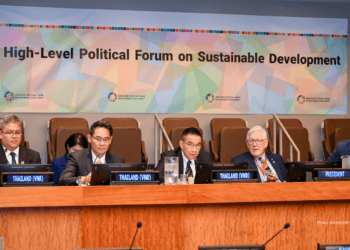
  • International Recognition of Thammasat’s SDG Leadership: Assistant Professor Chol Bunnag from SDG Move represented Thailand at the High-Level Political Forum 2025 at the UN Headquarters, underscoring Thammasat University’s global role in advancing the SDGs.
  • Canteen Vendors Meet New SAN Standards: All food vendors passed the latest SAN (Sanitation, Accountability, Network) certification, replacing the older Clean Food Good Taste standard, ensuring safer and higher-quality meals.
  • Pathway to Healthy Canteen Certification: The canteen is now working towards the more comprehensive “Healthy Canteen” standard, which includes not only hygiene but also nutritional value, such as reducing sugar, fat, and sodium.
  • Supportive Monitoring and Education: The Department of Health will provide further training and analysis in August 2025 to help vendors align with Healthy Canteen criteria, aiming for full certification in the near future.

เลือก Page 2 เพื่ออ่านเป็นภาษาไทย

Thammasat University has once again reaffirmed its commitment to driving the Sustainable Development Goals (SDGs), with Assistant Professor Chol Bunnag, Director of the Centre of SDG Research and Support (SDG Move) from the Faculty of Economics, being honoured as one of Thailand’s representatives at the High-Level Political Forum on Sustainable Development 2025 (HLPF 2025). The forum took place at the United Nations Headquarters in New York, USA, on 21st July.

The university’s participation was aimed at presenting Thailand’s Voluntary National Review (VNR) on the implementation of the 2030 Agenda for Sustainable Development. The pivotal role played by SDG Move was preparing and presenting this report highlights the importance of integrating perspectives from both academia and civil society in the country’s national SDGs drive.

During his presentation, Asst. Prof. Bunnag outlined the progress and challenges of implementing the SDGs in the Thai context. He noted that the SDGs are a vital force bringing together all sectors, including businesses, financial institutions, and educational bodies. This is evident from the 83 Thai universities that have participated in the Times Higher Education Impact Ranking, with five of them making it into the world’s top 100. However, he also pointed out that disparity still exist, particularly the limited discussions on the SDGs within the parliamentary system.

Asst. Prof. Bunnag also offered three key recommendations for future development:

  1. SDGs as a Common Language: The SDGs framework should be used as a tool to foster understanding of complex issues and as a starting point for discussions to build a sustainable future together.
  2. Decentralizing Knowledge to Local Communities: He emphasised the need to distribute appropriate knowledge and technology to local communities and proposed reviving Community-Based Research projects, which would empower communities to solve their own problems.
  3. Creating a Platform for Participation: A platform should be established to meaningfully promote the participation of communities and civil society organisations, enabling them to co-design policies and officially integrate data from the public into evaluation processes.

In addition, during the data collection for the VNR 2025 report, SDG Move played a crucial role in gathering feedback and recommendations from two key sectors: civil society and the science, research, and innovation sector. This was achieved by collaborating with the Department of International Organizations and the Office of the National Higher Education Science, Research and Innovation Policy Council (NXPO) to host stakeholder consultations across six regions nationwide.

This significant role on the global stage reflects the university’s commitment to being a thought leader and a source of social knowledge. It also showcases the collective effort of all sectors to genuinely drive Thailand’s Sustainable Development Goals.

Experience ‘Innovation for Life’: Thammasat Unveils Major Exhibition Under the Concept ‘SDGs for the People,’ Joining Forces to Find Solutions for a Sustainable Future

Thai society is currently besieged by challenges on all fronts. From the escalating severity of natural disasters to the widening gap of social inequality, these issues are not merely statistics in a government report; they profoundly affect the daily lives of every citizen. The pressing question remains: How do we cope with these challenges effectively?

Thammasat University, steadfast in its identity as the “University for the People,” officially launched the “SDGs for the People: Innovation for Life – Building a Sustainable Future” exhibition on 21 July.

This initiative is not merely a display of academic papers or theoretical research. It is a dynamic platform designed to present tangible solutions. It opens a space for the public to witness and touch creative “exits” to crises, forged from advanced knowledge and technology, specifically tailored to resolve the pressing problems of Thai society.


Explore 5 Zones of Innovation: Changing the Future

The exhibition space is meticulously divided into 5 Key Zones, covering the nation’s most critical challenges. It features over 30 cutting-edge innovations ready to transform our collective future:

1 – Resilience & Disaster Preparedness ZonePreparing for the Unpredictable 

Preparing for the Unpredictable Visitors will step into a world of high-tech safety. Experience the intensity of tremors with a real-life earthquake simulator to learn vital survival skills. Discover “EmergencyTU,” a revolutionary emergency communication system that operates without reliance on internet signals, ensuring connectivity when it matters most. The zone also showcases advanced Earthquake Warning Innovations to keep communities safe.

2 – Clean Energy & Infrastructure Innovation: Zone Powering the Future 

Witness the future of construction and power. Highlights include a Smart Solar Tracker System that maximises solar energy production efficiency. Marvel at “Cement-Free Concrete,” a breakthrough in eco-friendly construction materials, and meet the Underwater Inspection Robots designed to explore and maintain submerged infrastructure safely and efficiently.

3 – Sustainable Urban & Public Spaces Zone Designing Inclusive Cities 

This zone reimagines urban living with the ‘Future Street’ prototype—a smart road system integrating traffic data with safety protocols. Inclusivity is at the heart of this zone, featuring exercise areas designed for people with 7 different types of disabilities. Additionally, see how AI Technology is being used to monitor and care for urban trees, ensuring our cities remain green and healthy.

4- Health & Future Food Zone Wellness for All 

Explore the future of nutrition with Crispy Vegetable Sheets, processed to retain full nutritional value with a long shelf life, perfect for modern health-conscious consumers. On the medical front, discover “Microwave MedTech,” which utilises microwave waves for disease analysis and treatment, alongside innovative Patient Exercise Machines and Functional Foods designed for holistic well-being.

5 – Circular Economy & Sustainable Production Zone Waste to Wealth 

Dive into the principles of the Circular Economy. This zone displays Bio-packaging solutions that are genuinely friendly to the environment. Witness the transformative process of converting waste fibres into high-value textile products and learn about Regenerative Fertilisers that return nutrients to the earth, completing the sustainability loop.


A Mechanism for Real Change

Professor Dr Supasawad Chardchawarn, Rector of Thammasat University, emphasised the university’s strategic goal:

“Our aim is to push the Sustainable Development Goals (SDGs) beyond concepts and turn them into a ‘Mechanism for Change’ that actually happens. This exhibition is a sandbox where researchers, students, and the public can learn, experiment, and build upon ideas together, creating a cycle of learning that truly answers the needs of Thai society.”

A Rotating Showcase of Wisdom 

Please note that this is a Rotating Exhibition.

  • July – September 2025: The current phase features innovations from the Science and Technology Faculties.
  • Upcoming Phases: The exhibition will subsequently rotate to showcase works from the Social Sciences and Humanities Faculties, followed by the Health Sciences Faculties. This structure ensures a diverse and comprehensive display of innovation across all dimensions.

Invitation to the Public

We cordially invite the general public, students, researchers, and anyone with a passion for social innovation to become part of building a sustainable future.

Every zone in “SDGs for the People: Innovation for Life” is designed for interaction and hands-on experimentation.

Dates: Now – 30 September 2025
Venue: SDG Lab, Puey Ungphakorn Centenary Hall (Puey Park), Thammasat University, Rangsit Centre
Group Visits & Educational Tours: For group bookings or educational study visits, please contact the Quality Development and Sustainability Division in advance.

  • Tel: 02-564-4440 ext. 1580 or 1583
  • Email: sdgs.tu.1@gmail.com
  • Hours: Monday – Friday, 08:00 – 16:00

Come and find the answers and inspiration to turn the problems around us into real change, paving the way for a sustainable life and society for everyone.

Thammasat University Supports Lifelong Learning to Foster Professional and Community Growth

HIGHLIGHTS

  • Promotes lifelong learning through both structured (on-programmed) and ad hoc vocational training initiatives for professionals and the public.
  • Upskills agri-food entrepreneurs via a MHESI-supported non-degree programme covering product standards, business management, and digital marketing.
  • Enhances HR capacity through recurring “Labour Law for HR Executives” training, equipping managers with applied legal and ethical HR practices.
  • Fosters sustainable and inclusive urban design via collaboration with professional associations to deliver CEU-accredited training on universal design and arboriculture practices.

Thammasat University is extending its educational excellence far beyond its traditional degree programmes, reinforcing its commitment to lifelong learning. The university provides vital knowledge to professionals and the wider community through a mix of on-programmed-basis courses and ad hoc specialised vocational training events. These initiatives equip individuals with practical skills needed to navigate contemporary challenges and drive sustainable development.

On-Programmed Basis: Upskilling Agri-Food Entrepreneurs

The Faculty of Science and Technology’s Agricultural Technology programme has launched an innovative non-degree course aimed at developing the skills of entrepreneurs in the agricultural and food sectors. This comprehensive training, supported by the Ministry of Higher Education, Science, Research and Innovation (MHESI), is structured into three key modules:

  • Module 1: Agricultural and Food Product Standards
  • Module 2: Modern Agricultural Business Management
  • Module 3: Digital Marketing Strategies for Agricultural Business

Running from May to August 2024, the programme features experts from leading organisations in product standards and digital marketing. It provides 40 participants with essential knowledge and networking opportunities, strengthening the capabilities of Thailand’s vital food and agriculture industry.

On-Programmed Basis: Advancing HR Management with Expert Labour Law Training

The Institute for Continuing Education and Human Resources (ICEHR) successfully hosted the third iteration of its sought-after programme, “Labour Law for HR Executives.” This recurring course attracts professionals from diverse fields, providing them with critical insights from leading labour law experts.

Focusing on practical case studies, the training empowers participants to apply legal knowledge correctly and fairly within their organisations. The interactive environment allows executives and managers to exchange experiences and gain techniques for effective and ethical human resource management.

Ad Hoc Vocational Training: Designing Sustainable and Inclusive Public Spaces

In collaboration with the Thai Association of Landscape Architects (TALA) and the Thai Arboriculture Association (TAA), Thammasat University’s Faculty of Architecture and Planning recently led a vital public lecture and demonstration.

This training event, titled “Footpaths for All and Trees,” featured Thammasat’s own Assoc. Prof. Dr Chumket Sawangcharoen speaking on “Landscape Design of Footpaths with Universal Design Principles,” alongside practical demonstrations on correct tree pruning and safe arboricultural work methods. Attended by nearly 100 participants—including personnel from local government organisations, the Forestry Department, and the public—the session provided professional CEU credits for arborists, underscoring its role in advancing professional standards for creating greener, more accessible urban environments.

Join the Experience: “SDGs for the People” Exhibition — Reflecting Thammasat’s Global Mission to Drive Sustainable Development

Thammasat University, led by the Quality Development and Sustainability Division, cordially invites you to witness the opening ceremony of the “SDGs for the People” Exhibition.

This showcase highlights the university’s unwavering commitment and tangible achievements in driving the Sustainable Development Goals (SDGs), aiming to create a better society and elevate the quality of life for everyone. ⭐

Event Details:

  • Date: Monday, 21 July 2025
  • Time: 09:00 – 12:00
  • Venue: Puey Ungphakorn Centenary Hall (Puey Park for Learning), Thammasat University, Rangsit Centre

Why Attend? This exhibition is more than just a display of progress; it serves as a dynamic platform for the public. It offers a unique opportunity to learn about and understand Thammasat’s pivotal role in national and global sustainable development. We aim to inspire understanding that leads to tangible, real-world change.


Prepare for a Year-Long Journey of Rotating Exhibitions

The innovation does not stop at the opening. Following the launch on 21 July, the “SDGs for the People” exhibition will transform every three months throughout the coming year.

Each rotation will spotlight standout issues and projects from diverse disciplines, ensuring a comprehensive view of sustainability:

  • Science & Technology
  • Social Sciences
  • Health Sciences

This rotating format reflects the diversity and inclusivity of the SDG initiatives that Thammasat has successfully implemented.

Come and be part of this significant movement. Let’s learn, be inspired, and co-create a sustainable future together.