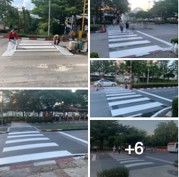
Many fatal accidents involving pedestrians crossing crosswalks have led society to question why we have crosswalks if crossing the crosswalk is not safe. Thailand has issued the “Road Traffic Act, B.E. 2522 (A.D.1979) which specify several regulations and reinforcements on crosswalks and pedestrian’s rights, one of which clearly stated that “Rights must be given to the pedestrians in the crosswalks first”.
The laws governing road safety in Thailand state that a vehicle which fails to stop while a person is crossing at a pedestrian crossing faces a fine not exceeding 1,000 baht.
In addition, if a driver hits a person using a pedestrian crossing, the punishment is up to 3 years in jail.
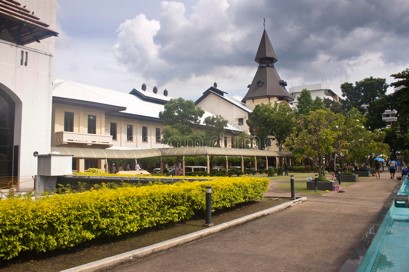
For Thammasat University, pedestrians have priority and access throughout the campus area. Thammasat University, not only strictly reinforces the law but also issue a policy on pedestrian safety as well to promote walking around the campus. Please refer to the policy #9 Policy on Pedestrains Safety on our SDG website https://sdgs.tu.ac.th/policy-operation/ for more information on pedestrian safety.
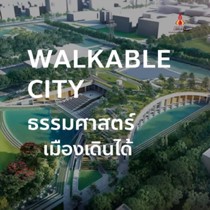
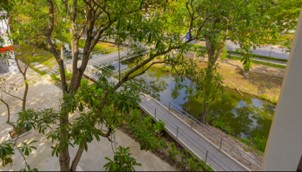
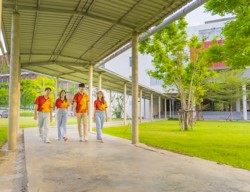
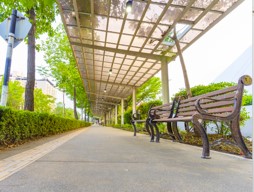
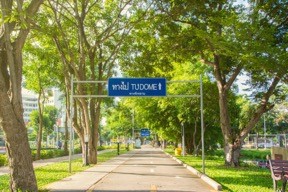
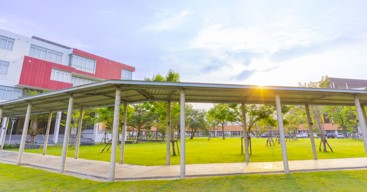
Aligning with “Thammasat Centenary Master Plan” which aims to reduce the use of personal cars around campus and Thammasat Hospital area, the University built the walkway and bike lane to cover the entire Rangsit Campus area. The “Walkable City” was the project that brought in the needs of the pedestrians, the physical design that will facilitate and encourage walking such as:
Redesigning the layout of walkways around the campus to better facilitate the pedestrians
Reconstructing, expanding and/or repairing sidewalks especially the ones with holes and rough pavements
Repairing or repainting cross walks
Installing guiding blocks and warning blocks for people with disabilities
Thammasat University started by installing Braille Blocks at the Rangsit campus to test the Guiding Block system, while the Tha Prachan campus will use the Warning Block system. Tactile paving (also called Tenji blocks, truncated domes, detectable warnings, tactile tiles, tactile ground surface indicators, tactile walking surface indicators, or detectable warning surfaces) is a system of textured ground surface indicators found on footpaths, stairs and railway station platforms, to assist pedestrians who are vision impaired.
The design of covered walkways considers both the functionality and the aesthetic with the following key design concepts:
1. The design uses a column and roof structure to create light and airy feel to blend with the open space or the surrounding buildings.
2. The height of the covered walkways and bike lanes is in the range of 3 – 5 meters, with the width of about 5 meters, 3 meters of which is for pedestrians and the other 2 meters is for bike lanes.
3. The design must connect the walkway system with popular areas on campus, both inside and outside the buildings, for the convenience of pedestrians and cyclists.
4. The materials used, such as steel poles, polycarbonate sheets, must be in plain colors that match with the environment to create the feeling of harmony with the surrounding areas.
5. The design must include a clear division between the walkways and the bike lanes to accommodate heavy traffic.
Started in April, 2021, Thammasat University has issued an announcement to prohibit motorcycles running on the bike lane and pedestrians walkways in Rangsit Campus. The Unversity assigned the on-duty security guards to monitor if any motorcycle riders violated the regulation. Alarm system was installed to signal in case there is any violations.
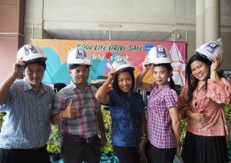
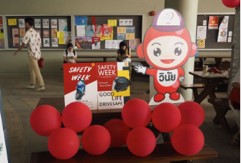
Furthermore, to promote and induce safety awareness for the community within and around Thammasat University, Rangsit Campus, a “Safety Week: Good Life Drive Safe” campaign was launched with series of activities and seminars to educate the public on road safety knowledge and precautions, the causes of motorcycle accidents, and to re-emphasize the important of wearing a helmet.
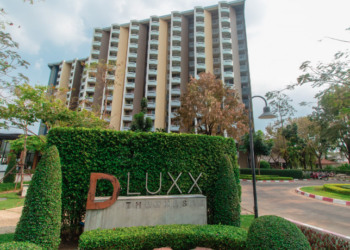
Thammasat University provides on-campus affordable housing options for the students at Rangsit and Lampang campuses. Rangsit Campus, which is the largest campus of Thammasat University, offers various types of rooms for the students with a 5-month rental period.
Zone B dormitories offer 70 square-meter apartment units with 2 bedrooms and a living room. Each unit comes with furniture, air conditioners, a television, a refrigerator, and wireless internet. The monthly rent per person is from 2,700 to 3,000 THB, approximately US$76 to US$ 85, based on the dormitory building.
Zone C and Zone E dormitories offer 2-bed studios with furniture, a refrigerator, an air conditioner, and wireless internet. The monthly rent per person is 2,700 THB which is approximately US$ 76
Zone F and Zone M dormitories offer 4-bed studios with furniture, private or shared bathroom, and ceiling fan or air conditioner. There are shared amenities in the dormitories, such as refrigerators, microwaves, water dispensers, wireless internet, and reading rooms. The monthly rent ranges from 900 to 1,300 THB (approx. US$ 25 to US$ 37) for the fan and air-conditioned rooms, respectively.
Medical student dormitories offer furnished, 2-bed studios for the 4th– 6th year students in Faculty of Medicine in and the 3rd– 4th year students in Faculty of Nursing. The monthly rent is 2,000 THB, which is approximately US$ 56.
Besides the on-campus housing provided by Thammasat University, there are also many other private-owned housing options near and around Rangsit campus. The price ranges from 2,000 – 2,600 baht for the air-conditioned, furnished room. Comparing with these private-owned accommodations, Thammasat University provides a much more affordable housing for students with up to 50% discount for the monthly rental fee and the 5-months contract to allow the students more options to leave and come back during the summer break.
A well known dormitory outside of Rangsit Campus is “TU Dome” apartment. Although operated by a private-owned company, the apartment resides on Thammasat University’s property and operated under the University’s guidelines and requirements especially in terms of pricing, safety and security restrictions.
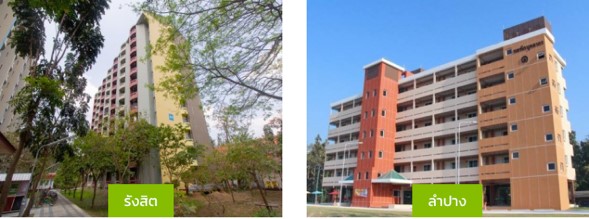
At Lampang Campus, there are 3 dormitory buildings.
Dome 1 and Dome 2 Building offer 98 air-conditioned rooms and 95 fan rooms. Each room could occupy up to four students and comes with 2 bunk beds, furniture, and wireless internet. The monthly rents are 800 and 1,100 THB (approx. US$ 23 and US$ 40) for fan and air-conditioned rooms respectively.
Dome 3 Building offers 132 air-conditioned rooms with bunk beds, furniture, a refrigerator, a television, and wireless internet. The monthly rent per person for a 30-square-meter room is 1,800 THB (approx. US$ 51) for 3 occupants or 2,500 THB (approx.US$ 71) for 2 occupants. The monthly rent per person for a 32.5-square-meter room is 2,000 THB (approx. US$ 56) for 3 occupants.
There are a limit numbers of private dormitories nearby and around Lampang Campus. Some available ones are situated around 5-kilometer radius from the campus with the monthly rental fee, doubling those on-campus housing that Thammasat provides, starting from 1,900 THB (US$ 54) for a fan room.
For more information, location details and contact numbers, please refer to these websites.
Thammasat University provides on-campus accommodations for the University’s staff, both salaried and contract employees. The staff dormitories offer rooms at different price points, based on the provided amenities. The room options are available in this link. Dormitories for Staffs
Thammasat University Dormitory is surrounded by expansive green gardens and provides a high level of safety through a comprehensive Smart Security system. The dormitory features access control via facial recognition to reduce physical contact, Smart CCTV covering key areas, and Smart Emergency poles that connect directly to the Security Command Center 24 hours a day. Additionally, a License Plate Recognition system manages vehicle entry and exit to ensure residents’ safety. The dormitory is accessible around the clock, catering to all lifestyles and activities—whether studying, engaging in campus events, or simply returning to rest. Shared facilities are designed to meet diverse needs, including a communal kitchen for preparing both Thai and international dishes, a fitness center, and a co-space for meetings, activities, and study.
50-Unit Building
The 50-unit building is a 2-story building with 50 units. The rooms come with private bathroom, water purifier, cable TV, and internet access. The monthly rent is 300 THB, which is approximately US$ 8.50.
Zone A Dormitories
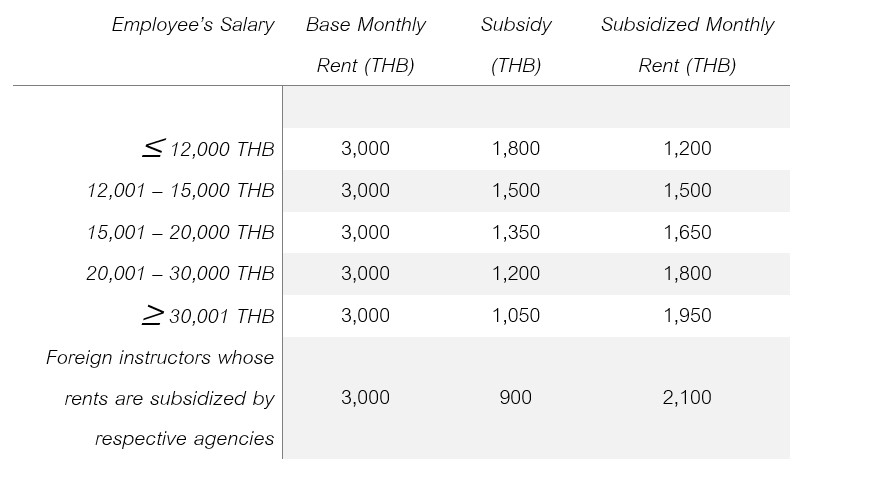
Zone A dormitories offer 2-bed studios with furniture, private bathroom, cable TV, internet access, and air conditioner. The subsidized monthly rent ranges from 1,200 to 2,100 THB (approx. US$ 34 to US$ 60) based on the employee’s salary.
Zone B Dormitories
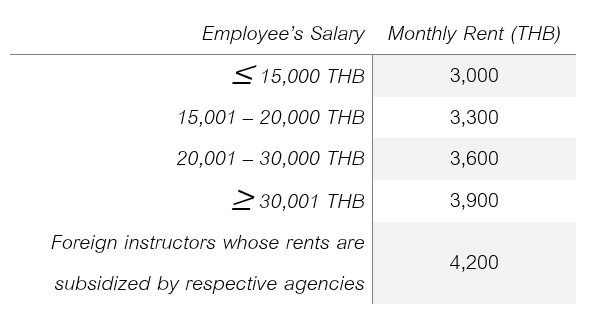
Zone B dormitories offer apartment units with 2 bedrooms and a living room which can fit 4 people each. The amenities are the same as in Zone A dormitories with the addition of a dining table and a set of couches in the living room. The monthly rent ranges from 3,000 to 4,200 THB (approx. US$ 84.50 to US$ 114.30) based on the employee’s salary.
14-Story Building
The 14-story building offers both 2-bed studios and apartment units that come with furniture and internet access. A studio with air conditioner costs 1,500 THB (approx. US$ 42.30) monthly, while a studio with ceiling fan costs 1,200 THB (approx. US$ 34) per month. The monthly rents for air-conditioned 1-bedroom and 2-bedroom apartments are 3,000 and 4,000 THB (approx. US$ 84.50 and US$113) respectively.
Medical Staff Dormitory
The dormitory for medical staff of Thammasat University Hospital offers double rooms with furniture, ceiling fan, and internet access. The monthly rent is 900 THB or approximately US$ 25.40.
Note: The THB-USD conversion is approximated based on the exchange rate on 23 June 2022.
The private dormitory and apartments within 5 kilometers from the main campus are also available with the monthly rental fee around 1,000 THB per month. The room and amenities are similar to the rooms at 50-unit Building. Comparing with private-owned accommodations outside the University, Thammasat dormitories provide better amenities with up to 70% discount for the monthly rental fee.
Thammasat University has four campuses. Thammasat Tha Prachan Campus is located at the center of Bangkok along the renowned Chao Phraya River. Thammasat Rangsit Campus is the largest campus located in Pathum Thani Province, 40 km. north of Bangkok. The other two campuses are in Pattaya (Eastern Thailand) and in Lampang (Northern Thailand). Hence, with the distances between campuses, telecommuting or remote working for employees and online/distance learning are the essential part of the “new normal” way of living.
Thammasat University (TU) is initiating a significant organizational shift through its ‘TU Work from everywhere’ program, driven by the realization that organizations must rapidly adapt to a world increasingly shaped by technological advancement and innovation. The key objective of this movement is to adjust the university’s traditional governmental working model to remain current with leading institutions and achieve its goal of becoming a ‘World-Class University for the People,’ focusing fundamentally on the happiness of employees who are essential gears in the university’s development. As part of policies promoting a Future Workforce and Future Workplace, the ‘TU Work from everywhere’ program introduces work flexibility, allowing employees to avoid daily office visits, though this requires overcoming the challenge of transitioning staff—some still attached to traditional methods like filing cabinets—to systems heavily utilizing technology. Thammasat, being an autonomous university, has the scope to make these changes, and a six-month pilot program has been conducted with three units to gather data on successes, failures, and necessary systemic improvements needed to establish rules ensuring efficient flexible work that also enhances staff quality of life.
With the concern for the health and safety of the faculty staffs and employees having to travel for work or activities, Thammasat University issued several announcements and guidelines to promote and provide more safer, convenient and productive ways of working for the employees, faculty staffs and students. Office Heads are encouraged to delegate staff to work at the office only when necessary while the rest should work from home or schedule alternate working days among co-workers.
Despite the COVID-19 situation, Thammasat University allows employees and faculty staffs to manage their works from home or at one campus when possible to reduce commuting especially when there are conflicts of meetings between campuses.
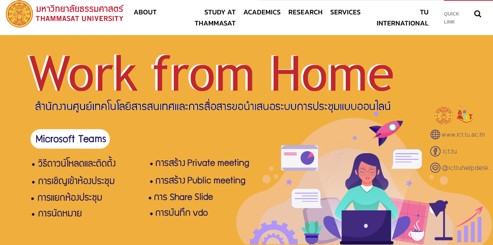
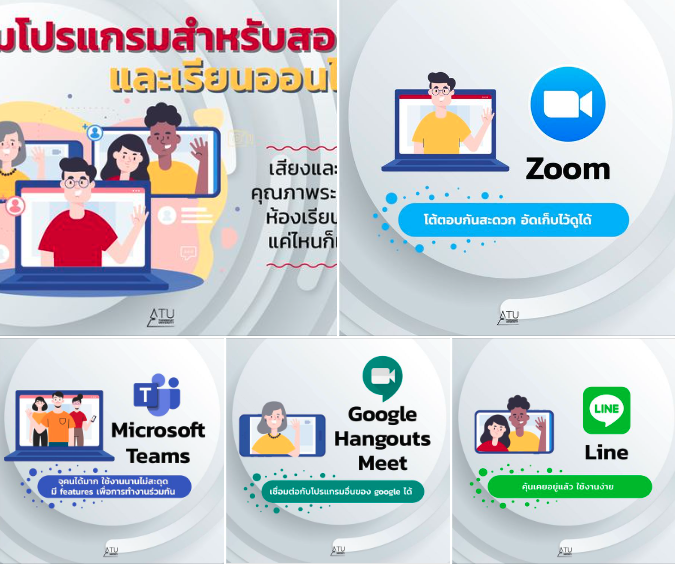
Thammasat University often holds inter-campus meetings and conferences. Currently, inter-campus online meetings can be arranged on Microsoft Team which reduces the need of long-distance commuting. The online teaching, online learning, and work-from-home guidelines were made available in Thammasat University and faculty websites. 1. Distance Learning Handbook and Guidelines for Faculty Staffs 2. Online Learning Handbook and Guidelines for Students
Sending Documents across Departments or Campuses Written documents and original hard copies are legally required and still the main and necessary method of communications among departments and faculty. E-documents were incorporated into the procurement and departments’ communications to fasten the delivery time, reduce the amount of paper wastage as well as green house effect from the delivering process.
Hybrid Classroom Thammasat University has prepared a few classrooms in all faculty buildings to be equipped with online and/or hybrid classes to minimize the time and distance in commuting to classes. transportation for both the staff and students, which would be required in the traditional classroom system. Besides helping with greenhouse gas emission, this policy also helps control the spread of COVID-19 during the pandemic. Hybrid Learning at Lampang Campus
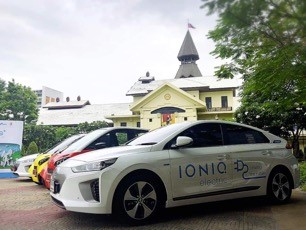
Thammasat University advocates a firmed intent to manage and develop transportation systems that are safe and energy-efficient – reduce emissions of greenhouse gases and use vehicles that are environmentally friendly. Several initiatives are implemented for a more sustainable commuting inside and around campus area such as free EV shuttle bus, the use of shared bicycles, and the use of electric vehicles.
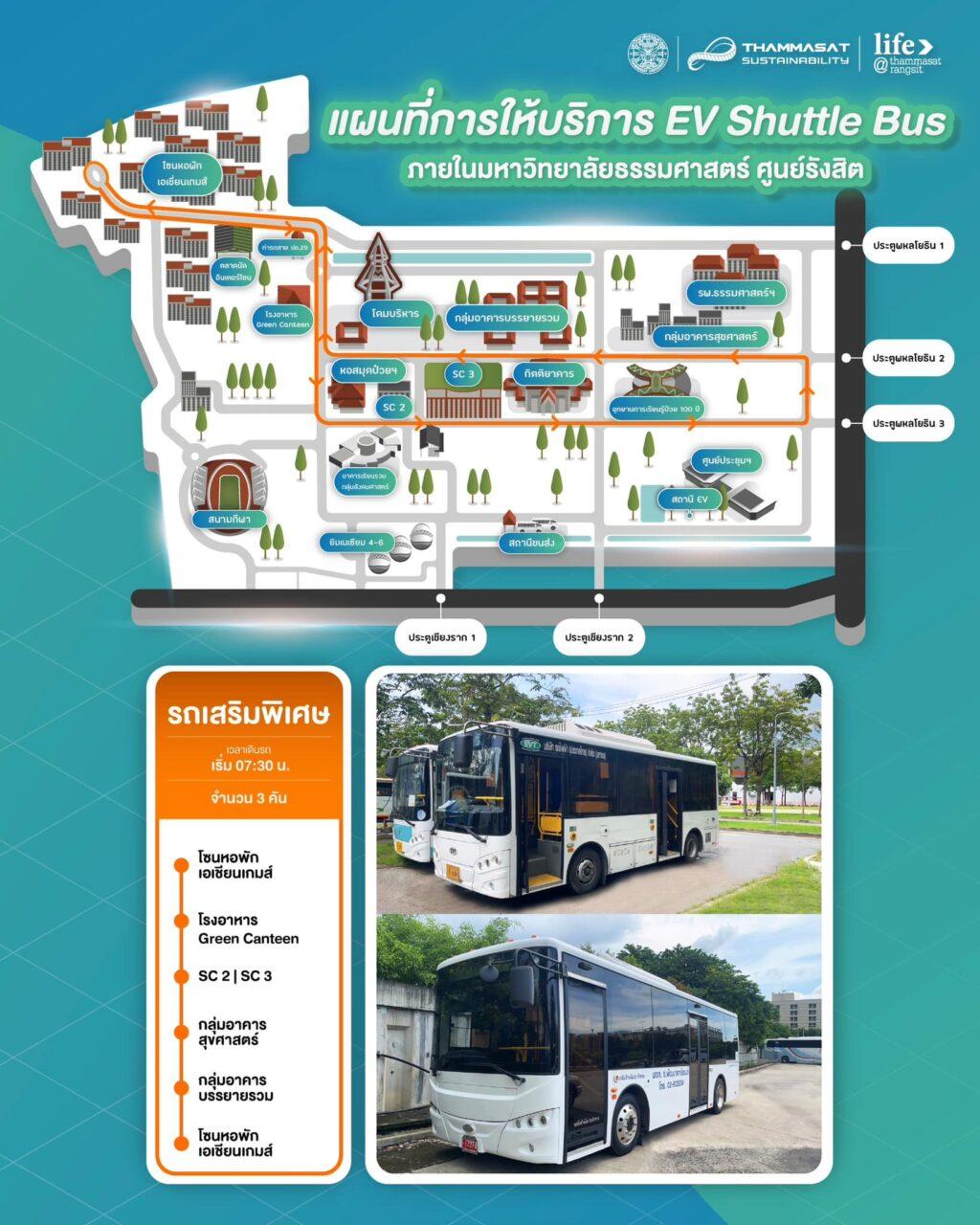
Free EV Shuttle Bus Services at Thammasat University – Rangsit Campus
Continuing to enhance the awareness and the importance of emission reduction, the University has implemented a multi-year project to replace fossil fuel powered service shuttles with EV shuttle buses. This also includes the project of changing 20 shuttle buses service in Rangsit Campus from Natural Gas Vehicle (NGV) to be Electric Bus in 2021. At the end of the year 2022, 100% of these shuttle buses were completely migrated to electric buses.
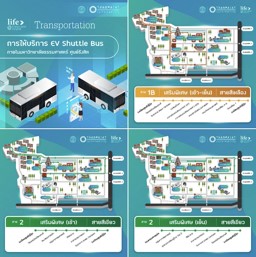
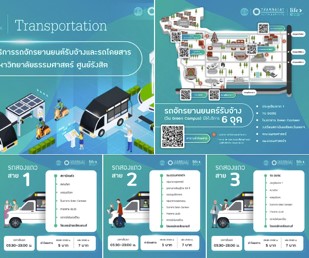
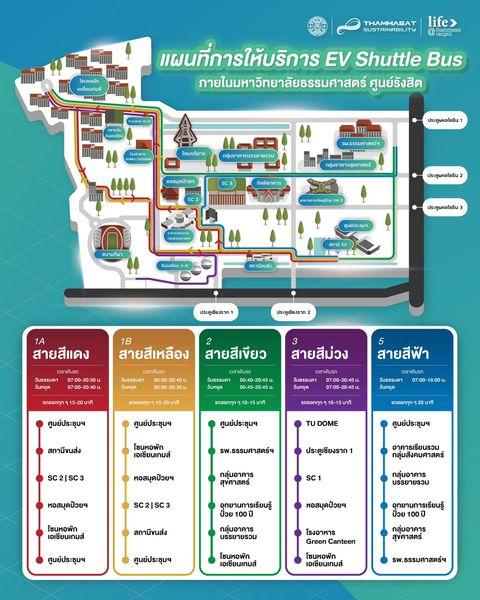
As one of the services provided for students and staffs who live on-campus and around campus area, Thammasat University provides FREE shuttle bus connecting from dormitory areas to the University’s buildings, food courts, and Thammasat Hospital since 2005. At Thammasat University Rangsit Campus, there are currently 25 free EV shuttle buses in service which leave the shuttle station every 10-15 minutes. The electric shuttle fleet covers 5 routes covering the whole campus area to make sure that this on-campus transportation option does not cause any air pollution.
For more information on EV shuttle bus, please visit these websites and facebook.
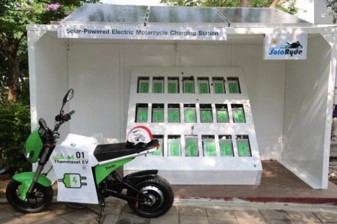
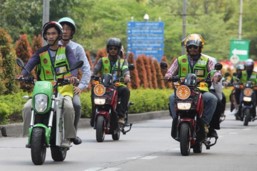
Motorcycle is another mean of a more convenient and fast transportation. The University has partnered with Star 8 (Thailand), Co.Ltd. to provide electric motorcycles for students and staffs to use within the campus as the alternative “low-carbon” mode of transportation. Electric Motorcycle is another initiative in helping to reduce the carbon emissions and promote the importance of clean energy at Thammasat University.
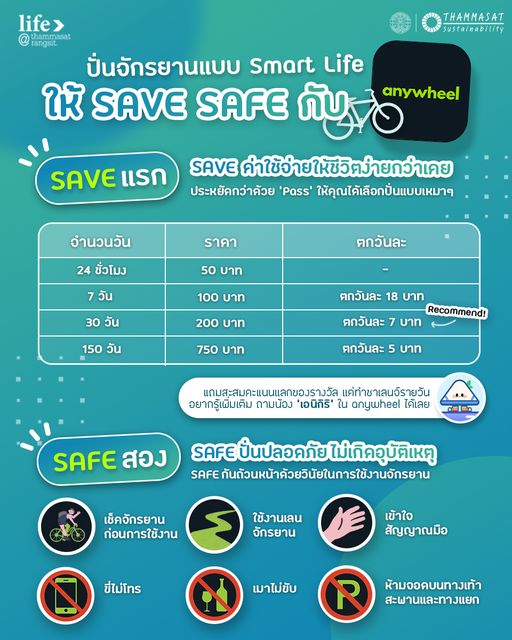
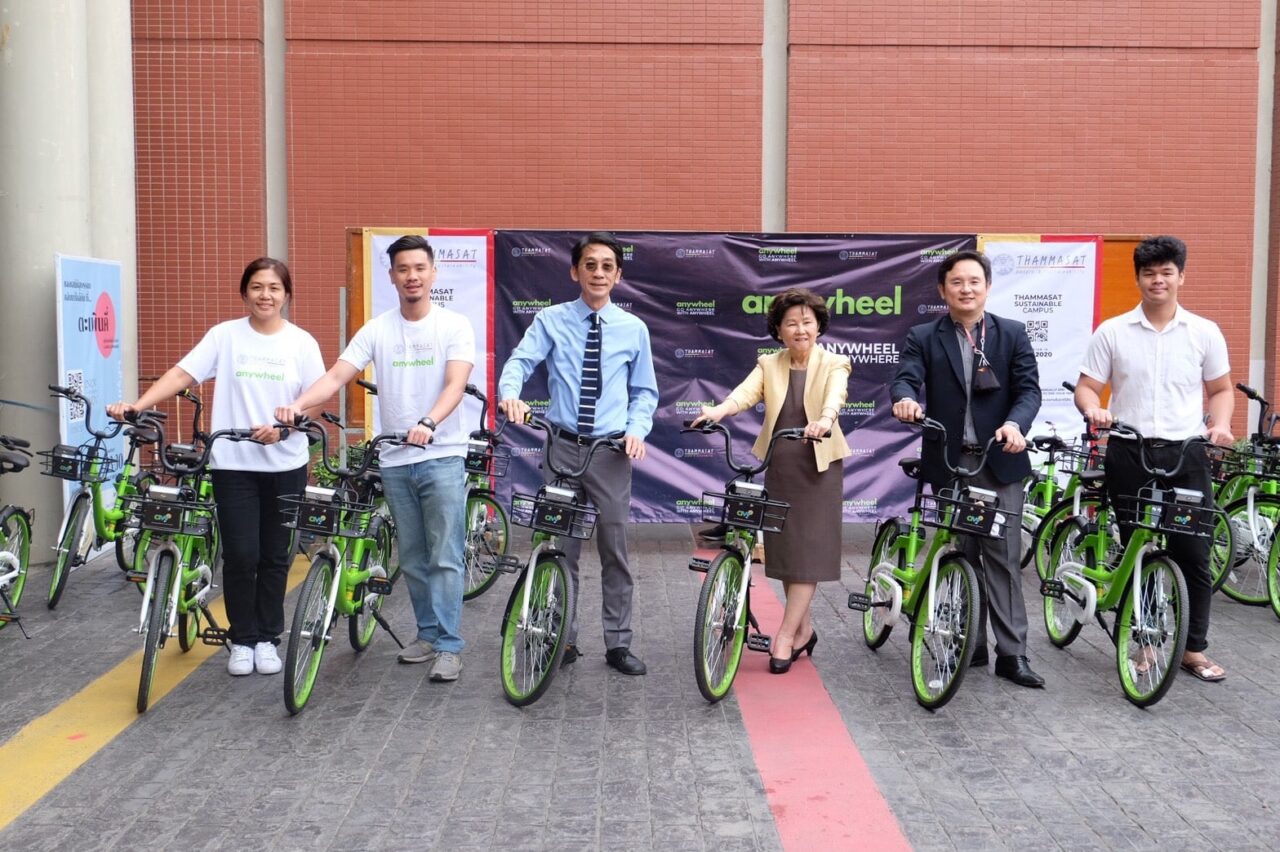
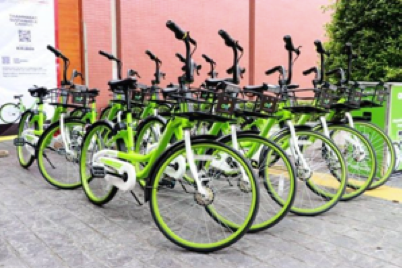
Since 2012, Thammasat has launched the program to reduce the number of cars and motorcycle used in university and increased the number of sharing bicycles, bicycle routes, and length of bicycle lane. Since 2021, Thammasat has more than 1,000 shared bicycles and more than 70 service stations for students and staffs to facilitate commuting around Rangsit Campus. Students and staffs use this non-motorized transport and contribute to reducing theirs as well as the University’s carbon footprint.
It has signed an agreement of cooperation with “Anywheel” to promote the use of shared bicycles to allow the students, staff, and visitors in actively contributing to reduce the use of fossil fuel powered vehicles within the campus. The University aims to continue promoting the use of bicycles as non-motorized transport (NMT) by adding bicycle lanes.
Each service station offers 15-28 public bicycles that can be rented through their mobile application. In the past year, the total distance used by AnyWheel users on campus was 812,515 km.
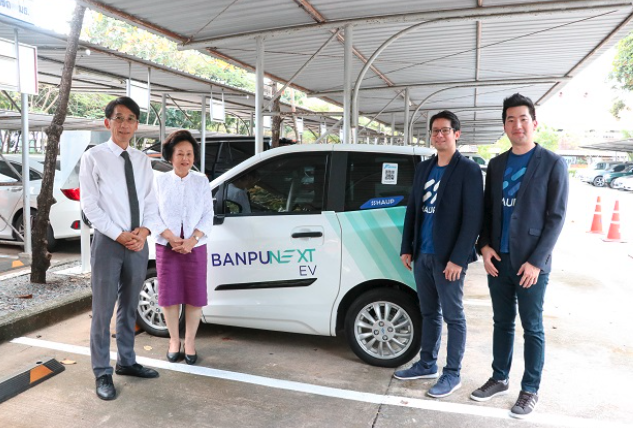
Thammasat signed MOU agreement with four private companies that will support EV car including charging stations and application, aiming to use this innovation to facilitate users around Thammasat University area. The agreement was signed by Thammasat and other four company directors including Haupcar Co.Ltd., Hyundai Motor (Thailand) Co.Ltd., FOMM (Asia) Co. Ltd., and Evolt Technology Co.Ltd.
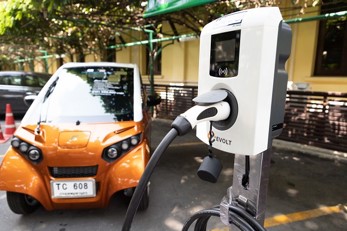
The University provides 4 electric vehicle charging locations in Rangsit Campus and one station at Dome building, Tha-Prachan Campus to support those who use electric vehicles. Each location has at least one electric vehicle charging station, altogether around 8 stations within the University. One station can serve up to 12 electric vehicles at one time.
A plan in place for end of 2025 is to install three additional rental and charging stations at Rangsit Campus.
Provision for Public Van Station at Thammasat University – Rangsit Campus
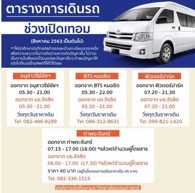
Thammasat University Rangsit Campus provides a 3000-square-meter area for the public van station which can handle up to 40 vans. The van station is open from 5:30 am to 8 pm daily. Each van can fit up to 13 passengers, not including the driver, and covers as far as a 40-kilometer distance per trip. The number of public van users is as many as 3,500 people per day. This van station is a connecting hub between city centers and Thammasat University Rangsit Campus.
Digitalize Information for Sustainable Commuting TU Around App is an application that has been developed to accommodate the users of EV shuttle buses on campus. It allows the users to search information on the shuttle bus routes on Thammasat University Rangsit Campus.
The functions of this application are: 1. To find the closest shuttle stop by inputting the name of the place or the shuttle stop 2. To find a shuttle stop for a certain destination by inputting the name of the place or the shuttle stop 3. To suggest the shuttle routes for a certain destination 4. To track the arrival time of the shuttle buses 5. To track the shuttle bus locations
Thammasat University continues to create new projects and initiatives, both ongoing and yearly, to record and preserve cultural heritage. These cultures include folk and regional culture, national culture, and the culture of displaced communities in the country. One of the key institutes which lead the art and culture preservation is Thai Khadi Research Institute (สถาบันไทยคดีศึกษา), Thammasat University.
Thammasat University established Thai Khadi Research Institute (TKRI) in 1971 under the name “Thai Khadi Research Project” with the aims to promote research on Thai traditions, language, and knowledge, to create documentary on the study of Thai society, to lead the art and culture preservation projects, and to spread the knowledge about Thai society to the general public. Thai Khadi Research Institute’s mission is to be a leading research institute that provide academic services and create projects and activities to restore, preserve, and promote traditional arts and culture which are local and national’s identity for Thai society.
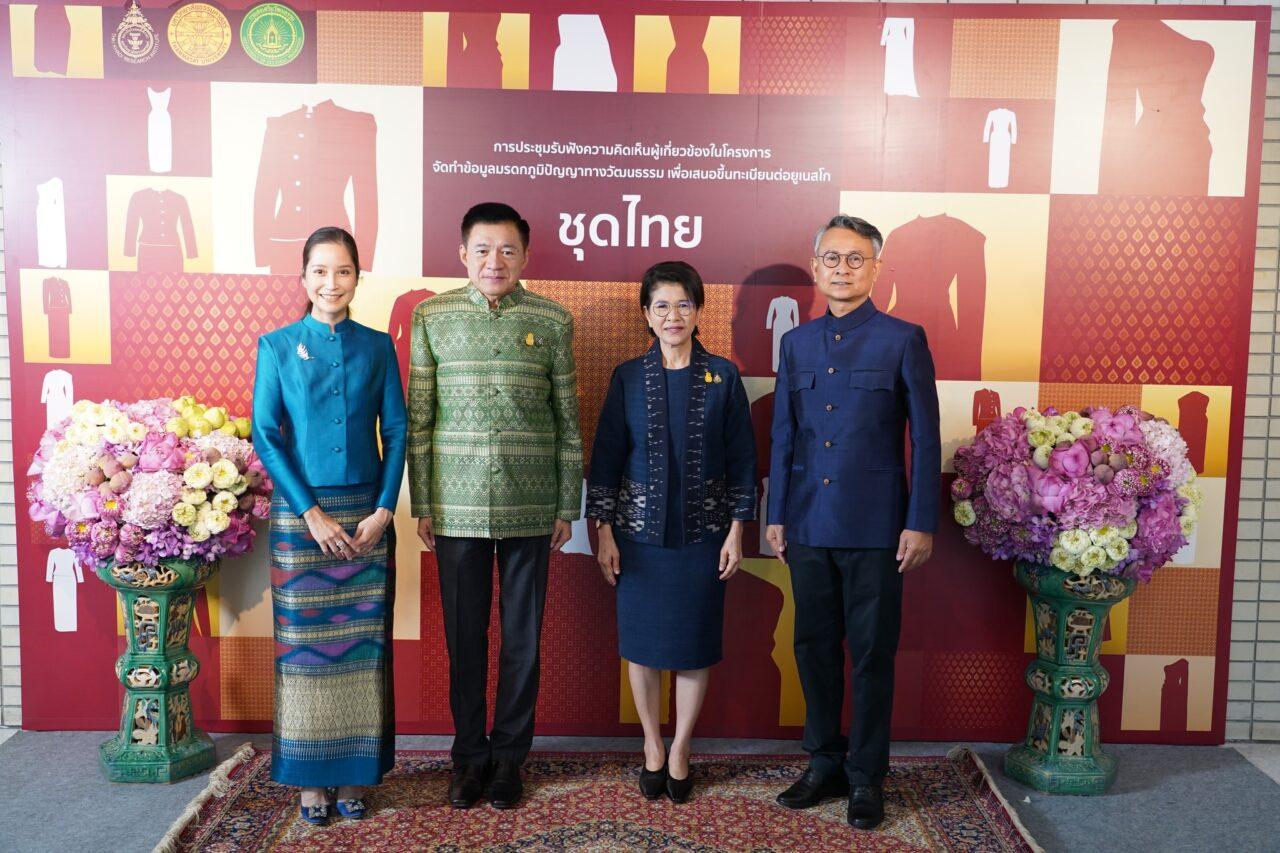
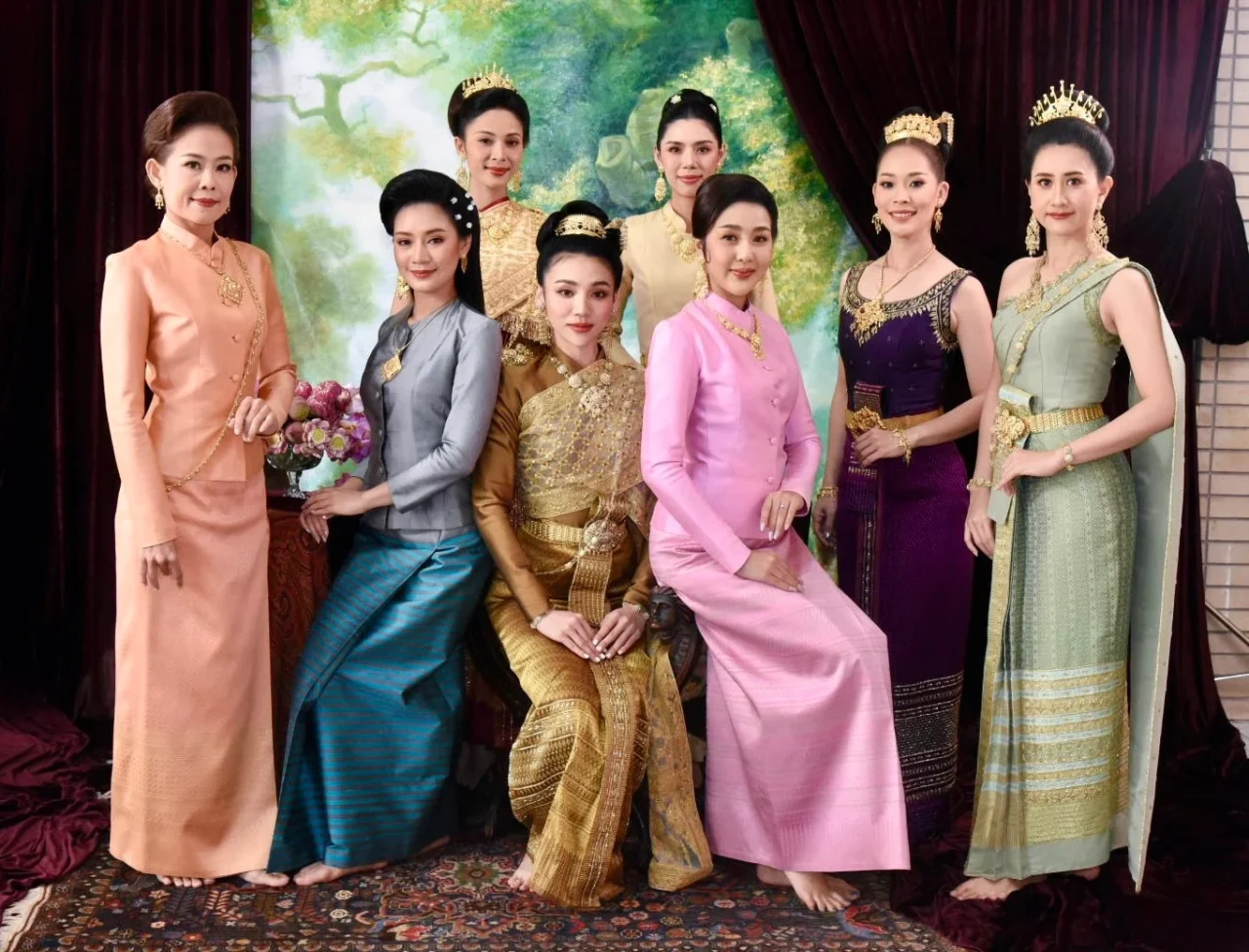
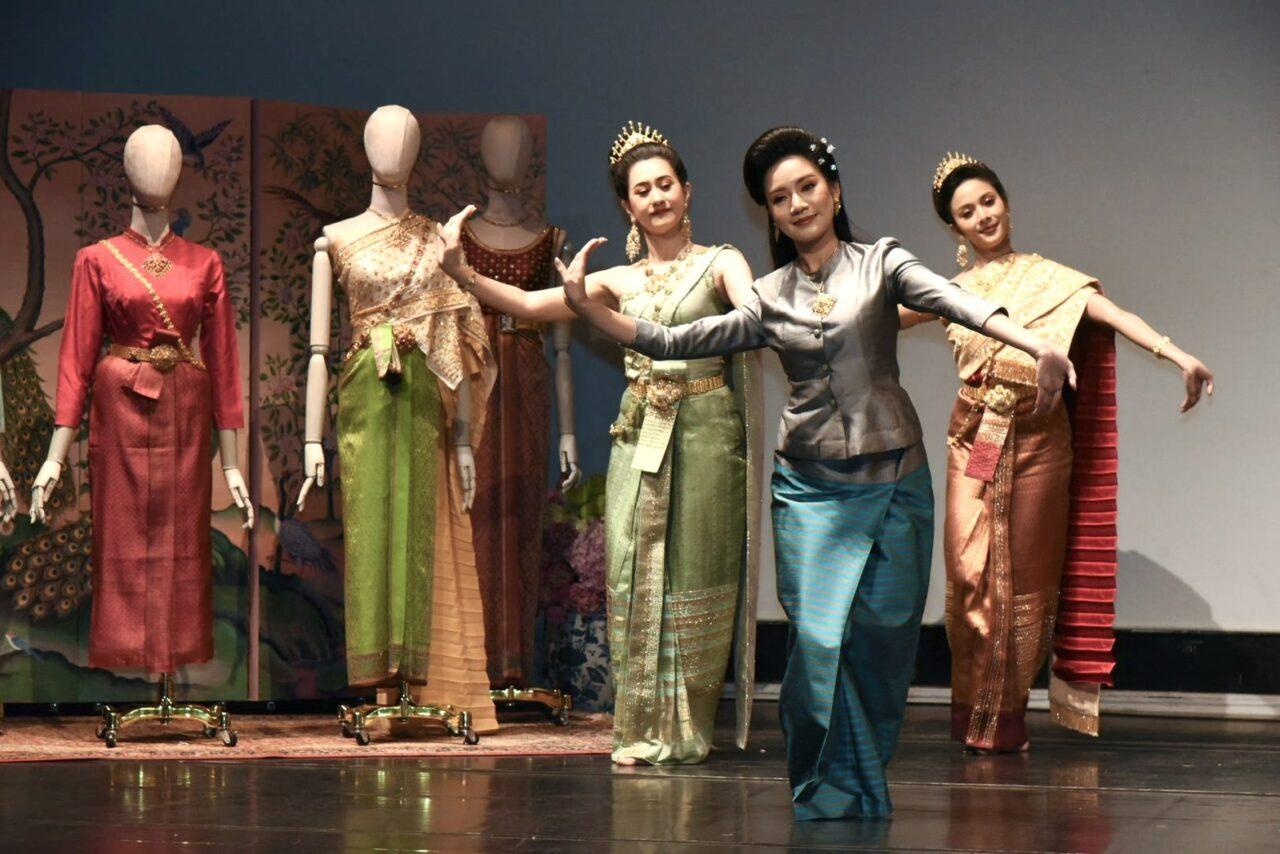
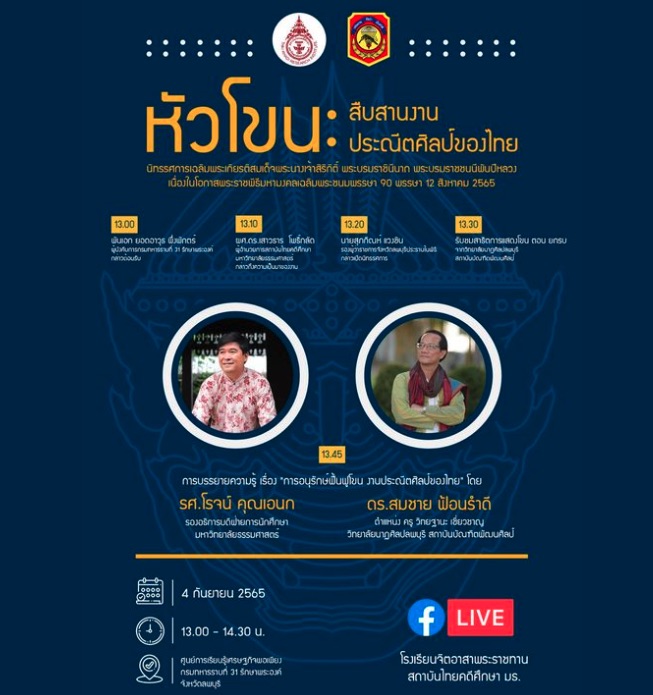
TKRI, in collaboration with the Thailand Cultural Center and the Department of Cultural Promotion under the Ministry of Culture, has organized a seminar focused on preserving the cultural heritage of *Chut Thai* or Thai Traditional Attire. This seminar is a pivotal step in preparing an official submission to UNESCO for the recognition of Thai attire as an Intangible Cultural Heritage, a move aimed at safeguarding and celebrating Thailand’s artistic and cultural legacy on an international scale.
This project not only highlights the beauty and elegance of Thai traditional attire but also delves into its artistic craftsmanship, historical significance, and cultural symbolism. Each piece of *Chut Thai* carries intricate details and techniques passed down through generations—capturing unique weaving patterns, embroidery, and fabric treatments that reflect Thailand’s diverse regions and identities. This initiative involves an extensive documentation process, where experts meticulously research and record the traditional methods, regional variations, and cultural contexts that define Thai attire. By aiming for UNESCO recognition, Thailand hopes to honor these age-old practices and encourage future generations to appreciate and sustain these arts.
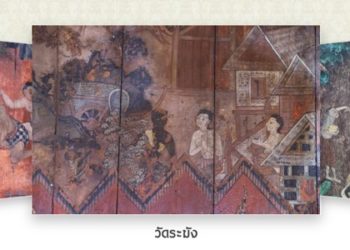
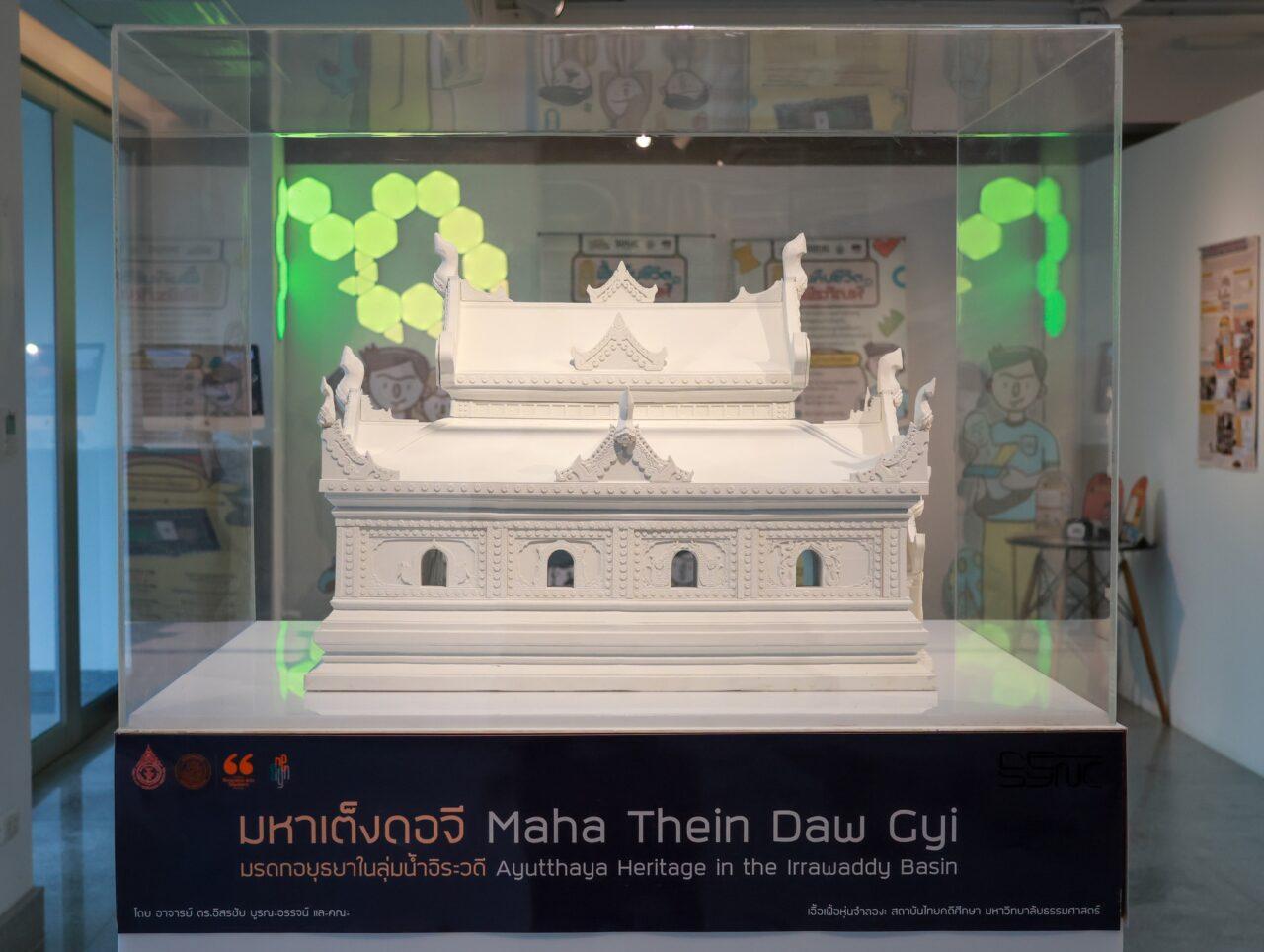
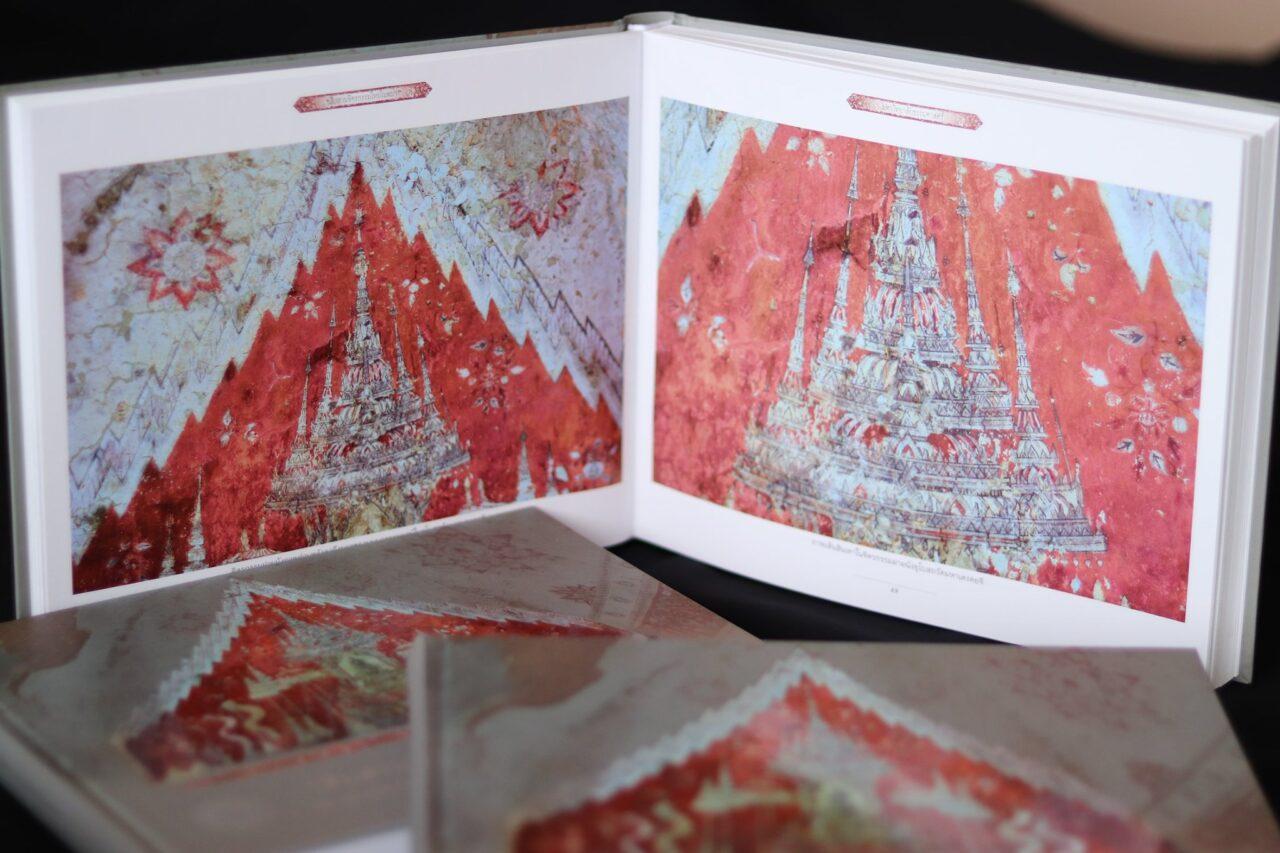
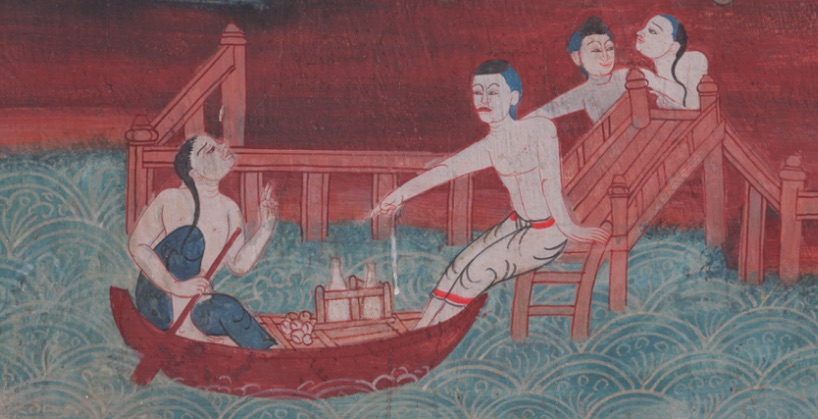
The Thai Khadi Research Institute took a leading role in another preservation of cultural heritage through its work on the historic mural paintings at the Maha Thingdawgyi Temple in Sagaing, Mandalay. These murals, created by skilled artisans from Ayutthaya who were forcibly relocated to Myanmar after the kingdom’s fall, embody a significant exchange of artistic and cultural traditions between Thailand and Myanmar.
To preserve and share this valuable heritage, the Institute collaborated with the Faculty of Architecture at Silpakorn University and the Thai Embassy in Yangon. This partnership resulted in the creation of a detailed model of the Maha Thingdawgyi Ordination Hall, visually capturing the intricate murals that depict cultural and historical narratives shared by both nations.
Furthering their efforts in arts preservation, the Institute also published “Maha Thingdawgyi Temple Mural Paintings Book”, which provides an academic analysis of these murals. The book offers insights into the artistry and cultural significance of the works, highlighting their role in strengthening the historical connection between Thailand and Myanmar. Through extensive field research and documentation, the Institute ensures that these works of art, once at risk of being forgotten, are preserved for future generations.
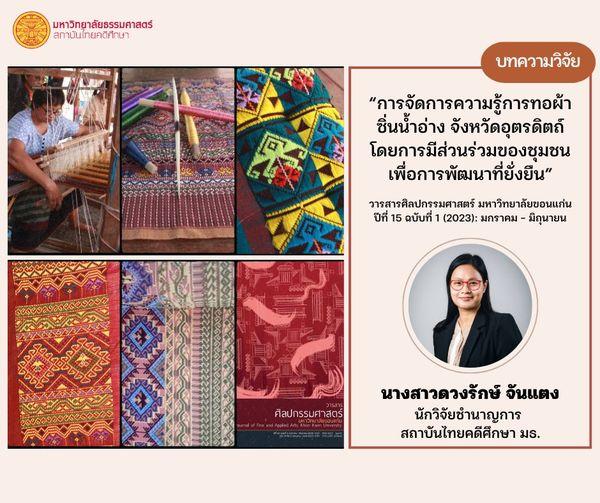
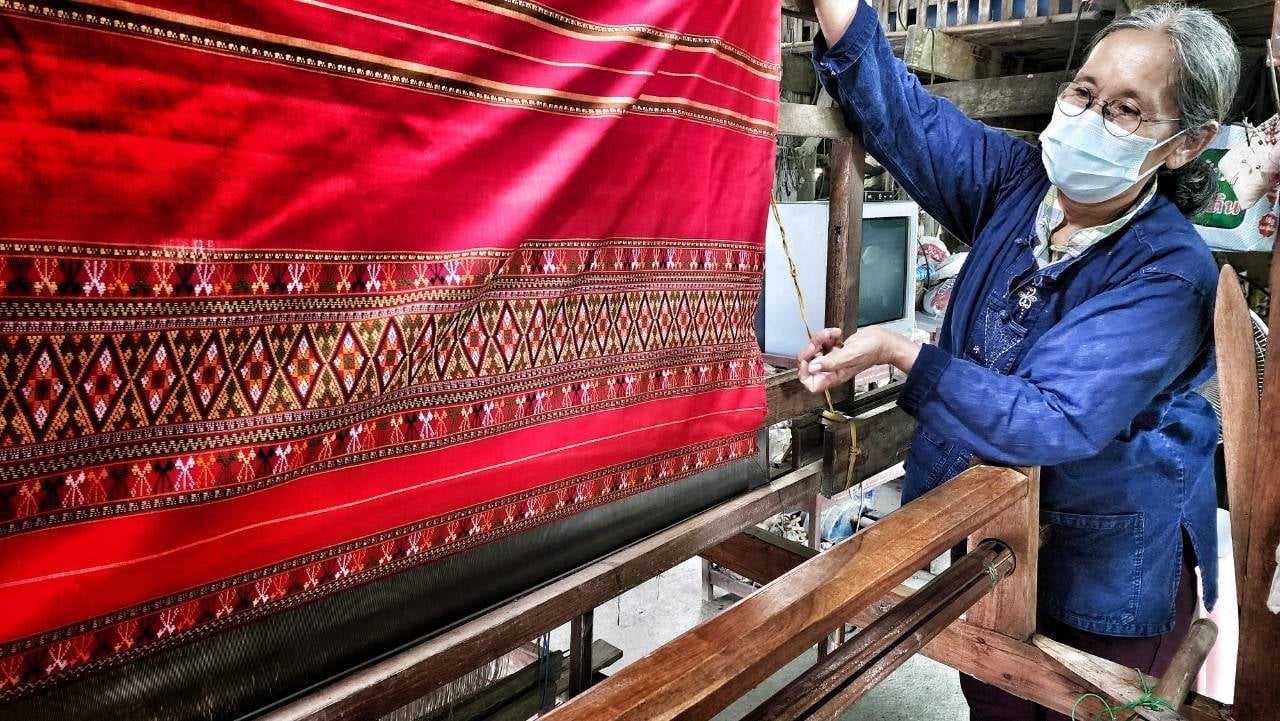
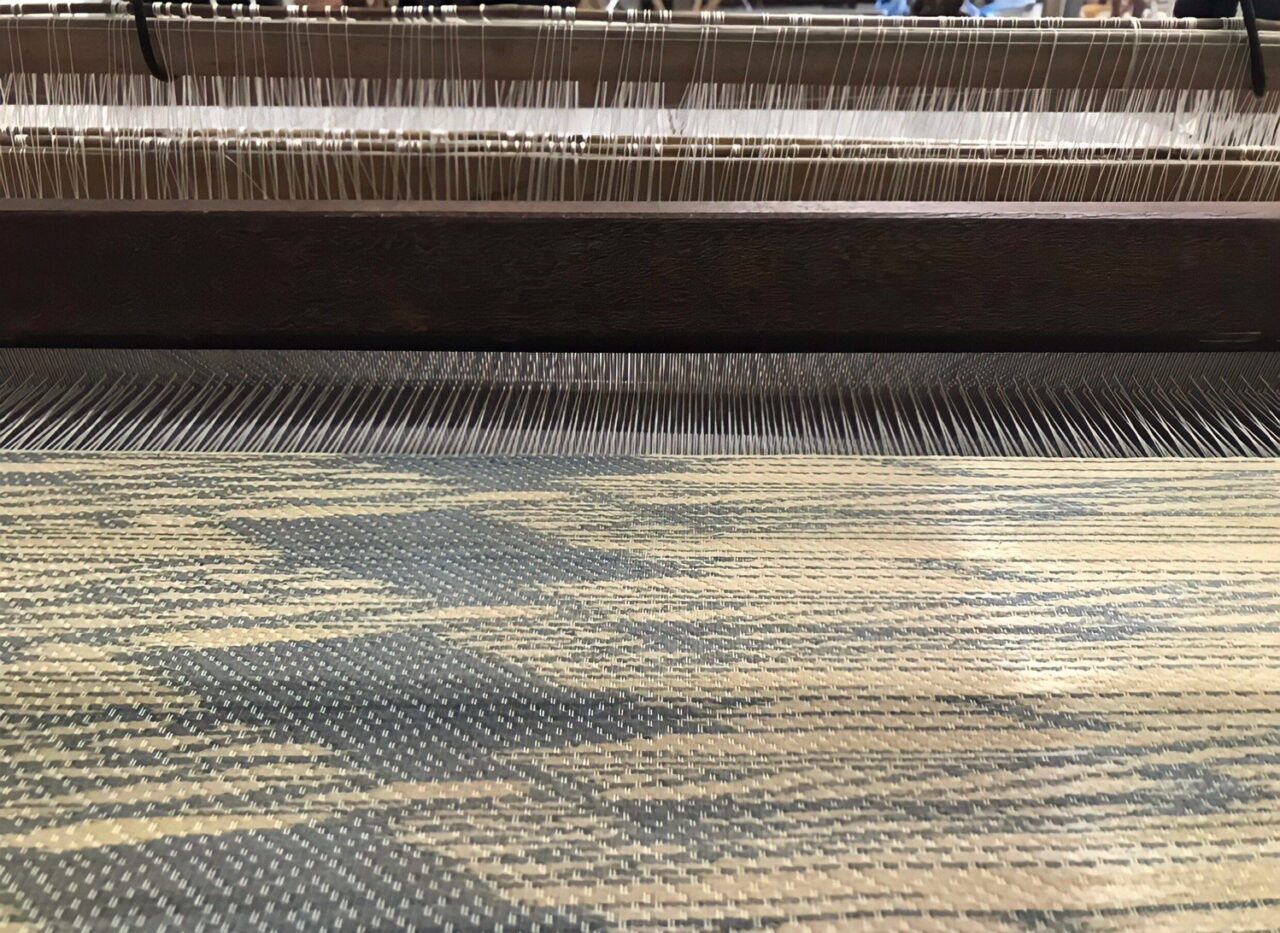
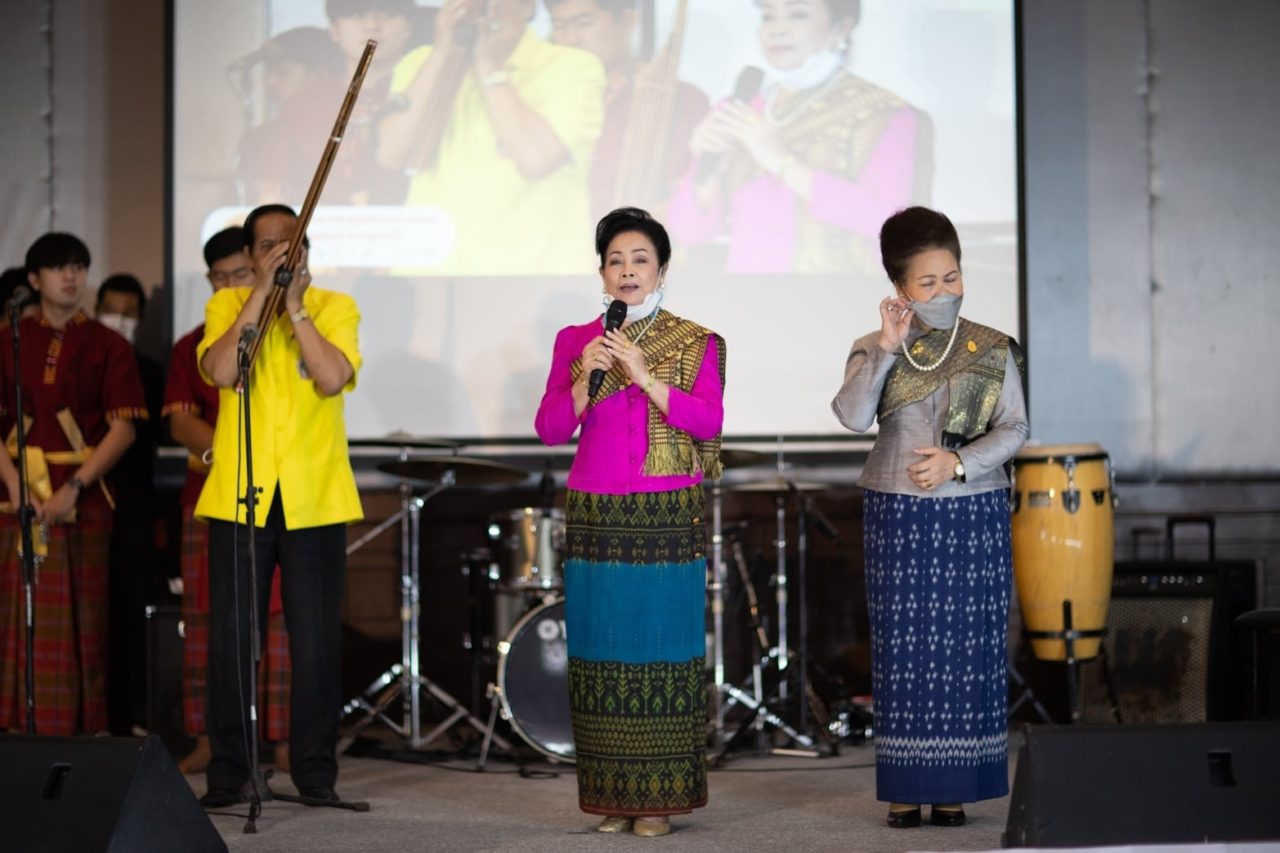
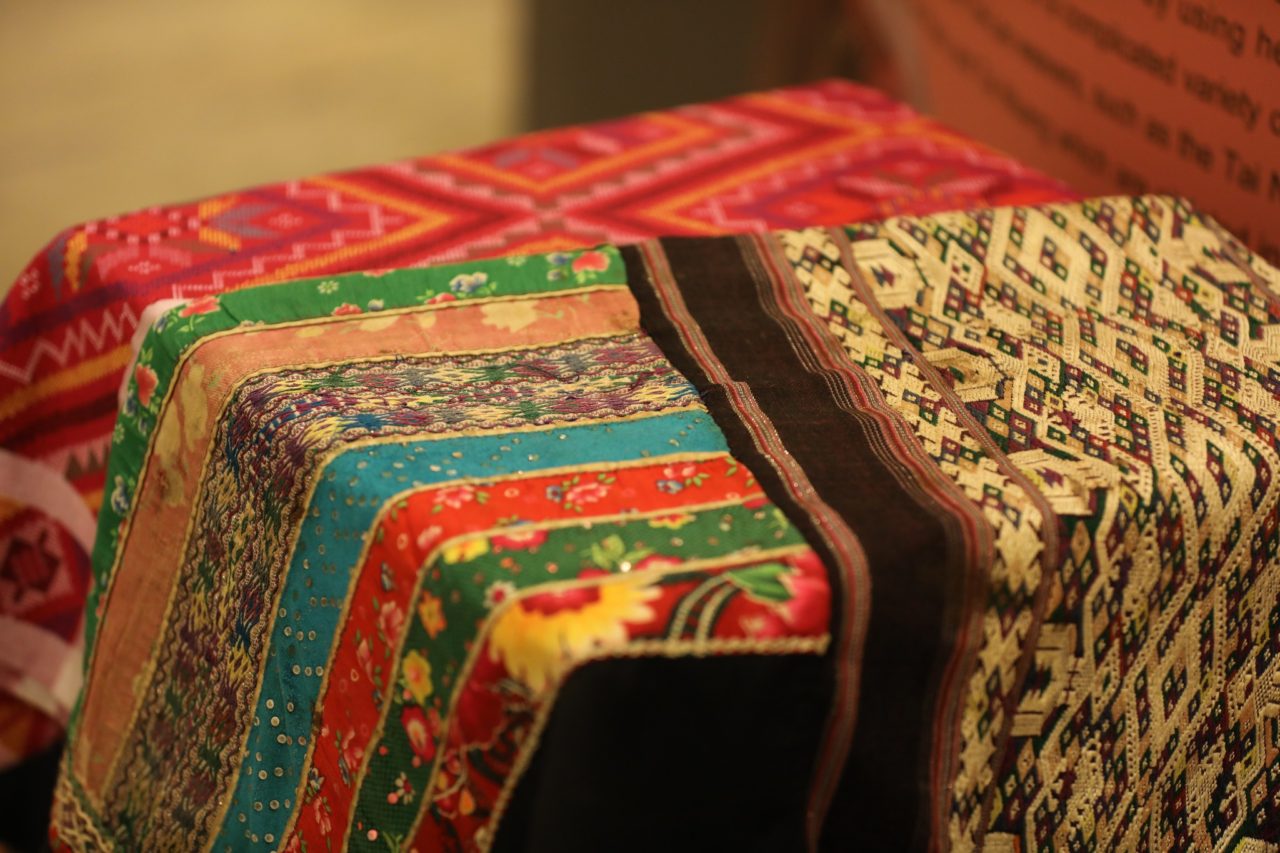
The Nam Ang community in Uttaradit preserves its cultural heritage through the tradition of weaving, particularly the creation of phasin (tube skirts), passed down through generations. This knowledge is not just a craft but an integral part of the community’s identity, preserved through hands-on learning from elder weavers. Through its research, TKRI has worked to document and preserve these practices, collecting stories from skilled weavers and recording the distinctive patterns that represent the community’s identity.
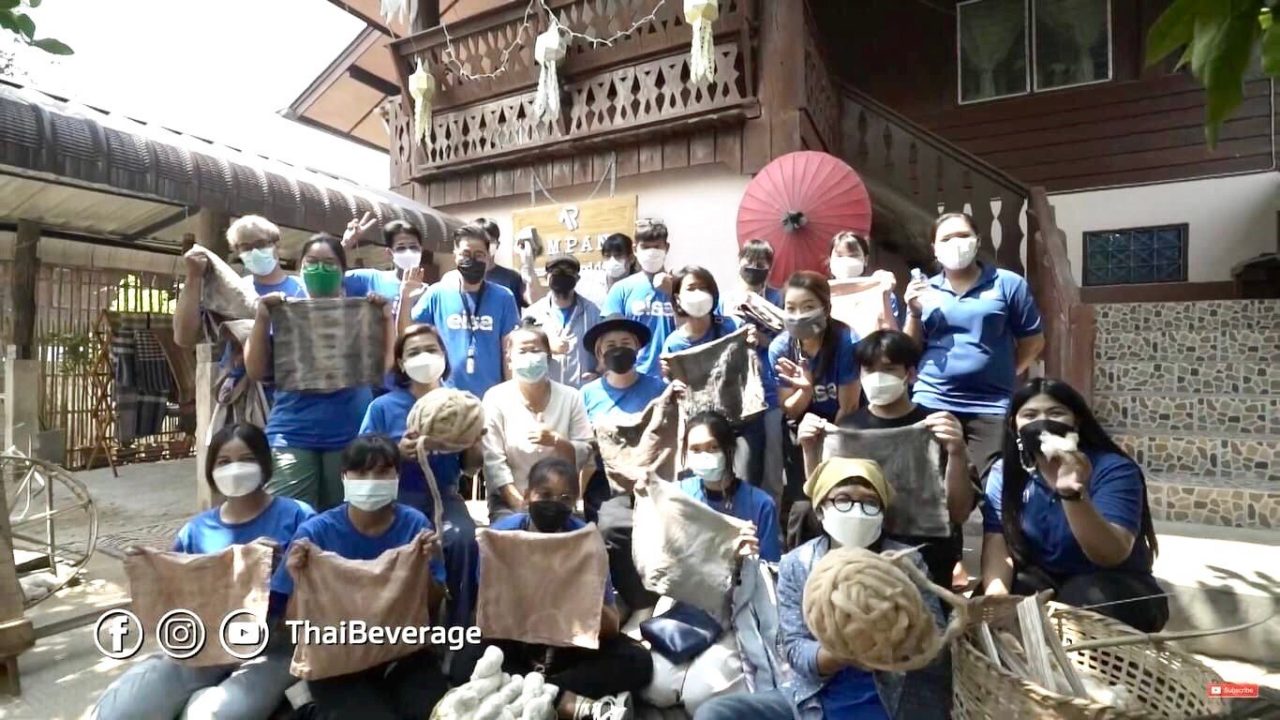
TKRI’s efforts include organizing interviews and focus groups with local weavers to collect data on traditional techniques, such as the use of *Sin Tin Jok* cloth and natural dyes. These findings have been systematically recorded and shared with younger generations, including students from Nam Ang School, to ensure the transmission of this invaluable knowledge. TKRI also helped establish a weaving network and community learning center, alongside a market for selling the woven products, which provides sustainable income for the community while promoting cultural preservation and social cohesion. This initiative underscores the importance of community engagement and the role of research institutions like TKRI in safeguarding traditional arts and fostering local economic development.
One of the key tasks of the Thai Khadi Research Institute is to transform the knowledge gained from researches and studies done on Thai culture into the publications that would widely and publicly be used by Thai people and educational institutions. The book “Wat Phra Ruup Muang Suphan” was written with the aim to be one of the educational sources of Thai cultural and heritage that combined old tales, stories ,and the history of the antiques from the temple’s museum.
Academic service – prepared and E-Book of old culture and traditional knowledge (10 articles) such as: 1). Symbol and Buddha Dharma in the Royal’s literature titled “Phra Mahachanok”; 2) A case study of Bang Kradi “Mon” community; 3) พระพุทธปฏิมาที่พระบาทสมเด็จพระเจ้าอยู่หัวทรงสร้าง: คติการสร้าง และรูปแบบศิลปะ; 4) A survey of “Myanmar-Mon” and Thai art history.
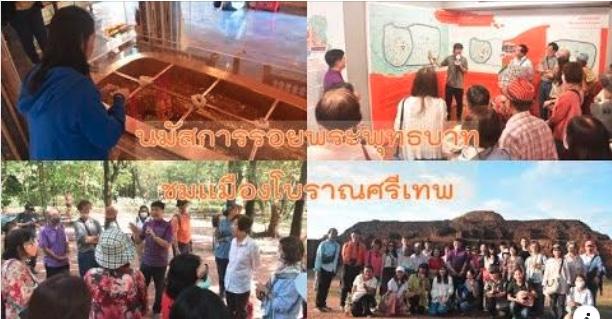
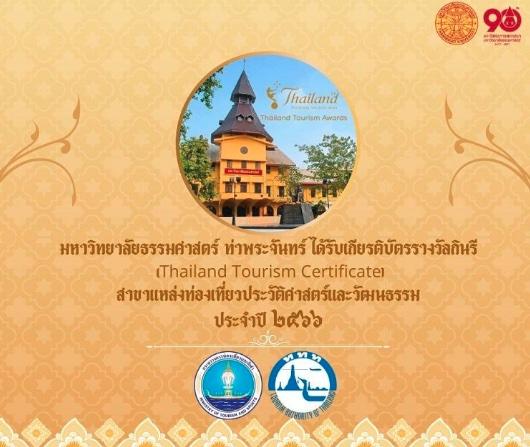
The “Namasakara Roi Phra Phutthabat Chom Mueang Boran Si Thep” project, initiated by the TKRI TU, is a cultural and heritage tourism initiative that focuses on exploring the ancient city of Si Thep. Located in Phetchabun Province, this historical site is an integral part of Thailand’s rich cultural heritage and plays a significant role in the country’s ancient civilizations, particularly during the Dvaravati period. Si Thep is home to fascinating ruins, temples, and sacred sites, including the revered Buddha footprints, which are central to the project’s offerings.
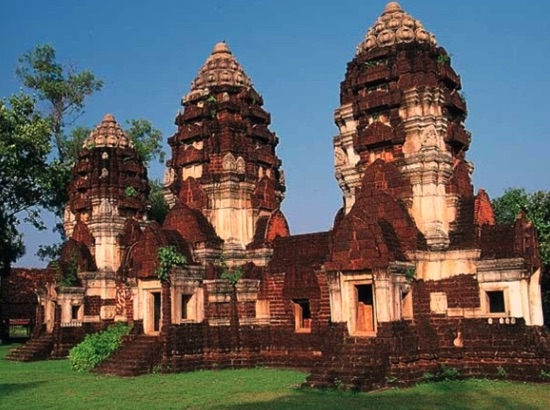
Through guided tours, the project allows participants to visit key archaeological landmarks like “Prang Si Thep” and “Prang Song Phi Nong”, showcasing Khmer architectural influence, along with ancient remnants such as the “Khao Khlang Nai” and “Khao Khlang Nok”. These sites serve as valuable educational tools, providing visitors with a deeper understanding of Thailand’s cultural and spiritual past while preserving the region’s historical significance.
The project is designed to promote cultural tourism by offering unique opportunities to explore the historical, architectural, and spiritual heritage of the area. Additionally, it highlights the potential of Si Thep as a future UNESCO World Heritage site, which could further attract tourists and researchers from around the world. By focusing on cultural tourism, the initiative not only contributes to the preservation of Thai heritage but also fosters greater awareness and appreciation of Thailand’s ancient civilizations.
Other cultural and heritage tourism projects in 2023:
TKRI Thammasat University, in collaboration with Ministry of Higher Education, Science, Research and Innovation (MHESI), developed a project to promote historical tourism in Dvaravati, Lawo, and Ayutthaya by creating quality and unique choices of travel routes for different type of tourists. Dvaravati was an ancient “Mon Kingdom” from the 7th century to the 11th century that is located in central of Thailand. Lawo, now is called Lopburi, is one of the oldest historical sites in Thailand, not far beyond Ayutthaya.
The “Sustainable Development Project for Thai Traditional Medicine: Audio Book on Narai Medicine Texts” is an important initiative by the Thai Legal Institute that focuses on preserving and disseminating the invaluable knowledge of traditional Thai medicine. This project takes the historic “Narai Medicine Texts”, an essential component of Thailand’s medical heritage, and transforms it into an audio book format. The project was developed as part of Thammasat University’s broader commitment to Sustainable Development Goals (SDGs), specifically SDG 4 on Quality Education and SDG 10 on Reduced Inequalities.
The primary aim of this project is to preserve and promote Thai traditional medicine, which has been passed down through generations. By adapting these ancient texts into audio form, the project ensures that this rich medical knowledge remains accessible, particularly to those with visual impairments, thus ensuring inclusivity. This effort not only preserves the medicinal practices themselves but also safeguards the cultural heritage associated with Thai traditional healing.
In addition to promoting inclusivity, the project helps maintain the continuity of Thai medicine by providing a platform where future generations can access, learn, and apply these teachings. The initiative underscores the importance of safeguarding traditional medical knowledge, which is a crucial part of Thailand’s cultural legacy, while also ensuring that it remains relevant and available to diverse communities across the country.
Ancient Medicines in 2022
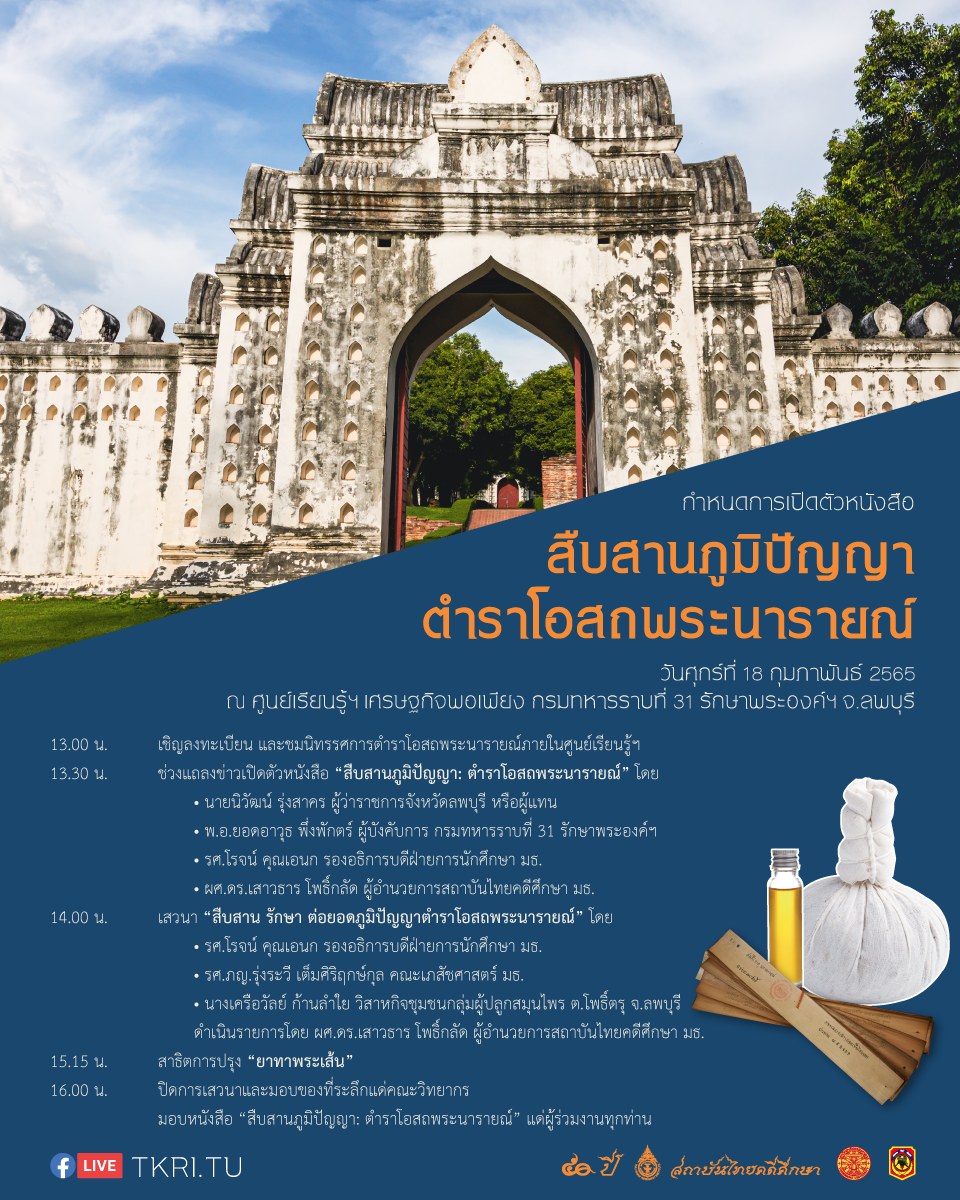
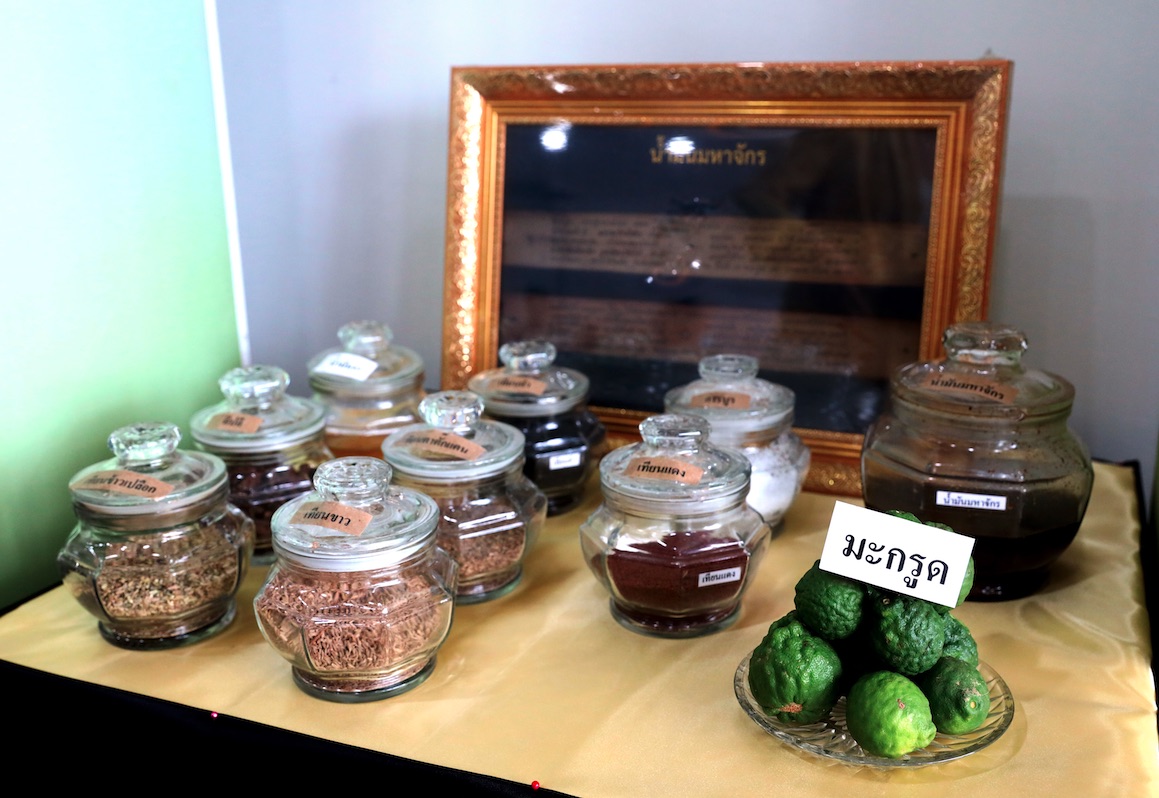
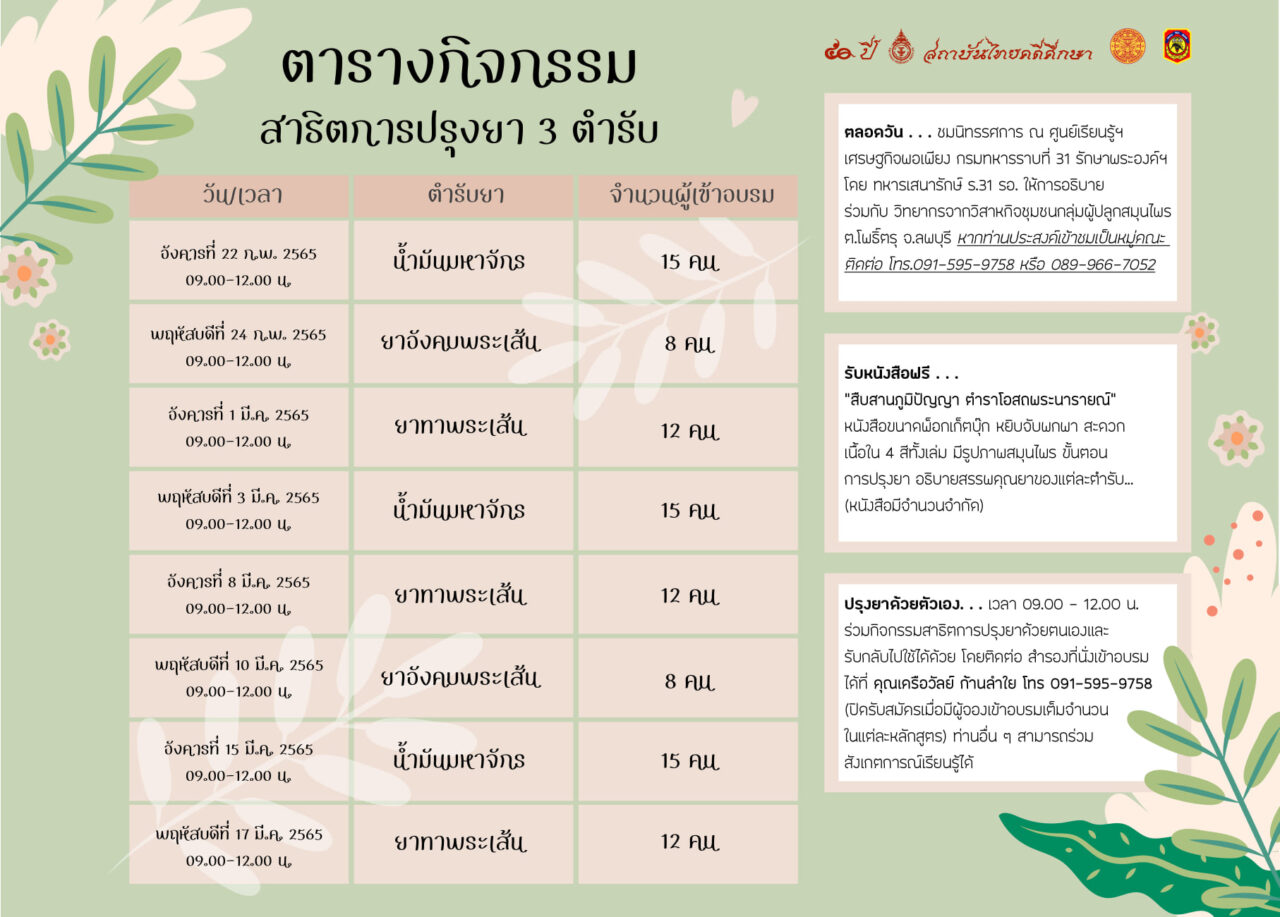
From the study of medical plam leaf manuscripts from King Narai’s reign known as “Phra Narai’s Medicine Pharmacopoeia”, which is more than 300 years old, TKRI Thammasat University discovered that many of the formulas and properties are still very effective and useful as some of the modern medicines. TKRI has been able to restore four formula in the “Phra Narai’s Medicine Pharmacopoeia, namely, Herbal Tonic (Ya-Tha-Phra-Sen), Herbal Compress (Phra-Aung-Kob-Phra-Sen-Tueng-Hai-Yon), Mahajak Oil (Nam-Mun-Ma-Ha-Jak) and Herbal Tonic Pills (Ya-Hom-Dum). TKRI, then, published the book “Inheriting wisdom of King Narai’s Medicine Pharmacopoeia” that portrays the details of the aforementioned four medicinal preparations for the public used. โครงการบริการวิชาการ “สืบสานภูมิปัญญาตำราโอสถพระนารายณ์” (Feb,2022)
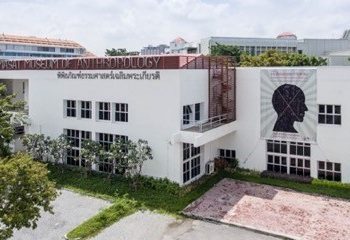
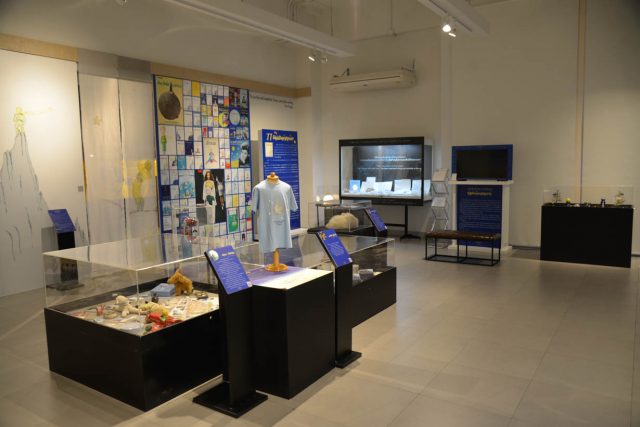
Thammasat Museum of Anthropology (known as Thammasat Chalermprakiet Museum) is a project which was initiated by the Faculty of Sociology and Anthropology in 1986 when the faculty received artifacts from Ban Chiang excavation project at Ban Om Kaeo and Ban That in Udon Thani, led by Assoc. Prof. Sumitr Pitiphat during 1972-1974. All antiquities and cultural objects exhibited at the museum were compiled by the Faculty of Sociology and Anthropology from those that already belonged to the faculty and those that were donated.
The commissions of Thammasat Museum of Anthropology are to preserve and exhibit artefacts for studying, researching and circulating knowledge that facilitates the comprehension of different characteristics of humanity and the diversity of their culture and interaction with the world through the observation of cultural artefacts. The preservations are done through the exhibition of museum objects, online exhibition and video, creation of three-dimensional photographs of objects, academic seminar, and documentary.
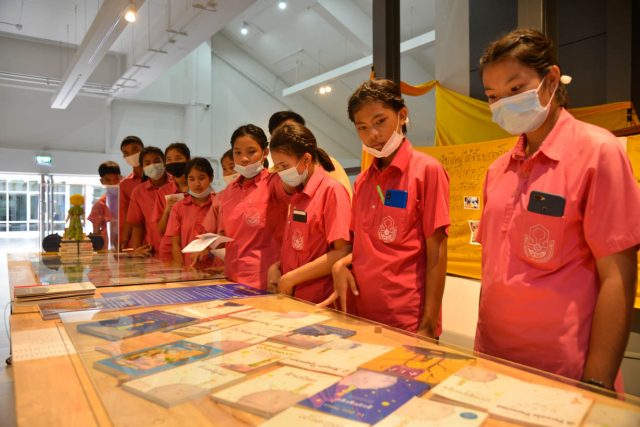
Exhibitions: Museum Exhibitions Thammasat Museum of Anthropology is open to the public with no entry fee. It exhibits cultural heritage from different part of Thailand. The exhibitions include display of folk, regional, and national cultural heritage, both at the museum and as an online exhibition, ad-hoc and ongoing.
2024 Key activities opened to the public with no entrance fee were such as:
Displays or exhibitions of folk, regional, and national cultural heritage
Primates and Me: Learning about Primates, Understanding Humans (Primates and Me: เรียนรู้วานร เข้าใจมนุษย์) opened on June 15, 2024, at the Khao Yai National Park Tourist Service Center. This exhibition was developed by Thammasat Museum in collaboration with the Khao Yai Tourism Association, Khao Yai National Park, the Petrified Wood Museum, and other partners. The opening event also included a seminar titled “Primates and Me with World Heritage: Learning about Primates, Understanding Humans in a World Heritage Area”. The key objective of the exhibition and seminar was to serve as a significant starting point for tourists and local inhabitants to learn about primates, thereby fostering self-understanding and comprehension of other living things in the area, ultimately leading to sustainable coexistence.
Sumit Pitipat (1943-2024): Passing on and Inheriting “Cultural Heritage” (สุมิตร ปิติพัฒน์ (2486-2567): การส่งต่อและสืบทอด “มรดกวัฒนธรรม”) is an exhibition that focuses on the transmission and inheritance of cultural heritage. The Ang Thong Provincial Human Resources Management Group visited this exhibition as part of a provincial project aimed at developing creativity and innovation. The museum director, Dr. Udomlak Hoontrakul, welcomed the group and provided a guided tour. This exhibition was also viewed by attendees of the 3rd National Academic Conference on Museums and Cultural Heritage held in September 2024.
Dialogue Between Humans (Dialogue of Humanity: บทสนทนาระหว่างมนุษย์) is a rotating exhibition that was viewed on September 16, 2024. Along with the Sumit Pitipat exhibition, visitors from the Ang Thong Provincial Human Resources Management Group toured this display and were able to learn about cultural stories through artifacts housed in the open storage area of the museum.
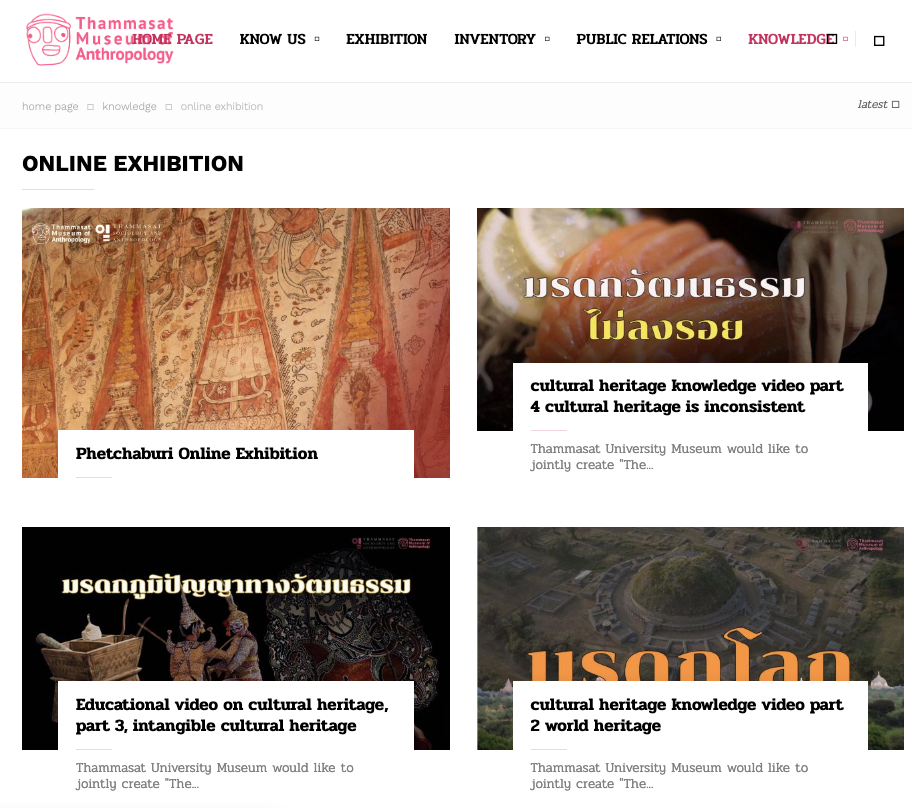
Online Exhibitions
The Thammasat University Museum (พิพิธภัณฑ์ธรรมศาสตร์เฉลิมพระเกียรติ) presented a specific online exhibition focusing on a significant national ceremony. This online exhibition was titled “พระราชพิธีพืชมงคลจรดพระนังคัลแรกนาขวัญ ขวัญแรกและกำลังใจเกษตรกรไทย” (The Royal Ploughing Ceremony).
Another key project was the online exhibition titled “ออกพรรษา: วิถีชีวิต ประเพณี” (End of Buddhist Lent: Way of Life, Tradition). The Thammasat University Museum encouraged viewers to read this material following the completion of the Buddhist Lent period. Notably, this online exhibition was created by students studying in the Faculty of Sociology and Anthropology at Thammasat University. A unique URL was provided for access to this student-led exhibition.
The museum also facilitated an important scholarly online activity, specifically an online seminar related to the concepts of exhibitions and museology. This seminar, hosted by the Cultural Materials Laboratory (ห้องปฏิบัติการทางวัตถุวัฒนธรรม) of the museum, invited curators, museum professionals, and interested members of the public to join. The discussion featured Professor Adam Kuper, the author of “The Museum of Other People: From colonial acquisitions to cosmopolitan exhibitions,” and Dr. Paritta Chalermpao Koanantakool. The event utilized Zoom for registration and was conducted in English with simultaneous translation into Thai
Ad-hoc or on-going cultural activity
A Phenomenology of Landscape of the Khorat Plateau: An exploration of Buddhist hill and mountaintop sites was scheduled as a public lecture on July 12, 2024, from 1:30 PM to 3:30 PM, taking place at the 4th floor of the Faculty of Social Administration Building at Thammasat University, Tha Prachan Campus. An earlier notice, possibly announcing the original date or scheduling detail, lists a date of June 25, 2024. For those unable to physically attend, the museum intended to stream the lecture live via its Facebook platform.
Trade Routes and Cultural Heritage (เส้นทางการค้าและมรดกวัฒนธรรม) is a comprehensive set of activities running during June–July 2024, organized under a research cluster project. These activities, led by Assistant Professor Dr. Wannaporn Rian-chang, head of the Material Culture Laboratory, include workshops, academic seminars, public lectures, fieldwork, meetings, and exchange discussions. The aim of these ongoing activities is to foster interdisciplinary academic networks and develop teaching potential in the field.
Knowledge and language preservation
Trade Routes and Cultural Heritage (เส้นทางการค้าและมรดกวัฒนธรรม) is a research unit establishment project focused on academic development and network building in the area of trade routes and cultural heritage, operating between June and July 2024. The project is supported by the Faculty of Sociology and Anthropology Research Fund and involves interdisciplinary activities such as workshops, academic seminars, fieldwork, and public lectures. Professor Jonathan Mark Kenoyer from the University of Wisconsin-Madison was invited as the main speaker, funded by the Fulbright Specialist Program. Collaborating academic institutions include the Faculty of Archaeology at Silpakorn University and the Advanced Scientific Instrument Center at Thammasat University.
3rd National Academic Conference on Museums and Cultural Heritage (การประชุมวิชาการระดับชาติ พิพิธภัณฑ์และมรดกวัฒนธรรม ครั้งที่ 3) was hosted on September 5 and September 6, 2024, by the Thammasat Museum in collaboration with several universities and organizations, including Prince of Songkla University, Silpakorn University, and Siam Society. The theme of the conference was “Looking-Reflecting-De-centering in Museum Work, Cultural Heritage, and Archaeology”. The event served as a major forum for knowledge exchange, featuring presentations and discussions on archaeology, museums, and cultural heritage in Southeast Asia, with sessions held in both English and Thai. The English topics specifically addressed “Current issues in Archaeology & Mainland and Maritime Southeast Asian,” “Southeast Asian Museum and Heritage,” and discussions on “De-centering Archaeology, Museum, and Heritage in Southeast Asia.
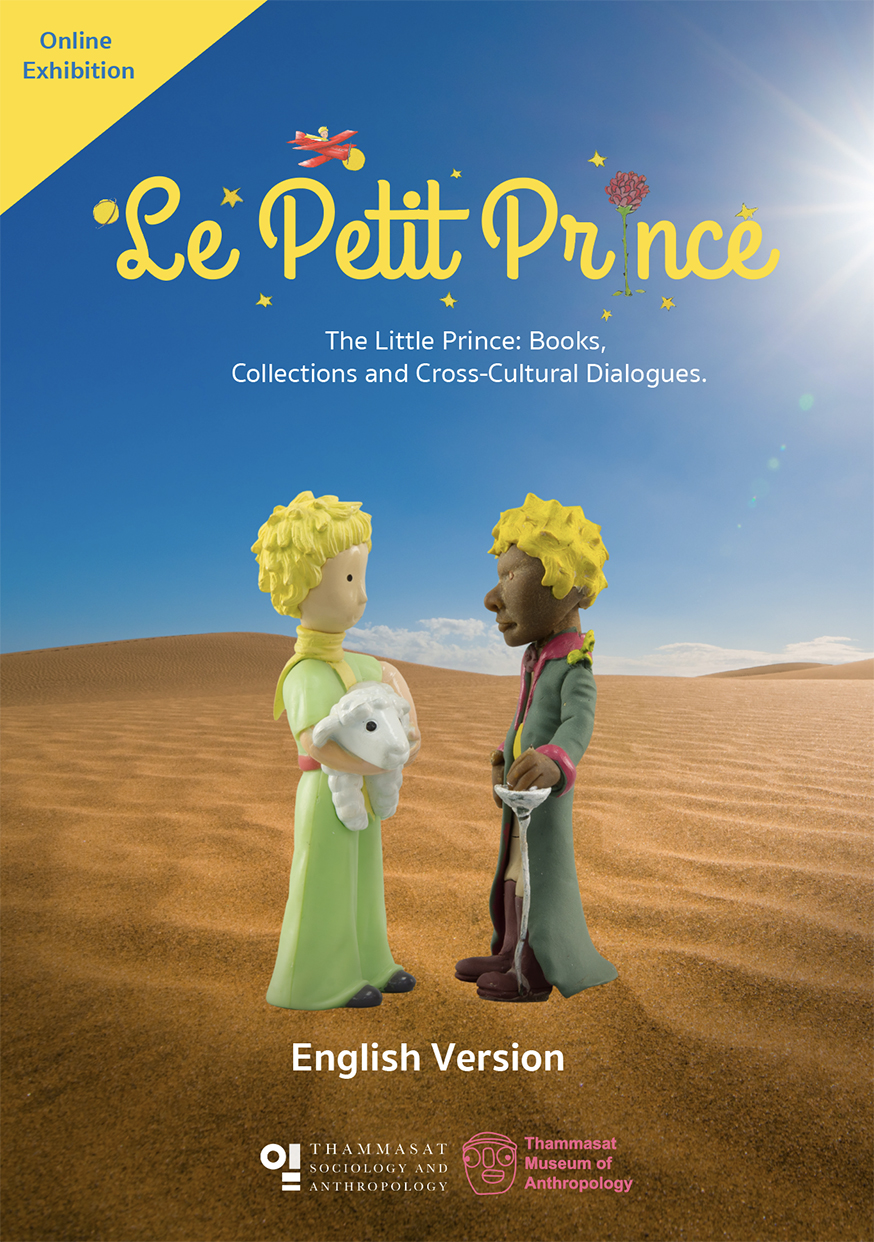
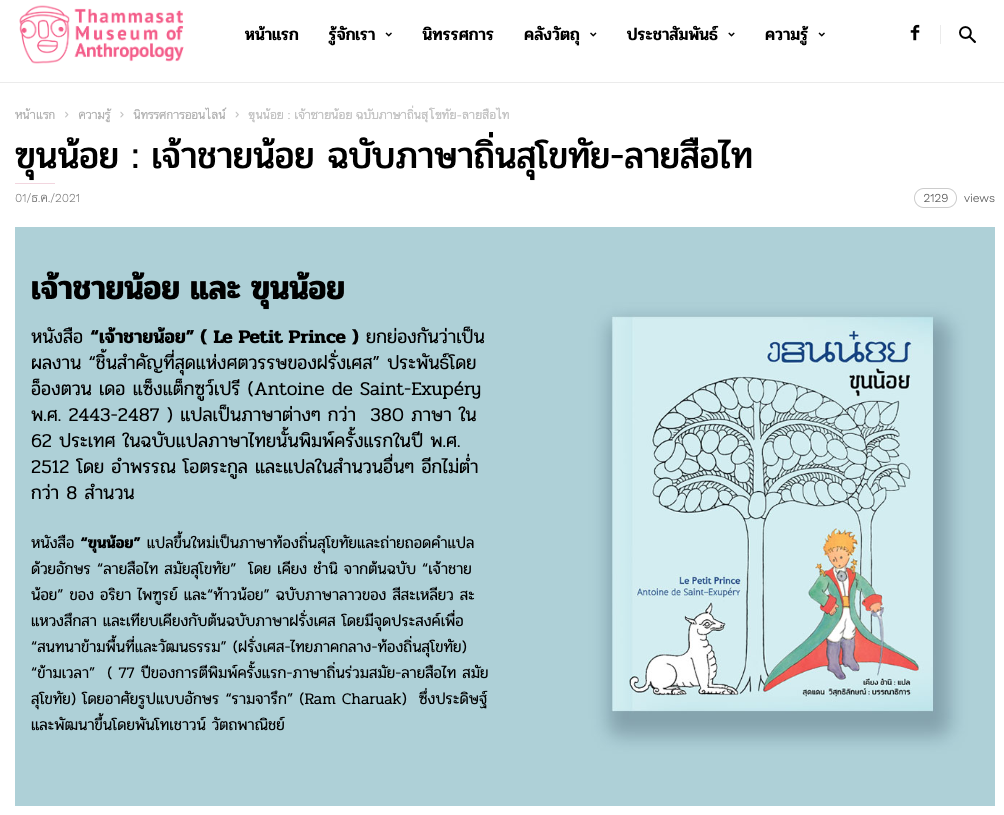
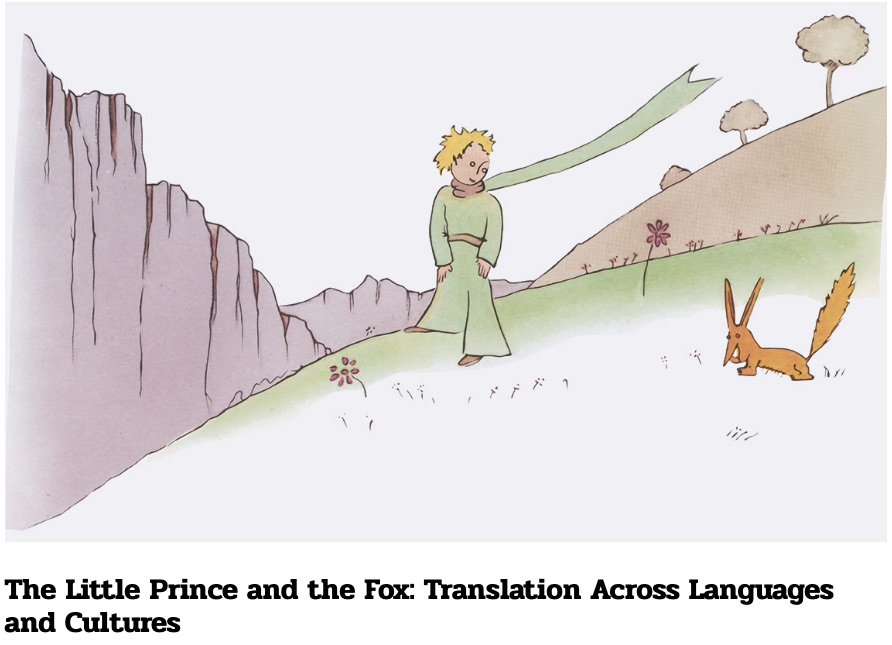
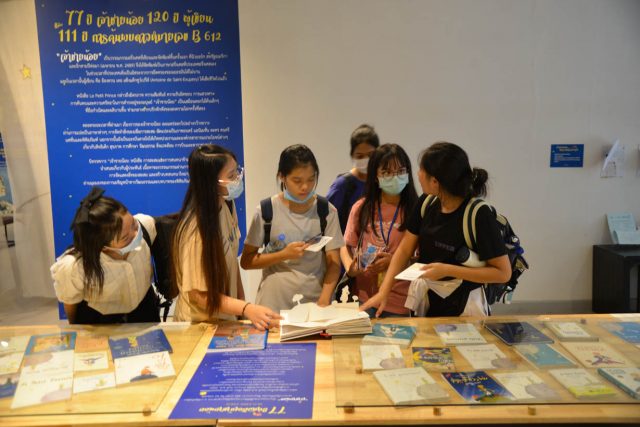
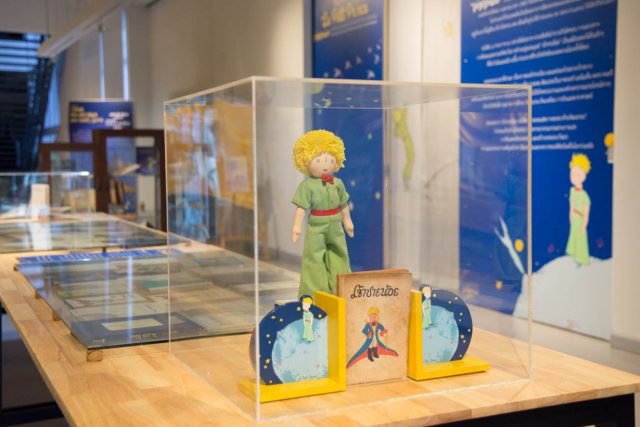
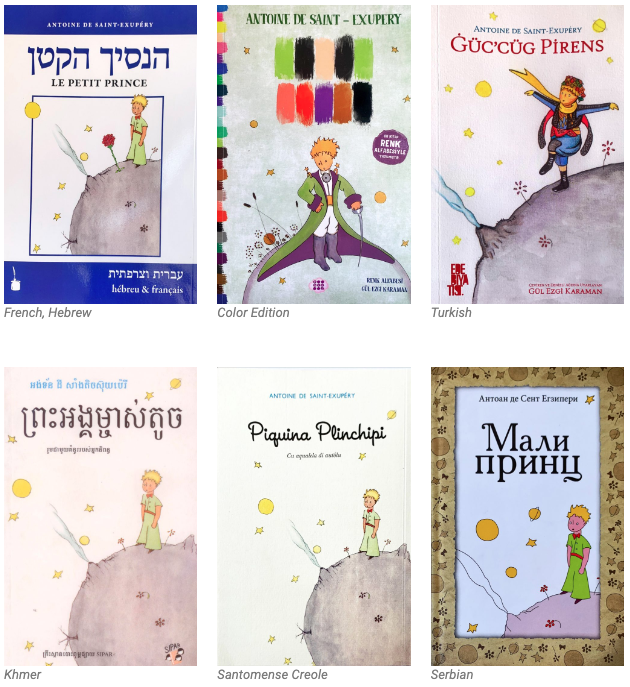
Online Exhibitions – Knowledge and Languages Preservation To preserve other traditions, knowledge, and language, the museum stores and record books, videos, and online seminar onto its website. The book “The Little Prince” (Le Petit Prince) is regarded as “The Most Important Work of the Century of France”, written by Antoine de Saint-Exupéry, 1900-1944, has been translated into over 380 languages in 62 countries. The Thai translation was first published in 1969 by Amphan Otrakul and translated into several other expressions.
The book “Chun Noi” was re-translated into the local Sukhothai language and transcribed with “Lai Sue Thai in the Sukhothai period” by Khiang Chamni from the original “Little Prince” by Ariya Paitoon and “Thao Noi”, Lao version of Si. Saliaw, Sawaeng. Then the author compared it with the original French with the purpose of “cross cultural dialogues” (French, Central region Thai, and Sukhothai which has a unique accent.
In addition to using Sukhothai words and local dialects, the book “Chun Noi” also use Sukhothai fonts “Ram Chak” with the ancient typeface.
Online Books – Cultural Heritage Preservation of Displaced Communities The “Mon” people, according to the history, are prosperous people living in the old capital of Myanmar, known as “Raman” people. The immigration of Mon people into Thailand started in the year 1584 AD. Most of the Mon people’s settlements in Thailand are along the rivers such as the Mae Klong River, Chao Phraya River, and provinces such as Nonthaburi, Pathum Thani, and Samut Sakhon.
Mon has its own written and speaking language, influenced by South India script and Thai. The faculty of Sociology and Anthropology, Thammasat University has published a research on “Cultural Heritage: The Creation of Sam Khok “Mon” people in Pathutani Province. The objectives are to understand the heritage of Mon people, especially the ways of living and how their cultures were inherited from generation to generation while they live in Thailand.
Other videos and online seminars are such as the “Cultural Heritage Knowledge Video (Part 1-4) and many other academic seminars on museums and cultural heritage.
Creating a three-dimensional images (3D model) and online database to record the artifacts and museum objects Thammasat Museum in collaboration with the Faculty of Architecture and Urban Planning, Thammasat University has implemented a project to integrate applied technology with museum objects, using a three-dimensional image (3D model) to record the artifacts and objects in the museum, creating a database for future public study and research.
The database provides valuable details such as the appearance, shape, cracks, and damages of the objective which not only benefit the preservation and repairing of these objectives, but also help making it more safe and convenient to access and handle the objects to avoid further damages. Three-dimensional Photographs of Objects
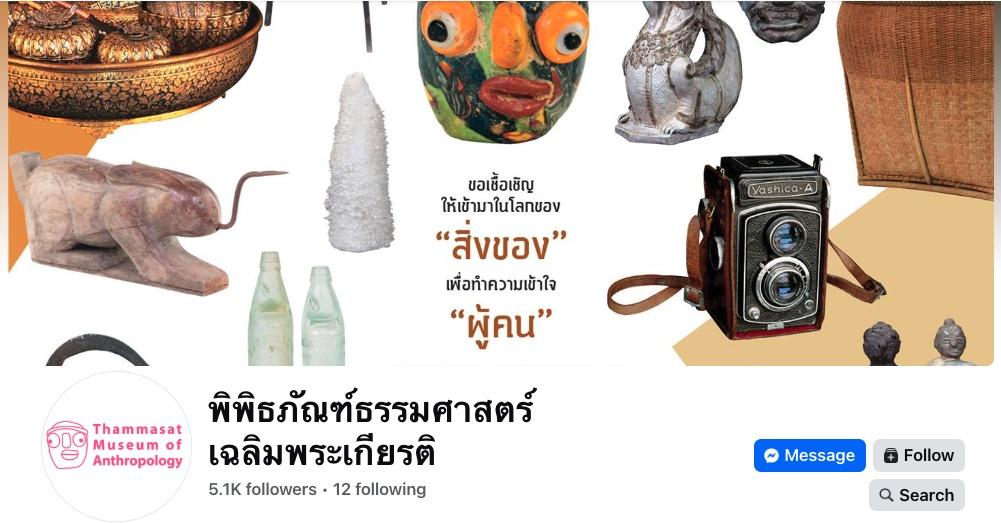
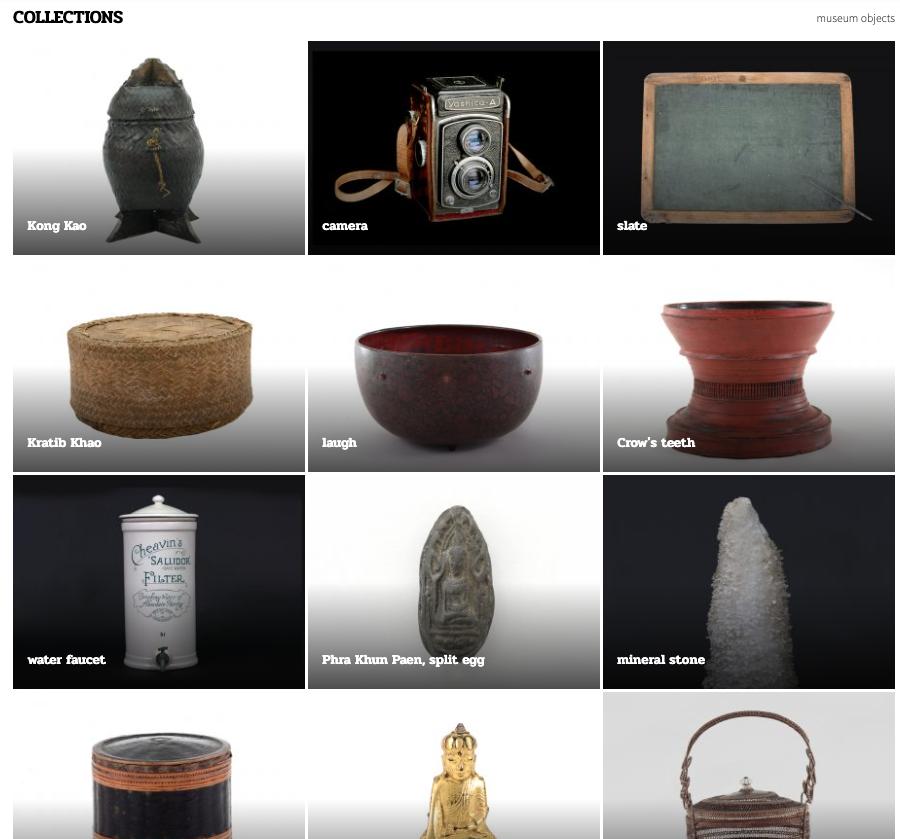
Museum Objects The key mission of the museum is to preserve cultural heritage through displaying artifacts and objects for study and research. Distinctive features of the Thammasat Chalermprakiet Museum are the variety of over 6,000 objects, the variety of material types, artifacts from many eras and cultures, millions of years old fossils, antiques, tools and utensils of the past society from the “New Stone Age”, technology, rare objects, strange objects, objects related to religious and beliefs, artifacts and collectibles from the past centuries of the peoples in Southeast Asia.
The museum preserves and exhibits its objects and collections through “Open Storage” and “Online Archives” to provide opportunities for students and young generation to understanding the diverse cultural differences of humanity.
“Invite them to learn things and to understand human beings in different dimensions through our inventory”.
Thammasat University carries on new initiatives and ongoing projects to preserve Thai’s cultural heritage as well as innovate modern arts through disseminating the uniqueness and identity of the local arts and cultural works.
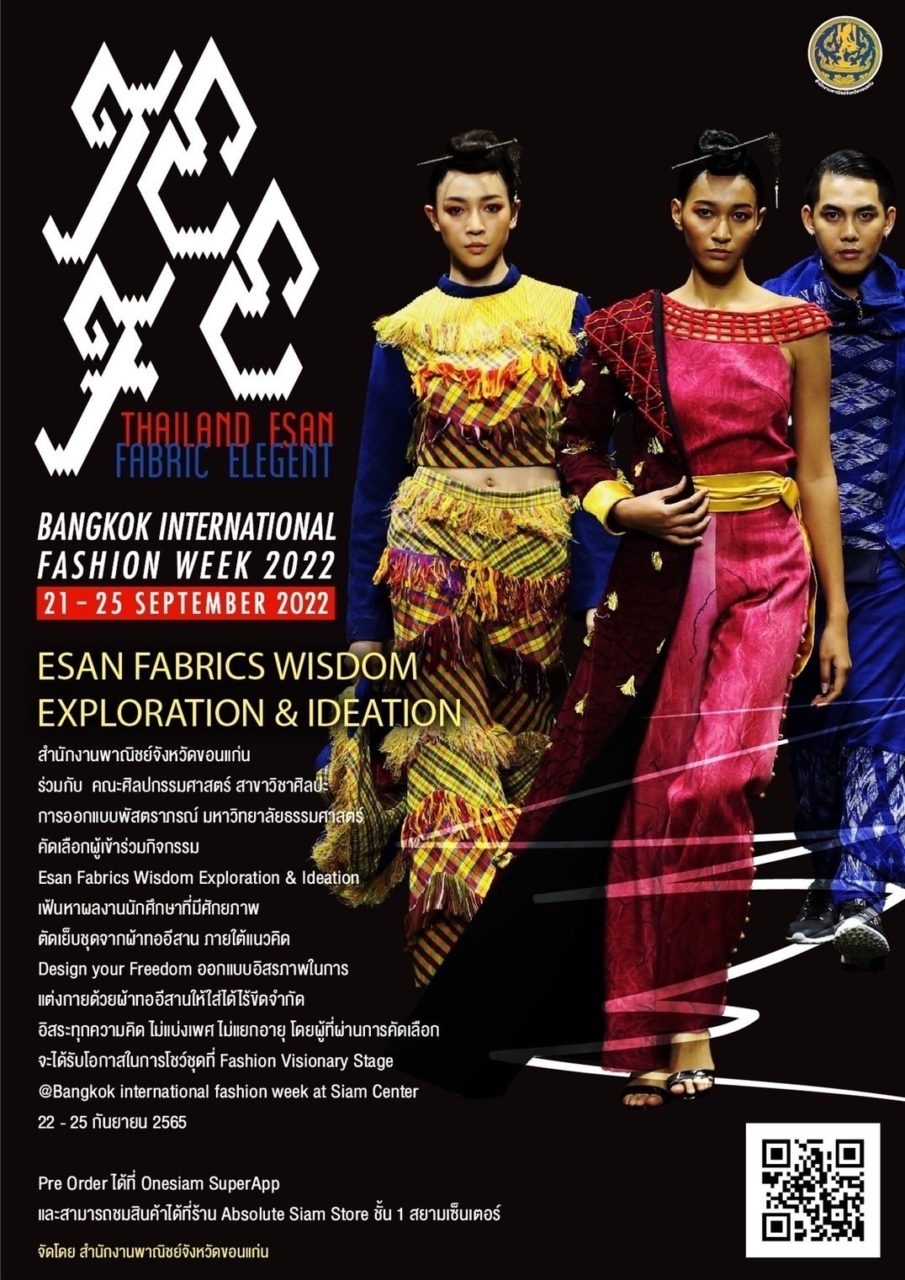
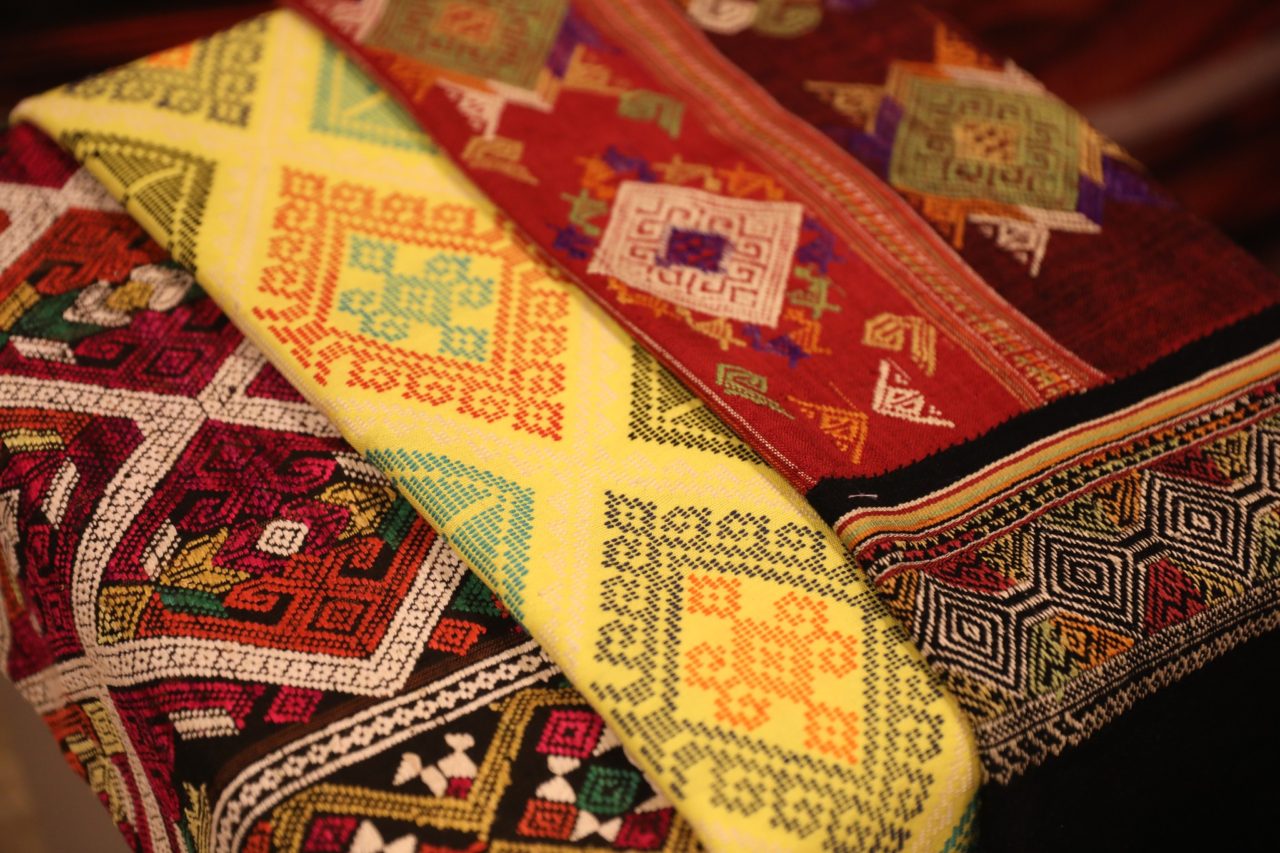
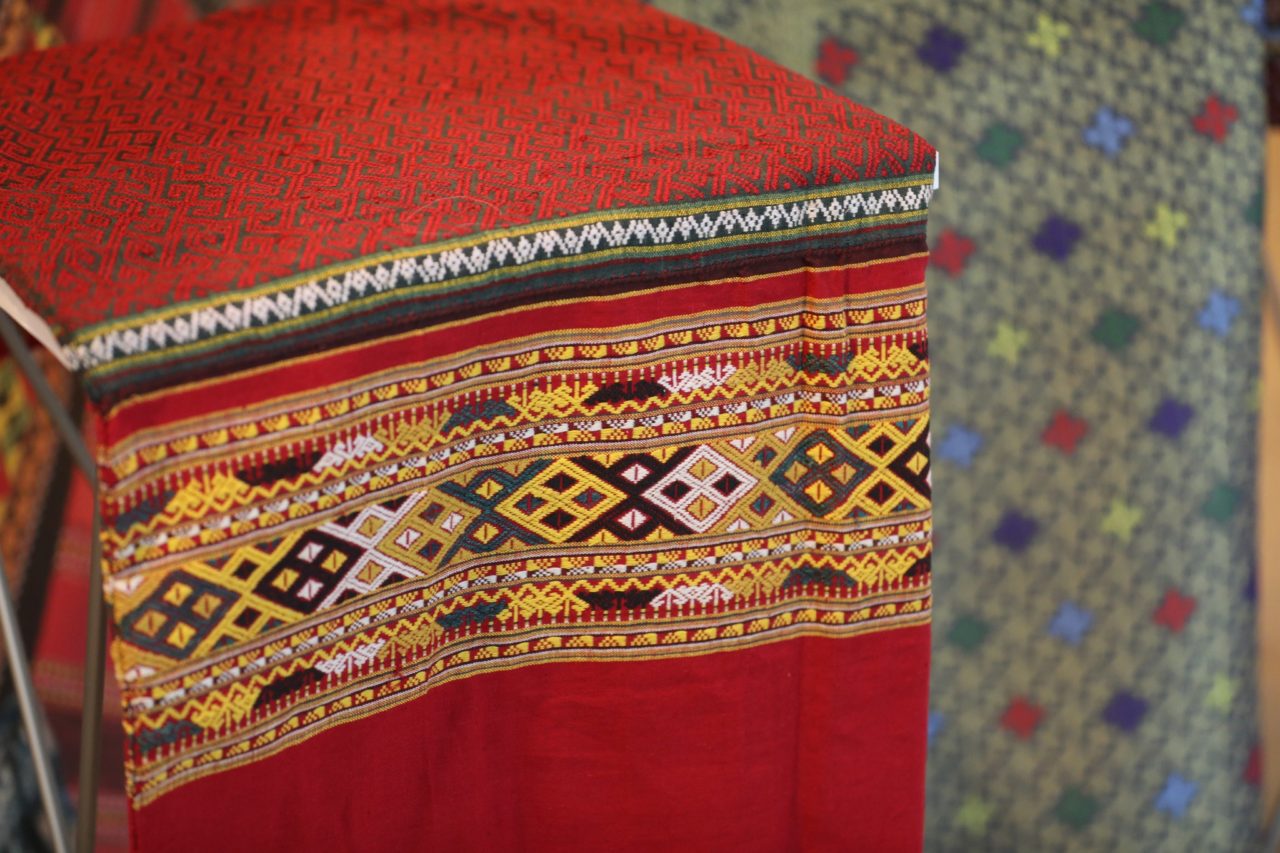
The Faculty of Fine and Applied Arts, Thammasat University obliged to contribute and preserve local arts through the offering of three main curriculums: Lakon School (Thai Theatre), Textile and Fashion Design, and Industrial Crafts Design
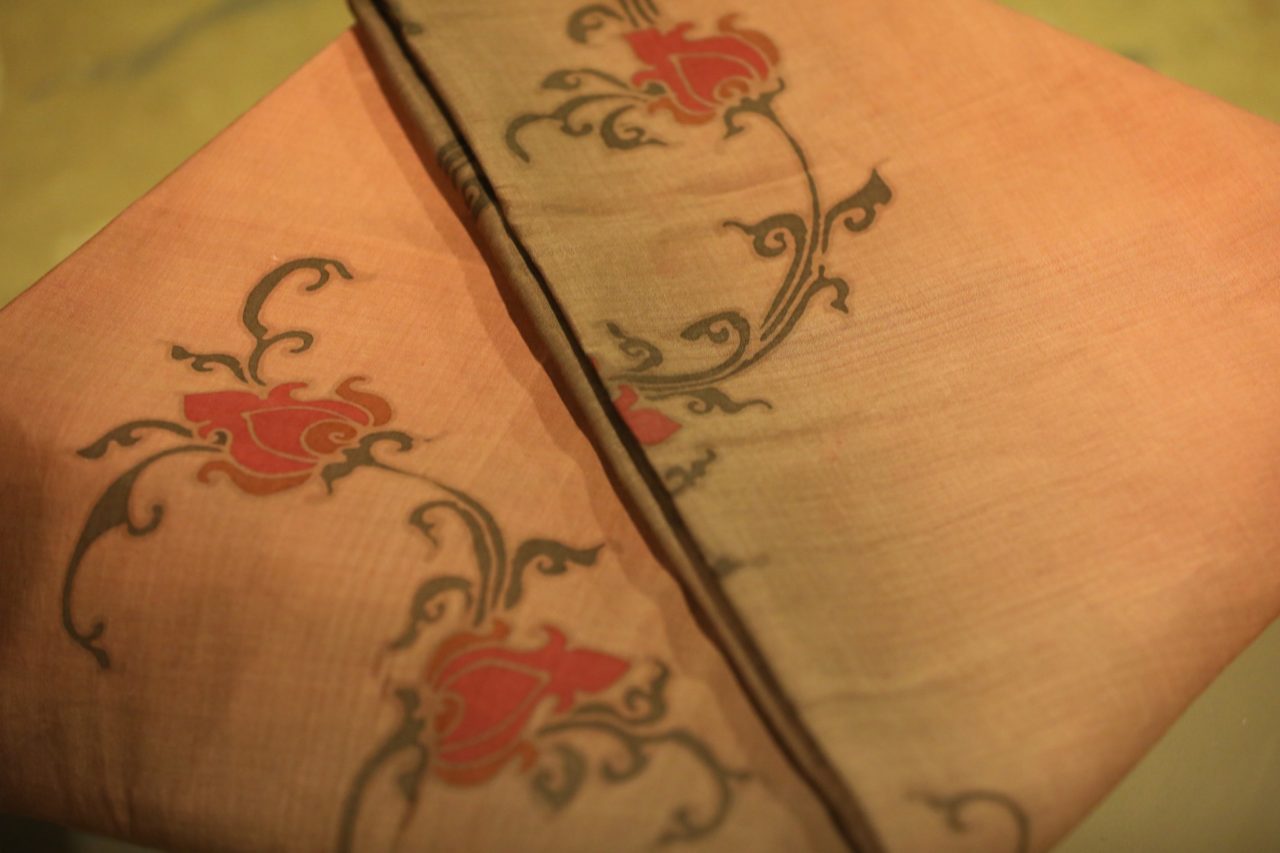
The department of Textile and Fashion Design provides students with basic knowledge on the development of textiles from generation to generation and Thai costumes from all regions in order to pass on their learnings and skills to a wider community and society. The courses focus on the emphasis of the art of textile design and the art of clothing and costume design. Students can create and develop clothing from different eras and alternate them to fit with the modern style and fashion.
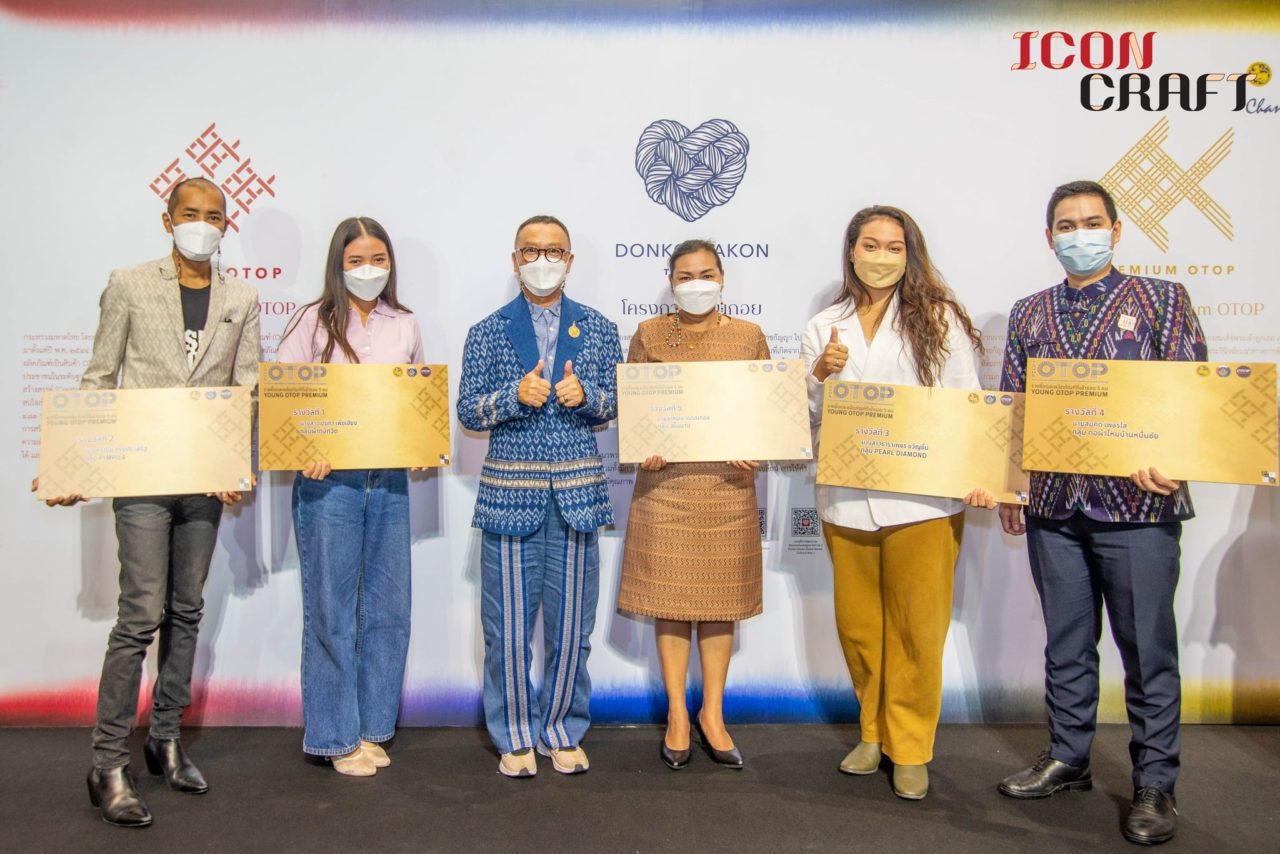
Their projects and awards contributing to local arts are such as:
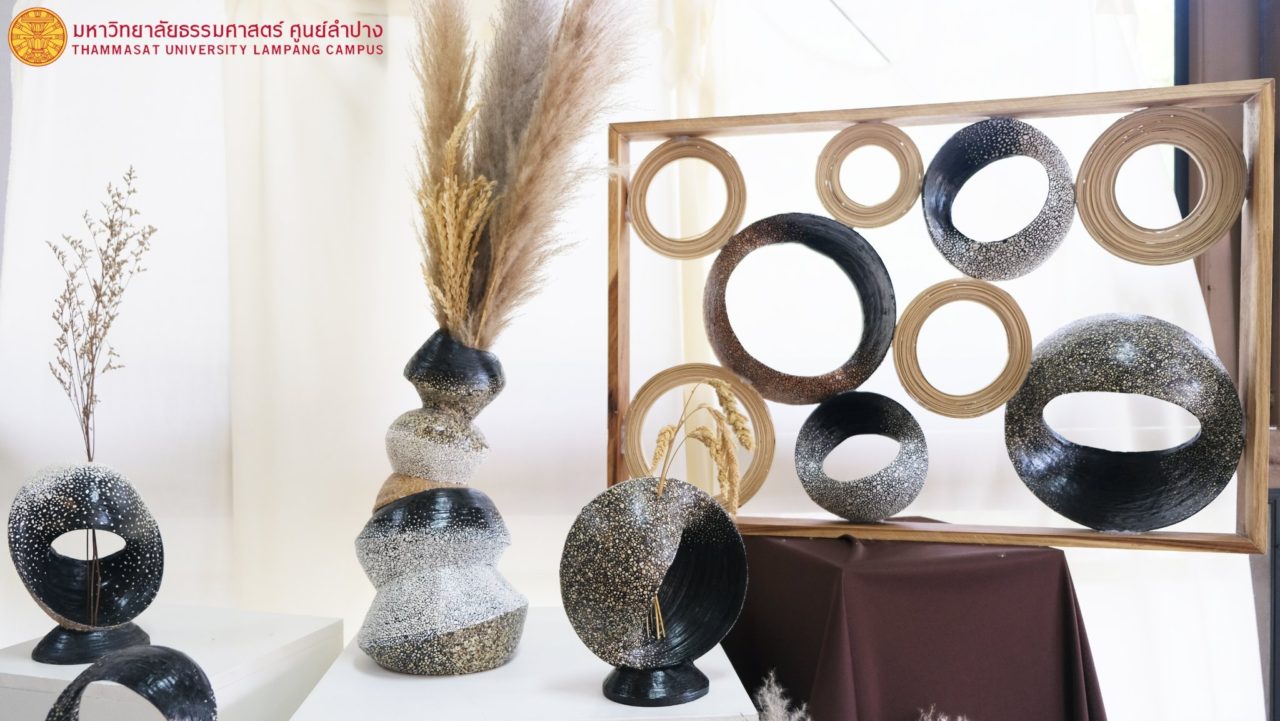
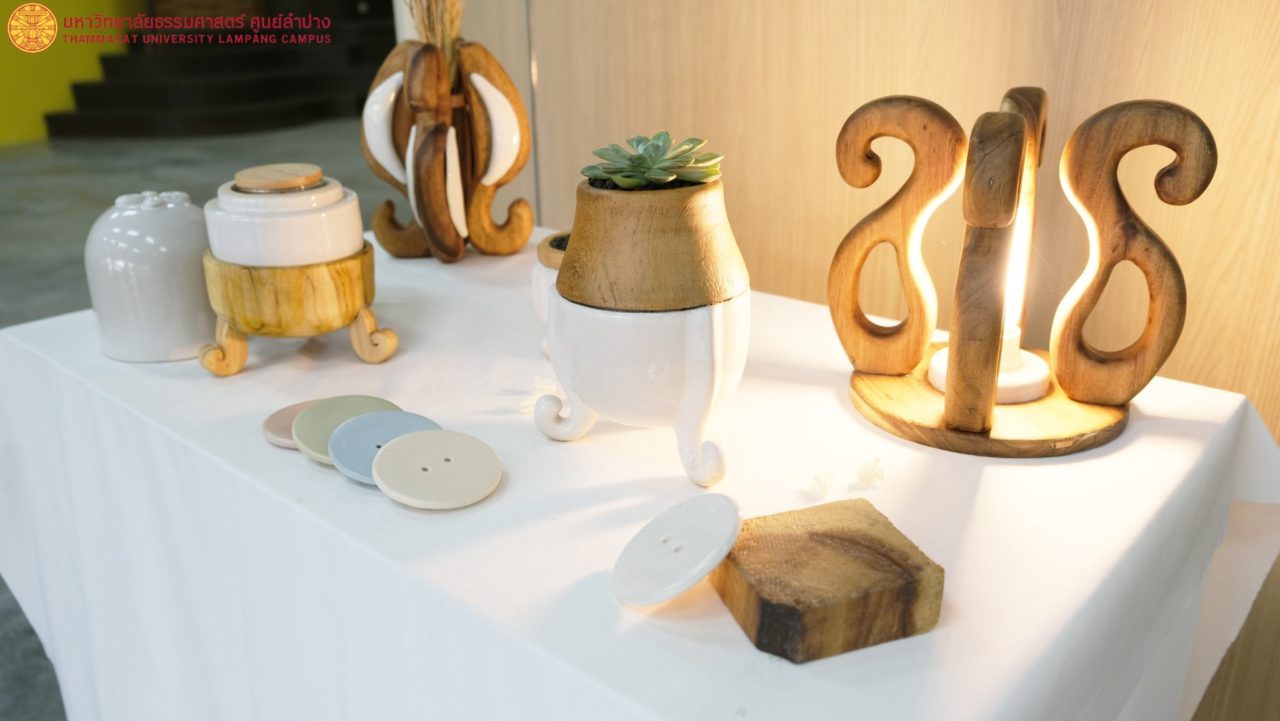
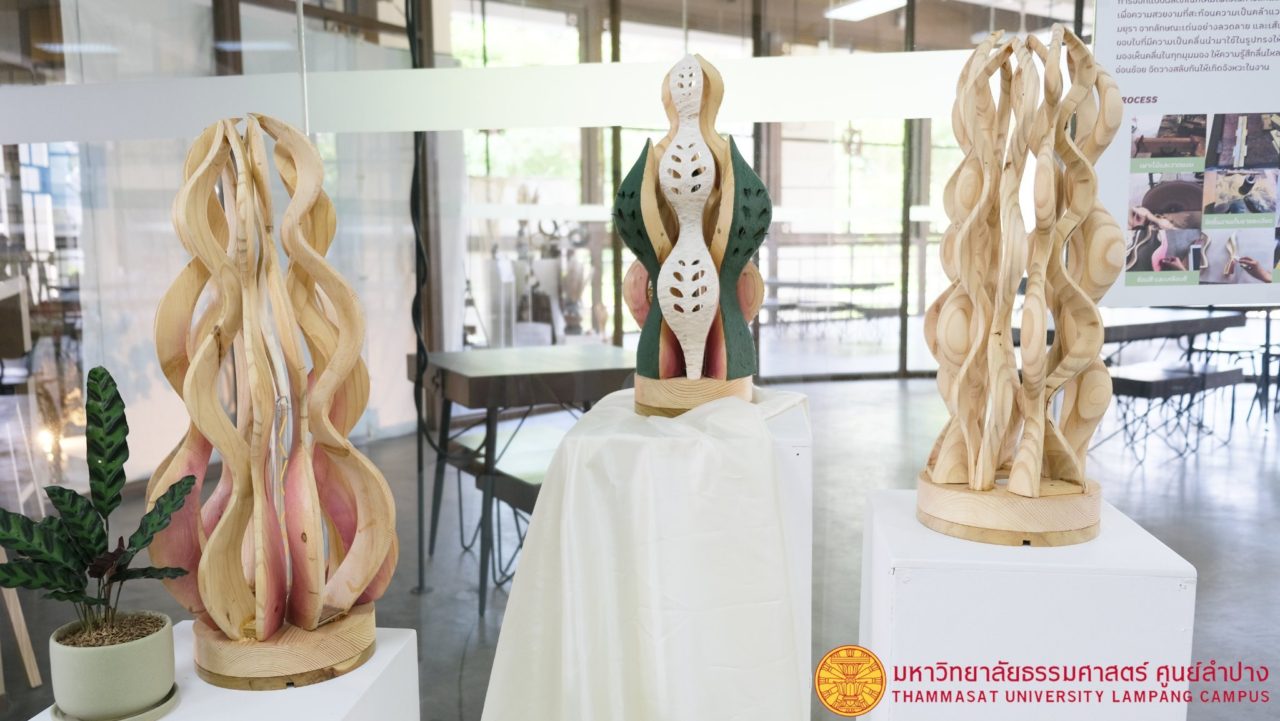
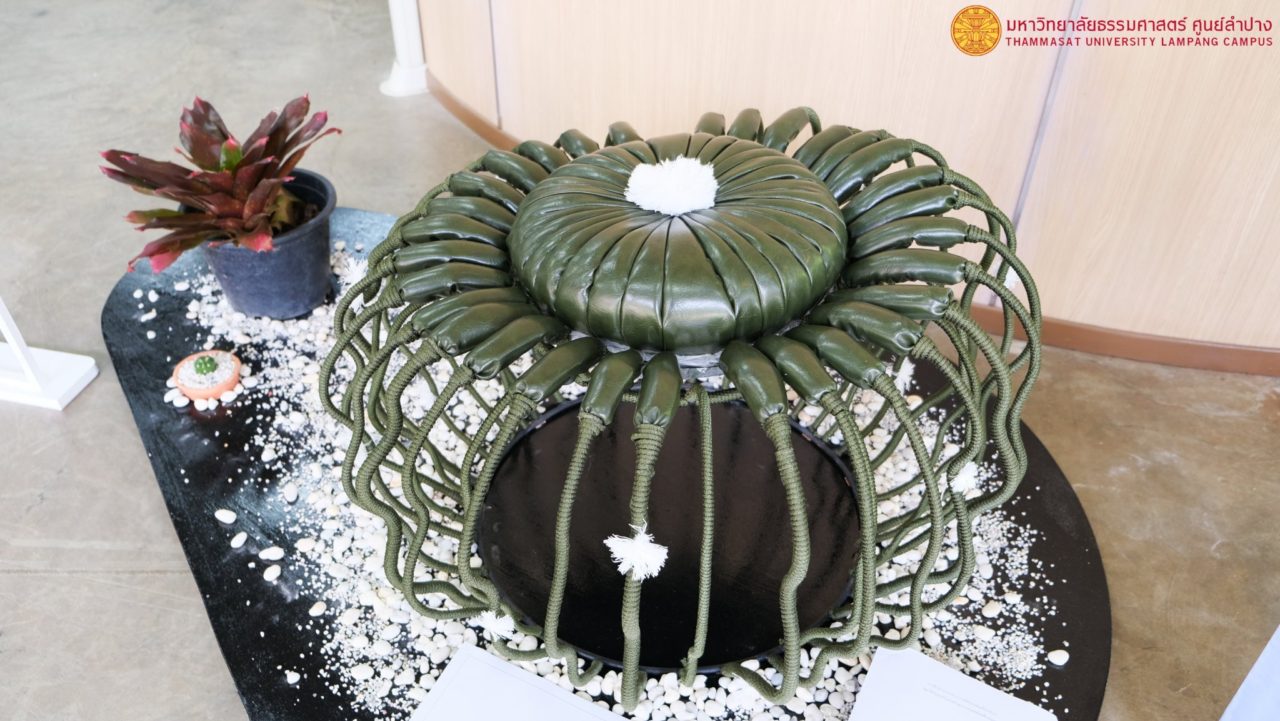
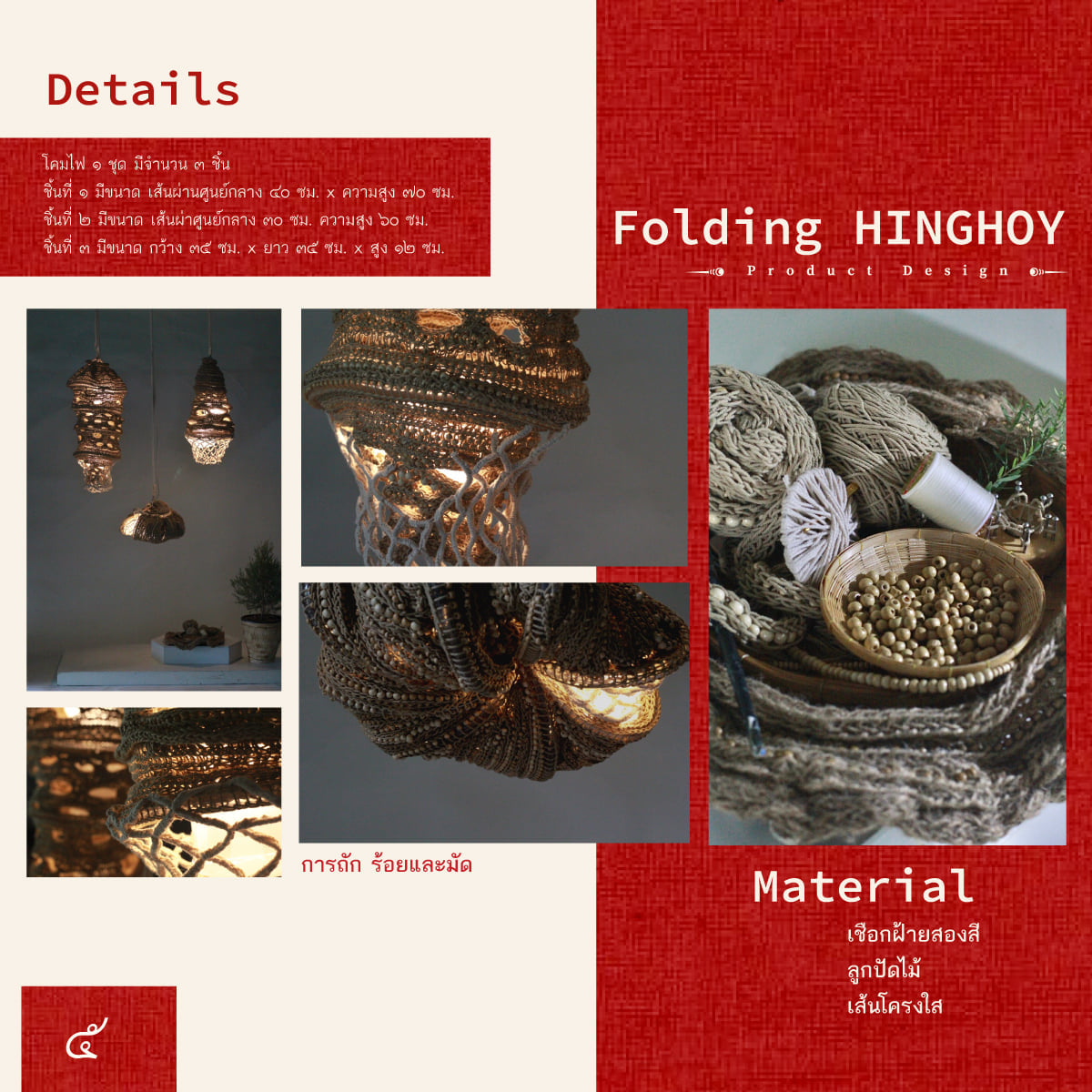
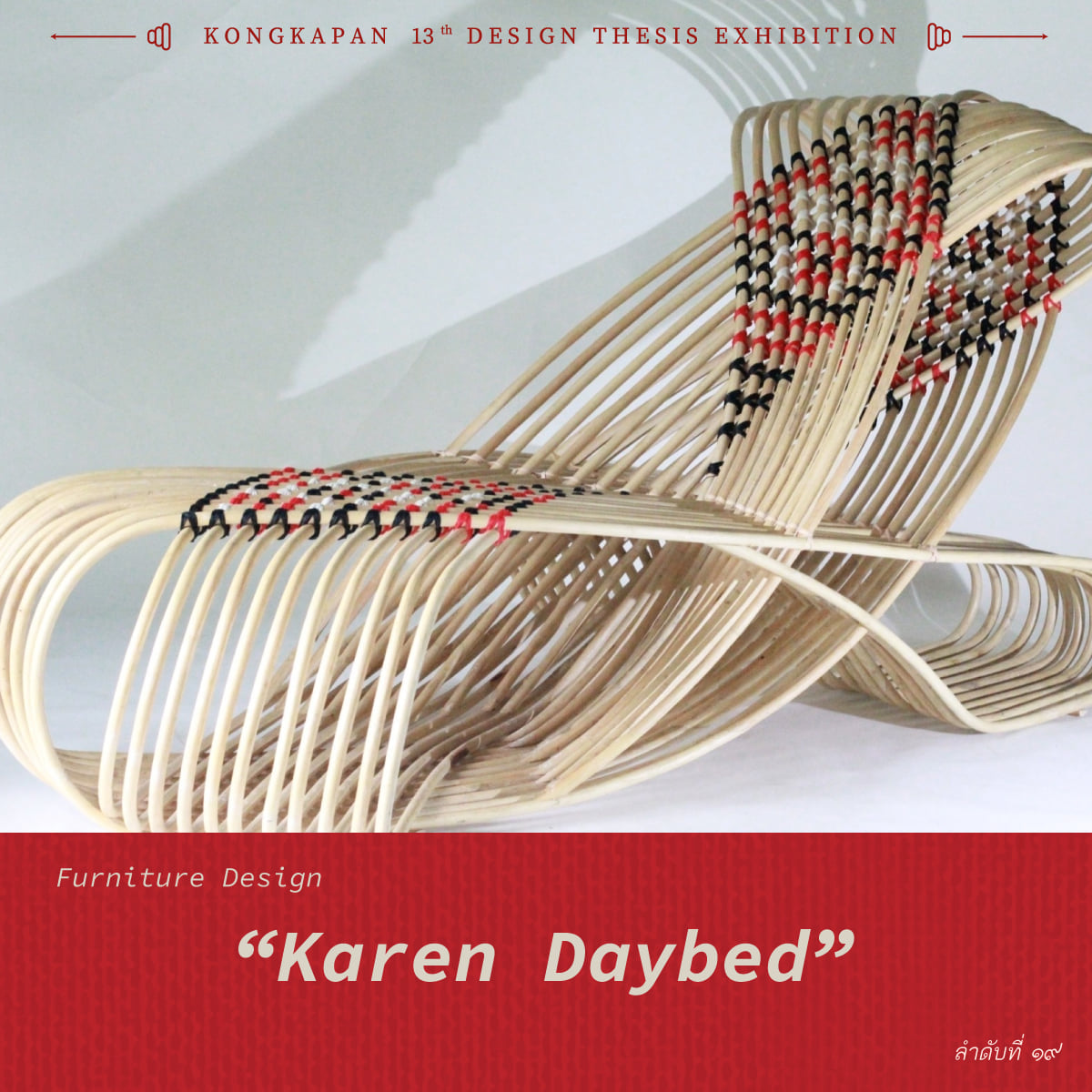
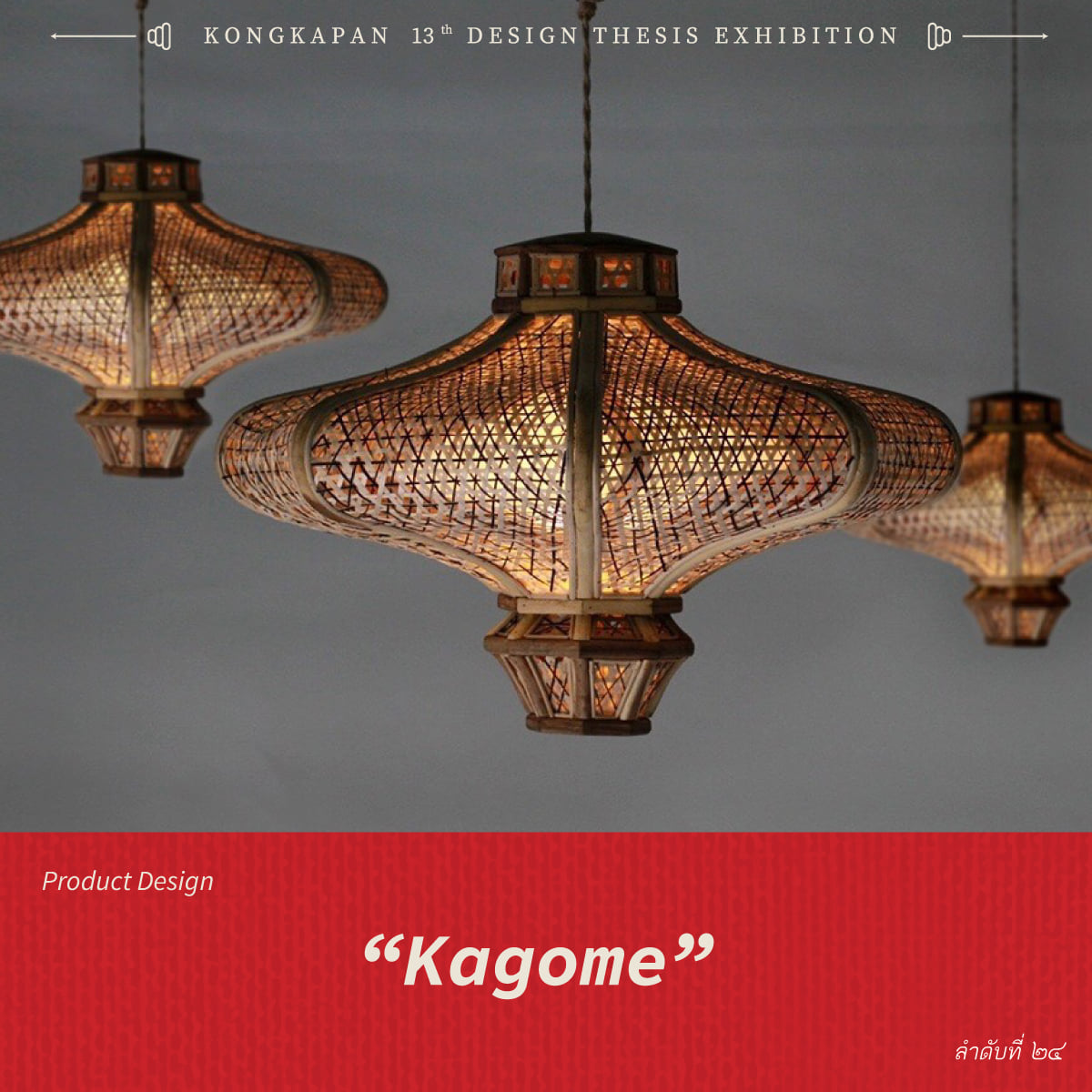
The department of Industrial Crafts Design combines the knowledge and the aesthetics of arts and crafts with the initiatives and design skills with industrial processes. The integration of knowledge and skills enable students to transform their creativities into the innovative design works to produce industrial handicraft design and pursue their careers successfully. Together with the researches done, they are able to develop and raise the quality of the product to effectively meet the wants and needs of the consumers and able to leverage their knowledge and skills for the community and Thai society.
Their projects contributing to local arts are such as:
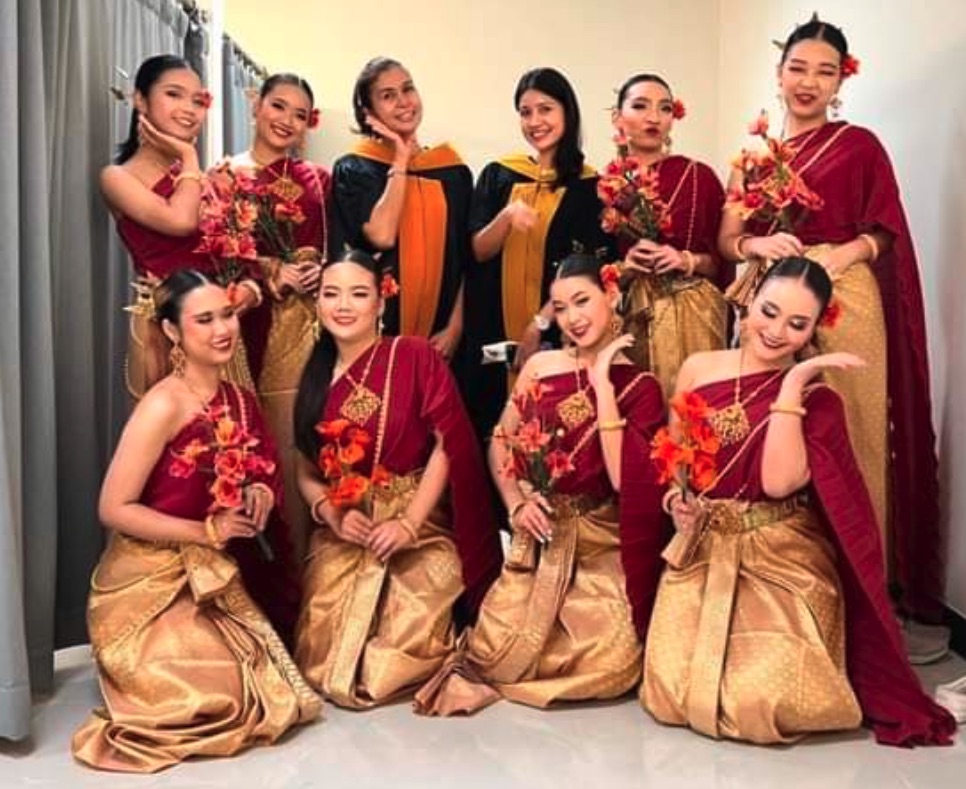
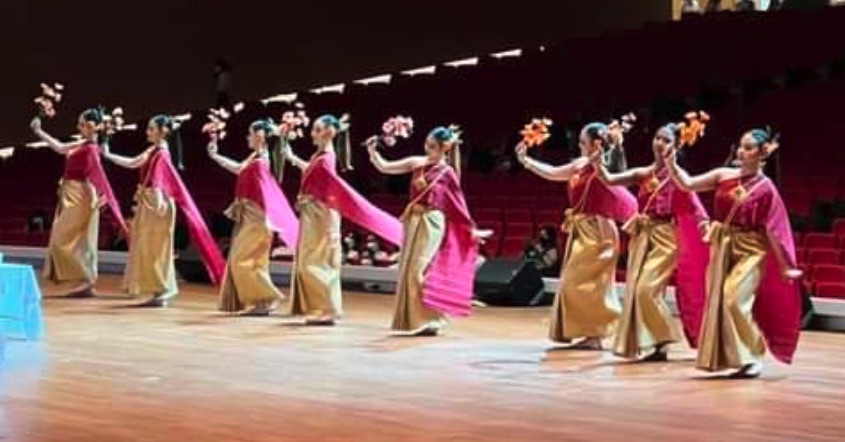
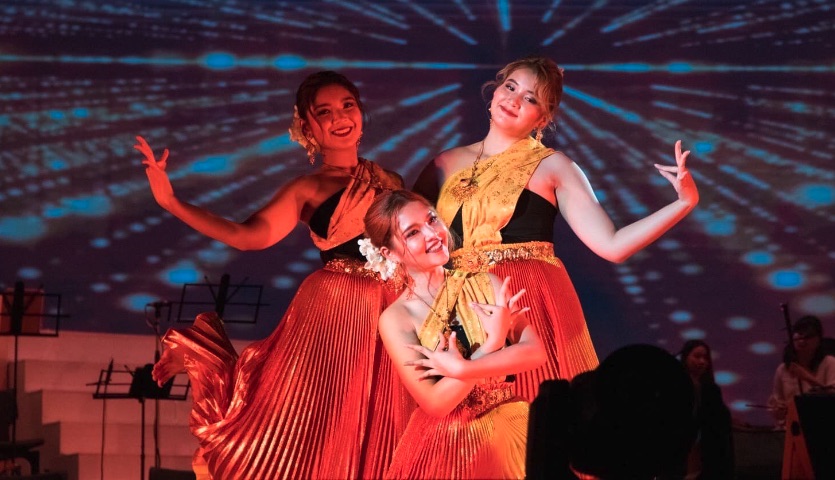
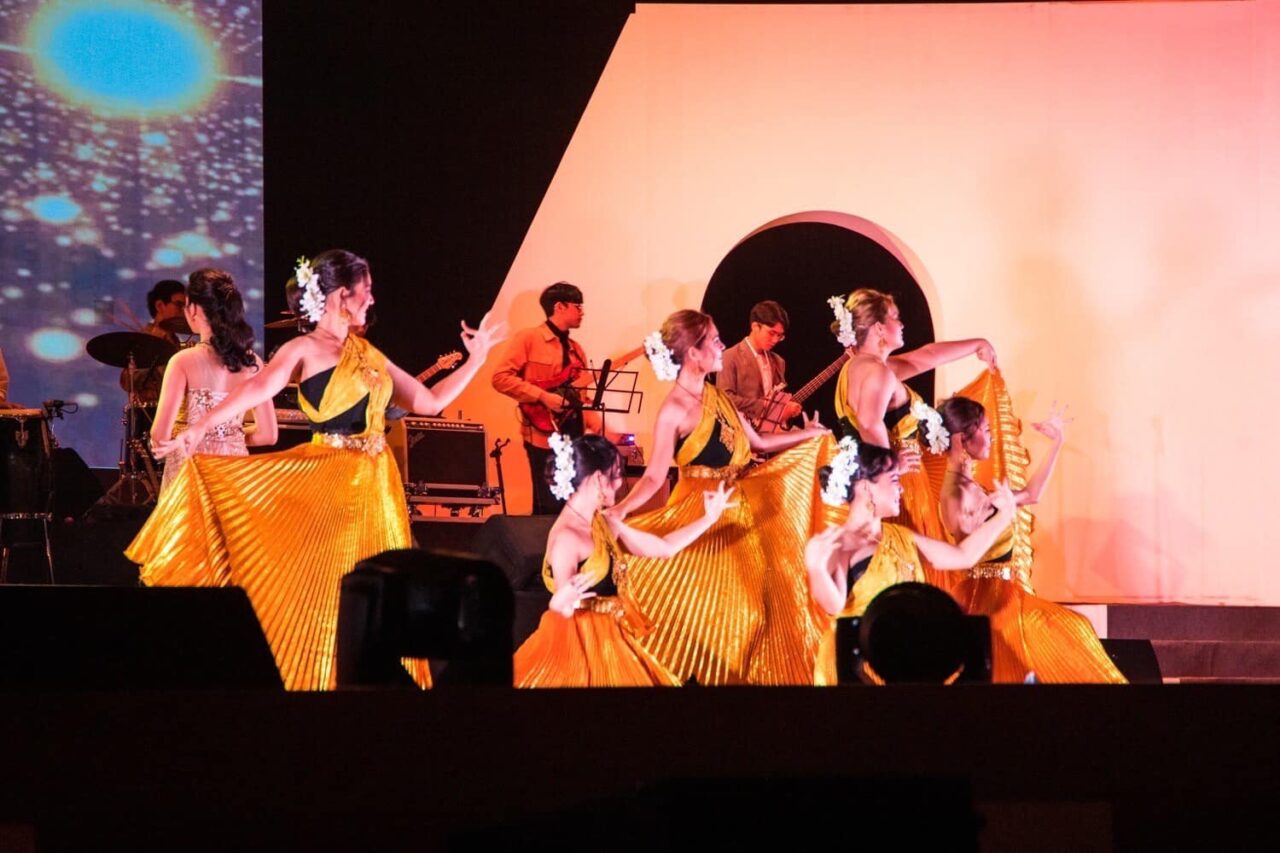
Thammasat University has always been one of the key contributors to Thai society in preserving and promoting national arts and cultural works through both academic and public performances. For academic, several courses relating to Thai cultures are offered in undergraduate and graduate levels in Faculty of Fine and Applied Arts, Faculty of Architecture, and Faculty of Sociology and Anthropology.
Faculty of Fine and Applied Arts of Thammasat University offers many classes related to Thai classical music, western music and Thai performing arts (Thai traditional dance, Thai pantomime). The faculty established art-related student clubs and organized annual performances both for the University’s events and anniversaries as well as other public performances and fund-raising events.
Establishing and promoting art-related student clubs
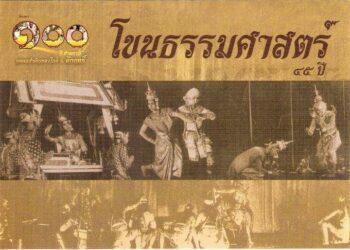
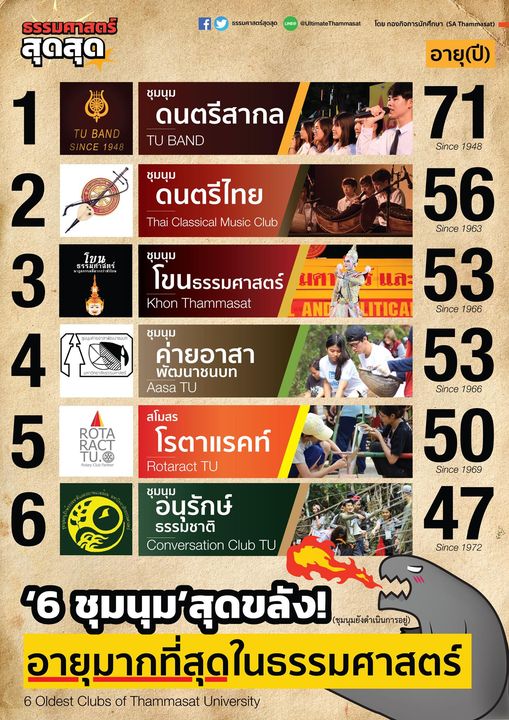
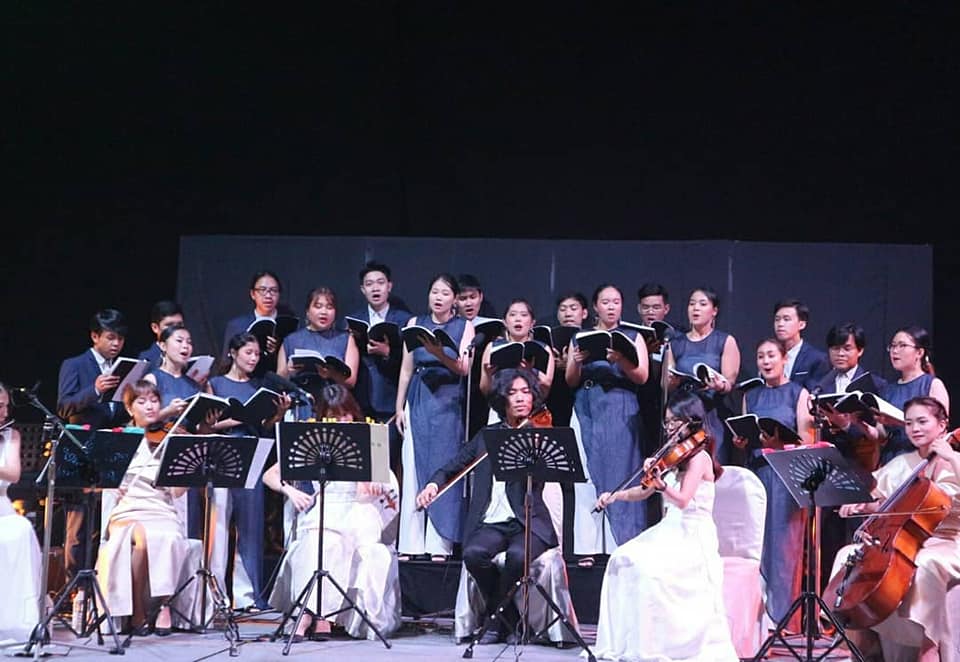
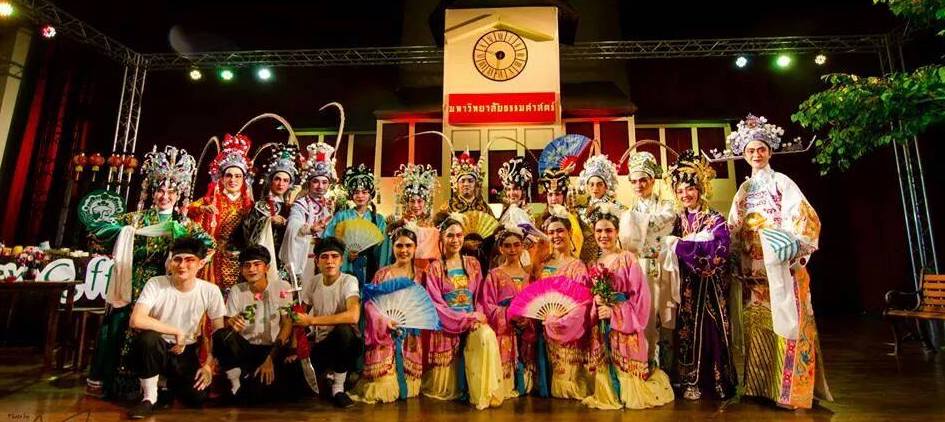
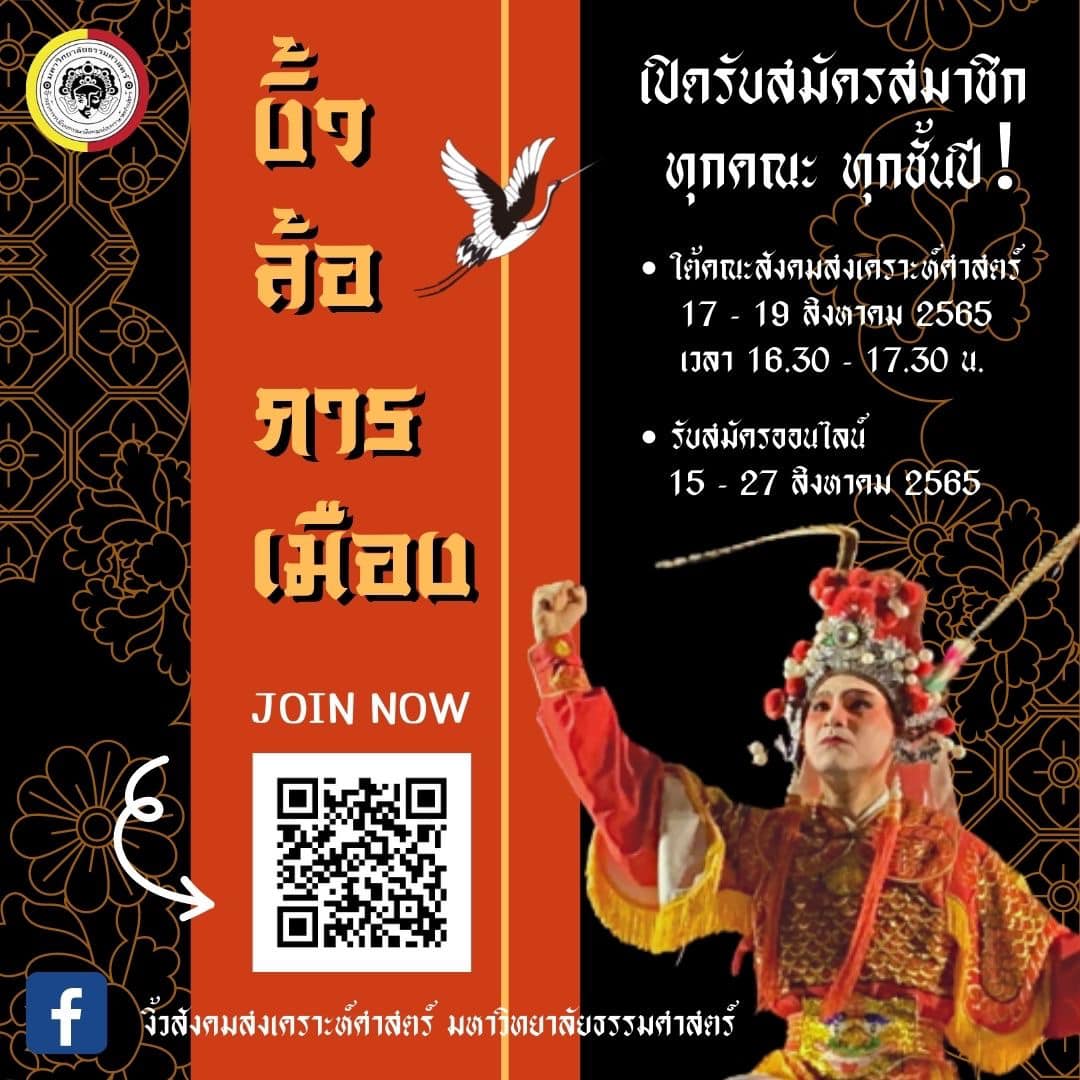
The four oldest student’s clubs are TU Band (established since 1948), Thai Traditional Dance Club (established since 1958), Thai Classical Music Club (established since 1963) and Khon Thammasat (established since 1966). Since then, many groups of students, who have passion for classical music, traditional Thai dance and performing arts, gathered together to form clubs such as TU Symphony Orchestra, TU Chorus, TU Folksong, Thai Traditional Dance, and Chinese Opera Club.
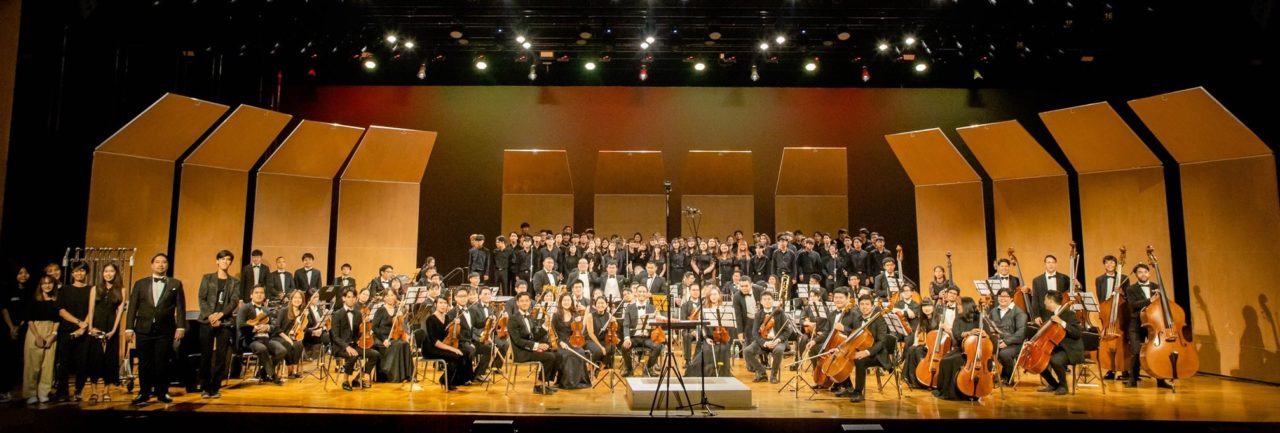
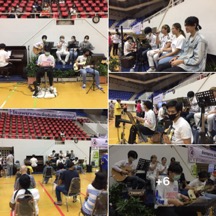
One of the most active art-related clubs is TU Folk Song club which organizes its own shows known as “Laan Folk” twice a year and participates in the University’s events that are open to the public, including TU Freshy Games, Club Festivals, Thammasat Open House, and more than 30 performances each year. TU Symphony Orchestra organizes annual concerts, which in 2022 came in the theme “LOVENIVERSE”, and several other ad-hoc themed concerts, such as Charm of Chinese Melodies, Chamber Night Concert, and Until Unlight Concert to raise money for the Universal Foundation for Persons with Disabilities.
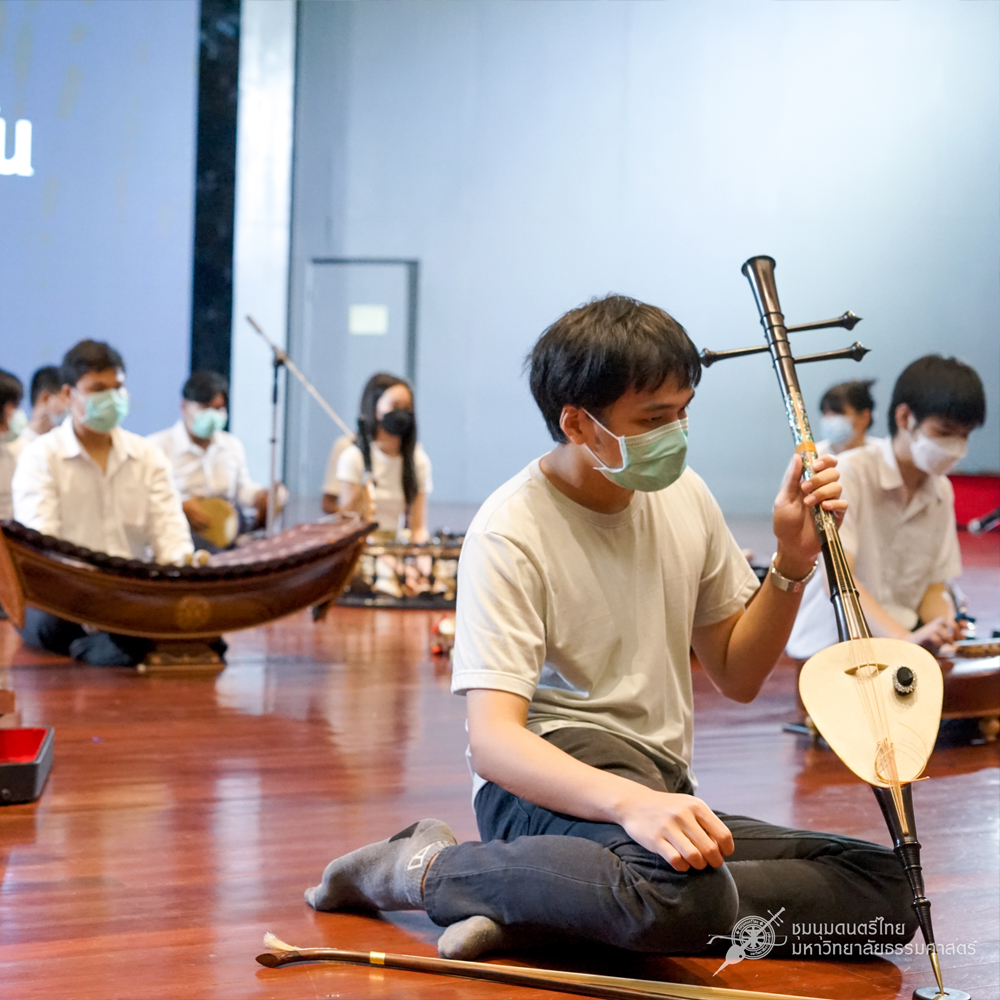
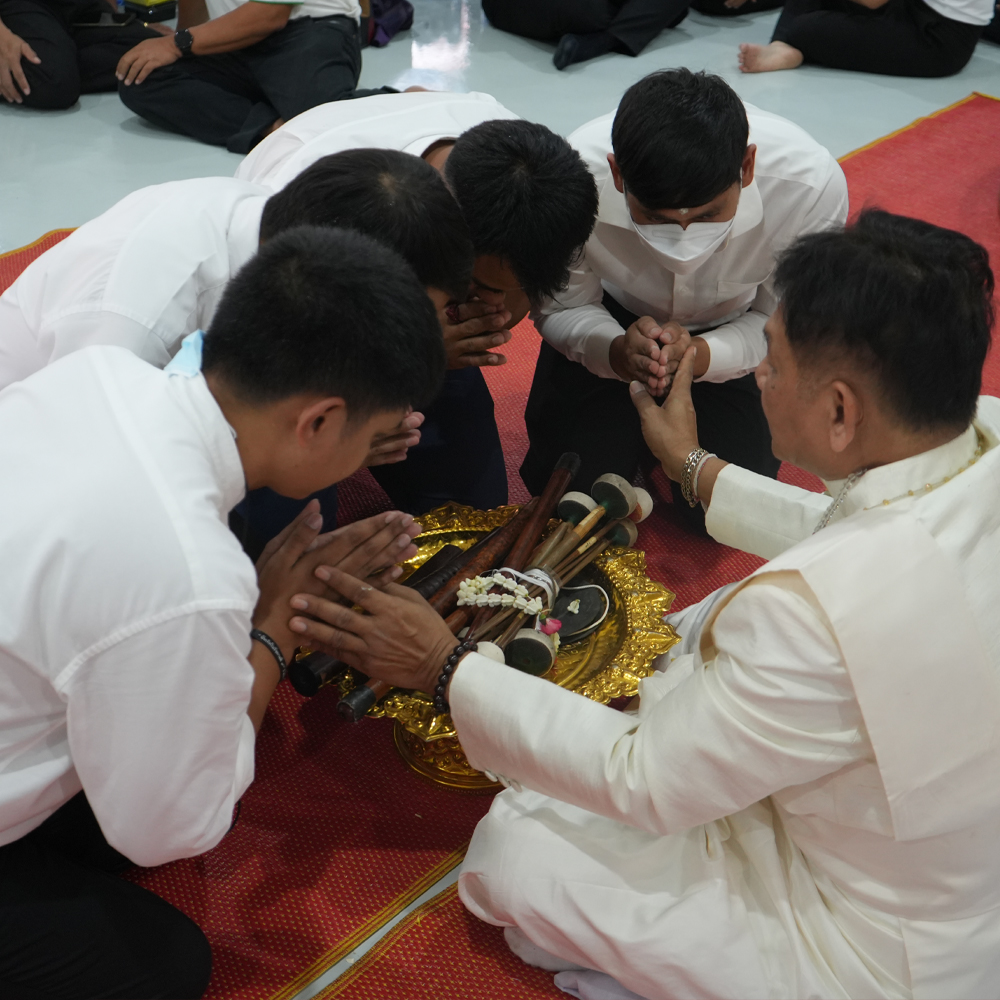
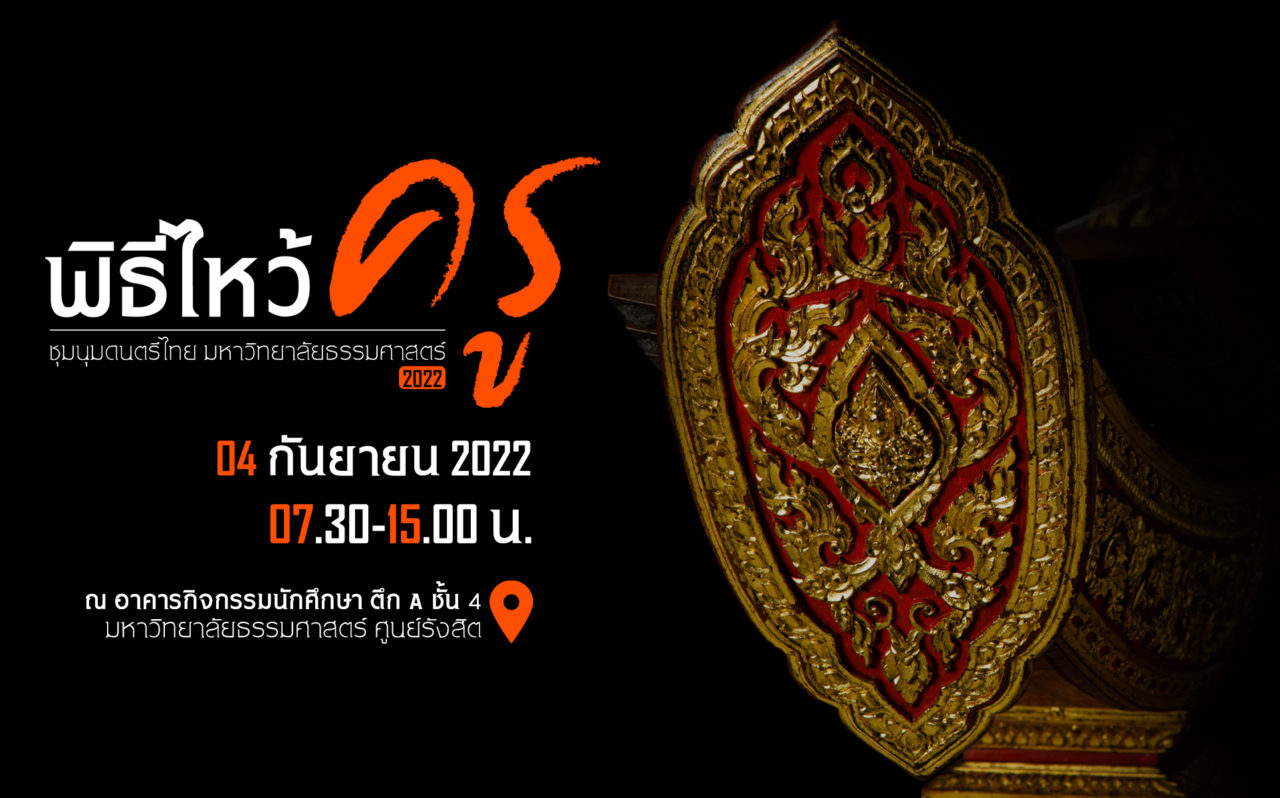
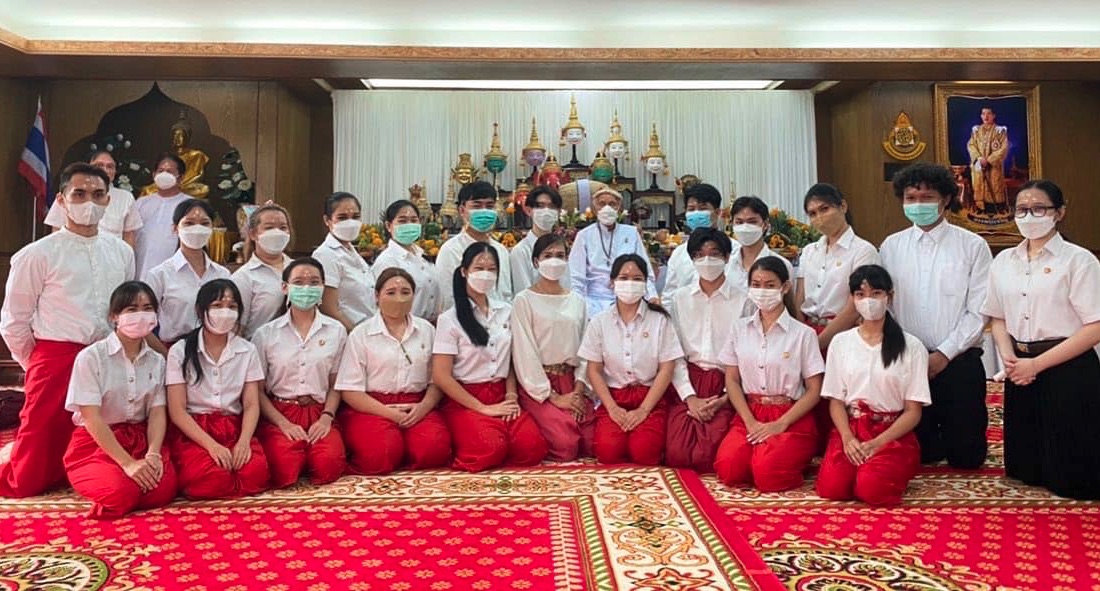
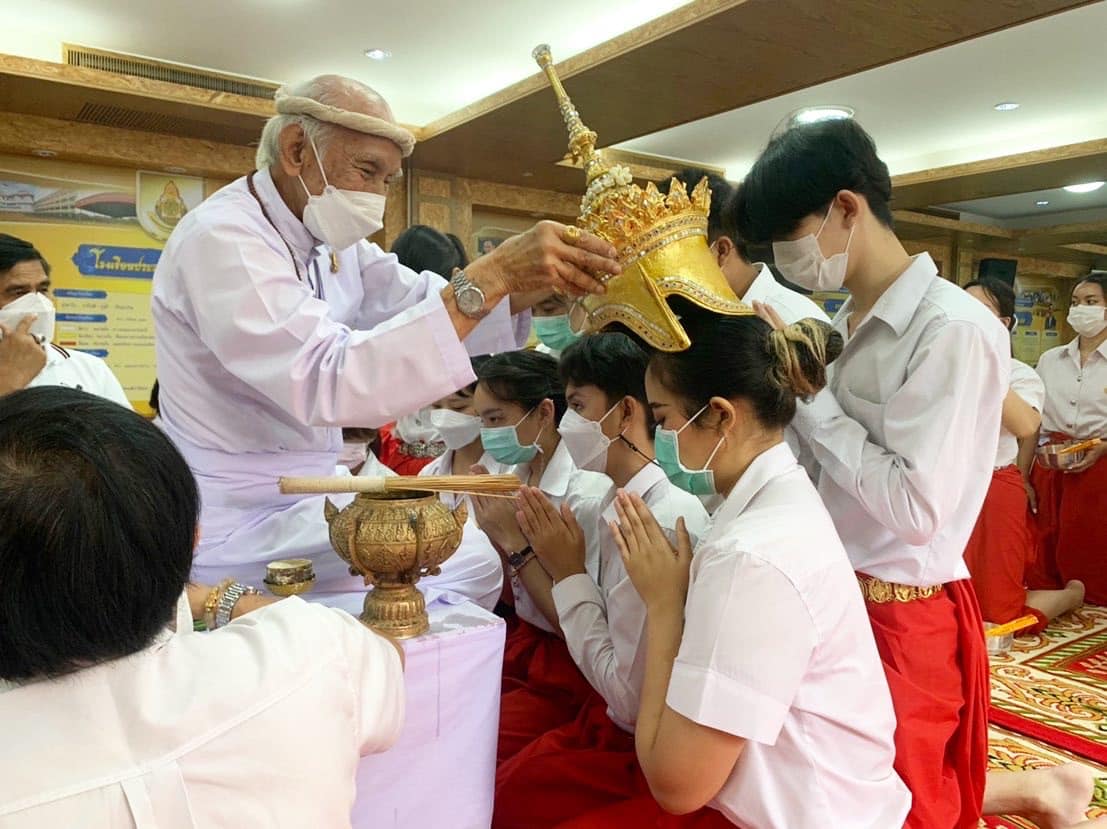
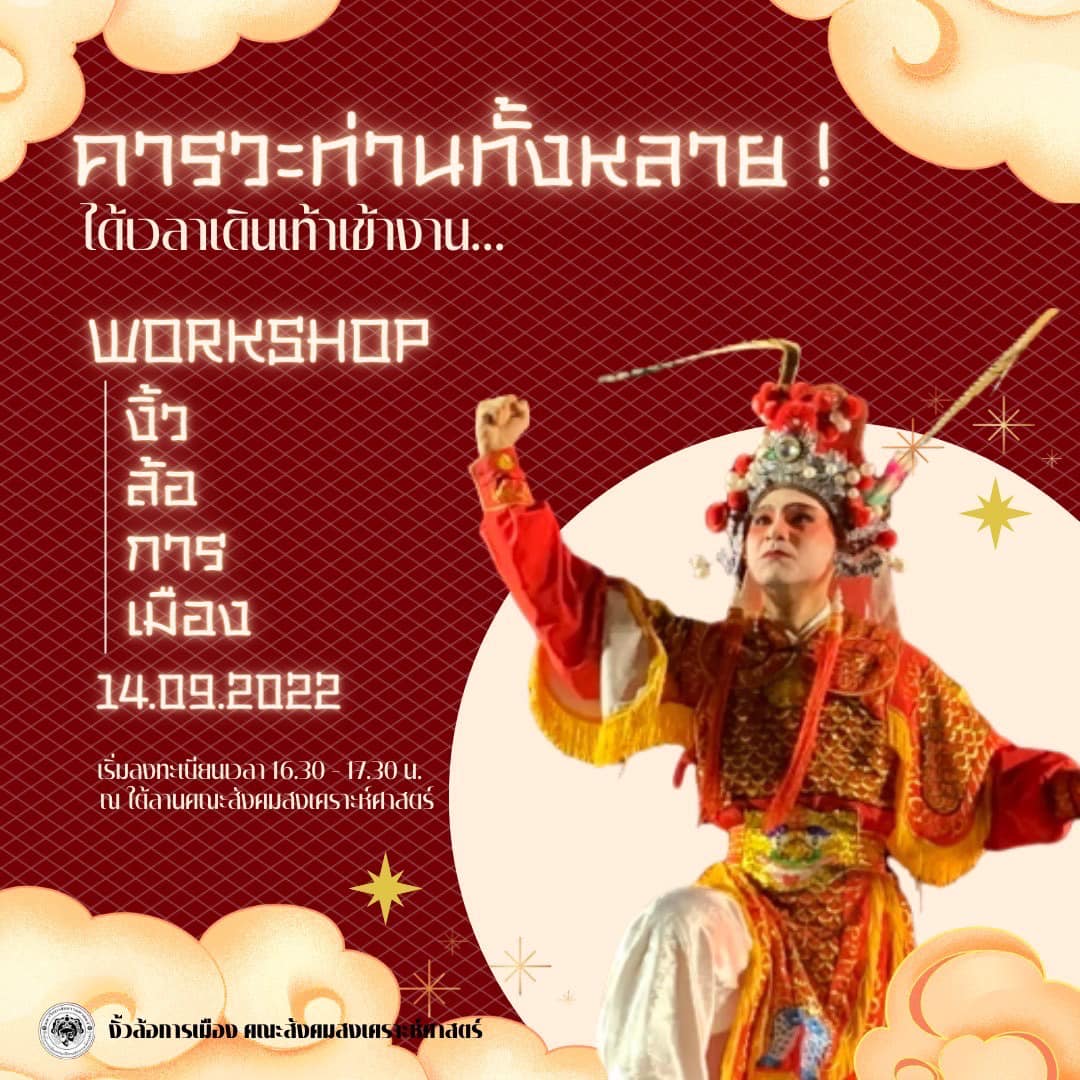
Thai Classical Music club and Thai Traditional Dance club have their own traditional events and performance, such as “Wai Kru” ceremony, annual student orientation day, traditional football event, and religious events. TU Drama Club also organizes at least 2 public performances per year, including Hello Drama and its annual showcase. Last but not least, with its uniqueness, the Chinese Opera club of the Faculty of Social Administration organizes annual and occasional shows specifically for political parody during the political events and movements.
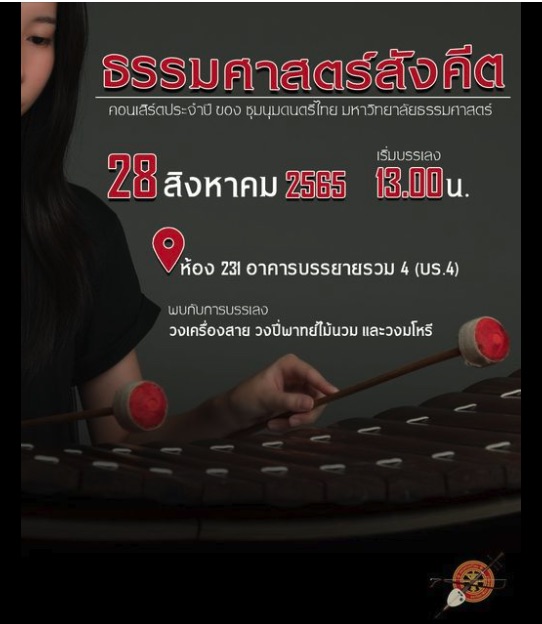
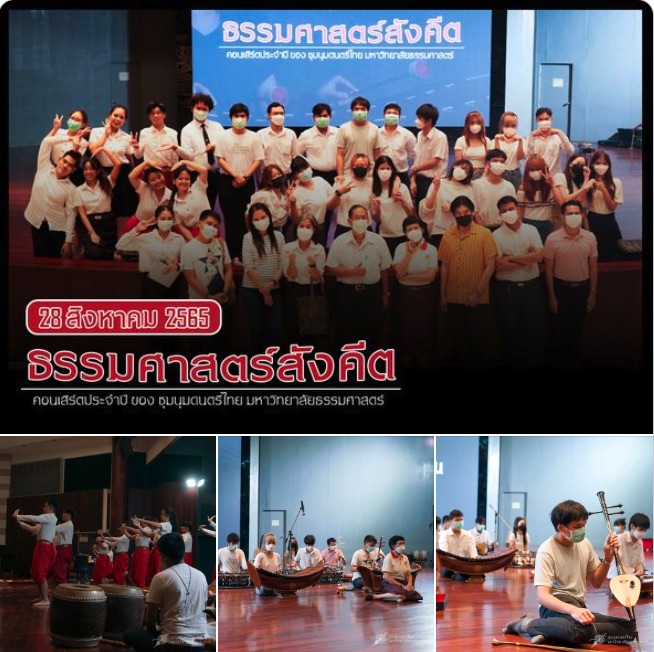
Thai Classical Music Club, Thammasat University (ชุมนุมดนตรีไทย มหาวิทยาลัยธรรมศาสตร์)
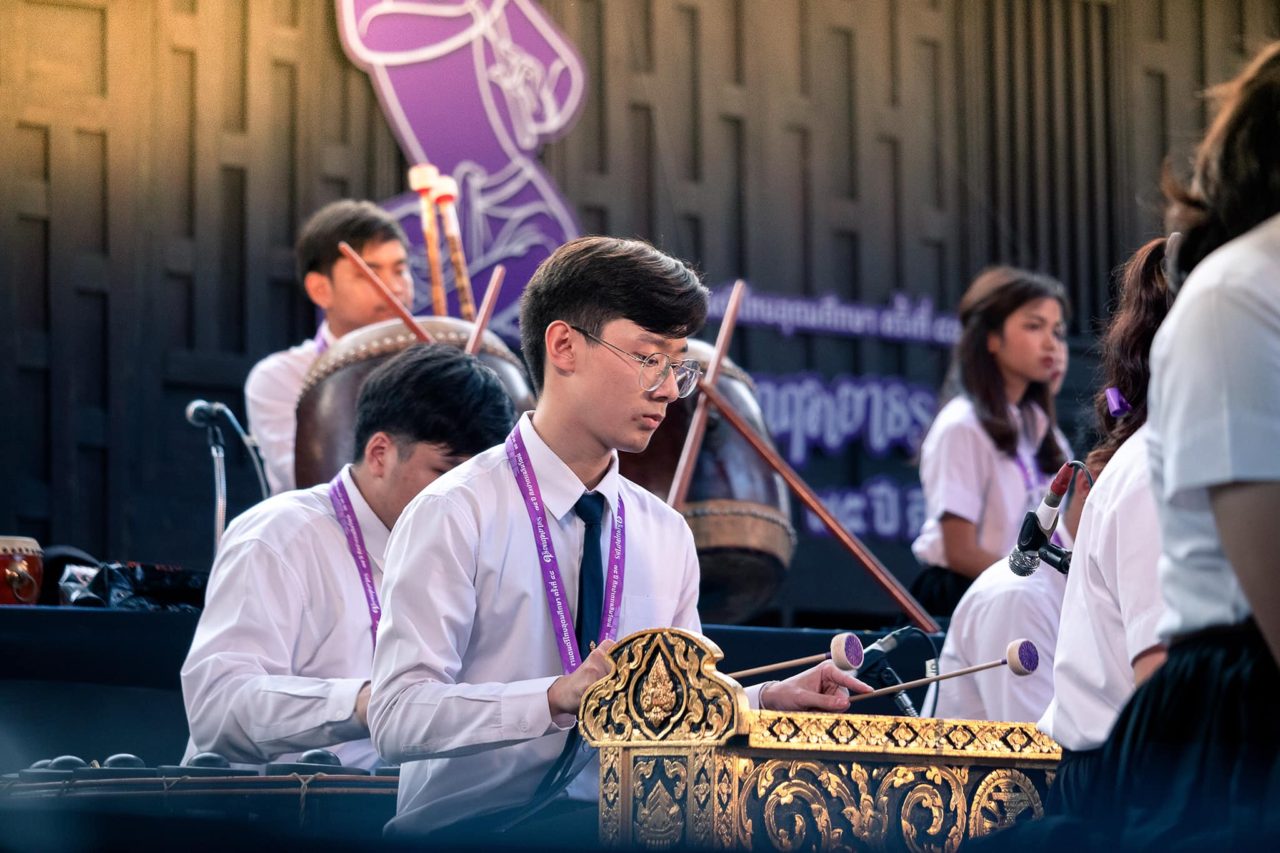
Thai classical music is one of the important cultural heritages for Thailand. Thammasat University has established the Thai Classical Music Club since 1963 as a continuation of knowledge from Thai traditional music masters and legends.
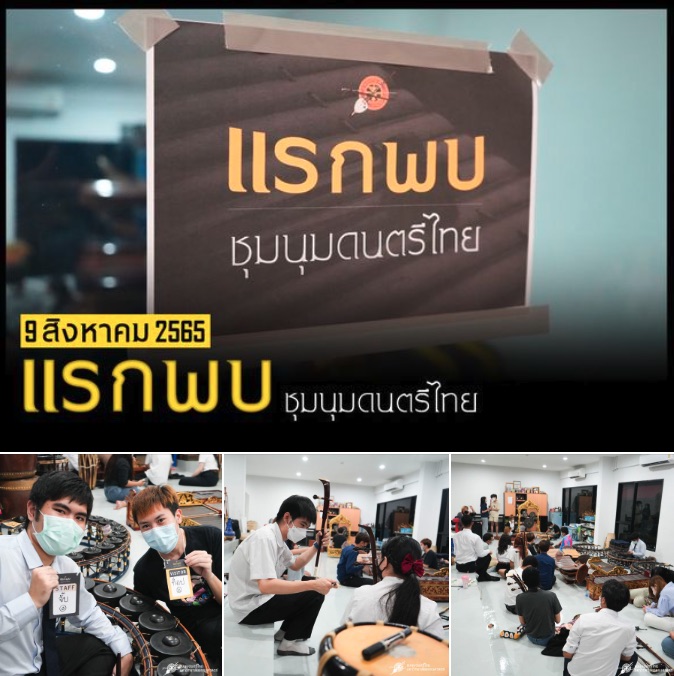
Due to COVID-19 situation, Thai Classical Music Club was not able to rehearse and perform in the public events as scheduled during 2021. However, there were still group activities such as the performance in the annual student orientation day, Wai Kru ceremony, dissemination of Thai music masters and legends and the introduction of Thai Classical Music club’s history and establishment. The club reconvened with the on-line meeting with the theme “First Met” on August 14, to revive their activities and rehearsals for the performance in 2022.
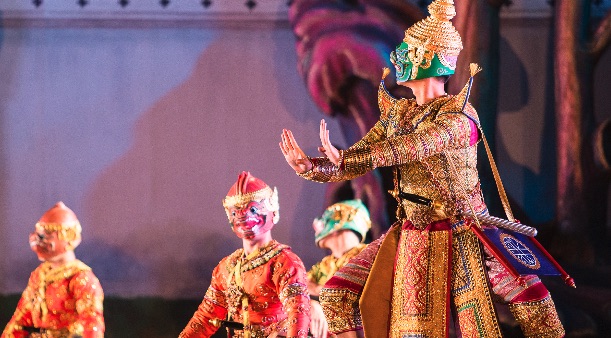
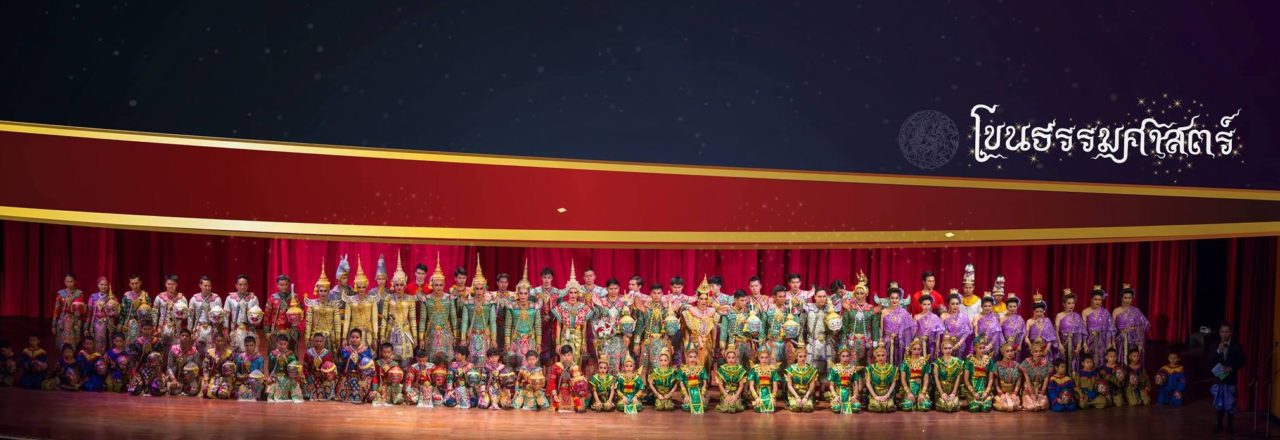
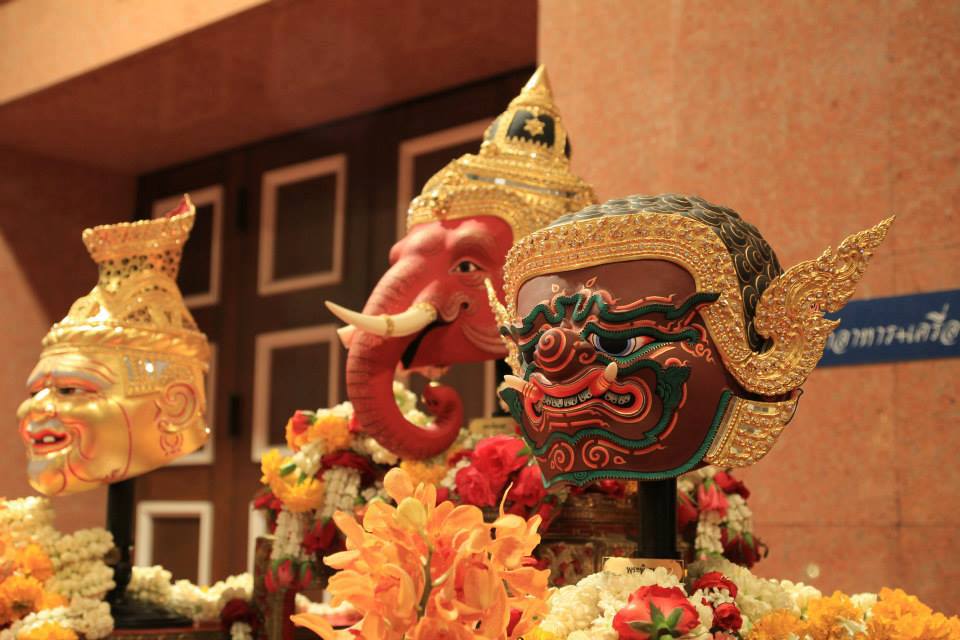
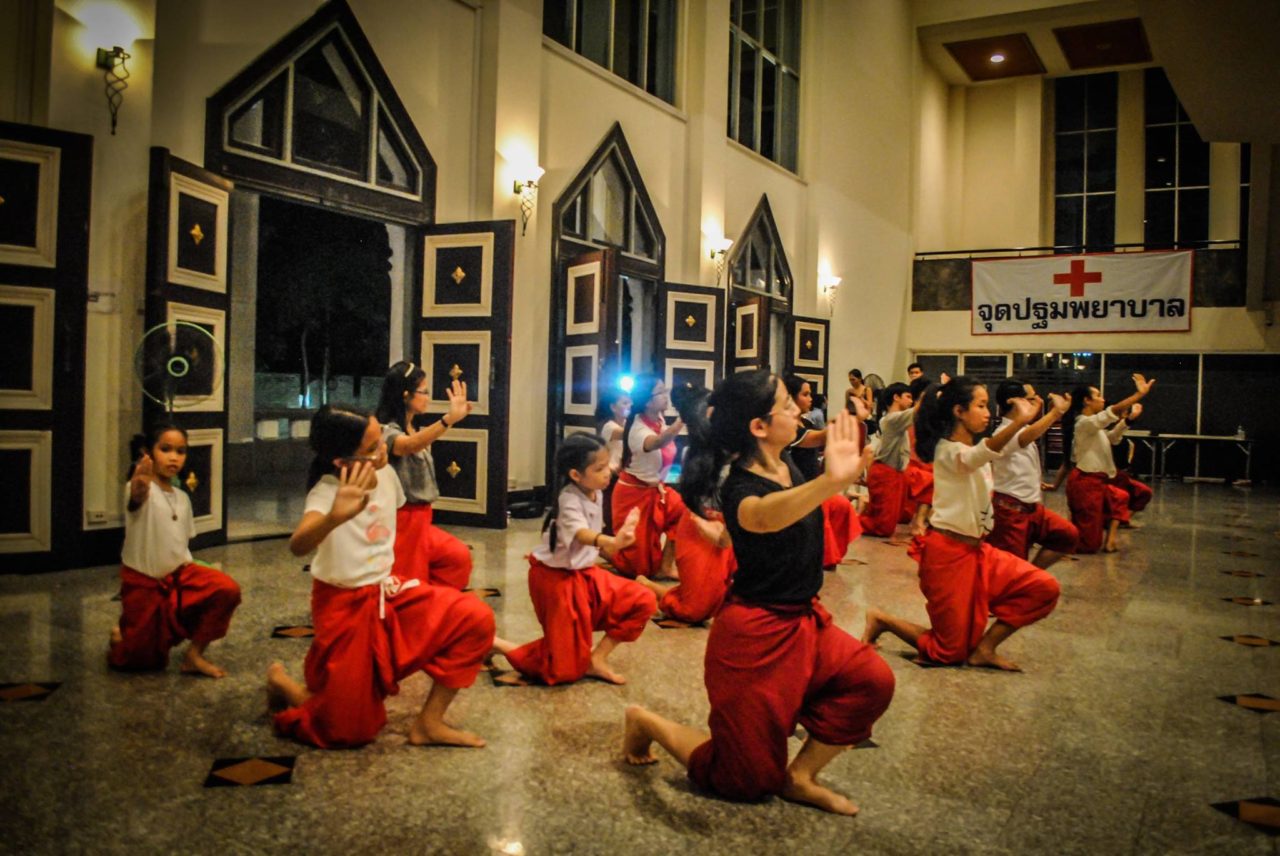
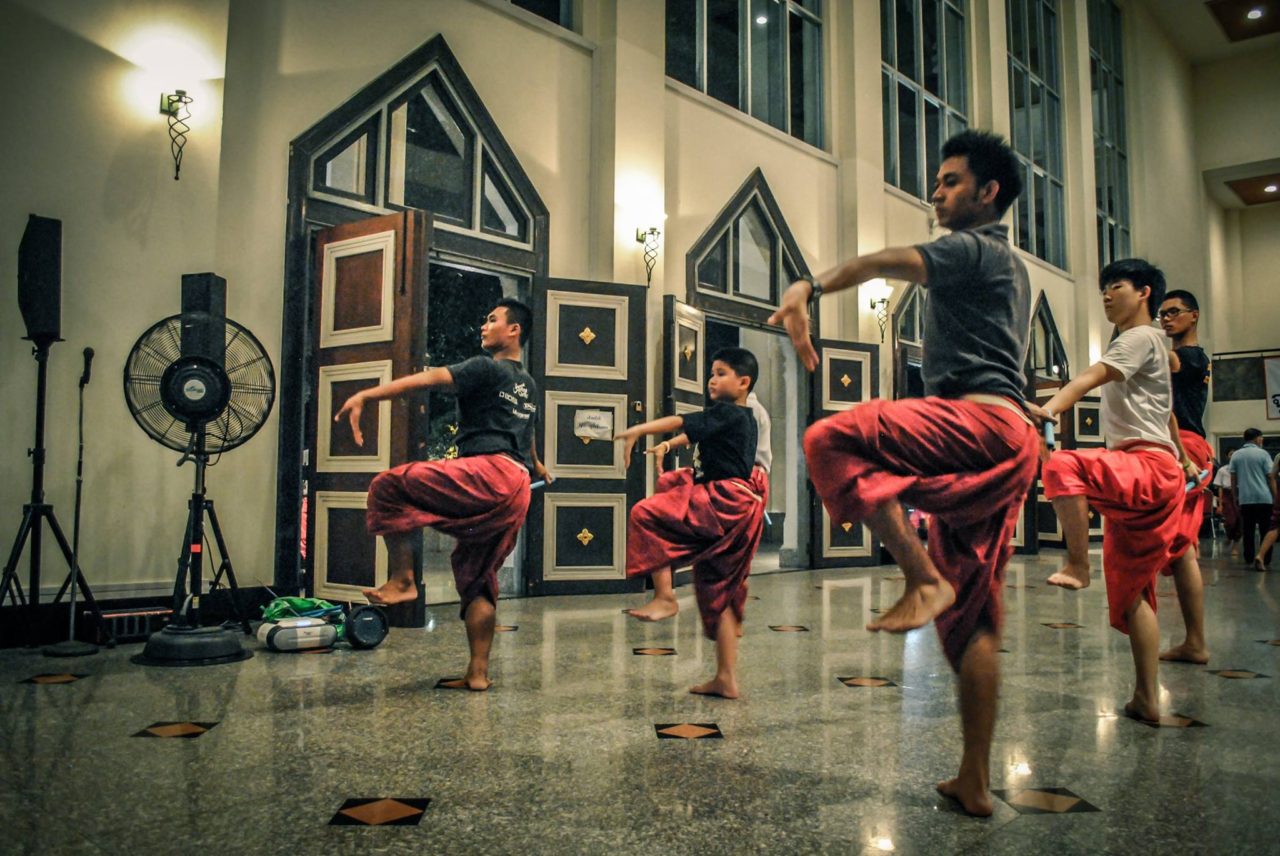
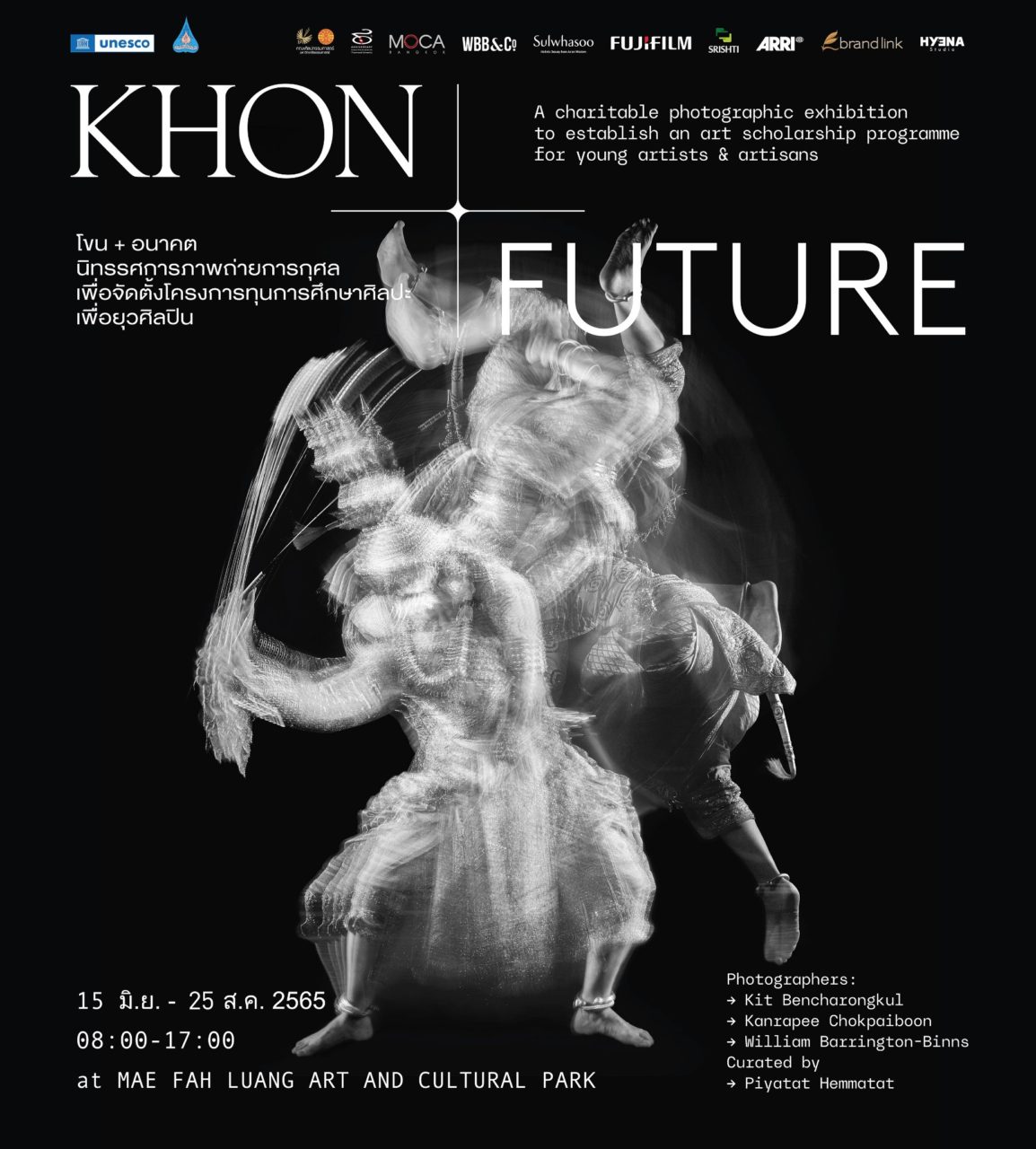
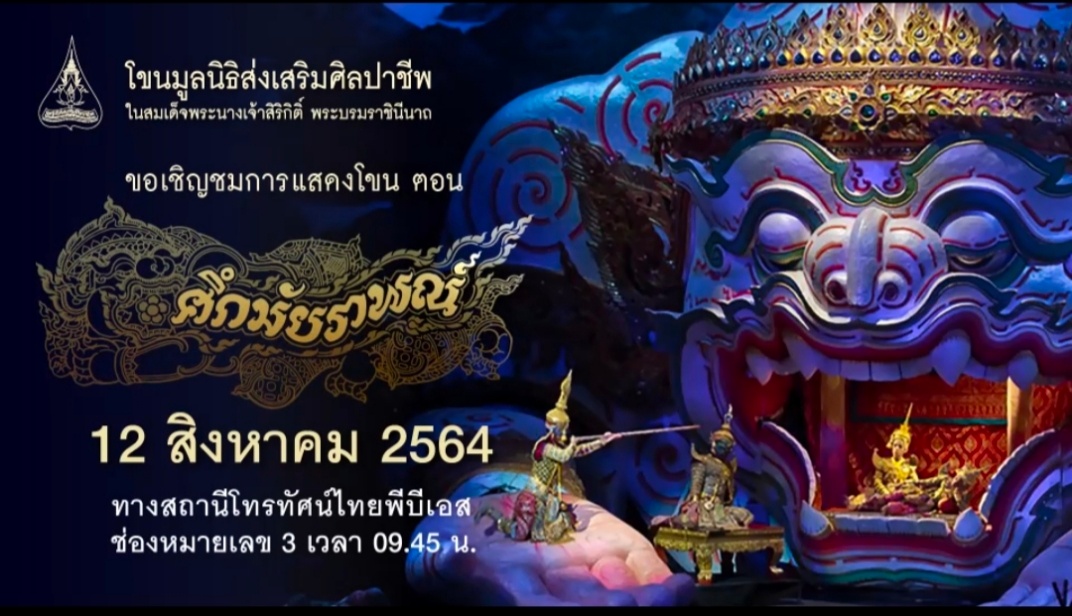
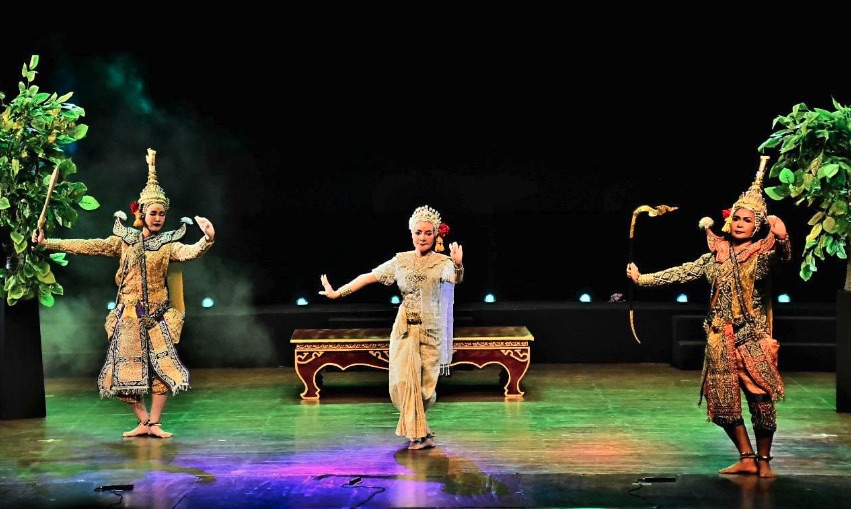
Khon is one of Thai’s cultural heritages. Khon Thammasat was formed in 1966, aiming for the younger generations to recognize the value of our culture, inherit and pass on this culture both nationally and internationally. The establishment of Khon, in addition to being a cultural show, it is also a tribute in honoring our monarchy as well.
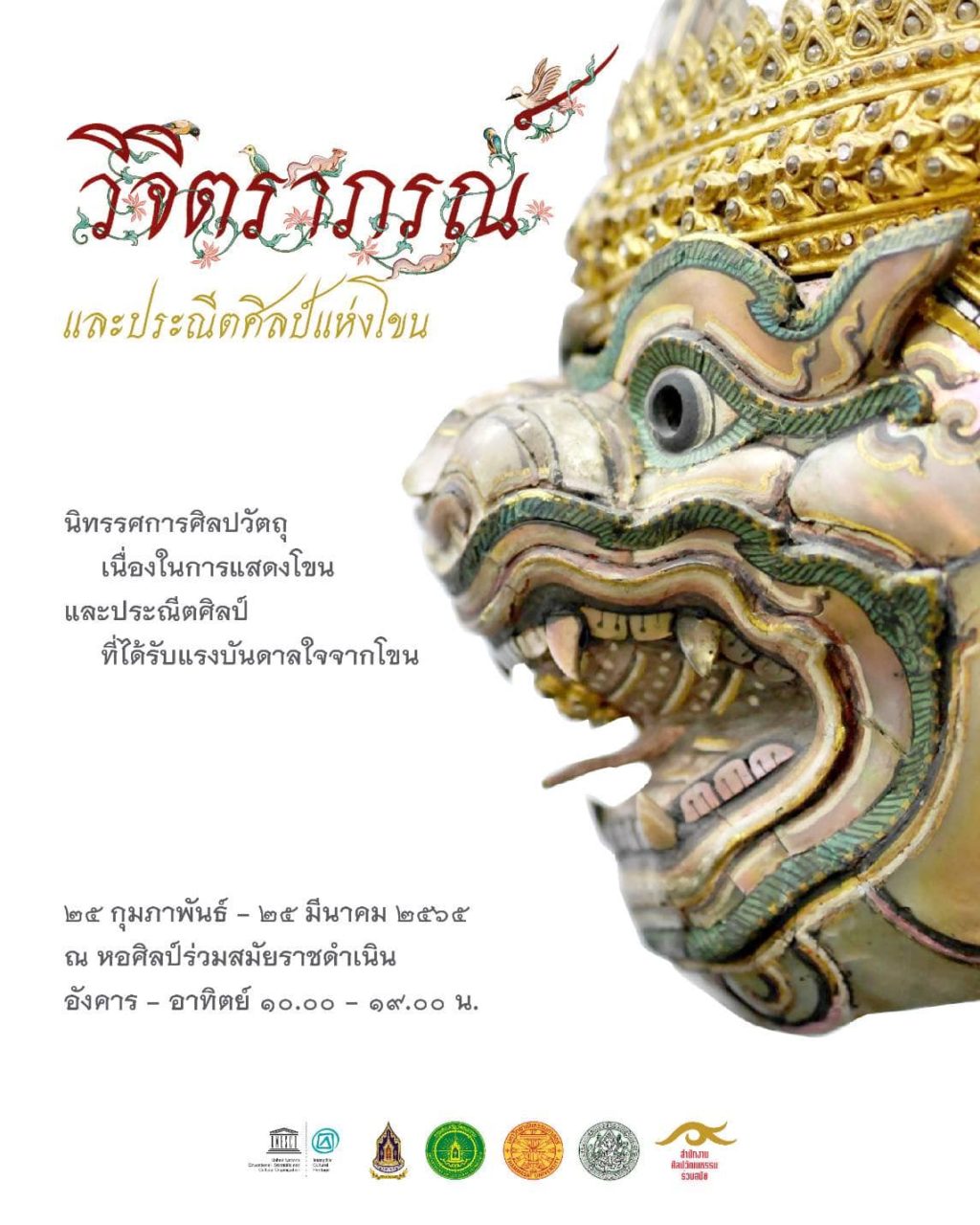
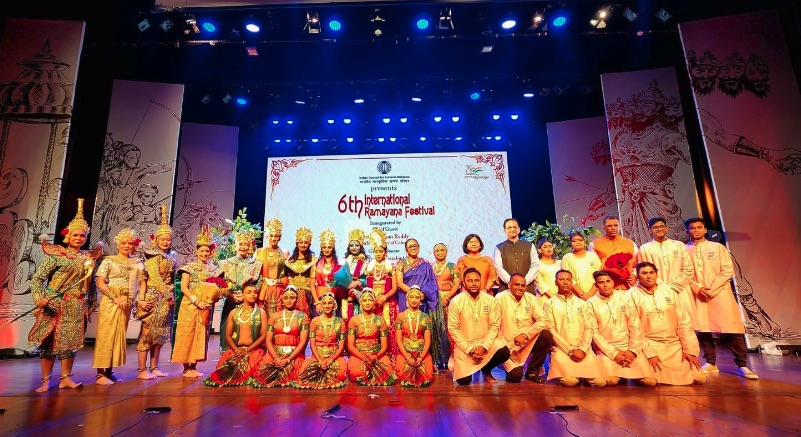
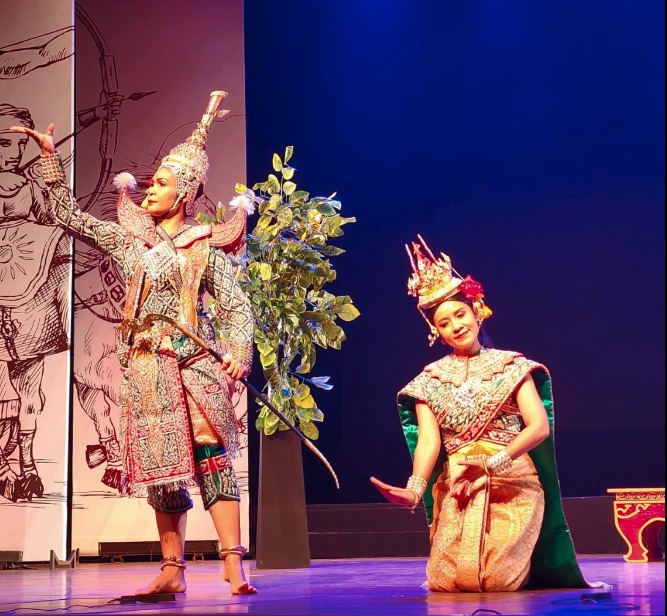
Contributing in preserve and promote national arts and cultural works, the Thai Dance Club, Thammasat University, by the invitation of the Indian Government, did their performances in the 6th edition of the International Ramayana Festival in various cities in India. The Thai troupe selected “The Advances of Samnakkha (Shurpannakkha)” from Ramakien or the Thai version of Ramayana, as their performance in this festival. International Ramayana Festival – คณะนาฏศิลป์ไทยเข้าร่วมงานเทศกาลรามายณะนานาชาติ ครั้งที่ 6 ประเทศอินเดีย
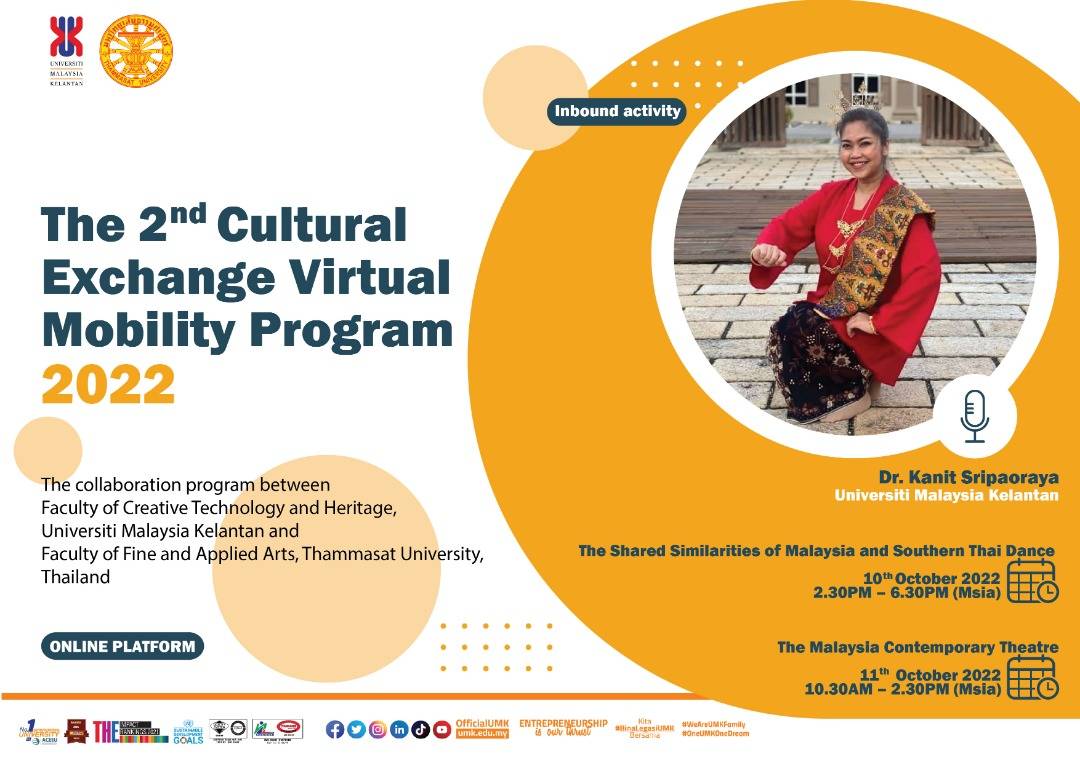
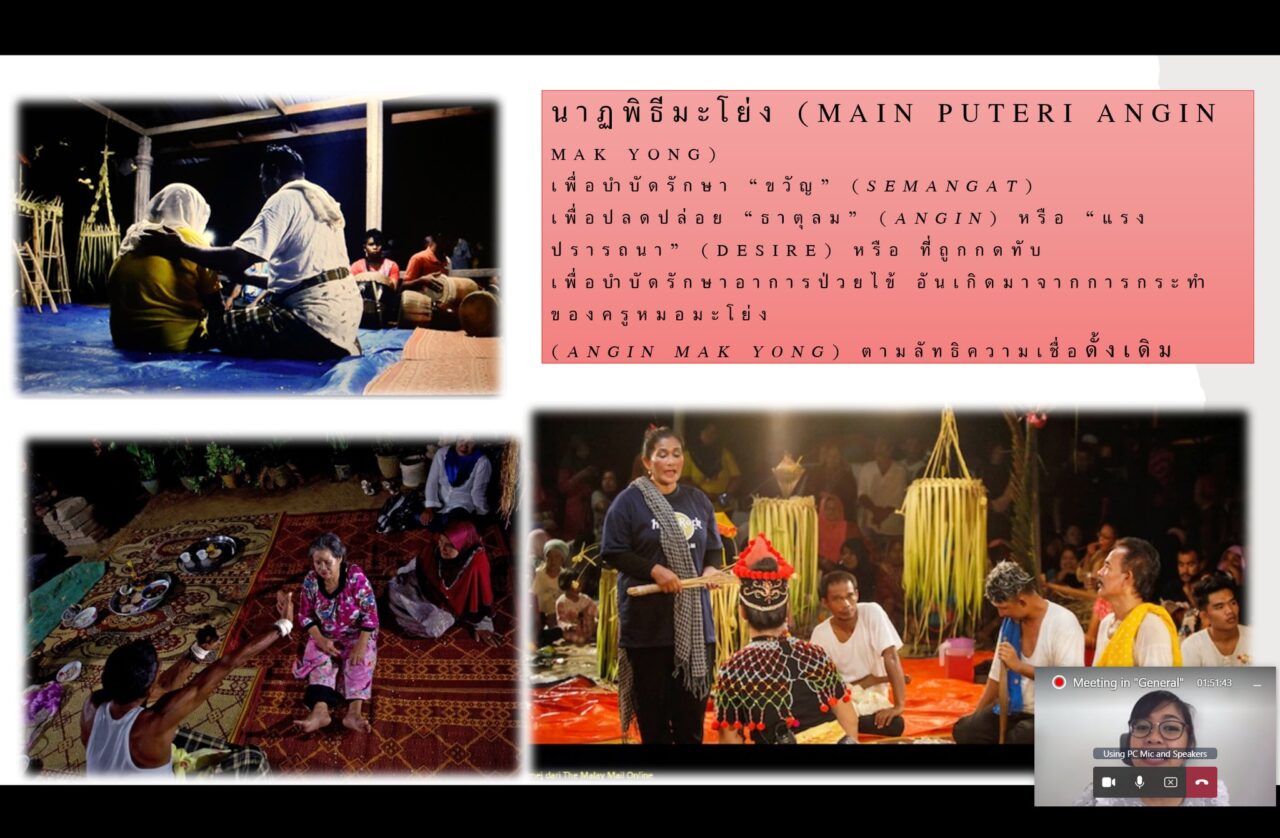
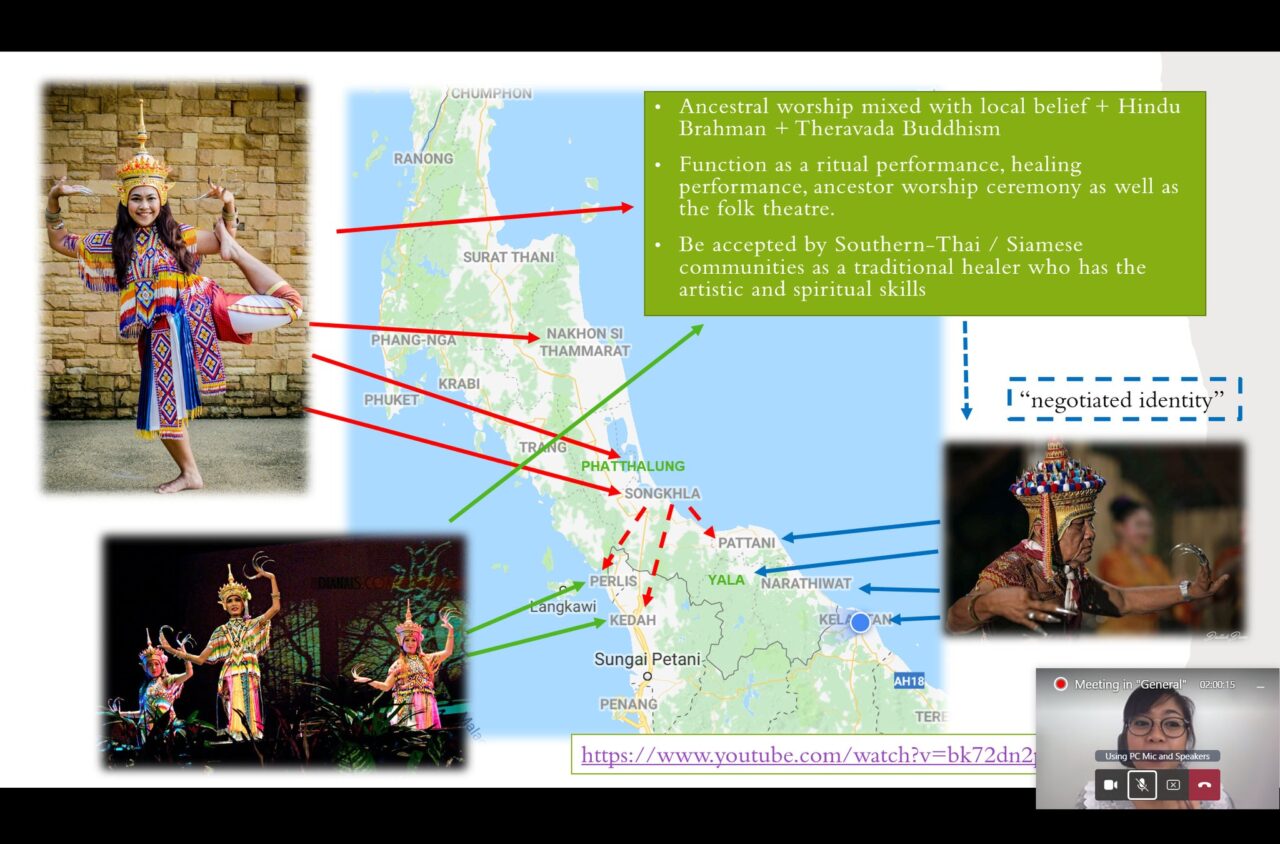
Learning arts and cultures of different countries in Asia is a heart of strengthening good relation among our neighboring countries, especially in Asean countries. Acquiring a knowledge of different types of neighboring countries’ dances is one of the key skills that teachers and students should practice in order to better understand their cultures, hence, able to adapt or innovate a mixed culture that could enhance the relationship between countries.
The Master of Dramatic Sciences, Faculty of Fine and Applied Arts, Thammasat University, therefore, conducted a workshop on ASEAN dance and Indonesian dance to provide an opportunity for interested participants to learn and practice ASEAN dance and further develop their skills toward a higher potential.
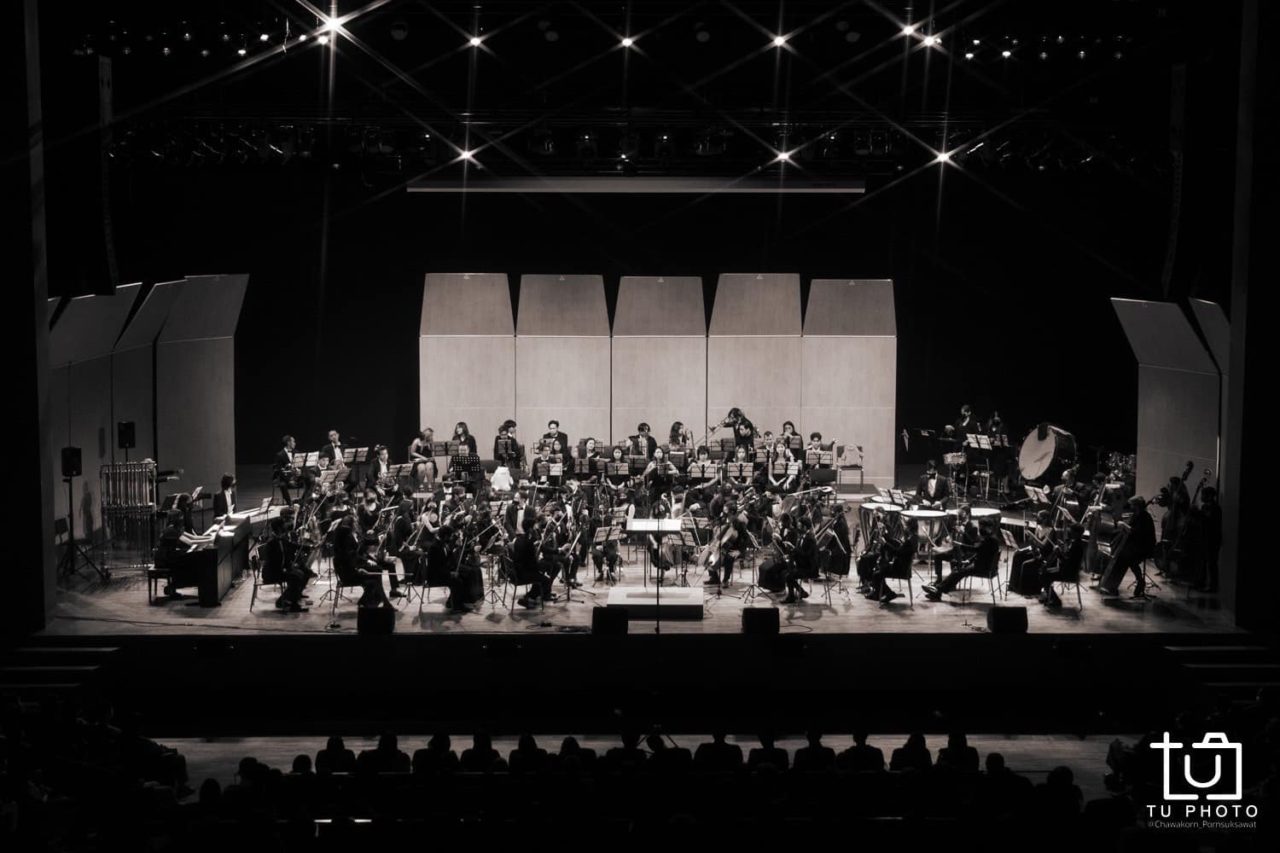
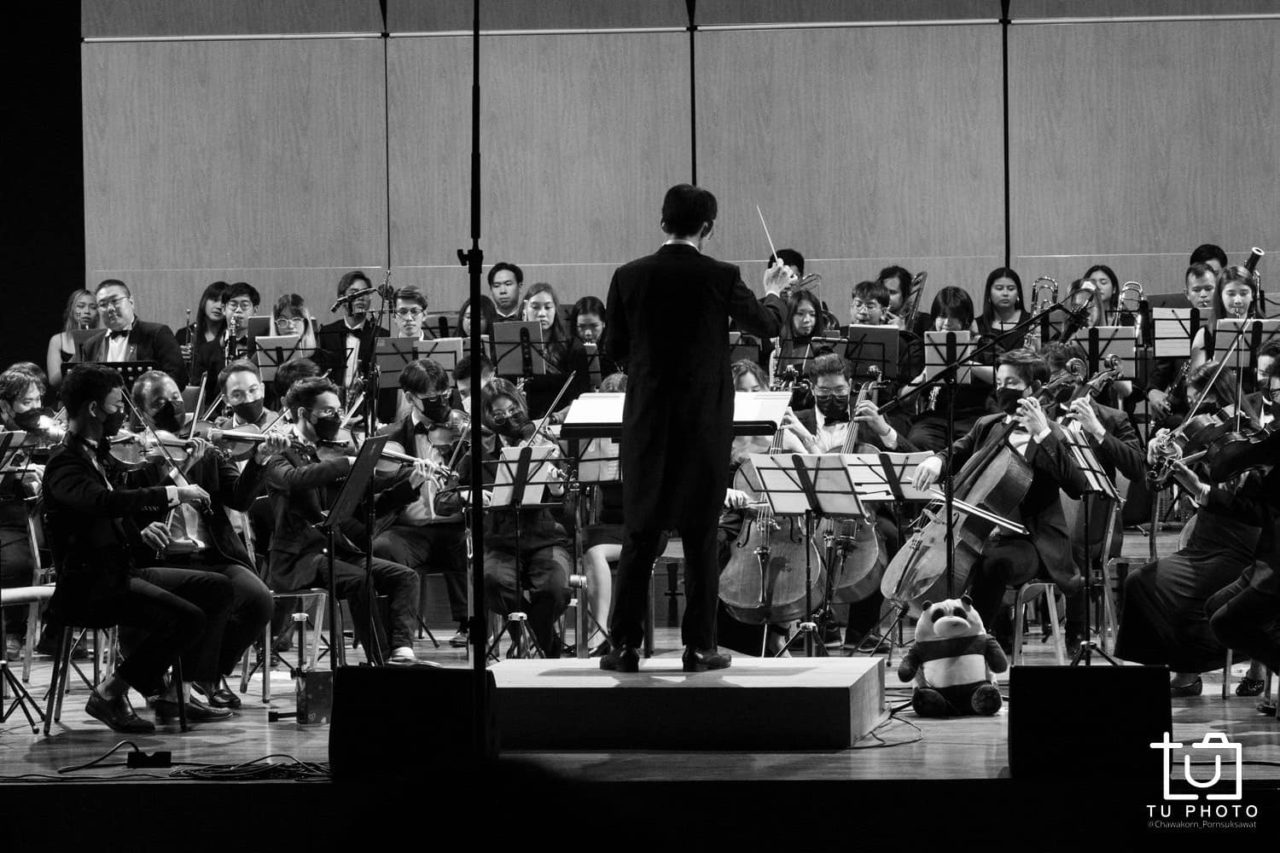
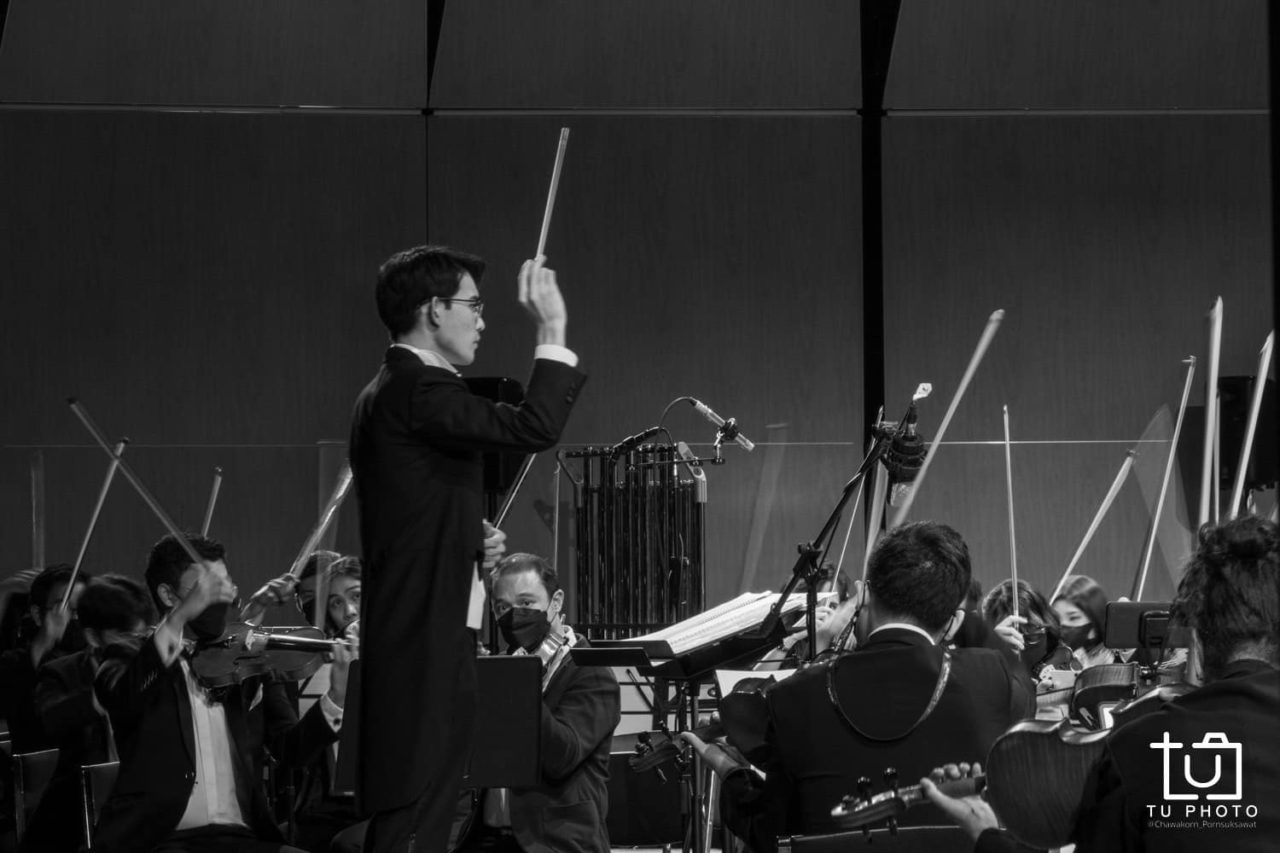
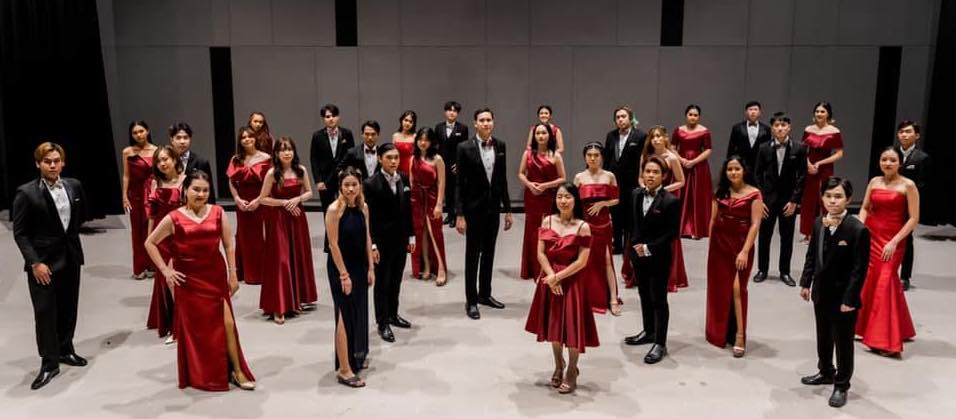
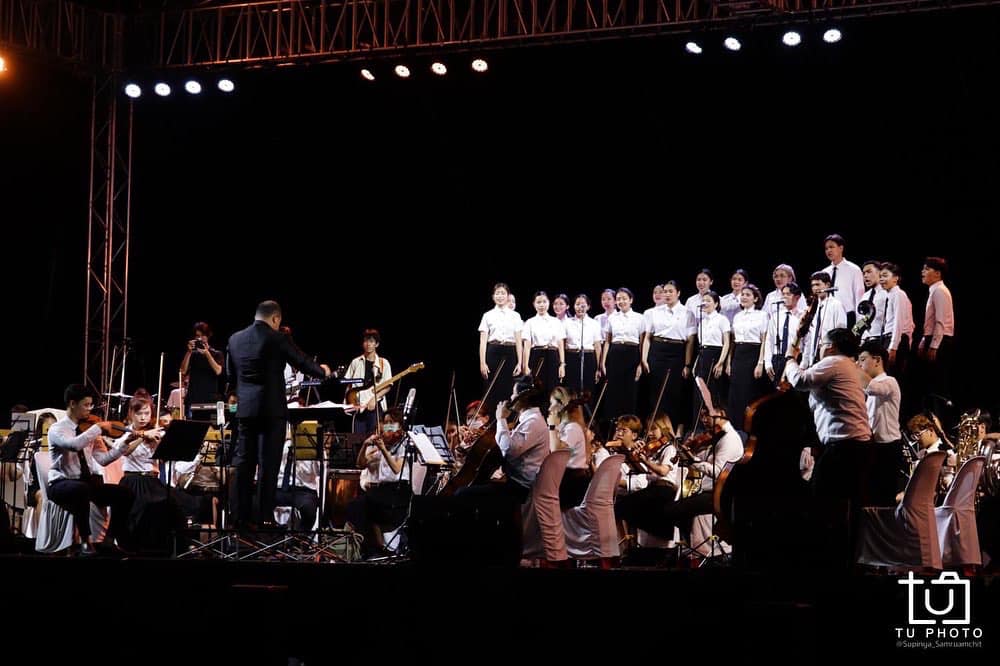
TU Symphony Orchestra was established on June 27, 2002 which coincides with the founding anniversary of Thammasat University. It was formed by a group of Thammasat University students from different faculties who had a passion for classical music and wanted the opportunity to perform to the public, both inside and outside the university. The group was initially called “TU Chamber”. However, because of the tremendous interests and increasing number of members, the name is changed to TU Symphony Orchestra (TUSO) to be more appropriate for the activities and types of the performance. TUSO is not just a band but a place to exchange knowledge, to learn about classical music, and most importantly, to be able to contribute to the society through their passions and the love of music.
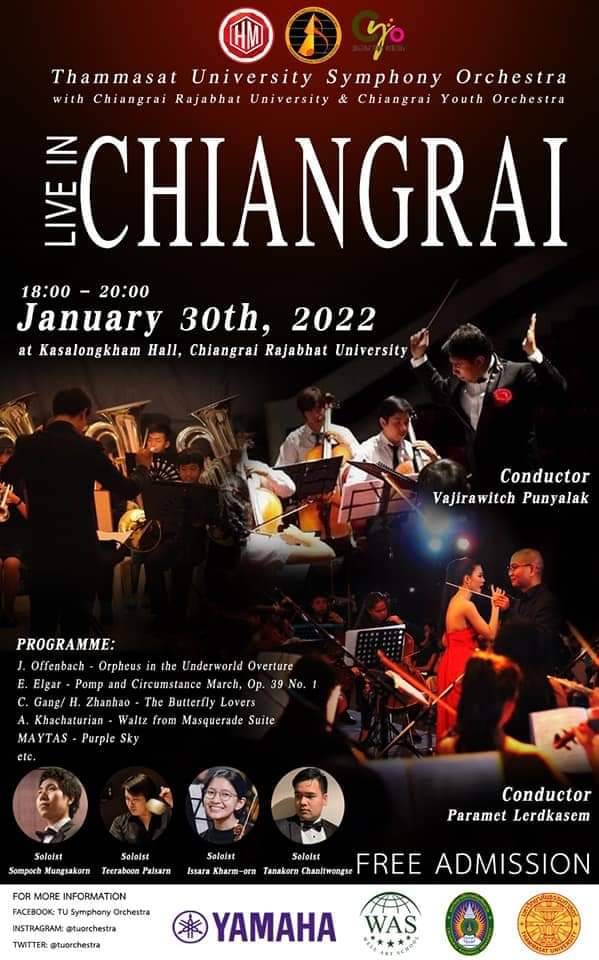
Due to the COVID-19 situation, TUSO has to cancel several of their activities and performance. Despite that, there were still a number of performances during the last part of the year 2020, a number of rehearsals during 2021 to prepare for several more performance in early 2022. Here are some of the key public performances of TUSO during 2020-2022 for your reference.
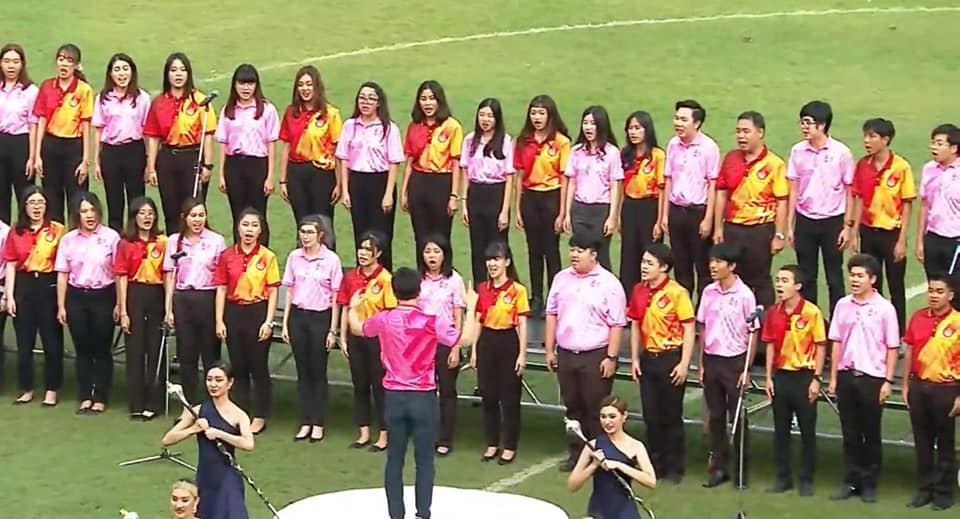
TU Chorus was established as a part of TU Folksong (the original one) in the late 1990s. In the early 2000s, TU Chorus grew in number and had different direction from TU Folksong, as a result the clubs were separated. TU Chorus participated in most of the university’s formal events in which university anthem and other classical songs are needed. The band also held its own concerts.
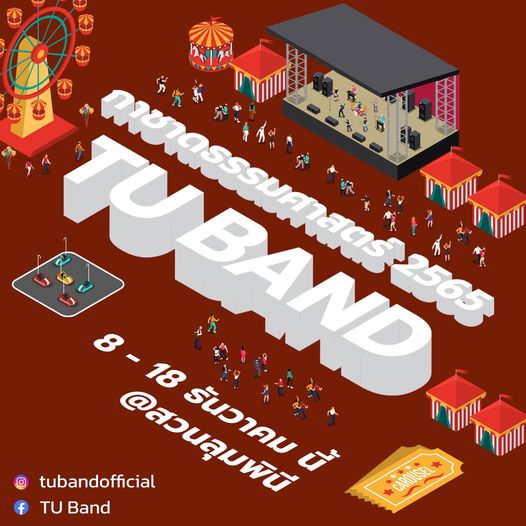
TU Band is an official university contemporary music band. It was established in August 1948 by Master Sungka Asatthawasi (ครูสังข์ อสัตถวาสี), who gathered Thammasat students who loved music and had musical talent and formed a full band. TU Band has been playing in almost all Thammasat University’s event for more than 70 years. Nowadays, TU Band recruits students with musical talents to become band members every year.
Green spaces of Thammasat community refer to areas with big trees, which are important for ecological balance. The on-campus green spaces are for 3 main purposes, which are for public activities and festivals, for recreational activities, and for ecological conservation and restoration.
1. Puey Ungphakorn Centenary Hall and Park (Rooftop Farm)
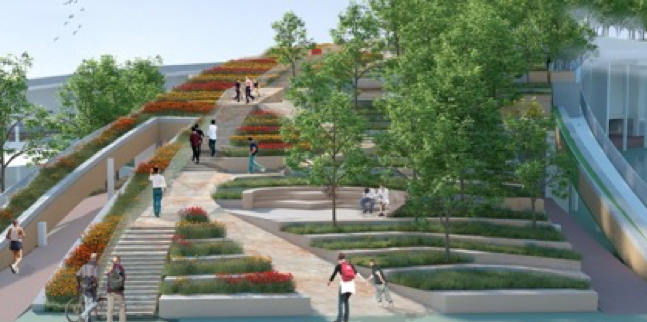
An H-shape building with slopes resembling a giant mound, specifically designed to be environmentally friendly, equipped with a variety of energy-saving innovations. At the top of the hall is Asia’s largest Green Roof Urban Farm, which has the area of about 24,000 square meters. This green roof has a sustainable water management system that endlessly reuses rainwater to cultivate organic vegetables for use at the University’s canteens.
The 7,000-square-meter organic plots on the Green Roof is open for Thammasat students, faculty, staff, and the public to plant organic vegetable and crops for consumption and for sale to the University’s canteens with the aim to contribute to a change to Thailand’s agricultural style to sustainable agriculture. Besides serving as an educational space on sustainable, organic, urban farming, this 24,000-square-meter area can also be used for festivals, social events, and recreational activities.
People’s Park is a 20,000-square-meter lawn that is easily accessible by the public. The nearby parking lots make this field a popular destination especially in the evening for various activities, such as pet walking, exercising, or enjoying the landscape.
The park area is open to the public for free. All visitors are welcome.
2. Solar Park Thammasat Solar Park is a public park that was established with the concept to utilize renewable energy in a green open space. Solar Park is a 95,000-square-meter green space with a 20-meter-wide canal that is more than 800 meters. On both sides of the canal are big tree corridors and pedestrian walkways wide enough to accommodate jogging and running. The waterfront pavilions and the open space can be used for festivals, social events and other recreational activities.
Solar Park is open to the public year-round without any entry fee.
Thammasat University opened a public park “Thammasat Solar Park” for the local community, developed by applying renewable energy technologies for urban areas. Thammasat Solar Park is a public park that was established with the aim to utilize renewable energy in a green open space. Besides the direct benefit in terms of increasing clean energy usage, the Solar Park also serves as a recreational green open space that can educates the visitors on the importance of clean energy and introduces them to clean energy innovations.
Thammasat Solar Park is the first public park in Thailand that uses 100% renewable energy from solar energy.
The lighting system of the 800-meter-long bicycle track completely powered by solar energy from 60 solar panels with individual power rating of 60-watt serves as a model for solar energy use in urban areas.
Electricity from the solar panels is used to power 600-watt LED decoration lights on the central sculpture of the Solar Park and around the outdoor activity space. This serves as a model for the design of outdoor decoration lights that completely rely on renewable energy.
Solar energy systems on the roofs of three nature classroom buildings and the roof of the waterfront terrace generate a total capacity of 5,000 watts of clean energy. The clean energy supporting the footpath lighting in the park, provides electricity in to the three nature classroom buildings, waterfront terrace, waterfront recreational area, and the activity space, and powers the water pumps in the Park.
Three sets of solar energy systems generate 2,500 watts of clean energy that powers lamps along the footpaths and provides lighting for the nearby sculptures, and for the water pumps used in the Park.
Energy-efficient lamps for the footpaths in the park with creative and beautiful design that can be used in other areas of the University in the future.
3. Suan TiamSuan Tiam is a 8,000 square-meter square between 3 large buildings in Thammasat University Rangsit Campus. It is used for recreational activities and is a home to several food and beverage shops. This area is popular with the public, especially in the morning and during lunchtime. https://moovitapp.com/index/th/ระบบขนส่งสาธารณะ-สวนเทียม-Bangkok-site_137242104-2401
4. Eco-forest Park Eco-forest park is a green space with 100,000-square-meter cultivated area. It is used as an educational space for the public to learn about ecological systems as well as plant nursery and cultivation with the aim to raise awareness on ecological conservation and restoration.
Tha Prachan Campus
Pridi Banomyong Memorial Square Pridi Banomyong Memorial Square is a memorial space for Professor Banomyong who is a key contributor of Thammasat University. This 5,200-square-meter area is a home to “Dome Organic Garden” which is an organic urban farm for the people to preserve and restore green space in city centers. https://tu.ac.th/attractions
Golden Lioness Shrine Waterfront Golden Lioness Shrine Waterfront is a 2,200-square-meter area for recreational activities. This area which covers a 100-meter stretch along the Chao Phraya River is covered with large trees and open to fresh air, making it a popular destination for relaxing, dining, and enjoying the river view. https://cavinteo.blogspot.com/2022/09/golden-lioness-shrine-thammasat.html
Lampang Campus When Thammasat University considered expanding the campuses to other provinces, Lampang was recognized as an appropriate choice for the center of education development in the Northern region. Thammasat University Lampang Campus has an area of approximately 584,000 square meters, with more than 60% covered with large trees. Lampang Campus has converted a portion of its campus into an area for ecological conservation and restoration, named “Hybrid Park for Food Security”, which is open to the public with no entry fee.
This park covers an 32,000-square-meter area and is a home to medium and large reservoirs that are connected to all the on-campus canals. The reservoir system can store up to 48,000 cubic meters of water for agriculture and aquaculture all over the campus. https://www.facebook.com/TULP.pr/posts/1307918689558991/