HIGHLIGHTS
- Enhancing Public Health and Well-being: Joining forces with the public and private sectors to expand access to acute stroke treatment, linking AI-powered screening services to medical care, and establishing a model well-being community for older adults under the One Health concept.
- Driving Green Cities and Clean Energy: Developing an arboriculture learning centre and a digital tree inventory, while promoting the separation of used cooking oil for the production of Sustainable Aviation Fuel (SAF).
- Building an Innovation Ecosystem and Digital-Era Workforce: Collaborating with the private sector to develop future skills, offer real-world internships, translate research into practical application, and incubate startups in AI, energy, and health technology.
- Expanding Learning Opportunities and Reducing Inequality: Developing a Credit Bank system with local authorities to enhance educational flexibility, and integrating financial literacy into general education courses to build sustainable resilience against household debt.
Continuing from its partnerships earlier in the year, Thammasat University maintained its momentum throughout the second half of 2026 by actively expanding its network of public, local, and private sector partners. These collaborations aim to transform knowledge and research into tangible innovations and services that address societal challenges and align with the Sustainable Development Goals (SDGs) across four core dimensions.
Enhancing Public Health and Well-being
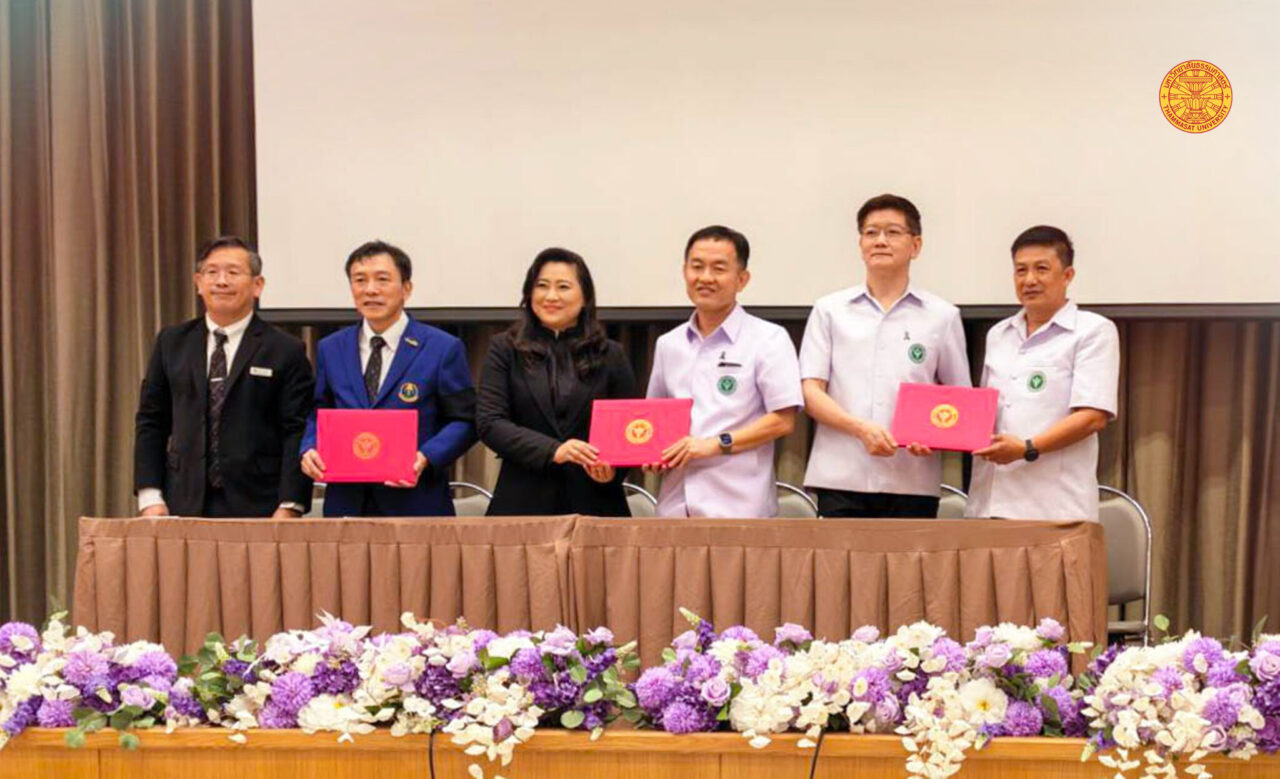
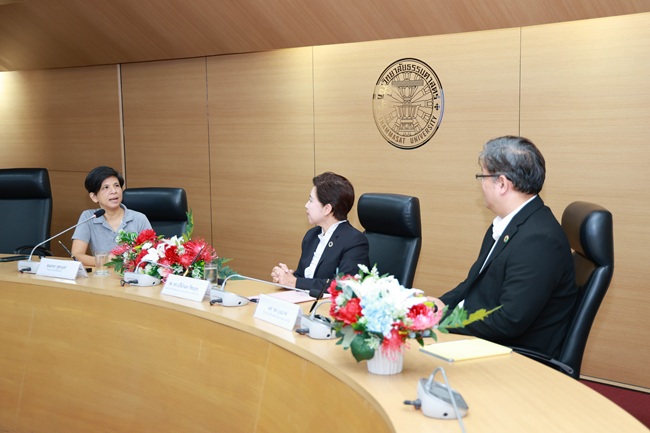
Thammasat University and Thammasat University Hospital formally signed a memorandum of understanding with Health Region 4 Office, the National Health Security Office (NHSO) Region 4 Saraburi, the Neurological Institute of Thailand, the Department of Medical Services under the Ministry of Public Health, and partner networks. The partnership focuses on developing stroke care and referral systems to ensure faster access to treatment and reduce disparities in healthcare access, particularly for mechanical thrombectomy procedures for patients with acute stroke.
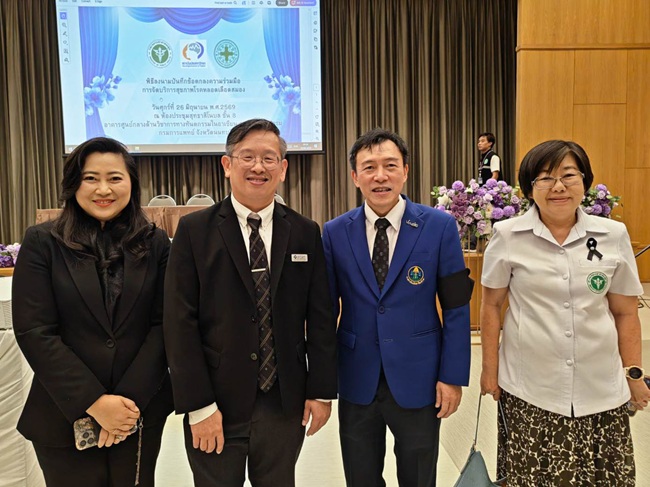
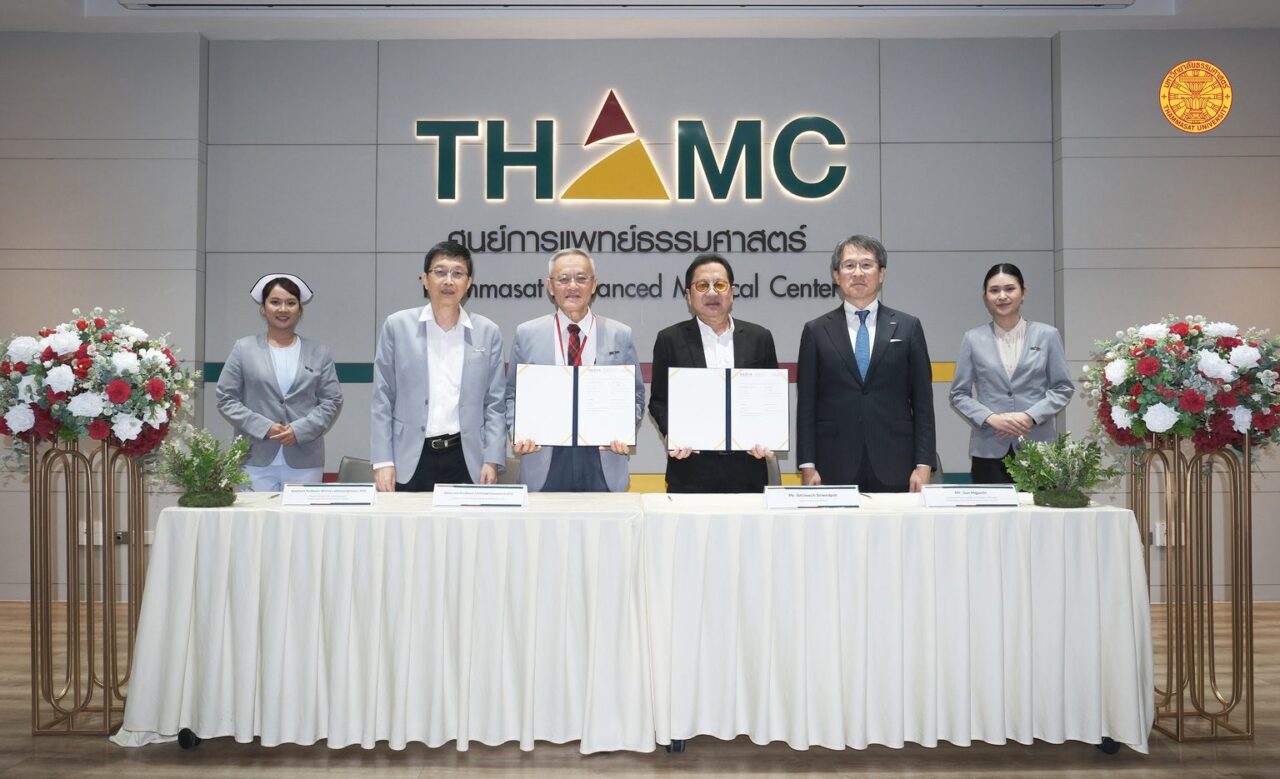
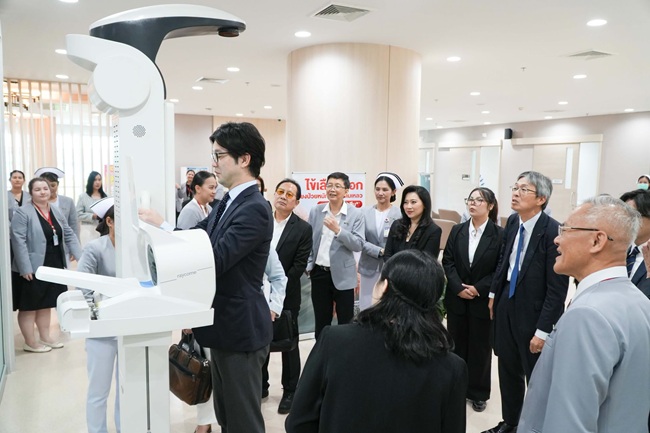
Meanwhile, the Thammasat Advanced Medical Center (THAMC) partnered with NURA Bangkok as a Preferred Partner to connect the healthcare journey from initial screening and ongoing care assessment to medical referral, leveraging each organisation’s specialised expertise. NURA Bangkok provides health screening using medical imaging and artificial intelligence (AI) alongside FUJIFILM technology, while THAMC provides multidisciplinary teams of medical specialists for diagnosis and treatment. Integrating both institutions enables the public to receive more efficient healthcare services.
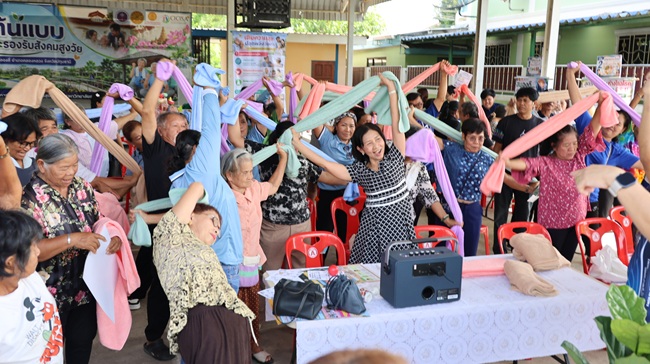
At the community level, the Faculty of Public Health at Thammasat University, together with the Center for International Cooperation in Innovation and Safety for the Aging (CICISA) and local partners—including Khlong Si Subdistrict Administrative Organisation (SAO), Subdistrict Health Promoting Hospitals, Village Health Volunteers, senior citizens’ clubs, and local residents—launched the “Khlong Si Model Community for Holistic Well-being and Safe Environments for Older Adults” project. Applying the international “One Health” framework, which links human health, animal health, the environment, and food safety, the initiative is driven through proactive community health surveys, comprehensive health promotion activities, and the redesign of spaces to support an ageing society.

Driving Green Cities and Clean Energy
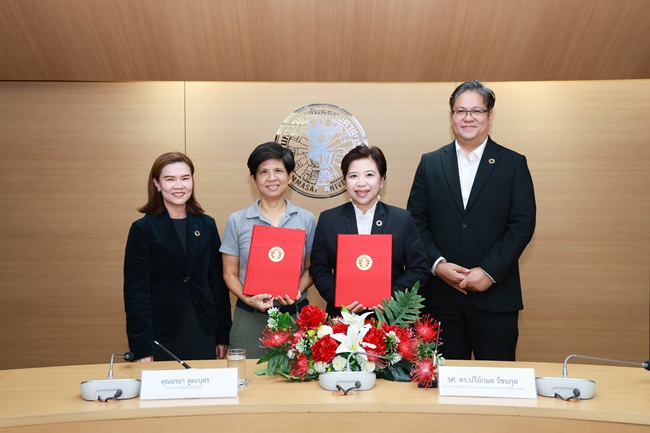
In the environmental dimension and the transition towards a low-carbon society, Thammasat signed a two-year agreement (2026–2027) to continue its collaboration with Big Trees Social Enterprise Co., Ltd. The partnership aims to develop pilot areas for urban tree management and urban environments alongside biodiversity conservation. Under this agreement, both parties seek to elevate the Thammasat Tree Academy and Puey Ungphakorn Centenary Park into a Learning & Practical Hub for arboriculture and urban environments, while applying technology to create a Digital Tree Inventory to support systematic green space management.
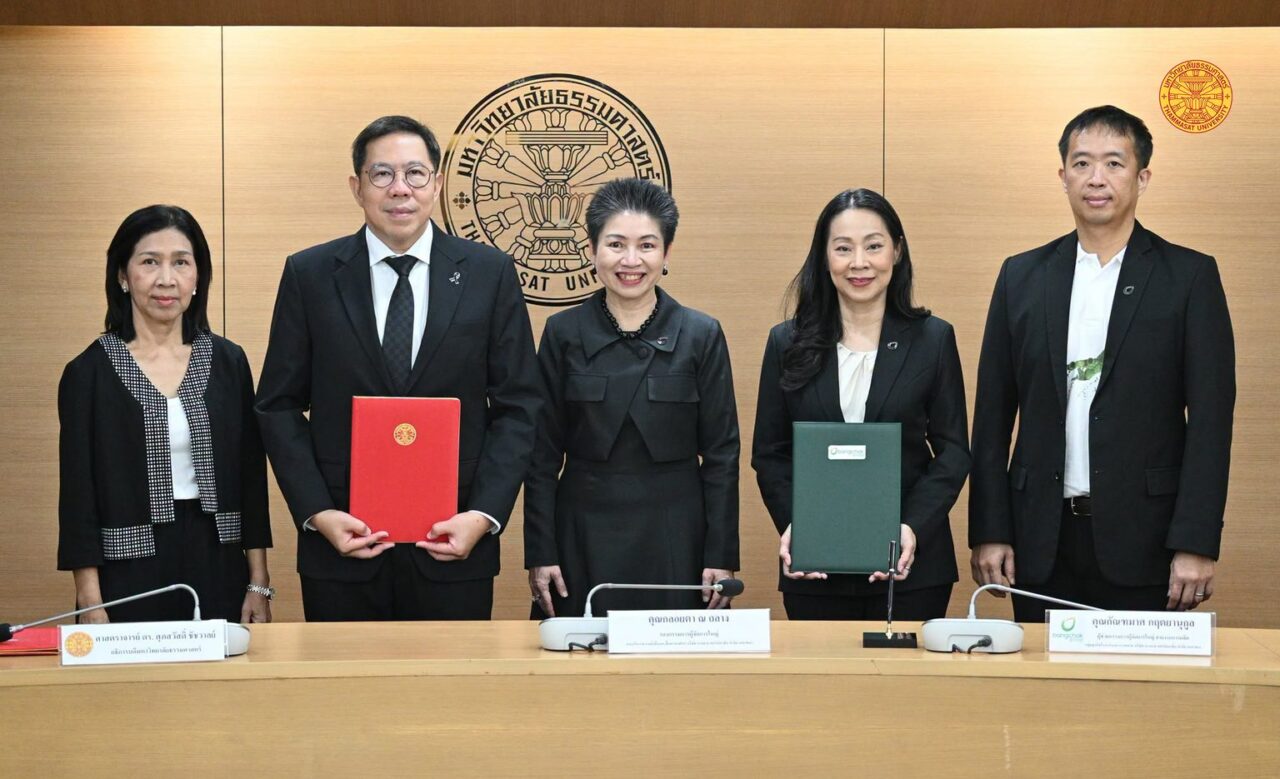
In addition, Thammasat University and its Faculty of Public Health signed a memorandum of understanding with Bangchak Corporation Public Company Limited on “Used Cooking Oil Management to Reduce Environmental Impact and Promote Consumer Health” under the Fry to Fly and No-Reuse Oil initiatives. The university will encourage entrepreneurs, shops, restaurants, and affiliated schools to properly separate and collect used cooking oil (UCO) for sale to the Bangchak Group. In turn, Bangchak will provide knowledge, standardised collection equipment, monitoring and evaluation, and certification verifying that the collected oil is used to produce Sustainable Aviation Fuel (SAF). These mechanisms link consumer health protection with efficient resource management.
Building an Innovation Ecosystem and Digital-Era Workforce
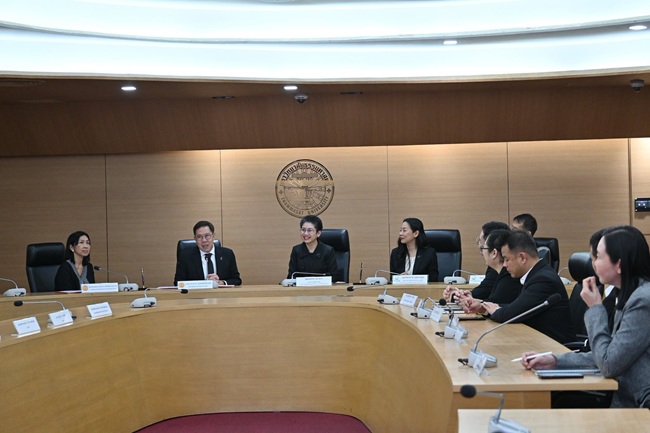
In workforce development and innovation, Thammasat discussed collaboration pathways with True Corporation to comprehensively prepare students for the labour market—ranging from project-based internships, career readiness training, portfolio building, and interview preparation to connecting students with real employment opportunities.
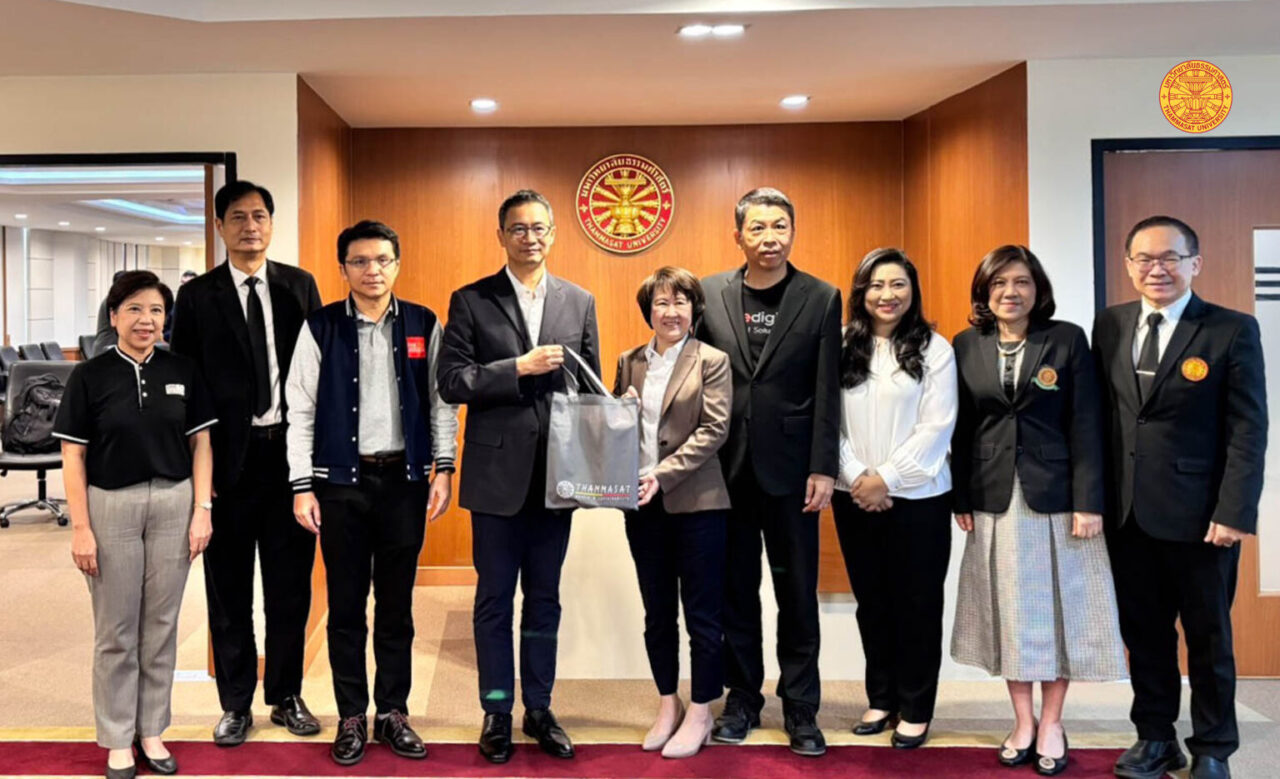
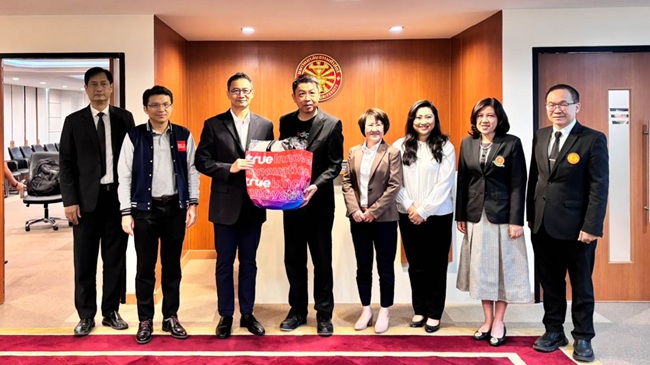
The university also extended its partnership with True Digital Academy to strengthen digital-era competencies in AI, digital skills, communication, project management, entrepreneurship, and future-ready skills. Furthermore, it linked True LAB and True Innovation Center with Thammasat staff and students to conduct industry-driven research in smart healthcare, ageing society, telemedicine, robotics, data, and AI, leading to prototype innovations and pilot projects that generate positive social impact.
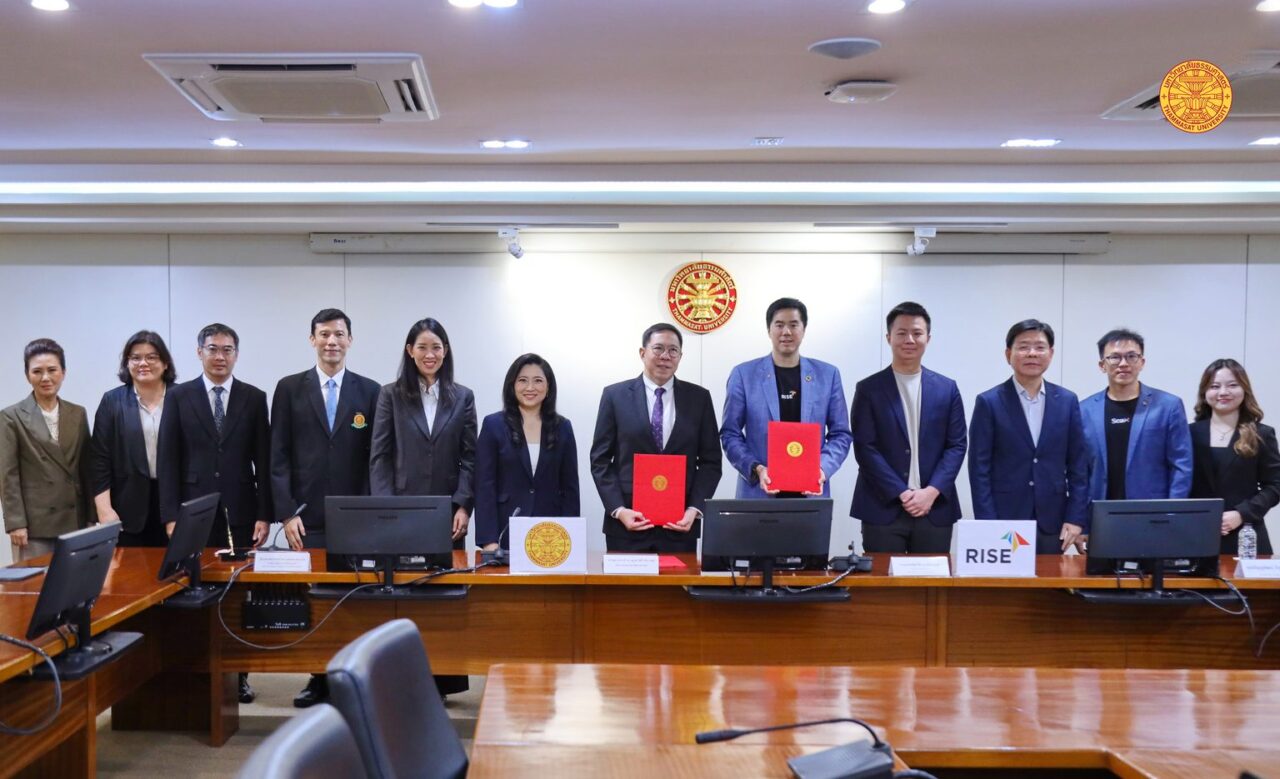
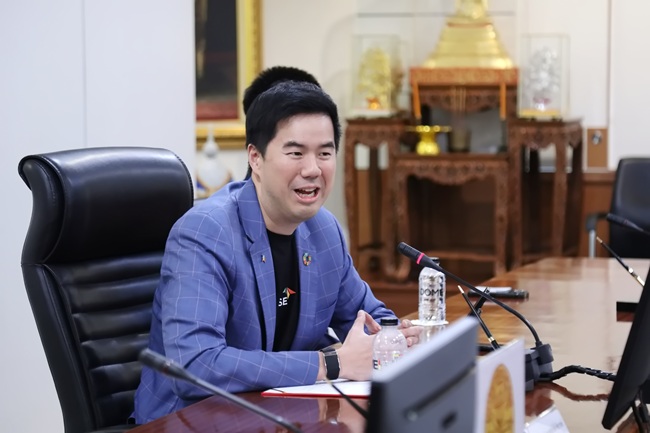
Concurrently, Thammasat signed an MOU with RISE Accelerator Co., Ltd. (RISE) to promote the development of technology startups and spin-offs, as well as to incubate a new generation of entrepreneurs among students and staff. This collaboration connects university research and innovation with the private sector and investors in health and biotechnology, next-generation energy, artificial intelligence (particularly Physical AI), and deep tech, while granting access to the university’s laboratories, scientific instruments, and testing centres for joint research and technology development.
Expanding Learning Opportunities and Reducing Inequality
In a significant step towards expanding educational opportunities to remote areas, Thammasat signed a partnership agreement with Yala City Municipality to support the development of a Credit Bank curriculum for educational institutions in Yala province. The collaboration also encompasses research promotion, capacity building for teachers and educational personnel, innovation creation, and academic services to society through the systematic integration of academic resources and knowledge exchange, laying the foundation for flexible learning and reducing educational inequality for local youth.
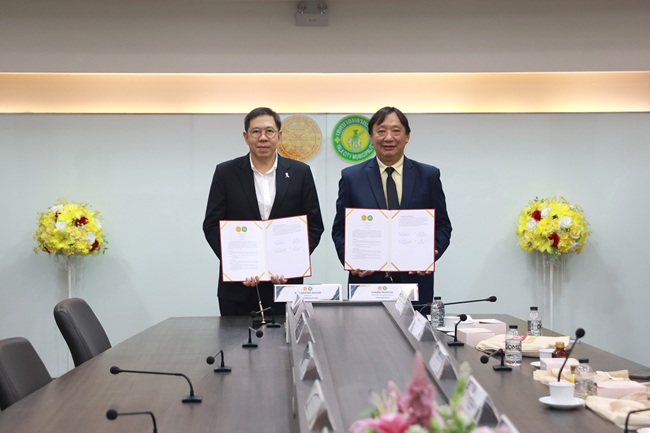
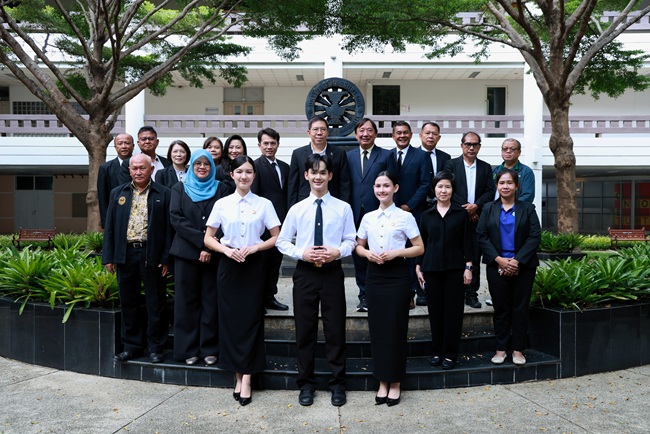
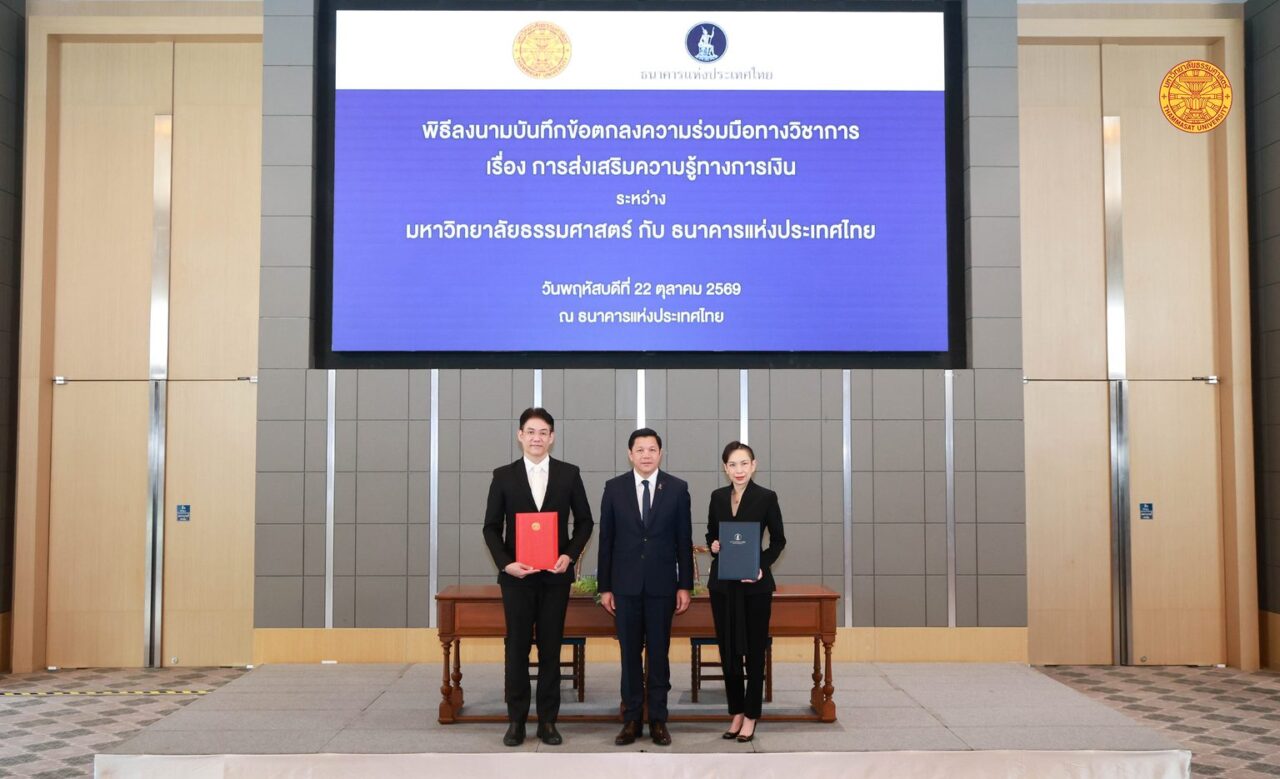
In the same month, Thammasat entered into an academic agreement with the Bank of Thailand (BOT) to promote financial literacy and build resilience against financial threats among students across all disciplines through General Education courses. The curriculum covers financial planning, saving, investment, debt management, taxation and credit, retirement planning, and the use of modern financial tools. It also trains staff and students to become master trainers who can share this knowledge with the wider public. This partnership fosters financial well-being as a foundation for sustainably addressing household debt.
The overview of partnerships throughout the second half of 2026 reflects Thammasat University’s strategy of uniting with partners across all sectors to jointly address challenges in public health, the environment, innovation, and the development of potential and opportunities for youth and the new generation. This reinforces its direction as a “Leading Comprehensive University for the Future,” ready to serve as a key driving force in the nation’s sustainable development.