HIGHLIGHTS
- MAEW 2026 created a space for communities, civil society organisations and academics to come together to address transboundary environmental issues, with food sovereignty as one of the key themes.
- The People’s Food Sovereignty Market brought together ingredients, community products and seeds from more than 12 networks across 15 provinces, reflecting the diversity of Thailand’s food systems and ecological landscapes.
- Food from different regions became a platform for learning about food rights, ecosystems and community ways of life, while encouraging participants to reduce plastic waste by bringing their own containers.
- Discussion forums connected community experiences with policy-level debates, covering farmers’ rights, the impacts of free trade agreements, the climate crisis, and the effects of large-scale development projects on food systems and the Mekong River Basin.
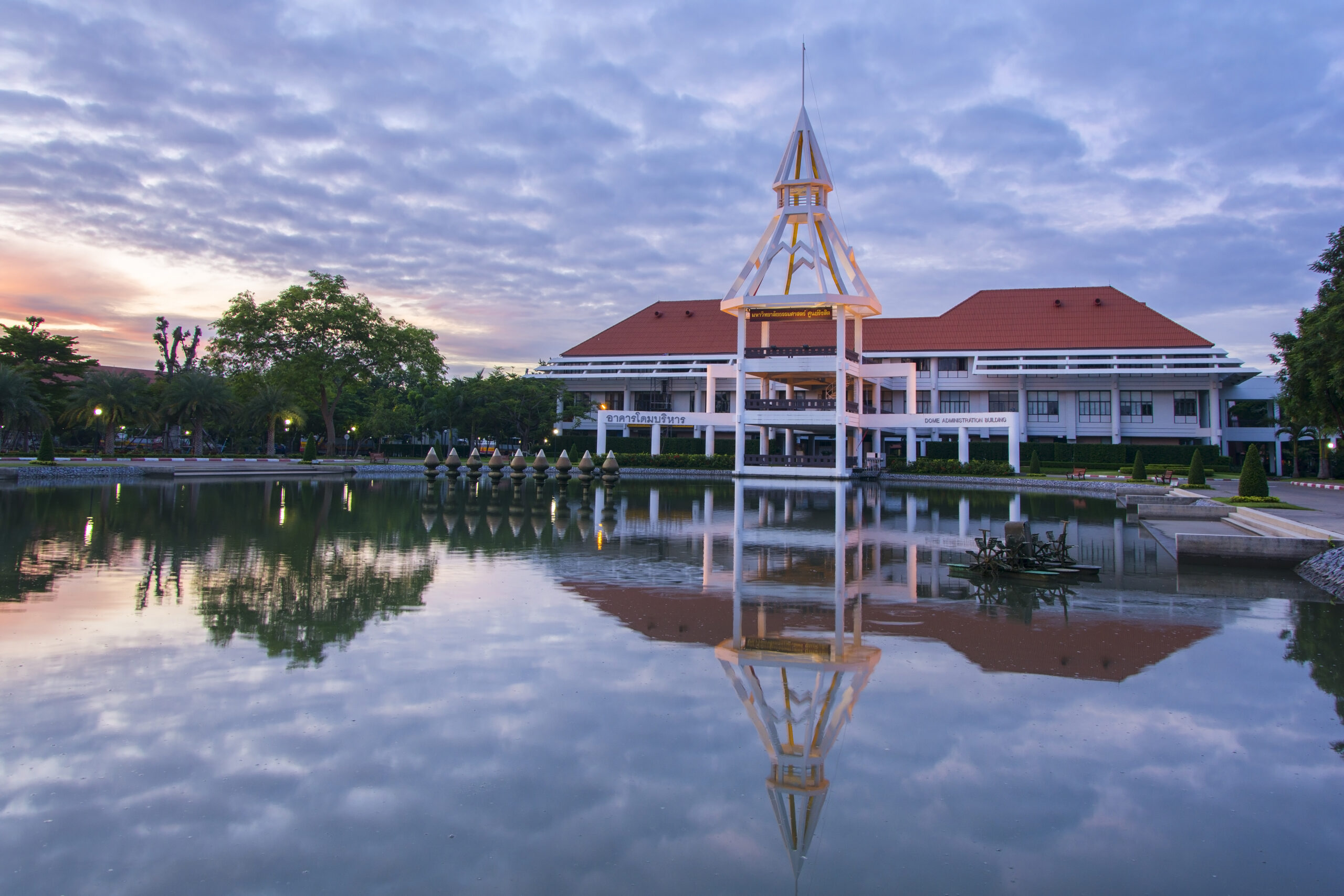
The 8th Mekong-ASEAN Environmental Week (MAEW 2026) concluded on 26 September 2026 at Thammasat University’s Tha Phra Chan Campus. Held under the theme “People’s Currents: From Community Struggles to Collective Power for Change”, the event was initiated and driven by Project SEVANA South-East Asia, together with civil society organisations, community networks, and the Faculty of Sociology and Anthropology at Thammasat University as a co-organiser.
The event provided a platform for affected communities, activists and academics to come together to seek solutions to transboundary environmental challenges. One of the key issues highlighted by the networks was “food sovereignty”, referring to people’s rights to determine and access their own food systems.
A Market Reclaiming Rights Through Food
Throughout the four-day event, the Alternative Agriculture Network hosted the “People’s Food Sovereignty Market” at the Pridi Banomyong Square. The market brought together community products, ingredients and seeds from more than 12 network areas across 15 provinces, representing five different ecological landscapes.
The community networks designed the market as a space for learning and exchange, as well as the main food area for event participants. Activities included:
- People’s Food Market – selling local ingredients and community products while sharing stories and knowledge from the communities where they originated.
- Food Ecology Mapping – creating maps that connect food sources, local genetic resources and community-based resource management.
- Learning Market and Market Talks – small discussion sessions and food demonstrations featuring representatives from different regions of Thailand and the Mekong countries.
The Alternative Agriculture Network also prepared lunch for all event participants. The organisers introduced a “food coupon” system to encourage conversations between food producers and consumers.
The community groups presented seasonal, balanced-protein dishes reflecting the ecology of each region, including kaeng khae and ma hae bean cream salad from northern Thailand; spicy minced-fish curry and local vegetable omelette from the Central region; southern-style rice salad and pak liang vegetable soup from the South; phu phan hae salad from the East; and aom pla, a traditional Isan fish curry, from the Northeast.
From Local Ingredients to Regional Policy Advocacy
MAEW 2026 connected experiences from the market with policy-level discussions through the forum “People’s Food Sovereignty”, held on 25 September 2026. Speakers included Kannika Kijtiwatchakul of FTA Watch, Witoon Lianchamroon of BioThai, Christine Kay Maguddayao of SEARICE, and Carolina Motoki of the World Rainforest Movement.
The speakers discussed developments in food systems, farmers’ rights, and the impacts of free trade agreements in the context of the climate crisis.
Meanwhile, the forum “Exploring the Food Plate in a Time of Contaminated Water and Forests” examined the impacts of large-scale development projects, including sediment-trapping dams and mining operations that release toxic substances, damaging ecosystems and the ecological abundance of the Mekong River Basin.
The session provided a space for people to reflect on ways of life that have been lost and to explore how communities can respond and adapt amid the ongoing crisis.
About MAEW and the Way Forward for Civil Society
Mekong-ASEAN Environmental Week (MAEW) was first initiated in 2019. It serves as a regional platform for civil society to advance the issue of “environmental politics”, amplifying the voices of small communities that are often marginalised by state-led development and large-scale projects.
The initiative seeks to bring these community voices into policy discussions while bringing together younger generations to build a continuing environmental movement.
Although MAEW 2026 has come to an end, efforts to advance environmental protection, community rights and food sovereignty continue. Those interested can follow summaries of the discussion forums, updates from the networks, and further details about their work via the MAEW website or the Mekong-ASEAN Environmental Week Facebook page.