
HIGHLIGHTS
- Pioneering Initiative: Thammasat University, in collaboration with its network of partners, has established Thailand’s first “School for the Elderly in a Central Prison” to elevate the quality of life for elderly inmates and prepare them for a sustainable return to society.
- Comprehensive Skill Development: To address the high rate of repeat offences among vulnerable elderly inmates, the curriculum integrates essential academic, vocational, and life skills tailored to their actual needs.
- Mental Rehabilitation: The project utilises innovative “Well-Being” tools and a “Life and Career Manual” to revive self-worth, foster positive attitudes, and empower inmates nearing their release.
- Driving National Policy: Building on over a decade of successful outcomes in improving inmates’ mental health and daily living capabilities, the project aims to elevate this rehabilitation model to a national policy level to sustainably reduce re-offending.
Thammasat University, through the Faculty of Social Administration at the Lampang Campus, in collaboration with Lampang Central Prison, the Department of Older Persons (DOP), and the Equitable Education Fund (EEF), is driving a project to elevate the quality of life for elderly inmates. The initiative aims to prepare them for a sustainable return to society as good citizens.
Crisis Behind the Walls: Vulnerability Leading to Repeat Offences
Statistics from the Department of Corrections reveal that approximately one in three, or over 30%, of released inmates commit repeat offences within three years. This is particularly prevalent among the elderly, who experience a natural decline in life skills, as well as physical and mental capacities. The primary issues stem from a lack of vocational and social skills, poor stress management, and a lack of life planning, alongside a loss of self-worth after being confined in a restricted environment for an extended period.
Thailand’s First ‘School for the Elderly in a Central Prison’
To address this issue, Thammasat University and its network of partners have collaboratively developed the “School for the Elderly in a Central Prison”—the first and only one of its kind in Thailand. The curriculum is designed based on the actual needs of the inmates and integrates development across three key areas:
- Academic Skills: Providing knowledge on laws, the rights and benefits the elderly are entitled to, as well as current social and economic situations.
- Vocational Skills: Teaching cooking, food preservation, and finding suitable work arrangements for the elderly.
- Life Skills: Focusing on readaptation into the family, community, and society, including physical and mental wellbeing care.
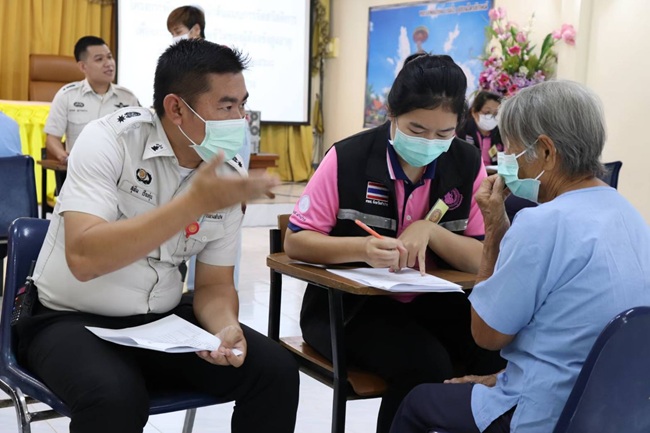
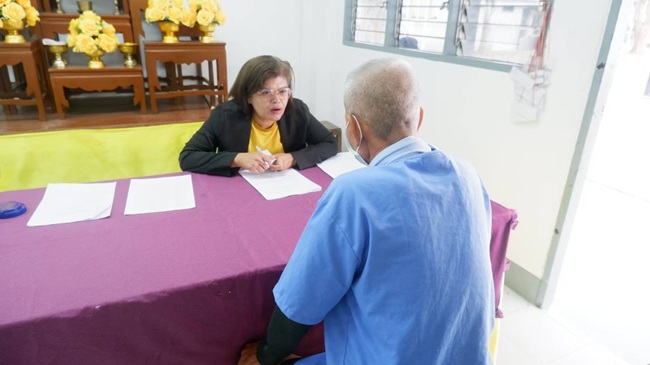
‘Well-Being’ Tools and the ‘Life and Career Manual’
Asst Prof Dr Punika Apirakkraisri and the working committee have utilised “Well-Being” tools to revive positive attitudes. In this context, “Well-Being” refers to the process of fostering goodwill towards oneself by encouraging inmates to courageously reflect on both their positive and negative traits. This allows them to recognise their true potential and cultivate self-pride.
Furthermore, a “Life and Career Manual” is utilised for inmates who are six months to one year away from release. The focus is on the mental rehabilitation of the elderly and empowering them to believe in their own potential. This manual acts as a roadmap for living and pursuing a career that genuinely aligns with their needs.
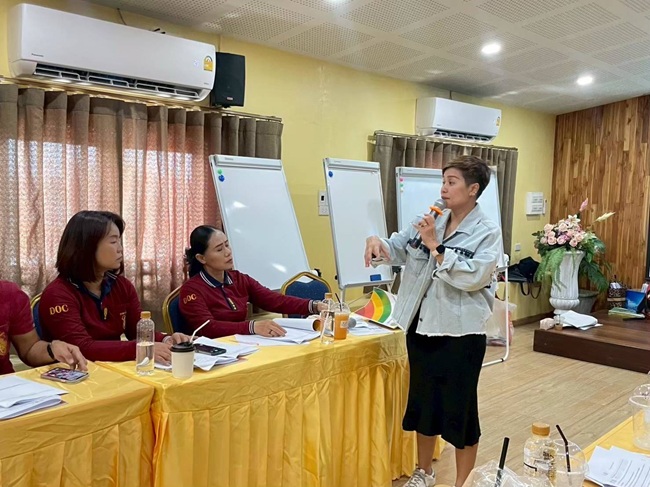
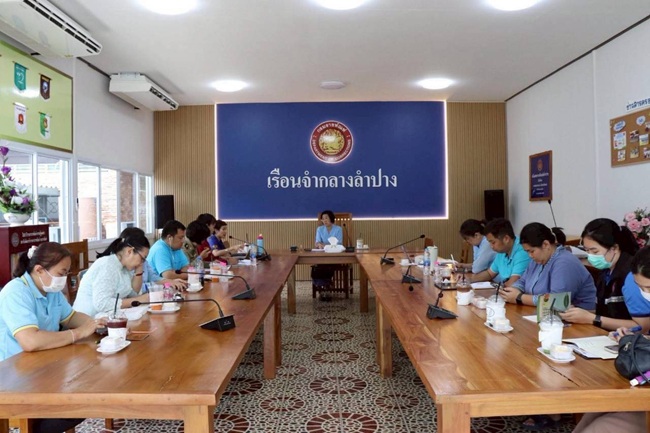

Concrete Outcomes and the Next Step Towards Policy
Over a decade of success with this prototype for improving the quality of life of elderly inmates, operational results indicate that inmates have developed better relationships with one another, improved their mental health, and shown an upward trend in their Activities of Daily Living (ADL) capabilities.
Currently, the Faculty of Social Administration at Thammasat University has synthesised this body of knowledge into academic research and presented guidelines to the Ministry of Justice. The goal is to push this rehabilitation programme to the policy level, ensuring that target inmates nationwide receive appropriate, personalised care. Ultimately, this aims to reduce repeat offences and sustainably restore human dignity to those who have made mistakes.