SDG 6 Ensure Availability and Sustainable Management of Water and Sanitation for All

SDG 6 in Numbers

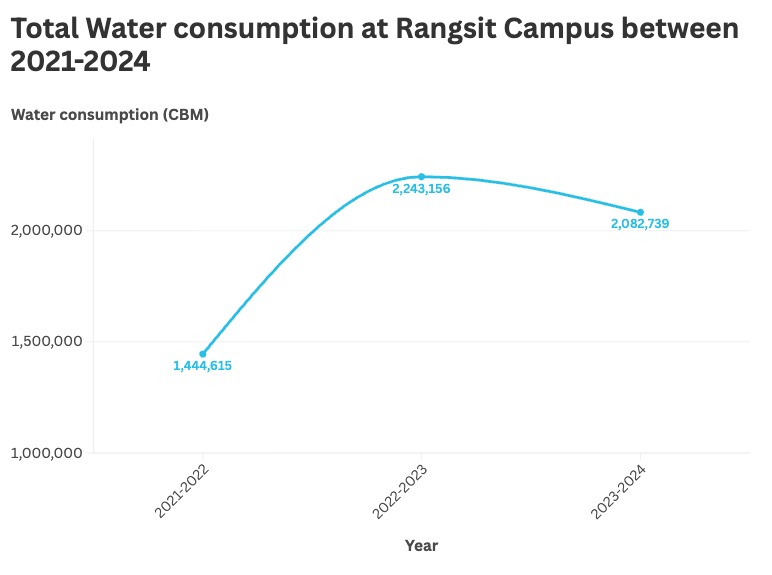
The line graph showing total water consumption from four campuses from 2021 to 2024 illustrates significant variation over the period. Consumption rose sharply from 1,444,615 m3 in 2021-2022 to 2,243,156 m3 in 2022-2023, a 55% increase, likely reflecting the expansion of campus activity or facility use following the pandemic. However, usage declined to 2,082,739 m3 in 2023-2024, marking a 7% reduction, which may indicate improved water efficiency or conservation measures being implemented across the campus.
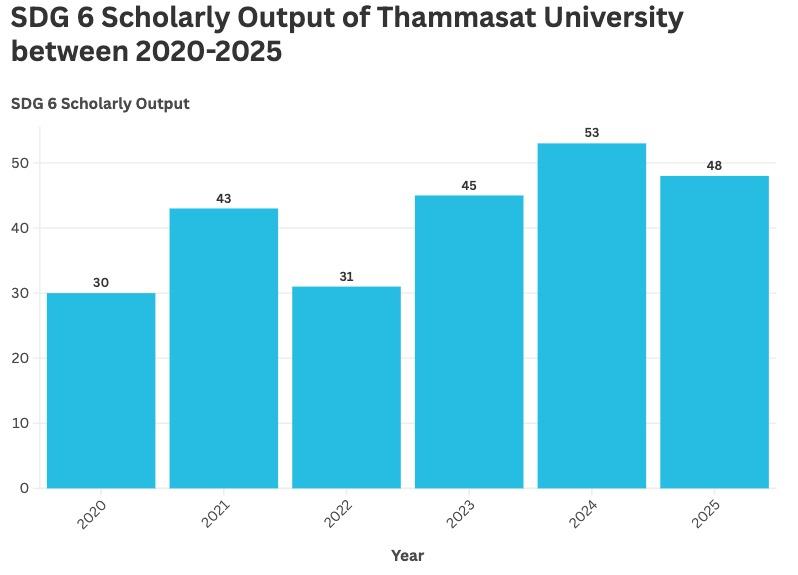
The bar chart depicting Thammasat University’s SDG 6 scholarly output between 2020 and 2025 shows an overall upward trajectory with minor fluctuations. The number of publications increased from 30 in 2020 to 48 in 2025, a 60% growth over the period. After a dip to 31 in 2022, output rebounded strongly, reaching 45 in 2023 and 48 in 2025, demonstrating the university’s sustained and growing commitment to water-related research and sustainability efforts


Research in SDG 6

Based on an analysis of 294 publications from 2020 to 2024, Thammasat University has demonstrated a comprehensive and robust research program dedicated to the SDG 6. The university’s contributions are centered around three interconnected thematic clusters that address critical local and global water challenges:

  1. Contaminant Detection and Advanced Treatment Technologies: A primary research focus is on identifying and removing pollutants. This is highlighted by a significant body of work on microplastics, establishing it as a key area of expertise. Research in this cluster traces contamination pathways, monitors the presence of microplastics in critical water sources like the Chao Phraya River, and evaluates remediation technologies. This work is part of a broader theme of Advanced Wastewater Treatment and Resource Recovery, which explores innovative solutions such as microbial fuel cells for energy generation, solar septic tank technology for decentralized sanitation in developing communities, and the development of novel materials like biochar and nano-adsorbents for removing heavy metals and dyes.
  2. Water Quality Assessment and Public Health: This cluster establishes the critical link between water quality and human health. The research includes detailed assessments of chemical contaminants like arsenic and lead in Thai groundwater, as well as broader international studies on drinking water quality in other developing nations. A particularly forward-looking area is the use of wastewater-based epidemiology, such as tracking the COVID-19 virus in wastewater to monitor public health trends and understand asymptomatic transmission.
  3. Urban Water Management and Nature-Based Solutions: The third major cluster addresses the macro-level challenges of managing water in urban environments. A strong emphasis is placed on Nature-Based Solutions (NbS), including the use of constructed wetlands and green space design to improve water quality and resilience. This research also tackles critical urban issues like flood management, with the development of real-time flood forecasting systems for Bangkok, and investigates the role of water in peri-urban agriculture.

Synthesis and Impact 

Across these themes, Thammasat’s research is both locally grounded—addressing specific challenges within Thailand—and globally engaged through an extensive network of international collaborations. The findings provide practical solutions for a wide range of stakeholders, including municipal water authorities, public health organizations, and urban planners, solidifying the university’s role as a key contributor to achieving clean water and sanitation for all.


Outreach and Academic Services in SDG 6

In the 2024 academic year, Thammasat University made significant contributions to SDG 6 through 3 key academic and research initiatives. Recognizing the critical importance of clean water for public health and environmental stability, these projects leveraged a dual strategy, combining rigorous scientific expertise with a community-focused approach. This ensured that efforts to improve water quality and promote sustainable resource management were both technically sound and socially relevant. The initiatives were categorized into two main areas:

  1. Scientific Water Quality Analysis (2 initiatives)
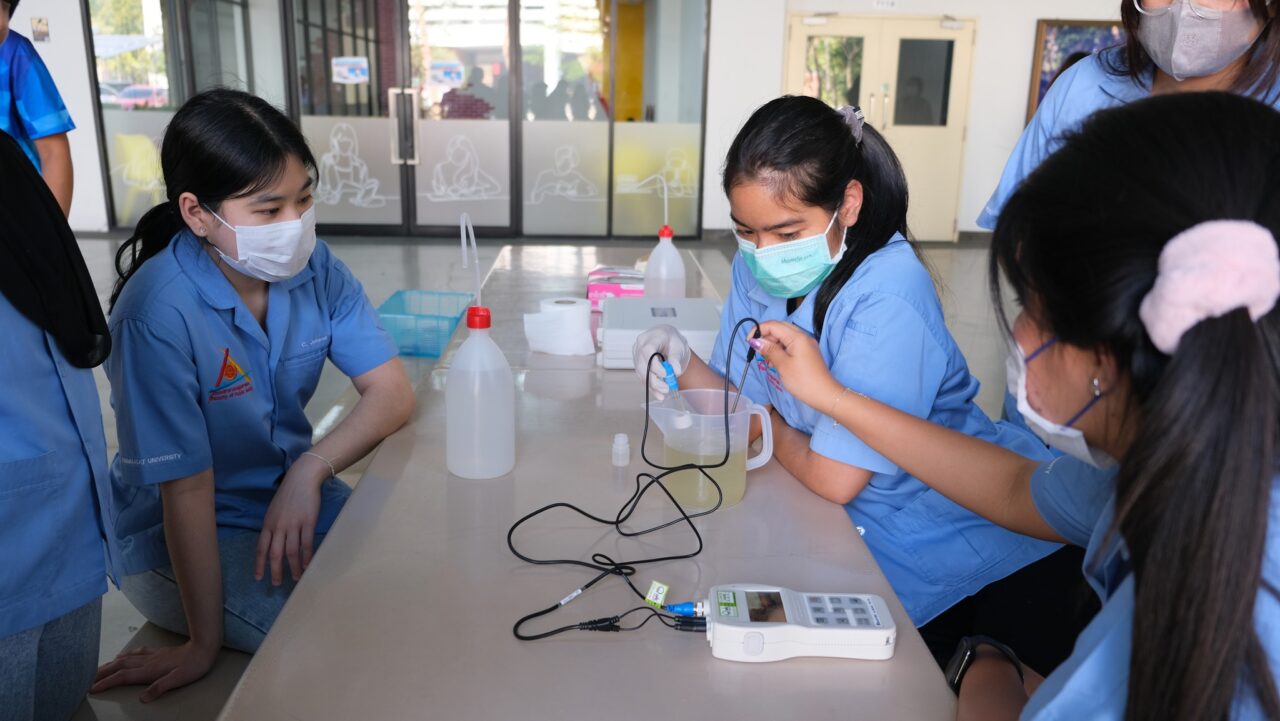
    A primary focus was placed on ensuring water safety through rigorous scientific assessment and diagnostics. The Faculty of Public Health was instrumental in this domain, utilizing its advanced laboratory facilities to conduct comprehensive water quality analyses. These technical services are vital for the continuous monitoring of rivers, reservoirs, and local water sources, identifying potential chemical and biological contaminants from industrial, agricultural, or domestic runoff. By providing precise data, these projects play a crucial role in safeguarding public health, preventing the spread of waterborne diseases, and empowering local authorities with the information needed to maintain a supply of clean and safe water for consumption and daily use.
  2. Sustainable Water Management and Biodiversity Research (1 initiative)
    Complementing the technical analysis, the university engaged in research aimed at achieving long-term water sustainability from a governance perspective. The Faculty of Political Science led a participatory research project that brought together local communities, stakeholders, and policymakers to co-develop effective water management strategies. This initiative explored the intricate link between water resource allocation and its impact on local biodiversity, emphasizing how sustainable practices can preserve aquatic ecosystems. This holistic, community-involved approach ensures that the resulting water governance frameworks are not only scientifically informed but also practical, equitable, and capable of protecting both human populations and their surrounding ecosystems for future generations.

Collectively, these initiatives powerfully demonstrate Thammasat University’s integrated commitment to SDG 6. By synergizing precise laboratory analysis with strategic, community-based research, the university addresses the multifaceted challenges of water security. This approach ensures that scientific data directly informs sustainable policy and community action, effectively tackling the critical need for clean water and sanitation and reinforcing the university’s role as a key contributor to Thailand’s national development goals.


Featured Stories

Water Management and Resource Efficiency

  • Water Recycling and Efficiency: The university upgrades its wastewater treatment technology to enable water reuse for irrigation and certain sanitation systems, significantly reducing raw water abstraction from natural sources. Water-saving fixtures are also installed to boost high per-capita water use efficiency.
  • Supporting National Groundwater Management: In 2023, the Thammasat University Research and Consultancy Institute (TU-RAC) served as a consultant for the Department of Groundwater Resources to develop a “Groundwater Resource Management Plan“. This project aims to enhance strategic planning and capacity for the sustainable conservation of the country’s critical groundwater resources.
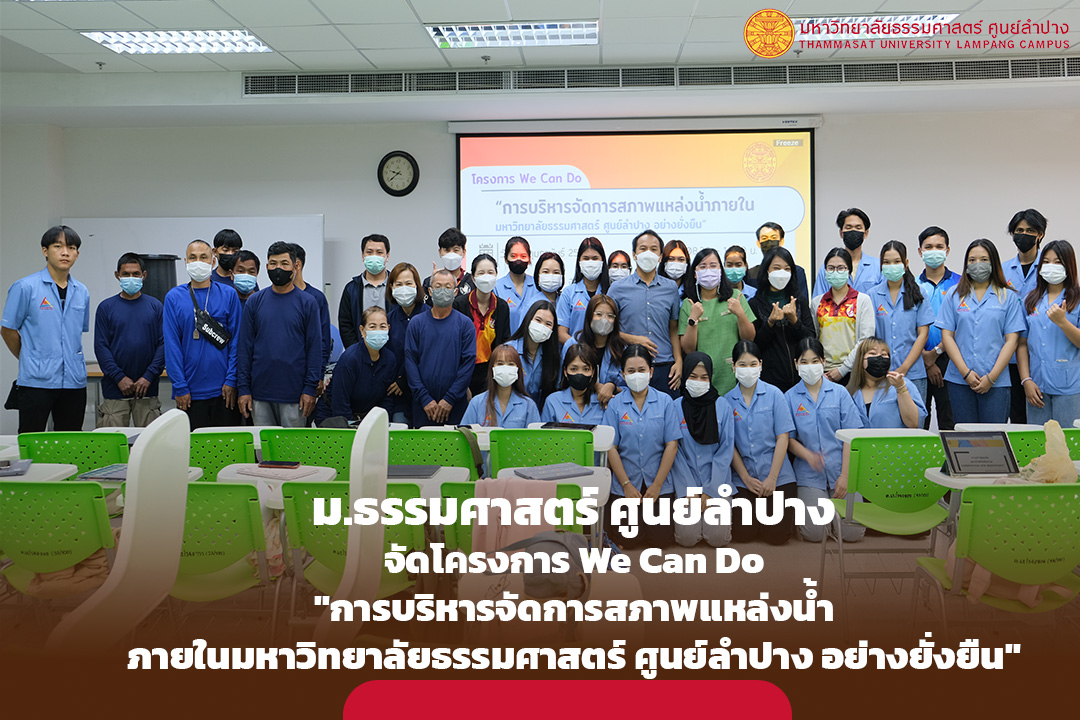
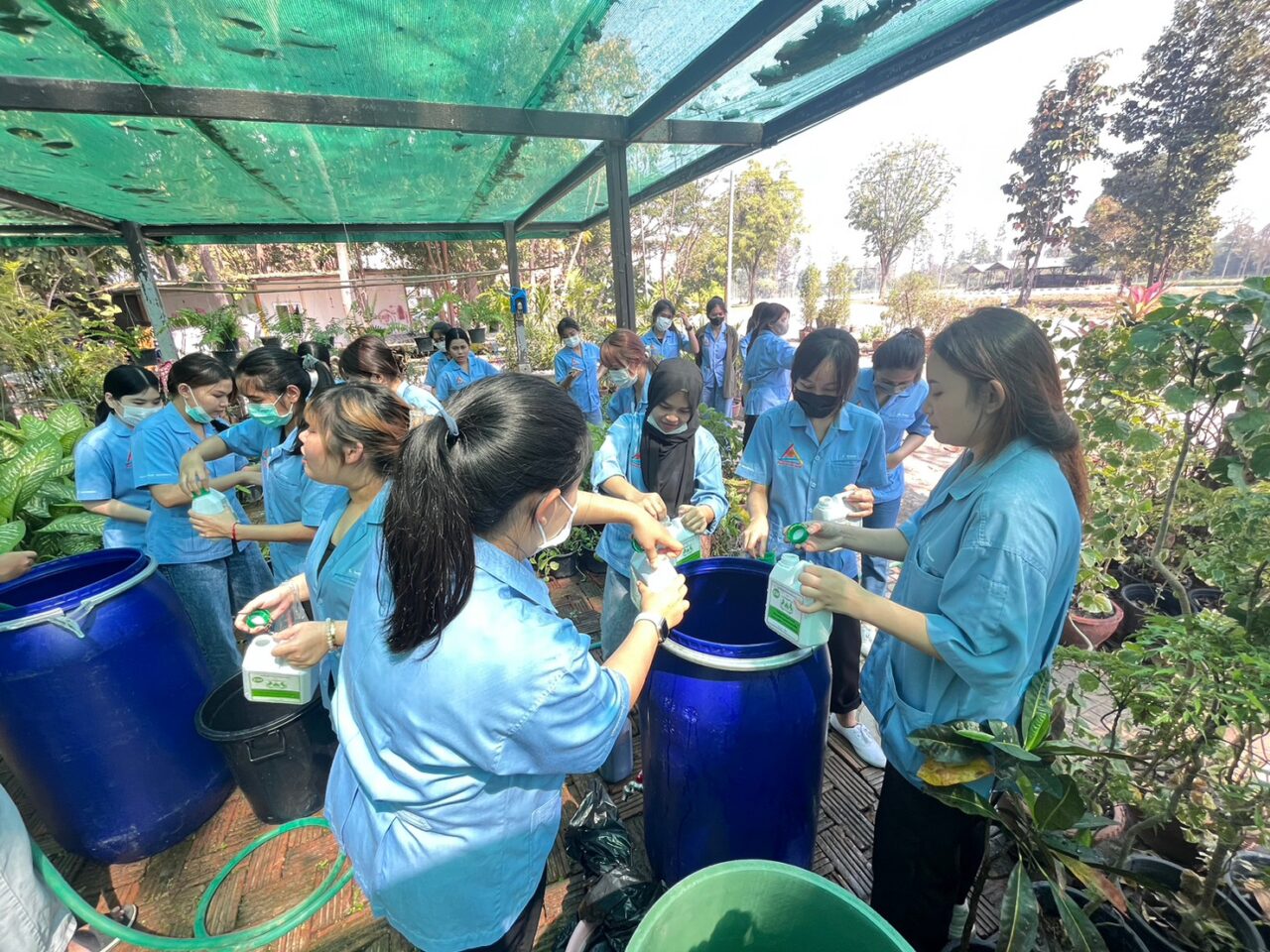
  • Multi-Campus Water Stewardship: The Lampang Center implements the “Sustainable Water Resource Management Project,” demonstrating the university’s commitment to systematic water management across all its campuses.
Innovation, Research, and Pollution Control

  • Innovation in Pharmaceutical and Chemical Treatment: Research focuses on developing advanced technologies to remove contaminating pharmaceutical compounds from hospital and community wastewater, ensuring water released back into the environment meets stringent safety standards.
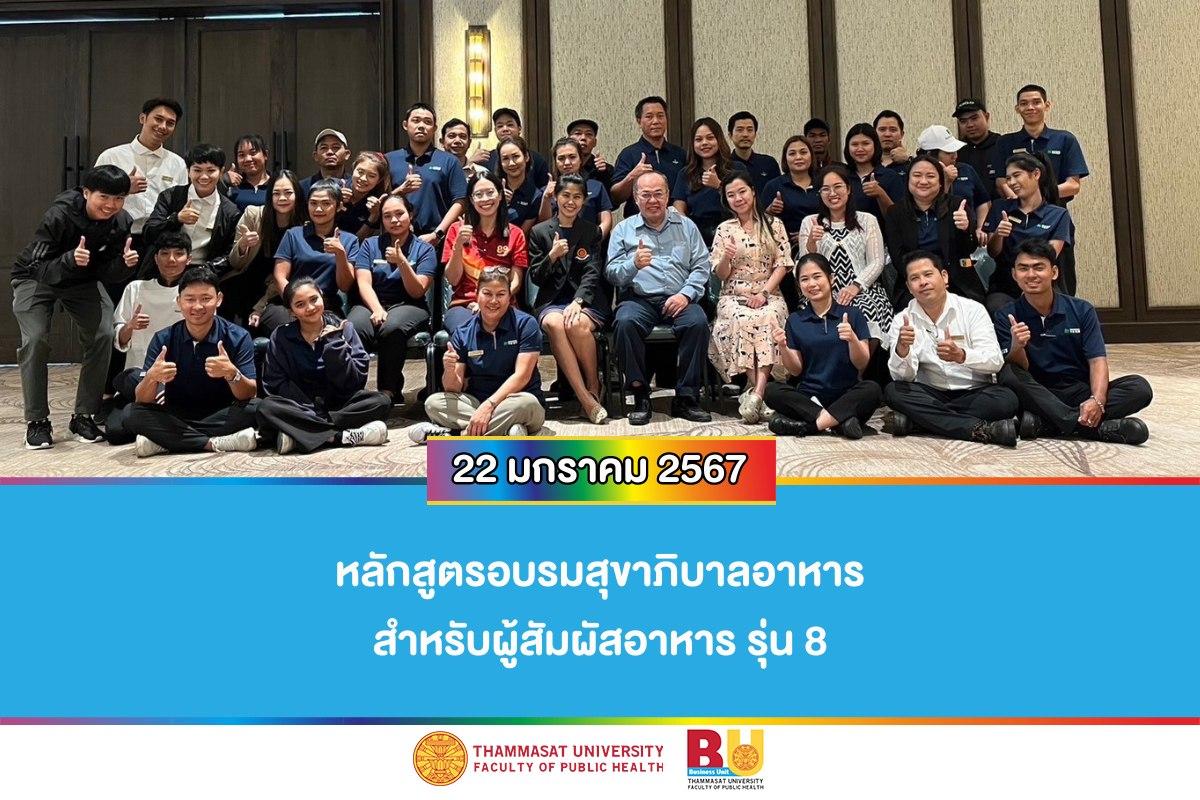
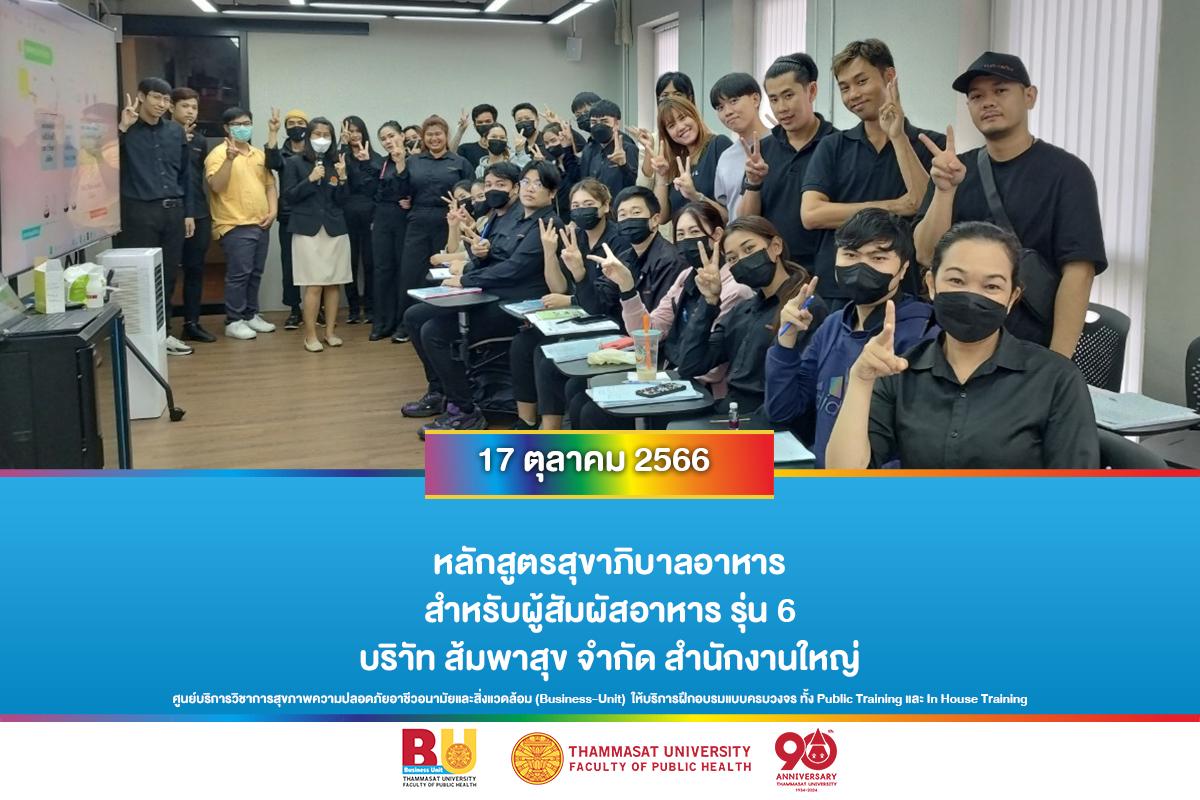
  • Raising Food Sanitation Standards: The Faculty of Public Health continuously organizes “Food Sanitation Training Courses for Food Handlers” (now in its 8th iteration). These courses enhance hygiene knowledge in the food supply chain, preventing waterborne and food-borne diseases and building consumer confidence.
Access to Clean Water and Community Engagement

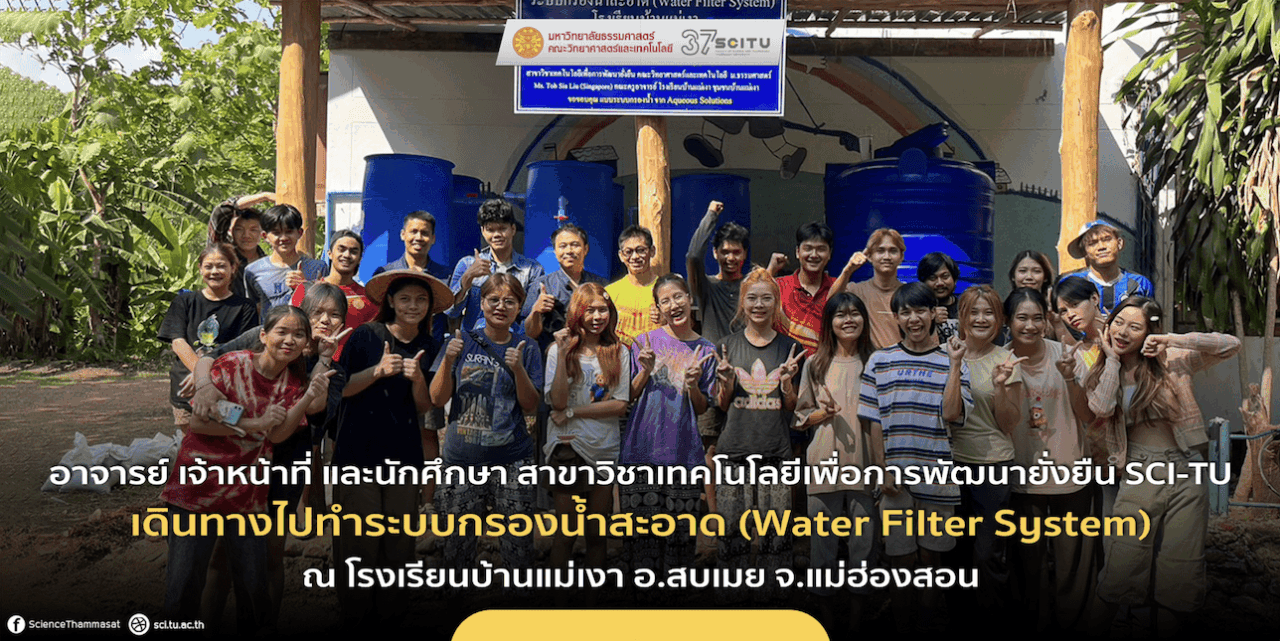
  • Providing Safe Drinking Water in Remote Areas: The Faculty of Science and Technology deployed a community-based project in Mae Hong Son Province to install clean drinking water systems and improve water quality for consumption.
  • Academic Partnership for Water Quality Monitoring: Public Health students collaborated with the Bang Duea Subdistrict Municipality to analyze water quality in local community sources. This demonstrates student engagement and supports local authorities in water quality surveillance for public safety.
SDG 5 Achieve Gender Equality and Empower All Women and Girls

SDG 5 in Numbers

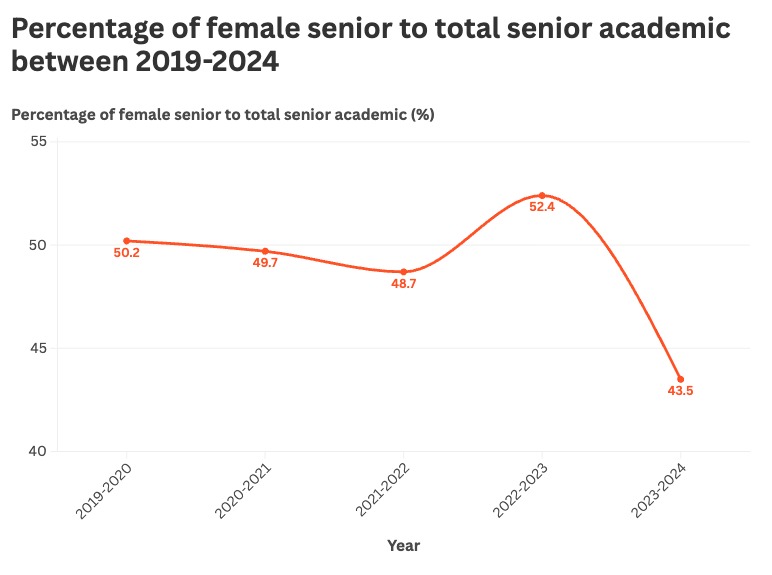
The line graph showing the percentage of female senior academics from 2019 to 2024 reveals a fluctuating yet declining trend. The proportion remained steady at 50% in both 2019-2020 and 2020-2021, slightly decreased to 49% in 2021-2022, then rose to a high of 52% in 2022-2023. However, it sharply dropped to 43% in 2023-2024, marking a 17% decline from the previous year, suggesting a concerning reduction in female representation in senior academic roles.

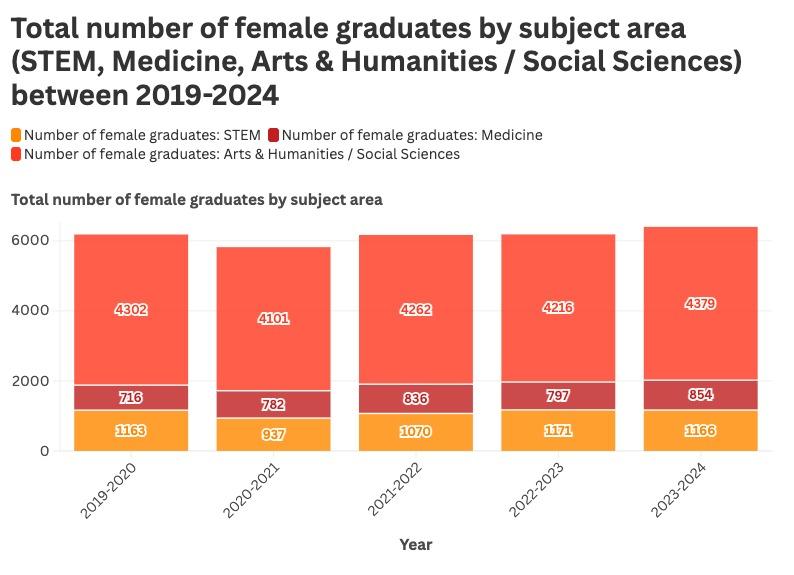
The stacked bar chart illustrating the total number of female graduates by subject area between 2019 and 2024 shows stability with modest fluctuations. The total increased from 6,181 in 2019-2020 to 6,399 in 2023-2024, a 3.5% rise overall. Female graduates in Medicine grew by 19%, while STEM numbers remained consistent. Arts, Humanities, and Social Sciences continued to dominate, though growth was moderate, indicating sustained but slow progress in gender representation across disciplines.

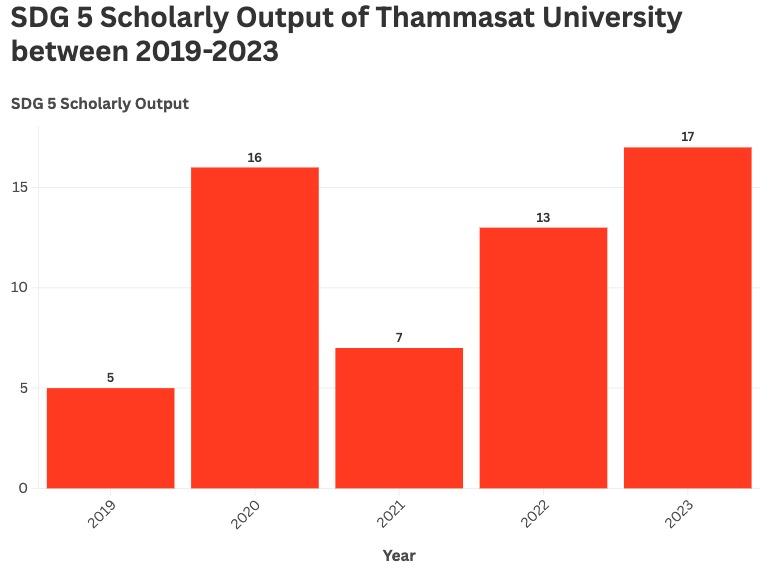
The bar chart depicting Thammasat University’s SDG 5 scholarly output between 2019 and 2023 demonstrates strong overall growth. Publications rose from 5 in 2019 to a peak of 18 in 2023, representing a 260% increase over the period. Despite fluctuations—such as a temporary dip to 7 in 2021—the overall trajectory shows a clear upward trend, reflecting the university’s increasing focus on gender equality research and its expanding contribution to SDG 5-related scholarship.


Research in SDG 5

Based on an analysis of 92 publications from 2020 to 2024, Thammasat University has established a significant research program focused on SDG 5. The university’s contributions are primarily organized into three distinct but interconnected thematic clusters that address health, economic, and social justice dimensions of gender:

  1. Public Health, Well-being, and LGBTQ+ Studies: This is the most prominent area of research, with a strong and sustained focus on public health issues related to gender and sexuality. A significant portion of the work centers on HIV/STI prevention and care, particularly among vulnerable populations such as men who have sex with men (MSM) and transgender women in Thailand. Beyond clinical studies, the research also delves into the broader social and cultural dimensions of LGBTQ+ communities, exploring topics of identity, social perception, and human rights, as seen in studies on school environments and media consumption.
  2. Corporate Governance and Economic Empowerment: The second major cluster examines the intersection of gender and the economy. Research in this area investigates the impact of gender diversity in corporate governance, analyzing how women on corporate boards influence executive compensation and social responsibility. This theme also includes a critical focus on economic inequality, with studies directly addressing the systemic causes of the gender wage gap and the “parenthood penalty” within the Thai context.
  3. Social Justice, Violence, and Inequality: This cluster addresses the systemic challenges of gender-based violence and social injustice. The research covers a wide spectrum of issues, from sexual harassment in public spaces to the trauma of domestic violence. A key characteristic of this work is its focus on the experiences of marginalized groups, including the vulnerabilities of migrant women, the trafficking of sex workers, and the peer victimization faced by gender non-conforming adolescents.

Synthesis and Impact 

Across all themes, Thammasat’s research demonstrates a strong primary focus on issues within Thailand, providing crucial, context-specific evidence. This localized expertise is amplified by a robust network of national and international collaborators. The consistent focus on specific, vulnerable populations positions the university as a leading regional authority on the public health dimensions of gender equality and an emerging center for research on corporate gender dynamics.


Outreach and Academic Services in SDG 5

In early 2024, Thammasat University advanced SDG 5 through 6 targeted academic and social service initiatives. These programs focused on empowering women, supporting vulnerable families, and fostering dialogue on gender-related issues through legal education, direct support, and policy advocacy. The initiatives were concentrated into two primary clusters:

  1. Advocacy, Research, and Policy Dialogue on Gender Issues (approx. 2 initiatives)
    A key focus was on generating and disseminating knowledge to address systemic gender inequalities. The Faculty of Sociology and Anthropology hosted a significant workshop titled “5 Years After COVID-19: Voices from Women in Close-Contact Work,” creating a platform to highlight the specific labor, family, and gender challenges women face. Complementing this, the Faculty of Social Administration delivered lectures on child and family welfare policies, contributing to the discourse on creating supportive legal and social frameworks for families, which are foundational to gender equality.
  2. Empowerment through Family Support and Legal Education (approx. 4 initiatives)
    The university provided practical support aimed at empowering individuals and families. A flagship project by the Faculty of Social Administration focused on promoting welfare for single-parent families, a group predominantly led by women, through its “Happy Family and Happy Kids” initiative. In parallel, the Institute for Continuing Education and Human Resources conducted public training sessions on family and inheritance law, equipping citizens, especially women, with crucial knowledge about their legal rights. These efforts directly contribute to enhancing women’s autonomy and security.

Through these focused efforts, Thammasat University demonstrated a multi-faceted approach to promoting gender equality, combining academic research and policy discussion with tangible community support and legal empowerment.


Featured Stories

Encouraging Women in Diplomacy and Leadership

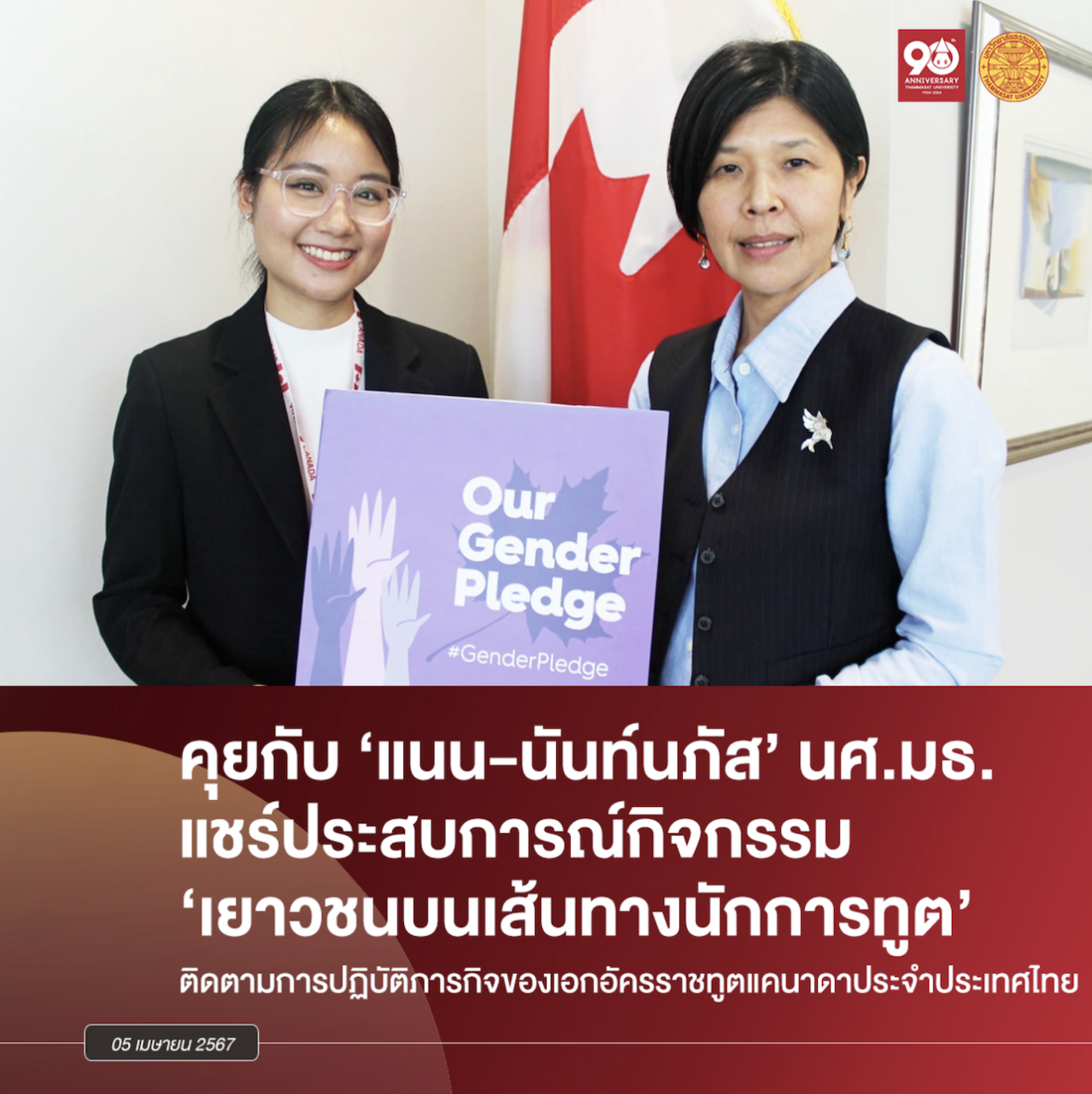
Thammasat University actively promotes the achievements of its female students through national initiatives aimed at nurturing future leaders. One notable example is Nan-Nunthapas Phongwitun, a second-year student in the Spanish and Latin American Studies (HISLAS) program, who participated in the ‘Ambassador for A Day’ program. This initiative allows talented Thai youth to experience the work of United Nations agencies and foreign embassies, inspiring them to pursue leadership roles. Nan shadowed H.E. Ping Kitnikone, Ambassador of Canada to Thailand, attending meetings, a reception at the Australian Embassy, and an International Women’s Day event at UN ESCAP.

Through this immersive experience, she gained insight into the challenges women and LGBTQ+ individuals face in diplomatic careers due to patriarchal structures, while recognizing the growing influence of Women Empowerment networks, which encourage more female and LGBTQ+ leaders to pursue careers in diplomacy and international relations, highlighting the importance of representation and inclusion in global leadership.

Promoting Transgender Inclusion and Gender Equity

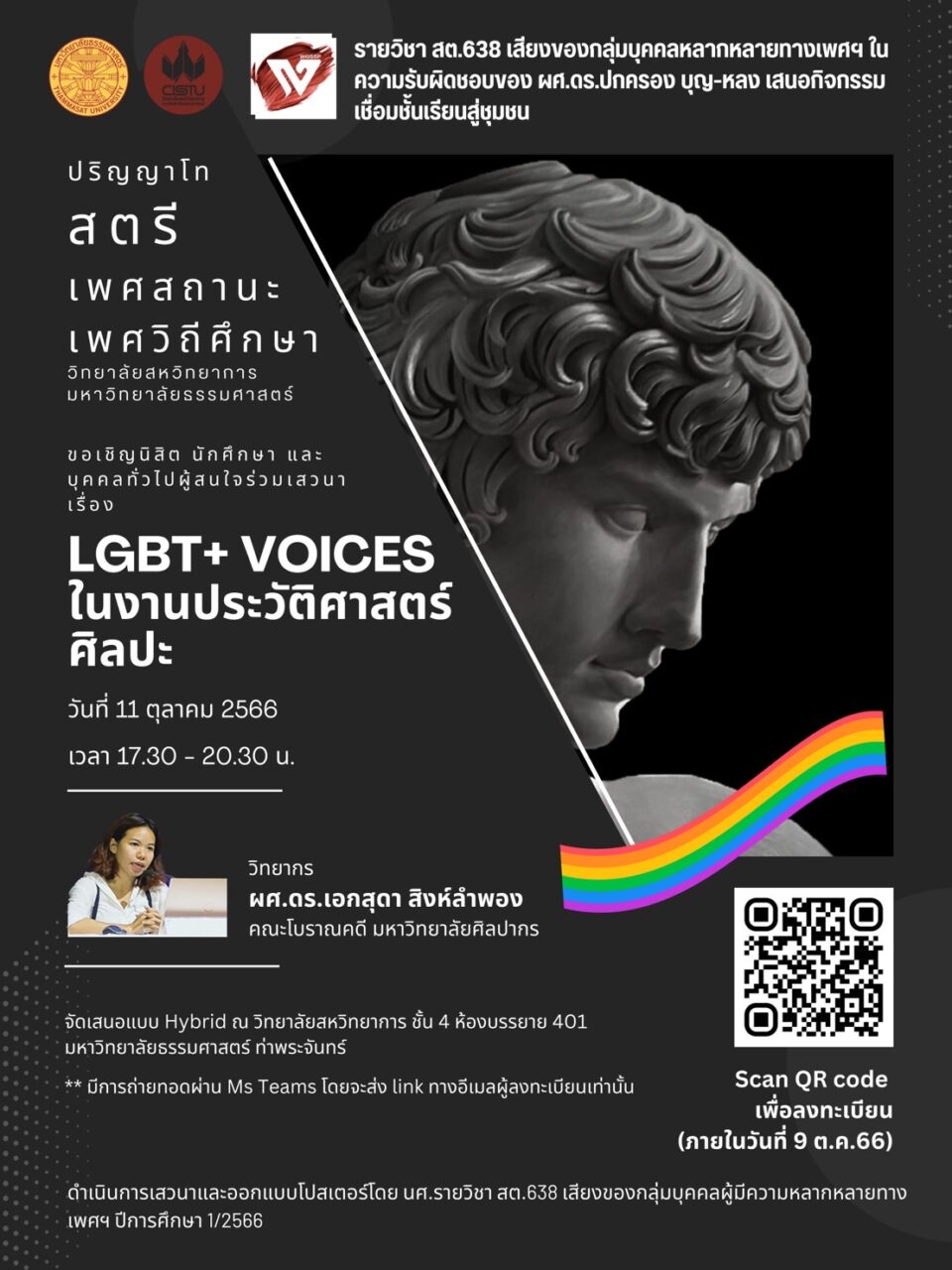
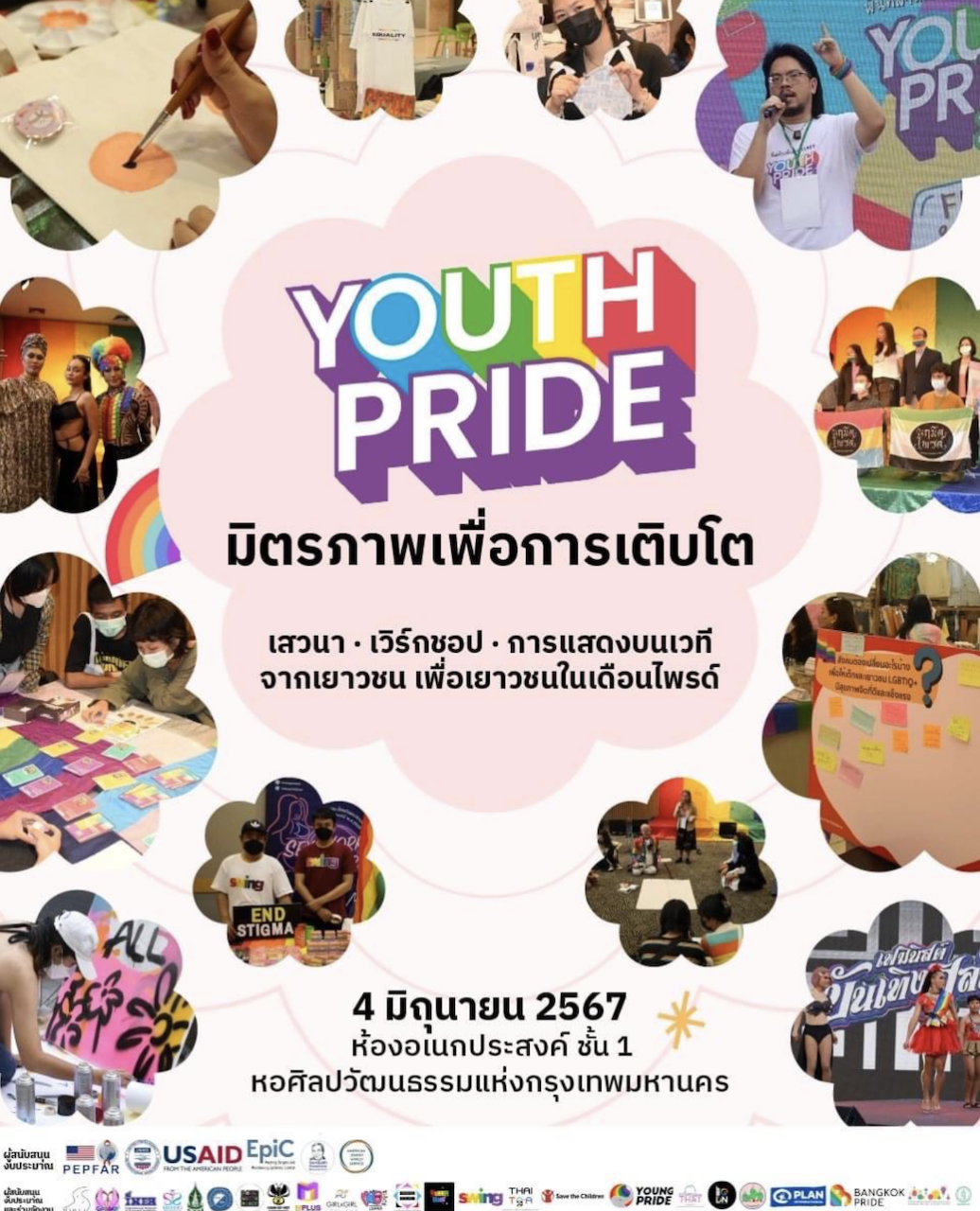
Thammasat University has actively promoted non-discrimination and inclusion for transgender individuals through targeted academic and advocacy initiatives. The Master of Arts program in Women, Gender, and Sexuality Studies (WGSSP) led the way by hosting the hybrid seminar “LGBT+ Voices,” providing a platform for open discussion and validation of diverse gender identities. The university also advocated for legal reform through the PSDS Talk on “Marriage Equality: Gender Recognition Act,” highlighting the importance of securing fundamental rights such as health, education, and employment for transgender and LGBTQ+ individuals. Complementing these efforts, Thammasat launched the Creative Media Production Manual for Promoting Gender Equality, offering guidelines for media that respect gender diversity and foster societal acceptance. Together, these initiatives demonstrate Thammasat University’s commitment to advancing equality, challenging discrimination, and driving systemic change for transgender rights and broader LGBTQ+ inclusion.

SDG 4 Ensure Inclusive and Equitable Quality Education and Promote Lifelong Learning Opportunities for All

SDG 4 in Numbers

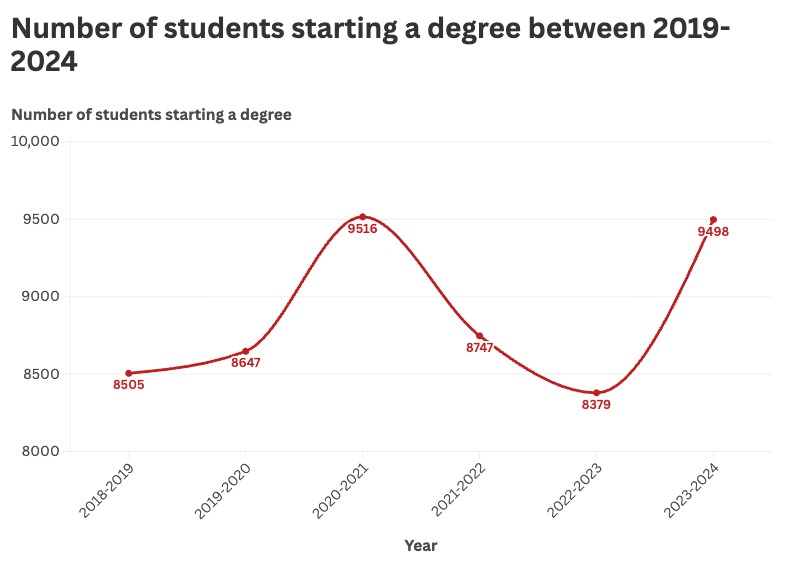
The line graph showing the number of students starting a degree from 2019 to 2024 demonstrates fluctuating but generally positive growth. Numbers increased from 8,505 in 2018-2019 to 9,516 in 2020-2021, a rise of about 12%, likely reflecting improved recruitment or interest in higher education. A decline followed, reaching 8,379 in 2022-2023, possibly due to external challenges such as pandemic effects. However, the sharp rebound to 9,498 in 2023-2024 (up 13%) suggests recovery and renewed student engagement.

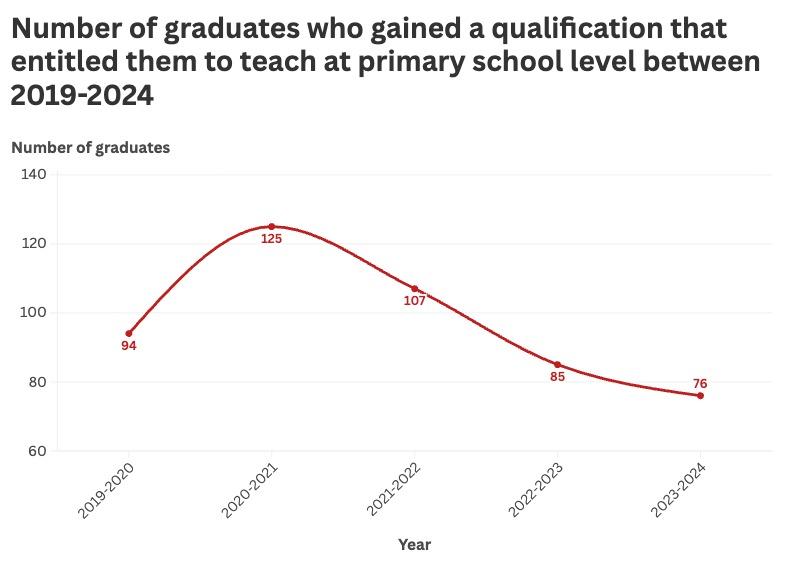
The line graph illustrating the number of graduates qualified to teach at the primary school level from 2019 to 2024 shows an early increase but an overall downward trend. Numbers climbed from 94 in 2019-2020 to 125 in 2020-2021 (up 33%), indicating short-term program success or demand. Yet, a steady decline to 76 in 2023-2024 (a 39% drop from the peak) suggests fewer completions or declining interest in teaching careers over time.

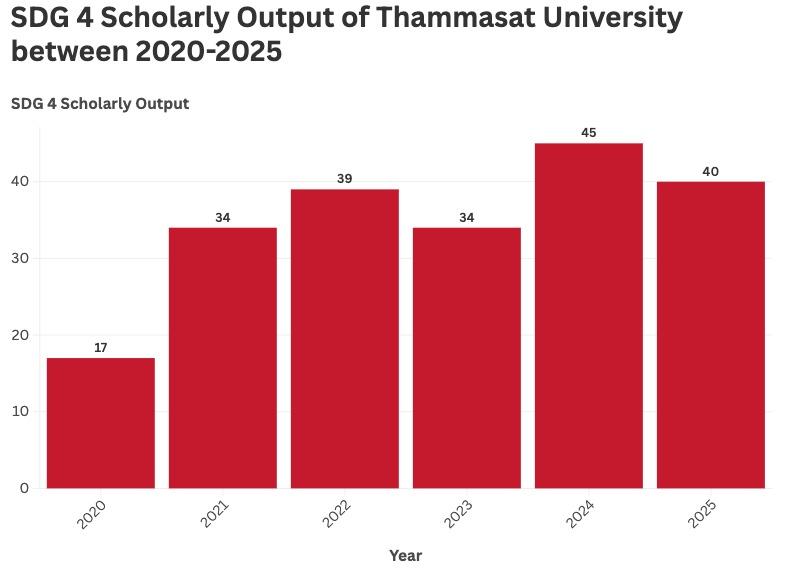
The bar chart depicting Thammasat University’s SDG 4 scholarly output between 2020 and 2025 highlights notable growth in academic productivity. Publications rose from 17 in 2020 to a high of 45 in 2024 (an impressive 165% increase), showing institutional commitment to education-focused research. Although output slightly declined to 40 in 2025, the overall trend remains positive, reflecting a sustained emphasis on advancing SDG 4 goals and expanding research contributions in education and related fields.


Research in SDG 4

Based on an analysis of 230 publications from 2020 to 2024, Thammasat University has demonstrated a significant and multi-faceted research focus on SDG 4. The university’s contributions are organized around five primary thematic clusters, addressing education from technological, pedagogical, and socio-economic perspectives:

  1. Educational Technology and Language Pedagogy: A major area of research is the integration of Educational Technology and Digital Learning. This includes studies on immersive technologies like virtual and augmented reality for professional training, the effectiveness of online and blended learning models (especially in response to the COVID-19 pandemic), and the use of gamification to enhance student engagement. This is complemented by a strong focus on English Language Teaching (ELT), with research dedicated to improving instructional methods, understanding learner experiences within the Thai context, and advancing teacher development programs.
  2. Education for Sustainability and Employability: The university’s research also connects education to broader societal and economic goals. The Education for Sustainability cluster includes interdisciplinary work on developing green skills for a changing economy and designing sustainable, inclusive “learning cities.” This theme is closely linked to Skills Development and Employability, where research focuses on aligning education with modern labor market demands, analyzing necessary workforce skills, and promoting frameworks for lifelong learning.
  3. Specialized Professional Education: A distinct cluster is dedicated to innovations in Health and Medical Education. This research concentrates on improving clinical training through advanced simulations, addressing health equity by examining access to services and training, and enhancing the professional development of healthcare workers to meet complex public health challenges.

Synthesis and Impact

Across these themes, the research portfolio is characterized by a primary focus on the Thai national context while also engaging with regional and global educational issues. The studies address a wide range of stakeholders, from primary school students to professionals in the workforce. This body of work is supported by extensive national and international collaborations, positioning Thammasat University as a key contributor to advancing knowledge and practice in the field of Quality Education.


Outreach and Academic Services in SDG 4

In early 2024, Thammasat University demonstrated a profound commitment to SDG 4, rolling out an impressive 318 academic services and social contribution projects. These initiatives spanned a wide spectrum, from professional upskilling and teacher development to lifelong learning and public sector training, underscoring the university’s role in fostering inclusive and equitable quality education for all. The extensive activities can be summarized into three main clusters:

  1. Professional Upskilling and Specialized Training (approx. 245 initiatives)
    A significant portion of the university’s efforts focused on enhancing the skills of the national workforce across both the private and public sectors. The Faculty of Commerce and Accountancy and the Institute for Continuing Education and Human Resources were key drivers, offering a vast array of courses in business administration, finance, marketing, project management, law, and human resources. Concurrently, the Faculty of Social Administration provided extensive training programs for public sector officials, focusing on social welfare administration, community development, and effective local governance to improve public services.
  2. Teacher and Educator Development (approx. 15 initiatives)
    The university placed a strong emphasis on enhancing the capabilities of educators to improve the quality of the national education system. The Faculty of Learning Sciences and Education led targeted workshops for teachers (“Korkarnkru” project) on modern pedagogy, creating meaningful learning experiences, applying positive psychology in the classroom, and integrating digital tools and Al into teaching. These programs aimed to equip teachers with innovative skills to meet the needs of 21st-century learners.
  3. Lifelong Learning, Language, and Cultural Education (approx. 58 initiatives)
    Promoting lifelong learning and language proficiency was another cornerstone of the university’s mission. The Language Institute was highly active, offering extensive English proficiency test preparation (TU-GET, TOEIC) and corporate language training. Cultural education was advanced through the Institute of East Asian Studies with Japanese language and cultural immersion programs. Furthermore, initiatives like the “School for the Elderly” and various public seminars underscored the university’s dedication to providing accessible and inclusive educational opportunitiesfor all age groups.

Through this comprehensive portfolio, Thammasat University affirmed its role as a leader in providing high-quality education and contributing significantly to lifelong learning opportunities for diverse communities across Thailand.


Featured Stories

Expanding Equitable Access to Education through the Lifelong Learning Policy

Upholding the founding vision of Professor Dr. Pridi Banomyong to serve as an “Open University of Knowledge,” Thammasat University introduced the Lifelong Learning Policy to promote inclusive, flexible, and continuous learning opportunities for all. The policy reinforces Thammasat’s identity as “The University for the People” and establishes institutional mechanisms to support education across the lifespan

A central component of the policy is the Credit Bank system allowing learners to accumulate academic credits from short courses, reskilling/upskilling programs, and micro-credentials for transfer into degree pathways or professional certifications. This system strengthens national capacity for lifelong learning and enhances social resilience in a rapidly changing labour market.

Building a Knowledge Bridge with Thammasat Library Connecting Research to the SDGS

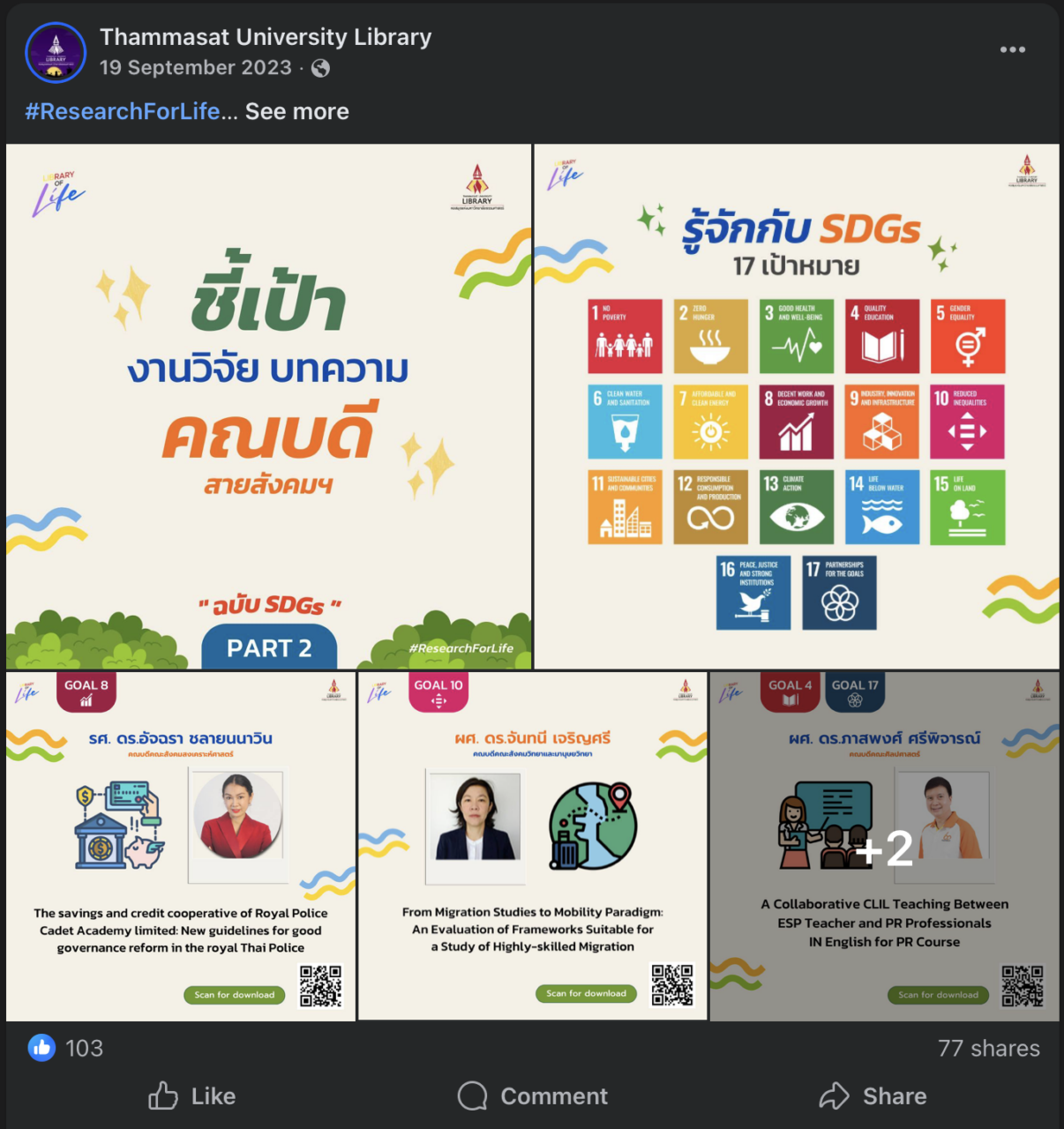
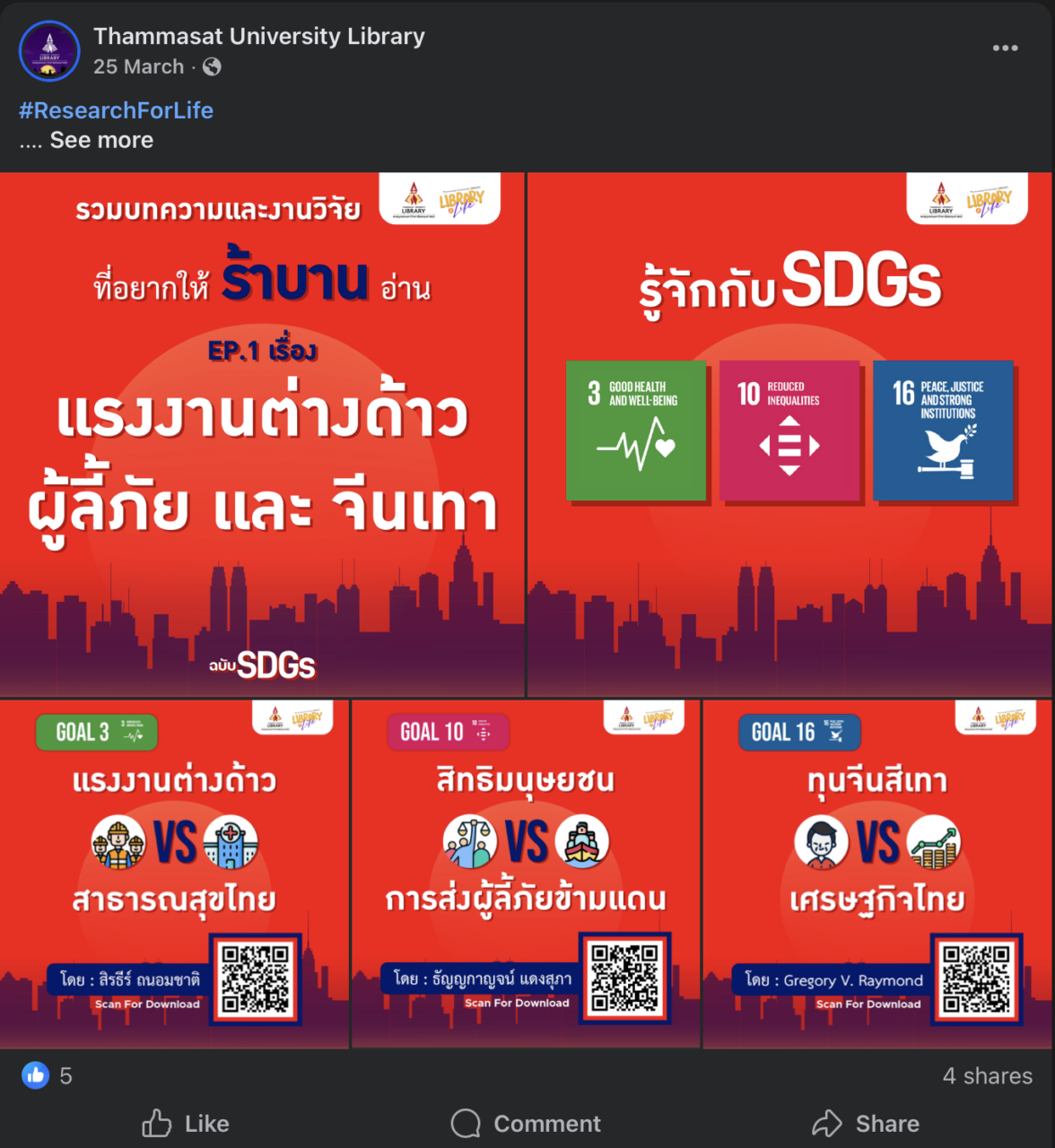
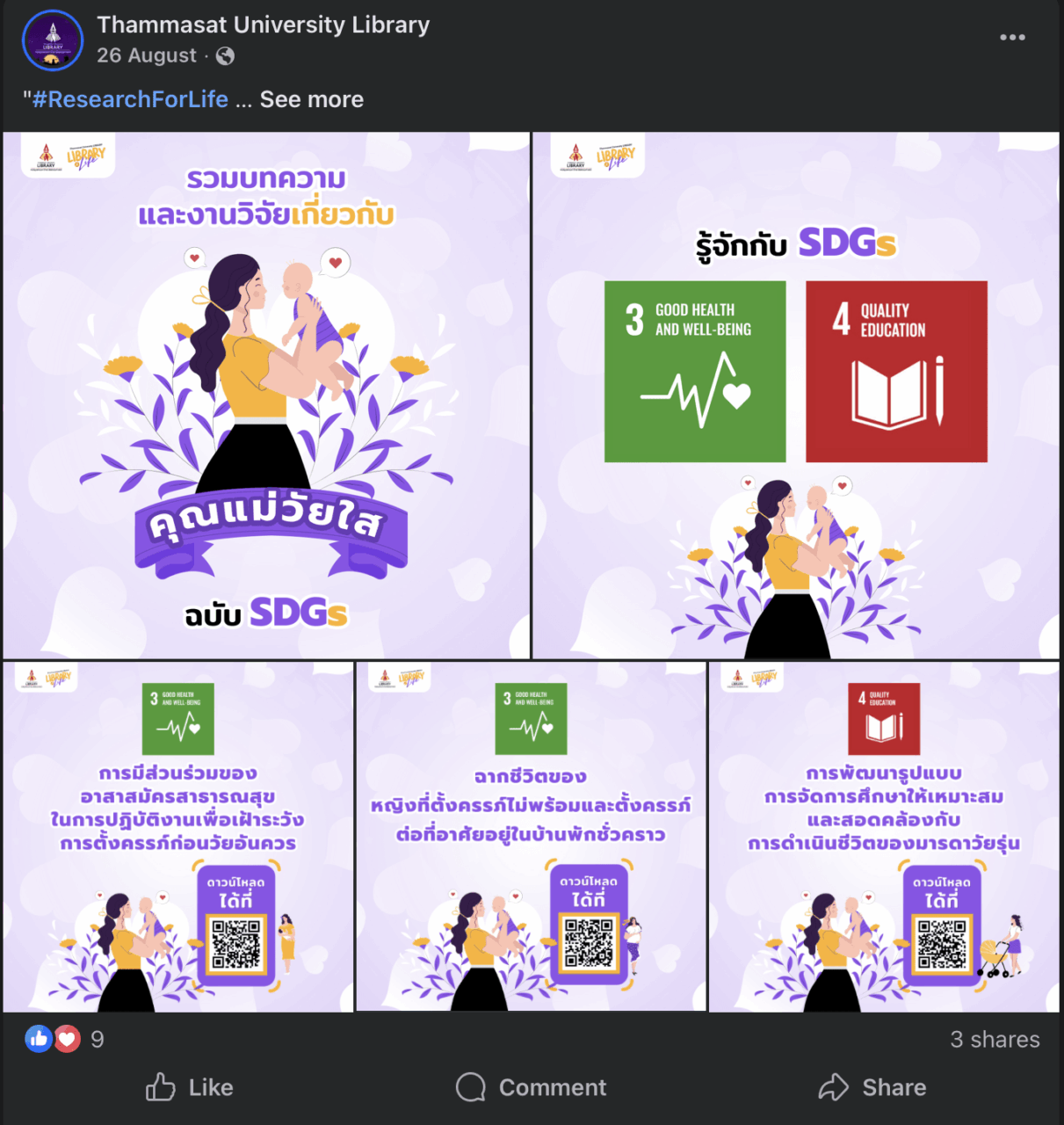
The Thammasat University Library plays a strategic role in expanding public access to sustainability knowledge by curating and linking a selected collection of resources from its database of over 158,000 academic items to the SDGs. Through comprehensive digital repositories and active thematic social media engagement, the Library bridges academic knowledge with pressing social issues, such as adolescent pregnancy, environmental justice, and migrant workers rights, connecting them to relevant SDG frameworks. This approach helps make complex academic content more accessible and relatable for the wider public. The platform promotes lifelong learning and the democratization of knowledge, allowing people from all sectors to access reliable, research-based insights for everyday decision-making and community development.

Advancing Transdisciplinary Learning through International Collaboration in the THE-GLOW Project

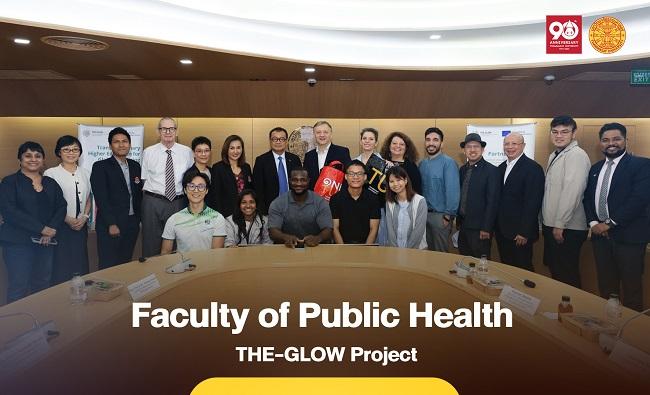
Thammasat University is implementing the Transdisciplinary Higher Education for Global Well-being (THE-GLOW) project, led by the Faculty of Public Health and supported by EU funding. The initiative strengthens collaboration between Thai and European universities to co-design innovative, transdisciplinary curricula that equip learners with the competencies needed to address complex global challenges. Through this partnership, Thammasat advances education for sustainable development while promoting shared learning and intercultural exchange, positioning the University as an active international collaborator in reshaping higher education for societal well-being.

SDG 3 Ensure Healthy Lives and Promote Well-Being for All at All Ages

SDG 3 in Numbers

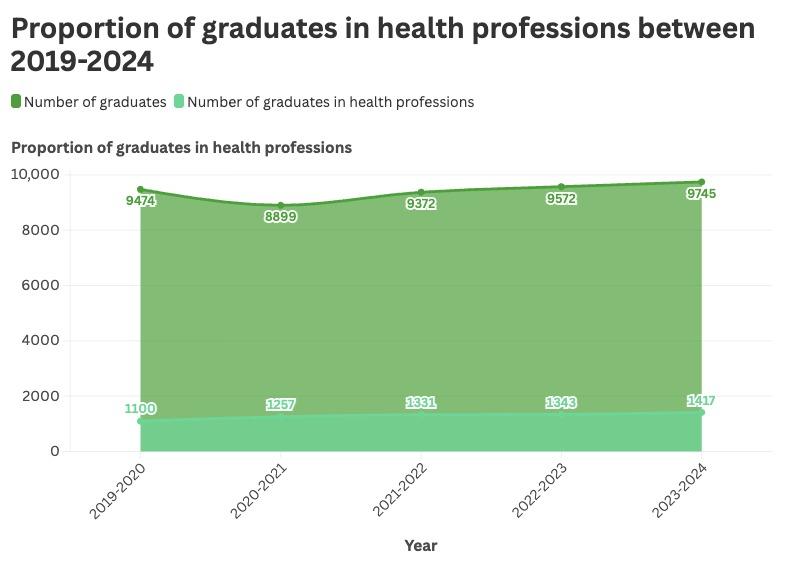
This graph illustrates the proportion of graduates in health professions between 2019 and 2024. The number of graduates in health-related fields increased from 1,100 in 2019-2020 to 1,417 in 2023-2024, reflecting a growth of approximately 29%. Although total graduates fluctuated slightly, the upward trend in health professions suggests sustained institutional investment in medical and health sciences education, potentially influenced by heightened demand for healthcare professionals following the COVID-19 pandemic.

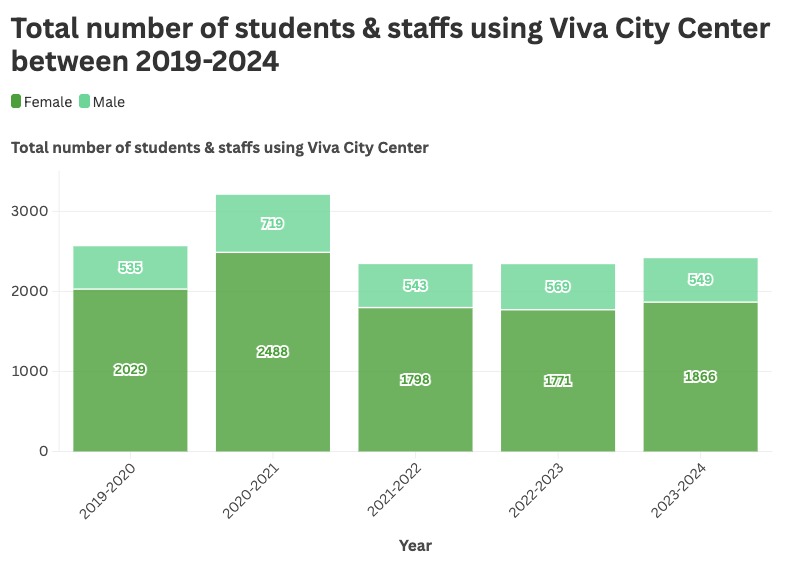
The stacked bar chart presents the total number of students and staff using the Viva City Center from 2019 to 2024. Usage rose from 2,564 in 2019-2020 to a peak of 3,207 in 2020-2021, marking a 25% increase, before gradually declining to 2,415 in 2023-2024. The initial growth likely reflects increased engagement in wellness and activity programs, while the subsequent decline may be attributed to pandemic restrictions and shifts toward remote or hybrid learning models.

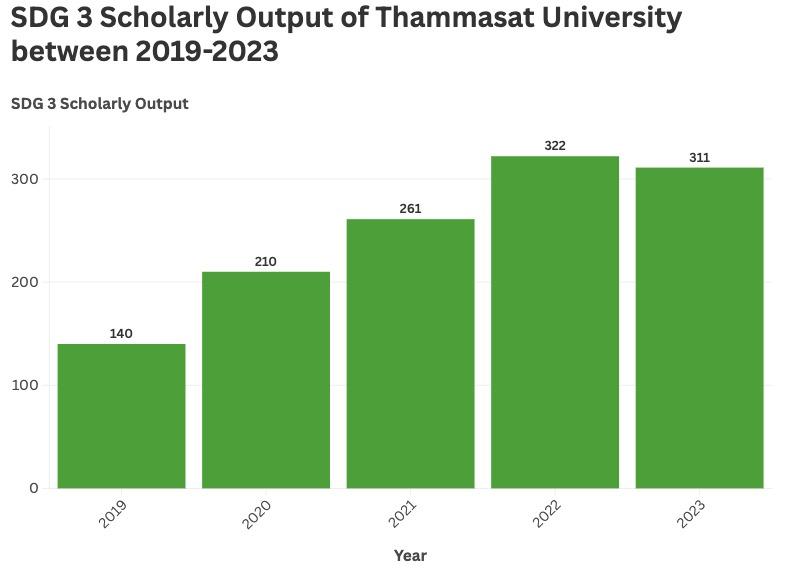
The bar chart highlights Thammasat University’s SDG 3 scholarly output between 2019 and 2023, showing significant growth in health-related research. Publications rose from 140 in 2019 to 311 in 2023, representing a 122% increase. The peak in 2022, with 322 outputs, underscores the university’s strong research emphasis on public health and well-being during and after the pandemic, while the slight decline in 2023 may relate to project transitions and publication review timelines.


Research in SDG 3

From 2020 to 2024, Thammasat University produced a vast and impactful body of research addressing SDG3. This work is drawn from a comprehensive analysis of 2,163 university publications on the topic. The university’s extensive contributions are defined by several key thematic clusters that highlight its strengths in tackling both immediate and long-term health challenges:

  1. Major Disease Response Pandemic and Chronic Illnesses: A dominant research theme is the comprehensive response to major diseases. This is highlighted by a substantial focus on the COVID-19 pandemic, with research spanning public health policy, vaccine effectiveness, clinical studies, and the broad socio-economic impacts of the crisis. Alongside this rapid pandemic response, the university maintains a robust research program targeting other globally significant diseases. This includes work on infectious diseases prevalent in the region like dengue and tuberculosis, major non-communicable diseases such as diabetes and kidney disease, and an extensive portfolio of cancer research covering diagnostics and novel treatments.
  2. Innovations in Health Technology and Therapeutics: A second major cluster focuses on technological and therapeutic innovation. There is a strong emphasis on applying advanced technologies like Artificial Intelligence (Al) and machine learning for improved diagnostics, disease prediction, and personalized medicine, particularly in oncology. This is complemented by research in pharmacology and therapeutic development, which explores both cutting-edge nanomedicine for enhanced drug delivery and the potential of natural products derived from traditional Thai medicine.
  3. Environmental Health and Pollution: The third key area is Environmental Health, which investigates the critical link between environmental factors and human well-being. Research in this cluster addresses the pressing health impacts of pollution, including the contamination of major water systems like the Chao Phraya River with microplastics and heavy metals, and the effects of traffic-related air pollution on vulnerable populations, such as students.

Synthesis and Impact

Across these themes, Thammasat’s research demonstrates a multi-scalar approach, addressing health challenges from local Thai communities to large-scale global collaborations. A defining characteristic is the consistent focus on specific and vulnerable populations, including children exposed to e-waste, marginalized communities, and patients with chronic conditions. This impactful work is supported by extensive national and international collaborative networks, cementing the university’s role as a key contributor to advancing global health.


Outreach and Academic Services in SDG 3

In early 2024, Thammasat University showcased a strong commitment to SDG 3 with 143 academic services and community outreach programs. Leveraging expertise across diverse faculties, the university aimed to enhance public health, promote well-being for all ages, and strengthen the healthcare ecosystem. The initiatives are organized into four key clusters:

  1. Comprehensive Community Health Services and Disease Prevention (approx. 30 initiatives)
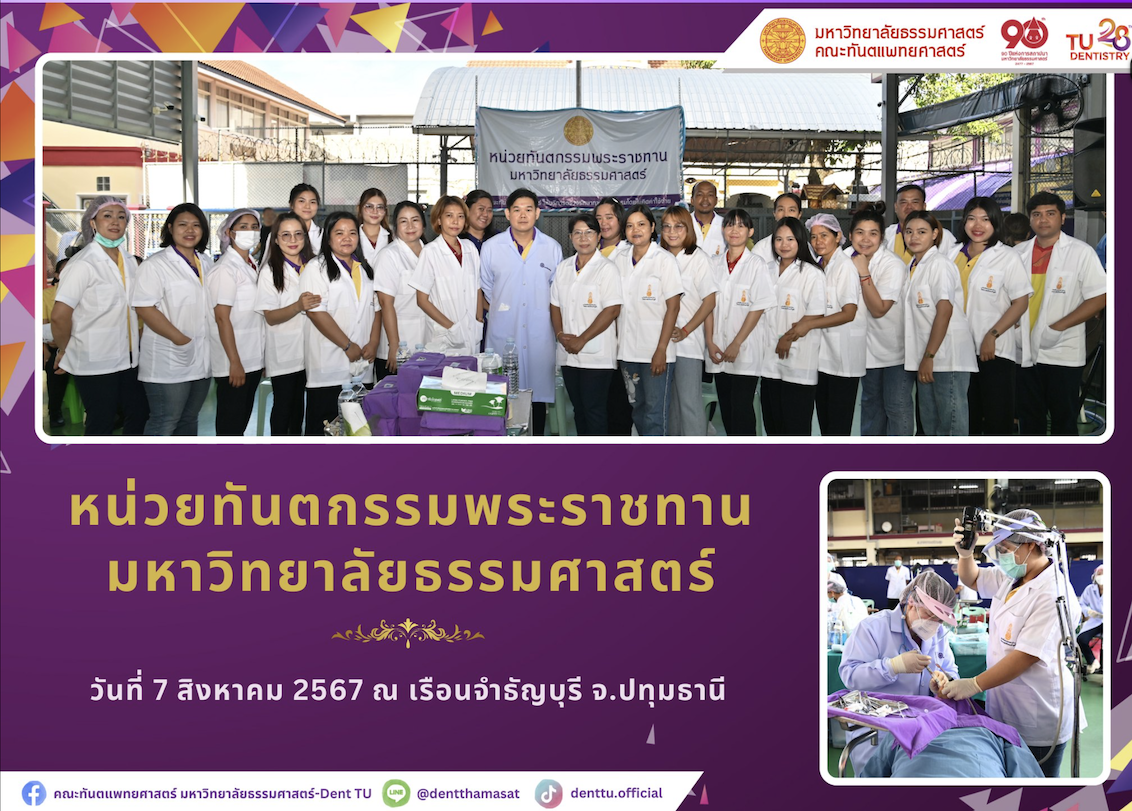
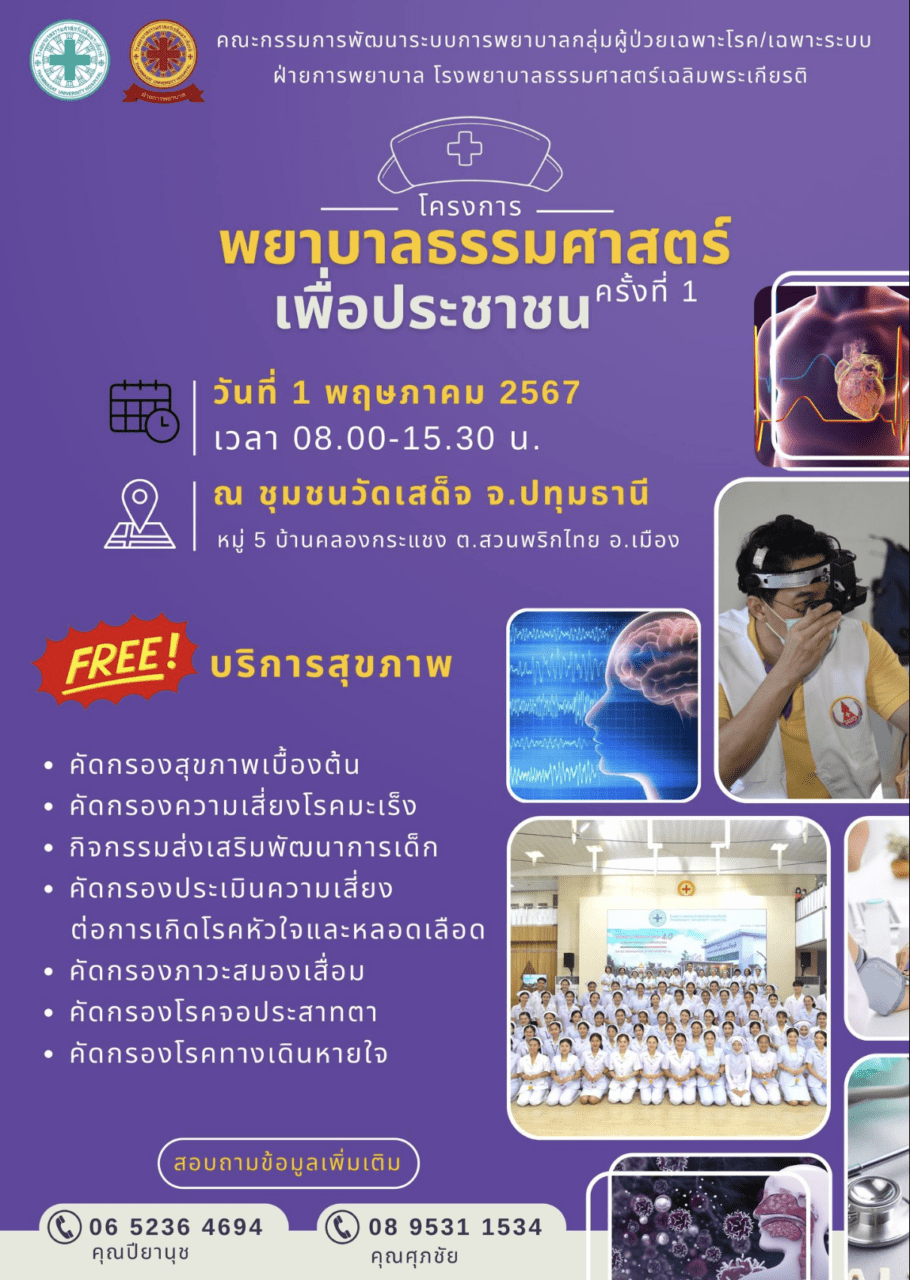
    The university provided extensive clinical care and health promotion, including seasonal influenza vaccinations, mobile health check-ups, home visits, and public education on disease prevention. The Faculty of Medicine offered pulmonary function tests, while the Faculty of Dentistry provided free dental services via its royally-sponsored unit. These efforts focused on both preventive and direct treatment for a wide range of community members.
  2. Promoting Healthy Aging and Lifelong Well-being (approx. 26 initiatives)
    A significant focus was placed on Thailand’s aging population. The “Thammasat School for the Elderly” served as a central hub, offering courses on quality of life, dementia prevention, and digital literacy. These programs were complemented by initiatives on integrative medicine for seniors and projects empowering them to become agents of change in their cities.
  3. Specialized Care for Vulnerable Populations (approx. 18 initiatives)
    Recognizing that effective poverty reduction requires skilled administrators, the Faculty of Social Administration delivered several specialized training programs for local government officials. These courses, such as the “Social Welfare Administrator” program and “Administration of Education and Social Welfare” for local organizations, were designed to enhance the capabilities of local leaders in managing and implementing effective social welfare and educational services. By strengthening the administrative capacity at the local level, Thammasat University is helping to ensure that poverty alleviation efforts are efficient, impactful, and reach those most in need.
  4. Advancing Healthcare Capacity and Professional Development (approx. 69 initiatives)
    Strengthening the healthcare system was a core objective, achieved through extensive training and academic programs. The health science faculties offered numerous specialized courses and workshops for professionals on topics from physical therapy to rational drug use. The university also fostered innovation through healthcare entrepreneurship, ensuring Thailand’s healthcare workforce remains at the forefront of medical advancement.

Collectively, these initiatives underscore Thammasat University’s holistic approach to advancing good health and well-being, addressing immediate health needs while building a more resilient and equitable healthcare future.


Featured Stories

Advancing Global, National, and Local Health Collaborations

In 2024, Thammasat University strengthened its leadership in health promotion through dynamic collaborations that advanced education, research, and community well-being.

Global Partnerships

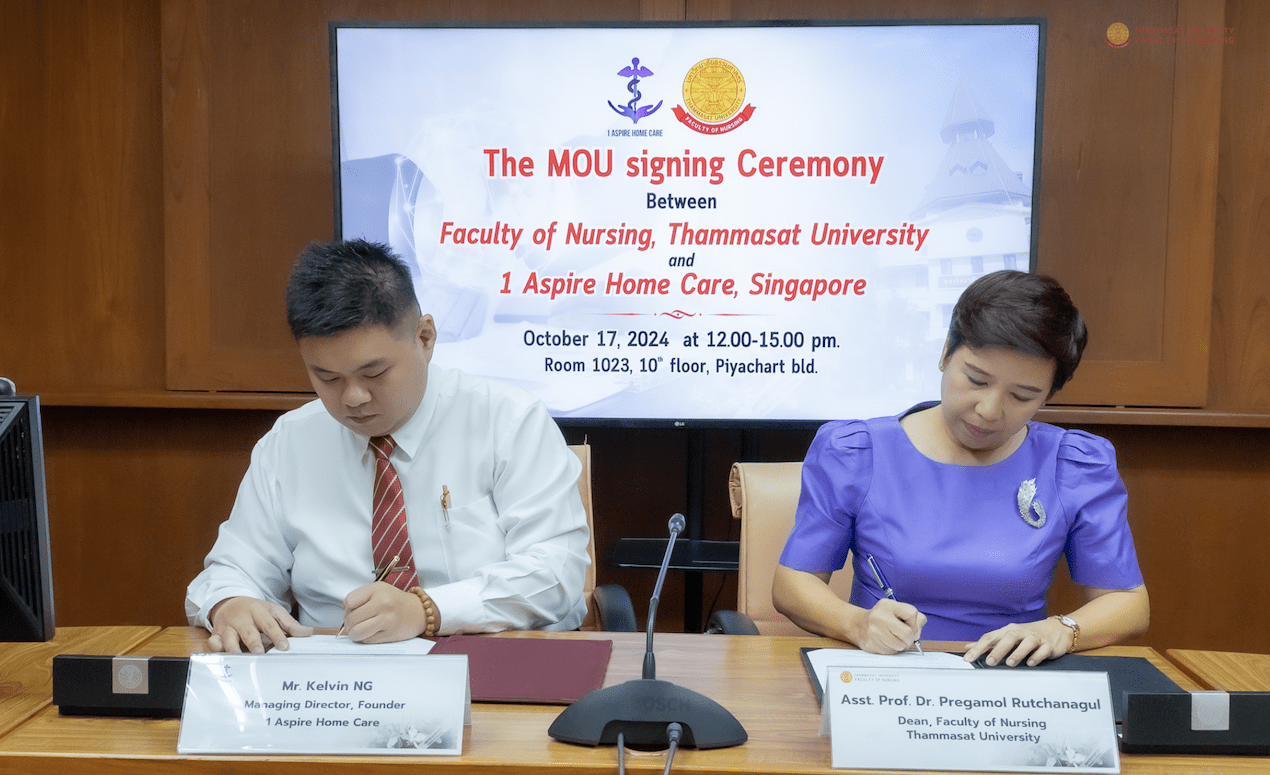
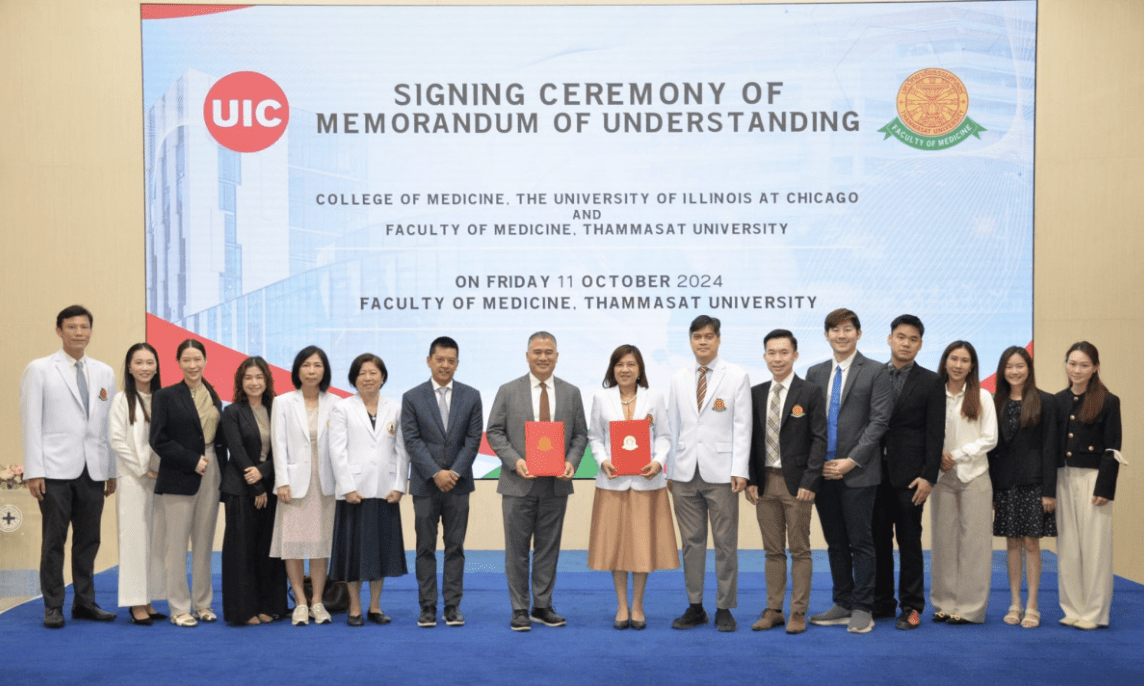
The university expanded international health networks across multiple faculties. The Faculty of Medicine signed MOUs with Cambodia’s National Pediatric Hospital and Preah Ang Duong Hospital to enhance maternal and child nutrition. The Faculty of Pharmacy partnered with Japan’s University of Toyamafor pharmaceutical research, while the Faculty of Nursing collaborated with Takasaki University of Health and Welfare, Juntendo University, Sinclair School of Nursing (USA), and 1 Aspire Home Care (Singapore). The Faculty of Dentistry advanced innovation through partnerships with Osaka University Dental Hospital, Mahasaraswati Denpasar University, and Dr. D.Y. Patil Dental College & Hospital.

National Initiatives

Thammasat collaborated with the Ministry of Public Health and national agencies to strengthen healthcare education and innovation. The Faculty of Medicine’s Clinical Research Center conducted training on research and medical device standards. The Faculty of Public Health joined the EU-funded THE-GLOW Project and partnered with Vipharam Hospital Group to promote SD-linked education. Other faculties worked with BDMS, DKSH, and the Dental Innovation Foundation to advance digital health and healthcare capacity.

Community Engagement

Locally, Thammasat partnered with Khlong Luang and Lad Sawai Municipalities and the Saraburi Provincial Administrative Organization to promote elderly health, preventive care, and community empowerment. The Royal Mobile Dental Unit, established under royal permission in 1999, continues to provide free dental services across Pathum Thani and remote provinces, reaching vulnerable populations with preventive care.

Mobile and Educational Outreach

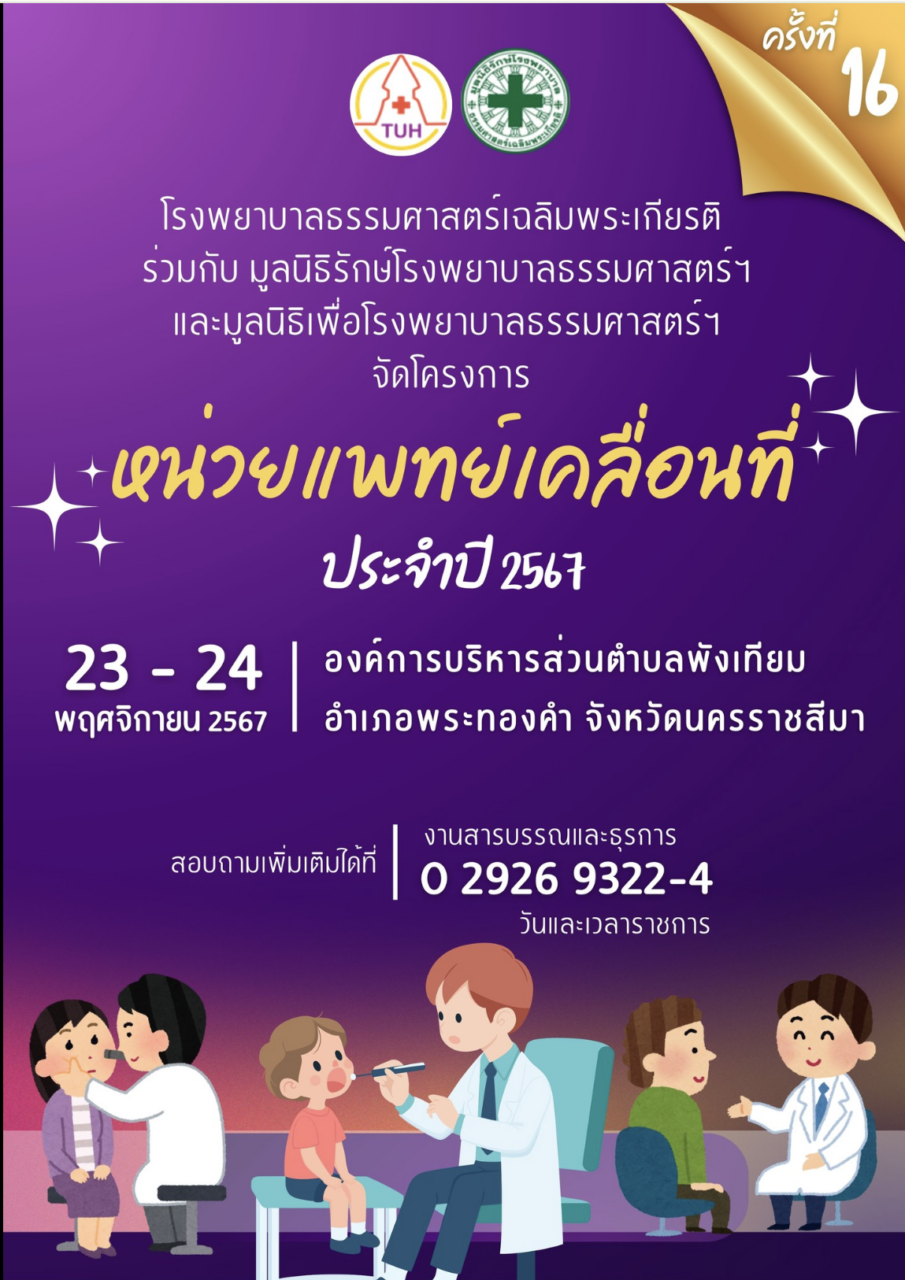
Thammasat’s Mobile Medical Units offer screenings, vaccinations, and wellness education across communities and workplaces. Health faculties also conduct extensive outreach—such as elderly care training, oral health education, and the “Empowering Bodies, Strengthening Minds” project—promoting preventive health and experiential learning. Collectively, these outreach projects reflect Thammasat University’s enduring commitment to community health promotion, experiential learning, and sustainable social impact.

SDG 2 End Hunger, Achieve Food Security and Improved Nutrition and Promote Sustainable Agriculture

SDG 2 in Numbers

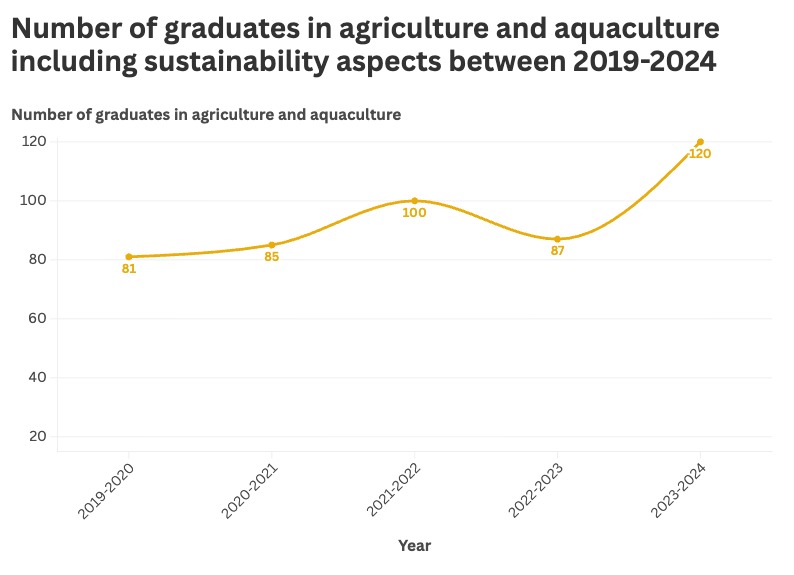
The line chart presents the trend in the number of graduates in agriculture and aquaculture, including sustainability aspects, from 2019 to 2024. Overall, the number increased from 81 in 2019-2020 to 120 in 2023-2024, marking a growth of approximately 48%. Despite a temporary decline of 13% in 2022-2023, this upward trend suggests enhanced institutional focus on sustainable agricultural education, curriculum development, and growing student interest in sustainability-driven disciplines

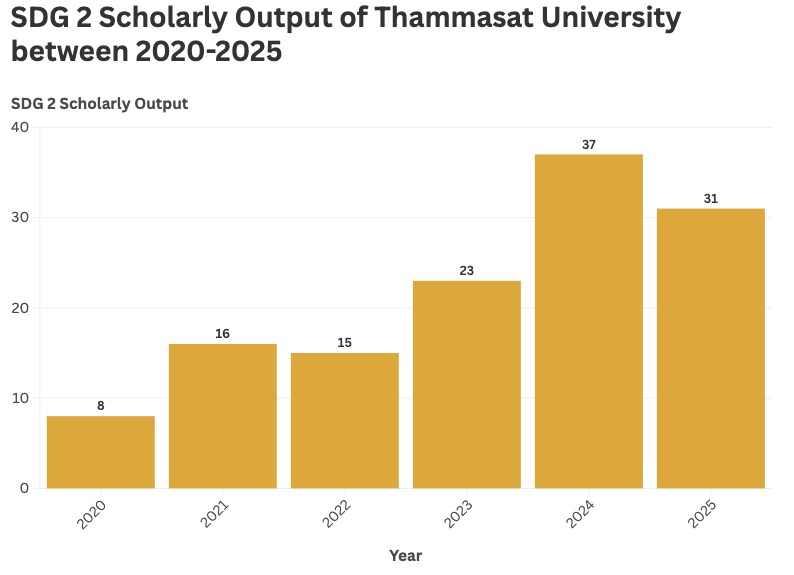
The chart illustrates Thammasat University’s SDG 2 scholarly output from 2020 to 2025, showing a strong upward trend overall. Research publications increased from 8 in 2020 to 31 in 2025, representing an overall growth of approximately 288%. The notable surge in 2024, reaching 37 outputs, reflects intensified institutional emphasis on food security and sustainable agriculture research. The slight decline in 2025 may be attributed to research project transitions and publication delays following the previous year’s peak.


Research in SDG 2

Based on an analysis of 136 publications from 2020 to 2024, Thammasat University has established a comprehensive research program dedicated to SDG 2. The university’s contributions are organized around five core thematic clusters that address the challenge of food security from multiple angles:

  1. Climate Resilience and Environmental Sustainability: A major research area focuses on the intersection of climate change and food security. This includes studying the impacts of environmental shocks and land-use change on agriculture, assessing the climate vulnerability of key regions like Thailand’s coastal provinces, and investigating ecological threats to food sources. The primary goal is to develop strategies that build resilience against climate-related risks.
  2. Agricultural Innovation and Smart Farming: The university is a leader in research on agricultural innovation and “smart farming“. Studies in this area explore the adoption of digital technologies to enhance productivity and sustainability. This work includes practical applications such as using high-resolution satellite data for improved land management and developing accessible Al-powered tools for farmers.
  3. Food Safety, Security, and Public Health: This theme addresses food safety and its direct impact on public health. Research covers two main areas: first, the investigation and mitigation of food contaminants such as mycotoxins, pesticides, and microplastics ; and second, the examination of nutritional challenges, from undernutrition in vulnerable groups like adolescents to the food security of older adults.
  4. Socio-Economic Dimensions of the Agri-Food System: Recognizing the human element of food security, this research examines the socio-economic dimensions of agriculture. It includes studies on the resilience and efficiency of food supply chains (especially for the urban poor), the role of social enterprises in creating inclusive value chains, and fundamental economic challenges such as agricultural land management.
  5. Sustainable Practices and Alternative Bio-resources: The fifth cluster centers on promoting sustainability and a circular economy. This research advances environmentally friendly practices like organic farming and explores innovative uses for biological materials. Key examples include developing methods to convert food waste into energy and researching alternative proteins as sustainable future food sources.

Synthesis and Impact

Overall, Thammasat’s research demonstrates a multi-scalar approach, with a strong focus on challenges within Thailand, while also addressing regional issues across Asia and contributing to global food security dialogues. The work consistently centers on key stakeholders, from smallholder farmers to vulnerable urban and rural populations. This extensive research portfolio is strengthened by a vast network of both domestic and international collaborators, positioning the university as a vital contributor to achieving a food-secure future.


Outreach and Academic Services in SDG 2

In early 2024, Thammasat University addressed the challenges of SDG 2 by deploying 27 academic and social service initiatives. These efforts focused on promoting sustainable agriculture, enhancing food security, nutrition, and strengthening the entire food value chain. The university’s contributions can be consolidated into three strategic clusters:

  1. Fostering Sustainable Agriculture and Empowering Farming Communities (13 initiatives)
    The university’s work directly supported agricultural producers to boost their sustainability and economic viability. The Thammasat Business School mentored numerous community enterprises, including organic farms, cocoa processing, innovative seaweed aquaculture, and agrotourism ventures. Complementing this, the Office of Advanced Science and Technology provided crucial financial planning and debt restructuring workshops for the Wang Nam Yen Dairy Cooperative. Further technical training was offered by the Faculty of Science and Technology on tropical fruit production (e.g., “Durian 101”), while the Chulabhorn International College of Medicine conducted training on Good Agricultural Practices (GAP) certification for medicinal herbs, ensuring higher standards and market access for farmers.
  2. Innovating the Food Value Chain and Agro-Industry (5 initiatives)
    Thammasat University also focused on improving the efficiency and value of the post-harvest sector. The Faculty of Engineering led activities to develop advanced production technologies suitable for the agro-processing industry. In a unique social outreach effort, the Institute for Continuing Education and Human Resources provided vocational training to prison inmates on value-added processing of agricultural goods, equipping them with valuable skills. The university also fostered innovation by promoting novel food sources, exemplified by the Faculty of Pharmacy’s academic article on “Blue Spirulina” as a powerful marine food source, and by supporting intellectual property through workshops on patent registration for food-related inventions.
  3. Advancing Food Security, Safety, and Cultural Dialogue (9 initiatives)
    Addressing the broader dimensions of food security, several faculties engaged in critical discourse and legal advocacy. The Institute of East Asian Studies hosted seminars on the cultural and political dimensions of food in ASEAN and provided workshops on food science. The Faculty of Law conducted numerous seminars on consumer protection laws, advocating for the rights of consumers in the food system and discussing challenges faced by regional consumer organizations. These initiatives ensure that as food systems evolve, they remain safe, equitable, and accessible for all populations, including the most vulnerable.

Through these concerted efforts, Thammasat University has demonstrated a comprehensive commitment to ending hunger by linking academic expertise with practical, on-the-ground support for farmers, innovators, and consumers across Thailand.


Featured Stories

Leading Global Research and International Collaboration

Thammasat University has reinforced its position as a regional leader in academia and food security by co-hosting major international conferences and driving advanced research.

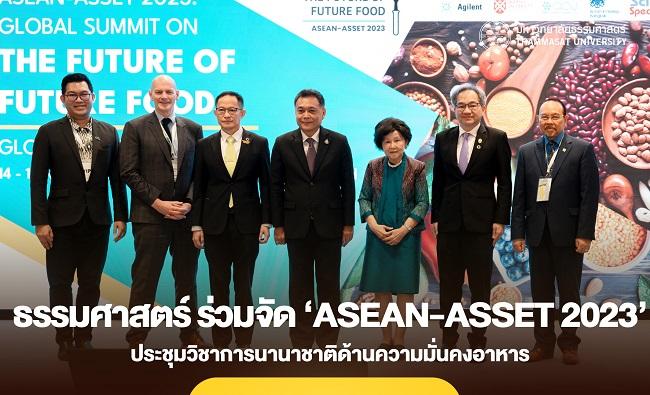
In November 2023, Thammasat, in partnership with the National Science and Technology Development Agency (NSTDA) and Queen’s University Belfast (QUB) through the International Joint Research Center on Food Security (IJC-FOODSEC), hosted the “ASEAN-ASSET 2023” summit. This marked the first time the prestigious ASSET conference was held in Asia. The event brought together over 400 experts from around the world to discuss “Global Protein Integrity,” exploring alternative protein sources and future food technologies. The IJC-FOODSEC also collaborated with CRDF Global in July 2024 to organize a regional workshop on food safety, focusing on applying peaceful nuclear technologies to enhance food security, such as developing crop varieties resistant to disease and climate change. These events not only advance research related to SDG 2 but also build international networks to tackle global food challenges sustainably.

Driving Digital Innovation and Sustainable Agriculture

Thammasat accelerates the adoption of technology and international standards to enhance productivity and market access for small-scale food producers:

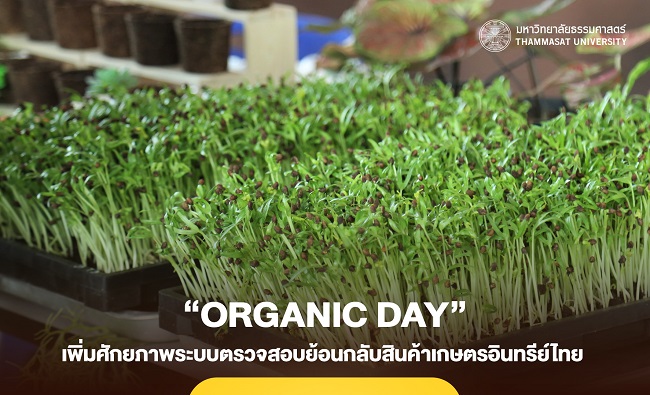
  • Blockchain Technology for Organic Agriculture: The Research and Consultancy Institute of Thammasat University collaborated with the Trade Policy and Strategy Office (TPSO) to develop TraceThai.com, a blockchain platform for tracing Thai organic agricultural products. In September 2023, a team of Thammasat experts conducted a hands-on training workshop for nearly 80 farmers and entrepreneurs in Lopburi. Participants learned to use the platform to track their products from farm to consumer, ensuring transparency and bolstering consumer confidence in organic standards. The project has since expanded to cover not only organic rice but also fruits, vegetables, and processed goods.
  • Digital Agriculture and Capacity Building: The university actively transfers digital knowledge directly to communities. Thammasat organized Digital Agriculture Training for villagers, focusing on implementing modern technology to boost farming efficiency. Furthermore, the university promotes sustainable practices through the Good Agricultural Practices (GAP) Training for farmers of medicinal herbs like Plai across six northern provinces, equipping them with the knowledge to meet international standards, create sustainable income, and enhance the country’s competitiveness.

Innovation for Improved Nutrition and Future Food

Thammasat leverages its research capabilities to tackle malnutrition and secure future food sources through novel products and educational initiatives:

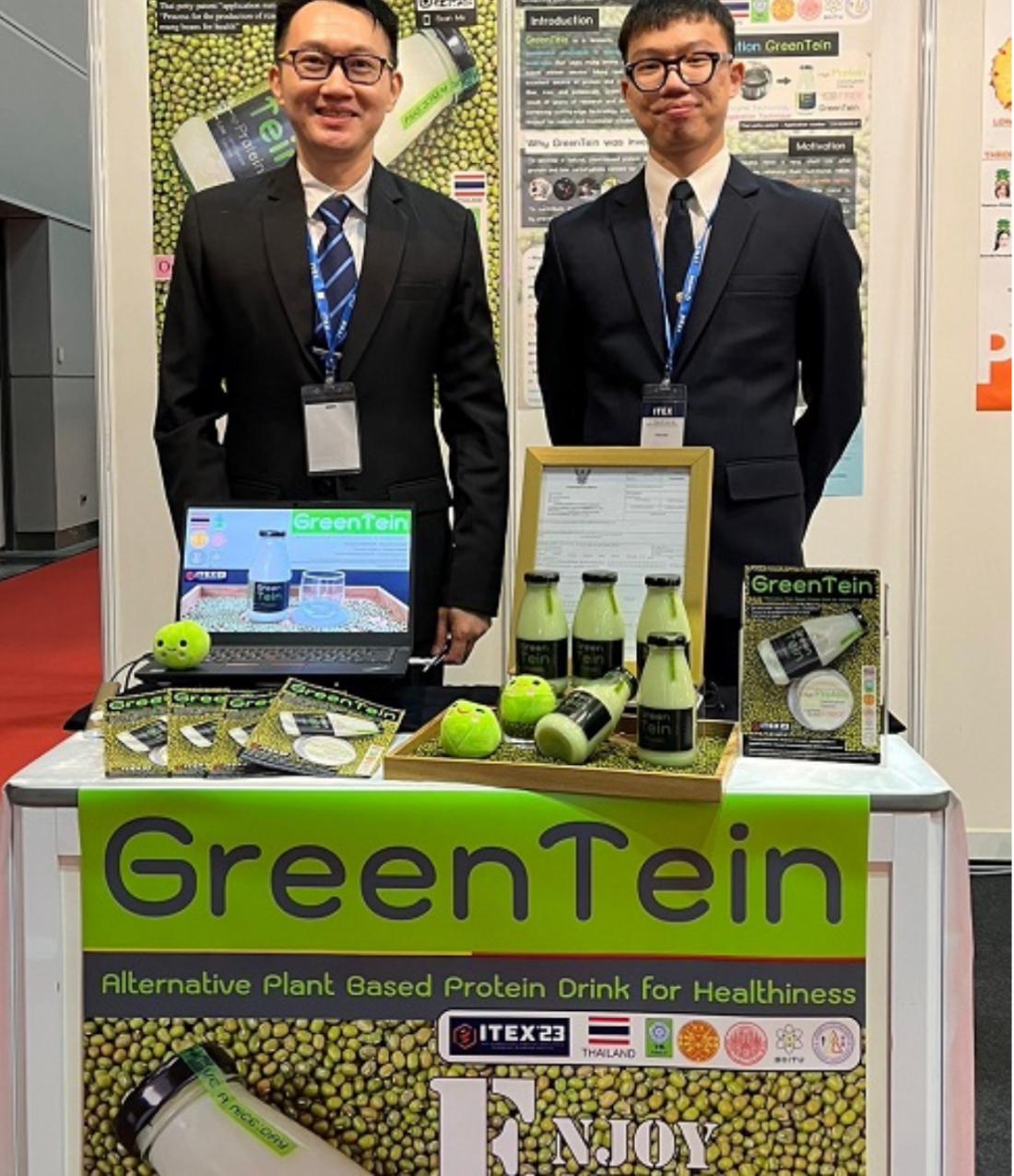
  • Low-Fat Mung Bean Protein: Researchers from Thammasat developed a Low-Fat Mung Bean Protein product, addressing the growing need for sustainable and nutritious alternative protein sources. This innovation directly contributes to achieving better nutritional outcomes (SDG 2.2) by offering a high-quality, plant-based, and healthier food option to the public and potential for commercialization.

  • Next-Generation Capacity Building: Thammasat is committed to educating future leaders in food security. The GH667 course: Transdisciplinary Approaches to Zero Hunger includes field trips for students from Thammasat, Kasetsart University, and the Asian Institute of Technology (AIT). These trips, such as the one held in June 2024 to Zhi Hua Farm and the Thai Farmer’s Way of Life and Spirit Learning Center (Na Hia Chai), expose students to real-world, sustainable, and integrated farming models, fostering a holistic approach to ending hunger.


SDG 1 End Poverty in All Its Forms Everywhere

SDG 1 in Numbers

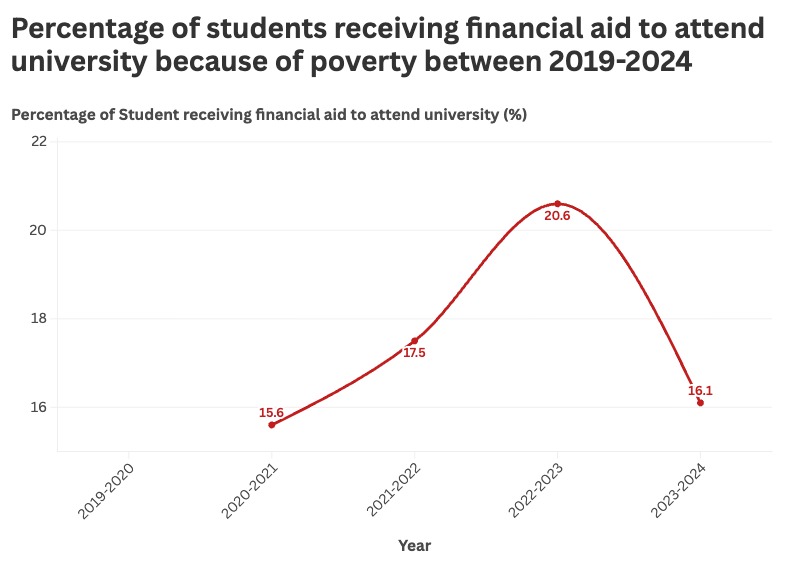
This line graph illustrates the percentage of students at Thammasat University who received financial aid due to poverty from the 2020-2021 to the 2023-2024 academic year. The data reveals a significant increase in financial need, coinciding with the economic impact of the COVID-19 pandemic. The proportion of students requiring aid rose from 15.6% in 2020-2021 to a peak of 20.6% in 2022-2023. Following this peak, the percentage saw a sharp decline to 16.05% in 2023-2024, indicating a period of economic recovery for students and their families post-pandemic.

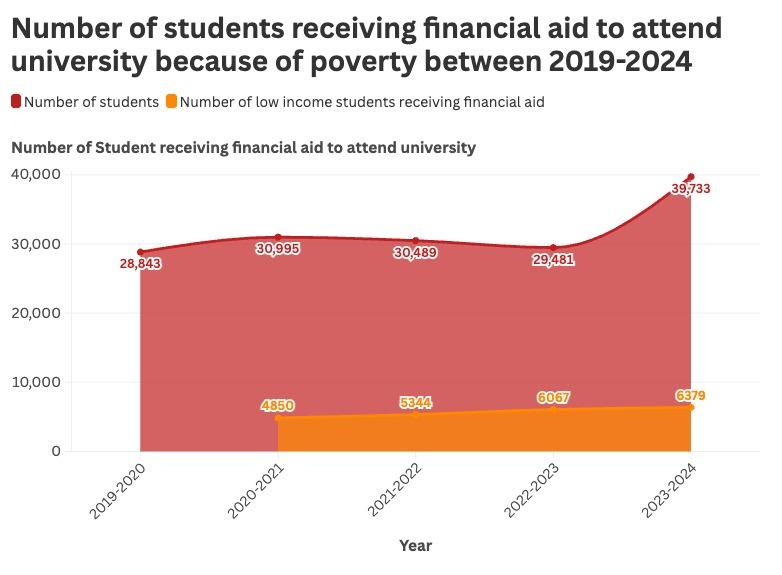
This chart tracks the total student population against the number of students receiving financial aid for poverty from 2019 to 2024. The number of students needing aid grew steadily before plateauing at 6,379 over the final two years. However, the total student population, after remaining stable, surged to 39,733 in 2023-2024. This divergence shows that while the absolute number of students supported remained consistent, financial aid did not expand to match the university’s significant enrollment growth in the most recent year.

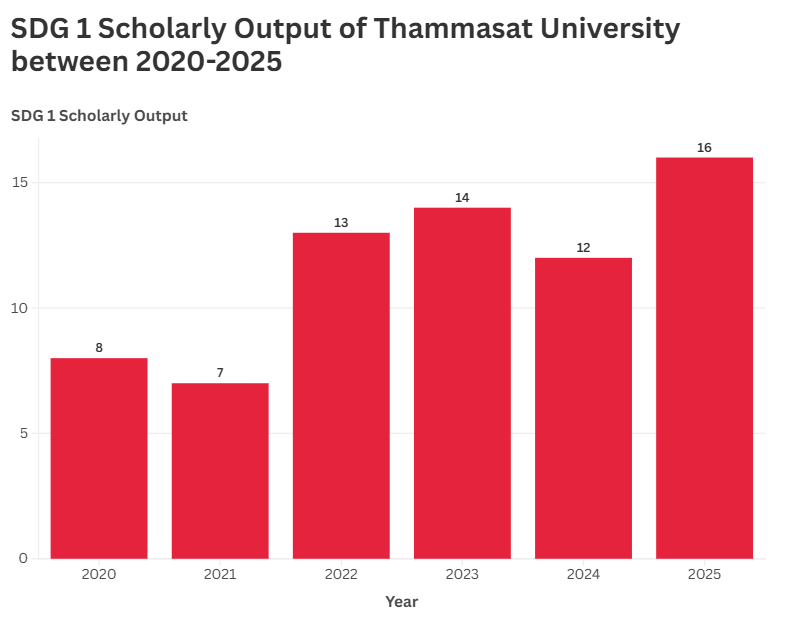
This bar chart highlights Thammasat University’s growing scholarly contribution to SDG 1 (No Poverty) from 2020 to 2025. The data shows a significant overall increase in research output on this topic, rising from 8 publications in 2020to a peak of 16 publications in 2025. This upward trend demonstrates the university’s strengthening commitment and expanding academic focus on addressing the critical global challenge of poverty.


Research in SDG 1

Between 2020 and 2024, Thammasat University produced a significant body of research addressing SDG 1. An analysis of 76 scholarly publications reveals a comprehensive, multi-disciplinary approach to understanding and combating the root causes and consequences of poverty. The university’s research contributions can be broadly organized into four interconnected thematic clusters:

  1. Health and Healthcare Access for Vulnerable Populations: A primary research focus address the critical link between health and poverty. Studies consistently demonstrate how health crises drive financial hardship and how poverty creates systemic barriers to healthcare. This research pays special attention to vulnerable populations- including migrants, informal workers, and the elderly and particularly examining the amplified impacts of shocks like the COVID-19 pandemic and natural disasters on their health and well-being.
  2. Economic Resilience, Labor Markets, and Inequality: This cluster addresses the economic underpinnings of poverty. Researchers investigated the structural drivers of income inequality, the precarity of labor markets for informal and aging workers, and pathways toward greater economic resilience. This includes analyses of macroeconomic policies, foreign direct investment, and the role of social enterprises and inclusive agricultural value chains in fostering economic stability for low-income populations.
  3. Environment, Climate Resilience, and Urban Development: A third area explores the intersection of environment, climate change, and urban planning. This work highlights the disproportionate impact of environmental degradation and natural disasters on the poor. Research projects focus on assessing coastal vulnerability in Thailand, promoting sustainable and inclusive urban planning in cities like Bangkok, and leveraging technology, such as machine learning with geospatial data, for more accurate poverty mapping.
  4. Social Policy, Governance, and Human Rights: The final cluster frames poverty as a systemic issue shaped by social policy, governance structures, and human rights frameworks. This research critically evaluates national social policies and their alignment with poverty reduction goals, the effectiveness of welfare systems, and the protection of human rights, especially in transnational contexts involving migrants and other marginalized communities in Southeast Asia.

Synthesis and Impact

Across all themes, Thammasat’s research demonstrates a strong geographical focus on Thailand—from provincial case studies to national-level analysis—while also extending its scope to the ASEAN region and the broader Global South. A defining feature of this portfolio is its consistent emphasis on specific marginalized groups, including older adults, people with disabilities, and disaster-affected communities. This work is reinforced by a robust collaborative network of leading domestic and international partners, positioning the university as a key hub for providing critical, evidence-based insights essential for developing effective strategies to eradicate poverty.


Outreach and Academic Services in SDG 1

In early 2024, Thammasat University demonstrated a focused commitment to addressing SDG 1 through a series of targeted academic and social service initiatives. A total of 8 key projects were undertaken, adopting a multi-faceted strategy that combined direct support for vulnerable populations, policy-relevant research, and institutional capacity building to create sustainable pathways out of poverty in Thailand. The initiatives can be categorized into three key areas of intervention:

  1. Strengthening Social Safety Nets and Community Welfare (2 initiatives)
    A primary focus was on reinforcing the social welfare system for at-risk groups. The Faculty of Social Administration launched the “Happy Family and Happy Kids” project, a targeted initiative to improve the welfare and living conditions of single-parent families, who are often more susceptible to economic hardship. In parallel, the Puey Ungphakorn School of Development Studies continued its support for grassroots poverty alleviation through its Community Welfare Fund Project, empowering local communities to build their own social protection mechanisms and enhance economic resilience from the ground up.
  2. Policy-Oriented Research and Economic Dialogue (2 initiatives)
    Leveraging its academic strengths, the university contributed to the national discourse on poverty reduction. The Faculty of Economics conducted crucial seminars to inform policy-making. One seminar analyzed the health outcomes resulting from financial subsidies for extremely poor children, providing evidence-based insights into the effectiveness of social welfare programs. Another explored the practical application of educational economics as a tool to break the cycle of intergenerational poverty, directly addressing the root causes of long-term economic disadvantage.
  3. Enhancing Capacity for Social Welfare Administration (4 initiatives)
    Recognizing that effective poverty reduction requires skilled administrators, the Faculty of Social Administration delivered several specialized training programs for local government officials. These courses, such as the “Social Welfare Administrator” program and “Administration of Education and Social Welfare” for local organizations, were designed to enhance the capabilities of local leaders in managing and implementing effective social welfare and educational services. By strengthening the administrative capacity at the local level, Thammasat University is helping to ensure that poverty alleviation efforts are efficient, impactful, and reach those most in need.

Collectively, these initiatives highlight Thammasat University’s comprehensive approach to combating poverty, moving beyond temporary aid to build a foundation of knowledge, skills, and community-based support for a more equitable and prosperous society.

Featured Stories

Driving Public Policy through the “Welfare State Dialogue 2024”

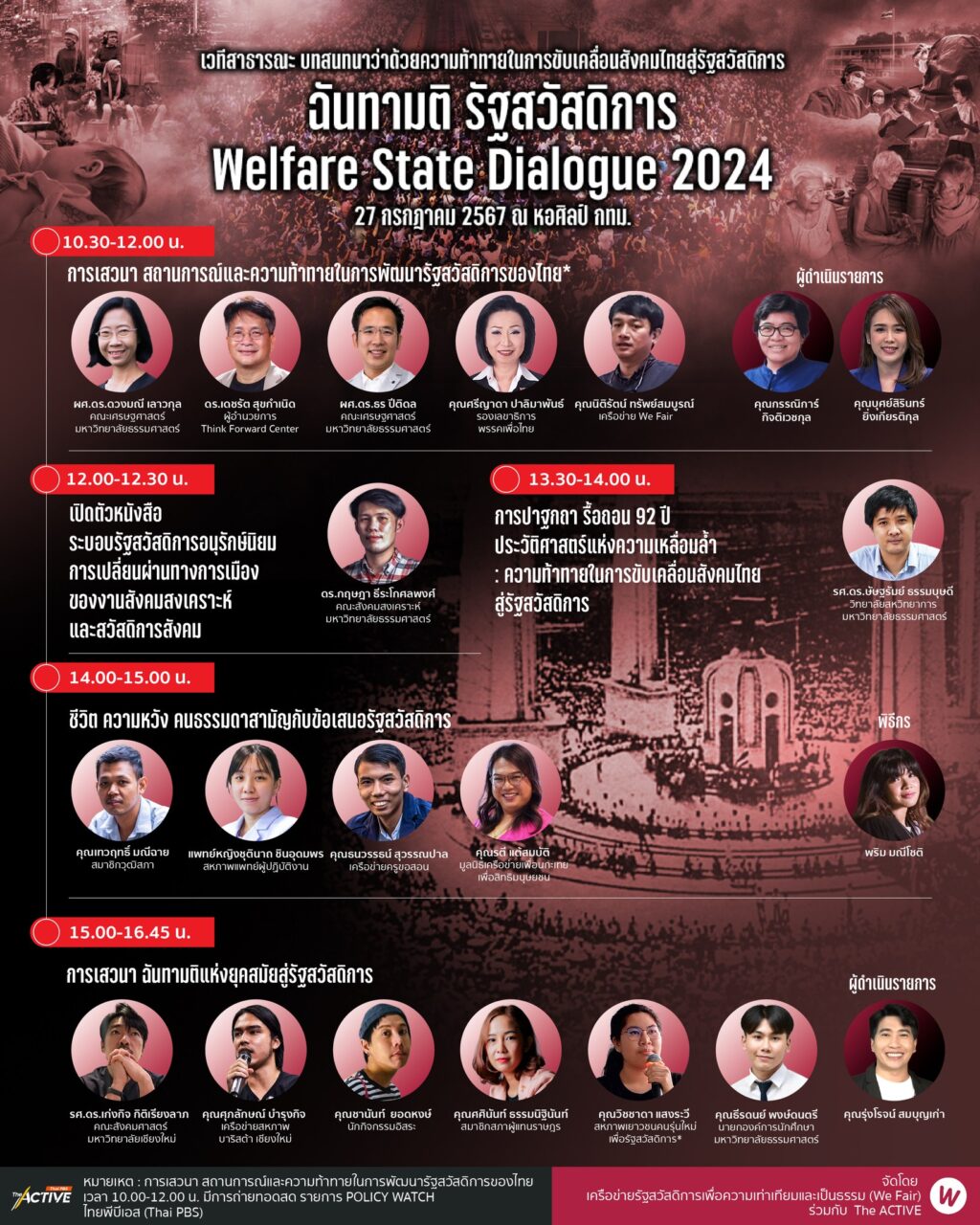
In July 2024, Thammasat University co-organized the public forum to initiate a national conversation on the challenges of advancing Thailand towards a welfare state. The forum featured essential policy data and analysis from key Thammasat academics, including: report on the situation of inequality in Thailand 2024, Thai state Ideology and the development of the Thai social welfare system, history of welfare state movements. The organization of this national public forum, which brought together academics, policymakers, and civil society, underscored Thammasat University’s significant role as a Thought Leader and its intensive contribution to shaping evidence-based public policy for sustainable social security and poverty eradication.

The Role of Research in Educational Policy Highlights Mechanism to Address Educational Poverty

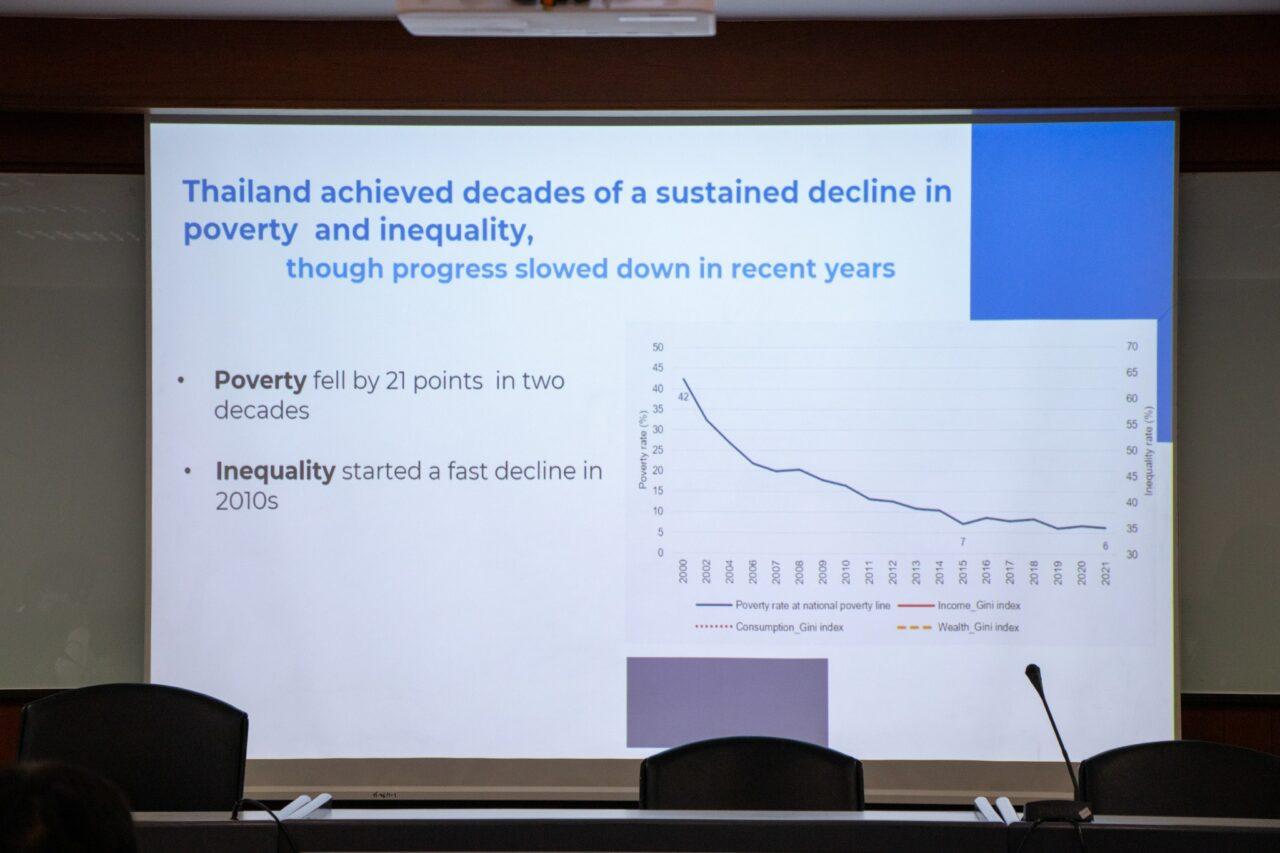
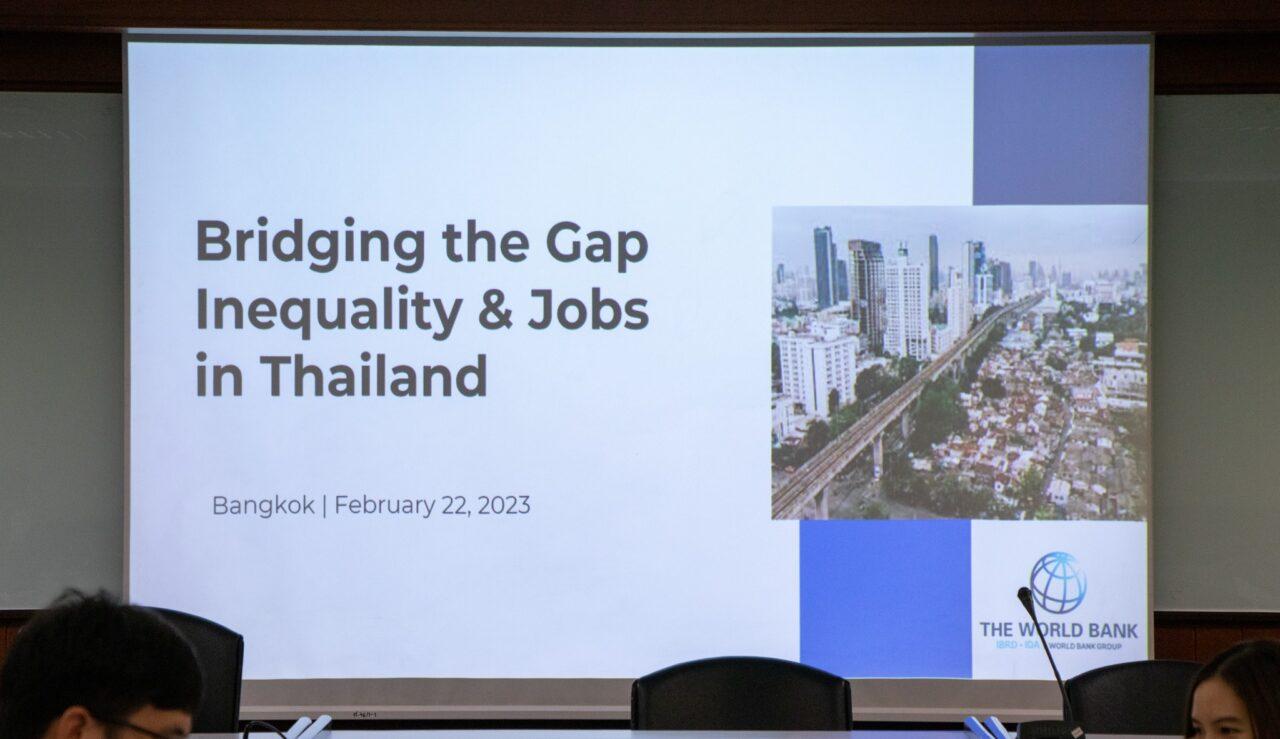
In February 2023, the Centre for Research on Inequality and Social Policy (CRISP) at Thammasat University published major research on “Lessons from Two Decades of Thai Education Reform.” The research indicated that public policies focused on equitable resource allocation (e.g., EEF legislation) are crucial for reducing educational inequality and supporting disadvantaged children. This initiative demonstrates the University’s role as a ‘Think Tank’ that uses empirical evidence to guide policy-making, aiming to tackle structural and intergenerational poverty.
Building Financial Resilience through Saving and Personal Finance Literacy

In the dimension of building individual financial resilience, Assoc. Prof. Dr. Wichai Witayakiattilerd from the Division of Mathematics and Statistics, Faculty of Science and Technology, contributed to disseminating knowledge on saving and personal financial management through public media, such as an article in Workpoint Today (as seen in March 2024). This effort focuses on providing essential financial literacy to the general public, aiming to enhance skills in financial planning, reduce financial risks, and create long-term stability a crucial mechanism for preventing individual poverty.
Thammasat Unveils Sustainability Report 2024: Championing ‘Transformation’ Towards the University of the Future and Cultivating Innovations for Society

“Because the world is changing… Thammasat must change, for a better future for everyone.”

The year 2024 marks a pivotal milestone in the history of Thammasat University. It is the year we fully embrace the strategy of “Transformation: From Now into Future,” a bold initiative designed to reshape the landscape of the university in every dimension. Our goal is clear and ambitious: to evolve into a “Leading Comprehensive University for the Future Society,” ready to tackle the complexities of a rapidly changing world.
A Chronicle of Dedication: The Sustainability Report 2024

The newly released Thammasat University Sustainability Report 2024 is more than just a document; it is a testament to our collective effort. It consolidates the tangible results of our 14 key sustainability policies, which comprehensively cover Environmental, Social, and Governance (ESG) dimensions.

Throughout the 2024 academic year, we have vigorously driven the Sustainable Development Goals (SDGs) under the holistic philosophy of “Good Campus – Good Life – Good Impact.” We believe that a sustainable university must not only provide a green campus but also ensure a high quality of life for its community, thereby creating a ripple effect of positive impact on society at large.

From Vision to Action: Real-World Solutions for Society

The report highlights how we have transitioned from abstract vision to concrete action. Here are just a few examples of how Thammasat’s innovations are solving real-world problems:

  • Healthcare Equity: The “Thai Kit Spacer” Addressing a critical gap in public health, our researchers developed the “Thai Kit Spacer,” an asthma inhaler aid designed and manufactured entirely by Thai talent. This innovation successfully reduced import costs by over 90%, proving that high-quality healthcare does not have to come with a high price tag. It is a lifeline that makes essential treatment accessible to vulnerable populations.
  • Student-Led Change: “WASTE WORTH” We believe in the power of the new generation to change the world. The “WASTE WORTH” project, developed by our students, has ascended from the classroom to the national stage. This smart waste disposal unit is not just a bin; it is a mechanism for the Circular Economy, capable of converting community waste into clean energy, proving that waste can indeed be ‘worth’ something.
  • Legal Mechanisms for the People: The “Clean Air Act” True to our roots as a university for the people, Thammasat has been at the forefront of driving legal reform. We have actively pushed for the “Clean Air Act” and hosted the “Welfare State Dialogue.” These platforms are designed to reduce social inequality and reclaim fundamental rights for citizens, ensuring that the air we breathe and the welfare we receive are fair and just.

The Power of “ONE TU”

All these achievements are propelled by the unified power of “ONE TU.” We have successfully broken down the silos between faculties and departments, shifting our culture from merely “thinking” to “acting” together.

This report serves as a firm confirmation of our promise: Thammasat University will remain a steadfast pillar of society. We are committed to building a future that is not only sustainable but also just and equitable for generations to come.

Thammasat Champions the Fight for ‘Clean Air’: Mobilising Knowledge, Innovation, and Law to Ensure Every Thai Can Breathe Freely

“Clean air is not a luxury; it is a fundamental human right.”

On the occasion of the International Day of Clean Air for Blue Skies (7 September), Thammasat University—standing firm as the “University for the People”—reaffirms its commitment to tackling the invisible crisis of air pollution. We are deploying our full arsenal of academic knowledge, expert insights, and tangible action to drive the national ‘Clean Air’ agenda into reality.

Thammasat is moving beyond the classroom to spearhead change through three strategic pillars:

1. The ‘Thammasat Smart City’ Model: Leading by Example

(Action & Infrastructure)

We believe that change must begin at home. Thammasat has transformed its campus into a “Living Lab” for sustainability under the “Thammasat Smart City” initiative, proving that a low-carbon society is possible.

  • Renewable Energy: We have installed the largest urban rooftop solar system in Asia, drastically reducing our reliance on fossil fuels.
  • Green Innovation: The Thammasat University Rooftop Farm (TURF) acts as a model for urban climate adaptation, absorbing heat, filtering air, and providing organic food simultaneously.
  • Decarbonising Transport: We have overhauled our campus mobility with a fleet of EV Buses, actively reducing tailpipe emissions at the source.

2. The ‘Intelligence Unit’: Big Data & Public Health

(Research & Innovation)

To solve the PM2.5 crisis, we need precise data. The Faculty of Public Health has established the Coordination Centre for Clean Air and Climate Change (CCCACC)—the first centre of its kind in Thailand. Acting as the nation’s “Brain,” the centre is led by experts like Dr Supat Wangwongwatana, who has been granted funding to establish a “Hub of Talents.” His team is developing a national Big Data system for PM2.5. This initiative moves beyond simple monitoring; it aims to analyse, predict, and manage air quality crises with scientific precision, protecting the health of the population.

3. The ‘Legal Shield’: Pushing for the Clean Air Act

(Policy & Law)

Perhaps the most critical battleground is the law. The Natural Resources and Environmental Law Centre at the Faculty of Law is serving as the spearhead for structural change. Associate Professor Dr Surasak Boonruang, a leading legal expert, has played a pivotal role in drafting and advocating for the “Clean Air Act (Citizen’s Draft).” This legislation is crucial. It aims to elevate clean air from a policy promise to a legally guaranteed right, establishing clear accountability and mechanisms to tackle pollution across the country.

A Unified Breath for the Future

These initiatives are but a fraction of Thammasat’s dedication. By uniting the power of administrators, academics, and students, we are sending a powerful message: We will not stop until the haze clears. We are building a future where every Thai citizen can look up at a blue sky and breathe in fully, safely, and without fear.

SDG Move Thammasat Reinforces Alliances, Co-Hosting ‘Sustrends 2026’ to Unveil the Future of Sustainability

In a continued effort to drive Thailand towards a greener future, Thammasat University, through the Centre for SDG Research and Support (SDG Move) under the Faculty of Economics, once again stepped up as a key partner for ‘Sustrends 2026’.

Held on 27 August 2025 at the Benchakitti Forest Park Museum, this premier annual seminar serves as a vital platform for updating the nation on the most critical sustainability trends. It is a space where knowledge is exchanged, and inspiration is ignited to drive Thai society towards sustainability in every dimension.

A Convergence of Changemakers 

The ‘Sustrends’ forum is organised through a robust collaboration of diverse sectors, led by The Cloud—an online media platform dedicated to creative social storytelling—alongside heavyweights such as the United Nations Development Programme (UNDP), the Office of the National Economic and Social Development Council (NESDC), the Bangkok Metropolitan Administration (BMA), and various other sustainability networks.

A Steadfast Partnership 

SDG Move’s involvement with Sustrends has been consistent and impactful. having served as a Co-organising Partner since 2023 (for Sustrends 2024) and again in 2024 (for Sustrends 2025), the Faculty of Economics has consistently deployed its personnel to share expertise on stage. This enduring relationship reflects a deep commitment to pushing the sustainable development agenda alongside the country’s leading networks.

Showcasing Impact and Innovation 

For Sustrends 2026, SDG Move maintained its pivotal role not only as a co-organiser but also as a key exhibitor. The centre’s booth attracted significant interest, showcasing the centre’s mission which aligns with the Sustainable Development Goals (SDGs), and highlighting Thammasat University’s impressive performance in the THE Impact Rankings 2025.

Spotlight on Innovation: “Urban Mining” 

A highlight of the event was the visionary talk by Associate Professor Dr Kriengkrai Techakanont from the Faculty of Economics, Thammasat University. Selected as one of the 15 distinguished speakers, he presented a compelling case for “Urban Mining: Extracting Value from End-of-Life Vehicles.”

Dr Kriengkrai illuminated a hidden economic opportunity, pointing out that the city’s accumulation of end-of-life vehicles (ELVs) is not merely waste, but a potential economic treasure trove worth over 200 billion THB.

  • The Circular Approach: He argued that managing these vehicles correctly is not just about waste disposal; it is a perfect model for the Circular Economy, turning scrap into valuable resources.
  • Call for Legislation: To unlock this potential and solve environmental issues sustainably, he proposed that Thailand must seriously consider enacting specific legislation to support the management of ELVs.

Read the full article from the speakers at The Cloud Facebook Page.

Thammasat Reaffirms Global Leadership in SDG 16, Achieving an Impressive 96.13 in the 2025 Integrity and Transparency Assessment (ITA)

Bangkok – 21 August 2025 – Thammasat University continues to set the standard for institutional governance. The university has officially announced the results of the Integrity and Transparency Assessment (ITA) for the Fiscal Year 2025, achieving a remarkable score of 96.13.

Classified as ‘Pass Good’ by the National Anti-Corruption Commission (NACC), this result is not merely a statistical improvement; it serves as a robust reinforcement of Thammasat’s role as a strong, transparent institution aligned with the United Nations’ Sustainable Development Goal (SDG) 16.

Exceeding Strategic Targets

This year’s assessment represents significant development, marking an increase of 1.40 points compared to the Fiscal Year 2024 (94.73 points). Furthermore, this achievement surpasses the challenging target set in Thammasat University’s Strategic Plan No. 13, which aimed for a minimum benchmark of 95 points.


Deep Dive: What is the ITA?

The Integrity and Transparency Assessment (ITA) is a proactive anti-corruption tool utilised by the NACC to evaluate public sector agencies across Thailand. Its goal is to elevate governance standards and create a society that does not tolerate corruption. The assessment is rigorous, comprising three main components:

  1. Internal Integrity and Transparency Assessment (IIT): Surveys the opinions of “Insiders” (university personnel) regarding the organisation’s integrity, operational culture, and internal anti-corruption measures.
  2. External Integrity and Transparency Assessment (EIT): Surveys the perspectives of “Outsiders” (service recipients, students, suppliers, and external stakeholders) who interact with the university, measuring their experience of transparency and fairness.
  3. Open Data Integrity and Transparency Assessment (OIT): A strict verification of the data the university discloses to the public via its website. This includes procurement data, operational plans, and budget expenditure to ensure maximum transparency and public scrutiny.

Linking Local Action to Global Goals (SDG 16)

Thammasat’s success in the national ITA is directly linked to its commitment to SDG 16: Peace, Justice, and Strong Institutions, a goal prioritised globally.

  • Target 16.5: Substantially reduce corruption and bribery in all their forms.
  • Target 16.6: Develop effective, accountable, and transparent institutions at all levels.

Empirical Proof of a “Strong Institution” 

Achieving a high ITA score acts as empirical evidence that Thammasat is a “Strong Institution” with effective and transparent operations.

This domestic success perfectly aligns with the university’s international standing. Recently, Thammasat University was ranked No. 1 in Thailand and No. 4 in the World for SDG 16 in the prestigious THE Impact Rankings 2025.

The rising ITA score is more than just a number; it is a confirmation of Thammasat University’s unwavering commitment to being a model institution rooted in good governance. It demonstrates that Thammasat is ready to be a key force in driving Thai society towards sustainable transparency.