Thammasat Dispatches Relief Aid to the South Today… But We Must Face a Bigger Challenge: How Do We Build Sustainable Resilience Against “Disaster Vulnerability”?

HIGHLIGHTS

  • Strengthening Climate Resilience under SDG 13: The floods emphasize the urgent need to shift from reactive disaster response toward proactive resilience-building and adaptive capacity in line with SDG 13.1.
  • Reducing Disaster Loss through Sustainable Urban and Community Planning (SDG 11): The event reinforces the importance of disaster-risk-informed planning to minimise human and economic losses, reflecting SDG 11.5.
  • Ensuring Education Continuity via Disaster Relief Scholarships: Thammasat University launched Disaster Relief Scholarships (Academic Year 2025) to support affected students and prevent learning disruption during crises.
  • From Relief to Long-Term Preparedness and Social Solidarity: The “Thammasat Stream of Kindness” initiative demonstrates compassion in action while strengthening a culture of readiness and community resilience.

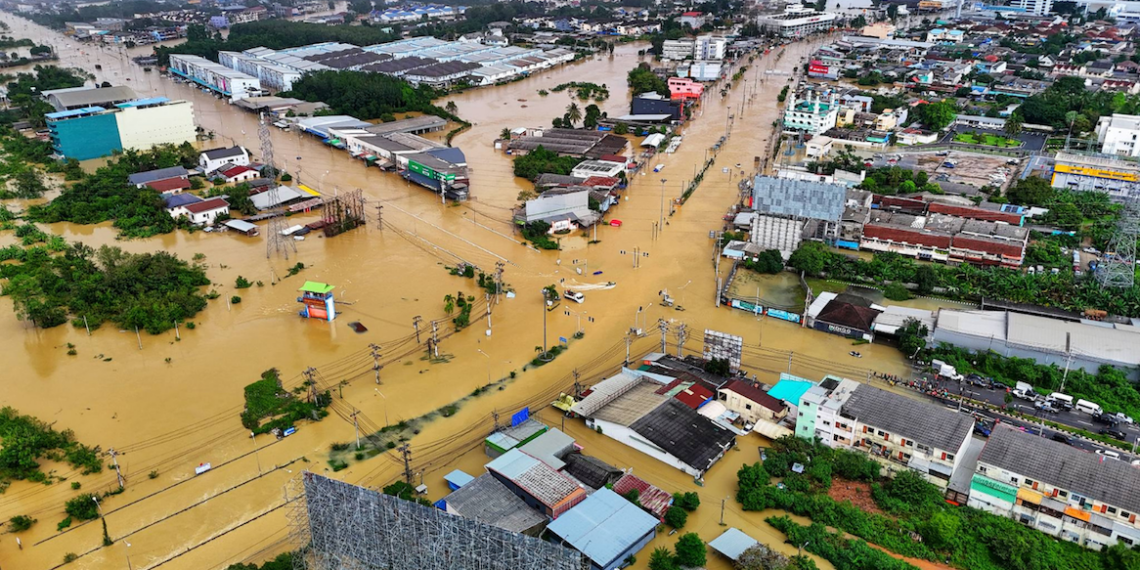
A convoy of vehicles laden with essential survival bags under the banner of “Thammasat Stream of Kindness” set out toward crisis zones in Southern Thailand, carrying with them not only relief supplies, but also hope, solidarity, and compassion. Their mission is clear: to deliver urgent, life-saving assistance to communities suffering the devastating impact of severe flooding.

Yet, when viewed through the lens of the Sustainable Development Goals (SDGs), this mobilization represents far more than a humanitarian response in the moment. It stands as a powerful wake-up call — urging Thai society to confront the realities of climate-related disasters and to internalise the critical lessons embedded within SDG 11 (Sustainable Cities and Communities) and SDG 13 (Climate Action).

If Thailand is to withstand the future, we must not only respond to crises — we must learn from them, prepare for them, and transform our systems around resilience.

We Must Build “Immunity” to Disasters, Not Just Wait to Solve Immediate Problems (SDG 13: Climate Action)

The severity of these floods serves as a harsh reminder that Climate-related disasters are a reality, and they are intensifying. The core objective of SDG 13 (Target 13.1) is not merely about lowering global temperatures; it is fundamentally about “Building Resilience.” We must shift our focus from scrambling to fix problems as they arise to fortifying our communities beforehand. The goal is to enhance our capacity to adapt and recover, ensuring that when extreme weather strikes, our communities possess the structural and social strength to withstand the shock without collapsing.

Cities Must Minimise Loss from Disasters (SDG 11: Sustainable Cities and Communities)

When the floodwaters eventually recede, the scars of destruction remain. The massive challenge posed by SDG 11 (Target 11.5) is how to significantly reduce the negative impacts of disasters—both in terms of the number of people affected and the direct economic losses relative to GDP. Urban management and community planning must henceforth be designed with Disaster Risk Reduction (DRR) at the forefront. We must prioritise protecting the lives and livelihoods of the most vulnerable groups, ensuring that our infrastructure acts as a shield rather than a hazard during crises.

Education Must Move Forward, Even in the Face of Disaster

A crucial element of sustainable recovery is ensuring that opportunities—specifically educational opportunities—are not washed away by the flood. A natural disaster should not mean the end of a student’s future. Therefore, the University must fulfil its duty as a “Safety Net.” We must cushion the blow, ensuring that the impact on our learners is minimised to the absolute limit.

In response, Thammasat University has announced the opening of Disaster Relief Scholarships for the Academic Year 2025, extending support to students whose families have suffered loss of life or damage to property. The initiative aims to stabilise their educational journey, reduce financial interruption, and affirm that — even in the face of disaster — learning must continue. Details for requesting the scholarship are available here: https://www.facebook.com/share/p/17XNMicaU6

The “Thammasat Stream of Kindness” initiative therefore represents more than relief logistics; it symbolises a collective commitment to preparedness, compassion, and shared responsibility. It invites Thai society to not only respond to crises, but to learn from them — to transform vulnerability into resilience, reaction into anticipation, and emergency relief into long-term readiness.

We extend our deepest moral support to the people of Southern Thailand and call upon the Thammasat community to move forward together toward a future that is not merely reactive, but truly “Prepared to Cope” with every crisis that may come our way.
Ministry of Higher Education Receives ‘Clear Soil’ Innovation: A Thammasat Research Breakthrough to Rehabilitate Agricultural Land Post-Flood

HIGHLIGHTS

  • MHESI adopts Thammasat’s “Clear Soil” innovation for post-flood recovery: A biotechnology-based soil detoxification solution developed by Thammasat University is officially deployed by MHESI and NRCT to rehabilitate contaminated farmland in flood-affected areas nationwide.
  • Restores soil safety using local microorganism bioremediation technology: Clear Soil” uses indigenous beneficial microbes to transform heavy-metal residues into non-toxic forms — reducing contamination by 50–100% within one month while preserving ecological balance.
  • From research to real-world Sandbox testing in disaster zones: Pilot implementations in Phetchabun and Wiang Kaen (Chiang Rai) show faster farmland recovery, improved crop readiness, and safer agricultural production compared to natural restoration.
  • Advancing food safety, farmer resilience, and sustainable agriculture: The innovation strengthens disaster-response capacity, protects farmer livelihoods, and supports Thailand’s transition toward residue-free, environmentally responsible food systems.

In a significant step towards sustainable post-disaster recovery, the Ministry of Higher Education, Science, Research and Innovation (MHESI) has officially adopted a cutting-edge agricultural innovation developed by Thammasat University — marking an important moment where research output is translated into practical tools for public benefit.

On 21 November, Mr Surasak Pancharoenworakul, Minister of MHESI, together with the executive team of the MHESI Flood Situation Operation Centre, presided over a ceremony to receive research-based innovations from the National Research Council of Thailand (NRCT). These innovations — including environmental restoration technologies and disaster-response solutions — are being mobilised for immediate deployment to flood-affected communities nationwide, reflecting the government’s determination to accelerate scientific assistance to vulnerable farming households.

The Highlight Innovation: “Clear Soil” 

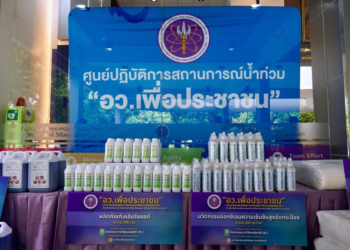
Taking centre stage at the handover was “Clear Soil”, a pioneering biological agent designed specifically for the detoxification of soil. This breakthrough is the brainchild of Associate Professor Dr Dusit Athinuwat, a distinguished lecturer and researcher at the Faculty of Science and Technology, Thammasat University. Developed with funding and strategic support from the NRCT, Clear Soil represents a triumph of Thai biotechnology applied to real-world crises.

Restoring Soil Health for Food Safety 

While floodwaters eventually recede, they often leave behind an invisible and dangerous legacy: soil contamination. Agricultural lands are frequently tainted with heavy metals and toxic substances carried by the deluge, posing a direct threat to crop quality, the health of farmers, and consumer food safety.

“Clear Soil” was developed to tackle this precise challenge. It utilises local microorganism technology—beneficial microbes indigenous to the environment—which possess the unique ability to digest, degrade, or transform heavy metal residues in the soil into non-toxic forms that do not harm plants. This process, known as bioremediation, restores the soil’s ecological balance naturally.

Proven Efficiency — Fast, Practical, and Farmer-Ready

Field experiments and real-world pilot programmes have demonstrated strong performance. Clear Soil is capable of reducing heavy-metal concentrations in contaminated soil by 50% to 100% within approximately one month, depending on initial contamination levels and environmental conditions.

Equally important is its ease of application. No specialised machinery or technical expertise is required — farmers simply mix the microbial agent with water and spray it across the affected area. The microorganisms then work autonomously beneath the soil surface, accelerating natural recovery processes that would otherwise take years.

This design reflects a key research principle behind the innovation: technology should empower farmers, not burden them.

From Lab to Land: Elevating Thai Agricultural Standards

The NRCT has actively supported the expansion of this research from the laboratory to “Sandbox” testing in real disaster zones. Pilot projects have already been successfully implemented in:

  • Phetchabun Province: Helping vegetable and crop farmers recover their land.
  • Wiang Kaen District, Chiang Rai Province: Specifically revitalising famous Pomelo orchards damaged by flooding.

The results in these areas have been overwhelmingly positive, proving that the treated soil returns to a state suitable for cultivation much faster than natural recovery would allow.

A Commitment to ‘Innovation for the People’ 

The deployment of “Clear Soil” is not merely an act of immediate relief; it is a strategic move to lay the foundation for a safer, residue-free agricultural system in Thailand. It underscores Thammasat University’s unwavering mission to create “Innovation for the People”—transforming complex scientific knowledge into tangible, practical solutions that solve real problems and elevate the quality of life for all Thais.

QS Sustainability Rankings 2026: Thammasat Secures 4th Place in Thailand, Distinguished by Global Excellence in Governance and Social Impact

HIGHLIGHTS

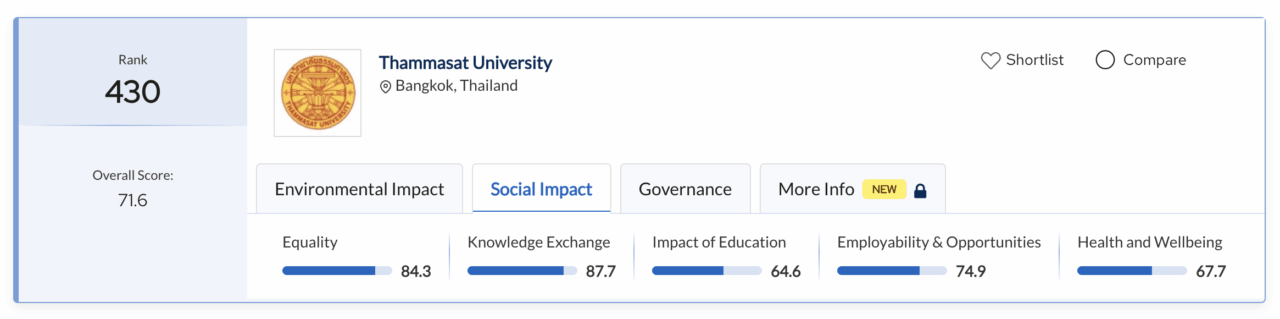
  • Thammasat ranks 430th globally & 4th in Thailand in QS Sustainability 2026: With an overall score of 71.6, the ranking reflects the University’s growing role in driving social, environmental, and governance impact at both national and global levels.
  • Outstanding performance in Governance — 89.3 points: Thammasat’s strong score demonstrates a robust foundation of transparency, institutional integrity, and participatory decision-making, reinforcing governance as a core driver of sustainable development.
  • High Social Impact through Knowledge Exchange & Equality: The University achieved 87.7 in Knowledge Exchange and 84.3 in Equality, highlighting its longstanding mission as a “University for the People” — expanding opportunity, reducing inequality, and transferring knowledge to communities and industries.
  • Advancing sustainability through Environmental Education: With 66.2 points in Environmental Education, Thammasat continues to embed sustainability thinking into teaching and learning — cultivating “green mindsets” and preparing future leaders for a just and sustainable society.

On 18 November 2025, Quacquarelli Symonds (QS), the world’s leading provider of education analytics and institutional benchmarking, officially announced the results of the QS World University Rankings: Sustainability 2026 — an assessment designed to measure how effectively universities contribute to solving global social and environmental challenges.

This year marks a historic milestone. Nearly 2,000 institutions worldwide joined the evaluation, representing a clear shift in the global higher education paradigm. Universities are no longer competing merely on reputation or research citations; they are now being assessed on their real-world impact, ethical leadership, and contributions to people, planet, and prosperity.

A Testament to Institutional Quality 

n this highly competitive global landscape, Thammasat University ranked 430th globally and proudly secured its position as the 4th ranked university in Thailand, achieving an overall score of 71.6 points.

Beyond the numerical results, the ranking serves as a mirror reflecting the deeper institutional identity of Thammasat — an identity rooted not only in academic excellence, but also in governance, social responsibility, democracy, and public service.

A closer examination of the score breakdown reveals distinctive strengths that align closely with Thammasat’s long-standing mission and historical role in Thai society.

Governance: The Bedrock of Sustainability

The most striking achievement for Thammasat this year is its exceptional performance in the Governance category. The university was awarded a remarkable score of 89.3.

This high score is not accidental; it is a direct reflection of Thammasat’s historical legacy and its successful implementation of a transparent, robust management system. It validates the university’s commitment to the Rule of LawInstitutional Integrity, and Participatory Decision-Making. In an era where sustainability is often equated only with the environment, Thammasat has proven that strong governance is the foundation upon which all other sustainable developments are built.

Social Impact: From a ‘Market of Wisdom’ to a ‘Global Knowledge Hub’ 

Thammasat continues to uphold its reputation as a thought leader and a caretaker of society. Under the Social Impact dimension, the university excelled in two key indicators:

  • Knowledge Exchange (87.7 points): This score highlights our success in transferring academic knowledge out of the ivory tower and into the hands of the community and industries, fostering collaboration across borders.
  • Equality (84.3 points): This reinforces Thammasat’s spirit as a “University for the People,” dedicated to reducing social inequality and ensuring accessible education for all.

Environmental Impact: Integrating Green Minds

In the realm of Environmental Impact, Thammasat continues to drive its Green University policy forward. Notably, the university scored 66.2 in Environmental Education, demonstrating a concerted effort to embed sustainability concepts directly into the curriculum. We are not just building green buildings; we are cultivating “green mindsets” in the next generation of leaders.

Beyond the Rankings: Real-World Impact 

The QS Sustainability Rankings are not an assessment of policy statements or strategic intentions alone; they evaluate whether universities can demonstrate tangible, evidence-based societal outcomes. For Thammasat University, the 2026 results therefore function both as validation of its institutional strengths and as a strategic guide for future development.

They affirm that strong governance remains the foundation of institutional trust, that social justice continues to serve as the moral engine of the University’s progress, and that education at Thammasat is consistently oriented toward the public good — both nationally and globally. As the University moves toward becoming a fully realised “University of Sustainability,” it continues to uphold its mission to generate knowledge for society, nurture responsible future leaders, and create impact that extends far beyond the boundaries of the campus.

Reference: https://www.topuniversities.com/sustainability-rankings?search=thammasat

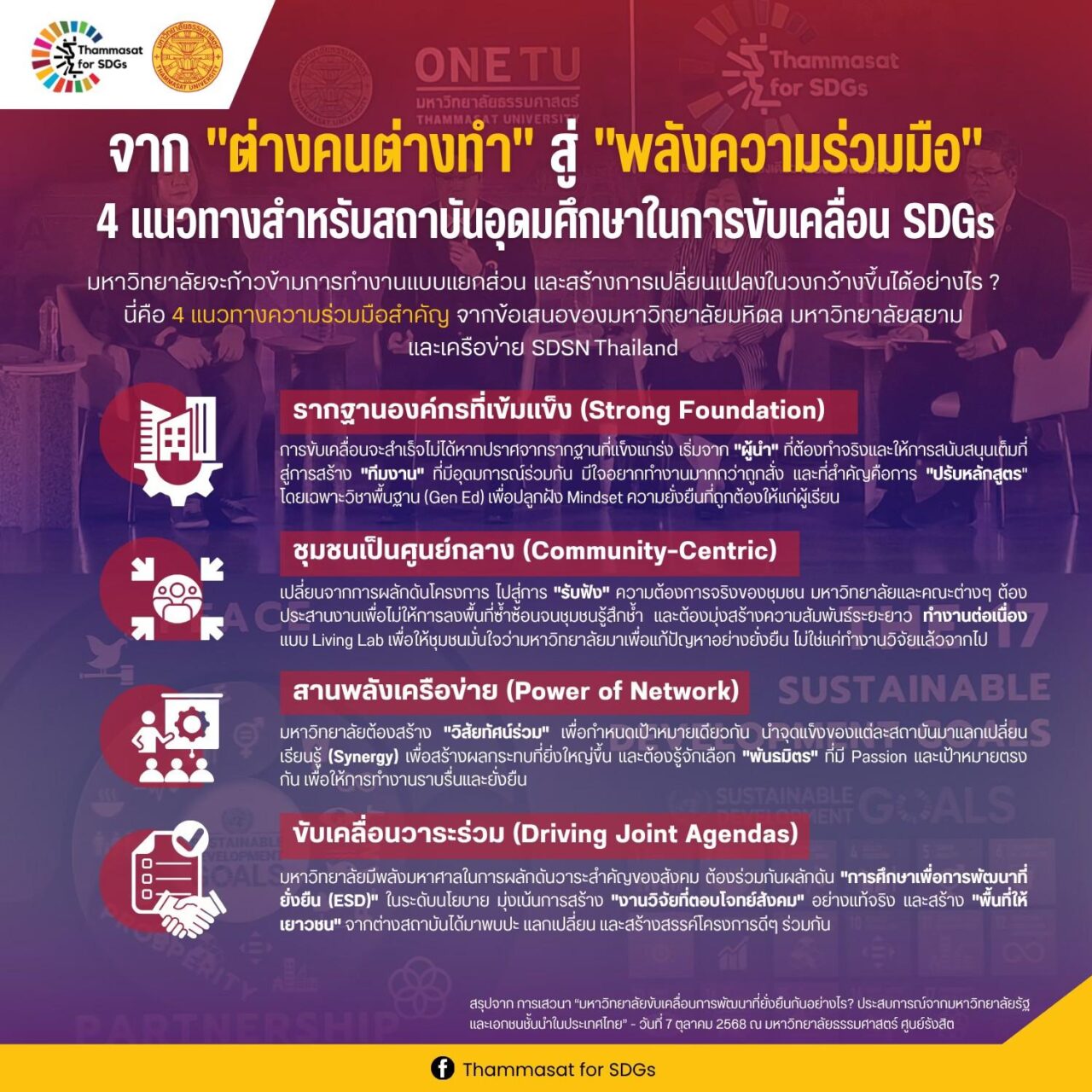
From “Silos” to “Synergy”: 4 Strategic Pathways for Higher Education to Drive the SDGs

HIGHLIGHTS

  • Universities must evolve from isolated operations to Collective Impact ecosystems: The seminar highlighted that sustainability in higher education requires breaking down silos and integrating knowledge, resources, and values to generate meaningful, scalable transformation aligned with the SDGs.
  • Leadership, shared values, and curriculum reform form the backbone of change: Speakers emphasised the importance of strong institutional leadership, intrinsically motivated teams, and Gen Ed curriculum redesign to cultivate a sustainability mindset and empower students to solve real-world problems.
  • Community partnership over project extraction: Universities are encouraged to shift from short-term, top-down interventions to long-term “living lab” relationships that listen to community needs, reduce community fatigue, and co-create sustainable solutions.
  • Network synergy and common agendas amplify national-level impact: Collaborative university networks — aligned through shared missions such as Education for Sustainable Development and youth engagement platforms — can create greater social impact than institutions working alone.

Driving the Sustainable Development Goals (SDGs) has become a mission that tests the readiness and maturity of higher education institutions around the world. In the past, university operations were often fragmented — faculties, departments, and research centres working independently, each driven by its own KPIs and priorities. While such efforts created localised benefits, they rarely translated into systemic change.

Today, however, the global climate, social inequality, environmental crises, and structural vulnerabilities confronting society demand a different approach. Universities can no longer operate as isolated units; they must evolve into interconnected ecosystems capable of generating Collective Impact — a collaborative force that integrates knowledge, resources, and values to produce meaningful, scalable, and sustainable transformation.

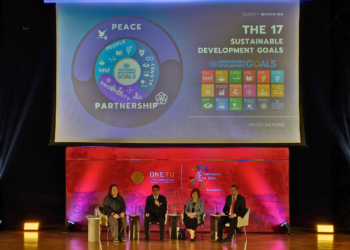
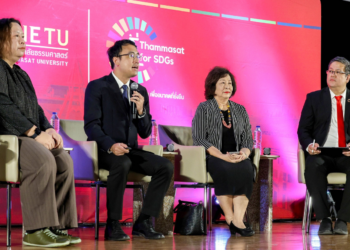
The seminar “How Universities Drive Sustainable Development” brought together real operational experiences from Mahidol University, Siam University, and SDSN Thailand. The discussion distilled four essential pathways that illustrate how universities can transcend siloed working cultures and move toward a model of development grounded in collaboration, continuity, and social commitment.

Strong Organisational Backbone

Before an institution can hope to change the world outside, it must first ensure its internal foundation is solid. Prof. Emeritus Dr Chanita Rukspollmuang (Siam University) emphasised that “Leadership is paramount.” If university leaders are serious and provide full, unwavering support, the drive for sustainability becomes a reality rather than just a policy on paper.

Furthermore, successful movements require a team united by shared ideology—staff and faculty who come with a “heart for the work” (intrinsic motivation). This passion yields far superior results compared to work done merely to satisfy a top-down command.

Another crucial element is the “Curriculum Overhaul,” particularly in General Education (Gen Ed) subjects. The goal is to cultivate a “Sustainability Mindset” in every student, regardless of their major. Siam University, for instance, has revamped its Gen Ed curriculum to ensure students witness real-world problems, realising that their ideas have the power to create actual change.

The Community-Centric Approach

A significant issue echoed by all speakers is the phenomenon of “Community Fatigue” (or ‘Chumchon Chum’). Asst. Prof. Dr Panon Latcharote (Mahidol University) illustrated a common scenario: multiple faculties from the same university—or even different universities—descend upon the same community to conduct research without coordination. This redundancy burdens the locals and creates negative sentiment.

The solution requires a paradigm shift: moving from “Pushing” university-led projects onto a community, to “Listening” and allowing the community to signal their true needs to the university.

Prof. Emeritus Dr Chanita added that Siam University employs a strategy of “Sticking with the Community.” This means using community problems as the starting point and committing to a continuous, long-term relationship—a “Living Lab” model. It is not about finishing a course and leaving; it is about staying until the problem is solved. This consistency builds trust and proves that the university is a partner in sustainable solutions.

Synergising Networks

When working alone has its limits, “Synergising Networks” is the way forward. Khun Nanthinee Malanon (SDSN Thailand) pointed out that while many university networks exist at various levels, the missing piece is often a lack of alignment. The challenge is: How do we bring these networks together to “set a shared vision”?

Creating “Synergy” is key. Asst. Prof. Dr Panon cited the initiative between Mahidol University and Thammasat University as a prime example. By combining the unique strengths of two major institutions, they can generate a “Real World Impact” that neither could achieve alone.

Meanwhile, Prof. Emeritus Dr Chanita advised that choosing the right partners is crucial. Collaborating with partners who share the same Passion and Vision ensures that the joint effort is smooth, resilient, and successful.

Driving a Common Agenda

Once a strong network is established, the next step is to formulate a “Common Agenda” to push for widespread change. Khun Nanthinee proposed two critical agendas that universities should advocate for together:

  1. Education for Sustainable Development (ESD): Pushing ESD into national higher education policy. This is a collective mission from which every university benefits.
  2. Creating “Youth Spaces”: establishing platforms where students from different universities can meet, exchange ideas, and conduct activities together. This solves the problem of student groups working in isolation and amplifies their positive impact.

This “Common Agenda” can operate at both the national policy level and the local level. A tangible example is how Siam University drove the “Safe Pavement” agenda with the Phasi Charoen District, resulting in the S-Guard Innovation—a practical solution for pedestrian safety derived from shared goals.

Conclusion — Collaboration as the Pathway to Meaningful Sustainability

The insights drawn from this seminar underscore a fundamental truth: universities can no longer operate as separate entities pursuing isolated achievements. To drive sustainability in a meaningful and enduring way, they must cultivate strong internal structures, embrace communities as genuine partners, leverage network synergies, and push forward collective agendas that extend beyond institutional boundaries.

Only through this transformation can the wisdom, intellectual capital, and moral responsibility of higher education institutions evolve into real, measurable, and lasting sustainability — not only for academic communities, but for society as a whole.

Summarised and expanded from the seminar “How Universities Drive Sustainable Development? Experiences from Leading Public and Private Universities in Thailand,” held on 7 October 2025 at Thammasat University, Rangsit Centre.

From Ivory Towers to Changemakers: How Universities are Driving the SDGs — Insights from Mahidol, Siam University, and SDSN Thailand

HIGHLIGHTS

  • Universities emerge as key drivers of sustainable development: The seminar showcased how Thai universities are moving beyond traditional academic roles to become active agents translating knowledge into real-world impact aligned with the SDGs.
  • Mahidol University delivers policy impact and campus transformation: Mahidol advances “Real World Impact” through public-policy advocacy on health and environment, peace-building initiatives, green-campus development, curriculum reform, and sustainability leadership programmes.
  • Siam University pioneers a ‘Sustainable District’ through community co-creation: With its Whole-Institution Approach and UPC4Local Action Model, Siam integrates SDGs across 90% of courses and co-develops tangible community solutions such as pedestrian-safety innovation and zero-waste circular economy projects.
  • SDSN Thailand strengthens the national ecosystem for SDG action: Acting as a connector across sectors, SDSN Thailand empowers leadership, promotes Education for Sustainable Development, supports transdisciplinary research, and amplifies university-led solutions for broader societal change.

Universities, once viewed primarily as “intellectual powerhouses” confined to the classroom, are undergoing a radical transformation. Today, they are stepping up as critical “Key Players” in driving the United Nations’ Sustainable Development Goals (SDGs).

The recent seminar, “How Universities Drive Sustainable Development,” held at Thammasat University, painted a vivid picture of this paradigm shift. It showcased the distinct yet convergent strategies of Thailand’s leading institutions, proving that whether public or private, large or small, higher education has a pivotal role to play in saving the planet.

This article summarises the key takeaways and operational experiences from Mahidol UniversitySiam University, and the Sustainable Development Solutions Network (SDSN) Thailand.

Mahidol University: From ‘Wisdom of the Land’ to Real-World Impact

Mahidol University approaches the SDGs through its guiding vision of being the “Wisdom of the Land.” Rather than viewing the 17 goals in isolation, Mahidol adopts a holistic view, focusing on creating “Real World Impact.”

Asst. Prof. Dr Panon Latcharote presented Mahidol’s strategy, which leverages its historical strength in medicine and health sciences. The university uses “Well-being” as its central axis to drive its mission for the public good. Their journey is divided into two strategic phases:

Phase 1: External Impact (Society First)

Mahidol began by projecting its research outwards to influence public policy.

  • Policy Advocacy: Pushing for the Low-Sodium Policy to improve national health and combating PM2.5 pollution through the development of the Air Quality Health Index (AQHI).
  • Peace Building: engaging in sensitive peace-building projects in the three southern border provinces.

Phase 2: Looking Inward (The Green Campus) 

More recently, Mahidol has turned its gaze back to its own “home”—a campus city with a population of over 80,000. They are embedding the SDGs into infrastructure and daily life:

  • Green Infrastructure: Transitioning the internal transport system to 100% electric vehicles and aggressively installing solar panels.
  • Curriculum Reform: Overhauling General Education (Gen Ed) to equip students with 21st-century survival skills.
  • Health for All: Launching accessible physical and mental health services like MU Health and MU Friendsapplications.

Crucially, Mahidol is fostering a culture of sustainability through the “Mahidol Change Agent” project, incubating staff and students to become leaders who drive change from within.

Siam University: The Agile Model for a ‘Sustainable District’

Prof. Emeritus Dr Chanita Rukspollmuang, Vice President of Siam University, presented a contrasting but equally effective model. As a compact, private university—and the only one located in the Phasi Charoen District—Siam University utilises its agility to fulfil the specific mission: “Sustainable University, Sustainable District.”

Their philosophy is simple yet profound: “A university cannot be sustainable if its surrounding community is not.” They employ two core frameworks:

1. Whole-Institution Approach (WIA) 

Sustainability is not an elective; it is the core curriculum. From policy to practice, the SDGs are woven into every fabric of the institution.

  • Action for the Goals: This policy integrates sustainability into teaching, research, and campus management.
  • The Result: Today, a staggering 90.72% of all courses at Siam University have integrated SDG concepts into their lessons.

2. The UPC4Local Action Model 

Recognising that they cannot work alone, Siam University adopted the UPC model(University + Public/Private Sector + Communities). This collaboration operates through the “4Cos” Process:

  • Co-Create: Identify problems together.
  • Co-Design: Plan solutions together.
  • Co-Produce: Implement together.
  • Co-Reflect: Evaluate lessons learned together.

The ultimate goal is “Self-Reliance.” Success is defined not by how much the university helps, but by the community’s ability to sustain itself once the university withdraws.

Tangible Successes:

  • S-Guard Barrier: An innovation co-developed with the district to prevent motorcycles from driving on pavements, ensuring pedestrian safety.
  • Zero-Waste at Khlong Lat Phachi: Using Black Soldier Fly larvae to convert organic waste into high-protein animal feed, creating a circular economy and income for the community.

SDSN Thailand: The Ecosystem Builder

Khun Nanthinee Malanon, Network Manager of SDSN Thailand, highlighted the role of the Sustainable Development Solutions Network not as an implementer, but as a “Connector.”

SDSN acts as the central node linking academia, government, the private sector, and civil society. Their goal is to build an ecosystem where universities can thrive as drivers of the SDGs through 5 Strategic Pillars:

  1. Leadership Empowerment: Training executives and faculty to be change agents within their institutions.
  2. Education for Sustainable Development (ESD): Developing the potential of educators and pushing for ESD policy at the tertiary level.
  3. Local Intermediaries: Encouraging universities to act as the “middleman” in their provinces, bridging the gap between local problems and innovative solutions.
  4. Transdisciplinary Research: Promoting research that crosses academic boundaries to solve complex issues, such as sustainable food systems and the just energy transition.
  5. Knowledge Communication: Translating complex SDG knowledge for the public and providing a platform for universities to showcase their innovations.

Conclusion

The overarching message from the seminar is clear: Universities are no longer just “teachers” in a classroom. They have evolved into “Players” and “Creators” of significant change. By translating academic knowledge into tangible impact, they are the engines driving sustainable development at both the community and national levels.

Summarised from the seminar “How Universities Drive Sustainable Development? Experiences from Leading Public and Private Universities in Thailand,” held on 7 October 2025 at Thammasat University, Rangsit Centre.

Thammasat Answers the Call of the SDGs: Building a ‘Workforce for Sustainability’ to Propel Thailand into a £8 Trillion Global Green Economy

HIGHLIGHTS

  • Thammasat launches a national roadmap to build a “Workforce for Sustainability.” – The University positions sustainability as an economic imperative — preparing talent to meet emerging global regulations, ESG standards, and green-economy growth.
  • SDGs are becoming global economic rules shaping trade and investment. – With mechanisms such as CBAM redefining supply chains, Thammasat equips leaders and graduates to navigate policy shifts and strengthen Thailand’s global competitiveness.
  • Three pioneering programmes develop sustainability talent across all levels. – From undergraduate learners to senior executives, the programmes build expertise in ESG management, human potential and well-being, and sustainability leadership for real-world transformation.
  • A holistic “upstream–downstream” approach drives systemic impact. – By integrating education, professional upskilling, and leadership development, Thammasat accelerates Thailand’s transition toward a green, resilient, and future-ready economy.

Time is ticking. With only five years remaining until the 2030 deadline for the United Nations Sustainable Development Goals (SDGs), the world is witnessing a massive paradigm shift. Governments, corporations, and educational institutions are fundamentally rethinking how they operate, invest, and develop people. Sustainability is no longer an optional agenda — it has become a defining force shaping global competitiveness.

Thammasat University is stepping up to the challenge by moving forward with a strategic roadmap to create a “Workforce for Sustainability.” More than an academic initiative, this roadmap serves as a national capacity-building platform designed to prepare Thailand for the new era of the global economy.

Prof. Dr Supasawad Chardchawarn, Rector of Thammasat University, highlighted that the SDGs are no longer just voluntary goals; they are transforming into “Global Organising Mechanisms” that dictate emerging trade, investment, and economic rules. Regulatory frameworks such as the Carbon Border Adjustment Mechanism (CBAM) are reshaping supply chains and international business operations.

In this context, the Green Economy is projected to reach a value of $10.3 trillion (approx. 300 trillion THB) by 2050, representing one of the world’s most significant engines of future economic growth.

To ensure Thailand captures this opportunity, Thammasat has developed three pioneering programmes covering the entire spectrum of human capital development — from undergraduate learners to high-level executives.

1. Bachelor of Science in Sustainability Management – College of Interdisciplinary Studies

This programme is a flagship collaboration between the College of Interdisciplinary Studies, multiple faculties, and the Global Compact Network Thailand (GCNT). It is designed to produce the next generation of “ESG Architects.”

  • The Focus: developing graduates with strong expertise in Environmental, Social, and Governance (ESG) principles through an interdisciplinary learning model.
  • The Edge: students gain over 1,000 hours of real-world internship experience, in Thailand and abroad, working with leading corporations, sustainability-driven enterprises, NGOs, and partner institutions.

Graduates emerge not only with academic knowledge — but as industry-ready sustainability professionals capable of driving organisational transformation.

2. Bachelor of Arts in Human Potential and Well-being – Faculty of Learning Sciences and Education

Sustainability is not only environmental — it is fundamentally about investing in people and improving quality of life. This programme responds to global demand for specialists in mental health, human development, and well-being innovation.

  • The Focus: integrating Psychology, Neuroscience, Learning Sciences, and Therapeutic Approaches to understand complex human behaviour and resilience.
  • The Edge: preparing graduates to become experts in Human Potential and Well-Being, supporting sustainable human resource development, inclusive organisational culture, and community and social well-being ecosystems.

These professionals play a key role in building healthy, adaptive, future-ready societies.

3. TU ESG NEXT for Sustainability Leadership – Institute for Continuing Education and Human Resources

Meaningful transformation must also be led from the top. This executive training programme cultivates strategic Change Agents across government, private sector, and state enterprises.

  • The Focus: empowering leaders with advanced ESG & SDG knowledge, sustainability investment frameworks, and climate-related risk management.
  • The Edge: participants work with Thailand’s leading lecturers and sustainability practitioners, developing real organisational roadmaps that can be implemented immediately.

The programme strengthens leadership capacity to navigate global regulatory shifts and accelerate Thailand’s transition to a green and resilient economy.

A Holistic Strategy: From Upstream to Downstream

Prof. Dr Supasawad Chardchawarn emphasised the strategic cohesion of the three programmes:

“They cover the entire spectrum — from producing fresh graduates to upskilling high-level executives. We are addressing needs from upstream to downstream, helping organisations adapt securely to sustainability and generating momentum for the country’s new economy.”

Through this integrated strategy, Thammasat University is not only developing a workforce for sustainability — but shaping a new generation of leaders who will drive Thailand toward a sustainable and competitive future.

Thammasat Reaffirms Role as the ‘University for the People’ by Hosting Global ICSW & APSF 2025, Uniting 90 Nations to Champion SDG 16 and 17

HIGHLIGHTS

  • Global Democratic & SDG Leadership Platform: Thammasat University hosted ICSW & APSF 2025 as a global arena for democratic dialogue and social transformation — reinforcing its long-standing identity as a civic institution advancing human rights, social justice, and sustainable development.
  • Strengthening SDG 17 through Multi-Layered Global Partnerships: The forum brought together over 1,300 participants from 90 countries — uniting international networks such as CIVICUS, ADN, and APSF with regional and local organisations to build enduring cross-regional collaboration and civil society ecosystems.
  • Driving SDG 16: Peace, Justice, and Strong Institutions: The event advanced shared learning on democratic resilience, civic participation, and accountable governance — positioning the university as a platform for civic empowerment, ethical leadership, and inclusive public engagement.
  • Thammasat as a Safe and Inclusive Civic Space: By serving as a space for policy dialogue, social accountability, and community-driven collaboration, Thammasat demonstrates how academic institutions can function as catalysts for collective action, knowledge exchange, and long-term social partnership.

Thammasat University, a long-standing bastion of democratic ideals and human rights in Thailand, has once again demonstrated its leadership in driving tangible action towards the Sustainable Development Goals (SDGs). For decades, the university has served as both a symbolic and practical arena for social transformation—nurturing civic consciousness, public responsibility, and progressive thought. This historical identity continues to shape Thammasat’s role on the global stage today.

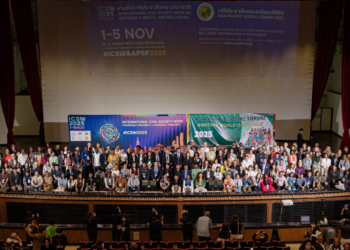
In a monumental display of global solidarity, the university joined forces with world-class democratic networks and civil society sectors to host the “International Civil Society Week & Asia Pacific Social Forum 2025” (ICSW & APSF 2025). The event, held between 1–5 November 2025 at the historic Thammasat University, Tha Prachan, served not only as a gathering space, but as a living laboratory of democratic discourse, where activists, scholars, policy-makers, and youth leaders collectively explored new approaches to social justice and sustainable development.

A Milestone for SDG 17: Partnerships for the Goals 

Hosting this event marks a significant leap forward in driving SDG 17 (Partnerships for the Goals). It was not merely a conference, but a powerful synergy of global network partners, including:

  • ADN: Asia Democracy Network
  • CIVICUS: World Alliance for Citizen Participation
  • APSF: Asia Pacific Social Forum

Together with Thammasat, these organisations created one of the largest international exchange platforms of the year.

The event welcomed over 1,300 participants from 90 countries worldwide — including leaders of civil society organisations (CSOs), academics, activists, and youth leaders. Beyond its global scale, the forum fostered deep dialogue, shared lessons on democratic resilience, community empowerment, and inclusive development.

Driving SDG 16: Peace, Justice, and Strong Institutions

The core objective of this global forum was to exchange knowledge and co-create pathways toward a society that is equal, peaceful, and sustainable — directly aligning with SDG 16 (Peace, Justice, and Strong Institutions), which forms the foundation for progress in all other development dimensions.

Assoc. Prof. Dr M.L. Pinitbhand Paribatra, Vice Rector for Research and Innovation at Thammasat University, presided over the opening ceremony, welcoming delegates from the 90 participating nations. In his address, he emphasised that this event mirrors the university’s primary mission: to serve as a space for learning and collaboration to “drive an equal and sustainable world.”

He further stressed that a university must function as a “Stage for Freedom and Social Responsibility.” It is the university’s duty to mould citizens who dare to think, dare to speak, and dare to protect righteousness—qualities essential for building strong, transparent, and accountable institutions.

Thammasat as a ‘Civic Space’ 

The ICSW & APSF 2025 did not only reflect global partnerships involving international giants like CIVICUS and ADN but also integrated regional and local powerhouses such as the Asian Cultural Forum on Development (ACFOD), the Community Organizations Development Institute (CODI), and the Thai Health Promotion Foundation (ThaiHealth).

Crucially, the event underscored Thammasat’s commitment to being a safe “Civic Space.” By providing a platform for the public to participate in policy formulation and hold authority to account, the university is actively practicing the very heart of SDG 16.

Thammasat University stands proud to be a driving force behind this international stage. The success of ICSW & APSF 2025 reflects the university’s unwavering commitment to democracy, human rights, civic engagement, and freedom of thought. We remain dedicated to serving as a learning space that drives positive social change, ensuring that we move forward toward true sustainability and equality — together.

From Wastewater to Edible Oasis: Thammasat and Pathum Thani Community Co-Create a ‘Model’ for Urban Quality of Life

  • Wastewater Turned into a Resource – Household greywater is treated through an innovative Vertical Water Treatment Garden, capable of recycling up to 9,000 litres per day and reusing it to irrigate a productive community garden.
  • Community as Co-Creators – Local residents were actively involved from problem identification to construction, fostering strong ownership, practical knowledge, and long-term sustainability.
  • Living Laboratory for Learning – The project functioned as a field classroom for university students, bridging academic knowledge with real-world community engagement and interdisciplinary collaboration.
  • Beyond Green Space – More than a park, the initiative improved flood management, enhanced urban ecology, created supplementary income, and strengthened social cohesion—serving as a scalable model for sustainable urban development.

In the heart of Pathum Thani, a sprawling 2,100-square-metre area that was once plagued by stagnant floodwaters, unpleasant odours, and a distinct lack of greenery has undergone a remarkable metamorphosis. What was previously an underutilised, flood-prone space has now been reborn as a lush, vibrant community garden that residents take pride in. However, this is no ordinary park; it is the tangible result of the “Pathum Thani Model,” a groundbreaking project where household wastewater is recycled and transformed into a life-giving resource for the neighbourhood.

Spearheaded by the Faculty of Architecture and Planning at Thammasat University, under the leadership of Assoc. Prof. Dr Kim Neil Irvine and Asst. Prof. Fa Likitsawat, the project brought together key partners including the Asian Institute of Technology (AIT) and the Community Organizations Development Institute (CODI). This collaborative network combined academic expertise, technological innovation, and grassroots engagement with a shared goal: to elevate the urban quality of life through creative, sustainable design and deep-rooted public participation.

Innovation: Turning Greywater into Crystal Clear Solutions 

At the core of this transformation lies the “Vertical Water Treatment Garden,” an innovative landscape system that merges engineering, ecology, and design into a single integrated solution.

This ingenious innovation functions as a living filtration machine. By utilising carefully selected plant species, gravel and sand layers, and natural filtration media, the system is capable of treating up to 9,000 litres (9 cubic metres) of domestic greywater daily — including water from kitchens, bathrooms, and laundry activities.

Instead of being discarded into nearby canals, the treated water is redirected to irrigate the surrounding community garden. This “Edible Oasis” is now teeming with kitchen vegetables, herbs, fruit trees, and ornamental plants — restoring environmental balance, reducing urban heat, and beautifying the neighbourhood landscape.

The Community: ‘Creators’, Not Just ‘Receivers’ 

What makes the Pathum Thani Model truly resilient is its strong foundation in social participation. The community was not merely a passive recipient of assistance; they were active co-creators from day one.

Local residents contributed to every step — from identifying drainage problems and mapping flood-risk areas, to co-designing solutions with researchers and planners. The construction process relied heavily on the skills of local technicians and builders, ensuring that the system was practical and maintainable by the community itself.

This participatory process cultivated ownership, pride, and long-term responsibility, ensuring that the innovation addressed real-world needs and strengthened community bonds.

A Living Classroom: From Lecture Hall to the Field 

The project also served as a dynamic “Field Classroom” for students of Landscape Architecture and related disciplines, allowing them to apply theory in real-world contexts.

Working in situ, students collaborated with engineers, environmental specialists, and villagers, developing crucial skills in communication, problem-solving, and empathy. It nurtured a new generation of designers who recognise that sustainable design is about working with people — not only designing for them.

Results Beyond Greenery

Supported by a budget of over 5.3 million THB, the Pathum Thani Model has delivered far more than a drainage solution or a visually pleasing garden. It has empowered residents with knowledge in water management and green-space maintenance, enabling long-term self-reliance.

The garden has evolved into a shared social space, a community learning hub, and a source of supplementary income through vegetable and herb cultivation

Beyond environmental benefits, it has strengthened social cohesion and enhanced wellbeing — standing as a beacon of community-driven sustainable development and a learning centre for society at large.

Thammasat Unveils Sustainability Report 2024: Championing ‘Transformation’ Towards the University of the Future and Cultivating Innovations for Society

“Because the world is changing… Thammasat must change, for a better future for everyone.”

The year 2024 marks a pivotal milestone in the history of Thammasat University. It is the year we fully embrace the strategy of “Transformation: From Now into Future,” a bold initiative designed to reshape the landscape of the university in every dimension. Our goal is clear and ambitious: to evolve into a “Leading Comprehensive University for the Future Society,” ready to tackle the complexities of a rapidly changing world.

A Chronicle of Dedication: The Sustainability Report 2024

The newly released Thammasat University Sustainability Report 2024 is more than just a document; it is a testament to our collective effort. It consolidates the tangible results of our 14 key sustainability policies, which comprehensively cover Environmental, Social, and Governance (ESG) dimensions.

Throughout the 2024 academic year, we have vigorously driven the Sustainable Development Goals (SDGs) under the holistic philosophy of “Good Campus – Good Life – Good Impact.” We believe that a sustainable university must not only provide a green campus but also ensure a high quality of life for its community, thereby creating a ripple effect of positive impact on society at large.

From Vision to Action: Real-World Solutions for Society

The report highlights how we have transitioned from abstract vision to concrete action. Here are just a few examples of how Thammasat’s innovations are solving real-world problems:

  • Healthcare Equity: The “Thai Kit Spacer” Addressing a critical gap in public health, our researchers developed the “Thai Kit Spacer,” an asthma inhaler aid designed and manufactured entirely by Thai talent. This innovation successfully reduced import costs by over 90%, proving that high-quality healthcare does not have to come with a high price tag. It is a lifeline that makes essential treatment accessible to vulnerable populations.
  • Student-Led Change: “WASTE WORTH” We believe in the power of the new generation to change the world. The “WASTE WORTH” project, developed by our students, has ascended from the classroom to the national stage. This smart waste disposal unit is not just a bin; it is a mechanism for the Circular Economy, capable of converting community waste into clean energy, proving that waste can indeed be ‘worth’ something.
  • Legal Mechanisms for the People: The “Clean Air Act” True to our roots as a university for the people, Thammasat has been at the forefront of driving legal reform. We have actively pushed for the “Clean Air Act” and hosted the “Welfare State Dialogue.” These platforms are designed to reduce social inequality and reclaim fundamental rights for citizens, ensuring that the air we breathe and the welfare we receive are fair and just.

The Power of “ONE TU”

All these achievements are propelled by the unified power of “ONE TU.” We have successfully broken down the silos between faculties and departments, shifting our culture from merely “thinking” to “acting” together.

This report serves as a firm confirmation of our promise: Thammasat University will remain a steadfast pillar of society. We are committed to building a future that is not only sustainable but also just and equitable for generations to come.

Thammasat University Experts Appointed to Key Governmental Roles, Driving Policy from National to Local Levels

HIGHLIGHTS

  • Thammasat University provides expert policy advice to government bodies at the national, regional, and local levels, reflecting its strong public service role.
  • At the national level, Faculty members are appointed as advisors and committee members to major institutions such as the Senate, Prime Minister’s Office, Commission on Higher Education, and the National Human Rights Commission.
  • At the regional level, Thammasat contributes to strategic economic development, with experts serving on EEC Policy Committees and leading Net Zero industrial projects in partnership with the government.
  • At the local level, the university provides research-based policy guidance and training to Provincial Administrative Organizations (PAOs), including organizing a national seminar on strengthening Thailand’s primary healthcare system.

Thammasat University is actively fulfilling its public service mission, with faculty members consistently appointed to provide expert counsel to government bodies. These appointments span all levels of governance—national, regional, and local—directly shaping public policy and national development.

The following selected appointments highlight the university’s role in providing specific, expert advice to the government:

1. National Level Advisory

Thammasat’s expertise is integral to the country’s core governing institutions, including the executive, legislative, and independent branches.

Governmental Body: National Human Rights Commission of Thailand Eight faculty members from the Faculty of Law have been registered as “Eminent Persons” to assist the Commission’s work:

  • Prof. Dr. Surasak Likhitwatthanakul
  • Prof. Dr. Prasit Pivavatnapanith
  • Assoc. Prof. Dr. Panthip Kanjanajittra Saisunthorn
  • Assoc. Prof. Dr. Pokpong Srisanit
  • Asst. Prof. Dr. Krittakorn Vongvuttikun
  • Asst. Prof. Dr. Thanapat Chatinakrob
  • Asst. Prof. Dr. Prinya Thaewanarumitkul
  • Asst. Prof. Dr. Ronnakorn Boonmee

Governmental Body: Prime Minister’s Office

  • Appointee: Asst. Prof. Dr. Supachai Srisuchart (Faculty of Economics)
  • Appointee: Asst. Prof. Dr. Duangmanee Laovakul (Faculty of Economics)
  • Role: Appointed as “Eminent Persons in Economics” to the National Committee for Decentralization to Local Government Organizations.

Governmental Body: The Senate (Legislative Branch)

  • Appointee: Assoc. Prof. Dr. Surat Teerakapibal (Thammasat Business School)
  • Role: Appointed Advisor to the Senate Committee on Labor’s Subcommittee on Job Placement and Skill Development.

Governmental Body: The House of Representatives (Legislative Branch)

  • Appointee: Assoc. Prof. Dr. Thatchalerm Suthhipongpracha (College of Interdisciplinary Studies)
  • Role: Appointed Advisor to the Subcommittee studying the transfer of sub-district health hospitals to provincial organizations.

Governmental Body: Royal Thai Army

  • Appointee: Assoc. Prof. Dr. Dulayapak Preecharush (Faculty of Liberal Arts)
  • Role: Appointed Advisor to the Royal Thai Army on Myanmar Affairs.

2. Regional Level Advisory

Thammasat is a key strategic partner in developing Thailand’s flagship economic zones, most notably the Eastern Economic Corridor (EEC).

Governmental Body: EEC Policy Committee (Prime Minister’s Office)

  • Appointee: Prof. Dr. Ruthir Penumyoung (Thammasat Business School)
  • Role: Member of the EEC Policy Committee and Chair of the Subcommittee for the EEC Business Center and Smart City development.
  • Appointee: Assoc. Prof. Dr. Sathaporn Opasanon (Thammasat Business School)
  • Role: Member of the EEC Policy Committee and Subcommittee member for the EEC Business Center and Smart City development.

Governmental Body: EEC Office (EECO)

  • Appointee: Assoc. Prof. Dr. Harnpon Phungrassamee (Center of Excellence in Eco-Energy)
  • Role: Serves as Project Head for a joint initiative with EECO and the Thailand Greenhouse Gas Management Organization (TGO) to drive industries in the EEC towards Net Zero goals.

3. Local Level Advisory

The university’s engagement extends directly to local and provincial government bodies, providing research-based policy guidance and fostering innovation.

Governmental Body: Provincial Administrative Organizations (PAOs) & Ministry of Public Health

  • Activity: The College of Interdisciplinary Studies, in partnership with the Health Systems Research Institute (HSRI) and NIDA, hosted a national academic seminar on “Building a Stable Prototype for the Primary Healthcare System Transferred to Provincial Administrative Organizations.”
  • Role (Providing Expert Advice): It provided direct knowledge transfer, policy models, and practical training to government stakeholders, including representatives from Provincial Administrative Organizations (PAOs)Provincial Public Health Offices, and Ministry of Public Health hospitals nationwide. The training included policy guidance on financial regulations, Continuity of Care (COC) network management, and the use of Data Dashboards for government executives.

Governmental Body: Pathum Thani Provincial Administrative Organization (PAO) & Municipalities

  • Appointees: The Dean and faculty members from the Faculty of Science and Technology (including Asst. Prof. Dr. Nuchjarin Intalla, Asst. Prof. Dr. Thapana Boonyachoo, and Dr. Pakaporn Saophan).
  • Role: Actively collaborating with local government leaders, including the President of the Pathum Thani PAO and the Mayors of Rangsit, Khlong Luang, and Tha Khlong, to receive and implement policies for developing the Pathum Thani High-Value Innovation Zone.

These appointments are a clear demonstration of Thammasat University’s role as a trusted partner to the government. By providing specific, expert advice, the university’s faculty are actively contributing to policy solutions and development strategies at every level of the nation.