Measure and Set Targets for More Sustainable Commuting

Thammasat has several initiatives toward promoting and implementing a more sustainable commuting, hence, has set the targets and measures for our achievements throughout the years. 

Highlights:

  1. Commitments, Targets and Measures for Sustainable Commuting
  2. Low Emission Support Scheme Project – a reduction of 8,587.44 tons of carbon dioxide equivalent emissions, received a certificate of recognition for its support of greenhouse gas reduction.
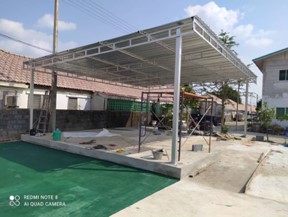
  3. The construction and improvement projects for walkway, main roads, pedestrian bridge, bicycle bridge, and parking lot around Thammasat University, Rangsit Campus.
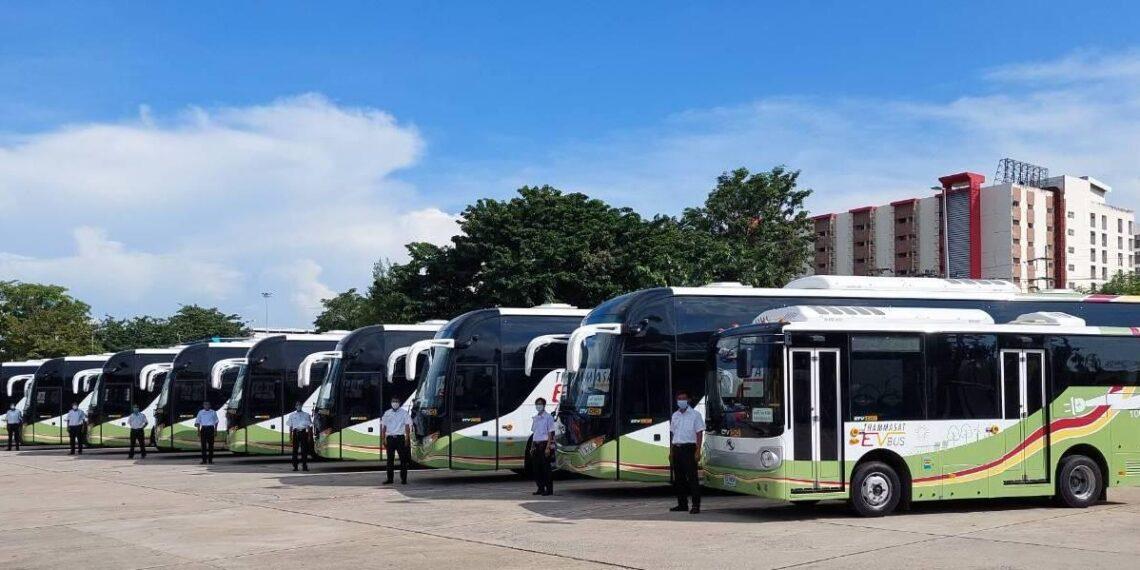
  4. Free EV Shuttle Bus Services – 100% Conversion since 2022
  5. Bike Sharing for Green Campus – Reduction of Carbon Emission
  6. Electric Car Rental Service and Charging Stations
  7. 100% of Public Buses Entering Campus as Electric Vehicles in 2030

Our commitments and initiatives include:

  • Manage the public transport system (public bus and motorcycle taxi) to cover the whole area of campus and near by locations.
  • Provide free EV shuttle bus services connecting from dormitory areas to all university’s faculty and buildings.
  • Provide EV car rental service stations in Rangsit and Tha Prachan Campus.
  • Increase EV charging stations around campus area, both in Rangsit and Tha Prachan Campus.
  • Continue to promote the use of bicycles as non-motorized transport by adding bicycle lanes and increase bike service stations to facilitate commuting around Rangsit Campus.
  • Promote “Walkable City” campaign to encourage walking in the pedestrians provided when commuting in a short distance.
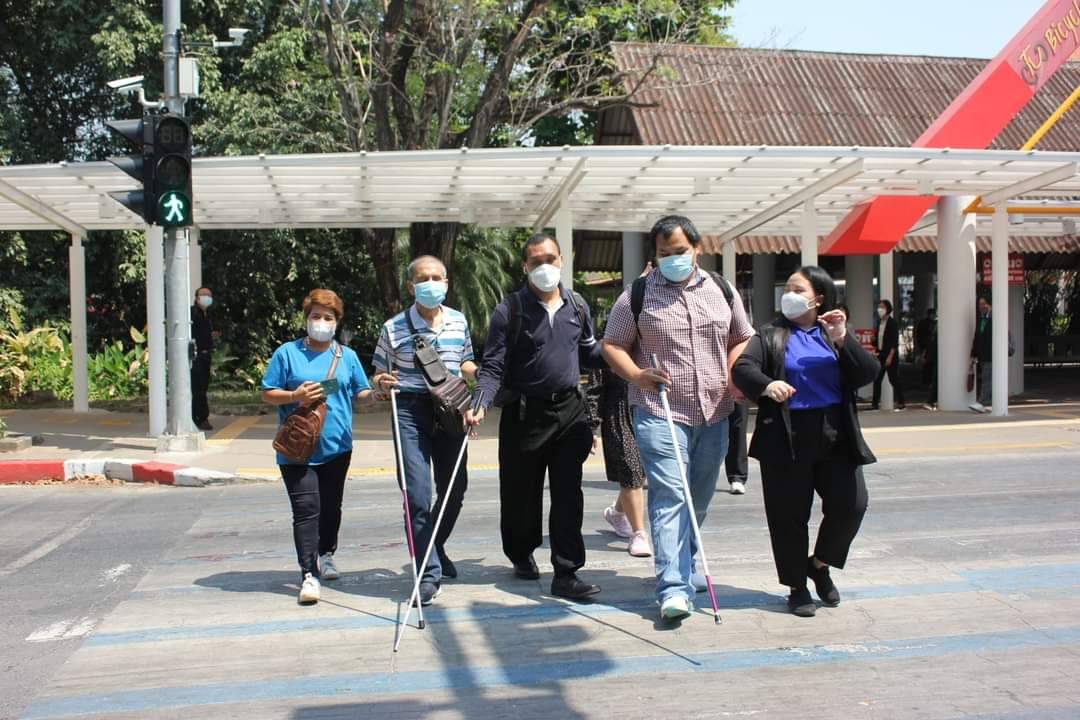
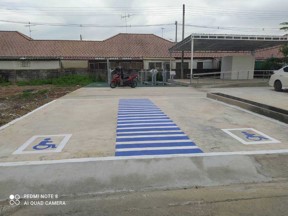
  • Reconstruct and improve the pedestrians walk way, especially for the people with disabilities and bicycle lanes to separate and safe from cars and buses.
  • Implement TU Around application to search and access information on the shuttle bus routes and stations around Thammasat University Rangsit Campus
    Life @Thammasat Rangsit – Facebook

Our targets and measures are:

  • 100% conversion of all free shuttle bus to EV shuttle bus by the end of 2022.
  • 100% of public buses and vans entering the campus as electric vehicles by the end of 2025.
  • Increase the number of EV charging stations to 10 stations around campus area, both in Rangsit and Tha Prachan Campus by the end of 2025.
  • Reconstruct and improve ALL of the pedestrians walk way in Rangsit Campus, especially for the people with disabilities and bicycle lanes to separate and safe from cars and buses by the end of 2030.
  • Track the carbon emissions reduction from implementing these “Smart Energy” projects on a yearly basis.
  • Reduce carbon emissions through “Smart Energy” projects up to 35,000 tones by the end of 2030.

Low Emission Support Scheme (LESS)

Thammasat University actively promoted environmental sustainability through its Low Emissions Support Scheme (LESS). The initiative aimed to reduce the campus’s carbon footprint by encouraging low-emission practices and raising awareness about climate change and sustainable behaviors within the university community. Thammasat recognized the crucial role of educational institutions in addressing environmental issues and committed to substantial reductions in greenhouse gas emissions, setting a strong example in Thailand’s academic sector.

Key components of the LESS program included energy efficiency improvements, adoption of renewable energy sources, and sustainable campus operations. The university encouraged the use of energy-saving appliances, enhanced waste management practices, and promoted alternative transportation methods to reduce carbon emissions. For instance, it supported cycling and the use of electric vehicles on campus, helping to minimize air pollution and dependency on fossil fuels.
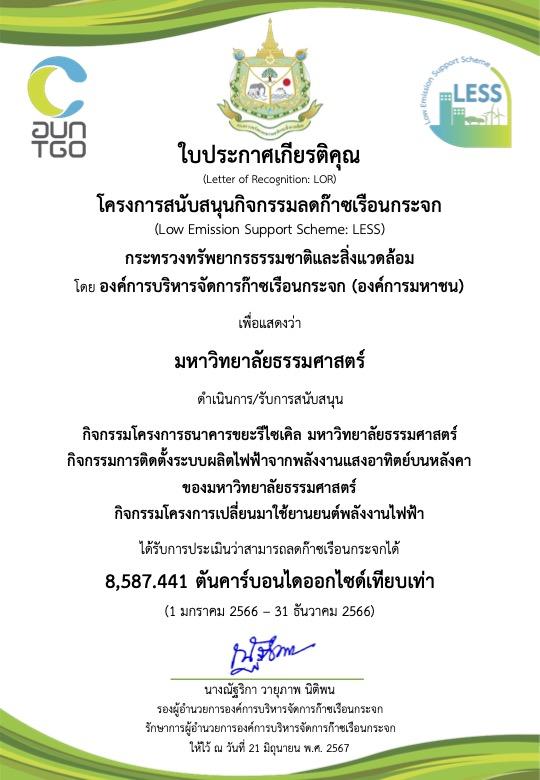
Greenhouse Gas Mitigation Mechanism_Certificates of Recognition for LESS Projects_Thammasat University, Rangsit Campus

The Low Emissions Support Scheme (LESS) of the Rangsit Campus Administration at Thammasat University has implemented three activities, which include:

1. The Waste Bank Recycle Project (3,320.14 tons)

2. The installation of a solar power generation system on the roof of Thammasat University (4,900.60 tons)

3. The project to switch to electric-powered vehicles (366.70 tons)

Through these three activities, a total of 8,587.44 tons of carbon dioxide equivalent emissions have been reduced in 2023, as recognized by the Greenhouse Gas Management Organization. The project also received a certificate of recognition for its support of greenhouse gas reduction activities, as detailed in the attached document.

โครงการ-LESS_Report-2566

Furthermore, Thammasat integrated climate action into its curriculum and research, providing students with opportunities to study sustainability and participate in projects related to renewable energy and carbon reduction strategies. Through various workshops, seminars, and community engagement activities, the university educated both students and faculty on the significance of reducing emissions and adopting greener lifestyles.

The construction and improvement projects for walkway, main roads, pedestrian bridge, bicycle bridge, and parking lot around Thammasat University, Rangsit Campus.

The construction and improvement projects around Thammasat University, Rangsit Campus, include the construction of a pedestrian bridge over the student activity canal, a bridge and bicycle paths at the Puey Ungpakorn School of Development Studies, repairs to Yung Thong Road, repairs to the parking lot for the Faculty of Law, and many other initiatives.
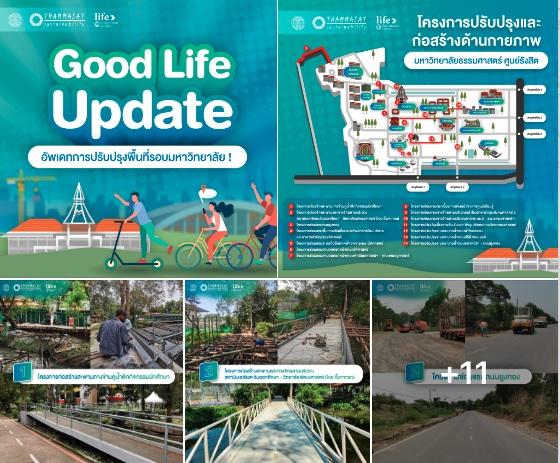
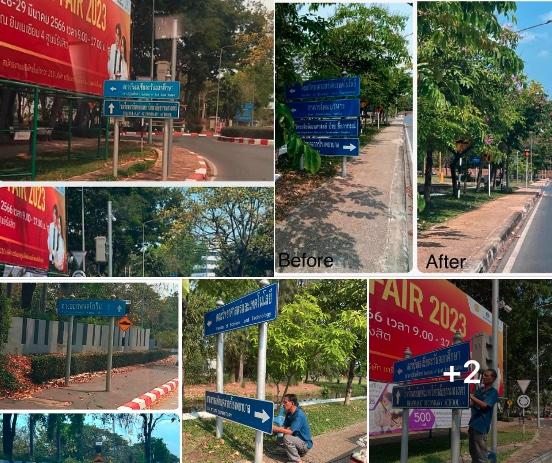
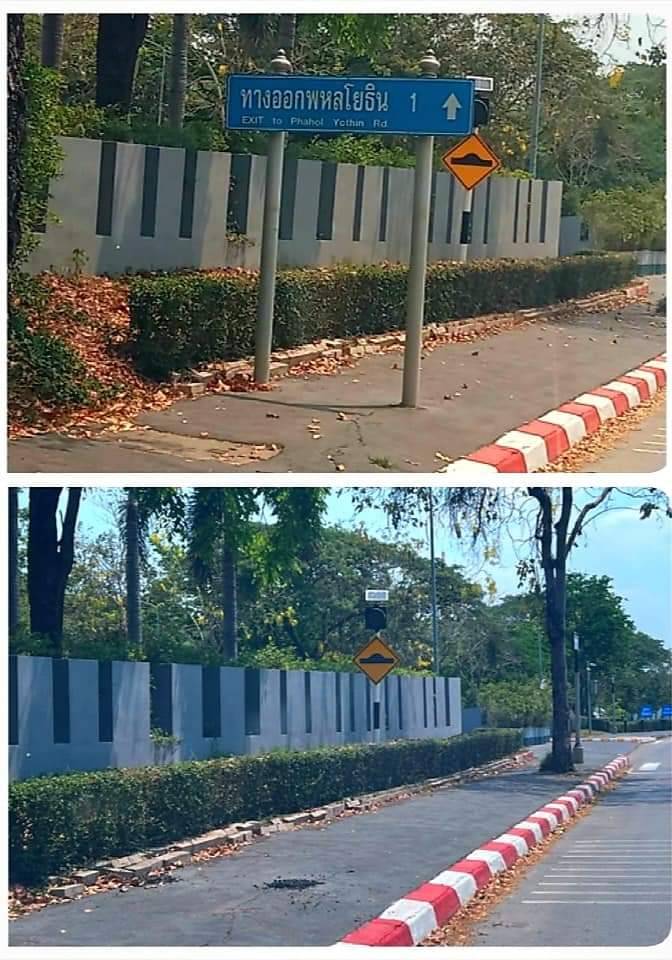
The Rangsit Campus Administration has managed the relocation of obstructive signs to facilitate easier passage and has installed new signs in appropriate locations to avoid blocking walkways while ensuring that the pathways remain clearly visible.
Free EV Shuttle Bus Services – 100% Conversion by 2022

As one of the services provided for students and staffs who live on-campus and around campus area, Thammasat University provides FREE shuttle bus connecting from dormitory areas to the University’s buildings, food courts, and Thammasat Hospital since 2005. The 10 buses were still using diesel fuel.  In 2010, the University has increased the number of buses to 20 buses and converted them into NGV to comply with the “green university” policy as the first steps toward reducing the carbon emissions.

Our commitment and initiatives:
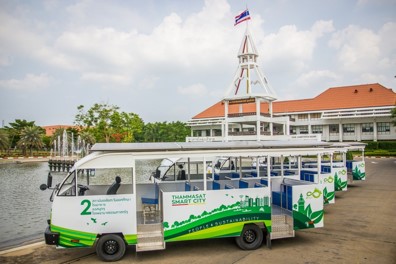
Thammasat University had a plan to change all 20 shuttle buses serviced in Rangsit Campus from Natural Gas Vehicle (NGV) to be Electric Bus in 2021. At the end of the year 2022, 100% of these shuttle buses were completely migrated to electric buses. The University will also provide electric vehicle charging station where the electricity will come from both solar cell and electricity grid.
Target and measure:
The goal was to convert 100% of shuttle buses to service students and staffs on and off-campus to electric buses by the end of 2022. Currently, Thammasat has 25 EV shuttle buses servicing around campus and 10 EV buses to service staffs and students who lived outside campus. By using EV buses, the carbon emission could be reduced up to 366 tons per year.

Bringing clean energy such as solar energy to use inside the building through “Solar Rooftop”, the usage of electricity instead of fossil fuels for “EV Shuttle Bus” and “AnyWheel” bicycle covering all areas of campus can tremendously reduce the amount of carbon emissions at Thammasat University – Rangsit Campus. 

Thammasat University has adopted the concept of a “sustainable smart city” to help reduce global CO₂ emissions. This includes initiatives in several areas: Smart Energy, by using clean energy sources like solar power in campus buildings; Smart Environment, through community-focused waste management; and Smart Mobility, by providing EV shuttle bus transportation services both within and outside the university

Bike Sharing for Green Campus – Reduction of Carbon Emission

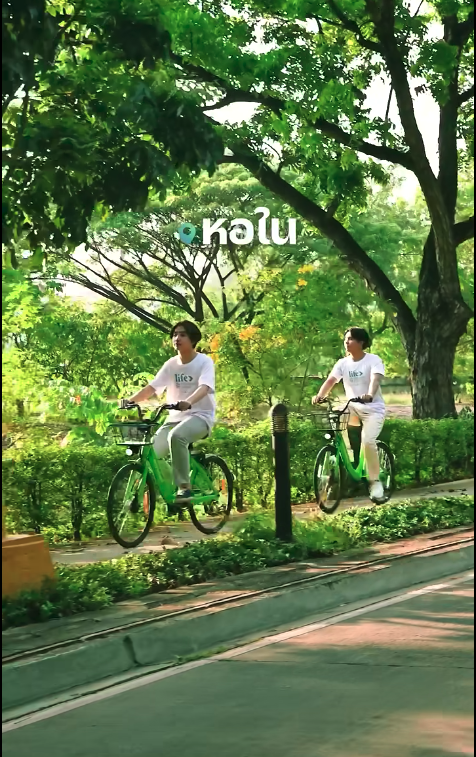
Since 2012, Thammasat has launched the program to reduce the number of cars and motorcycle used in university and increased the number of sharing bicycles, bicycle routes, and length of bicycle lane.

Our commitment and initiatives:
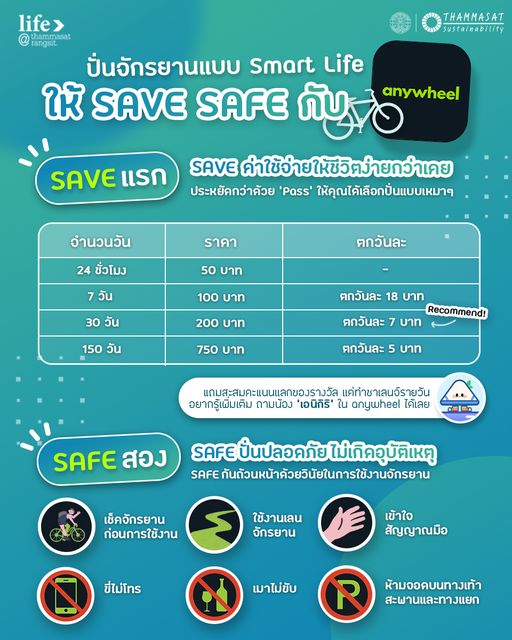
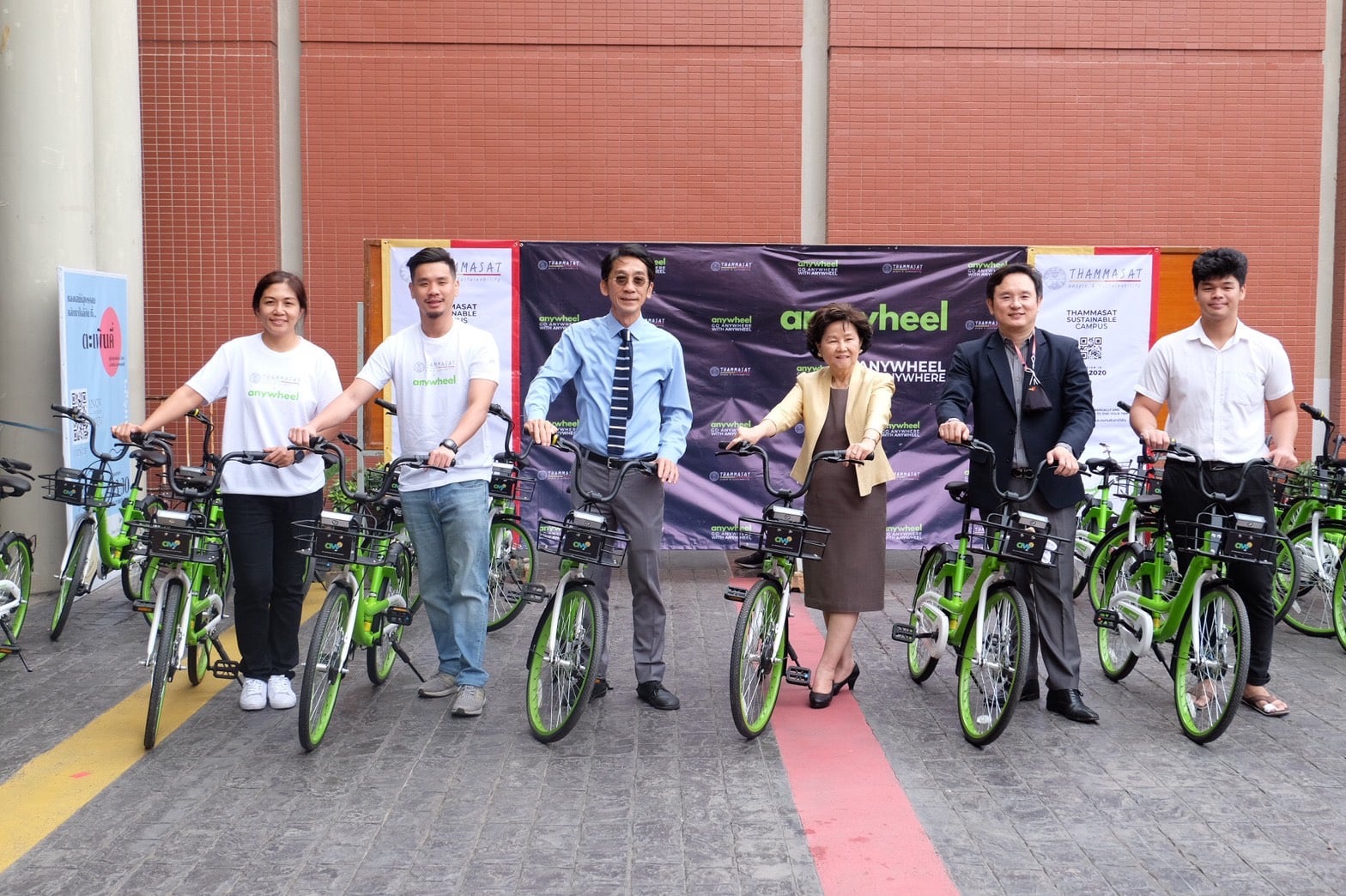
Thammasat University signed an agreement of cooperation with “Anywheel” to promote the use of shared bicycles to allow the students, staff, and visitors in actively contributing to reduce the use of fossil fuel powered vehicles within the campus. Since 2021, there were more than 1,000 AnyWheel rental bicycles and 73 service stations all over Thammasat University Rangsit Campus. Each service station offers 15-28 public bicycles that can be rented through their mobile application. During 2024, there were around 1,500-1,800 bicycles per month available.
Target and measure:
Transportation-based carbon emissions within the University were reduced around 82,690 kg.CO2e in 2023. During the year 2024, the University was able to reduced the carbon emissions up to 92,220 kg.CO2e. The total travel distance of all the shared bicycles were increased from 230,834.5 km in 2022 to 812,515 km. in 2024.

The target in 2024 was to increase the number of rental bicycles by 50% and to start providing rental electric scooter service in order to encourage everyone on campus to choose modes of transportation that do not create air pollution. The goal for the total distance used by AnyWheel bicycle and electric scooter users in 2024 was 800,000 km. which is equivalent to CO2 emission reduction of approximate 83 tons.
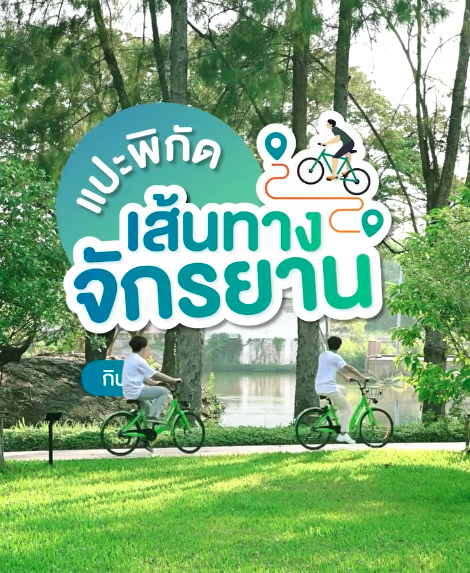
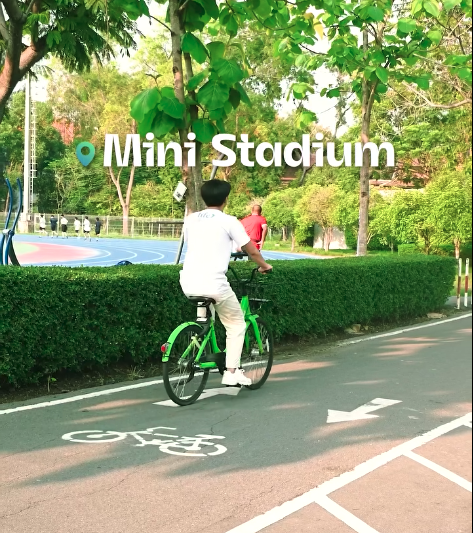
For more information on bike sharing, please visit these websites and facebook.

  1. Bike Lanes at Rangsit Campus – Smart Mobility Campaign
  2. Reducing Carbon Emission Within the University through Shared Bicycles
  3. Bike Sharing for Green Campus
  4. Thammasat Launches Bike Sharing Service for Green Campus
  5. Maps of Thammasat University

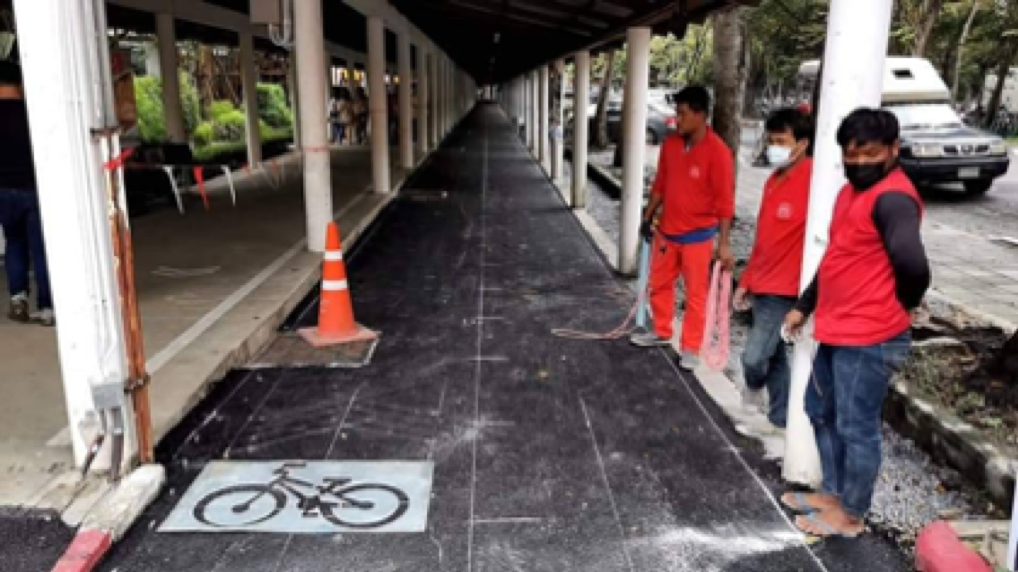
Thammasat University regularly inspected and repaired the bicycle lanes throughout the campus, especially in front of the faculties and public buildings.
Electric Car Rental Service and Charging Stations

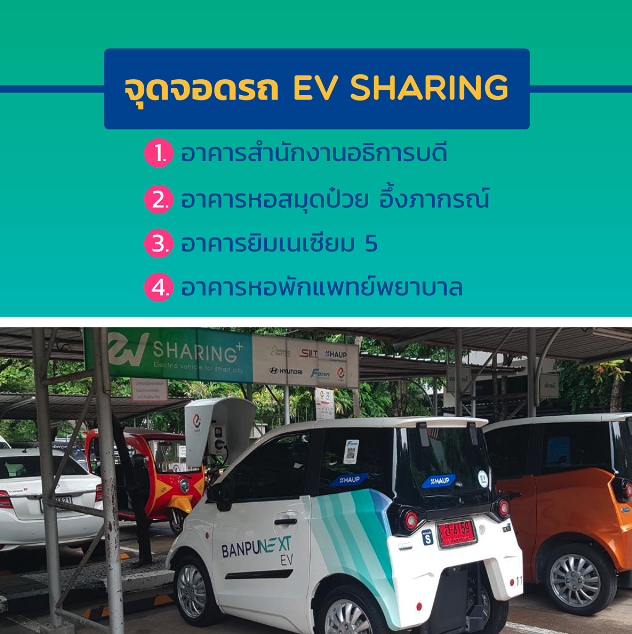
Thammasat University cooperates with Haup Car, an electric car rental company, to provide rental electric car service at Rangsit Campus. In the beginning, there were 2 rental stations on campus which also offer charging service for other electric cars in order to encourage those who travel to Thammasat University to adopt the use of electric cars.

Our commitment and initiatives:
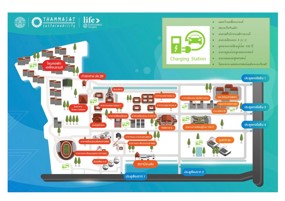
The University provides 4 electric vehicle charging locations in Rangsit Campus and one station at Dome building, Tha-Prachan Campus. The University has installed three rental and charging stations in 2021 and five additional rental and charging stations at Rangsit Campus in 2022.

Target and measure:
By the end of 2025, the University will completely install the three additional rental and charging stations at Rangsit Campus to complete our targets of ten stations. The University will publicize the use of Haup electric cars to travel to and from other areas near Thammasat University such as shopping malls and flea markets in order to increase the total distance to more than 50,000 kilometers.
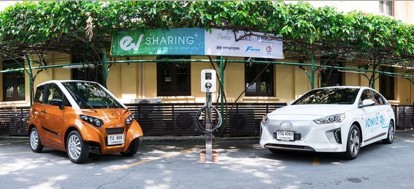
For more information on EV cars, please visit these websites and facebook.

  1. EV Sharing at Thammasat Rangsit
  2. https://www.haupcar.com/forum/station-location/echaarth-iiwii-pthumthaanii-aakhaar-thikaarbdii-mth-rangsit-tu-gymnasium-6
  3. https://www.facebook.com/haupCAR/posts/3502671683290764/
  4. https://sdgs.tu.ac.th/2021/11/19/thammasat-corporates-with-four-electric-car-companies-developing-thammasat-smart-city/
  5. https://tu.ac.th/thammasat-251120-haup-ev-car-sharing

100% of Public Buses Entering Campus as Electric Vehicles

Thammasat University Rangsit Campus has a 3000-square-meter public van station which can handle up to 40 vans at once. Each van covers as far as a 40-kilometer distance per trip. The number of public van users is as many as 3,500 people per day.

Target and measure:
A daily trip of 80 kilometers is equivalent to 4.38 tons CO2 emissions per year (1-km car ride releases about 150 grams of CO2); therefore, if all these 3,500 people used private cars for travelling, it would cause CO2 emission of 15,330 tons per year.

The public van service can transport up to 13 people at a time, so the use of public van to and from Rangsit Campus can reduce CO2 emission by 13 folds, equivalent to a reduction of 14,150 CO2 tons per year.
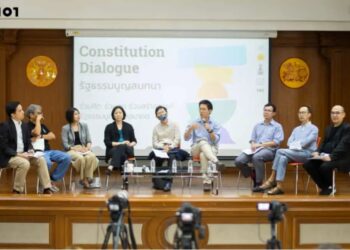
Thammasat provides neutral platform and safe space to discuss all issues.

In 2021, Thammasat University hosted academic and social fora on several controversial development issues, reflecting the role of being a neutral platform and safe space for different political stakeholders to discuss development challenges and sensitive issues. Social science faculties, i.e. Faculties of Law, Political Sciences, Economics, Sociology and Anthropology, played an important role in providing the platform.

The issues discussed in 2021 were ranging from the reform of police system, critiquing the Constitutional Court on the marriage case and gender diversity, women and democracy, solutions to PM2.5, fiscal efficiency and universal health coverage, grassroots economy and inequality, various perspectives on contemporary Buddhism in Thailand. Each forum was participated by academia from various institutions, pertinent government officers, and civil society representatives.

Table below shows some details of these fora and seminars.

Event detailsLink to the activities
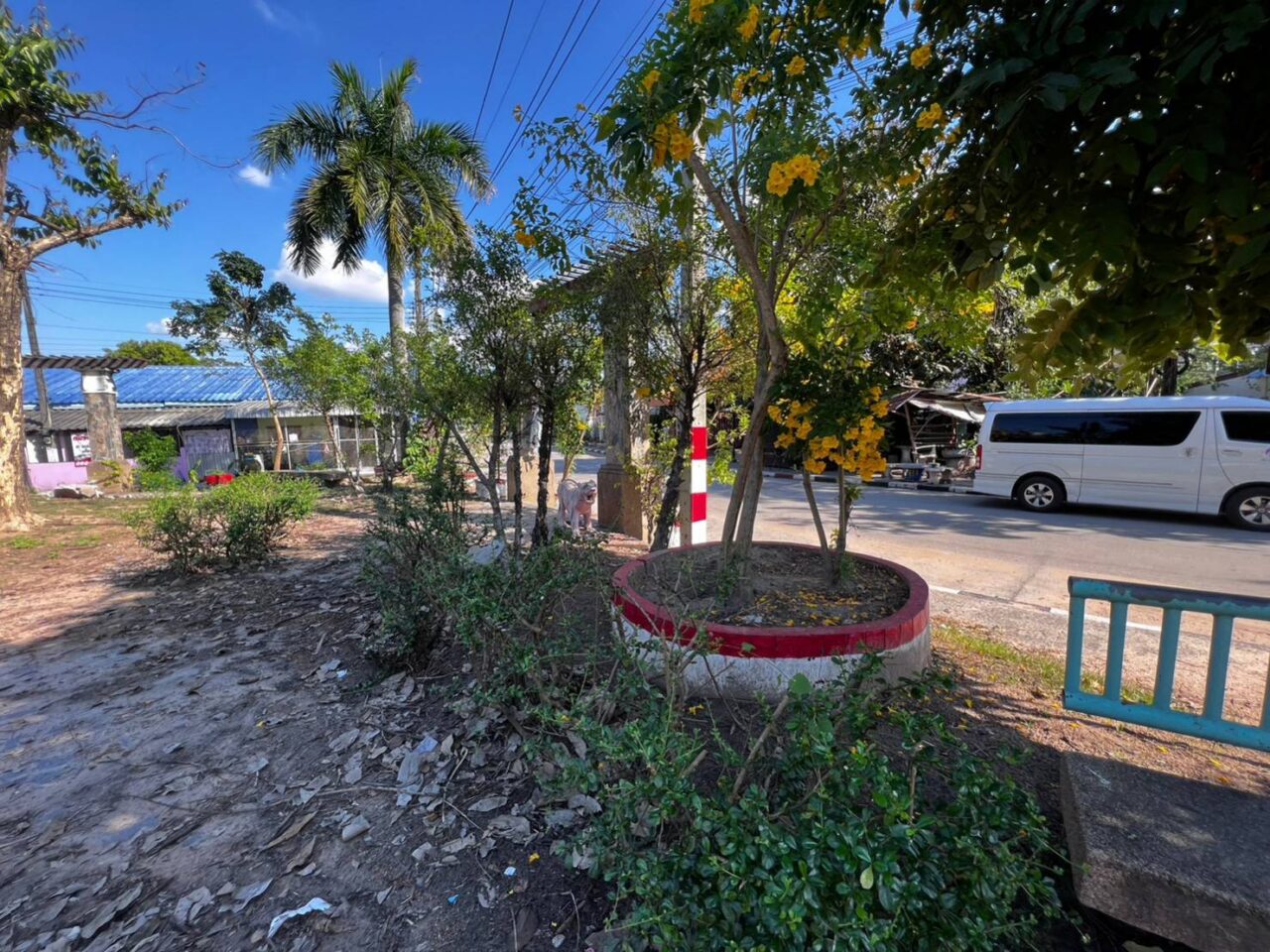
Faculty of Law, Thammasat University organized an academic seminar on “Police Reform, upstream of the justice process” held on Saturday, May 29, 2021, from 9:00 a.m. to 12:30 p.m. There are speakers include: Professor Dr. Udom Ratamarit, lecturer at the Faculty of Law, Thammasat University, representative from the academic department Mr. Somchai Homlaor, former member of the Legal Reform Committee, representative from the people’s sector Pol. Col. Dr. Mana Paochuay, secretary-general of the Association of Investigators, represent as a worker The theme of the dialogue on police reform as advocates of justice is directly related to peace, one of the pillars of the SDGs, in particular SDG goal 16 : peace justice and strong institutions, sub-goal 16.6, develop effective, accountable and transparent institutions at all levels.    
See the activity here.  
Faculty of Law Thammasat University organizes a seminar on ” Criticizes the Constitutional Court on the marriage case and gender diversity” held on Monday, December 6, 2021, from 1:00 p.m. – 4:00 p.m. There are speakers include: Ms.Sprawee Asanasak, lecturer at Faculty of Law, Thammasat University Mr.Pawin Malaiwong, lecturer at Faculty of Arts, Thammasat UniversityProfessor Sorat Hongladarom, Lecturer at Faculty of Arts, Chulalongkorn University.Associate Professor Anon Mamao, Lecturer at Faculty of Law, Thammasat University The issue of criticizing the constitutional court on LGBTQ marriage cases is directly related to the people issue, which is one of the pillars of the SDGs, in particular SDG Goal 5 : Gender equality, sub-goal 5.c, adopt and strengthen sound policies and enforceable legislation for the promotion of gender equality and the empowerment of all women and girls at all levels  
See the activity here.
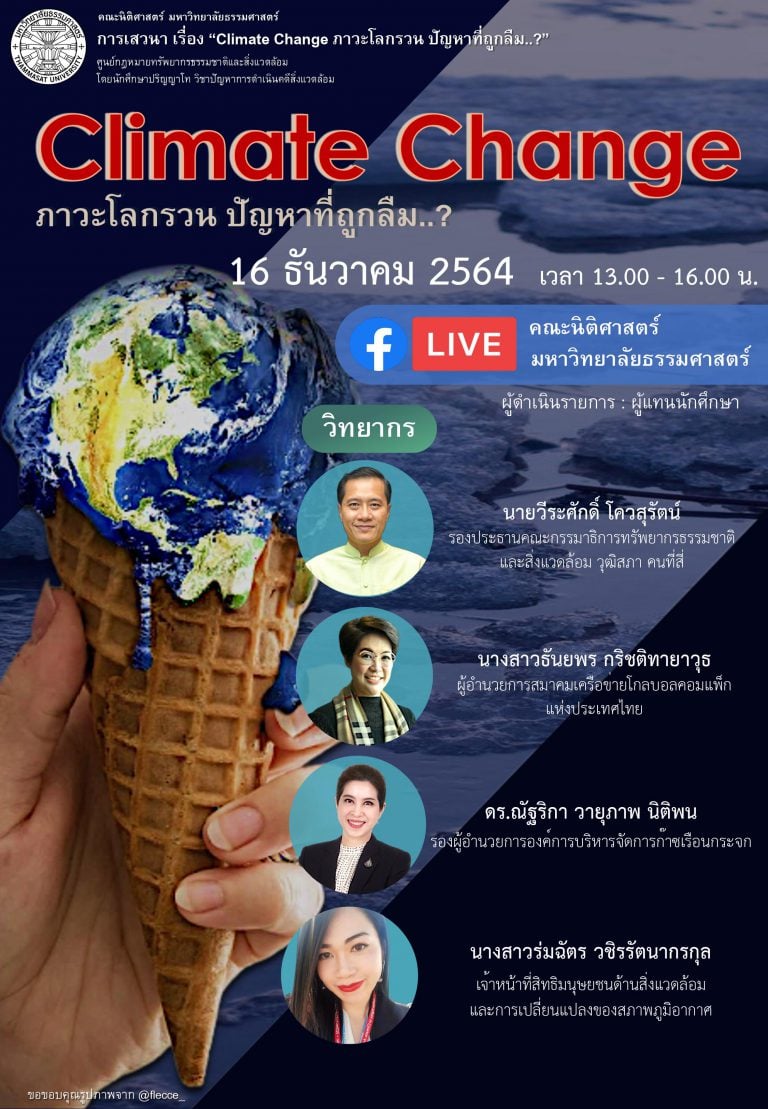
Faculty of Law Thammasat University organizes a seminar on “Climate Change, global turbulence, forgotten problems..?” held on Thursday, December 16, 2021, from 1:00 PM to 4:00 PM. There are speakers include: – Dr. Nattharika Wayupap Nitipon, Deputy Director of Thailand Greenhouse Gas Management Organization – Dr. Thanyaporn Krittitayawut, Director of the Global Compact Network Association of Thailand – Ajarn Romchat Wachira Rattanakornkul, Environment and Climate Change Human Rights Officer – Mr. Weerasak Kowsurat, Vice Chairman of the Commission on Natural Resources and Environment The theme of the dialogue on Climate Change, an increasingly pressing issue affecting life around the world, is directly related to planet issues, one of the pillars of the SDGs, particularly SDG Goal 13 : Climate action.
See the activity here.
Faculty of Political Science, Thammasat University organized an academic seminar on “Women, Nation and Democracy in Revolution 2475” on Saturday, June 26, 2021 at 8:00 p.m. onwards.
There are speakers include: – Assoc. Prof. Dr. Chalidaporn Songsamphan (Politics and Government) – Dr. Pridi Hongston – Mr. Chanan Yodhong The dialogue addressed the role of women and the situation during the 1932 revolution, directly related to people & peace, which is one of the pillars of the SDGs, in particular SDG goal 5 : Gender equality,, sub-goal 5.5, Ensure women’s full and effective participation and equal opportunities for leadership at all levels of decision-making in political, economic and public life.

  See the activity here.
Faculty of Sociology and Anthropology, Thammasat University organized a series of academic seminars on “Multidimensional Contemporary Buddhism in Thai Society”   The first seminar, on topic “Visit the pagoda and collect turtle eggs: Myanmar Buddhist tourism and political journey” on Friday, August 20, 2021, from 14:00-17:00 Speaker: Dr. Niranuch Muangphu, Department of Anthropology, Goody College, Hilpakorn University Commentator: Suddan Visuthilock, Associate Professor, School of Sociology and Anthropology, Thammasat University

The 2nd seminar, on the topic “Buddhist policy in the era of the people’s government” on Friday, August 27, 2021, from 2:00 PM to 5:00 PM, Speaker: Dr. Thanapong Jitsanga, Department of History, Faculty of Humanities, Ramkhamhaeng University
Commentator : Asst. Prof. Dr. Dechopol Hemnalai, Department of Philosophy, Faculty of Liberal Arts, Thammasat University  

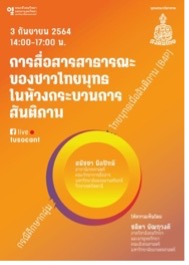
The 3rd seminar, on topic “Thai Buddhist Public Communication in the Peace Process: A Case Study of the Thai Buddhist Group for Peace (B4P)” on Friday, September 3, 2021, from 2:00 PM to 5:00 PM Speaker: Dr. Assembly Nilpat, Branch of Communication Arts, Faculty of Communication Sciences, Prince of Songkhla University, Pattani Campus. Commentator : Asst. Prof. Dr. Chalita Bhuntuwong, Department of Sociology and Anthropology, Faculty of Social Sciences, Kasetsart University  

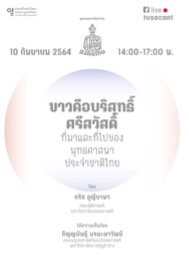
The 4th seminar, on topic “White is pure Srisawat: the origin and place of Thai national Buddhism” on Friday, September 10, 2021 from 2:00 PM to 5:00 PM Speaker: Mr. Krit Phujiyama, Faculty of Law, Thammasat University Commentator : Assoc. Prof. Dr. Pinyaphan Pojanalawan, Faculty of Humanities and Social Sciences, Rajabhat Lampang University  

The 5th seminar, on topic “Buddhist women and the peace process under the dynamics of religion and ethnicity in the southern border” on Friday, September 17, 2021 from 2:00 PM to 5:00 PM Speaker: Asst. Prof. Dr. Duanghathai Buranacharoen, Institute of Human Rights and Peace Studies, Mahidol University Commentator: Dr. Khakanang Yavaprapas, Faculty of Sociology and Anthropology, Thammasat University   The dialogue addressed the role of women and the situation during the 1932 revolution, directly related to people & peace, which is one of the pillars of the SDGs, in particular SDG goal 5 : Gender equality,, sub-goal 5.5, Ensure women’s full and effective


Thammasat University’s Capacity building activities to policy- and law-makers in 2021

Thammasat University has been providing outreach, general education, upskilling and capacity-building to policy and lawmakers on several topics which will contribute to the implementation and achievement of Sustainable Development Goals and the Paris Accord.

The general education, upskilling, and capacity-building activities that were organised in 2021 were mainly focused on law concerning public health, climate change, and Sustainable Development Goals (SDGs) in policy formulation. Beneficiaries of these activities include judges (not only in Thailand but in Asia), the Ministry of Natural Resource and Environment, the Ministry of Labor, the Ministry of Health, the Ministry of Agriculture, and the Secretariat of the House of Representatives. The followings are examples of capacity-building activities in which our academic staff were involved.

Law

On August, 6, 2021, Associate Professor Kesinee Vitoonchart, Rector of Thammasat University ,gave an opening speech for the Asian Regional Course for Judges on Intellectual Property Rights and Public Health, organized by a collaboration between the Faculty of Law, Thammasat University, and the South Centre, Switzerland. 

This is a short course training for judges in Asia, aiming to be knowla edge exchange platform regarding the roles of intellectual property rights and public health, and the promotion of access to medical products for developing countries. 

https://www.facebook.com/Thammasatlaw/photos/a.2271136046350565/2420969601367208/

https://ipaccessmeds.southcentre.int/event/asia-regional-judges-workshop-on-ip-and-public-health/

Climate Change

Assoc. Prof. Bundit Limmeechokchai gave a lecture on the topics of “Principle and scope of Greenhouse Gas Account, according to the Framework of Paris Rulebook for the energy sector”, and “the Sectoral data collection and assessment of Greenhouse Gas for Energy Sector, with calculation practice”, in a workshop on “The data collection and quality control for the creation of the energy sector Greenhouse Gas account”, on April 1-2, 2021, organised by the Office of Natural Resource and Environmental Policy and Planning (ONEP), Ministry of Natural Resource and Environment and partner organisations, namely, GIZ and Thailand Greenhouse Gas Management Organization (Public Organization

https://climate.onep.go.th/wp-content/uploads/2021/03/Agenda_1-2Apr2021.pdf

Policy formulation and SDGs 

A team of Thammasat University professors gave lectures and facilitated a workshop integrating Sustainable Development Goals, National Human Rights Plan, BCG Economy for the formulation of action plan of the permanent secretary office of Ministry of Labor. The workshop was organized between December 14-16, 2021. Assistant Professor Dr.Tavida Kamolvej, Dean of Faculty of Political Science, Assistant Professor Dr.Supachai Srisuchart, Dean of Faculty of Economics, and Assistant Professor Chol Bunnag, Director of SDG Move were the instructors of the workshop. 

Please click here to see the Ministry of Labor’s post

Sustainable Development Goals (SDGs)

Assistant Professor Chol Bunnag, Director of SDG Move, Faculty of Economics, Thammasat University, gave lectures on Sustainable Development Goals (SDGs) and how it can be implemented by government agencies to several government organisations, as shown in the list below. 

June 15-16, 2021 – Seminar and workshops on SDG 101: basic principles and Sustainable Development Goals towards sustainable well-being of Thai people, organised by the International Health Policy Program (IHPP) for health officers and researchers. 

https://www.facebook.com/sdgmoveth/photos/a.3312723775651473/2961674554089732

June 10, 2021 – A lecture on “Sustainable Development Goals, in a training course “Understand international organisations and agriculture, volume 7, (June 9-11, 2021), organised by the Ministry of Agriculture and Cooperatives for provincial-level officers in the Ministry of Agriculture. 

October 15, 2021- A lecture on “Sustainable Development”, in a training course “Pathway towards Sustainable Development following the Sufficiency Economy Philosophy, under Green Parliament Project, organised by The Secretariat of the House of Representatives.

Thammasat’s Expert Advice to Government at All Levels in 2021: Participation in Government Committees and Research

Professors and Lecturers in almost faculties and colleges of Thammasat University have been providing expect advice to government at all levels (National, Regional/Provincial) in several areas of the Sustainable Development Goals (SDGs) through participation in government committees and research. The followings are some examples of the expert advice in 2021 our faculties provided to national, provincial and local governance, with public evidence.

Providing expert advice through participation in government committees:

National Level:

Assistant Professor Nattapong Puttanapong (PhD.) from Faculty of Economics, Thammasat University, was appointed as Economic Expert in the National Committee on Sustainable Development since February 2020 (click here).

Regional/Provincial Level:

Thammasat University in cooperation with the National Science and Technology Development Agency (NSTDA) provide expert advice to provincial governor of Pathum Thani to design and implement the pilot area of smart city in Klong Luang District where Thammasat University is located before expanding to the whole Pathum Thani and nearby provinces (click here).

Assistant Professor Nattapong Puttanapong (PhD.) from Faculty of Economics, Thammasat University, was appointed as Economic Expert in the Committee for Bangkok Smart City in 2021 (click here).

Providing expert advice through participation in government research:

In 2021, professors and researchers from Thammasat University participated in many government research projects. As shown below, the topic of research ranging from the issues on urban development, cultural promotion, and promoting elderly care, to community rights, water management, and grassroots economy, to calculating the discount rate for GreenHouse Gas Mitigation Measures, assessing eco-efficiency, and formulating regulations. Beneficiaries of these research projects include the office of the national village and urban community fund, the department of cultural promotion, the Thailand Greenhouse Gas Management Organization (Public Organization), the department of water resource, the department of empowerment of persons with disabilities, the National Science and Technology Development Agency, and the Office of the National Human Rights Commission of Thailand.  The following tables are some examples of government research that Thammasat University participated.

Research TitleAuthor & affiliationGovernment DepartmentLink
Analysis, Improvement and Development of Database and Report System for Village and Urban Community FundAssoc.Prof.Dr.Nopbhorn Leeprechanon, Faculty of Engineering, Thammasat UniversityNational Village and Urban Community Fund Officehttps://repository.turac.tu.ac.th/handle/6626133120/960
Project on Cultural Council Executive Structure Development through Local Network Collaboration under the National Cultural Act 2010Asst. Prof. Ronnarong Jandai, Faculty of Social Administration, Thammasat UniversityDepartment of Cultural Promotionhttps://repository.turac.tu.ac.th/handle/6626133120/961
A study on Discount Rate for GHG mitigation MeasuresAssoc. Prof. Dr. Bandit Limmeechokchai, Sirindhorn International Institute of Technology (SIIT), Thammasat UniversityThailand Greenhouse Gas Management Organization (Public Organization)https://repository.turac.tu.ac.th/handle/6626133120/962
The Study of Preparing for Implementation on Section 78 and 81 of Water Act of B.E. 2561 and Drafting Regulations in Relation to Duty of Ministry of National Resource and EnvironmentProf. Narong Jaihan, Faculty of Law, Thammasat UniversityDepartment of Water Resource.https://repository.turac.tu.ac.th/handle/6626133120/963
Elderly care in the Government’s InstitutionsAsst. Prof. Wannalak Miankerd, Faculty of Social Administration, Thammasat UniversityFoundation of Thai Gerontology Research and Development institute (TGRI)https://repository.turac.tu.ac.th/handle/6626133120/969
Formulate strategies and action plans to develop the seafood industry to be the seafood production center of the futureProf. Dr. Kaewta Rohitrattana, Thammasat Business SchoolIndustrial Promotion Center Region 8https://repository.turac.tu.ac.th/handle/6626133120/976
            Evaluation of ASEAN Decade of Persons with Disabilities 2011-2020 for next phase mobilizationProf. Dr. Wilaiporn Khotbuengkae, Faculty of Social Administration, Thammasat UniversityDepartment of Empowerment of Persons with Disabilities.https://repository.turac.tu.ac.th/handle/6626133120/978
Eco Efficiency Assessment of Rubber Authority of ThailandAssoc. Prof. Dr. Hanphon Puengrasamee, Faculty of Engineering, Thammasat UniversityRubber Authority of Thailandhttps://repository.turac.tu.ac.th/handle/6626133120/1012
Performance Evaluation Project under the 3-Year Government Policy and Plan (2020 – 2022) of Community Development Department, Initial PhaseAsst. Prof. Ronnarong Jandai, Faculty of Social Administration, Thammasat University  Department of Community Developmenthttps://repository.turac.tu.ac.th/handle/6626133120/1019
Pathumthani Smart City RoadmapAsst. Prof. Dr. Pavinee Iamtrakul, Faculty of Architecture and Planning, Thammasat UniversityNational Science and Technology Development Agencyhttps://repository.turac.tu.ac.th/handle/6626133120/1025
A study on the Opinion Related to Grassroots Economy Development Policy in order to Achieve Sustainable DevelopmentDr. Puchong Senanuch, Faculty of Social Administration, Thammasat UniversityKing Prajadhipok’s Institutehttps://repository.turac.tu.ac.th/handle/6626133120/1027
Lesson Learned from Public Services Development of Local Administration Office and CommunityDr. Peeradon Kaewlai, Faculty of Architecture and Planning, Thammasat UniversityKing Prajadhipok’s Institutehttps://repository.turac.tu.ac.th/handle/6626133120/1030
Community Rights in Water Resources Allocation by Peaceful Means: Case Studies on the Nan Basin of Northern and the Chii Basin of Northeastern ThailandDr.Ampa Kaewkumkong, Institute of East Asian Studies, Thammasat UniversityOffice of the National Human Rights Commission of Thailand.https://repository.turac.tu.ac.th/handle/6626133120/1033

Thammasat University’s written policy for external stakeholder engagement

In 2021, Thammasat University enacted Stakeholder Engagement Measure, which specifies guidelines for engagement measures for internal and external stakeholders. 

Section 3 provides guidelines for stakeholder engagement. 

  • Item 2 states that the university must provide opportunities for customers of the university, employers of Thammasat University’s graduates, and other stakeholders to give opinions and suggestions to improve the university’s operation systematically and independently. 
  • Item 3 encourages collaborations between the university and stakeholders to improve the university’s operations, education, and other academic collaborations. 
  • Item 4 states that when faculties and institutes need to improve their curriculums, they need to engage all stakeholders, including Thammasat University’s graduates and external stakeholders, to provide comments. 

The guidelines have been implemented by all faculties and institutes, especially when the curriculum needs to be updated and improved. In addition, Rangsit and Lampang campuses also worked actively with local authorities in several local development initiatives. 

Link to policy: Please Click Here

Waste data in 2021: Amount of waste recycled and sent to landfill

Thammasat Policy on Solid Waste management committed to track and measure the amount of waste and its management. In 2019, Thammasat University enacted a Policy on Solid Waste management to advance the university towards becoming a sustainable university. The policy provides a direction on systematic and effective waste management within the university and is applied to all parties of the university from students, staff, store owners, as well as individuals who perform other activities related to waste creation in the university area.

The item 6 of this policy stresses that “The University will need to be able to track and check the method of waste disposal during waste delivery to the disposal destination to note the amount of each type of waste that has been recycled and the amount of waste that has been taken to landfill, so that the university can appropriately promote activities that help increase waste recycling and reuse waste going to landfills.

The table below shows the amount of waste produced by Thammasat University in 2020 – first half of 2022. General waste refers to non-recyclable waste, which the university passes on to local municipality. It is unclear though how the municipality deals with the waste. It is therefore assumed to be managed by sending to landfill. Recyclable waste refers to recyclable waste dealt with by Thammasat University’s facilities.

According to the data, the total amount of waste in 2021 (2,439.6 tons) was reduced from the level of 2020 (3,175.3 tons). More importantly the proportion of recyclable waste has increased significantly relative to 2020, from 20.96 percentage in the second half of 2020 to 27.01 and 30.04 percentages in the first and second half of 2021 respectively.

 Amount of wasteJan-Jun
2020
Jul-Dec
2020
Jan-Jun
2021
Jul-Dec
2021
Jan-Jun
2022
General waste (Tons)1050.001425.00920.00825.00810.00
General waste (Percentage)76.5179.0472.9969.9668.28
Recyclable waste (Tons)322.31377.99340.43354.17376.35
Recyclable waste (Percentage)23.4920.9627.0130.0431.72
Amount of waste of Thammasat University in 2020 and 2021 in tons.

Despite the increase in the proportion of recyclable waste, Thammasat University still has much to do to increase the proportion of recyclable waste. The university may need to track how its waste is dealt with by the municipality and how to support the municipality to manage the waste more sustainably.

Restoration of Land and Surroundings to Create Historical Place for Research and Tourist Attraction

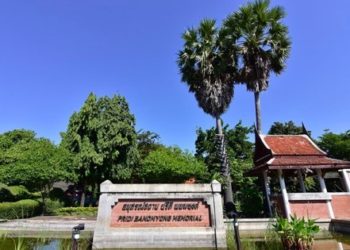
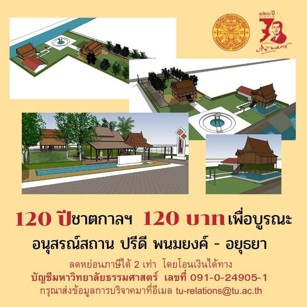
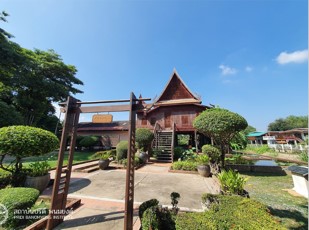
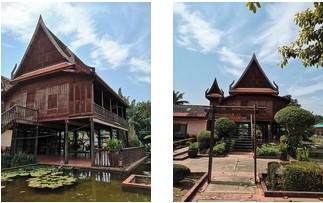
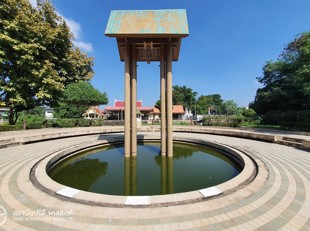
The 120th anninversary of Mr. Pridi Banomyong’s birth on May 11, 2020, Thammasat University has organized a project to build a memorial near the area where Mr, Pridi was born, in a raft house by the canal opposite to Banaomyong Temple, Phra Nakhon Si Ayutthaya province, along with developing the area near the temple to construct a library, museum and meeting rooms.

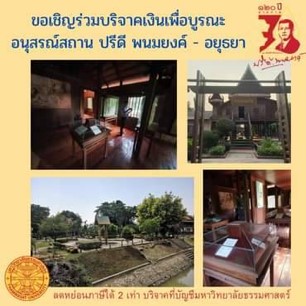
The project started by receiving three plots of unusable land near the area of the original raft house through donations from Mr. Pridi’s relatives. The next important task was to search for a boat house with similar styles, and possibly same era which is around 100 years old, from the island around the city of Phra Nakhon Si Ayutthaya. Then, the restoration of the houses and the surrounding landscape was done to make them more stronger and durable while preserving the traditional Thai house’s design and antique styles on all structures

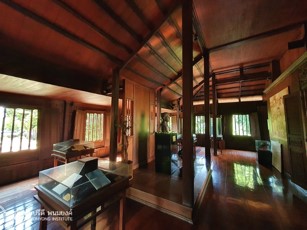
The museum was build using another boat house to exhibit archived documents, books, antiques and historical photos for the new generation and to be a “living classroom” for further research and tourists attraction.

For more information on Pridi Banomyong Memorial, please refer to these websites.
1. Memorial Restoration Project – Pridi Banomyong Memorial
2. การบูรณะซ่อมแซมอนุสรณ์สถานปรีดี พนมยงศ์ จังหวัดพระนครศรีอยุธยา ให้อยู่ในสภาพที่สมบูรณ์ โดยมหาวิทยาลัยธรรมศาสตร์
3. Restoration of Pridi Banomyong Memorial – Rangsit Campus Administration

Related articles and websites:
1. Roles of Public Spaces in the Development of Thammasat University Rangsit Campus 2034
(English Version)


Transforming Brownfield Sites for Community Well-being

Highlights:

Urban Brownfield Redevelopment for Community Well-being in Bangkok Yai

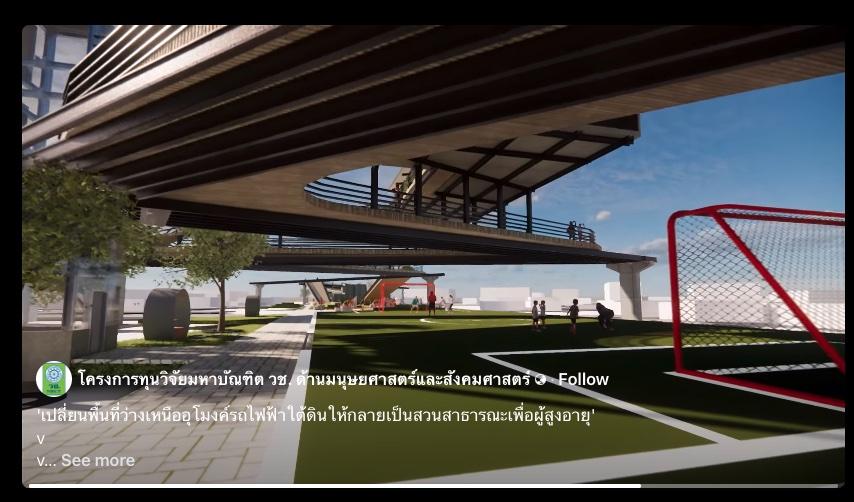
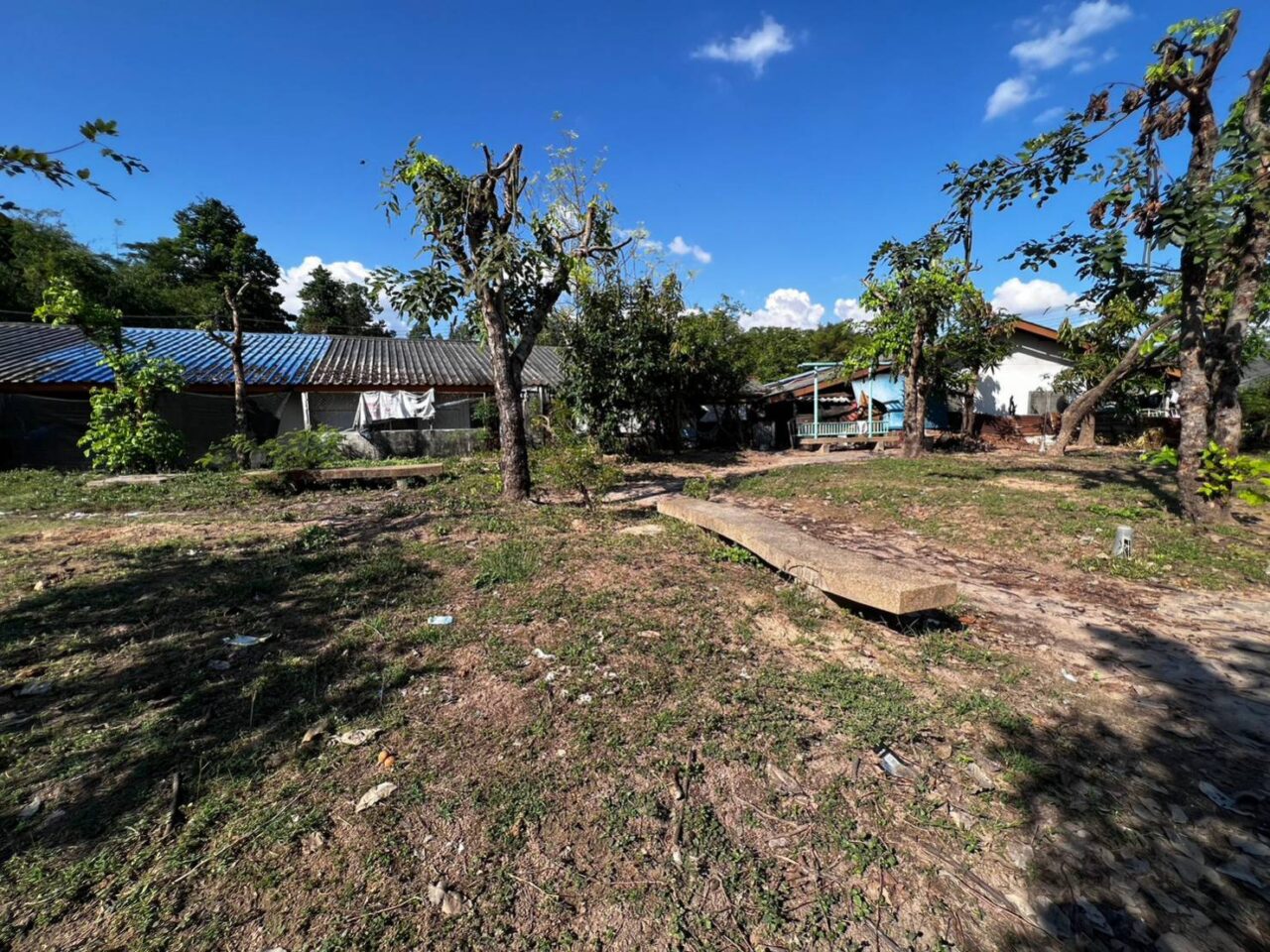
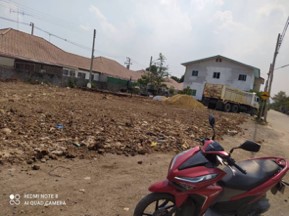
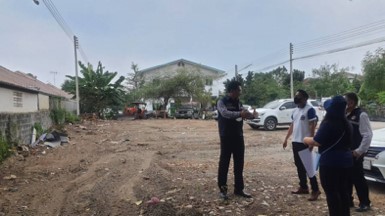
The project, undertaken by Ms. Sarawut Charoenpong (Pang), a Master’s student from the Faculty of Architecture and Planning at Thammasat University, focuses on the transformation of a significant vacant brownfield site of approximately 10,602 square meters (6–7 rai) located in the Bangkok Yai area between Tha Phra and Itsaraphap Stations. The site’s condition before the project began was shaped by its history: once an orchard and later a football field surrounded by houses, it was fundamentally altered when the MRT Blue Line (MRTA) underground tunnel construction caused the surrounding structures to “disappear.” This process left behind a large abandoned and deteriorated area above the tunnel joint, a space that came to be seen as a desolate area (“พื้นที่รกร้างและทรุดโทรม”).

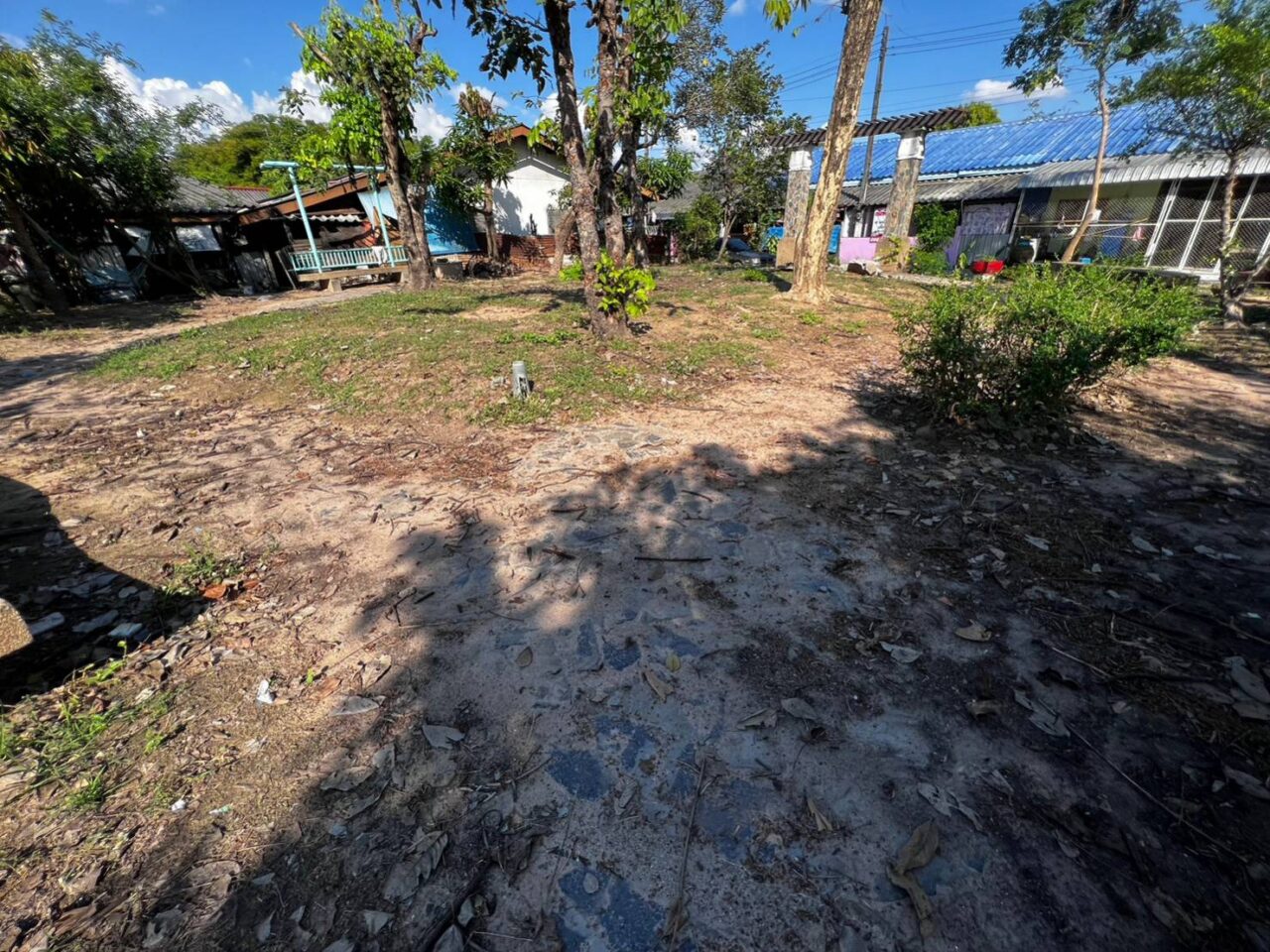
Community members, recognizing the lack of accessible green space, expressed a strong desire for the are to be transformed into a functional public park or pocket park (“สวนหย่อม”) for the relaxation of the elderly and children. Responding to this need, Ms. Sarawut developed the project titled the Urban Community Well-being Promotion Center (“ศูนย์ส่งเสริมสุขภาวะชุมชนเมือง”), which demonstrates the potential of transforming a neglected brownfield site into a vital community asset. Using a participatory design approach, the project engaged local residents to identify specific functions and spatial requirements to best serve community needs.

“Before”..as a Brownfield Site
Desolate Area
Abandoned and Deteriorated Area
“After”..A Public Park for the Elderly
Outdoor Public Park
Sky Walk

The resultant design integrates multiple layers: an outdoor public park on the ground level and a Sky Walk layer above, enhancing circulation, exercise routes, and the overall usable space within the limited site area. Additionally, an indoor center was incorporated to support organized activities and community programs. The primary outcome and benefit of the project lie in its ability to enhance the health and well-being of community members—particularly the aging population—by providing dedicated facilities for both physical and mental activities, promoting social interaction, and significantly increasing the volume of green space in Bangkok. This transformation from an underutilized, desolate concrete plaza into a specialized public park for the elderly (“สวนสาธารณะเพื่อผู้สูงอายุ”) stands as a model for urban renewal and community-centered landscape design.

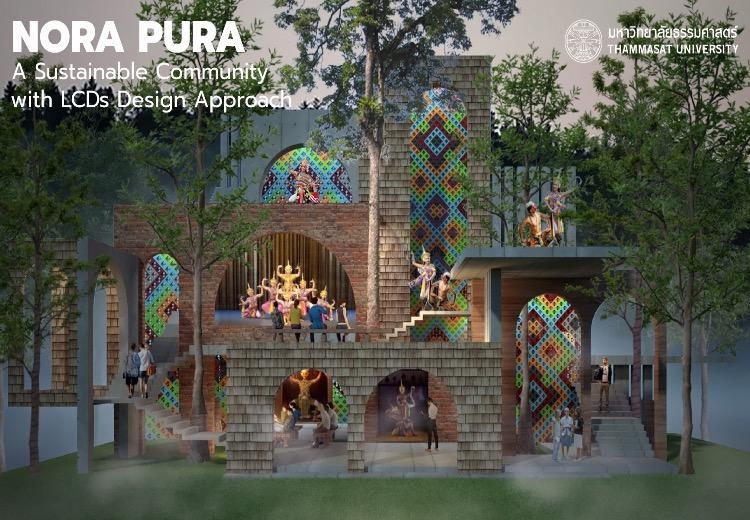
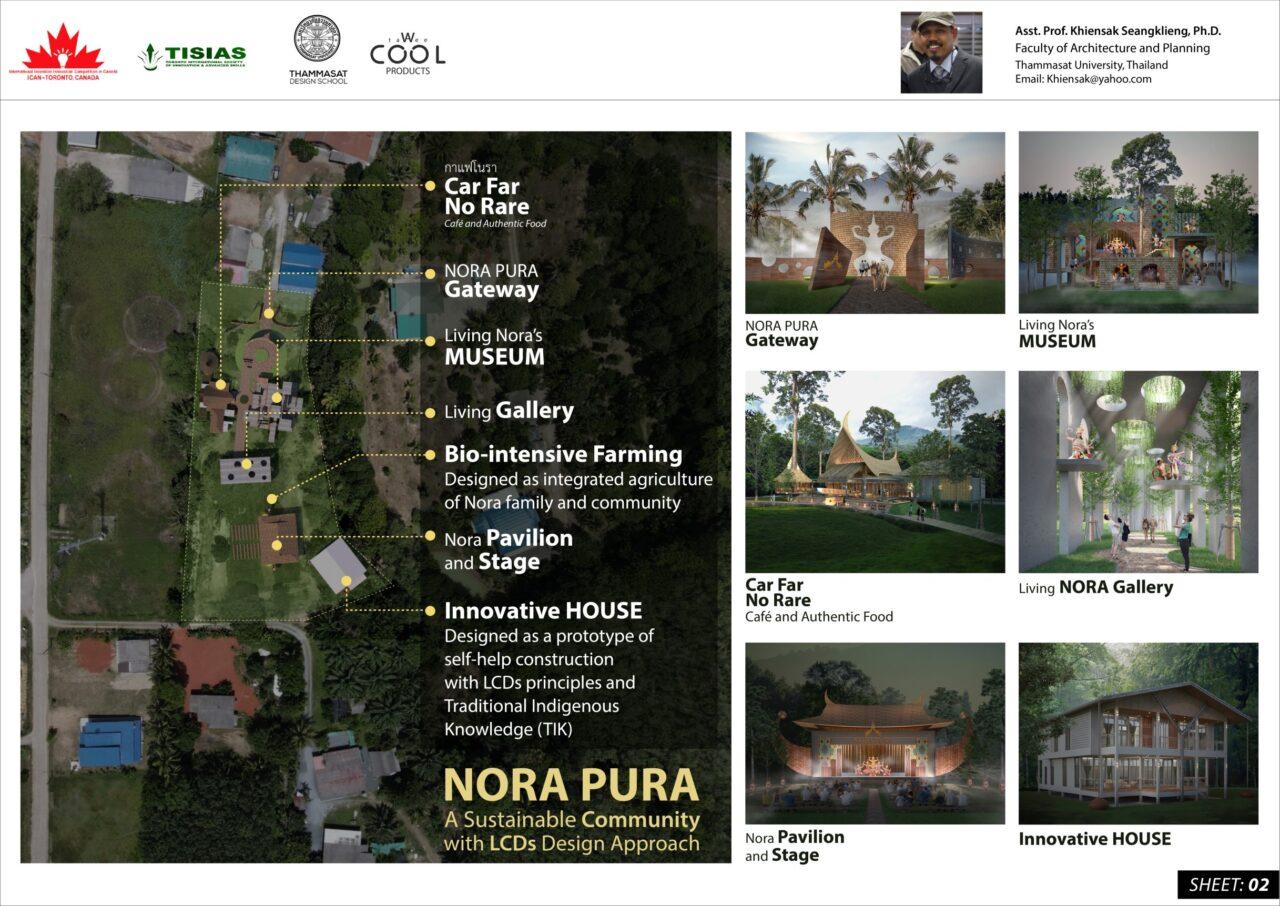
NORA PURA: Reviving Cultural Heritage and Sustainable Living Spaces in Phatthalung’s Manohra City

Project NORA PURA is revitalizing a previously deteriorated 4-rai brownfield site in Tha Khae Subdistrict, Phatthalung Province, transforming it into a sustainable community asset. Led by the Manohra Kriangdech Group, the project reclaims this neglected area to create “Manohra City,” a multifunctional space dedicated to preserving and promoting the cultural heritage of Nora dance. Through modern architectural innovation, the site is thoughtfully divided into areas that support both local livelihoods and cultural learning. Serving as both a hub for learning and a harmonious living environment, NORA PURA is poised to perpetuate and celebrate Nora’s cultural heritage.

At the heart of the LCDs theory lies the ability to envision new perspectives and generate value with minimal initial investment. Originally focused on architectural challenges, this approach has evolved into a multidisciplinary endeavor crucial for advancing innovative solutions in diverse fields.

One part of NORA PURA is dedicated to vocational activities, providing opportunities for local artisans and creators to showcase and sustain their crafts. Another area serves as an educational space, focusing on the art and science of Nora, allowing community members and visitors to engage directly with this traditional performance art. By repurposing this unoccupied land, NORA PURA offers a model for sustainable, community-centered development that celebrates and safeguards cultural heritage for future generations.

The culmination of these efforts is reflected in the accolades garnered by LCDsongkhla at prestigious international competitions, including the esteemed iCan 2023. With participants from over 95 countries, this recognition underscores the global significance of LCDsongkhla’s innovative vision, poised to inspire and elevate park design standards worldwide.

For more details information, please visit Thammasat University (THE) Research Hub and these websites.
1. NORA PURA – A Sustainable Community with LCDs Design Approach
2. TDS FB_NORA PURA  A Sustainble Community with LCDs Design Approach (Sep,2023)
3. TU News_ “NORA PURA”_A Low Cost Design Solution that preserve the cultural heritage of Nora and create a sustainable, functional environment for the community

Revive the Deteriorated Area as Public Park for the Elderly and Community for Municipalities

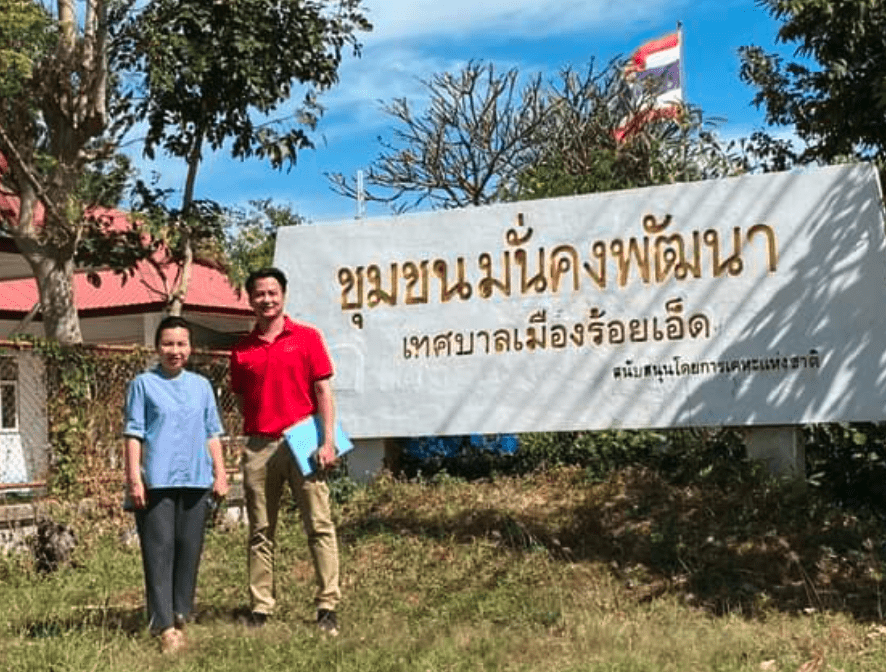
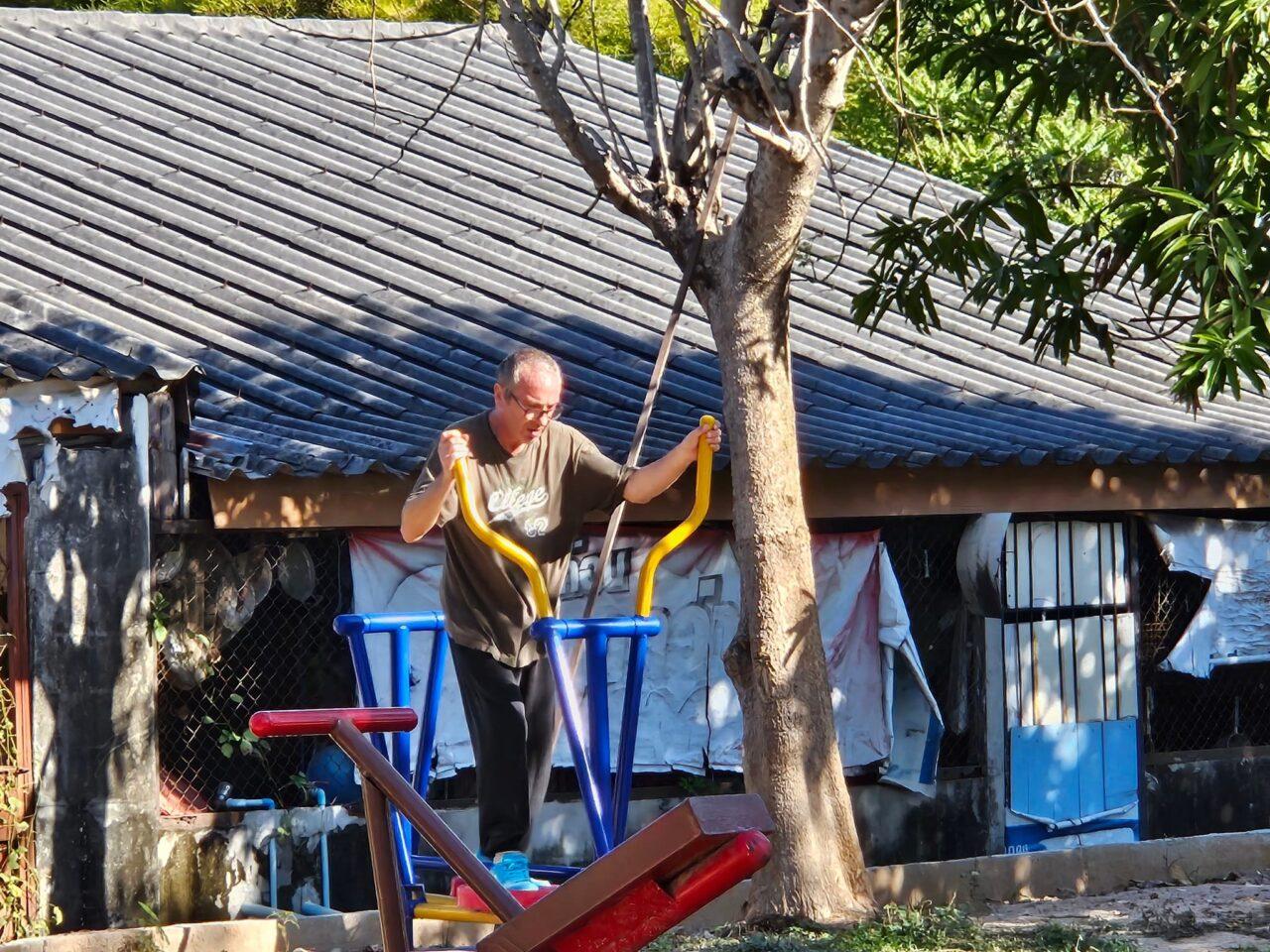
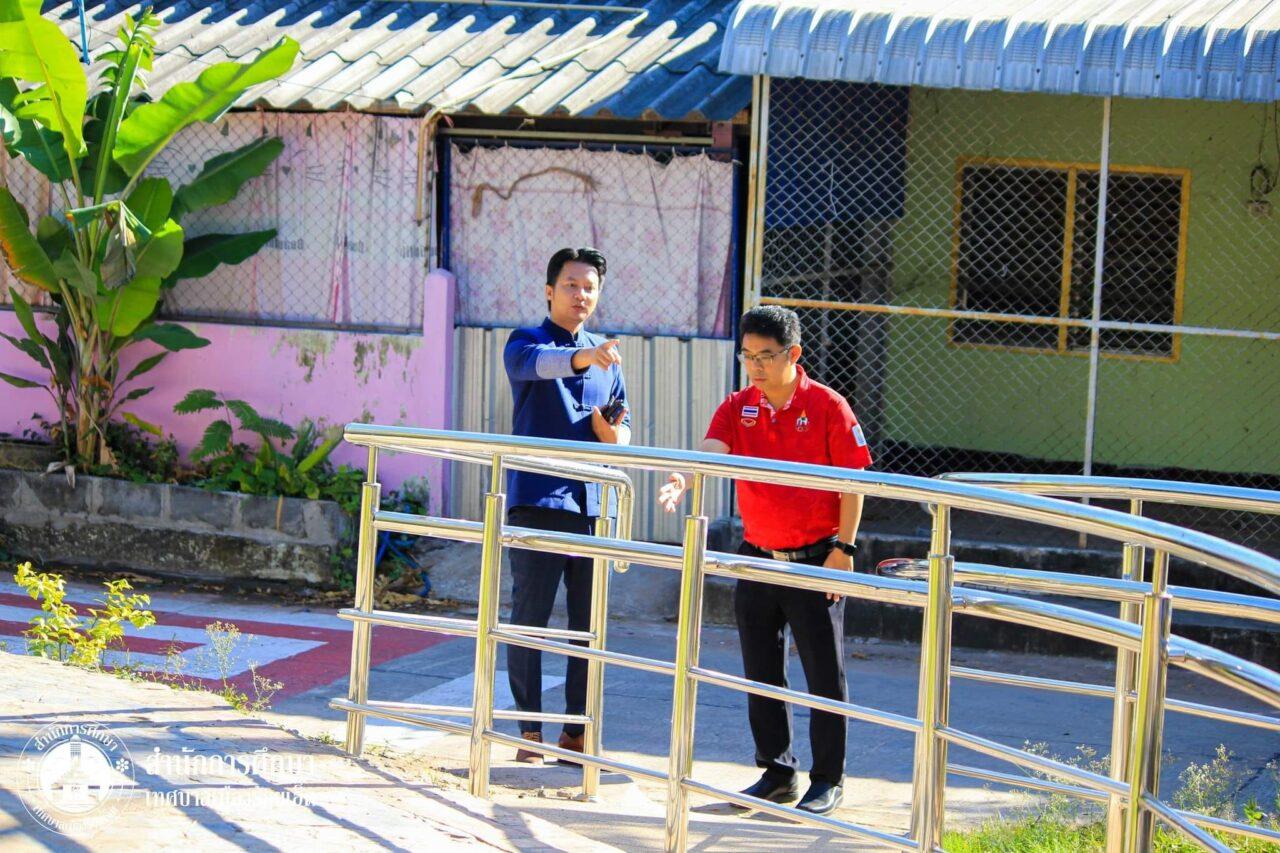
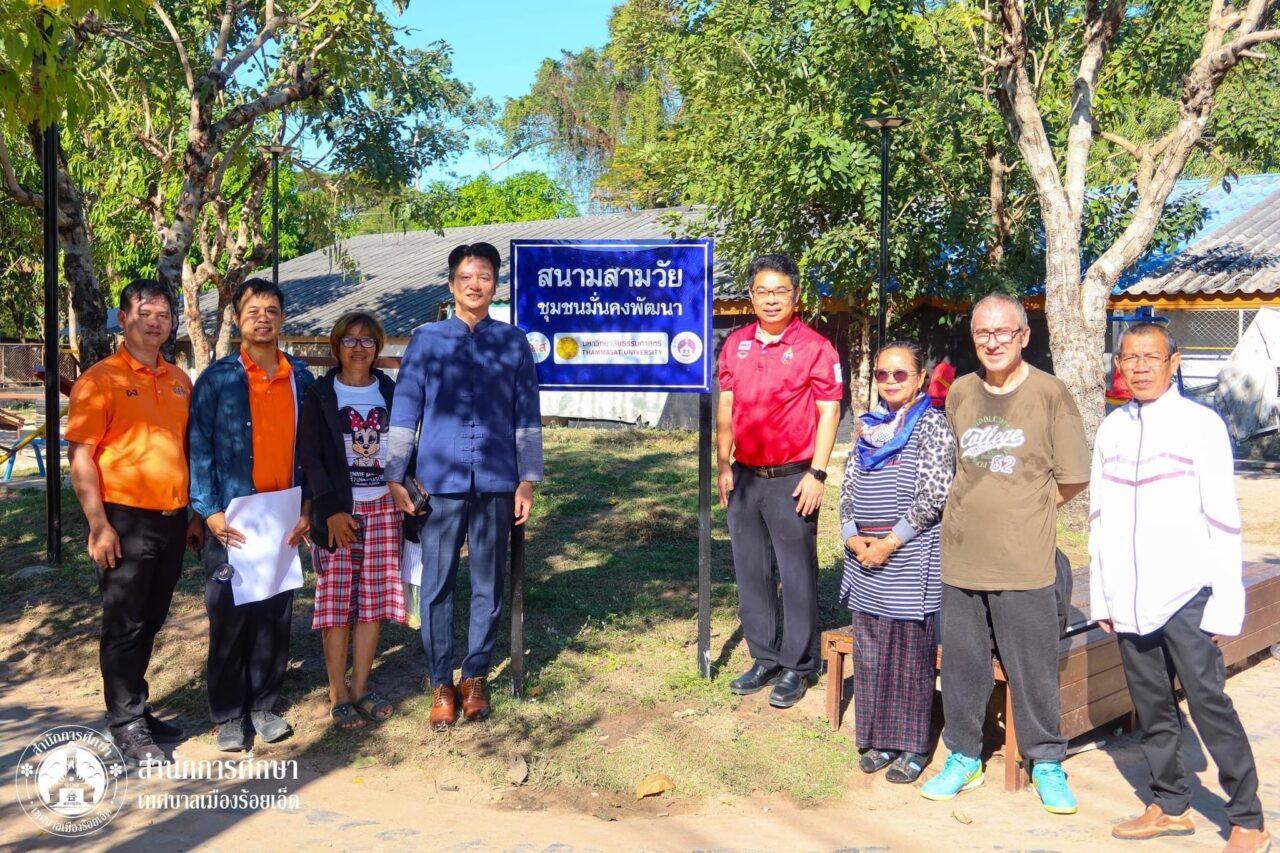
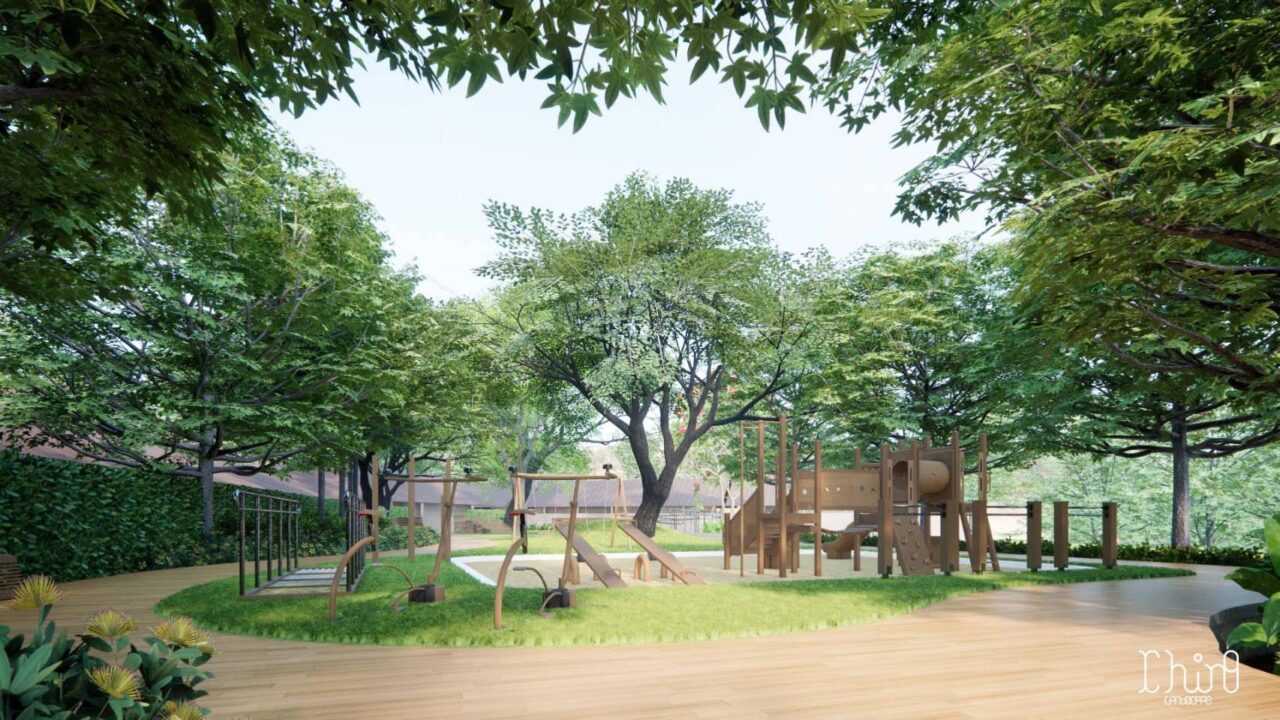
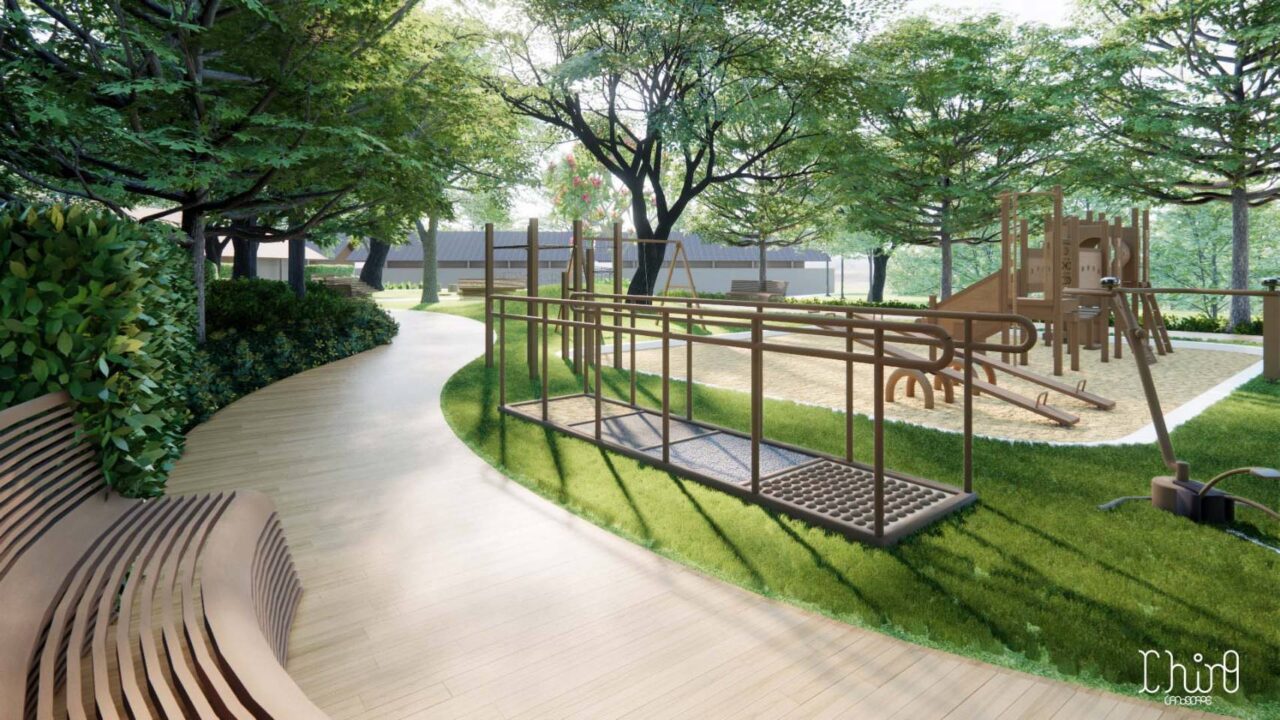
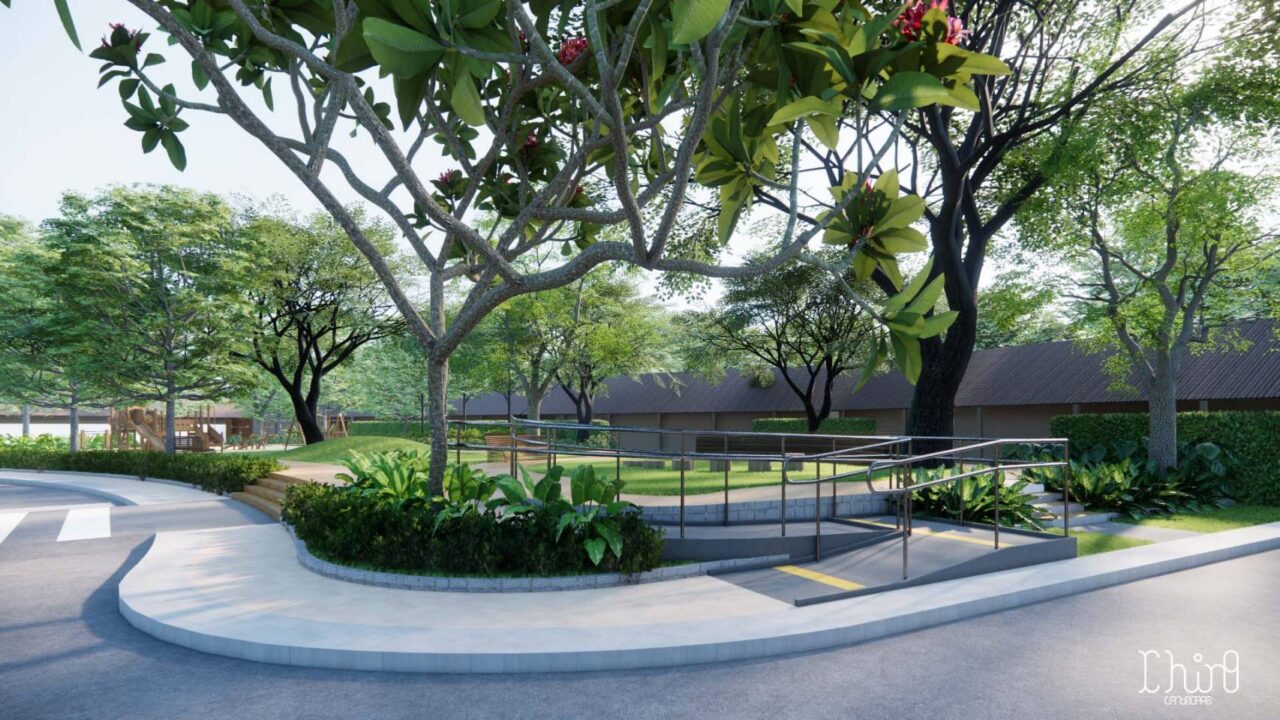
Continuing to promote and improve the quality of living, both physical and mental health, the Research and Design Unit – Universal Design Center, Thammasat university, searched and found a deteriorated area in Roi-et province which could be an exercise area for the elderly and people in the community. Thammasat UDC, operating under the project name “Sanam Sam Wai” (Park for All Generations), carried out the design and the construction of the deserted area and turned it into an exercise area for the elderly and the community in Roi-et Municipality.  The project started in November, 2022 and completed in 2023.

The Faculty of Architecture and Planning at Thammasat University, in partnership with the Roi Et Municipality’s Urban Development Office, recently conducted a post-occupancy evaluation of a new community park named *Sam Wai Field* in Roi Et Province. This park was revitalized with a focus on creating a safe and welcoming space for elderly residents and the broader community, making use of both existing resources and inclusive design principles. The design and evaluation were guided by Thammasat UDC, emphasizing community engagement and sustainable urban development.

In line with their goal to revitalize deteriorating urban areas, the park project included a “Rapid Post-Occupancy Evaluation (R-POE)” to assess functionality, user satisfaction, and design effectiveness.

The evaluation revealed several positive outcomes:

  • Community Involvement and Ownership
    One of the standout successes of the project was the community’s sense of shared ownership. Through a participatory process, residents contributed to identifying essential facilities and activities for the park, which helped to foster pride and responsibility. Committees of community members were organized to oversee maintenance, with tasks rotated daily, ensuring a steady stream of caretakers.
  • Adaptive Use of Resources
    The design team minimized costs by reusing existing materials and preserving mature trees, which contributed to both the aesthetic and environmental quality of the space.
  • Universal Design Considerations
    While most facilities met universal design standards, the evaluation highlighted a few areas for improvement such as certain child play structures that need to be reinforced to withstand heavy use.

The park’s layout was also adjusted to encourage visibility and safety, supporting a layout that creates clear sight lines among different activity zones, helping elderly residents and families feel secure and connected. Although some elements needed refinement, the park has already become a lively, multi-generational gathering space, with frequent use by people of all ages. This collaborative project demonstrates how inclusive design and community participation can transform neglected spaces into vibrant community assets, providing social, environmental, and health benefits for local residents.

Another project, started since 2020 until the end of 2023, was the reconstruction of the deteriorated area in Soi Phakdi Racha (Rangsit-Nakhon Nayok 45) to be an exercise area and multi-purpose building for the elderly and people in the community. The Research and Design Unit – Universal Design Center, Thammasat University, operating under the research project “Better Home, Better Living for Thai Elderly”, carried out the design and the construction of the deserted land and turned it into an exercise area for the elderly and the community in Rangsit Municipality.  The project aims to promote and improve the quality of living, both physical and mental health, which was funded by the National Research Agency (NRCT).

New Building Design Principles Toward Sustainable Standards

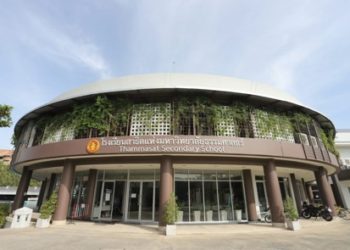
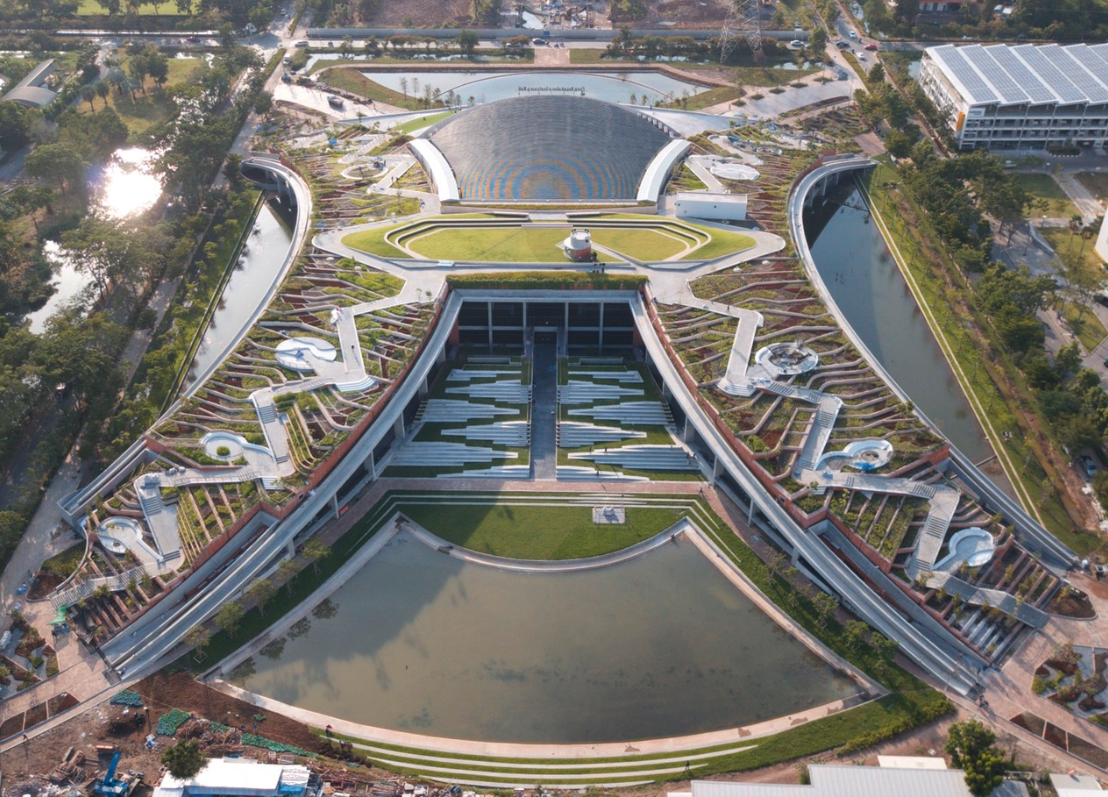
Thammasat University has several outstanding buildings that are recognized as the highly energy-efficient buildings that adhere to the building design principle for energy conservation such as the “Wisit-Auksorn” Building which has won the “Energy Saving Building Design Awards” in 2016, the “Siriwitthayaluck” Building of the Faculty of Learning Sciences and Education which flawlessly combined the energy-efficient principle with the concept of universal design, the “Thammasat Secondary School” which received an IFLA AAPME Awards 2020, and last by not least, the “Puey Centenary” Hall.

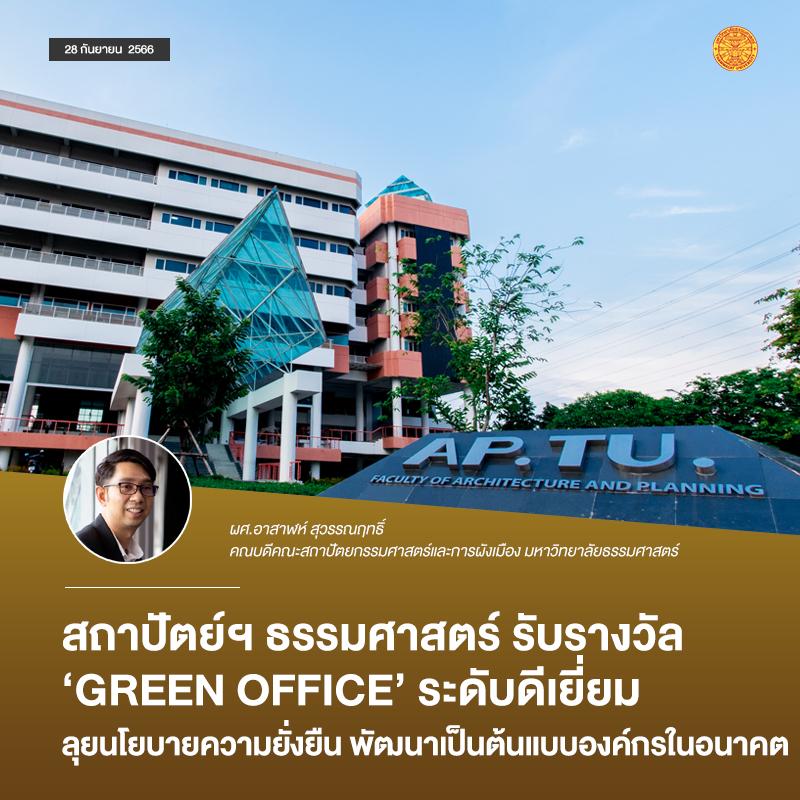
คณะสถาปัตยกรรมศาสตร์และการผังเมือง มหาวิทยาลัยธรรมศาสตร์ ได้รับรางวัลสำนักงานสีเขียว (Green Office) ระดับดีเยี่ยม (เหรียญทอง) ประจำปี 2566 จากกรมการเปลี่ยนแปลงสภาพภูมิอากาศและสิ่งแวดล้อม กระทรวงทรัพยากรธรรมชาติและสิ่งแวดล้อม (Sep,2023)

Latest in 2023, Thammasat University’s Faculty of Architecture and Planning has earned the prestigious Green Office Excellence Award (Gold Medal) for 2023, awarded by the Department of Climate Change and Environment, Ministry of Natural Resources and Environment. This recognition highlights the faculty’s commitment to sustainability in various forms, including energy-efficient building designs, the installation of solar panels to generate renewable energy, and initiatives like the TDS Freecycle Rack, a space for sharing and exchanging materials for model-making to promote reuse.

The design for the International Education Building (อาคารวิศิษฏ์อักษร), executed by the Center for Design and Research Innovation (CIDAR) within the Faculty of Architecture and Planning at Thammasat University, was certified under a crucial sustainable construction standard. As announced on January 17, 2024, this design passed the assessment for new construction and renovation projects (TREES-NC) and achieved the Gold level certification from the Thai Green Building Institute. This assessment utilized the ‘Standard criteria for assessing energy and environmental sustainability’ (TREES-NC), and the recognition aligns with the university’s broader goals for Thammasat Sustainability, Thammasat SmartCity, and Future CampusLife at the Rangsit campus.

Another achievement recognizing sustainable practices occurred on August 29, 2024, when the Faculty of Architecture and Planning received the Green Office (G-Green) Award at the Excellent G Gold level. Assistant Professor Asahan Suwanrit, the Dean of the Faculty, was the representative who accepted the award, which was conferred by the Department of Environmental Quality Promotion. This G-Green award is given to organizations that demonstrate environmental management, emphasizing the efficient and worthwhile use of resources, commitment to energy saving, and explicit consideration of environmental impacts

Looking ahead, the faculty is focused on adopting Net Zero and Carbon Neutral strategies. Through collaborations with external agencies, they are working to develop future-ready models for sustainability in organizational practices, positioning themselves as a leader in environmentally responsible development. This ongoing dedication underscores the faculty’s commitment to sustainable design and practices for an eco-friendlier future.

For more information on the building design, please refer to these websites:
1. Thammasat Policy for Energy-Efficient Renovation and Building
2. Energy Efficient Renovation and Building at Thammasat University

All new buildings at Thammasat University have been constructed under this design guideline and the “Policy for Energy Conservation Management and Access to Modern Sustainable Energy”. The policy ensures that all new buildings and/or renovations are following energy efficiency standards and use the most optimized way in planning for energy consumption in all buildings.  It stretches throughout the policy, especially in item #2, #4, #7 and #9, that all constructions, renovations and expansion of the building in Thammasat University must adhere to the “building design principle” for energy conservation.

Policy on Energy Conservation Management and Access to Modern Sustainable Energy

1.-Policy-on-Energy-Conservation-Management-and-Access-to-Modern-Energy


Item #9 stated that “Construction and renovation of all buildings within Thammasat University will adhere to the building design principle for energy conservation and must take into account energy efficiency as a primary factor, following the minimum “Certified” rating from TREES (Thai’s Rating of Energy and Environmental Sustainability).

Under the “Policy on Environmental Management”, the University also stretches the important of the design and development of all new building to follow sustainable building standards.  Item #2 stated that “Perform design and physical development while following sustainable building design principles.  All new build developments will be required to achieve a minimum “Certified” rating from TREES (Thai’s Rating of Energy and Environmental Sustainability)”. There are four level of certifications: certified, silver, gold, and platinum.

Policy of Environmental Management

3.-Policy-on-Environmental-Management

Building Design Principles
New buildings according to the updated Thammasat University’s master plan must be designed to reduce the use of energy and exhaustible natural resources. The design and construction of new buildings must consider the environment and sustainability issues. The building plan and building envelope design must utilize environmentally friendly materials that meet the national or international green building standards.  For Thailand, TREES (Thai’s Rating of Energy and Environmental Sustainability) is the national standard.

Following the building design principles, the shapes the building must facilitate the use of natural light.  The design must also include sunshades to reduce glare with an appropriate window-to-wall ratio for each direction to avoid overheating, as well as natural light monitoring and artificial light dimming systems to optimize the energy use.

The design of the artificial lighting system must complement the natural light to provide luminance that follows the standard of each area with the lighting power in accordance with Energy Conservation Promotion Act (No. 2) B.E. 2550 (2007). The artificial lighting system must contribute to the conservation of energy using various methods, such as using energy-efficient light bulbs and setting automatic lighting schedules.

“Siriwitthayaluck” is the name of the school building of the Faculty of Learning Sciences and Education. Thammasat University, a 4-storey building located near the university’s learning center. The overall design focus on being energy-efficient building, using the high ceiling to improve the air circulation inside the building which significantly reduce the use of air conditions around the learning areas. The transparent roofs were installed to allow the natural sunlight to pass through the hallways, walkways and the oval area on the 1st floor of the building.

For more information on the building design of the Faculty of Learning Sciences and Education, please refer to these websites:
1. Faculty of Learning Sciences and Education Building – Energy-efficient Design
2. Green Faculty “Gold Award” – Faculty of Learning Sciences and Education (Sep,2022)
3. Green Office Award – Faculty of Learning Sciences and Education (Sep,2022)

In summary, all new buildings at Thammasat University have been constructed under this building design principles.  The most recent new building which received an IFLA AAPME Awards in 2020 was the buildings of Thammasat Secondary School.

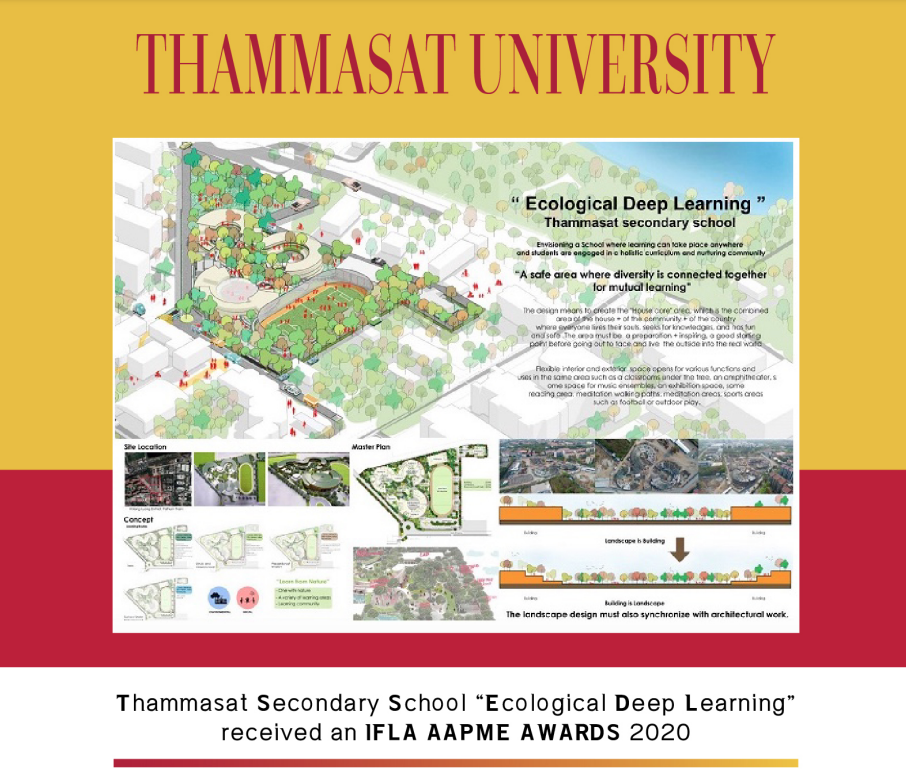
Environmental Design Building – Thammasat Secondary School received IFLA AAPME Awards 2020

Thammast Secondary School is one of the 27 Awards of Excellence for projects that have successfully promoted climate change adaptation, responsible practices, and the pursuit of joint efforts to address isuues of resilience building under the category “Analysis & Master Planning”.

Related articles and websites:
1. Arsomsilp Community and Environment Architect – Thammasat University
2. Arsomsilp Architect – Faculty of Learning Sciences and Education Building
3. Arsomsilp Architect – Thammasat Innovation Hub
4. Arsomsilp Architect – Puey Ungphakorn Centenary Hall, Thammasat University

Universal Design Center – Research and Design Unit to Address the Needs of the Quality, Accessibility and Affordable Housing for the Community

Thammasat University (TU), through various research units and faculties, has actively engaged in planning and development collaborations with local authorities across several projects, often focusing on urban resilience, participatory processes, social housing, and support for vulnerable populations.

The Faculty of Architecture and Urban Planning, Thammasat University, recognize the importance of how the quality, safety, and affordable housing are essential to having the healthy and sustainable communities.  The University has established Universal Design Center (Thamamsat UDC – หน่วยวิจัยและออกแบบเพื่อคนทั้งมวล มหาวิทยาลัยธรรมศาสตร์) as a research and design center, working to address the needs for quality, safety, accessible, affordable and more efficient facilities, environment and housing for people in local community, especially for the elderly groups.
Universal Design Center – Housing for Elderly and People with Disabilities

Thammasat UDC, under the supervision of the Faculty of Architecture and Urban Planning, Thammasat University started the projects to focus in the planning and development issues with local authorities and communities in 2013 and continued since then until the present.
UDTham – Universal Design – Research and Design Unit for All, Thammasat University (Facebook)

The center comprises of the working group from the Civil State Social Work Group on Housing and Ecosystem for Living.  The main tasks are to build, repair, rebuild and improve housing facilities and public places for elderly population under the concept “One Province One Built”. The center also provide counseling and training on the design and improvement of housing to have a better quality, safer, more accessible, and more affordable for the elderly people and people with disabilities.

The Environmental Design Unit, a part of the Universal Design Center, Thammasat University (Thammast UDC) worked with local authorities and carried out the design, planning, and development of these projects to ensure that local residents are able to have the quality, accessible, affordable housing and healthy surrounding such as:

The Urban-Act: Integrated Urban Climate Action for Low-Carbon & Resilient Cities Project in Phuket involves the TU Research Unit in Urban Futures & Policy (UFP) from the Faculty of Architecture and Planning. This initiative aims to support sustainable low-carbon urban development and climate change resilience, funded by the International Climate Initiative (IK) via the German Federal Ministry for Economic Affairs and Climate Action (BMWN). The collaboration included the UFP team, led by Assoc. Prof. Dr. Wijitbusaba Marom, conducting an initial project opening and a hazard and risk assessment workshop between October 28 and 30, 2024, during which they met with local agencies in the area, including the Director of the Foreign Affairs Division, Office of the Permanent Secretary, Ministry of Interior.

Ladsawai City Medical Center

The Research Program on the Development of Mechanisms and Management Systems for Housing for All is an ongoing effort supported by the Program Management Unit for Area-Based Development (PMU-A/Bhor Por Tor). This research framework specifically addresses the development of housing management systems that align with urban contexts. The Research and Design Unit for All (UD-THAM) from TU’s Faculty of Architecture and Planning is a key driver of this work. On October 9, 2024, the team met with Lad Sawai Municipality in Pathum Thani to discuss the scope of the research, focusing on Moo 9 as a target area, and considering the feasibility of managing the municipal health center as a Daycare/Day Service facility for the elderly. Additionally, on October 25, 2024, the team, led by Assoc. Prof. Dr. Choomket Sawangjaroen, presented progress to Roi Et Municipality, including Mayor Banjong Kositjiranant and related officials, concerning the sub-project focusing on “The Development of Mechanisms and Management Systems for Housing for Low-Income Elderly that Aligns with the Context of the City or Community for Everyone”. The team, alongside officials from the Roi Et Municipal Education Office, community leaders, and Village Health Volunteers (VHV), also surveyed the Munkong Pattana community.

The Mayor of Ladsawai City, in collaboration with UDC and UD-THAM, visited the area to provide recommendations on the design of the new Ladsawai City Medical Center and discuss potential cooperation between Ladsawai City Municipality and Thammasat University.

Rural Sufficient Housing Project in Tambon Khlong Song

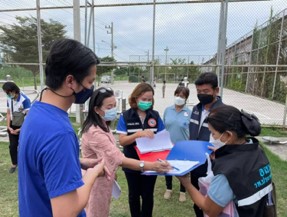
On August 17, 2023, the Thakhong Municipality Community Organization Council, in collaboration with network partners, including personel from Thammasat University’s Universal Design Research and Design Unit, conducted a field survey of 19 households in need under the “Rural Sufficient Housing Project in Tambon Khlong Song”. Following this survey, a committee will screen the households to determine eligibility for funding and then prepare to request the necessary budget from the Community Organizations Development Institute (CODI), a public organization.

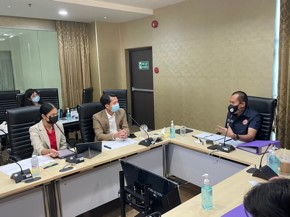
Then, on September 7, 2023, at the Erawan Meeting Room, Learning and Public Park Center of Thakhong Municipality, the Mayor of Thakhong City assigned the Director of the Social Welfare Division, along with welfare staff and representatives from Thammasat University, Rangsit Campus, to attend a meeting. The target participants were members of the community organization council in Thakhong City Municipality and network clubs. The meeting focused on reviewing the 2024 Integrated Community Project and the Rural Sufficient Housing Project in Tambon Khlong Song, covering 15 households. These initiatives aim to benefit residents in alignment with the target groups.

Urban Restoration Project in Huai Khwang Community

The Initial Feasibility Study for the Urban Restoration Project in Huai Khwang Community was executed by the Urban Futures & Policy research unit under the Thammasat University Research and Consultancy Institute (TU RAC). This project focused on urban planning, urban design, urban development, and social housing, emphasizing a participatory process to ensure resilient and inclusive cities. Two key workshops were held for representatives from the Huai Khwang community housing. The first workshop, held on June 18, 2023, involved 71 participants discussing trial scenarios for the future of the area, analyzing pros/cons, and prioritizing essential components for the community. The second workshop, held on September 10, 2023, gathered over 73 local representatives to present and jointly design restoration guidelines using area plans derived from previous brainstorming and analyzing social, financial, real estate, and basic legal dimensions.

100,000 Baht UD Housing Project

In collaboration with Thammasat University’s Rangsit Campus, Ladsawai Municipality launched the “100,000 Baht UD House” initiative, aiming to provide affordable, accessible housing when repairs are not feasible. The project adopted a modular, compact house concept that meets Universal Design (UD) principles, creating a small, efficient home with a budget of 100,000 baht, ensuring a high quality of living.

The 100,000 Baht Universal Design (UD) Housing (Baan Saen Yu Dee No. 04) is a specific implementation project resulting from a collaboration between Lad Sawai Municipality, Thammasat University, and SSS (Thai Health Promotion Foundation is implied in the source’s use of ‘สสส.’). This initiative focuses on utilizing a modular compact house concept, designed according to UD principles, to provide affordable housing at a budget of 100,000 Baht for cases where repair is impractical. A key case study involved the home of a bedridden elderly person (Mr. Ngern) in Moo 8, Lad Sawai Subdistrict, Pathum Thani, selected because the local community demonstrated readiness in terms of leadership, data availability, and community strength. Beyond physical modifications, the local municipal authorities (Deputy Mayor of Lad Sawai) ensured that continuous Care Givers (CG) were assigned to the resident.

The first selected household is at 25/21, Village No. 8, Ladsawai Subdistrict, Lam Luk Ka District, Pathum Thani. This selection is part of a broader program to improve living conditions and accessibility for the elderly and individuals with disabilities. Selection criteria prioritized:

1. Community readiness across three areas: supportive leadership, available data, and a resilient local community.
2. The household has elderly and disabled residents facing poverty, severe housing deterioration beyond repair, and a good standing in the community.

This initiative represents an impactful, research-driven solution to serve the local community, enhancing safety, accessibility, and quality of life for vulnerable populations.

Other projects and initiatives

In other area development collaborations, the Thammasat Design School (TDS) submitted a Community Urban Model and Land Use Model for Tha Ruea Subdistrict, Phra Nakhon Si Ayutthaya Province, to the Director of the Technical Division of Tha Ruea Subdistrict Municipality on December 25, 2024. These models, developed by third-year undergraduate students in the Urban Environmental Planning and Development curriculum, are intended for use by the local authority for social services purposes.
Furthermore, TU’s Research and Design Unit for All (UD-THAM) and Thammasat UDC completed a project for the Learning Center for Innovation, Technology, and Facilities for Persons with Disabilities in Prachinburi Province, delivering the work to the Prachinburi Provincial Disability Service Center on September 26, 2024. The unit also partnered with the Department of Empowerment of Persons with Disabilities (DEP/Phor Kor) to organize a Training Course for Basic Level Assistant Caregivers for Persons with Disabilities in Lopburi Province, starting in November 2024. This collaboration with the Lopburi Provincial Social Development and Human Security Officer and local staff aims to increase the number of qualified assistants in the Lopburi Self-Help Settlement area to improve the quality of life for 60 target individuals.

Another long term support is the local economic development through the “Community Friends Association-Thammasat Model”. This collaboration, which utilizes professors and students from the Faculty of Commerce and Accountancy, aims to foster a sustainable grassroots economy and reduce inequality by elevating the potential and standardizing the products of community enterprises, while also expanding market opportunities. Since its inception in 2016, the program has grown, reaching its 8th iteration in 2023 and having worked with a total of 58 groups. Starting in 2023, the eighth model focused on seven selected community enterprise groups located within the Map Ta Phut complex area, including groups based in municipalities such as Tha Phap, Ban Chang, Mab Kha Phatthana, and Nen Phra. The collaboration activities include conducting research, providing training and knowledge transfer, applying innovation (such as developing new products like crispy corn snacks or turning residual dessert ingredients into ice cream), improving packaging, analyzing costs, and expanding sales channels, all while preparing groups for quality certifications like FDA standards.