HIGHLIGHTS
- Specific Upgrades in Existing Buildings: Renovation projects for existing structures like the Pridi Banomyong Libraryand the SC1 Building explicitly included upgrades to higher energy efficiency systems (e.g., replacement with LED lighting, mandatory high-efficiency VRF air conditioning), demonstrating action by 2024.
- Sustainability Focus in Heritage Conservation: The large-scale conservation of the existing, historic Dome buildingincorporated considerations for “energy and environment for sustainability,” guiding system choices towards efficiency within the heritage context.
- Demonstrated Practice Reflecting Intent: While not a single formal “Plan” document, the consistent application of energy efficiency upgrades (LEDs, HVAC) across multiple major renovation projects on existing buildings by 2024 demonstrates a clear operational strategy and implicit plan to improve energy performance.
- Benchmark for Future Upgrades: The ASEAN Energy Award for the Siri Witthayalak building, although potentially new construction, reinforces the university’s commitment and sets a standard influencing the energy efficiency goals for upgrading other existing buildings.
Thammasat University demonstrates its ongoing commitment to creating a sustainable campus by consistently integrating energy efficiency measures into the renovation and conservation of its existing buildings. This strategic direction, evident across multiple significant projects undertaken by 2024, reflects the university’s dedication to responsible resource management and aligns with our broader goals for environmental sustainability.
The university’s approach to enhancing energy performance in older structures is clear through the following key initiatives:
Pridi Banomyong Library: Illuminating the Future with LEDs
The major renovation of the Pridi Banomyong Library at Tha Prachan prominently features energy efficiency. A core component of the upgrade involves replacing outdated lighting systems with modern, energy-saving LED technology throughout the building. This systematic upgrade is designed to significantly reduce the library’s long-term energy consumption. [Explore Plan]
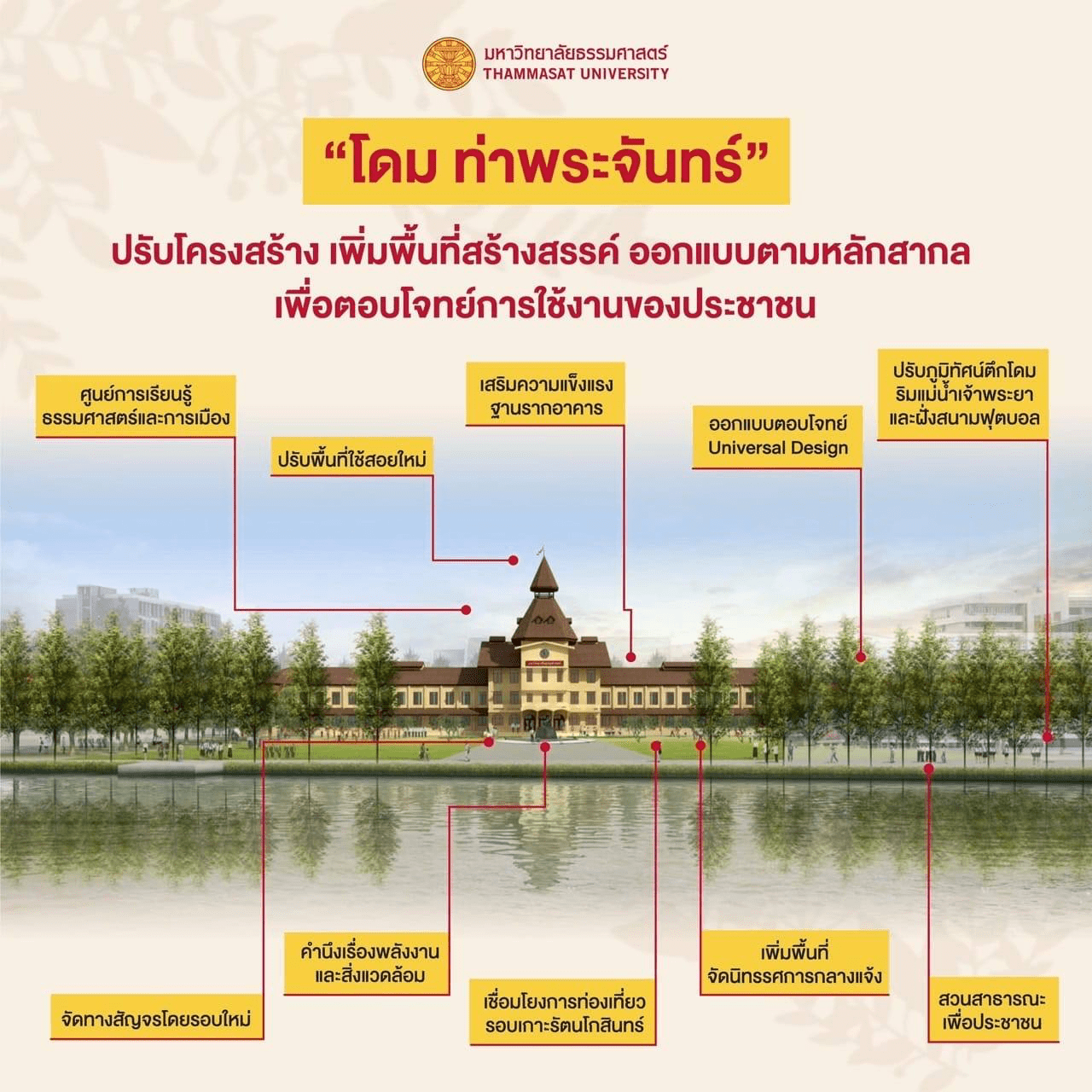
The Iconic Dome: Conserving Heritage with Sustainable Practices
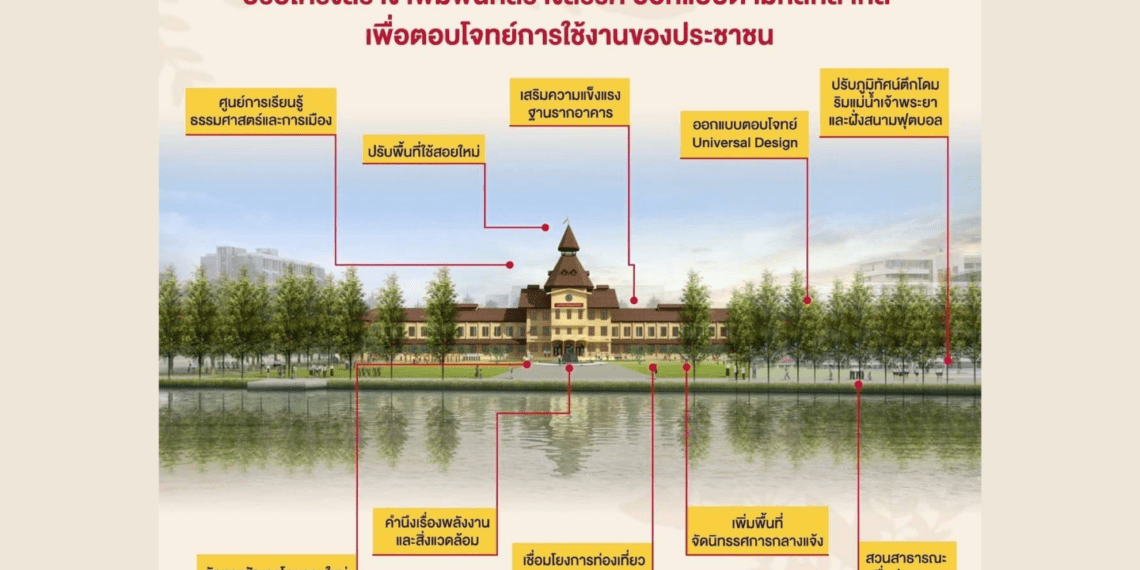
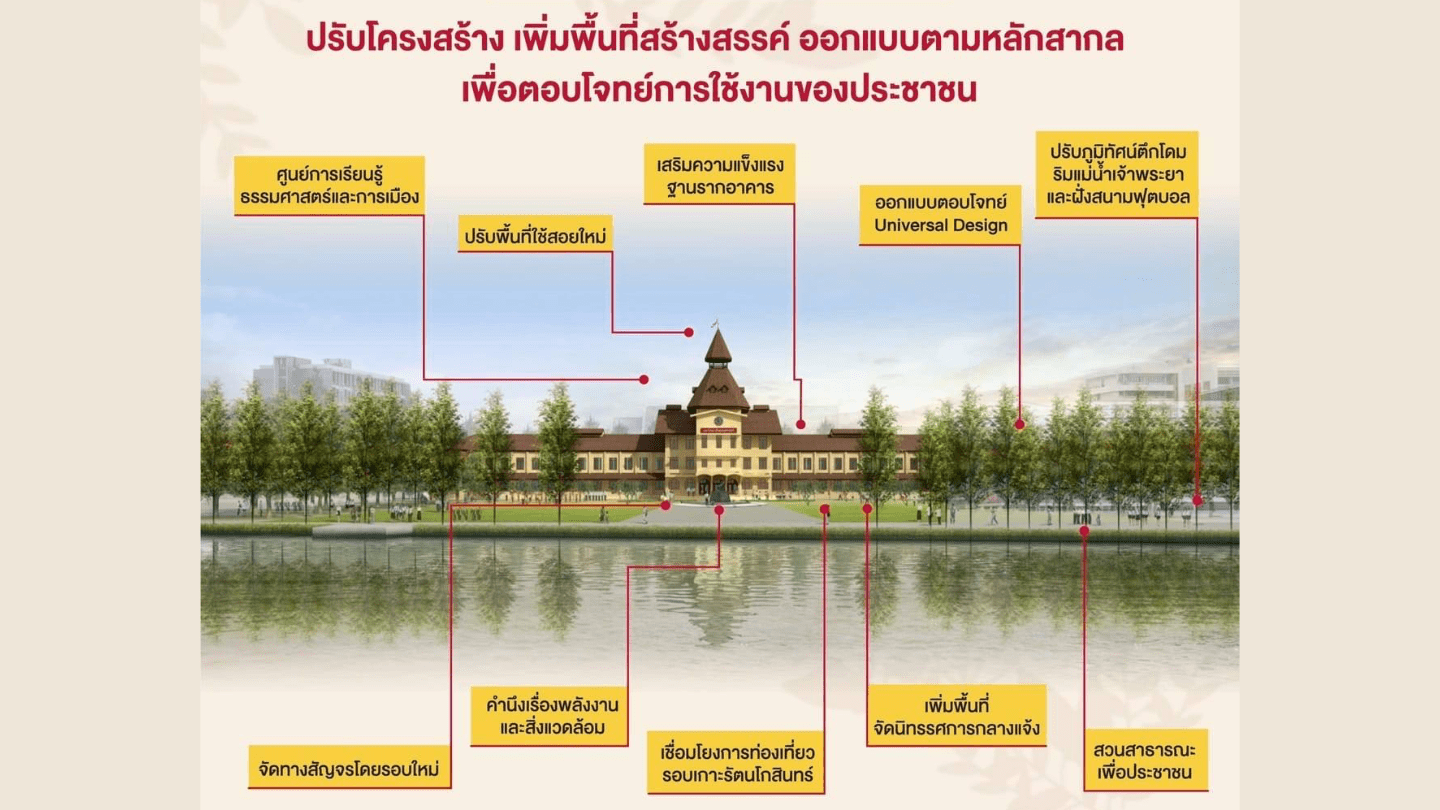
Even in the delicate conservation of the historic Dome building, initiated by 2024, energy considerations are integral. The project framework explicitly includes a focus on “energy and environment for sustainability,” ensuring that choices made during the renovation, while respecting the building’s heritage, are aligned with principles of improved efficiency and reduced environmental impact.
Setting High Standards: SC1 Renovation
The approach taken during the renovation of the SC1 building (Faculty of Social Administration) exemplifies Thammasat’s standard practices. Project requirements mandated the adoption of high-performance, energy-saving technologies, specifically demanding high-efficacy LED T8 lighting and high-efficiency VRF air conditioning systems. This serves as a clear blueprint demonstrating the university’s consistent application of energy-efficient standards during building upgrades. [Explore TOR]
Recognised Excellence: A Benchmark for Efficiency
The ASEAN Energy Award 2024 recognition for the Siri Witthayalak Building further reinforces Thammasat’s commitment to high energy performance standards. This achievement sets a benchmark and provides direction for incorporating proven energy-saving designs and technologies into future renovations of existing campus buildings.
The recurring implementation of energy-saving measures, such as LED lighting and high-efficiency HVAC systems, across major renovation projects like the Pridi Banomyong Library, the Dome, and SC1, clearly indicates a consistent operational direction. These actions demonstrate Thammasat University’s practical strategy, active by 2024, to progressively upgrade its existing building stock for higher energy efficiency, contributing tangibly to a more sustainable campus environment.