HIGHLIGHTS
- A Four-Phase Journey of Sustainable Learning: Bringing together Thammasat University’s cross-disciplinary research and innovation, spanning grassroots life innovations in Phase 1, social structures in Phase 2, health sciences in Phase 3, and daily lifestyle practices in Phase 4.
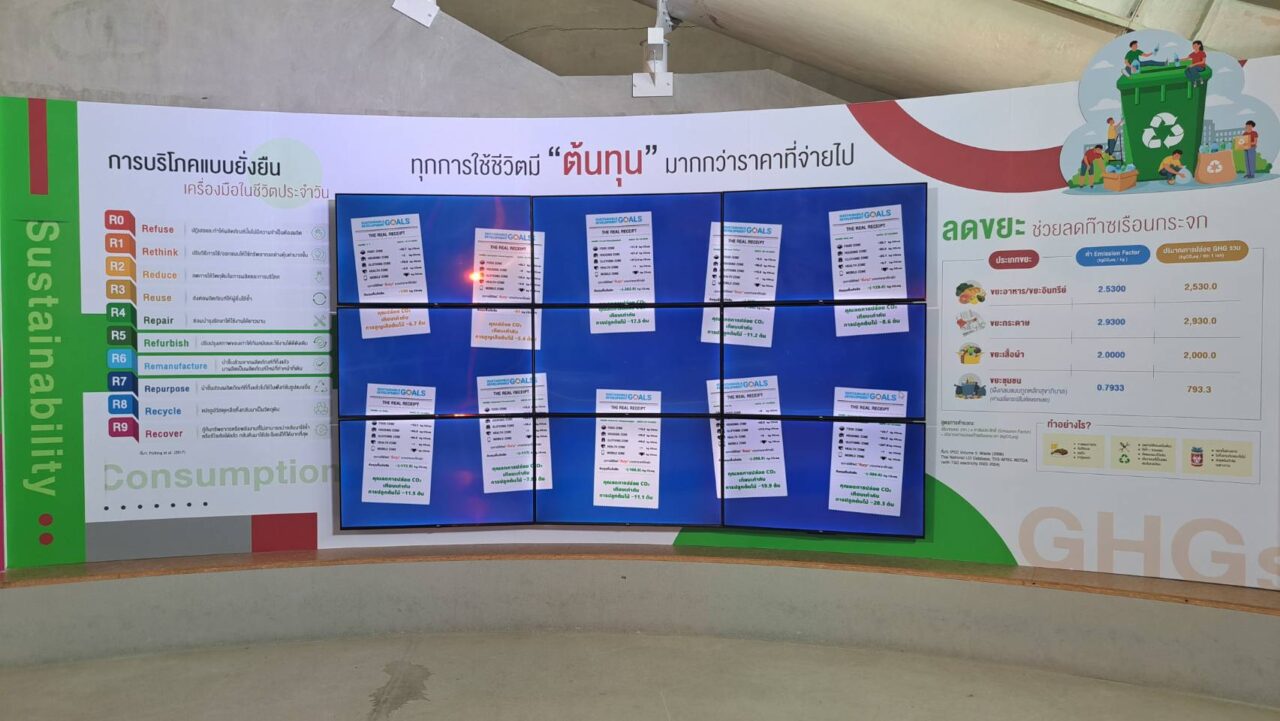
- Exposing Hidden Costs via ‘The Real Receipt’ on the 1st Floor: Exploring the environmental footprint concealed behind modern consumption patterns, from food waste in buffet restaurants and domestic resource usage to fast fashion and smartphone manufacturing.
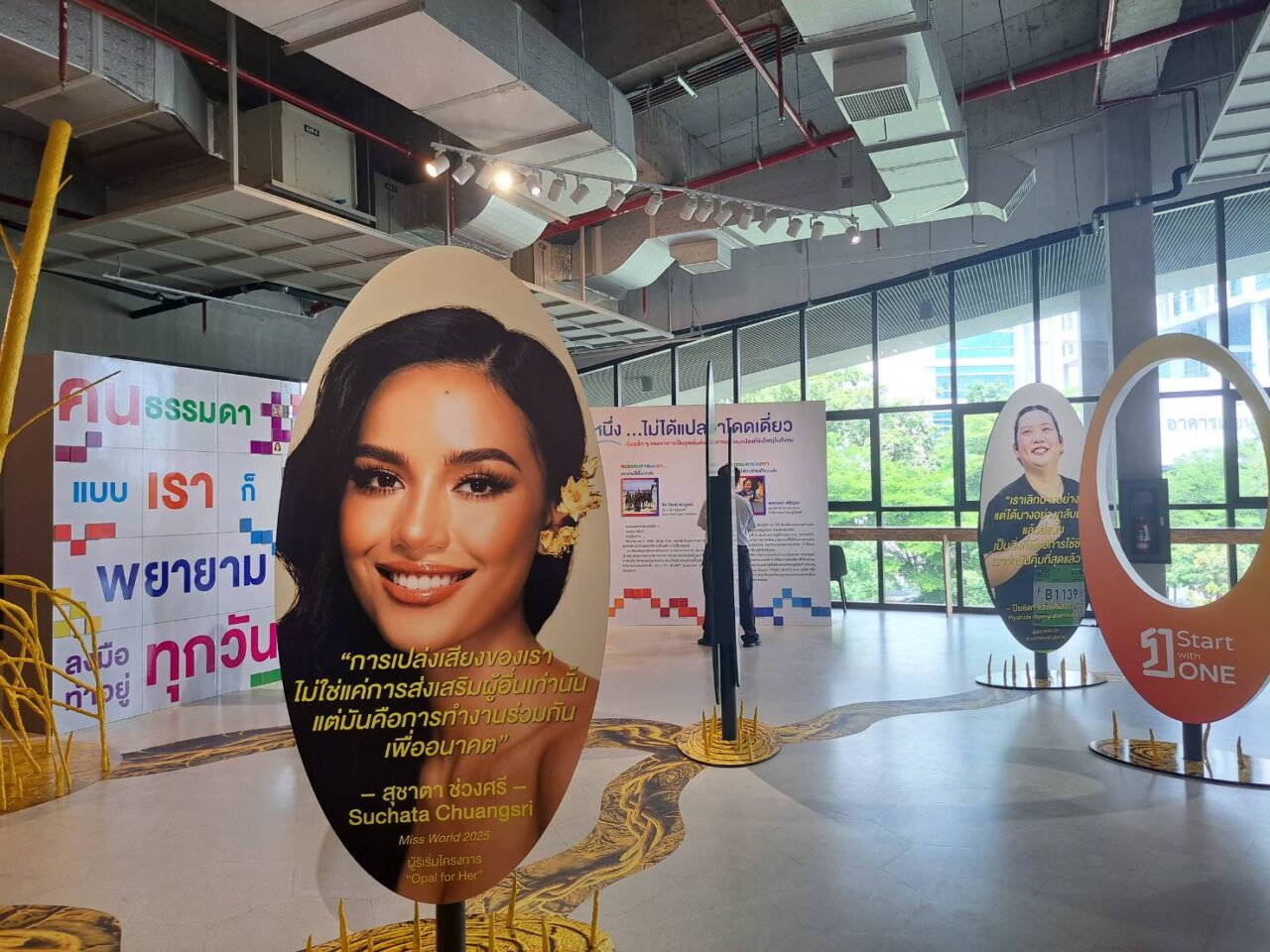
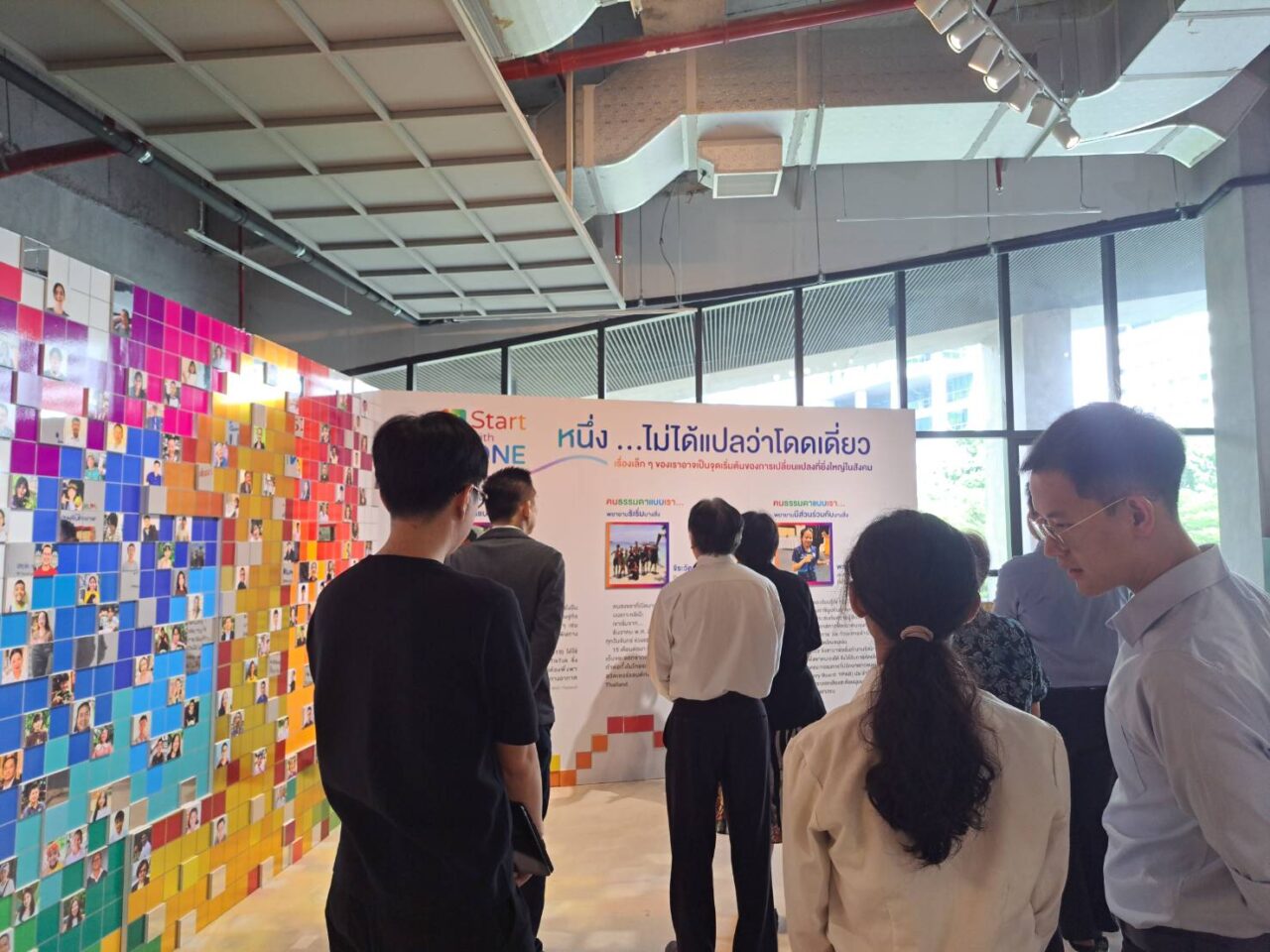
- Sparking Grassroots Change with ‘Start With One’ on the 2nd Floor: In partnership with the Soka Gakkai Thailand, introducing the philosophy of ‘Human Revolution’ alongside real-world stories of everyday individuals to illustrate that global change begins with a single person.
- Translating Academic Rigour into Actionable Living: Translating provincial SDG Index data into accessible insights, encouraging citizens to advance sustainability within their own local contexts at the SDG Lab, Puey Learning Centre, Thammasat University (Rangsit Campus).
For years, sustainable development has often remained confined to policy papers, international accords, or dense academic reports, leaving many feeling that these goals are too detached from everyday life to be influenced by ordinary people. In response, Thammasat University, led by the Quality Development and Sustainability Division, set out to bridge this divide through the rotating exhibition ‘SDGs for the People’ at the SDG Lab, Puey Learning Centre (Rangsit Centre). The initiative translates cross-disciplinary research and innovation into tangible, accessible concepts directly connected to daily life.
This rotating exhibition has grown through continuous knowledge-building and public engagement across three comprehensive phases, leading up to its latest milestone in Phase 4.
Looking Back at the First Three Phases: Laying Comprehensive Foundations
A retrospective look across the past three phases highlights the university’s sustained efforts to demystify complex challenges through diverse lenses:
- Phase 1 (July 2025): Launched with 30 Life Innovations, connecting research from upstream producers to downstream communities. Showcases covered disaster early-warning systems, clean energy, functional foods, and circular economy practices, demonstrating how science and technology address everyday livelihoods and safety.
- Phase 2 (November 2025): Shifted the focus from technology to human, social, and legal dimensions. Insights from the social sciences and humanities highlighted social justice, inequality reduction, and systemic support mechanisms for vulnerable communities across Thailand.
- Phase 3 (March 2026): Explored public wellbeing through 31 Health Science Innovations, integrating digital platforms with accessible healthcare and fostering an understanding of mental health within broader social environments.
Together, these three phases established a vital foundation, translating academic research into public dialogue and setting the stage for the current expansion.
Phase 4: Measuring Sustainability by the ‘Receipt’ and Igniting Change from ‘Within’
Organised collaboratively by Thammasat University and the Soka Gakkai Thailand, Phase 4 runs under the theme ‘SDGs for the People – Journey to a Sustainable Future & Start With One’. Spanning two floors, the exhibition encourages visitors to examine both external consumption habits and internal mindset shifts.
1st Floor | Journey to a Sustainable Future: Uncovering Hidden Costs via The Real Receipt
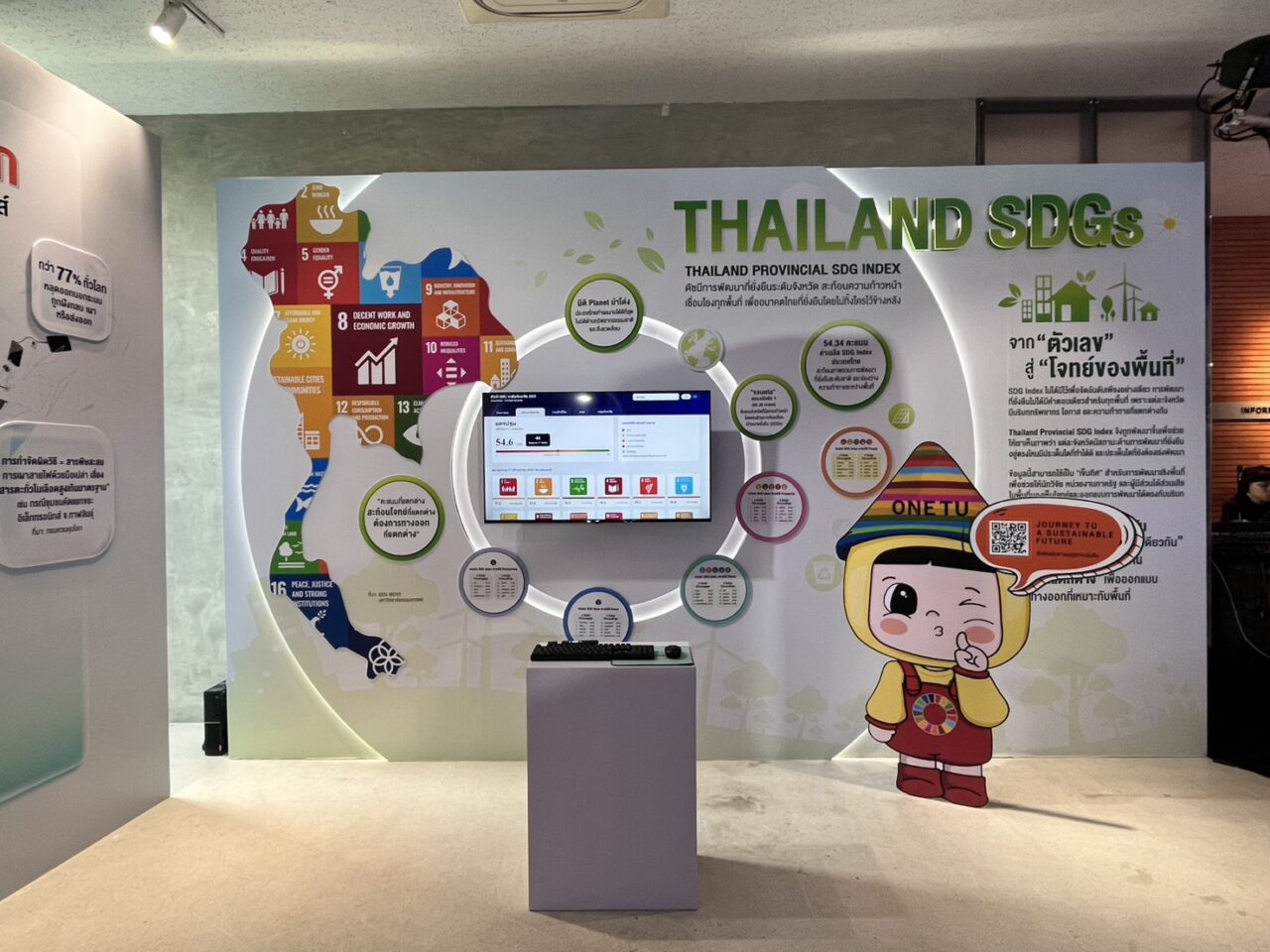
The ground floor traces daily routines through the concept of The Real Receipt, prompting visitors to consider the hidden ecological costs behind every product, meal, and unit of energy consumed. Empirical findings from the Centre for SDG Research and Support (SDG Move), Faculty of Economics, Thammasat University, indicate that Thailand’s average SDG achievement score stands at 54.34. While environmental dimensions perform relatively well (66.58), economic and social indicators remain challenging.
The exhibition breaks down these complex metrics through relatable, experiential zones:
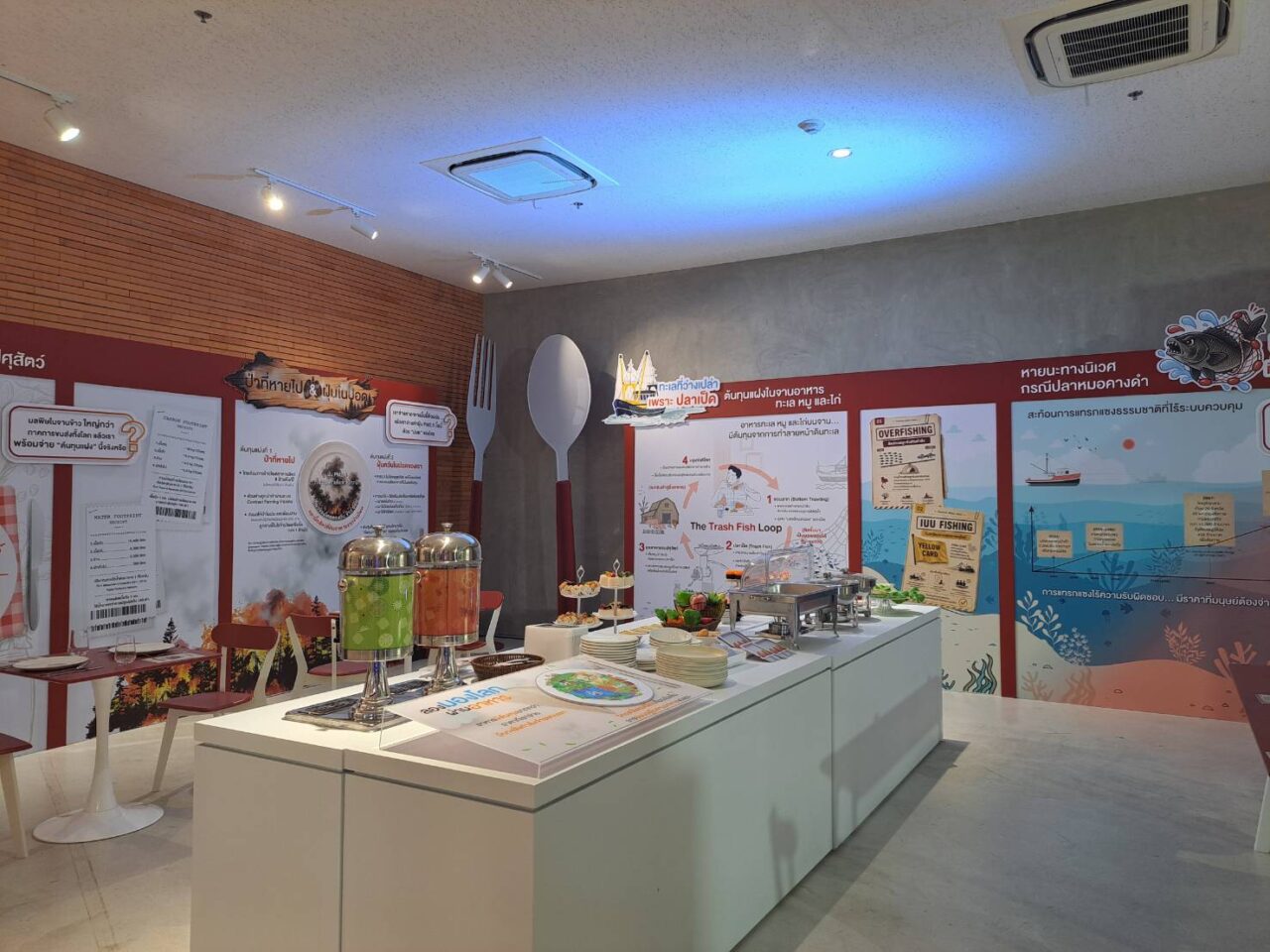
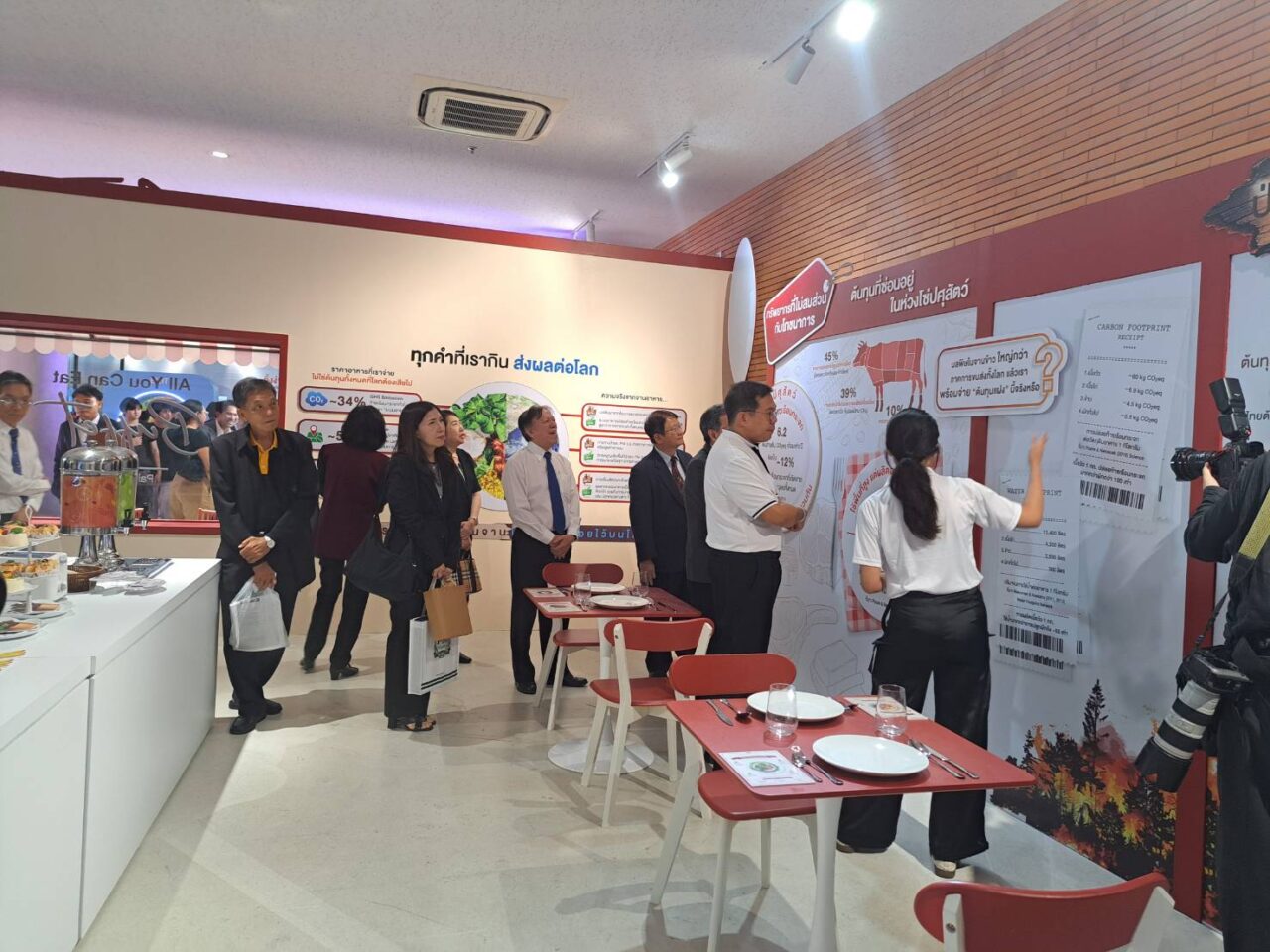
- Food Zone: Examines food waste stemming from urban buffet culture, illustrating its link to methane emissions and resource overexploitation.
- Housing Zone: Highlights that over 60% of food waste originates at the household level, offering practical waste-sorting techniques to break the cycle of microplastics entering the food chain.
- Clothing Zone: Uncovers the environmental toll of fast fashion, including water depletion and chemical pollution, while encouraging repair, swapping, and circular fashion.
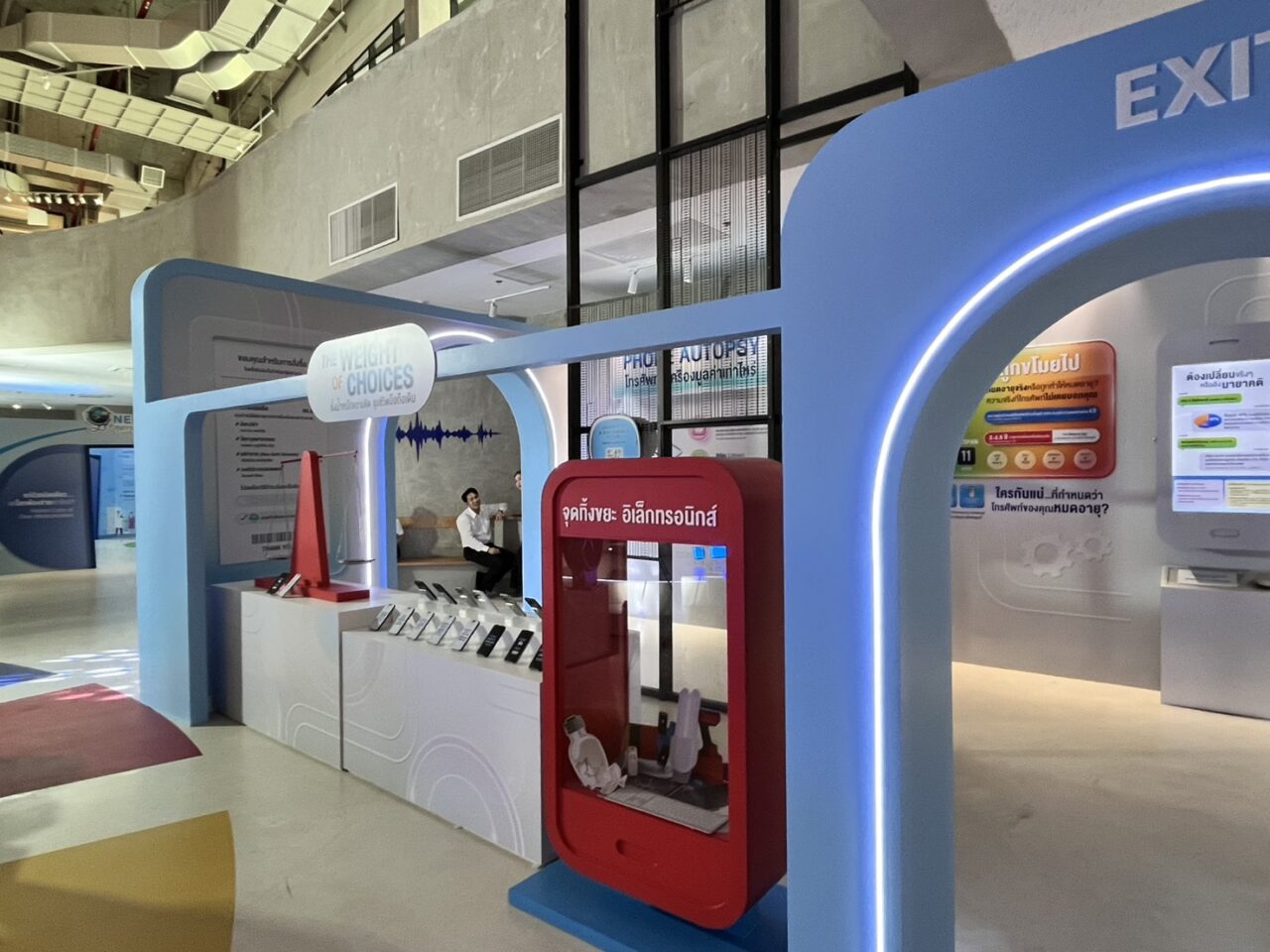
- Mobile Zone: Deconstructs the hidden environmental costs of smartphone manufacturing and the critical need for responsible e-waste management.
2nd Floor | Start With One: The Power of a Single Individual to Shape the World
While the first floor examines external habits, the second floor turns inward through the philosophy of Human Revolution, addressing the common dilemma of feeling too small to resolve overwhelming global crises.
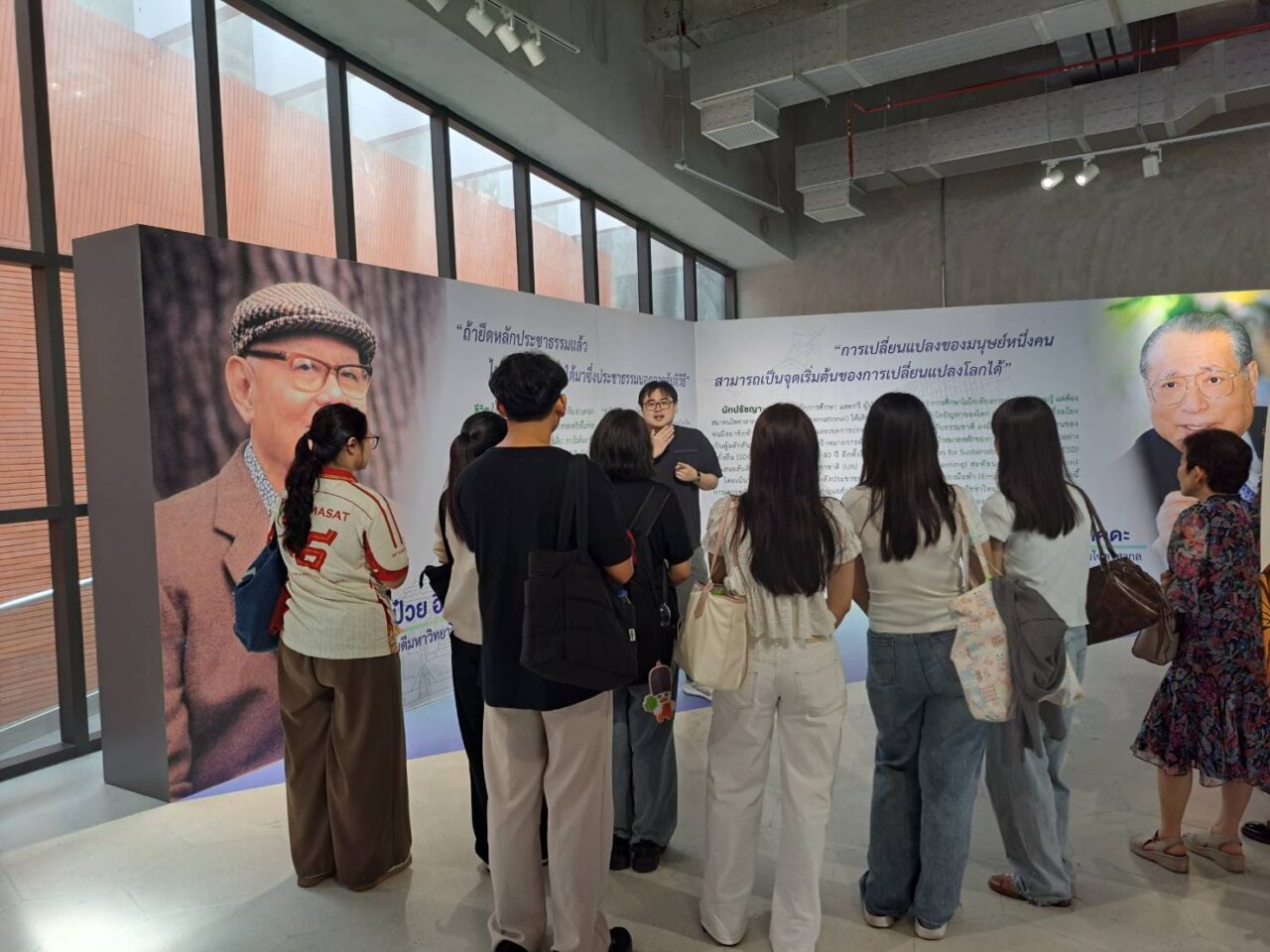
This space draws inspiration from reflective exhibits and the philosophies of prominent thinkers, including Daisaku Ikeda, who championed the UN Decade of Education for Sustainable Development, and Professor Dr Puey Ungphakorn, who pioneered grassroots rural development through the Graduate Volunteer Programme. These ideas are presented alongside stories of everyday individuals across the globe who took the initiative to drive meaningful change within their communities.
Summary
Across all four phases, the ‘SDGs for the People’ exhibition reflects Thammasat University’s commitment to co-creating learning spaces alongside civil society and the public. By translating complex development indices into practical understanding, the initiative empowers individuals to recognise their agency and take an active part in shaping a sustainable future.
The exhibition is open to the public free of charge at the SDG Lab, Puey Ungphakorn Centenary Hall, Thammasat University (Rangsit Centre). Advance group bookings can be made via https://shorturl.at/JhWcb