HIGHLIGHTS
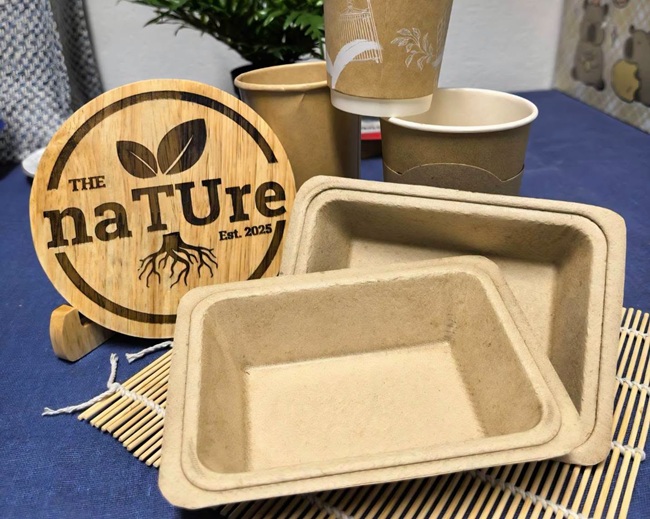
- Transforming Agricultural Waste into Value: A collaboration between Thammasat University and CP Group turns discarded “Phang-rae” coffee shade trees into eco-friendly paper packaging.
- Sustainable Material Innovation: Researchers successfully extracted tough, durable natural fibres from biomass waste to produce high-quality paper pulp, creating new opportunities for green businesses.
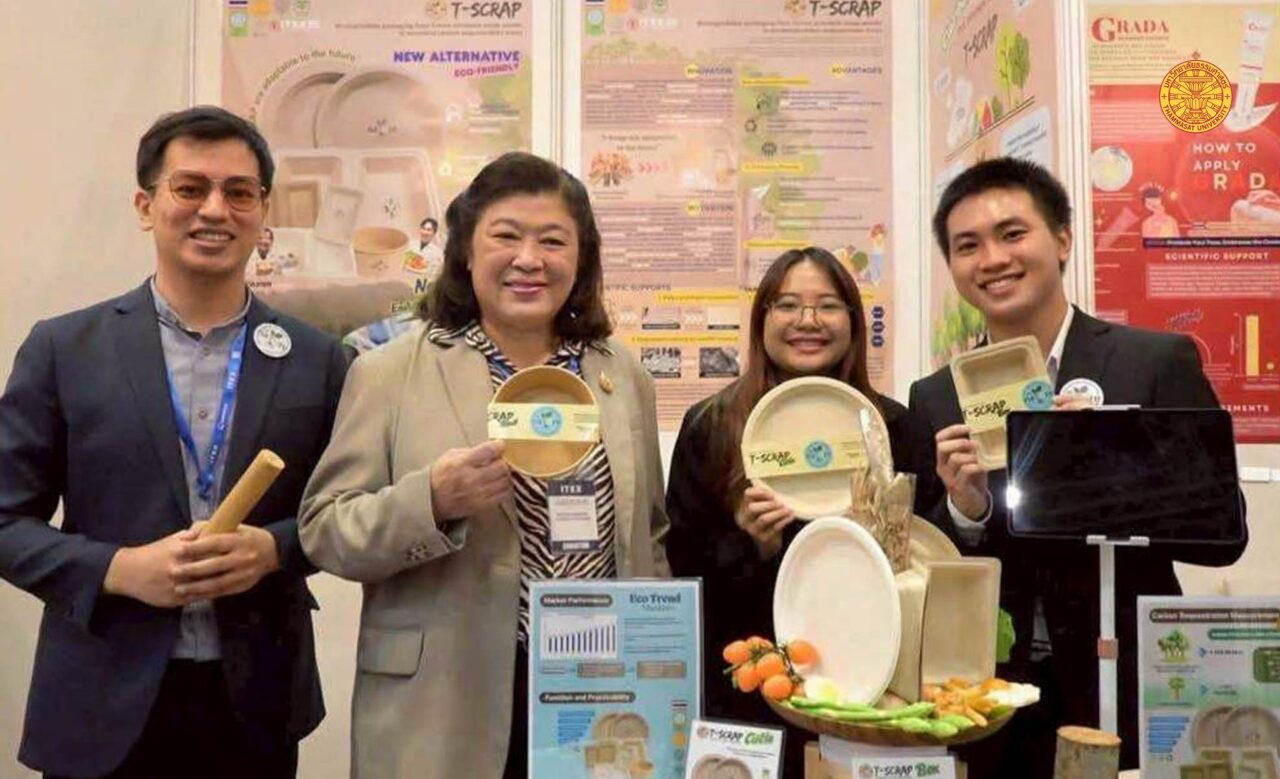
- Internationally Recognised Impact: The project aids in carbon sequestration and circular resource management, earning a Gold Medal at ITEX 2025 in Malaysia and the Chairman Award for Sustainability Innovation.
- Driving ‘Science for Society’: The initiative takes academic knowledge out of the laboratory, providing students with hands-on fieldwork experience to solve local problems and create sustainable value for communities.
Since 2023, the research team from the Faculty of Science and Technology at Thammasat University (SCI-TU) has been conducting in-depth studies on the medicinal properties of ‘Phang-rae’ tree. This led them to the “Sop Khun Model” in Nan Province, an area supported by the Sustainability Department of Charoen Pokphand Group (CP). The initiative promotes an agroforestry system aimed at restoring forests whilst simultaneously generating community income. Phang-rae, locally known as ‘Po Soi’, is planted as a shade tree for coffee plants; its canopy provides the ideal amount of shade and stimulating the physiological growth of the coffee, resulting in high yields. Furthermore, some locals also utilise the bark of the Phang-rae tree as a natural binding material.
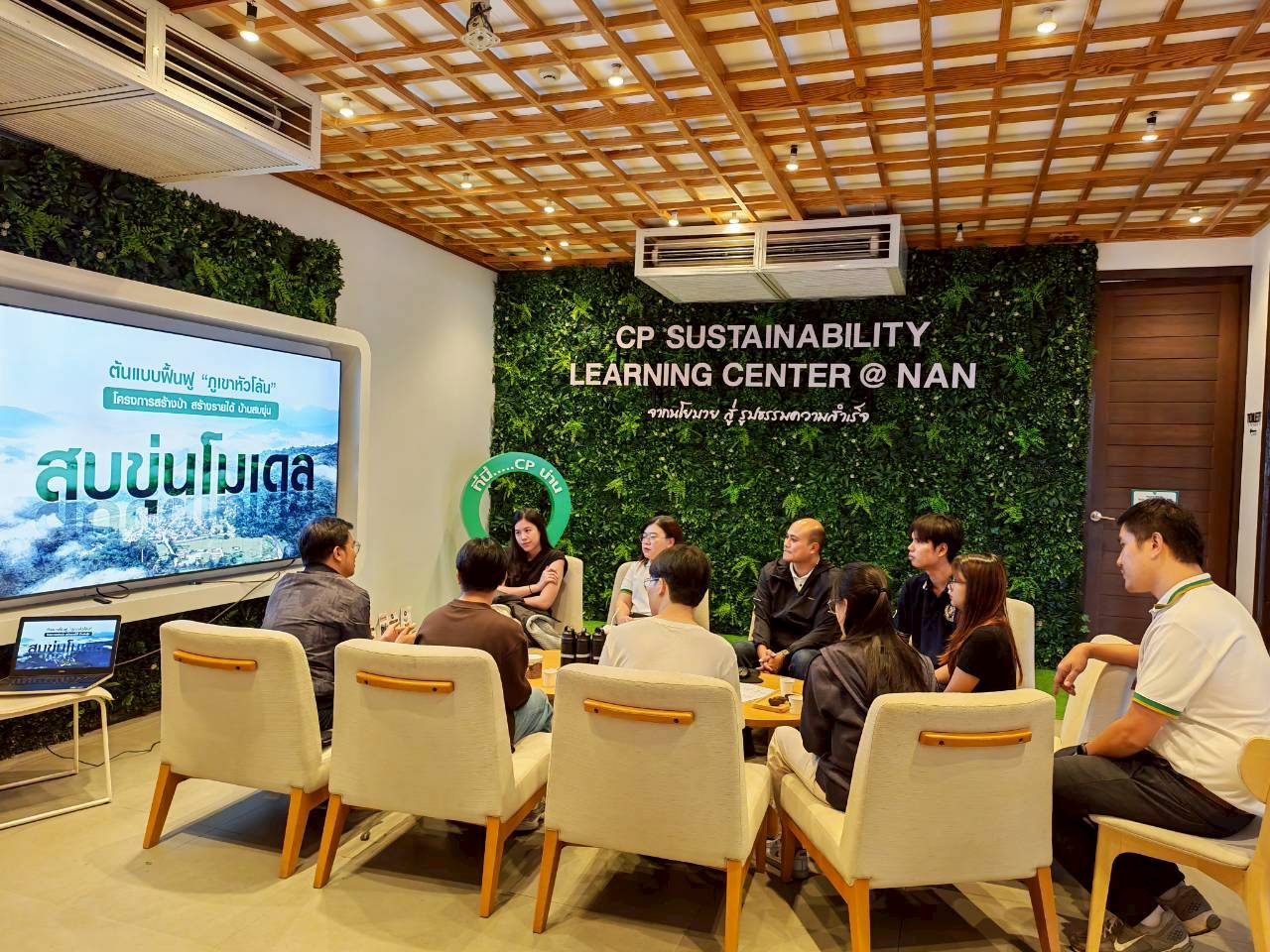
Once the extraction of herbal active ingredients is complete, large quantities of Phang-rae bark and branches are typically discarded as useless biomass waste. To address this, the Faculty of Science and Technology applied its scientific expertise to transform this local waste into a value-added innovation, breathing new life into nature once again.
Combining Academic and Corporate Strategies: Extracting Natural Fibres into Eco-Friendly Paper Pulp
Asst. Prof. Dr. Tiwtawat Napiroon, a lecturer in the Department of Biotechnology, Faculty of SCI-TU, highlighted a crucial turning point in the research. The team discovered that the raw waste material contained tough and durable fibres. Subsequent testing confirmed its suitability for being moulded into paper sheets. This discovery provided a new alternative for the environmentally friendly paper packaging industry and opened doors for green business opportunities, evolving into a core research project where faculty members and students collaborated on the ground to develop real-world innovations alongside CP Group.
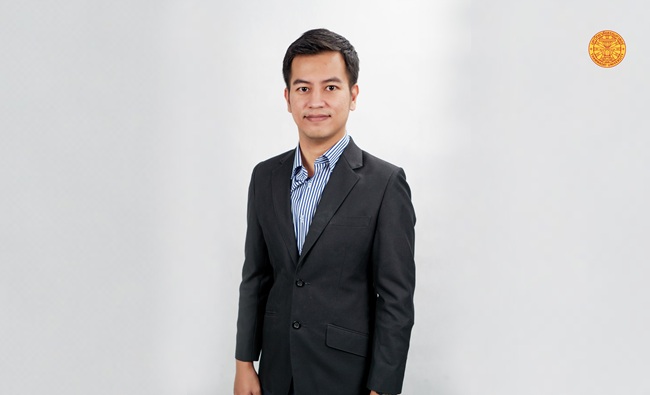


Another significant milestone was receiving support for paper pulp testing standards from Dr. Preeyanuch Seechola of the Kasetsart Agricultural and Agro-Industrial Product Improvement Institute, Kasetsart University. This was to elevate the properties of the Phang-rae pulp raw material, rendering it ready for efficient packaging production.
Internationally Recognised Innovation Aligned with Sustainability
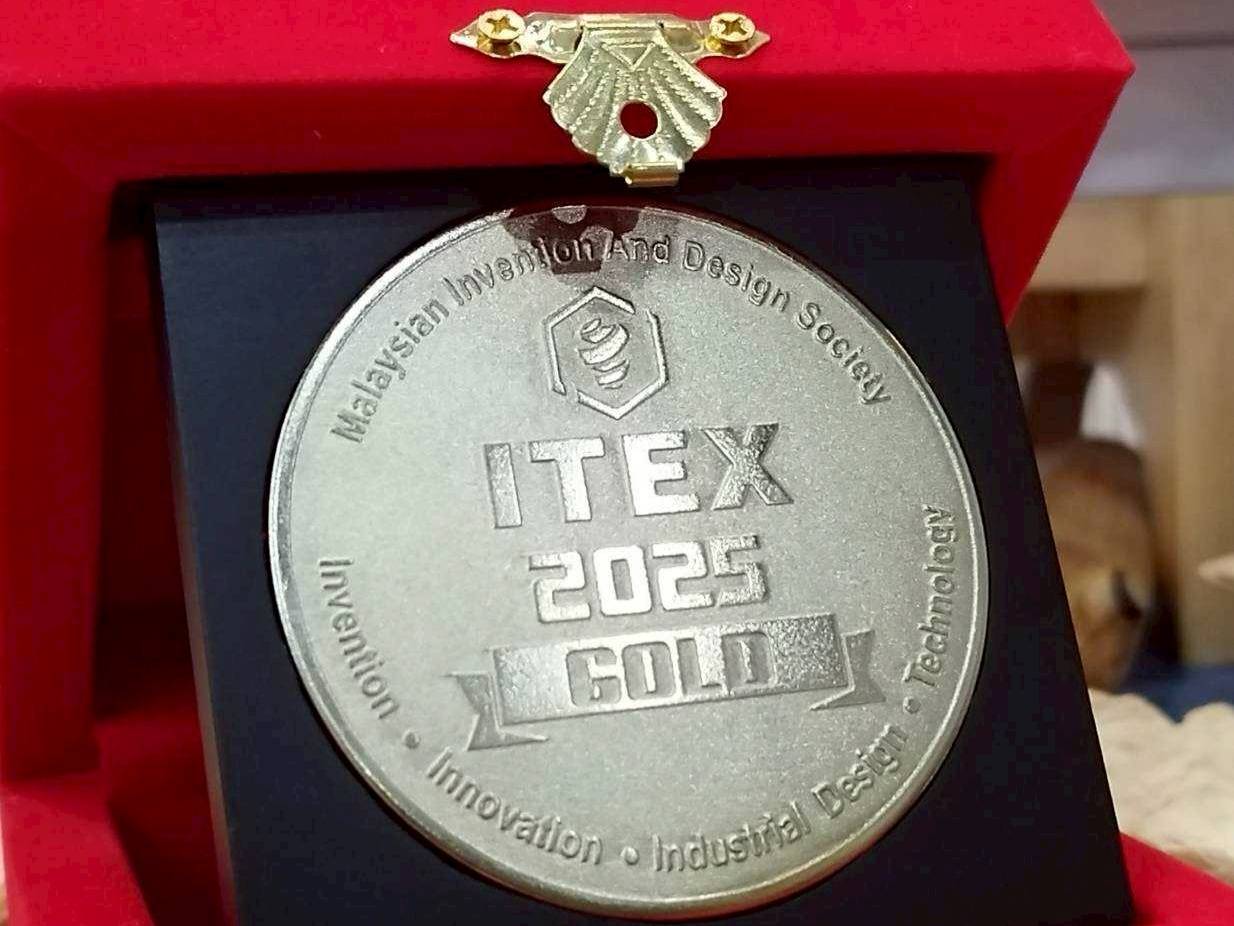
The Phang-rae paper packaging innovation addresses the issue of agricultural waste while creating measurable environmental impacts. A 3-to-5-year-old Phang-Rae tree, standing roughly 12 to 15 metres tall, yields approximately 50% pulp and has the potential to sequester an average of 190 kilograms of carbon dioxide equivalent. This achievement won a Gold Medal in the environmental category at the International Invention, Innovation and Technology Exhibition (ITEX) 2025 in Malaysia. It was further developed to receive the Chairman Award for Sustainability Innovation at the CP Exposition Innovation 2026, serving as a testament to the potential of translating academic research and fieldwork into sustainable environmental solutions.
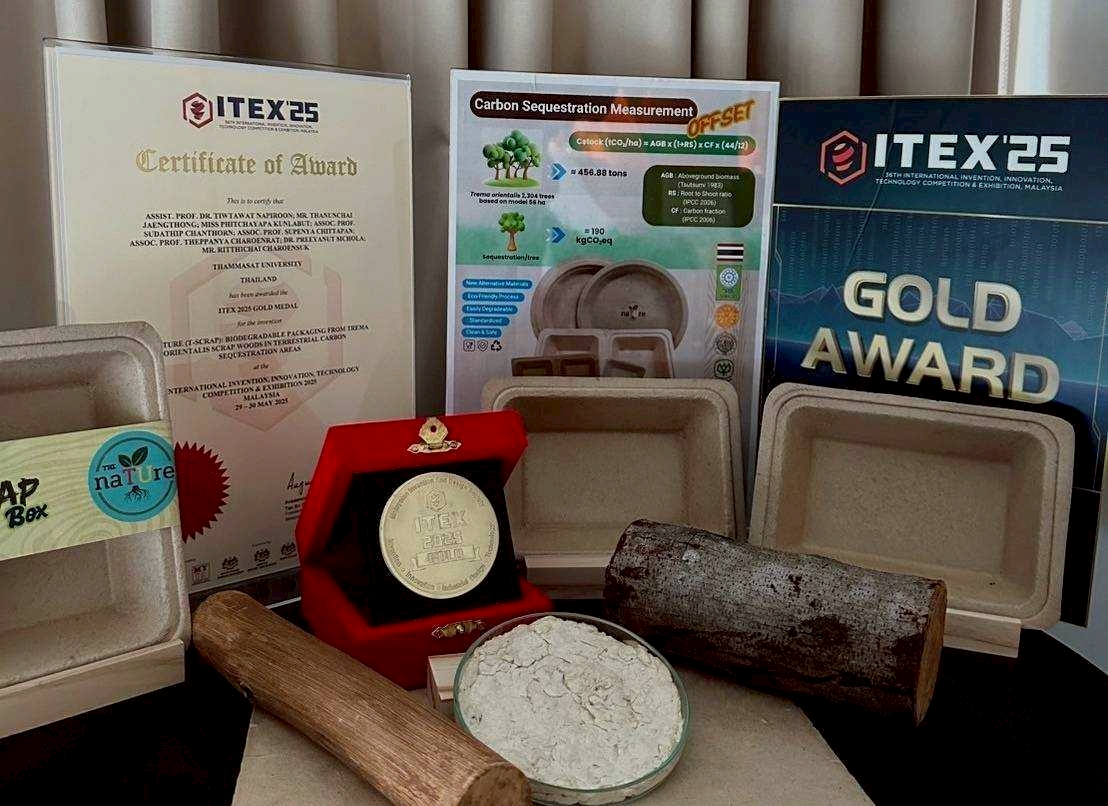
Furthermore, a core pillar of this project is human development. It provides opportunities for Thammasat students to engage in practical fieldwork, learning alongside the research team, the local communities, and the private sector. This instils the principle of using science to drive social change, placing an ‘understanding of people’ at the very heart of research development.
Driving the ‘Science for Society’ Vision
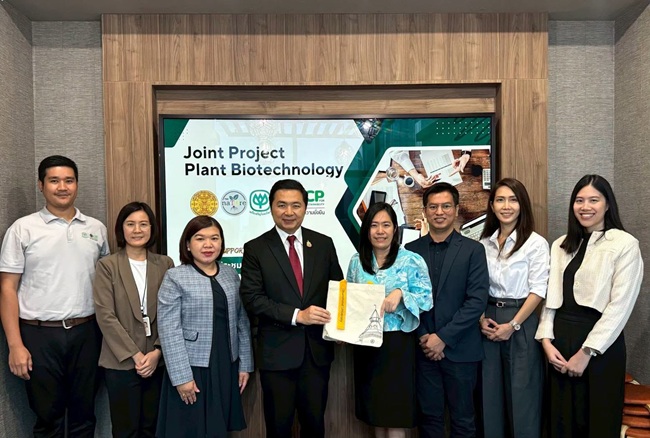
Currently, the Faculty of Science and Technology at Thammasat University and CP Group are continuing their partnership to commercialise the research, pushing forward trial production and product development, with CPPC prepared to provide support in the upcoming phase.
The project’s resource management emphasises maximum efficiency, covering everything from area restoration to material recycling under the ‘Cradle to Gate’ and ‘Cradle to Grave’ concepts. This aligns with the UN Sustainable Development Goals (SDGs), particularly regarding Responsible Consumption and Production (SDG 12). It also prioritises material traceability in accordance with ESG principles, aiming to create long-term shared value among the community, the environment, and the business sector.
Ultimately, this initiative is a proven reflection of Thammasat University’s “Science for Society” vision. By taking academic knowledge out of the laboratory and into the field to solve local problems, the university focuses on practical applications and the development of innovations that deliver sustainable, positive impacts for the environment, communities, and society at large.
Sources :