HIGHLIGHTS
- Faculty of Architecture and Planning, Thammasat University, through UD-THAM and Thammasat-UDC, officially launched the Universal Design Audit (UD Audit) programme to raise Thailand’s accessibility assessment standards from legal compliance to the quality of accessibility throughout a building’s lifecycle.
- The UD Audit programme builds on over 15 years of research and practical experience in accessibility assessment, featuring comprehensive evaluations covering legal compliance, performance, facility management, and maintenance, alongside the development of the “Assessing Accessibility for All” manual for assessor training.
- The award-winning ‘Rangsit Model’, developed by UD-THAM, laid the foundation for the UD Audit programme through a community-driven Universal Design approach. Recognised with the 2022 Universal Design Competition (Expert Category) in Germany
- The Faculty of Architecture and Planning, Thammasat University, together with its partners, will host the “UD Expo for Persons with Disabilities and the Well-being of All” to promote Universal Design and accessible environments for everyone.
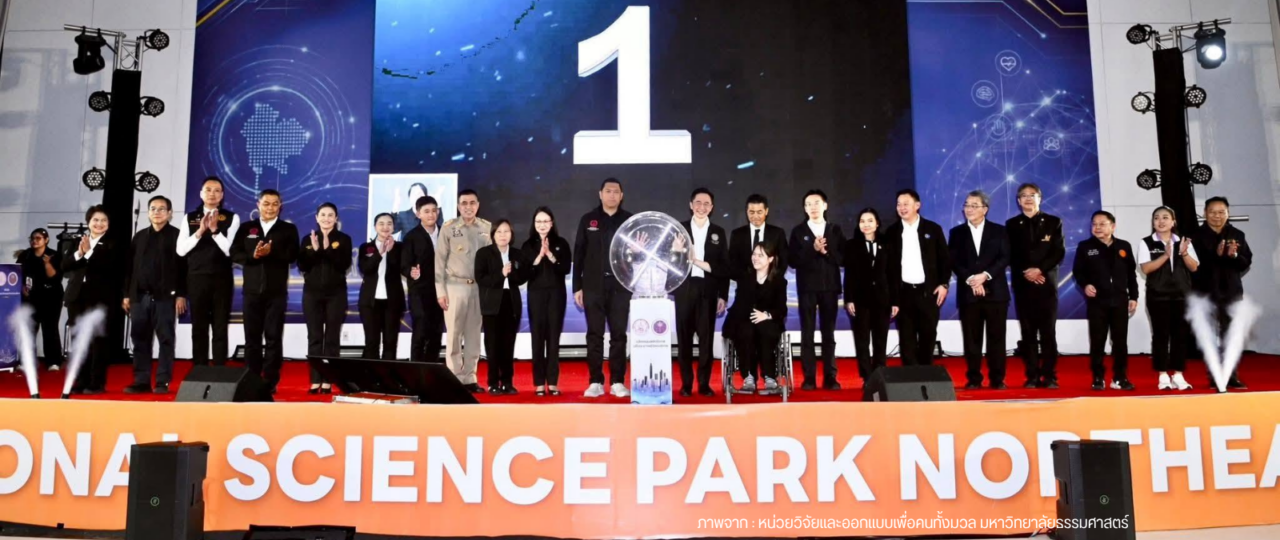
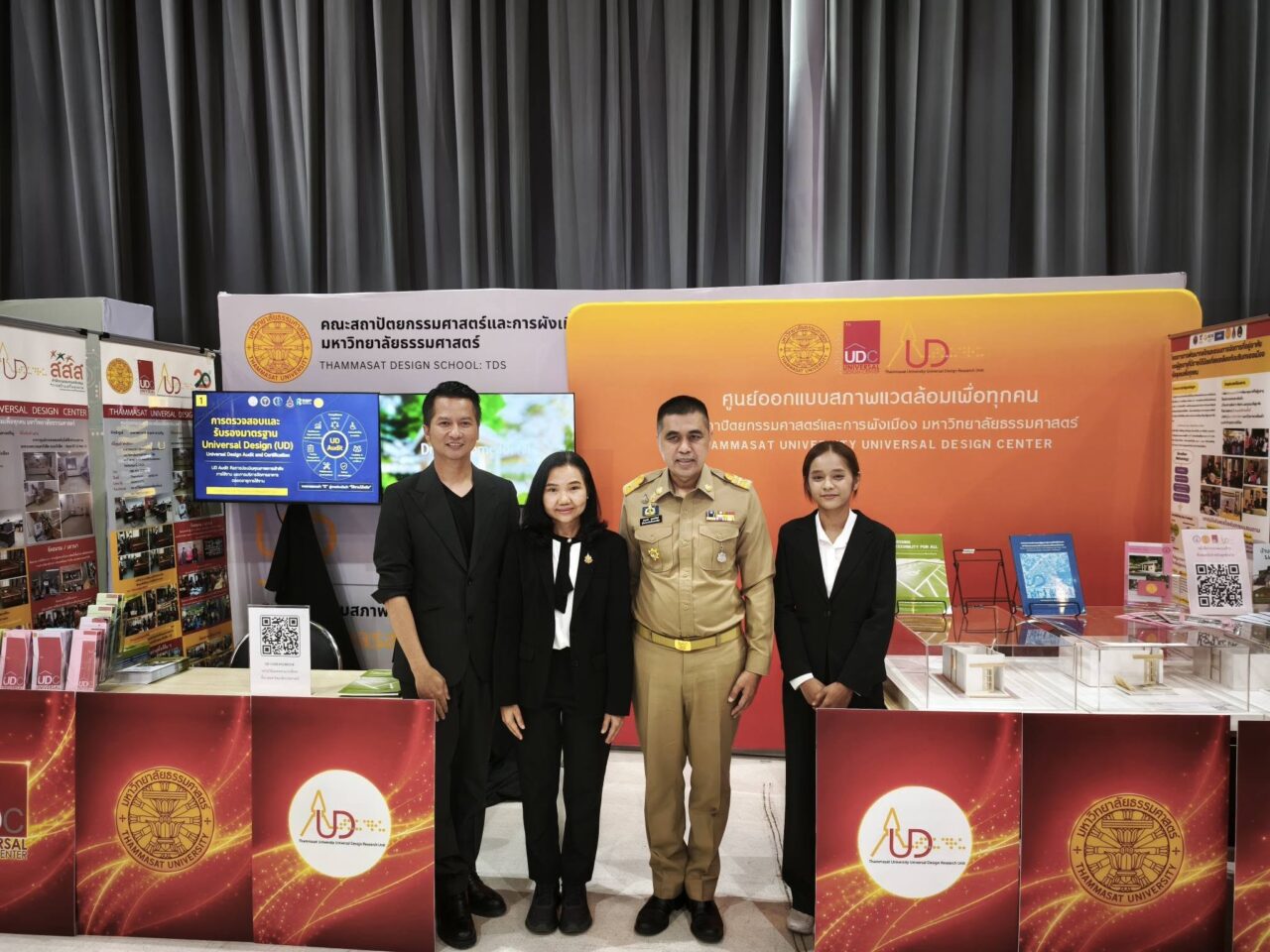
On 27 June 2026, the Faculty of Architecture and Planning at Thammasat University, led by the Universal Design Research and Design Unit (UD-THAM) and the Thammasat Universal Design Center (Thammasat-UDC)—with support from the Thai Health Promotion Foundation (ThaiHealth), in collaboration with the Department of Empowerment of Persons with Disabilities (DEP) under the Ministry of Social Development and Human Security (MSDHS), and the Ministry of Higher Education, Science, Research and Innovation (MHESI)—officially launched the “Universal Design Audit (UD Audit)” programme at the Northeastern Regional Science Park 2 in Nakhon Ratchasima province. The initiative aims to elevate the standard of facilities for everyone in Thai society.


What is the Universal Design Audit (UD Audit) Programme?
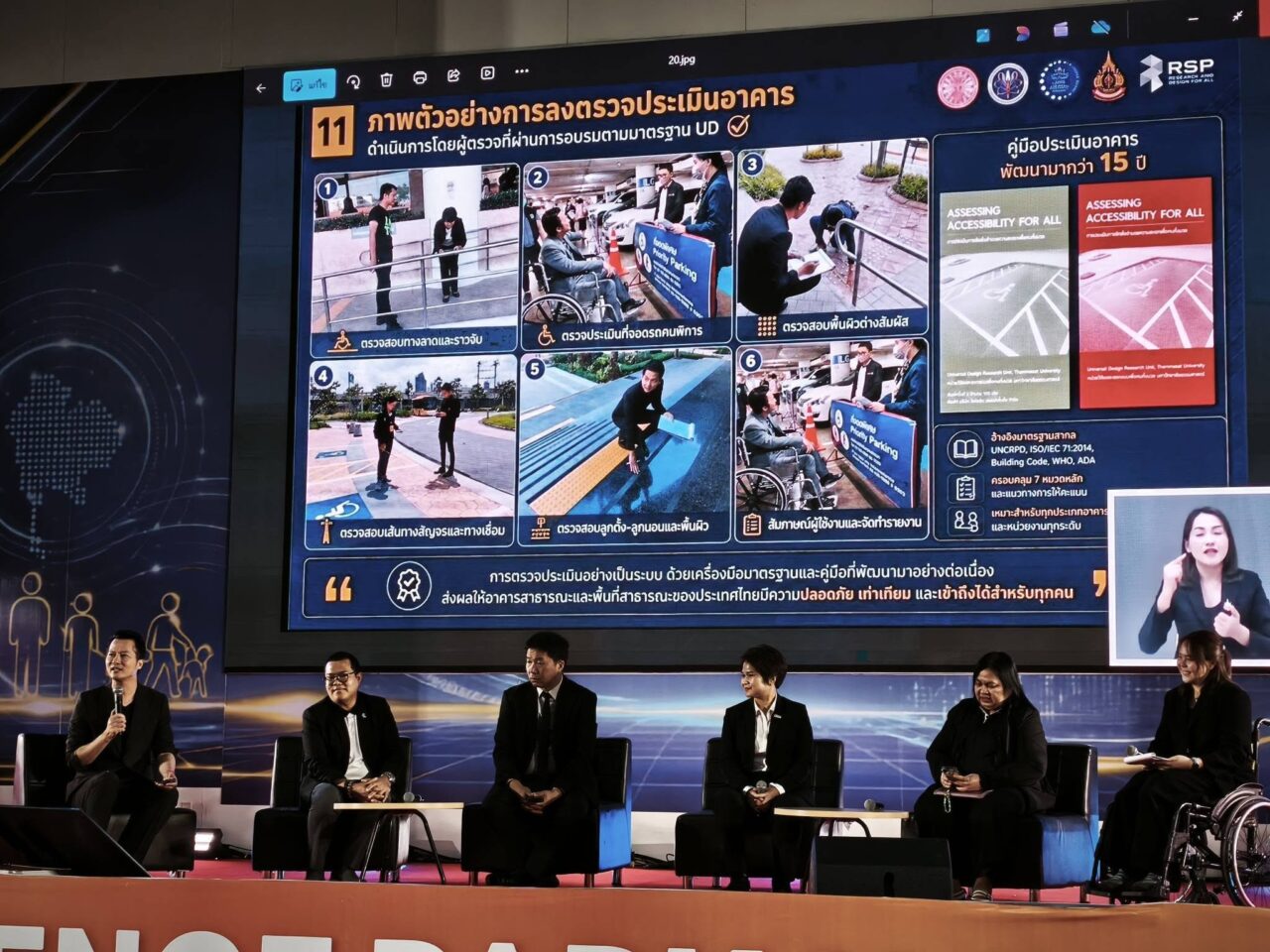
The Universal Design Audit (UD Audit) programme stems from the integration of knowledge, research, and over 15 years of continuous practical experience in building accessibility assessments by the Faculty of Architecture and Planning. The primary goal is to elevate assessment standards from merely ensuring “legal compliance” to genuinely certifying the “quality of accessibility” of buildings and public services. The comprehensive assessment covers areas such as:
- Compliance with legislation and accessibility standards
- Performance-based assessment
- Facility management
- Maintenance audit
This operates under the core concept that “Universal Design is not just about designing to pass legal requirements, but ensuring that everyone can access, use, and receive services safely, equally, and with dignity throughout the building’s lifespan.”
Furthermore, the team has produced the “Assessing Accessibility for All” manual, which has been continuously developed and updated. It serves as a standard tool for training assessors, aiming to align the quality of Thai buildings with international standards.
The launch of this programme marks a significant step that reflects the power of collaboration between the public sector, educational institutions, and network partners in driving Thailand towards a fully accessible society. Under the “Leave No One Behind” goal, it strives to create an environment where everyone can live independently, equally, and share a good quality of life.
Driving an Inclusive Environment by the Faculty of Architecture and Planning, TU
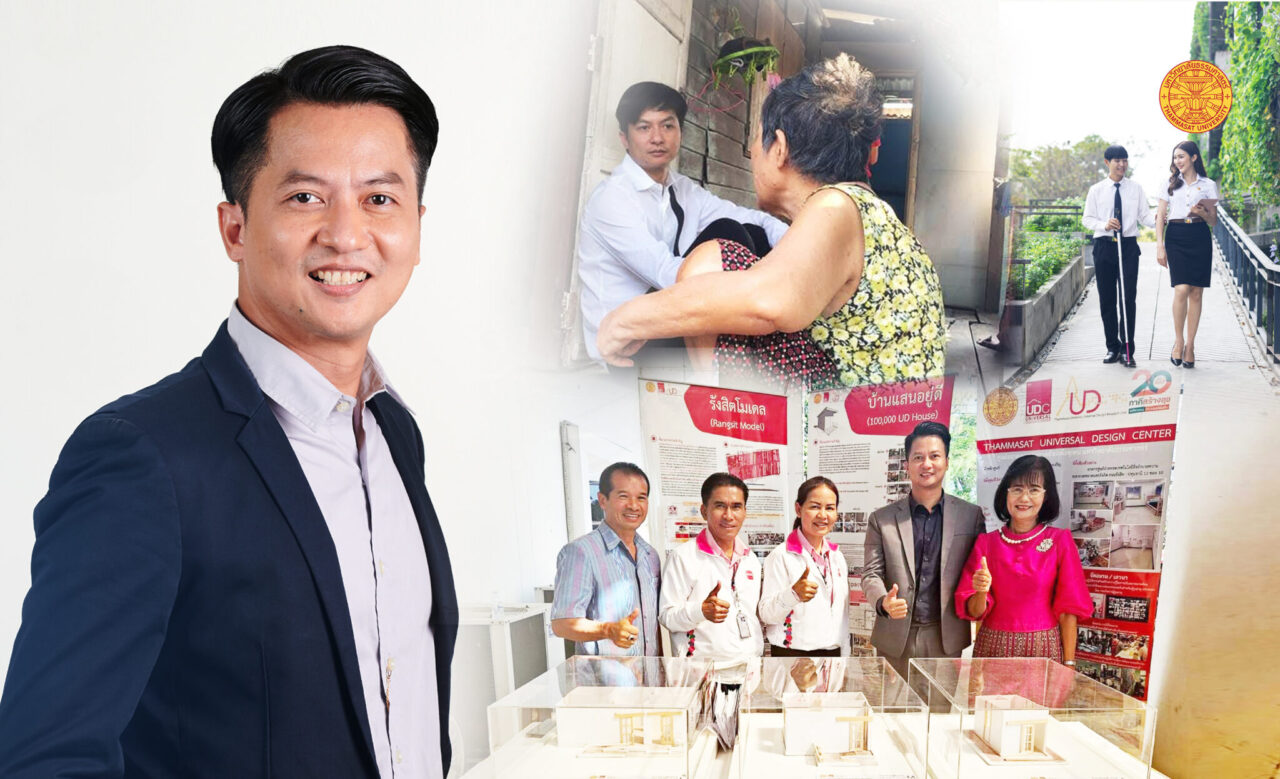
The success of developing the UD Audit programme is rooted in the practical experience of the Faculty of Architecture and Planning. Its impactful work has influenced both local communities and public policy, with one of the most prominent testaments to this success being the ‘Rangsit Model’.
The ‘Rangsit Model’: A World-Class Award-Winning Social Innovation
The ‘Rangsit Model‘, a masterpiece by the Universal Design Research and Design Unit (UD-THAM), brought fame to Thailand by winning “The winner of Universal Design Competition” in 2022 (Expert Category) from the Institute of Universal Design in Germany, triumphing over representatives from more than 10 countries worldwide.
Assoc. Prof. Dr Chumkhet Sawaengcharoen, Head of the Universal Design Research and Design Unit, recounted the inception of the Rangsit Model. It began with fieldwork in the Rangsit City Municipality in 2007 to adapt the environment to equally meet the needs of all groups, particularly vulnerable populations such as persons with disabilities and the elderly. This was achieved through the genuine participation of the community, involving four main parties: space owners, users, local administrative organisations, and supporting agencies. The process encompassed:
- Collaborative problem analysis
- Co-designing
- Construction implementation
- Evaluation for further improvement
These processes helped the working group understand the true needs of the target groups without making assumptions about the users. It fostered a sense of ownership within the community, encouraging them to help maintain the spaces in the long term. Over the years, this model has generated an immense positive impact, with housing adaptations for vulnerable groups spanning over 170 households and benefiting more than 100,000 people.


Delving into the Universal Design (UD) Concept
Universal Design (UD) is the concept of designing environments, facilities, as well as housing and public spaces, to ensure equal access and usability for all groups, whether they are persons with disabilities, the elderly, or the general public. This concept is built on the belief that a good environment can genuinely transform people’s quality of life. The core of UD is creating “equal opportunities” to reduce disparities and break down attitudinal barriers in society, allowing everyone to live together with dignity. Developing a good quality of life must be driven simultaneously across four dimensions including economic, social, health, and environmental.
Driving this model serves as a crucial mechanism in responding to the Sustainable Development Goals (SDGs), particularly Goal 11 (Sustainable Cities and Communities) to create liveable cities for everyone, and Goal 10 (Reduced Inequalities), which helps restore equality and create a better quality of life for people in society.
Get Ready for the “UD Expo for Persons with Disabilities and the Well-being of All”
Beyond its roles in the Rangsit Model project and the development of the national programme, the Faculty of Architecture and Planning at Thammasat University continues to drive universal design initiatives through various activities and collaborations with network partners to promote design for everyone in society. Most recently, the Department of Empowerment of Persons with Disabilities, Ministry of Social Development and Human Security (MSDHS), in collaboration with the Thai Foundation for Persons with Disabilities and Thammasat University, is preparing to host the “UD Expo for Persons with Disabilities and the Well-being of All”. The event will take place between 24-25 July 2026 at Halls 9–10, IMPACT Exhibition Center, Muang Thong Thani.
We invite interested individuals to join us in learning about the Universal Design concept and discovering ways to turn the word “accessible” into a daily reality at this event.
Follow the work of the Universal Design Research and Design Unit on the Facebook page: หน่วยวิจัยและออกแบบเพื่อคนทั้งมวล มหาวิทยาลัยธรรมศาสตร์
References :