
HIGHLIGHTS
- HRH Princess Bajrakitiyabha championed justice and social inclusion through the Kamlangjai (Inspire) Project, which supports women inmates, children, youth offenders, and other vulnerable groups, advancing SDGs 5, 10, and 16.
- She led the creation of the UN Bangkok Rules, the first international standards specifically addressing the needs and rights of women prisoners, promoting gender-responsive rehabilitation and reintegration.
- As Thailand’s UN representative, she played a key role in embedding justice and the rule of law into SDG 16, emphasizing that sustainable peace cannot exist without access to justice.
- Her international leadership was recognized through appointments as a UN Women and UNODC Goodwill Ambassador, where she advanced gender equality, human rights, and access to justice at both regional and global levels.
Although Her Royal Highness Princess Bajrakitiyabha Narendiradebyavati Krom Luang Rajasarini Siribajra Mahavajrarajadhida is no longer with us, the achievements of the royal duties to which she dedicated her life remain a vital foundation, continuing to make profound contributions to society.
As an esteemed alumna of the Faculty of Law at Thammasat University, Her Royal Highness served as an exemplary figure in applying legal knowledge to create tangible benefits for society. Her numerous royal initiatives, which focused on providing opportunities and fostering justice, are clearly evident and deeply aligned with the United Nations’ Sustainable Development Goals (SDGs) framework.
Examples of Her Royal Highness’s initiatives that align with the Sustainable Development Goals include:
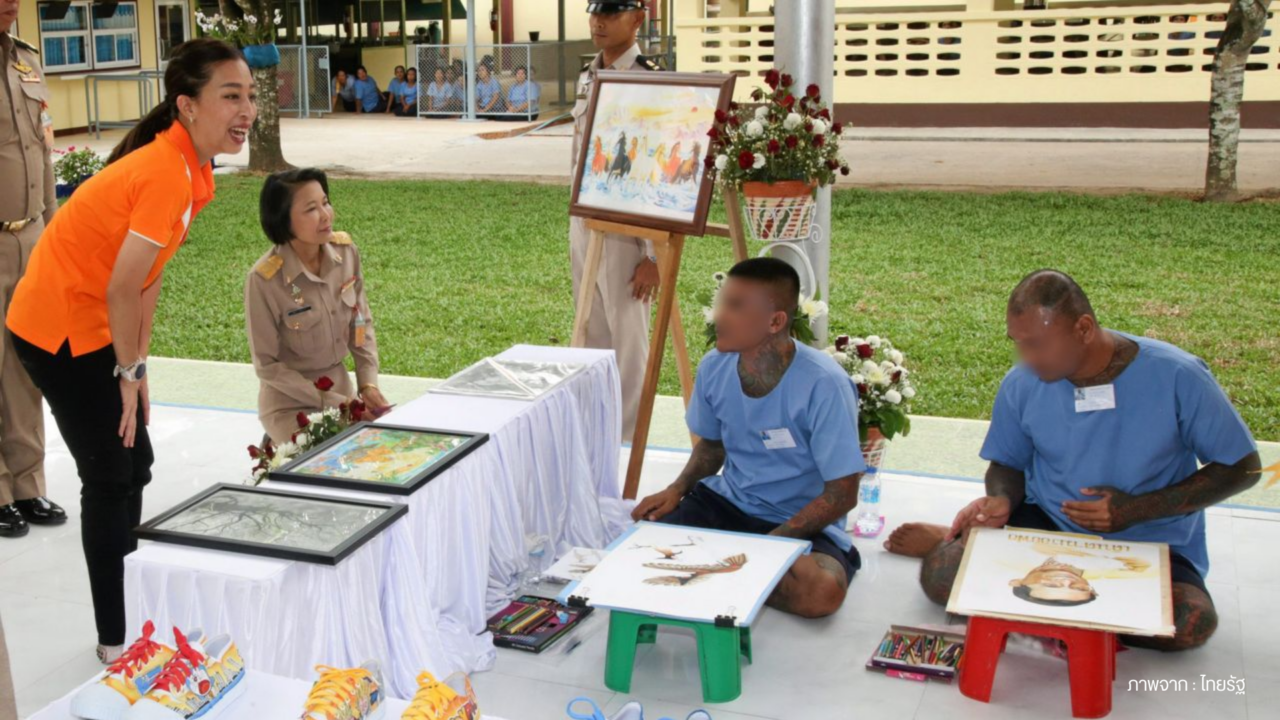
1. The Kamlangjai (Inspire) Project: Extending Opportunities to Those Who Stumbled in the Justice System
The Princess initiated the “Kamlangjai” (Inspire) Project to provide assistance and second chances to individuals who had made missteps in life. It was her firm conviction that a peaceful society can only be achieved when everyone respects one another’s rights, and that once the legal process concludes, all parties deserve an opportunity to rebuild their lives within the community.
In reality, those entangled in the justice system—such as inmates, probationers, or defendants—often face severe social stigma and lack the means to sustain themselves. The Kamlangjai Project was established to bridge this gap, demonstrating that society is ready to forgive and support their rehabilitation. By receiving opportunities and learning to respect others’ rights, these individuals are less likely to reoffend, transforming into productive citizens who contribute to a peaceful society.
The project addresses critical areas where state resources fall short, organizing activities that complement, rather than duplicate, government efforts. Its primary beneficiaries include:
- Female inmates
- Children living with incarcerated mothers
- Juvenile offenders
- Other underprivileged groups within the justice system
Beyond direct assistance, the project actively campaigns to cultivate a compassionate Thai society that welcomes back reformed individuals.
The Kamlangjai Project directly supports SDG 5 (Gender Equality), SDG 10 (Reduced Inequalities), and SDG 16 (Peace, Justice, and Strong Institutions).
(Source : TIJ Bangkok Rules)
2. The Bangkok Rules: Elevating International Human Rights Standards for Incarcerated Women
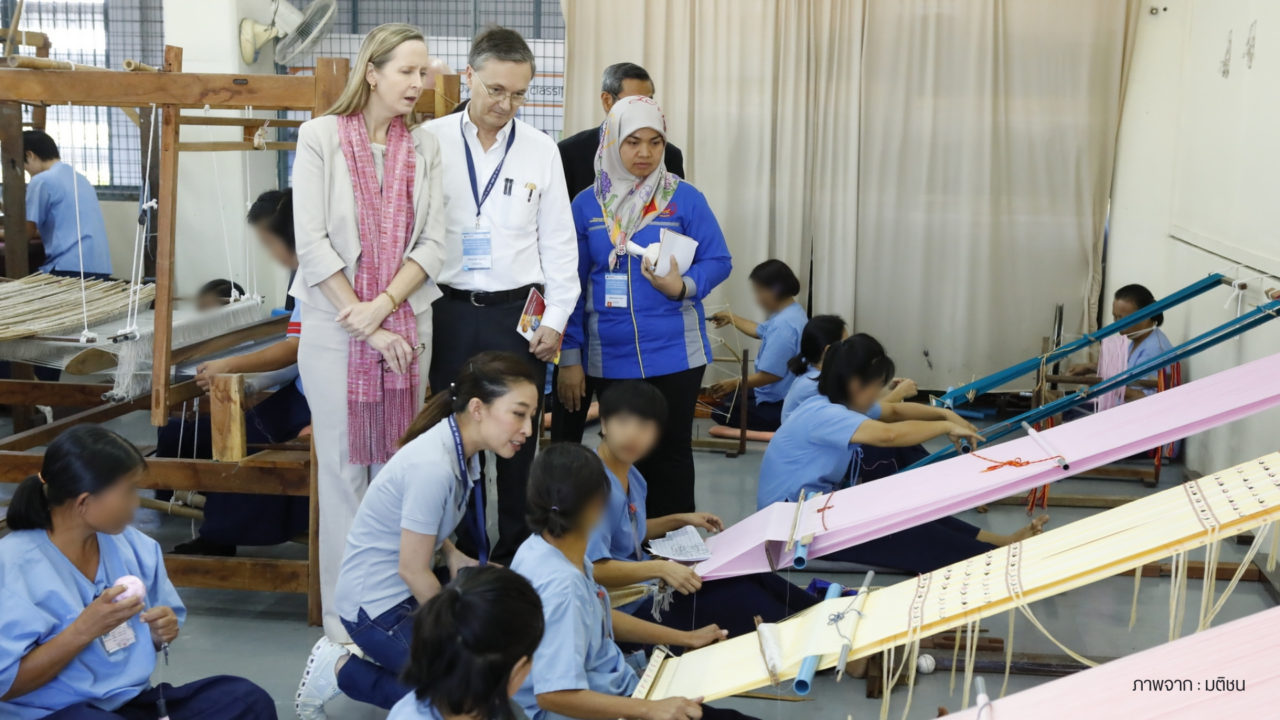
Building on the success of the Kamlangjai Project, Her Royal Highness pioneered the global adoption of “The Bangkok Rules” (The United Nations Rules for the Treatment of Women Prisoners and Non-Custodial Measures for Women Offenders).
In 2008, at the United Nations, the Princess presented the “Partnership Model” or “Inspire Model”. This framework leveraged social networks to plug budgetary gaps in state resources. On the global stage, she passionately advocated for allowing mothers to remain close to their children while in prison, emphasizing that this bond serves as a powerful emotional anchor for rehabilitation, reducing recidivism, and inspiring positive transformation. Her vision received widespread international acclaim.
Upon returning to Thailand, she directed her team to study the UN Standard Minimum Rules for the Treatment of Prisoners (dating back to 1955), which lacked a gender-sensitive lens. Prisons, historically built by and for men, failed to accommodate the specific needs of female inmates. This insight led her to launch the Enhancing the Lives of Female Inmates (ELFI) project, a Thai-led proposal aimed at establishing global standards for female prisoners, culminating in the initial draft of the Bangkok Rules, formulated alongside international experts.
Thanks to her unyielding advocacy, on 21 December 2010, the 65th Session of the United Nations General Assembly officially adopted the rules, naming them “The Bangkok Rules” in honour of Thailand’s leadership.
Core Principles of the Bangkok Rules:
- Comprehensive Care: Upgrading the treatment of female inmates across all stages—from admission and psychological rehabilitation to pre-release preparation.
- Transformative Rehabilitation: Turning prisons into places of genuine rehabilitation through diverse activities tailored to individual potential, offering education and vocational training to ensure a sustainable reintegration into society.
The Bangkok Rules advance SDG 5 (Gender Equality), SDG 10 (Reduced Inequalities), and SDG 16 (Peace, Justice, and Strong Institutions).
(Source : TIJ Bangkok)
3. Driving the Rule of Law onto the Global Agenda (SDG 16)
Princess Bajrakitiyabha possessed a far-reaching vision, recognizing that sustainable societal growth is impossible without stability and justice. She observed that societal unrest often stems from unjust laws and inefficient judicial systems, stressing the inseparable link between the rule of law, justice, and development.
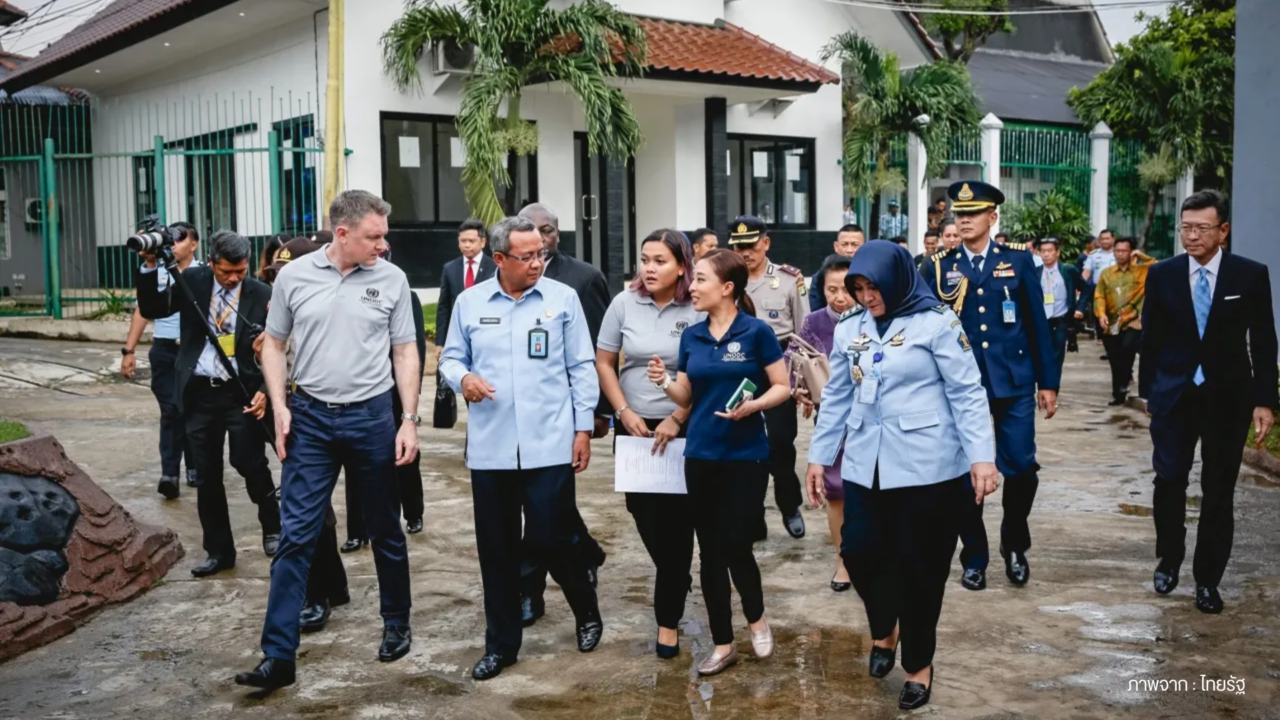
During her tenure as the Ambassador and Permanent Representative of Thailand to the United Nations in Vienna (2012–2014), she spearheaded political momentum by hosting The Bangkok Dialogue on the Rule of Law in 2013, elevating Thailand’s justice system toward international standards.
One of Her Royal Highness’s most significant royal contributions was her collaboration with international representatives to advocate for the inclusion of the rule of law in the United Nations’ post-2015 development agenda. She played a crucial role in supporting the addition of ‘justice’ to Goal 16, which originally focused only on peace, based on the rationale that true peace can only be achieved when established alongside justice.
This monumental effort led to the institutionalisation of the rule of law and access to justice within SDG 16 (Peace, Justice, and Strong Institutions), serving as a lasting global legacy in the field of criminal justice.
(Sources : Thairath, Thai PBS)
4. Her Crucial Role as a UN Goodwill Ambassador
In recognition of her exceptional capability and dedication, particularly in promoting human rights and access to justice by integrating legal knowledge to uplift public well-being, the international community highly honoured Her Royal Highness. Consequently, she was appointed as a Goodwill Ambassador by United Nations agencies on two distinct occasions.
In 2008, the United Nations Development Fund for Women (UNIFEM, currently UN Women) appointed the Princess as a Goodwill Ambassador for Thailand. This appointment was a direct result of the success of the Kamlangjai Project, which provided crucial assistance and opportunities to pregnant inmates and their infants across several correctional institutions. Furthermore, she served as a key leader in raising public awareness for the global campaign “Say NO to Violence against Women” to eradicate violence against women and girls.
Subsequently, in 2017, the United Nations Office on Drugs and Crime (UNODC) appointed her as the Goodwill Ambassador for the Rule of Law in Southeast Asia. This honour reflected her tireless dedication to supporting UNODC operations in the region, mobilizing cooperation to tackle complex global challenges, and promoting the United Nations 2030 Agenda for Sustainable Development.
Ultimately, all of these pivotal roles profoundly reflected and advanced SDG 5 (Gender Equality) and SDG 16 (Peace, Justice, and Strong Institutions) on the global stage with immense dignity.
(Sources : UNODC, UN News, BBC News, Thairath, BBC News, TIJ Bangkok)
The extraordinary royal legacies of Her Royal Highness Princess Bajrakitiyabha reflect a profound vision that bridged grassroots solutions with international policy. She remains an enduring inspiration for applying knowledge to serve humanity and drive the Sustainable Development Goals (SDGs) with tangible power.
In honour of her memory, Thammasat University remains steadfastly committed to nurturing future generations of students to follow in her footsteps—using their knowledge in service of society to foster a truly just and sustainable future.