HIGHLIGHTS
- Thammasat University served as a “Neutral Platform” during the 2026 General Election, providing an open space for political dialogue among candidates, parties, students, and the public to exchange ideas and discuss Thailand’s future beyond ideological differences.
- The university facilitated diverse conversations from national policy to grassroots issues, hosting election debates, academic policy forums, and discussions on constitutional reform, while ensuring voices from local communities and marginalised groups were represented.
- Through constructive public deliberation, Thammasat continues its role in strengthening democratic culture, bridging generations and perspectives while nurturing future leaders and supporting a more inclusive and sustainable political future for Thailand.
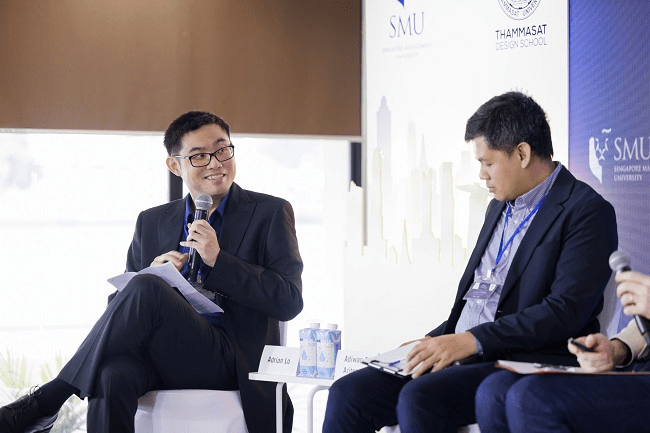
During the 2026 General Election, Thammasat University played a pivotal role as a “Neutral Platform”—a safe and impartial arena for political stakeholders. From Prime Ministerial candidates and party representatives to students and the general public, the university provided a space to exchange visions and engage in constructive dialogue. This initiative covered a broad spectrum, including national policy, local grievances, and the rights of marginalised groups.
From National Stages to In-depth Policy Analysis
Throughout January and February 2026, Thammasat’s campuses in Rangsit, Tha Prachan, and Lampang transformed into diverse debating grounds to address various societal interests:
- The Big Stages: The “Thammasat Debate: Countdown to the Election” (20 Jan) at Rangsit and the “Tha Prachan Election Debate” (2 Feb) gathered representatives from major parties—including Pheu Thai, the People’s Party, the Democrat Party, Thai Sang Thai, and the Economic Party. These events allowed for final-hour policy showdowns on critical issues such as the economy and human rights.
- Structural Reform: The Faculty of Law, in collaboration with iLaw, hosted the seminar “Approving a New Constitution: Making Thailand Possible” (25 Jan). The discussion focused on designing future governance rules, which serve as the bedrock of a robust democracy.
- Academic Insight: The Faculty of Political Science organised the “Policy Vision Series”, an academic programme that invited representatives from five political parties to provide deep-dive analyses into education, innovation, and Thailand’s international standing.
Inclusivity and Grassroots Politics
Thammasat’s role extended far beyond macro-level policy. The university ensured that voices often overlooked on the national stage were heard loud and clear:
- Disability Rights: The Universal Design Center (Thammasat–UDC), alongside its partner networks, held the “Scanning Political Party Policies on Disability” forum (2 Feb). This platform allowed advocates to present a 10-point proposal to political parties, aiming for a transition towards a more equitable and accessible society for all.
- Local and Constituency Politics: The Tha Prachan Student Union organised “BKK1 Speak Up” (30 Jan), giving residents of Bangkok’s 1st District the opportunity to question candidates directly about their livelihoods and quality of life. Meanwhile, the Lampang Campus Student Union and its partners hosted “Deciding Lampang’s Future” (27 Jan) to reflect the specific challenges faced by those in the north.
Bridging Generations and Nurturing Future Leaders
A significant dimension of these events was connecting the younger generation with the reality of the political field. The Faculty of Political Science organised the seminar “New Politics on an Old Board?” (22 Jan), inviting “Singha Daeng” alumni from various parties to share their experiences of working within existing structures. This highlighted the university’s enduring role as an institution that nurtures new talent for the nation’s political journey.
A Sustainable Path for Politics
Ultimately, these activities demonstrate Thammasat University’s commitment to fostering a culture of civil and constructive discourse. Regardless of political affiliation or differing opinions, the university remains a space where everyone can communicate to find common ground. This dedication to public deliberation is the heart of building long-term political sustainability for Thailand.