

HIGHLIGHTS
- Formal Plan Exists (by 2024): Thammasat established a formal “Energy Conservation Policy” dated August 26, 2024, meeting the requirement for a plan to be in place.
- Goal to Reduce Consumption: The 2024 Policy explicitly commits the university to “improve energy efficiency” and operate sustainably, implicitly aiming to reduce overall energy consumption.
- Specific Reduction Measures Implemented: The policy is supported by detailed, long-standing “Energy Saving Measures” (e.g., specified operating hours for AC and lifts, rules for lighting and office equipment) demonstrating practical steps taken to reduce consumption.
- Policy & Practice Alignment: The combination of the formal 2024 Policy and the detailed 2013 Measures document provides evidence of both a strategic plan and its operational implementation aimed at energy reduction.
Thammasat University reinforces its dedication to sustainability and responsible resource management by formalizing its Energy Conservation Policy, announced on August 26, 2024. This policy aligns with Thailand’s Energy Conservation Promotion Act B.E. 2535 (amended B.E. 2550) and establishes a clear framework for enhancing energy efficiency across all university operations.
01-นโยบายอนุรักษ์พลังงานA University-Wide Commitment
The policy underscores that energy conservation is an integral part of Thammasat’s mission. It mandates continuous improvement in energy efficiency suitable for the specific needs of university buildings and emphasizes that compliance with relevant energy laws is the responsibility of all administrators, staff, and students. The university commits to allocating necessary resources, including budget and personnel, to achieve these goals effectively and will monitor and report on energy management progress annually.
Practical Measures for Energy Saving
This formal policy builds upon long-standing practical measures already implemented, particularly at the Rangsit Campus as outlined in 2013, demonstrating a consistent effort towards reducing energy consumption. These ongoing measures include:
- Air Conditioning Management: Setting specific operating hours (e.g., 09:00-12:00, 13:00-16:30), maintaining thermostat settings at 26 degrees Celsius, shutting down systems during unoccupied periods, and encouraging fan use during off-hours.
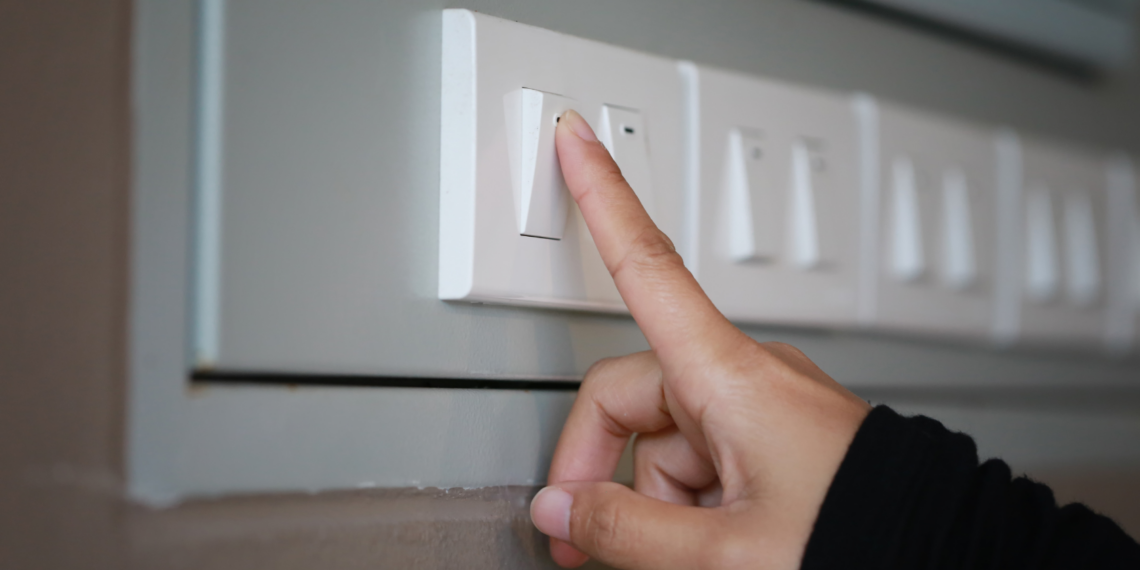
- Lighting Efficiency: Mandating the switching off of lights during lunch breaks, after work hours, or when rooms are unoccupied, including restrooms.
- Lift Optimisation: Implementing schedules to reduce the number of active lifts during off-peak hours and weekends/holidays, designating specific lifts for cargo, and restricting stops at the second floor to encourage stair use.
- Office Equipment Practices: Encouraging staff to turn off and unplug office equipment after work, switch off monitors during breaks, and utilize computer power-saving modes.
- Monitoring: Encouraging faculties and units to install electricity meters to track their energy usage.
Through the combination of this clear university-wide policy and established practical measures, Thammasat University reaffirms its commitment to efficient energy use, cost reduction, and contributing to a sustainable future.
Energy-Saving-Rangsit