
HIGHTLIGHTS
- Formal Oversight Mechanism: Thammasat established a dedicated Energy Management Working Group on October 24, 2024, responsible for monitoring and reporting on energy management.
- Systematic Energy Monitoring: Practices detailed, long-term electricity tracking (since FY2017) covering over 54 distinct buildings and metering points at Rangsit Campus.
- Mechanism for Identifying Wastage: Conducts energy reviews by calculating the Energy Use Intensity (kWh/m²)for each building, allowing for the identification of high-consumption patterns and anomalies.
- Review Capability In Place: The combination of the formal Working Group and the established energy tracking/metering infrastructure provides a mechanism that enables the review and identification of energy waste.
Thammasat University underscores its commitment to efficient energy use and sustainability by establishing a formal Energy Management Working Group for the Rangsit Campus, effective from October 24, 2024. This dedicated team is tasked with overseeing and enhancing the university’s energy conservation efforts, aligning with national regulations and Thammasat’s own sustainability goals.
03-คณะทำงานด้านการจัดการพลังงาน-ของมหาวิทยFormal Structure for Energy Oversight
The newly appointed Working Group has clear responsibilities outlined in its mandate. Key duties include developing and implementing energy conservation policies, coordinating with all university departments, and importantly, monitoring overall energy management practices and reporting on conservation performance. This formal structure ensures systematic oversight for continuous improvement in how the university consumes energy.
Enhanced Monitoring Through Metering and Data Analysis
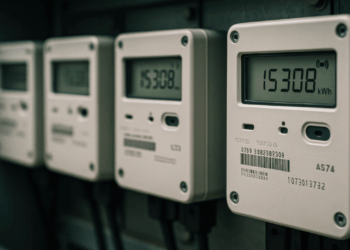
Complementing this formal structure, Thammasat undergoes energy reviews to identify areas where energy waste is highest. This relies on the systematic and continuous collection and analysis of electricity data.
The university tracks detailed electricity consumption data covering more than 50 locations (54 buildings/metering points) within the Rangsit Campus. Comprehensive historical data is available for analysis from the 2017 to 2024 fiscal years
Critically, this analysis extends beyond total consumption. The university calculates the “average electricity consumption per area (square meter)” —or Energy Use Intensity—for each building. This in-depth data analysis allows the Working Group to identify significant deviations or unusually high usage patterns.
For example, the analysis identifies specific high-intensity areas, such as the Animal Experiment Center Building B (123.04 kWh/m²) and Building A (65.44 kWh/m²), which show exceptionally high consumption per square meter compared to other building types. These anomalies, along with other high-use areas identified in the review , serve as key indicators, enabling the Working Group to pinpoint potential areas of energy wastage for further investigation and targeted intervention.
A Foundation for Proactive Efficiency
The establishment of a dedicated Working Group, coupled with the availability of both long-term campus-wide data and the infrastructure for unit-level metering, creates a robust framework for identifying energy inefficiencies. While routine, detailed “energy waste reports” might not be the standard output, this system provides the necessary tools and oversight to facilitate reviews and identify areas where energy consumption is highest or abnormal. This proactive approach allows Thammasat to effectively manage energy use, reduce costs, minimise its environmental footprint, and reinforce its role as a leading sustainable university.