
Thammasat University as a Neutral Platform for Discussion Among Different Political Stakeholders

Highlights

  • Thammasat University’s Student Council organized the “Debate on Election Vision 2023,” bringing together political party representatives and activists to discuss crucial societal issues, reinforcing the university’s commitment to democratic engagement and informed citizenry.
  • Derek Jayanama Research Center at Thammasat University hosted a pivotal discussion titled “Politics and Institutional Change in the Senate of Thailand,” showcasing the university’s commitment to providing a neutral platform for diverse political perspectives

Thammasat University continued to serve as a neutral platform and safe space for discussions on political issues among various stakeholders.

Debate on Election Vision 2023: Unpacking Policies, Hopes, or Deceptions

In March 2023, the Student Council organized the event “Debate on Election Vision 2023: Unpacking Policies, Hopes, or Deceptions” at Puey Ungphakorn Centenary Hall, Rangsit Campus. This event featured representatives from various political parties, including Pheu Thai, Move Forward, Chart Thai Pattana, and Free Thai, as well as political activists, who came together to debate pressing issues that resonate deeply within society. 
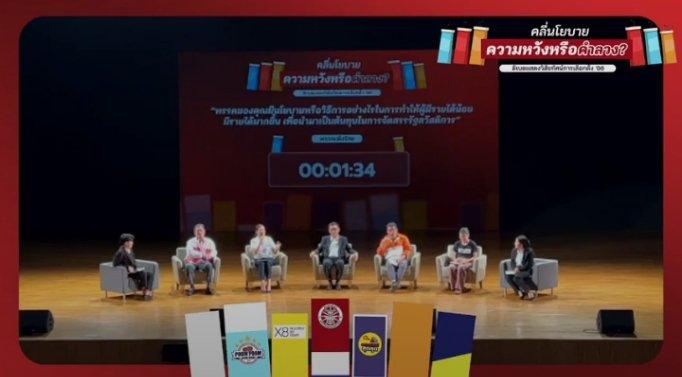
Key topics included political reform, solutions to the PM 2.5 crisis, sensitive laws such as Section 112, and economic policies ahead of the June 2023 election. The discussions highlighted the complexities of these issues and the diverse perspectives that exist within Thai society. Students and attendees were encouraged to pose questions directly to the representatives, fostering an interactive environment. Many took advantage of this opportunity, actively engaging in discussions and exchanging opinions, which enriched the dialogue and helped bridge the gap between political leaders and the community.

By facilitating such events, Thammasat University reinforces its commitment to nurturing informed citizenry and promoting democratic engagement, making it a vital hub for political discourse in Thailand.

Politics and Institutional Change in the Senate of Thailand.

On August 7, 2023, the Derek Jayanama Research Center at Thammasat University hosted a pivotal discussion titled Politics and Institutional Change in the Senate of Thailand This event exemplified the university’s dedication to fostering a neutral environment for diverse political perspectives.
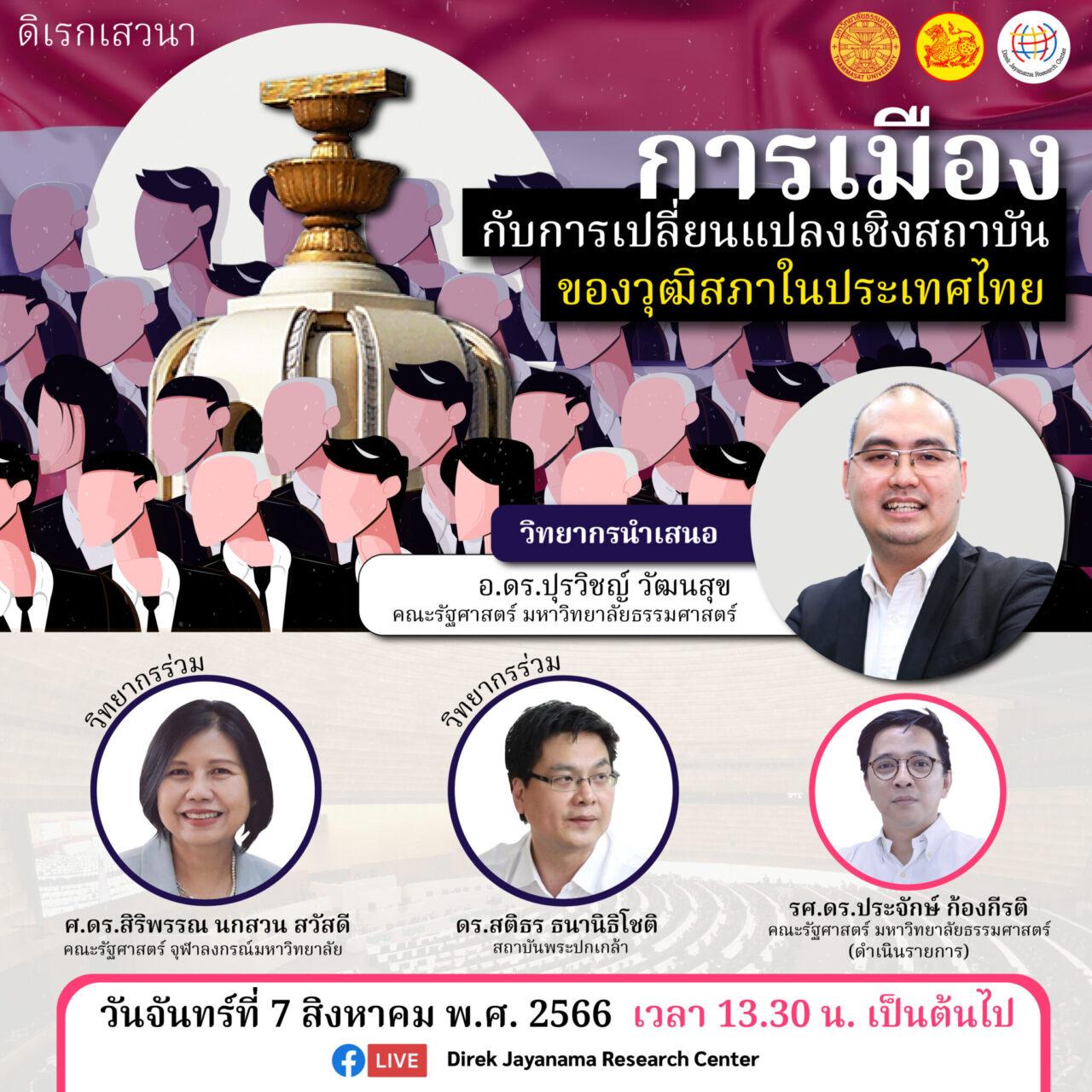
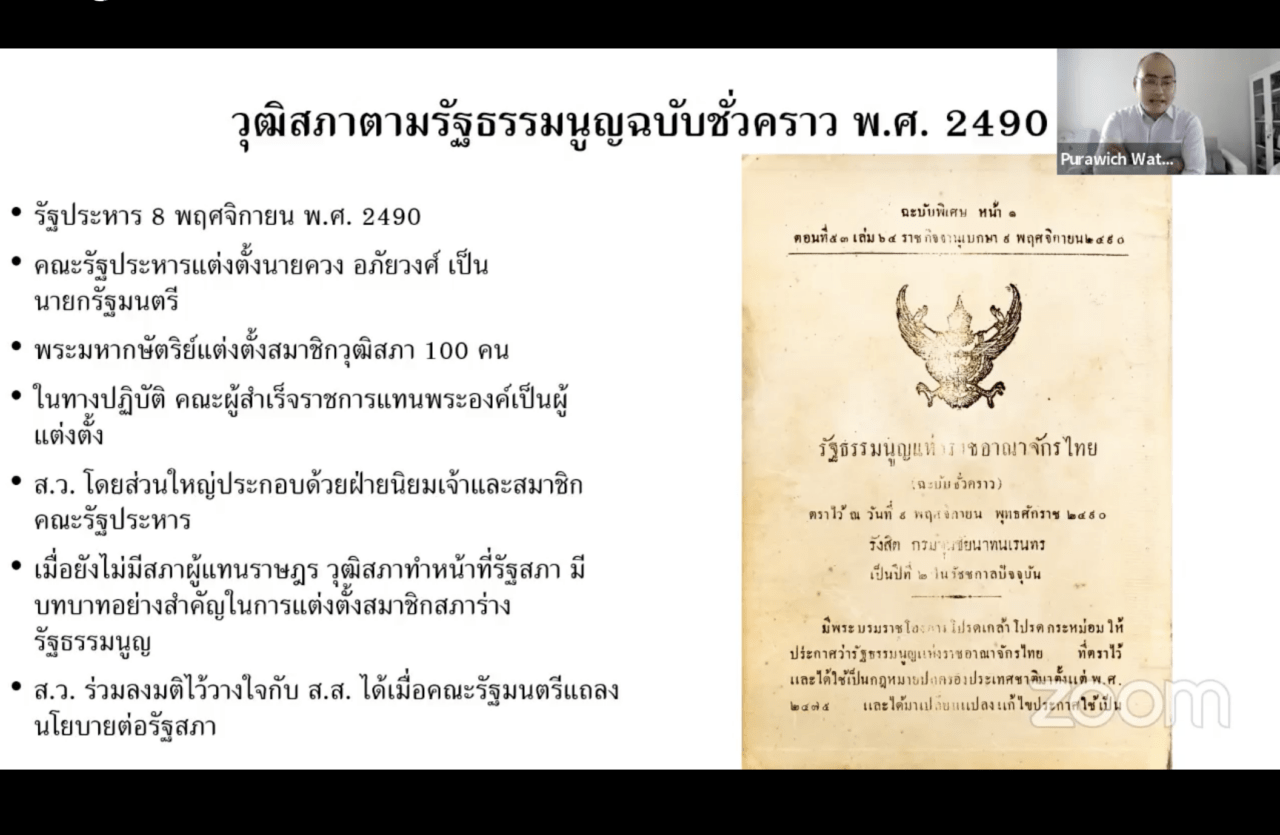
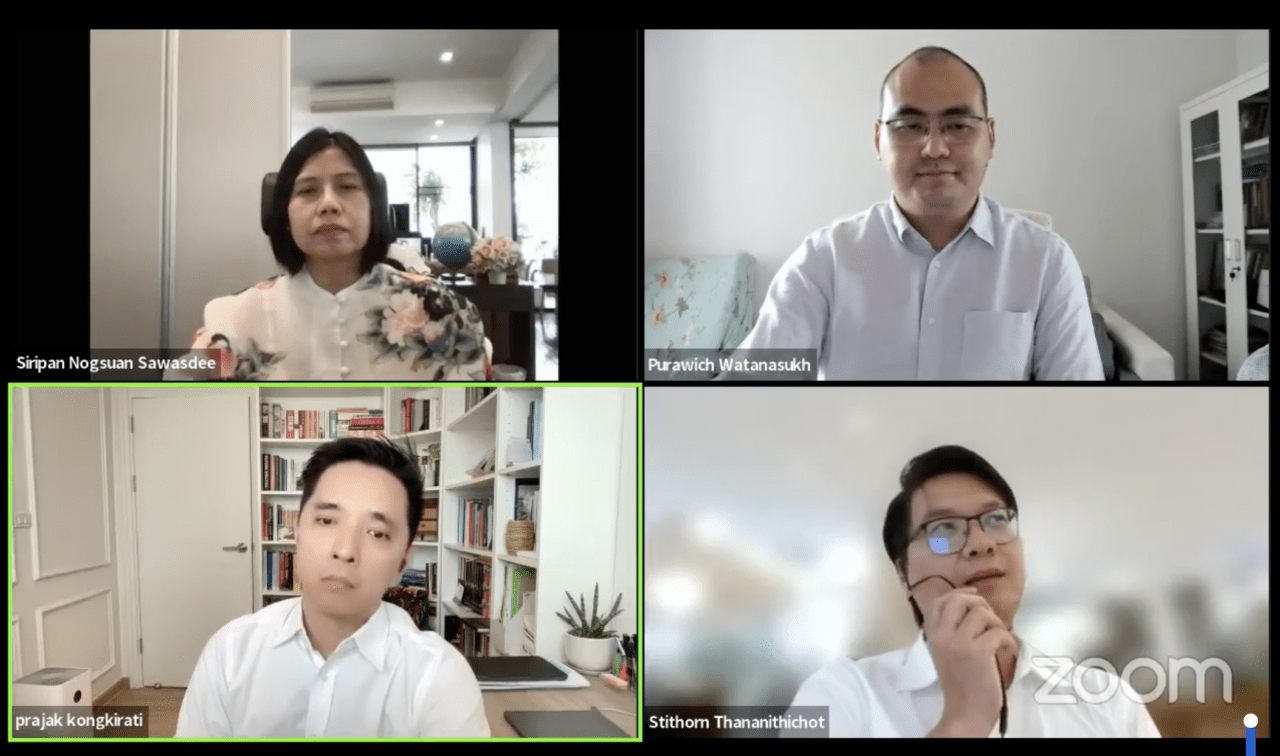
Assistant Professor Purawit Watasuk from the Faculty of Political Science presented key findings from his doctoral research at the University of Canterbury. His thesis examined the evolution of the Senate and raised critical questions about its relevance in the complex landscape of Thai politics. He was joined by Professor Siriphan Noksuan from Chulalongkorn University and Dr. Satithorn Thananitichot from King Prajadhipok’s Institute, both of whom explored the Senate’s intricate role within Thailand’s democracy.

Purawit highlighted how the Senate has frequently served as a guardian of the status quo, navigating the shifting power dynamics throughout the country’s 20 constitutions and 13 coups since 1932. This sparked a critical conversation about the potential for the Senate to evolve into a more representative institution. The discussion was charged yet respectful, showcasing the university’s commitment to providing a neutral platform for diverse political perspectives
Thammasat University’s Participation in government policy-focused research in 2023

Highlights

  • In 2023, over two hundred research and consultation projects were conducted by professors and researchers at Thammasat University, with most being government projects.
  • Examples of Thammasat University’s Participation in government policy-focused research in 2023 include areas such as data governance policies, water pricing structures for public water resource users, and safe and creative media.

In 2023, over two hundred research and consultation projects were conducted by professors and researchers at Thammasat University, with most being government projects, as reported by the Thammasat University Research and Consultancy Institute (TURAC). The sector with the highest participation was research and evaluation, accounting for 125 projects, followed by management and institutional development with 68 projects, and the information and telecommunications sector with 28 projects.

The following are examples of the specific projects in 2023 authorized for public disclosure:

1. Analysis and Development of a Framework for Governance Policies on Government Data to Lead to the Development of Open Government Data Sets for the Public Relations Department for the Fiscal Year 2023.

Sponsor & license owner: Public Relations Department

Abstract: https://tu-rac.com/uploads/files/62/files297386_10789A_1695195663.pdf

Assistant Professor Supakit Prueksaarun, Ph.D., from the Thammasat School of Engineering, was appointed as an advisor for the analysis and formulation of guidelines for data governance policies in the public sector, aimed at advancing the open data framework of the Public Relations Department for the fiscal year 2023. This advisory role includes assessing the gaps between the current status and the requirements for data governance, as well as conducting a gap analysis regarding the security of information systems related to data management. These assessments will provide a foundation for recommendations and the establishment of a framework for effective data governance and management. 

2. Study of Approaches to Policy Development for the Determination of Water Use Fee Structures for Public Water Resource Users of Categories Two and Three According to the Water Resources Act B.E. 2561, Chapter 4.

Sponsor & license owner: Department of Water Resources

Abstract: https://tu-rac.com/uploads/files/62/files306492_10490A_1702432300.pdf

Assistant Professor Niramon Sutthamakit, Ph.D., from the Faculty of Economics, was appointed as an advisor for the cost analysis involved in studying the guidelines for formulating a policy on water pricing structures for public water resource users in categories two and three, in accordance with the Water Resources Act B.E. 2561 (2018), Chapter 4.

The main objectives of this project are to identify the factors that influence public water charge rates and to establish a transparent and equitable pricing structure for second and third category water users under the Water Resource Act 2018. This structure aims to promote efficient water usage. Additionally, the project will provide recommendations for revenue management.

3. Study of Approaches to Promote the Production, Co-production, Marketing, and Distribution Channels of Safe and Creative Media Abroad

Sponsor & license owner: Thai Media Fund

Abstract: https://tu-rac.com/uploads/files/62/files290942_10341A_1689907490.pdf

Assistant Professor Chayakrit Asavathitanont, Ph.D., from the College of Innovation at Thammasat University, was appointed as a consultant for an investigation into the theoretical concepts and the global history and evolution of safe and creative media. The selection of target countries was guided by specific criteria. The research also examined the safe and creative media industry in terms of supply chain management, marketing, and distribution channels abroad, as well as the current state of investments in the Media & Entertainment industry. Additionally, it included a trend analysis of safe and creative media markets in foreign countries.

In-depth interviews were conducted with representatives from 32 companies in the safe and creative media industries across selected countries to identify a target group of at least ten. This research aimed to provide policy recommendations that will help advance the organization’s mission of generating income.

See more about TURAC in Annual Report 2023

Thammasat University’s Education and Capacity building activities to Local government Administrators and rural communities in 2023

Highlights

  • Thammasat Law Center is addressing legal ignorance in rural areas through training programs and Mobile Legal Clinics, empowering community leaders and citizens with essential legal knowledge to combat exploitation and improve access to justice.
  • Thammasat University’s Training and Development Center is enhancing local administrative organizations through comprehensive training programs that include lectures and hands-on workshops, with costs fully reimbursable under Ministry of Interior regulations.

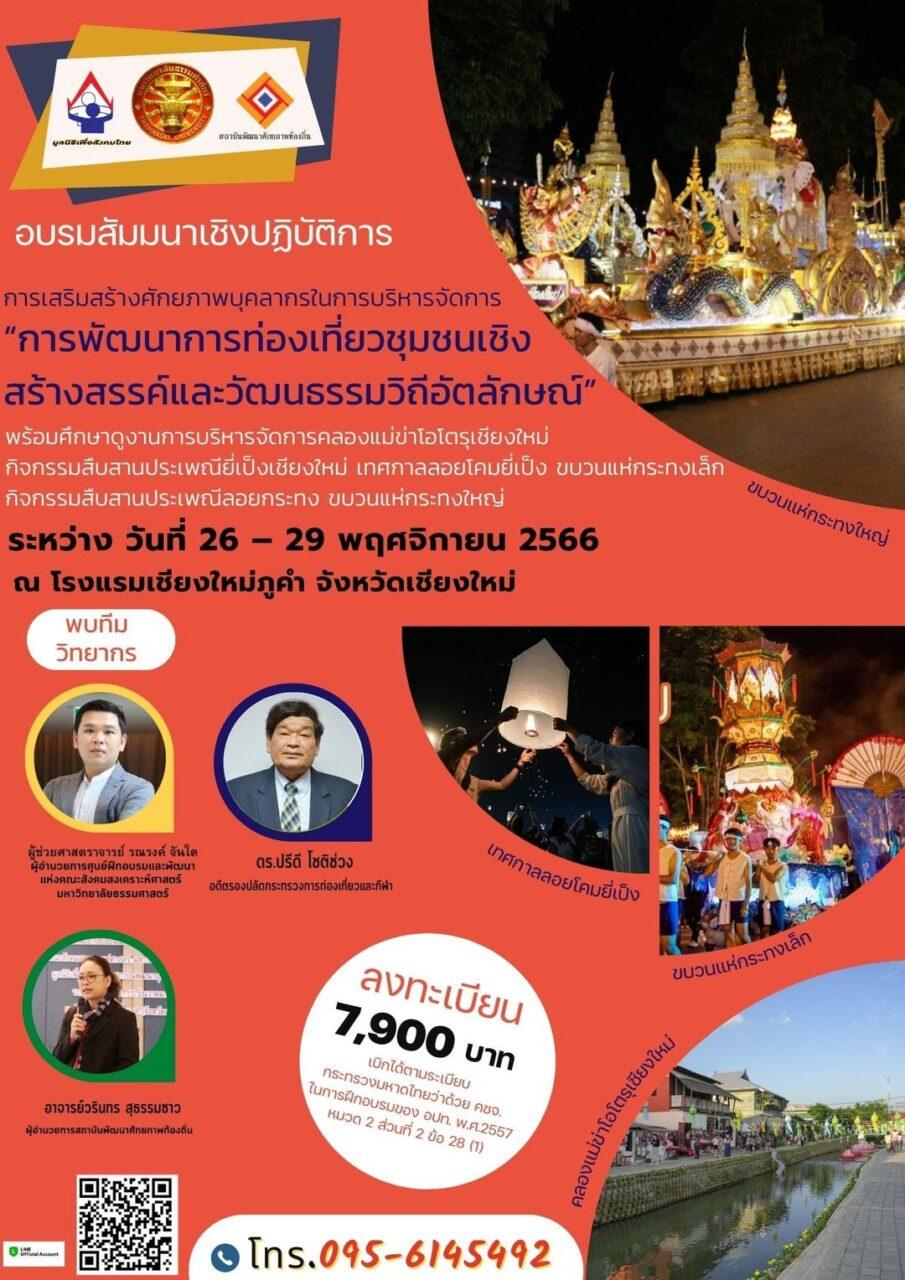
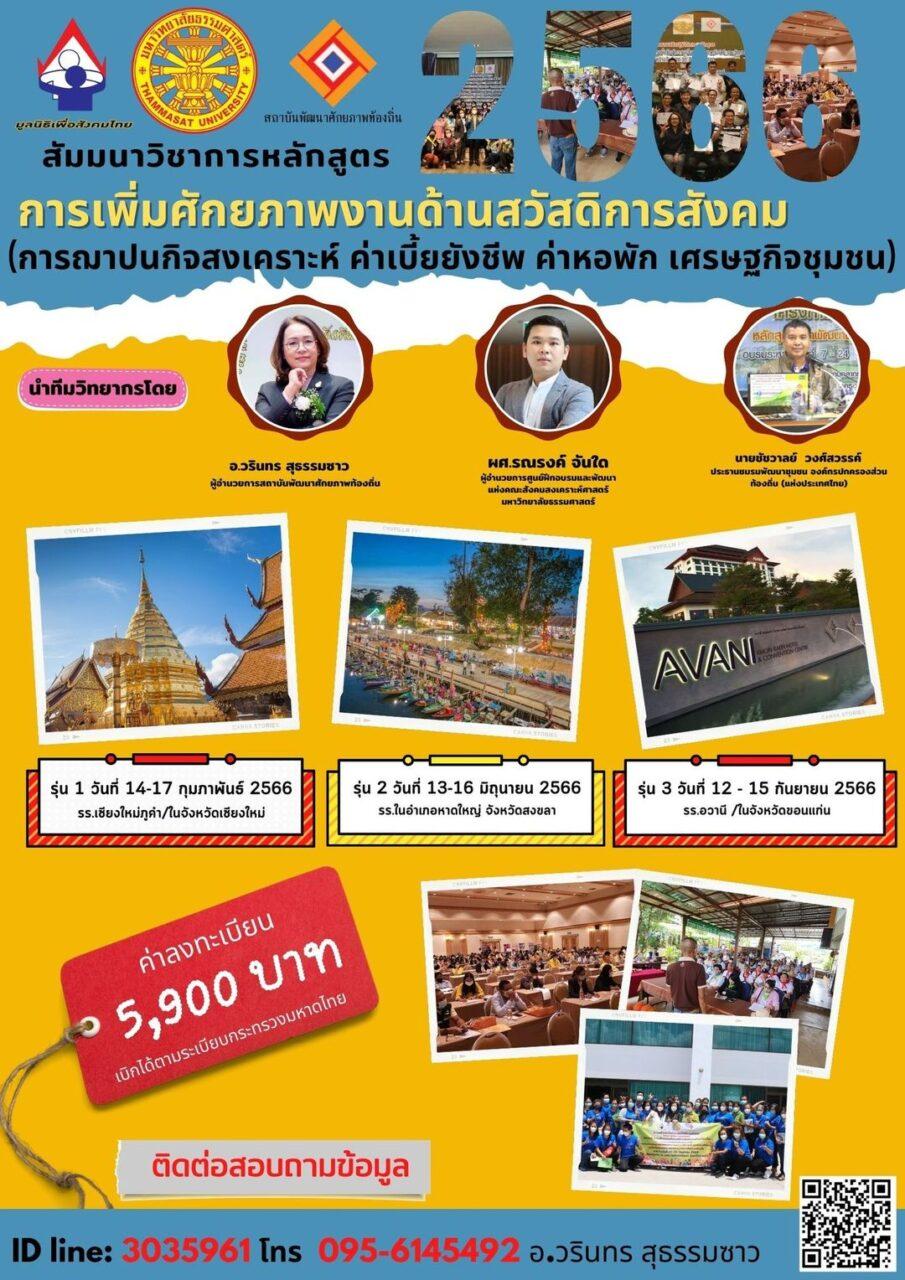
Thammasat University is committed to empowering policymakers and local leaders through outreach and education by organizing a series of collaborative training programs covering various topics, including social welfare, community tourism development, budget preparation and management, and administrative regulations for local government organizations, along with Mobile Legal Clinics. The program ensures that local officials are better equipped to serve their communities and navigate the complexities of governance in an ever-changing environment.

Mobile Legal Clinics

Many people in rural areas are still unaware of their legal rights and obligations, leading to disputes that result in civil and criminal cases. Additionally, ignorance of the law has made rural citizens vulnerable to exploitation and fraud by dishonest individuals. In some areas, issues such as the trafficking of women for prostitution, child exploitation, and forced labor have arisen—problems the government is striving to eradicate.

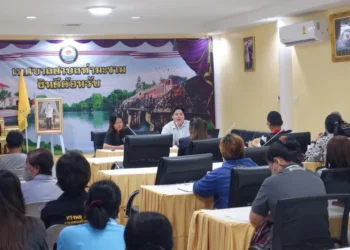
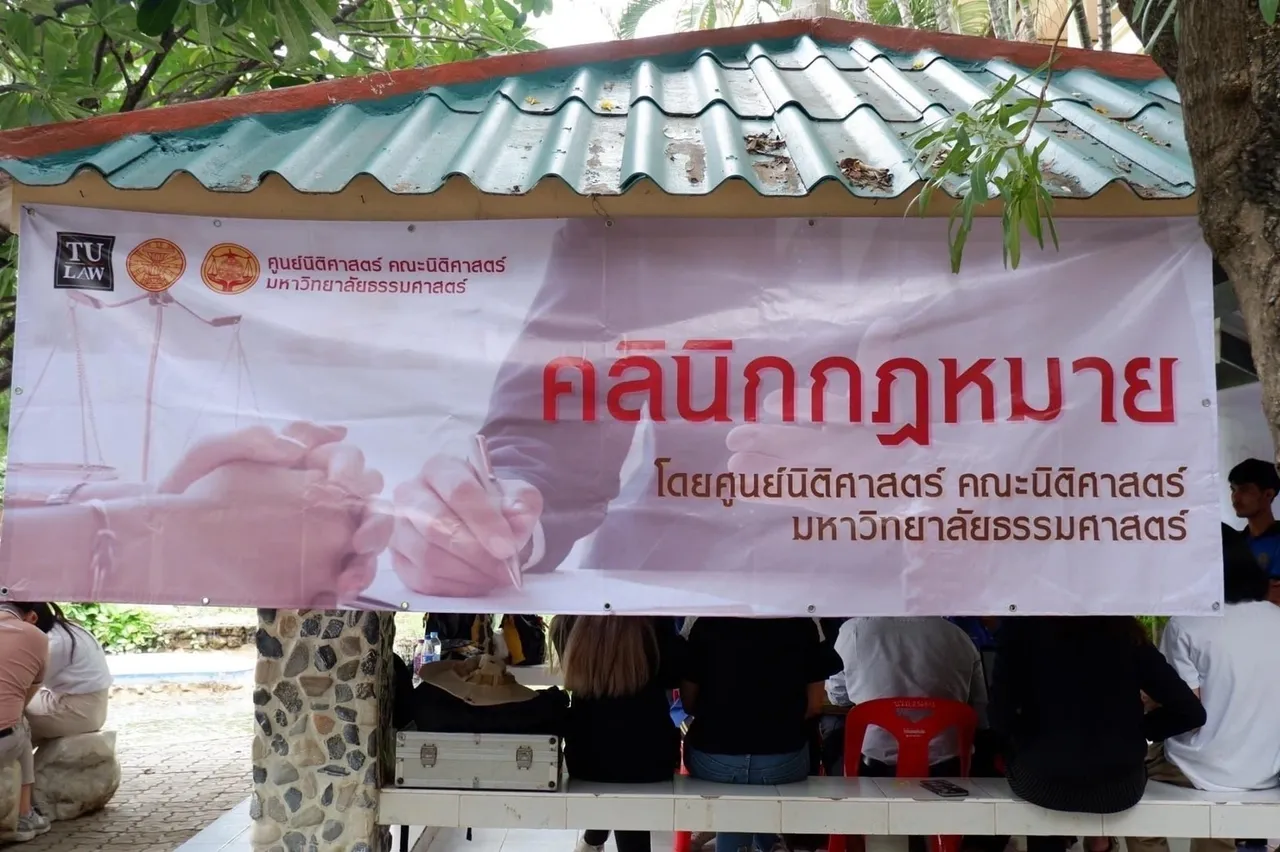
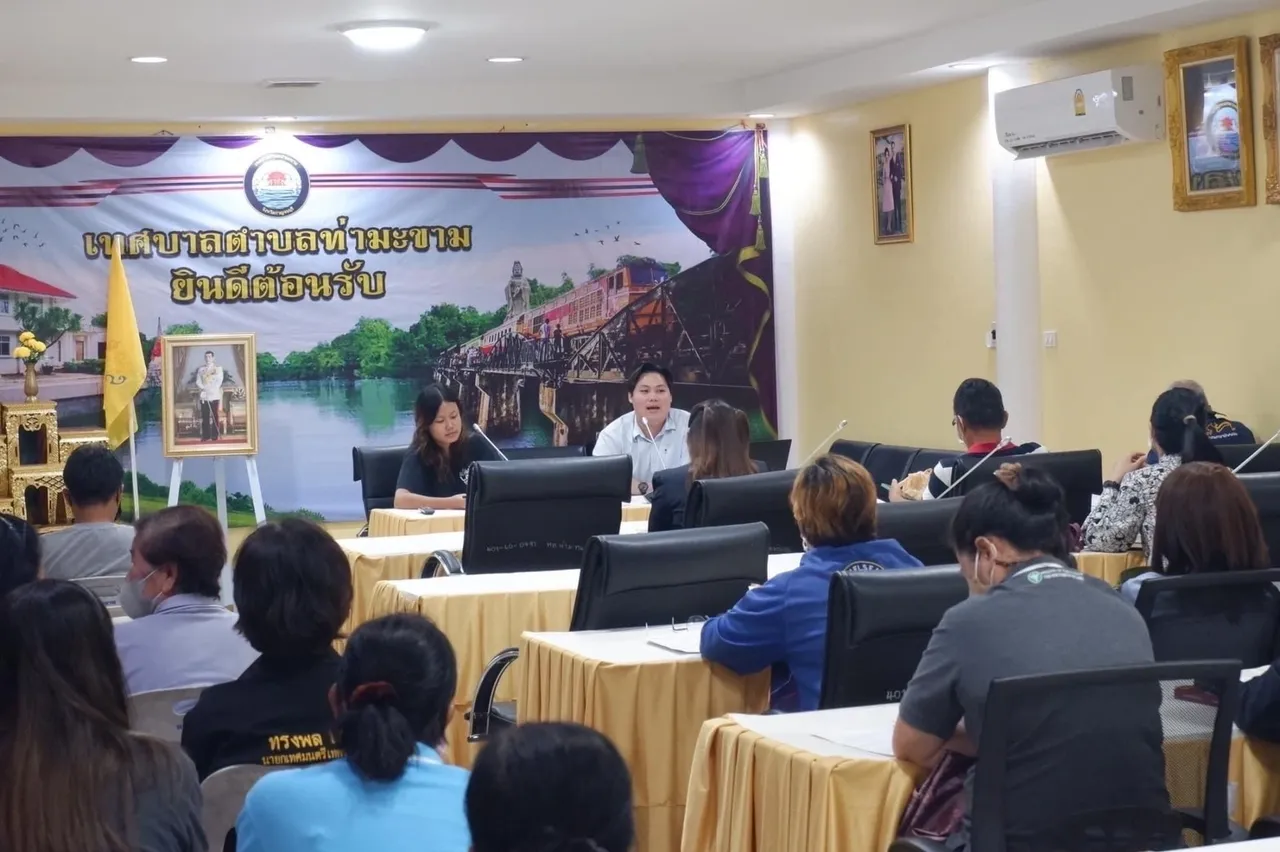
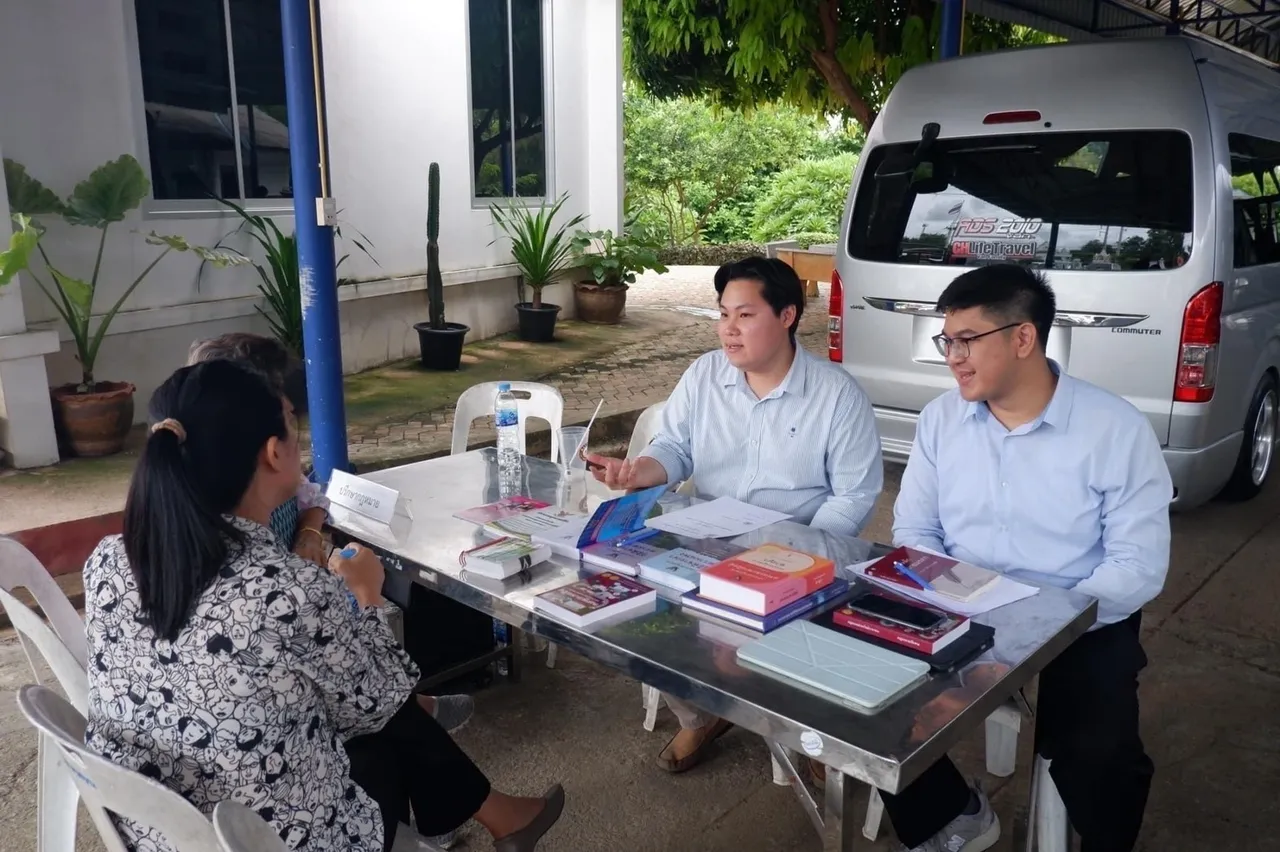
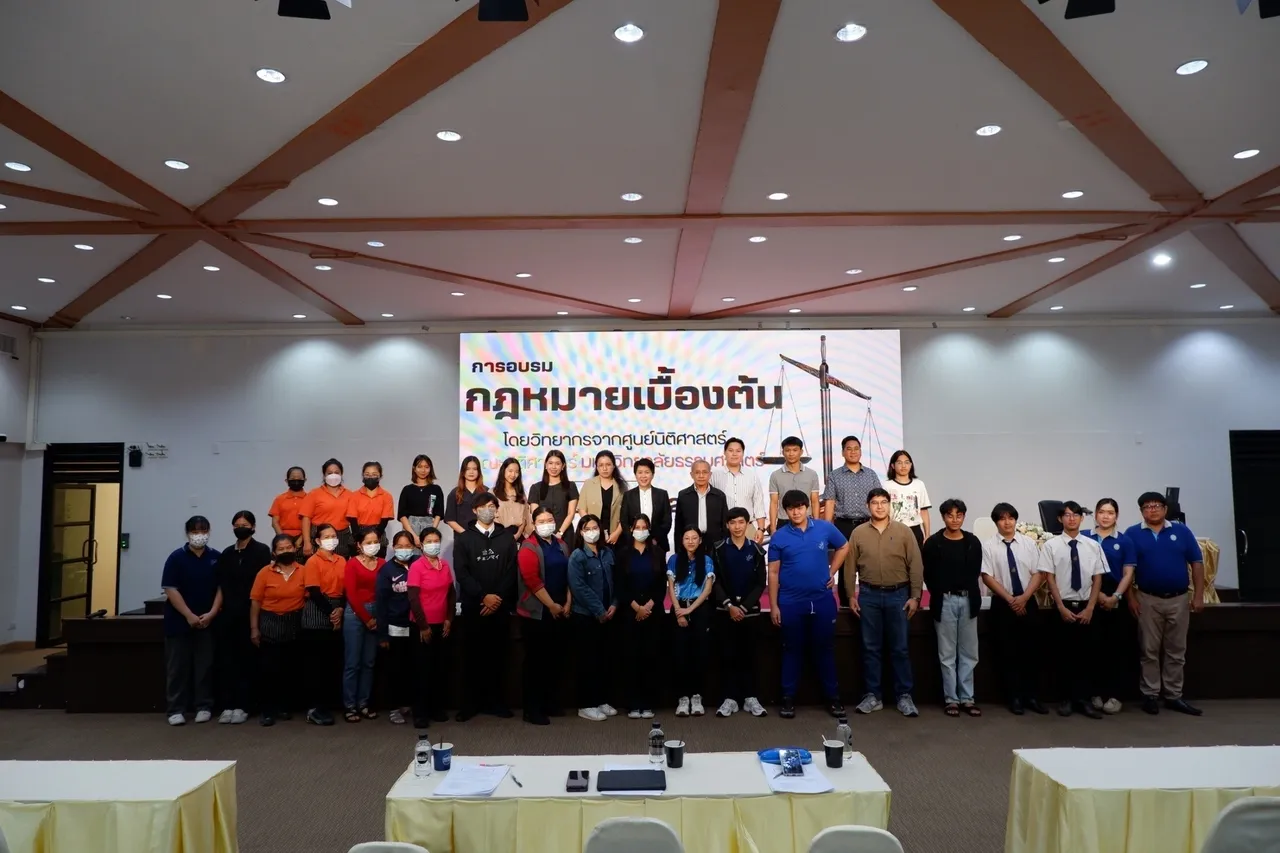
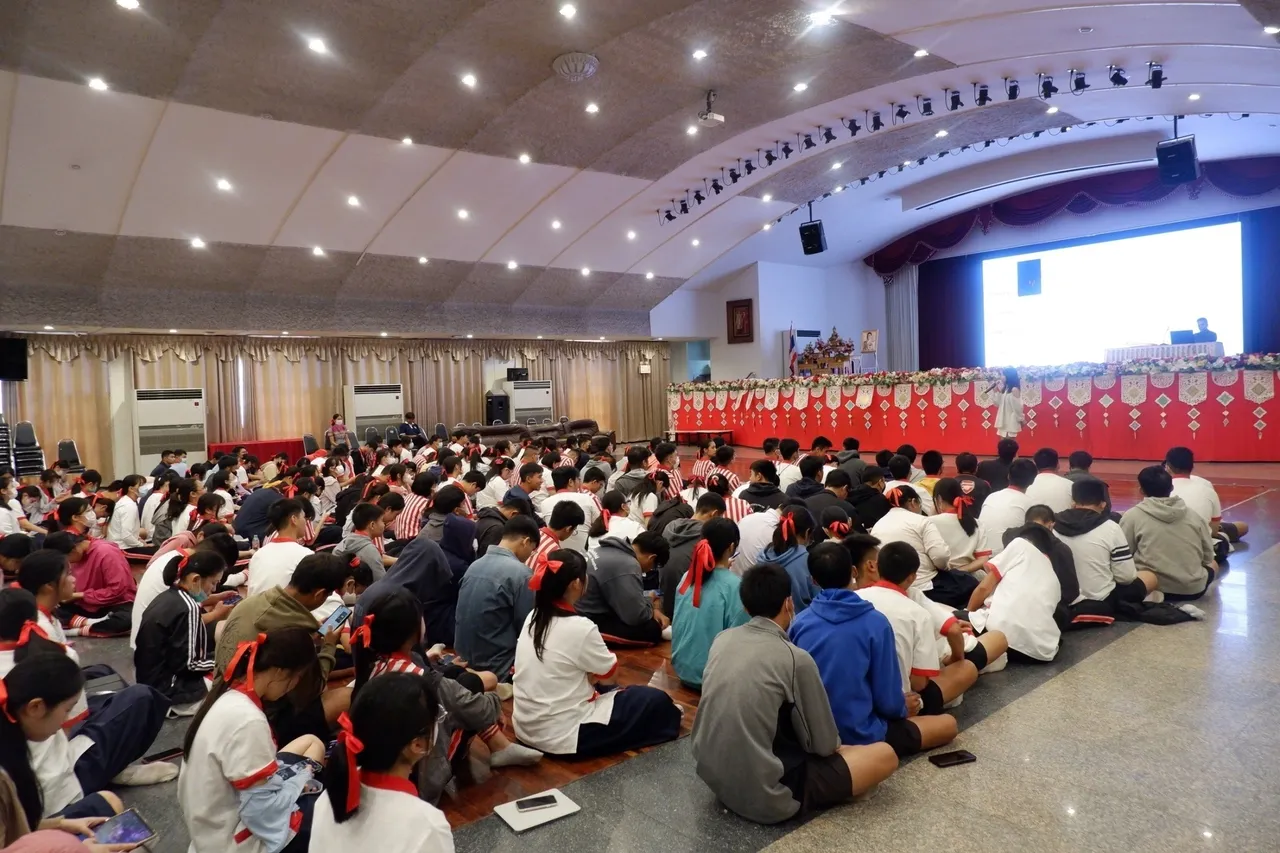
To prevent these issues, Thammasat Law Center has organized training programs to disseminate legal knowledge and provide Mobile Legal Clinics to rural communities. This initiative aims to outreach, educate, and build capacity among community leaders, such as village heads, committee members, and local council members, as well as interested citizens, on their rights and responsibilities under the law. By focusing on general education and upskilling, Thammasat University is empowering local government administrators with essential legal insights that can enhance their effectiveness in serving their communities Lectures covered topics such as laws protecting accident victims, family inheritance laws, debt-related legal issues, criminal record expungement, bail laws, and land and forestry laws. Additionally, consultations and advice were provided for those facing legal issues, helping rural citizens access legal resources more effectively.

Empowering Local Administration through Collaborative Training

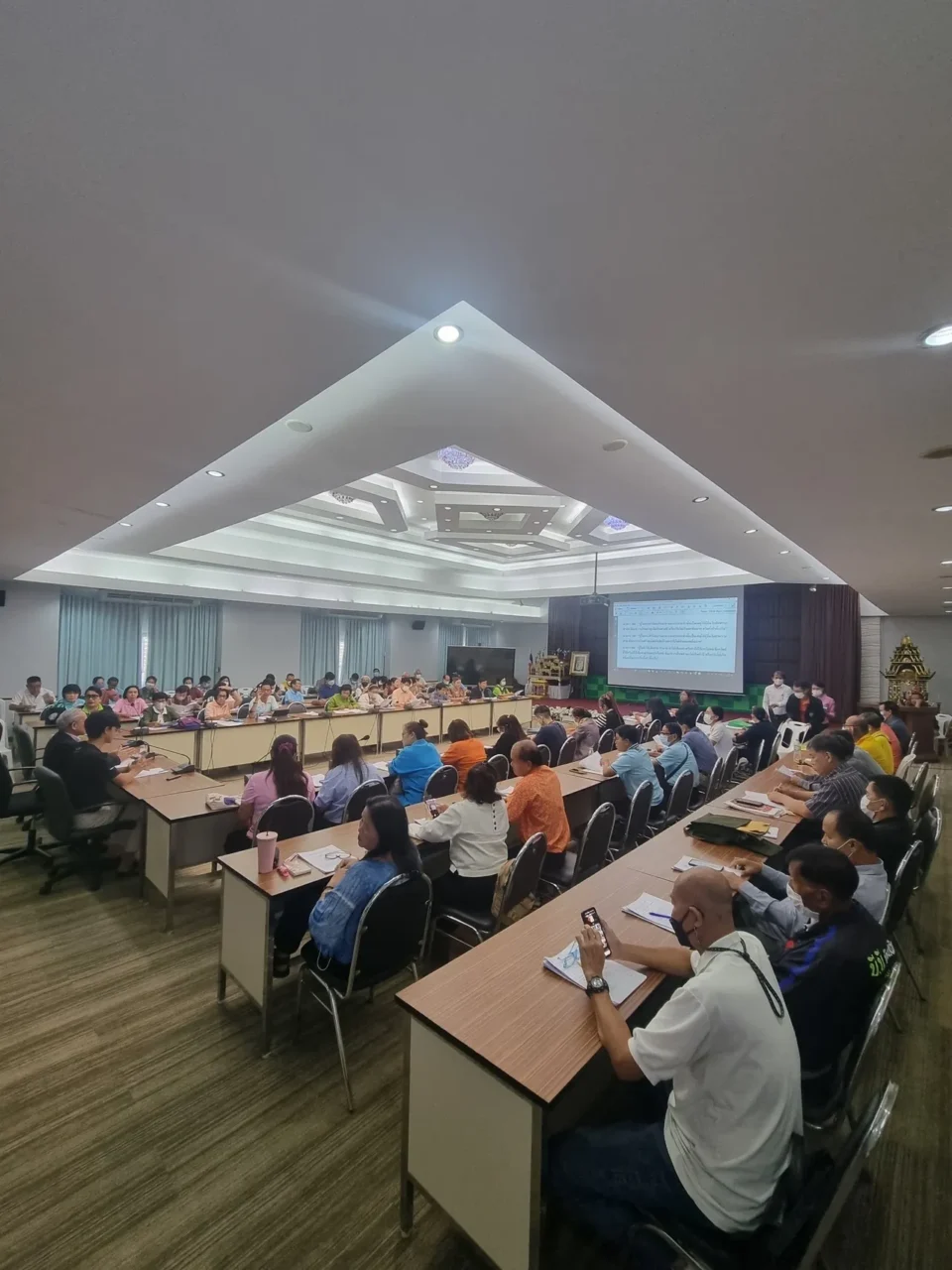
In addition, The Training and Development Center of the Faculty of Social Administration, Thammasat University collaborates with the Foundation for Thai Society and the Local Capacity Development Institute to organize a training program focusing on enhancing the excellence of local administrative organizations. The training includes lectures, hands-on learning workshops, and field visits to real areas to strengthen the capabilities of executives and personnel in local administrative organizations.

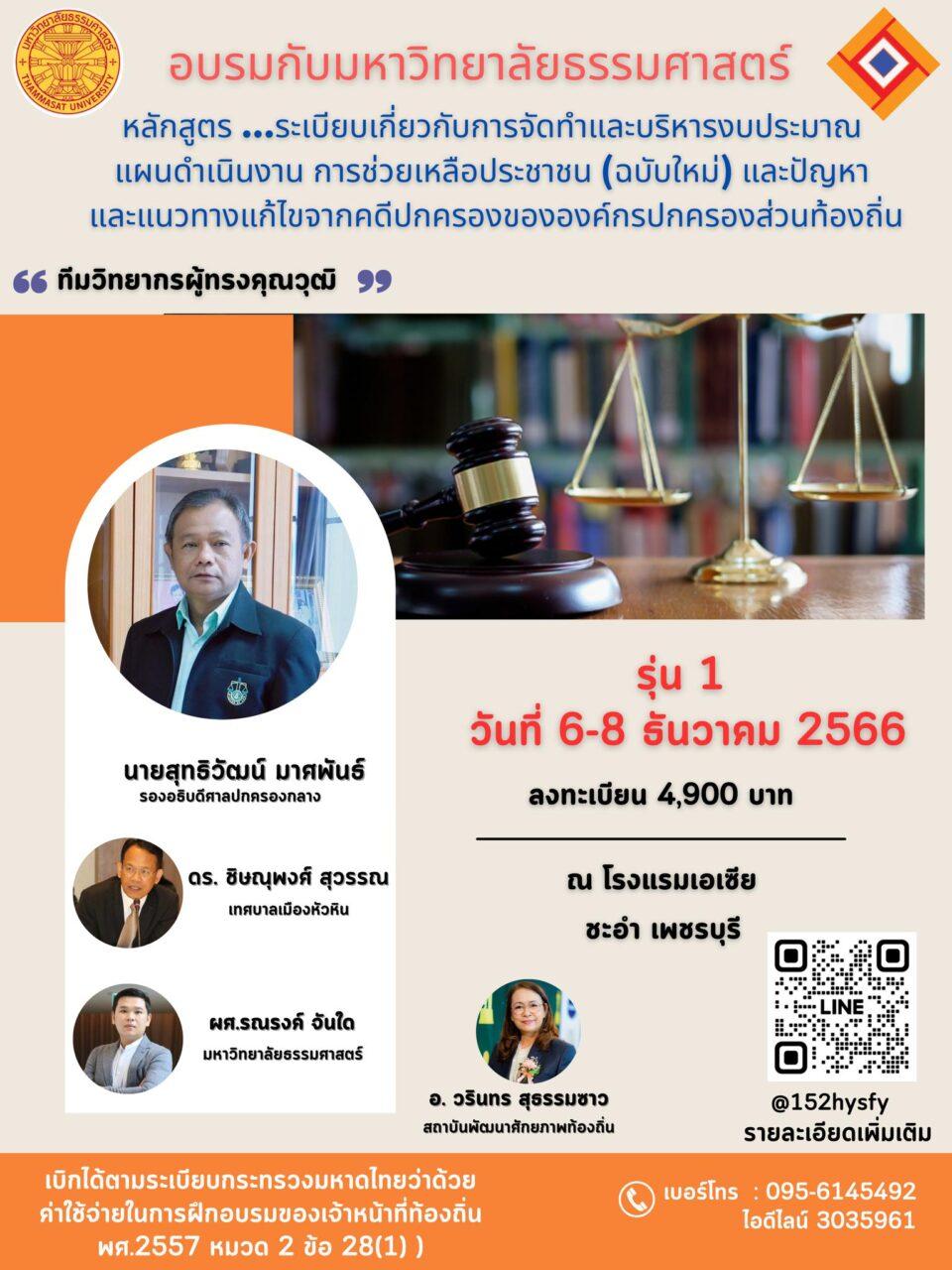
Throughout 2023, training sessions covered a range of topics, including social welfare, community tourism development, budget preparation and management, and administrative regulations for local government organizations, as detailed below:

Remark: The training costs can be fully reimbursed according to the regulations of the Ministry of Interior, specifically under the expenses for training of local administrative organizations as per the 2014 regulation, Section 2, Subsection 2, Item 28 (1).

Relavent information