Thammasat University Notification
RE: Policy on Solid Waste Management
Thammasat University establishes this Solid Waste Management Policy as part of its commitment to environmental stewardship and its objective of becoming a sustainable institution. This policy is enacted to ensure proper, systematic, and effective waste management within the University. All students, staff, vendors, and individuals engaged in activities that generate waste on Thammasat University premises are hereby notified of the following provisions regarding solid waste management:
1. Definitions
- “University” refers to Thammasat University.
- “Students” refers to individuals enrolled at Thammasat University.
- “University employees” refers to the employees of Thammasat University, including staff funded by revenue and temporary workers who are not permanent employees of government agencies.
- “Unit” refers to the Office of the University Council, the Office of the Faculty, Colleges, Institutes, and other equivalent divisions or units.
- “Center Administration Division Unit” refers to the Rangsit Center Administration Division, Tha Phra Chan Center Administration Division, Lampang Center Administration Division, and Pattaya Center Administration Division.
- “Waste Management Plan” refers to the strategy developed by the Physical Development, Public Utilities, and Environmental Projects under the Center Administration, in accordance with guidelines set forth by the Pollution Control Department (Reference: https://tu.ac.th/uploads/A_Rangsitonetu/pdf/recycle/%20มธ.pdf)
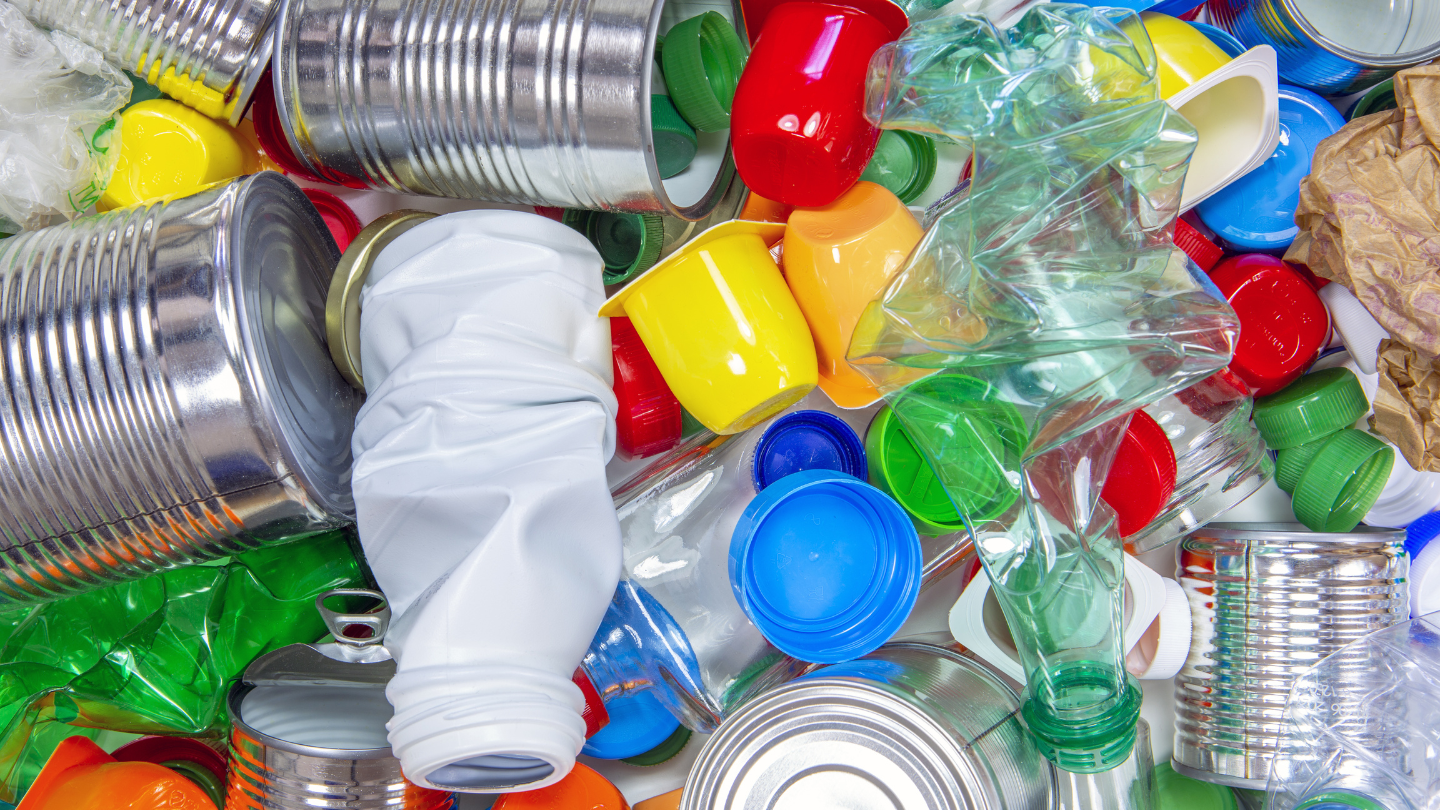
- “Recyclable waste” refers to materials collected, processed, and transformed into new products to reduce waste and conserve resources.
- “Organic waste” refers to biodegradable materials originating from plant or animal sources, including food scraps, yard waste, and agricultural residues.
- “Chemical waste” refers to discarded substances produced from chemical processes or industries that may require special handling and disposal methods.
- “Hazardous waste” refers to waste materials that pose a danger or potential harm to human health or the environment, including toxic, reactive, flammable, or corrosive substances.
- “Infectious waste” refers to waste capable of causing infections, typically generated from healthcare facilities, such as used syringes, contaminated dressings, and other materials that may carry pathogens.
- “7R Strategy” refers to a framework aimed at promoting sustainability and reducing waste through 7 key principles: Refuse unnecessary products and packaging to prevent waste from the outset; Reduce consumption by using only what is essential; Reuse items multiple times, such as bags and containers; Recycle materials properly to ensure they are processed correctly; Repair broken items instead of discarding them to extend their lifespan; Replenish natural resources by choosing eco-friendly products; and Rethink consumption and waste management to foster a culture of sustainability.
2. Waste category
All waste must be categorized and managed in accordance with the University’s Waste Management Plan:
- (1) Recyclable waste
- (2) Organic waste (including leaves, twigs, weeds, food scraps)
- (3) General waste
- (4) Chemical and hazardous waste
- (5) Infectious waste
3. The management of chemical and hazardous waste, as well as infectious waste, shall comply with established protocols for collection, tracking, and disposal to mitigate environmental and health risks, as stipulated by the Pollution Control Department. The University shall monitor the amount of waste generated in each building, department, and activity to assess waste generation patterns throughout the academic year.
4. Each Center Administration Division Unit is tasked with implementing a system to monitor and verify waste disposal methods during the transportation of waste to disposal sites. This system will track and report the quantities of each type of waste that are recycled and those sent to landfills, with a target to reduce waste going to landfills.
5. Reduce or eliminate the use of all types of single-use disposable plastics, including plastic bags, food-grade plastic bags, plastic cups, plastic bottles, plastic straws, and plastic utensils. Additionally, minimize single-use disposable waste or reuse items until the end of their lifecycle, replace them with eco-friendly products, and adhere to “Thammasat University’s No Single-Use Plastic” measures.
6. Canteens, restaurants, coffee shops, and other beverage establishments under the University’s jurisdiction must eliminate the use of single-use plastics and are required to sort waste. Promotions for using the reusable containers are encouraged. In the absence of a customer-provided container, biodegradable containers and packaging shall be supplied by the vendor.
7. All flea markets, whether located in common areas or organized by specific departments, must implement waste sorting measures, reduce or eliminate single-use plastics, and utilize eco-friendly packaging.
8. All university units shall implement a 7R strategy to minimize disposal items.
9. In any procurement or service contract selection process, the University shall consider the waste management policies of potential partners to ensure alignment with the University’s solid waste management objectives.
10. Management processes will involve the participation of all relevant individuals and stakeholders to foster collaboration and shared responsibility in waste management.
11. The University will organize awareness campaigns, including waste sorting education, canal cleaning initiatives, and community clean-up days, to promote cooperation and responsibility among students and staffs.
12. The University will actively promote the community’s participation in waste management efforts to enhance collaboration between Thammasat University and the surrounding communities.
13. This policy is immediately effective and subject to periodic review and revision to ensure compliance with environmental standards and best practices.
Issued on October 18, 2024
(Professor Supasawad Chardchawarn) Rector of Thammasat University