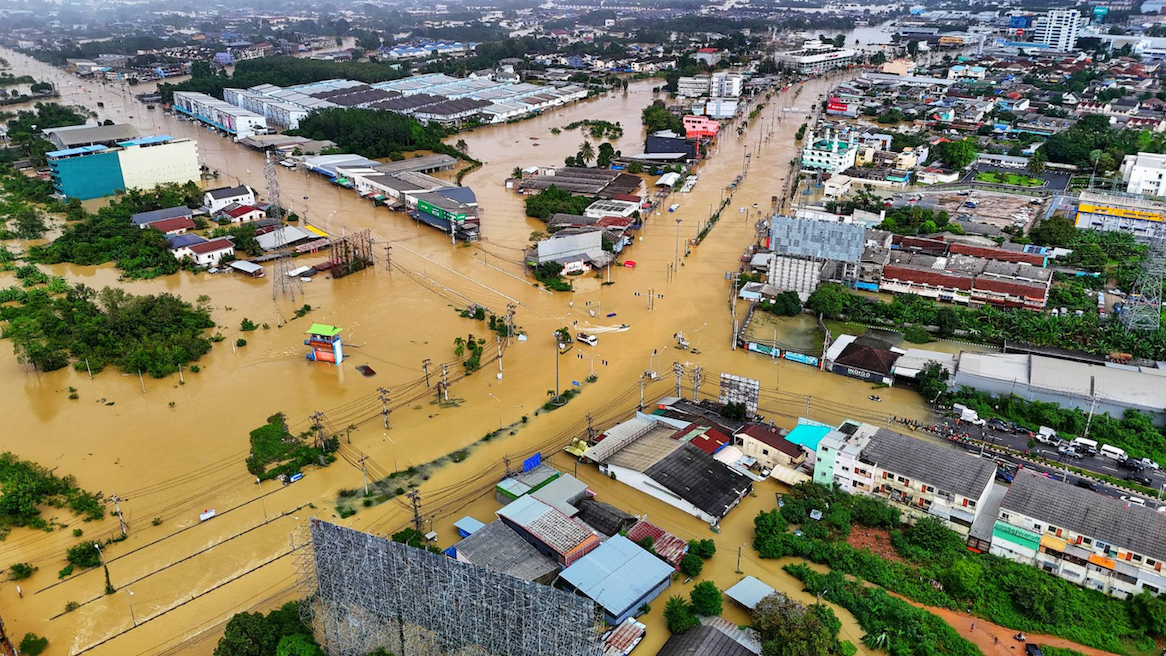
HIGHLIGHTS A convoy of vehicles laden with essential survival bags under the banner of “Thammasat Stream of Kindness” set out toward crisis zones in Southern
HIGHLIGHTS In a significant step towards sustainable post-disaster recovery, the Ministry of Higher Education, Science, Research and Innovation (MHESI) has officially adopted a cutting-edge agricultural
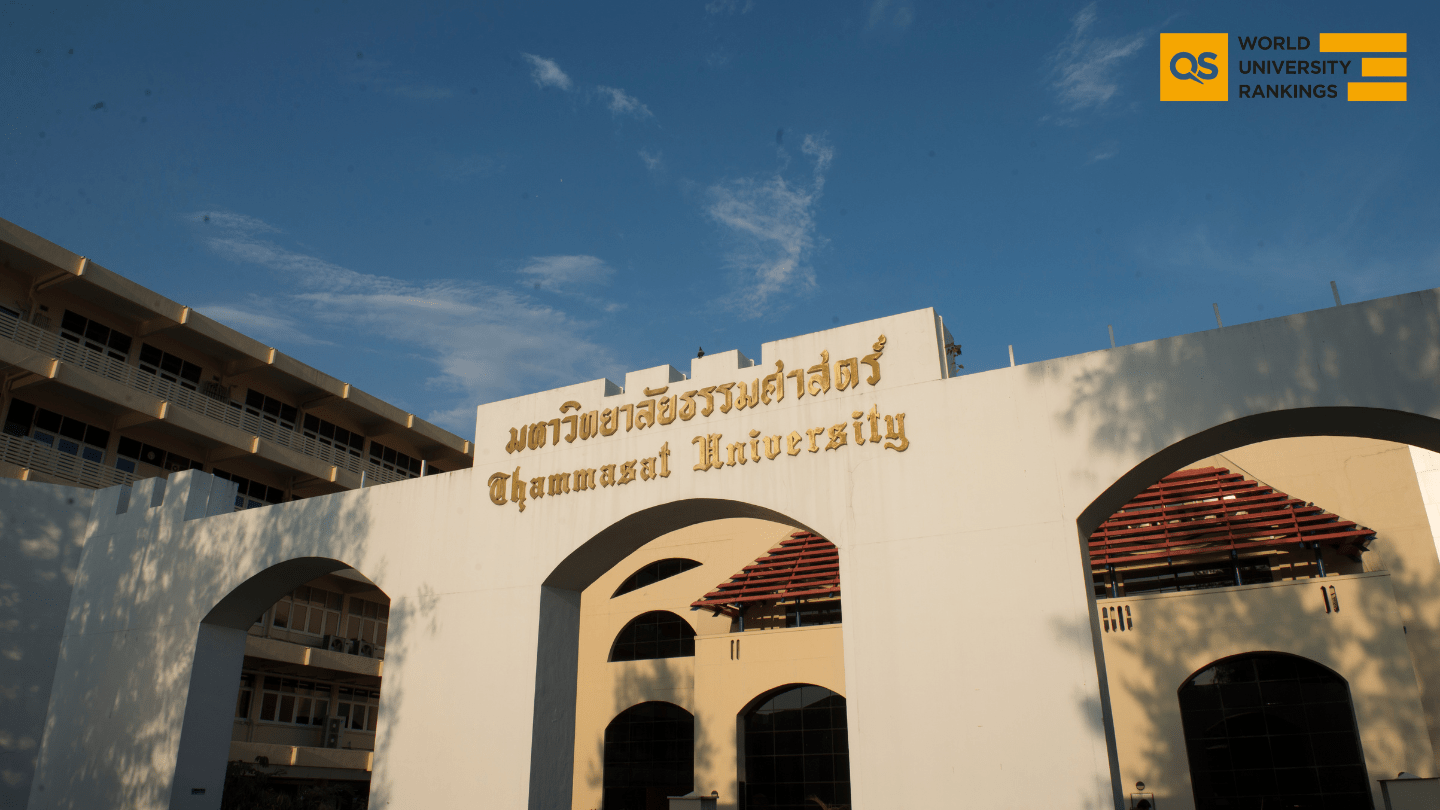
HIGHLIGHTS On 18 November 2025, Quacquarelli Symonds (QS), the world’s leading provider of education analytics and institutional benchmarking, officially announced the results of the QS
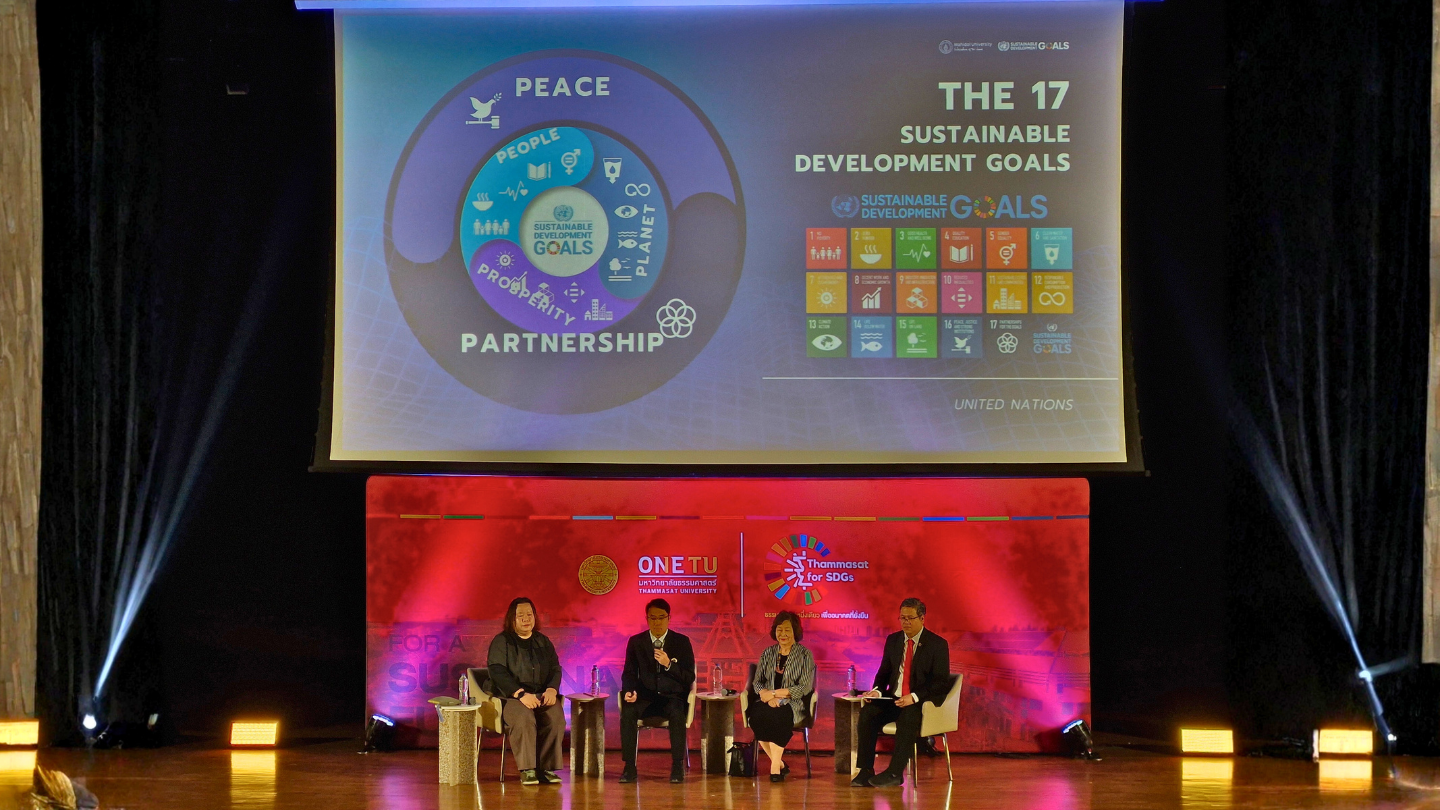
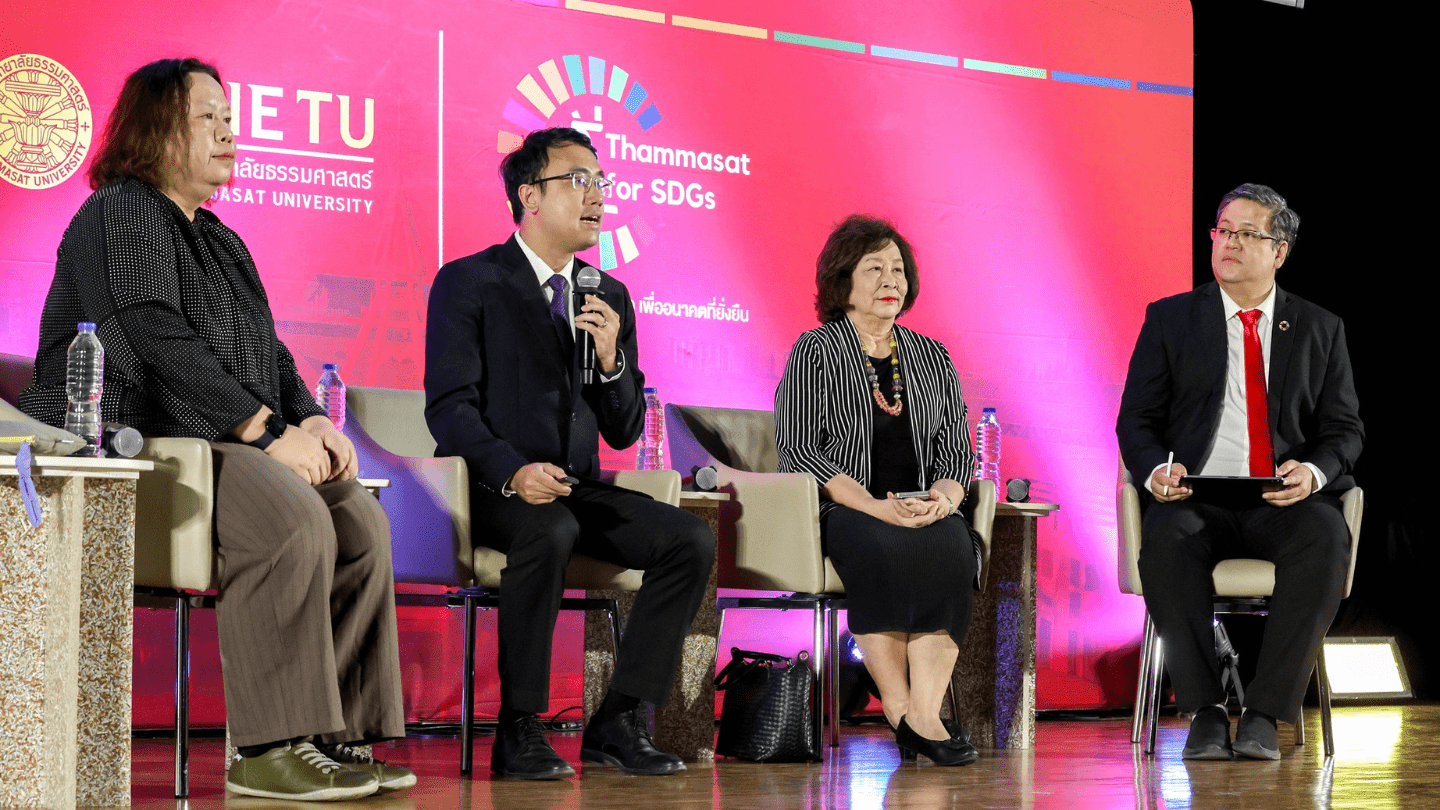
HIGHLIGHTS Driving the Sustainable Development Goals (SDGs) has become a mission that tests the readiness and maturity of higher education institutions around the world. In
HIGHLIGHTS Universities, once viewed primarily as “intellectual powerhouses” confined to the classroom, are undergoing a radical transformation. Today, they are stepping up as critical “Key Players” in
HIGHLIGHTS Time is ticking. With only five years remaining until the 2030 deadline for the United Nations Sustainable Development Goals (SDGs), the world is witnessing
Thammasat University ranking in the THE Impact Ranking 2025 improved significantly. It is ranked 64th from 2526 institutions. It also performs exceptionally well in SDG
Thammasat At a Glance provides overview of basic information of Thammasat University and its environmental sustainability performance, such as energy usage, renewable energy usage, water
Thammasat University’s suite of 14 sustainability policies presents a comprehensive and deeply interlinked framework, demonstrating a robust commitment to sustainable development. This framework can be
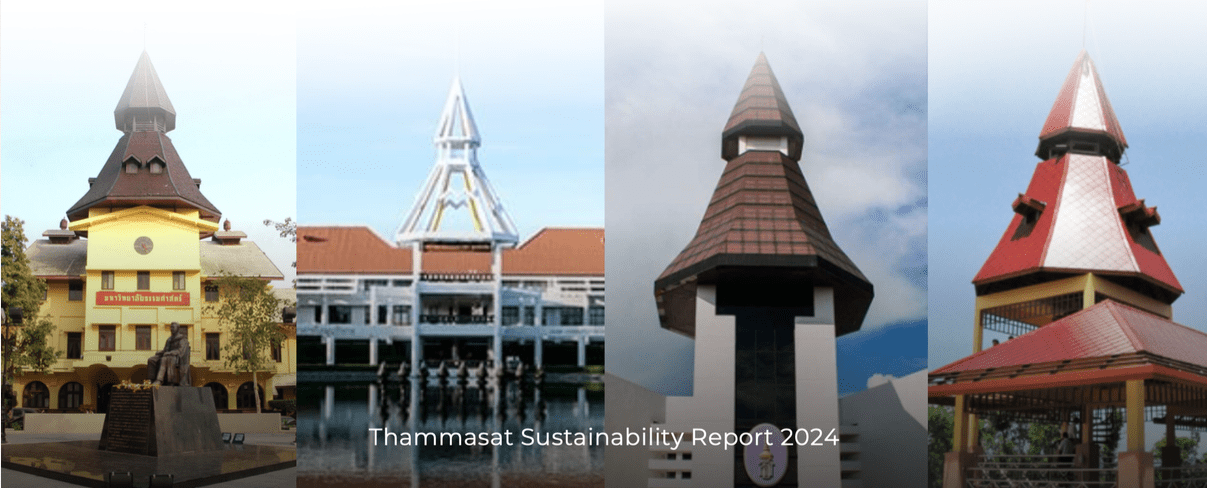
Since its founding in 1934 with the guiding principle “For the People,” Thammasat University has been a steadfast pillar of Thai society, championing democracy, social
As of the 2024 academic year, Thammasat University is a vibrant community of 49,110 individuals, comprising 39,733 students and 9,377 staff members. The university’s reach
SDG 17 in Numbers The horizontal bar chart, which examines the proportion of output co-authored with low or lower-middle income countries, exhibits an overall upward trend. The