Thammasat for SDGs - Page 37 of 40 -

30th Anniversary of the Department of Sustainable Development Technology

In April 2019, the Department of Sustainable Development Technology (SDT) organized the 30th Anniversary event of the SDT (previously Department of Rural Technology) in the

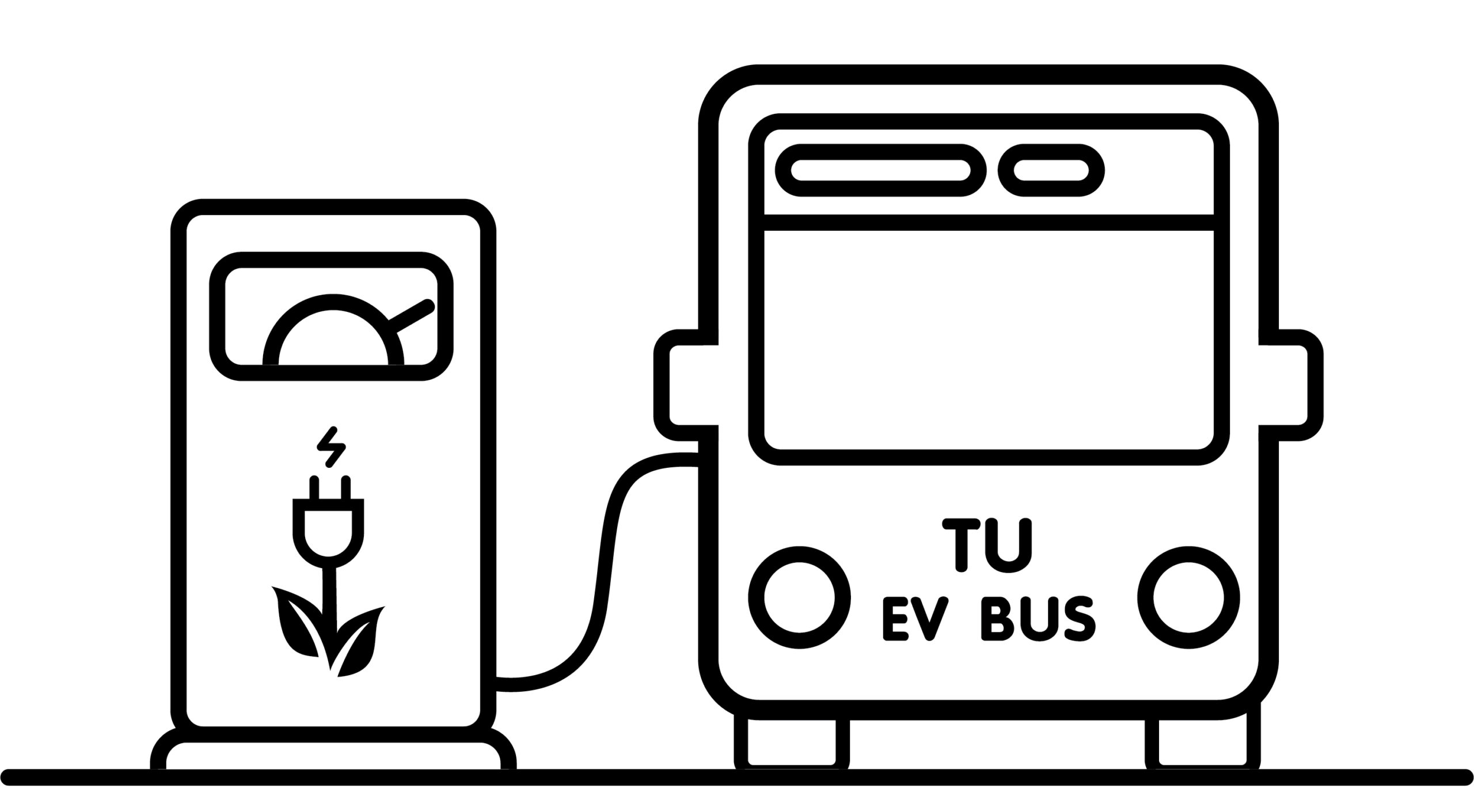
Thammasat Investing in Electric Vehicles for In-Campus Public Transportation

This year, 2020, Thammasat has signed contract with private sector to build 10 electric buses for service in 10 routes every working days since mid-year

Thammasat Energy Saving

Each campus at Thammasat University will conduct routine efficiency check of everyday use equipment, air condition as an example. Thammasat has already signed Memorandum of

MOU for Sandbox on Efficient Energy Consumption

Thammasat and Electricity Generating Authority of Thailand have agreeable to set up sandbox to find the most efficient ways to reduce overall energy consumption at

Reducing Carbon Emission from Within-University Transportation

Since 2012, Thammasat has launched the programme to reduce the number of cars and motorcycle used in university, and increased the number of sharing bicycles,

Towards Higher Energy-Efficient Buildings

(Thammasat has got eight Energy Saving Building Design awards from Ministry of Energy since 2016. These awards have led some faculties and institutes to improve

Energy-efficient renovation and building at Thammasat

One of the building that got Energy Saving Building Design awards in 2016 named Visit-Auksorn. This building was later built and designed under the concept
Thammasat Waste Tracking: August 2019 – June 2020

Since August 2019 - June 2020, Thammasat University has monitored the amount of waste generated by the university and how they were treated. Almost a

Environmental policies extended to suppliers

Thammasat University ensures that the minimization policies are extended to outsourced suppliers and the supply chain, especially suppliers of equipment, stationary, and building contracts. The

Extending disposable policy to outsourced services: MOU with CPALL

0n July 5, 2018, Thammasat signed MOU with 30 thai universities, in the name of Sustainable University Network (SUN), and CPAll, the largest supply-chain convenient

Thammasat Zero Waste Policies

Since 2011 until present day, Thammasat University implemented a set of announcements, policies and activities to minimize disposable items as a part of Thammasat Zero

Thammasat Recycling Policy

Thammasat has measurement of waste through the management of 'garbage recycling bank policy', which uses application from SCG (private sector) to calculate amount and price

Thammasat for SDGs - Page 37 of 40 -