
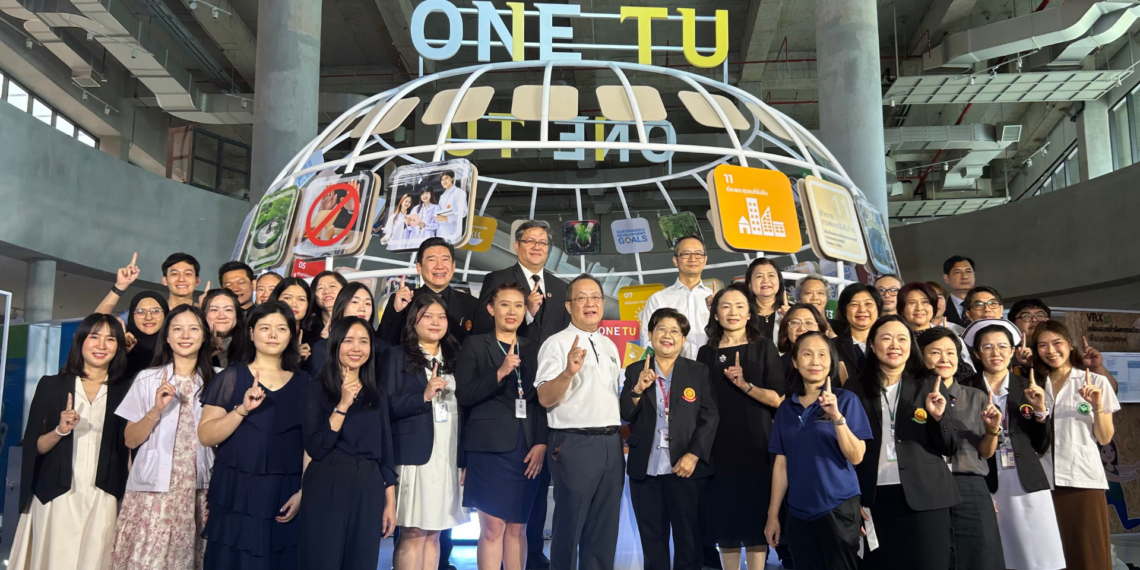
Thammasat Hosts 3rd SDGs Rotating Exhibition, Showcasing Health Innovations to Enhance Public Quality of Life

Highlights

  • Thammasat University hosts the 3rd “SDGs for the People” rotating exhibition, featuring 31 outstanding research projects from the Health Sciences faculties.
  • The exhibition focuses on advancing medical development through modern technology to improve holistic quality of life.
  • Students from the TU SDGs Museum Ambassador project serve as exhibition guides, practicing communication skills and storytelling for sustainability in a real-world setting.

Thammasat University reaffirms its role as a “University for the People” by launching the third installment of its SDGs for the People exhibition series. This phase focuses on Health Sciences under the theme “Smart Digital Well-Being for a Sustainable Future.” The showcase highlights the integration of digital technology into health wellness and medical advancements, bridging systemic policy with research and development to create tangible social change and elevate the public’s quality of life.

Creating Learning Spaces: Promoting SDGs for the People

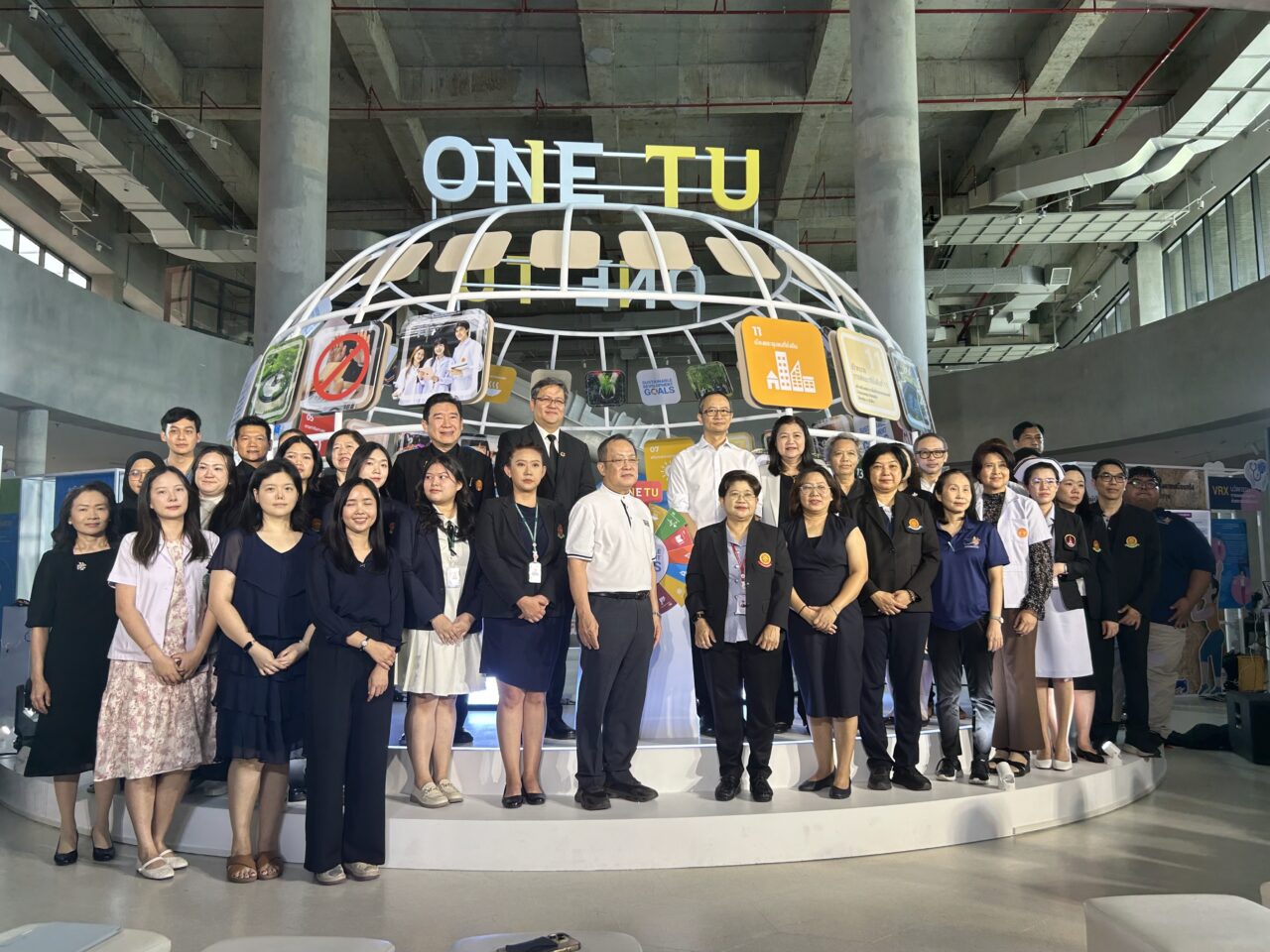
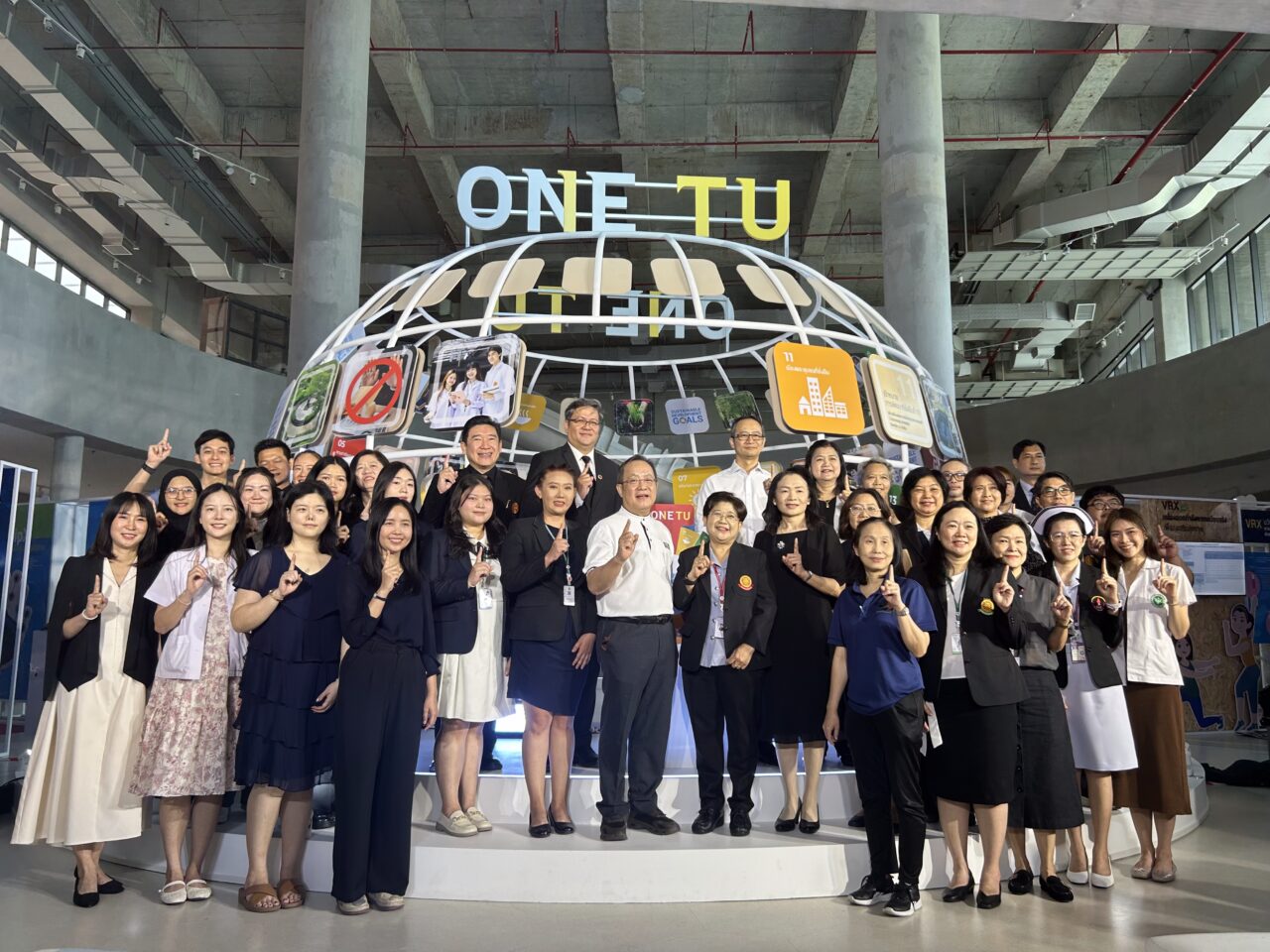
At the opening ceremony on March 24, 2026, Asst. Prof. Chon Bunnag, Assistant Rector for Quality Development and Sustainability at Thammasat University, stated that the exhibition aims to establish the university as a social learning hub. It provides an opportunity for all citizens to access knowledge, innovation, and sustainable development pathways, reflecting the power of integrated internal and external networks. This follows the high success of the first exhibition (Science and Technology) and the second (Social Sciences and Humanities).

The event was presided over by Assoc. Prof. Dr. Thira Jearsiripongkul, Vice Rector for Administration (Rangsit Center), who emphasized that the Sustainable Development Goals (SDGs) are not just UN targets but a shared responsibility. He noted that academic institutions play a vital role in generating knowledge, transferring skills, and driving society toward concrete sustainability. He expressed hope that this exhibition would serve as a long-term hub for sustainability learning and inspiration.
5 Innovation Zones for a Healthy and Sustainable Digital Society

The exhibition features 31 research works from Health Science faculties, integrated to address sustainability through five learning zones:

  • Herbal & Health Products Zone: Enhancing herbs and functional foods with technology to add value to local ingredients and the community economy. Examples include Triphala gummy products, micro-emulsion sprays for psoriasis, and “Anantakun” micro-emulsion gels for pain relief.
  • MedTech & Smart Devices Zone: Developing precise, accessible smart medical devices for self-monitoring. Highlights include high-quality 3D-printed prosthetic eyes, graphic-based foot pressure analysis tools to prevent falls, and the “VRX” virtual reality exercise machine.
  • Digital Health & Education Platforms Zone: Utilizing AI and IoT for proactive health surveillance and equitable access to knowledge. Projects include IoT air quality sensors for detecting wildfires and pollutants, and an online health report system for the Allied Health Sciences Health Service Center.
  • Clinical Care & Social Well-being Zone: Building robust systems for chronic patient care and psychological support. Featured studies include the effects of napping on memory and physical performance in sleep-deprived students, and risk/protective factors for depression among the LGBTQ+ community in Thailand.
  • Environment & Sustainability Zone: Developing Tele-pharmacy systems to reduce hospital congestion and environmental impact. Projects include sustainable laboratory management skills and greenhouse gas emission assessments at Thammasat University, Lampang Campus.

Additionally, students from the TU SDGs Museum Ambassador project act as docents, using this platform as a practical workspace to develop leadership in communication and sustainability storytelling.

Visitor Information

The Phase 3 Health Sciences exhibition is part of the “SDGs for the People” series and is open from now until July 2026 at the SDG Lab, Puey Ungphakorn Centenary Hall, Thammasat University (Rangsit Center).

Note: The 4th exhibition, which will integrate works from all faculty groups, is scheduled to begin in July 2026.
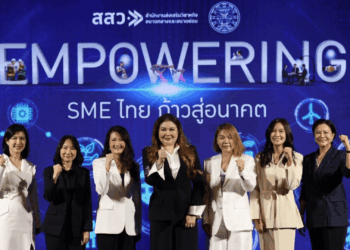

Thammasat Cooperated with OSMEP to Empower Thai SMEs through Innovation and Sustainability, Driving the Economy into the Future

Highlights

  • Thammasat University and the Office of Small and Medium Enterprises Promotion (OSMEP) have launched the “Empowering Thai SMEs for the Future” project and the “18th SME National Awards 2026” to enhance the potential of Thai entrepreneurs.
  • The initiative focuses on equipping Thai SMEs to adapt and compete in the new economy, prioritizing Digital Transformation, Innovation, and International Sustainability standards.
  • The project introduces a development framework built on three strategic pillars: Digital Transition, Innovation Transition, and Green Transition.

Currently, Small and Medium Enterprises (SMEs) serve as a vital engine of growth, generating substantial employment and income for the nation. However, a significant challenge lies in elevating the vast number of micro-enterprises, enhancing their competitiveness to match small and medium-sized enterprises, which constitute a powerful foundation for economic value creation.

Recently, Thammasat University, in collaboration with the Office of Small and Medium Enterprises Promotion (OSMEP), launched the “Empowering Thai SMEs for the Future” project alongside the “18th SME National Awards 2026.” This initiative aims to effectively promote and develop Thai entrepreneurs and was officially inaugurated on March 10, 2026, at the Mövenpick Hotel Sukhumvit 15, Bangkok.

The Role of SMEs in the Thai Economy

Ms. Panita Shinawatra, Deputy Director and Acting Director of OSMEP, revealed an analysis of the Thai SME landscape, noting that SMEs are the primary engine of the national economy, accounting for 99.5% of all enterprises. However, a structural challenge remains: while Micro SMEs are numerous, their revenue-generating capacity is relatively low. In contrast, the “Top of the Pyramid” (Small and Medium enterprises) represents a high-potential group that drives the majority of the revenue. Consequently, OSMEP recognizes the urgent need to scale these businesses to ensure a more robust economic foundation.

Elevating SMEs via Three Strategic Pillars

Associate Professor Dr. Orapan Khongmalai, Director of the Office of the Registrar at Thammasat University and Project Leader, stated that the primary goal is to scale businesses from Medium (M) to Large (L). The project covers key strategic sectors, including Food & Beverage, Health & Wellness, Tech & Innovation, and Services. The development framework is anchored by three essential pillars:

  1. Digital Transition: Enhancing competitiveness through digital technology.
  2. Innovation Transition: Fostering innovation in branding, products, and services.
  3. Green Transition: Elevating business standards to be environmentally friendly and aligned with global ESG criteria.

The project is designed to be a vital gear in building a strong Business Ecosystem, transforming Thai SMEs from “survivors” into “leaders” capable of shaping Thailand’s future economic stability.

Collaborating for Sustainable Growth

The project has established a network of national partners, including the Office of National Higher Education Science Research and Innovation Policy Council (NXPO), The Stock Exchange of Thailand (SET), UOB Bank, BizzUp, and Jay Capital Advisory Limited. This collaboration aims to provide SMEs with specialized knowledge, business opportunities, and improved access to funding.

Thammasat’s Role in Shaping the Future of SMEs

As the implementing partner assigned by OSMEP, Thammasat University translates policy into systematic action. By providing training and expertise in management, digital technology, innovation, and the green economy, the university empowers SMEs to scale from M to L. This prepares Thai entrepreneurs to compete effectively on both national and international stages, ensuring long-term sustainable growth.

SME entrepreneurs interested in joining the ‘Empowering Thai SMEs for the Future’ project can find more information and stay updated at https://empowering-sme.com

Thammasat Cooperated with NRCT Decoding “Sustainable Cities & Grassroots Economy” through TRF Senior Research Scholar Project to Elevate Urban Quality of Life

Highlights

  • Thammasat University, the National Research Council of Thailand (NRCT), and academic partners convene a national forum to drive sustainable urban development and grassroots economic growth.
  • The research focuses on tackling complex urban challenges—including congestion, pollution, and inequality—to balance economic growth with wellbeing.
  • Key research themes featured include “Sponge Cities,” “Urban Heat Island” mitigation, the “Pink Economy” concept, and data-driven urban economic analysis.

Modern urban development is shifting beyond mere economic expansion toward long-term sustainability and quality of life. Recognizing the vital role of academia in generating transformative knowledge, Thammasat University, in collaboration with the National Research Council of Thailand (NRCT), hosted the “TRF Senior Research Scholar” academic seminar today at the Eastin Grand Hotel Phayathai. The event brought together researchers, scholars, and government officials to exchange insights on “Urban Sustainability and the Grassroots Economy.”

Challenges and Urban Equilibrium

The seminar aimed to identify pathways for Thai cities to navigate rapid environmental, social, economic, and technological shifts. As urban centers face rising population density, resource depletion, and widening economic disparity, research serves as a crucial mechanism for evidence-based policy planning.

Assoc. Prof. Dr. Nij Tontisirin from the Faculty of Architecture and Planning, Thammasat University, serves as the Project Leader. The study emphasizes creating a synergy between economic prosperity and the residents’ well-being, noting that unbalanced urban growth poses long-term risks to both the environment and society.

Synergizing for National Development

The opening ceremony was presided over by Mr. Ekapong Musikacharoen, Director of the Research and Innovation Management Division 3 (NRCT), and Assoc. Prof. Dr. M.L. Pinitbhand Paribatra, Vice Rector for Research and Innovation at Thammasat University.

The initiative is bolstered by a robust network of partners, including experts from the Office of the National Economic and Social Development Council (NESDC) and faculty members from Chulalongkorn University and Prince of Songkla University.

Mr. Ekapong highlighted that the Senior Research Scholar project aims to support high-impact research that translates into practical use, while Assoc. Prof. Dr. M.L. Pinitbhand reaffirmed Thammasat’s commitment to multidisciplinary research and the cultivation of a new generation of researchers to enhance Thailand’s long-term research capacity.

Innovations for the Cities of Tomorrow

The forum showcased diverse research pillars designed to address future urban needs:

  • Inclusive Cities: Creating urban environments that embrace diversity and accessibility for all.
  • Urban Heat: Mitigating the “Urban Heat Island” effect through innovative design.
  • Urban Mobility: Enhancing transportation systems and seamless urban transit.
  • Sponge City: Implementing urban design that absorbs rainwater to prevent flooding.

Furthermore, Assoc. Prof. Dr. Suwadee Thongsukplang Hansasooksin (Faculty of Architecture and Planning, Thammasat) introduced the “Pink Economy” concept. This new economic model focuses on inclusivity and diversity as key drivers to enhance a city’s international competitiveness.

From Research to National Policy

A pivotal highlight of the seminar was the alignment of research with national policy, specifically the conceptual framework of the (Draft) 14th National Economic and Social Development Plan. This plan focuses on inclusive and sustainable growth through economic restructuring, human capital enhancement, and technological innovation.

In closing, the organizers emphasized that the project transcends academic theory; it is a collaborative effort between researchers, the public sector, and private entities to ensure that findings are integrated into real-world urban planning, steering Thailand toward a sustainable future.

Source: มธ.-วช. เดินหน้าขับเคลื่อน “เมืองยั่งยืน-เศรษฐกิจฐานราก” ผ่านโครงการเมธีวิจัยอาวุโส – ไทยรัฐ