HIGHLIGHTS
- Thailand’s SDG Progress Over the Past Decade: An assessment of 234 indicators shows that Thailand has made progress on 42%, regressed on 16%, and lacks sufficient data to evaluate roughly one-third. The country continues to face challenges in education, health, and the environment, alongside the absence of mechanisms to connect local data to national policymaking.
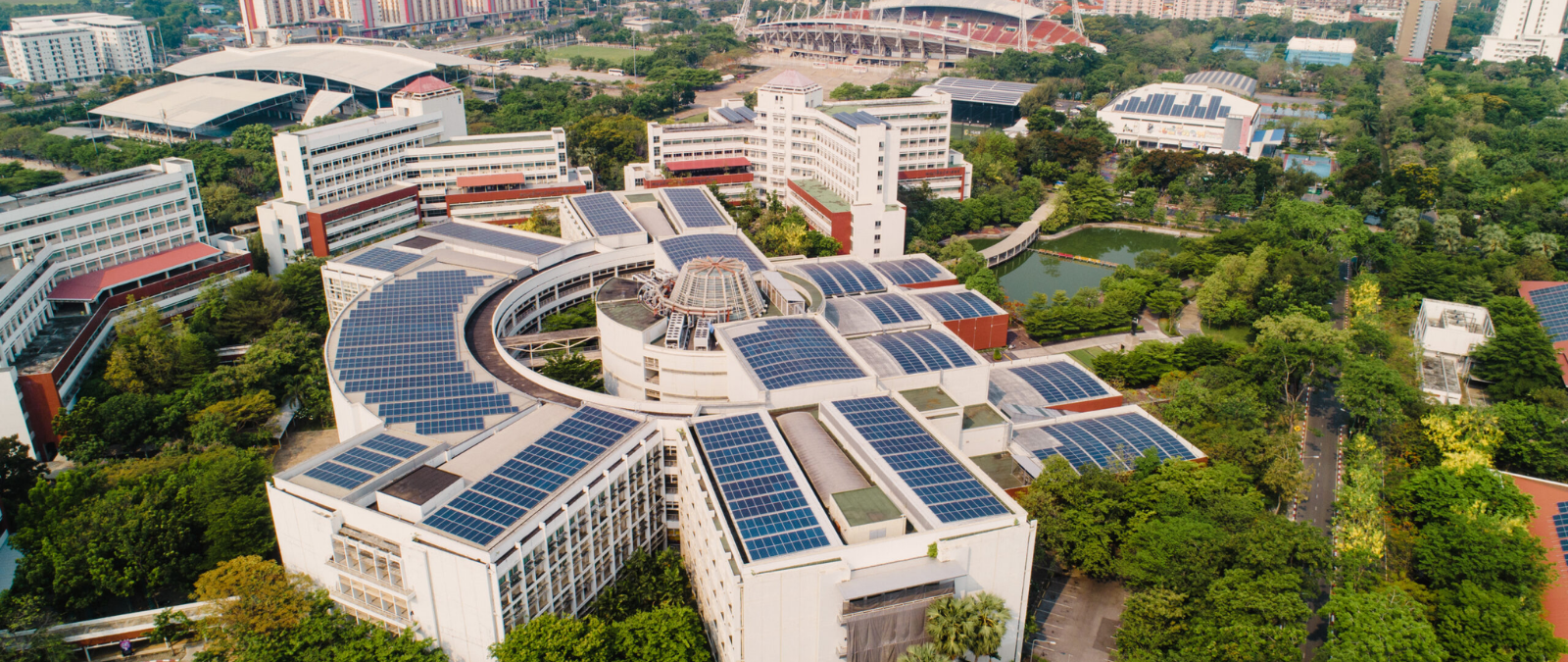
- The Power of SDG Localisation: Applying empirical data and community-specific contexts drives tangible change. Notable examples include using Voluntary Local Reviews (VLRs) for development planning, installing solar panels in hospitals, restoring community forests, developing water management innovations, conserving dugongs and seagrass, and nurturing youth leadership.
- Structural Barriers as Key Obstacles: The primary constraints to sustainable development stem from centralised power, laws and policies that restrict community rights over land and resource management, concentrated land ownership, a lack of transparency in information disclosure, and unequal law enforcement.
- Solutions for the Final Five Years Before 2030: Thailand must accelerate structural reform and decentralisation to local authorities, establish transparent and accountable governance with open government data, and drive research and innovation rooted in real community issues—while equally empowering the private sector, citizens, and young people to co-create the nation’s development direction.
The Sustainable Development Goals (SDGs) represent a global development framework established by the United Nations to be achieved by 2030. The world is currently in the “Decade of Action”, a period dedicated to accelerating efforts to drive transformative change. For Thailand, despite continuous momentum, the country still faces several critical gaps and challenges—particularly regarding integration among government agencies with interconnected mandates, cross-disciplinary and cross-sectoral collaboration, and, most importantly, the lack of mechanisms to link local-level data and knowledge to national policymaking processes.
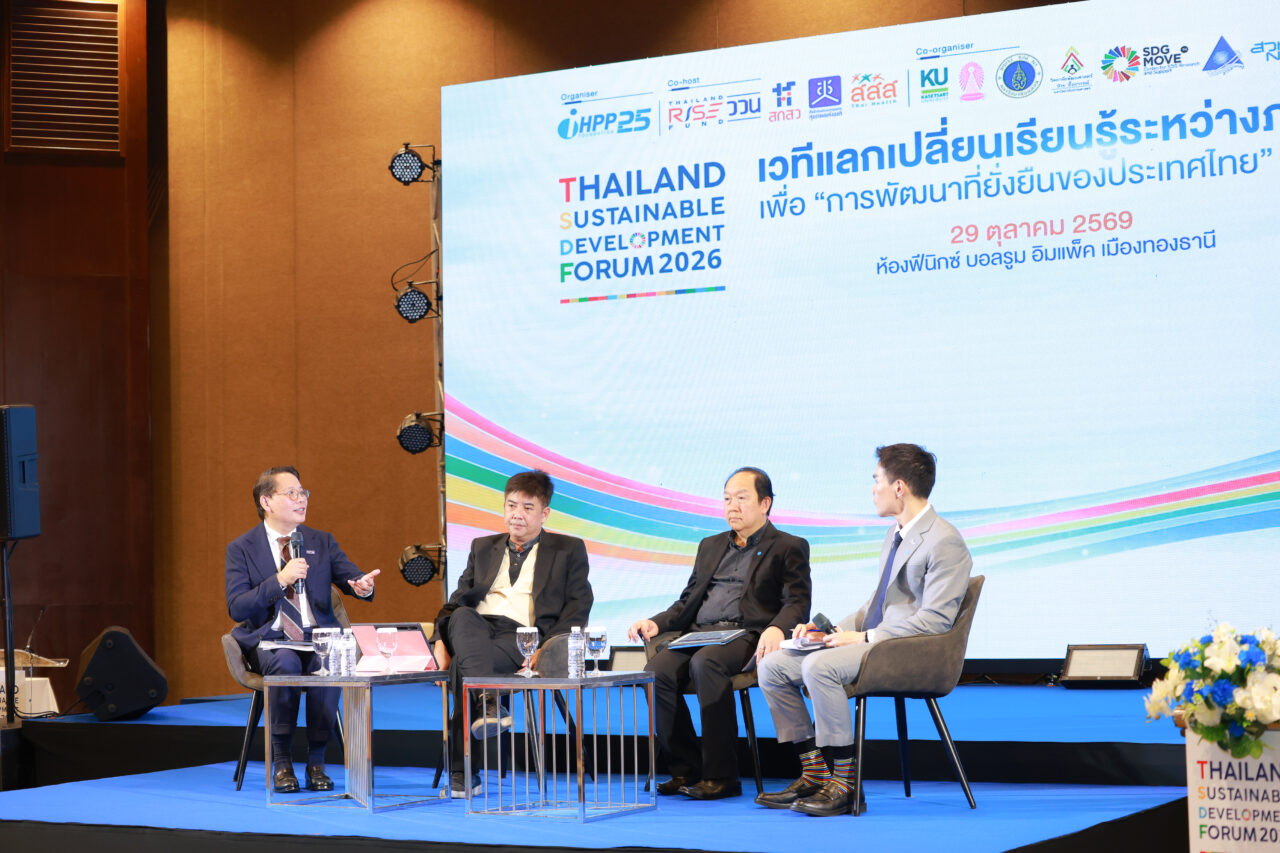
On 29 October 2026, the International Health Policy Program Foundation (IHPP Foundation), the National Health Commission Office (NHCO), and the Centre for SDG Research and Support (SDG Move), Faculty of Economics, Thammasat University, alongside partner networks, co-hosted the Thailand Sustainable Development Forum 2026 (TSDF 2026) at the Phoenix Ballroom, IMPACT Muang Thong Thani, Nonthaburi Province. The event brought together more than 200 participants from government agencies, academia, the private sector, civil society, youth networks, and representatives from SDG learning areas across the country.


A Central Platform Connecting Grassroots to National Policy
The Thailand Sustainable Development Forum was established to serve as a central mechanism for promoting cross-disciplinary and cross-sectoral knowledge generation and management, linking knowledge, experiences, and lessons learnt from on-the-ground implementation into the policy process. It provides a space for all sectors to review Thailand’s situation based on empirical data, analyse both enabling factors and obstacles, and prioritise urgent missions during this final stretch before 2030.
Key Highlights from the Three TSDF2026 Panel Discussions
Panel 1: A Decade On – Where Does Thailand Stand in Relation to the 2030 Targets?
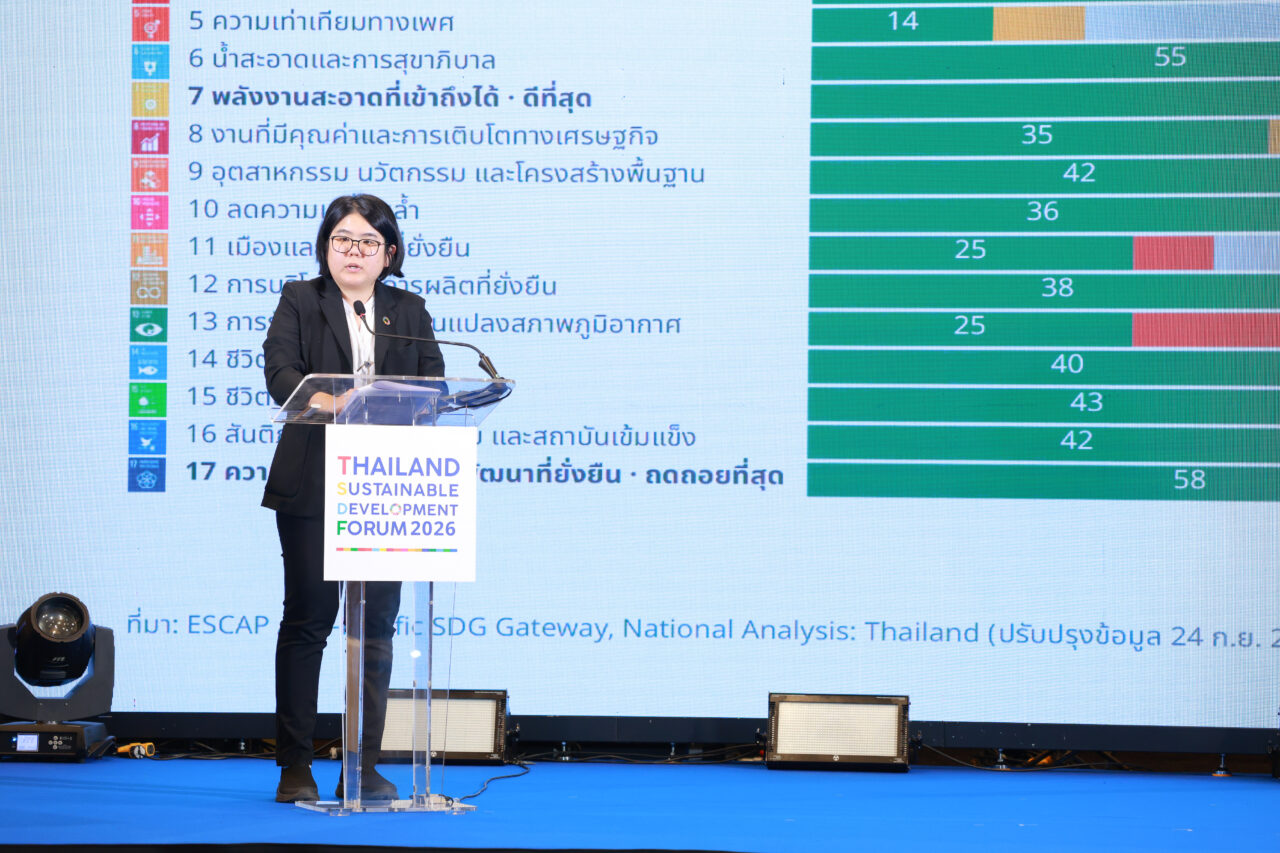
Over the past ten years, Thailand has made progress in expanding basic services across multiple dimensions, yet remains mired in challenges concerning education, health, and the environment. An assessment of all 234 SDG indicators reveals that 42 per cent have shown progress, 16 per cent have regressed, and approximately one-third still lack sufficient data for evaluation. Coupled with budgetary constraints and a lack of in-depth data disaggregated by demographic group, problem-solving efforts remain incomplete.
Panellists therefore proposed solutions rooted in the real-life contexts of communities through decentralisation, the protection of community rights, and equity in resource management. This must go hand in hand with using local challenges as the starting point for research and innovation, while granting citizens genuine access to technology and knowledge. Meanwhile, the private sector must rebalance its business supply chains across economic, social, and environmental dimensions, supported by continuous funding and resources from both the public and private sectors.
Panel 2: From Learning to Transformation
This session drew lessons from local-level SDG implementation (SDG Localisation) to translate global goals into tangible outcomes for people’s lives through case studies that deliver concrete benefits to communities. Examples included utilising SDG Profiles and Voluntary Local Reviews (VLRs) for local development planning and policy recommendations, installing solar cells to reduce hospital electricity costs, community forest restoration, water management innovations, dugong and seagrass conservation, and nurturing youth as agents of change.
The critical factors in turning lessons into practical action include understanding the specific context of each locality, viewing all 17 goals as an interconnected whole, and adapting them to meet community needs. Simultaneously, the business sector must foster a clear understanding of sustainability, establish concrete measurement systems, create greater space for the younger generation to participate, and lay the groundwork for sustainability to remain an ongoing part of social mechanisms even beyond 2030.

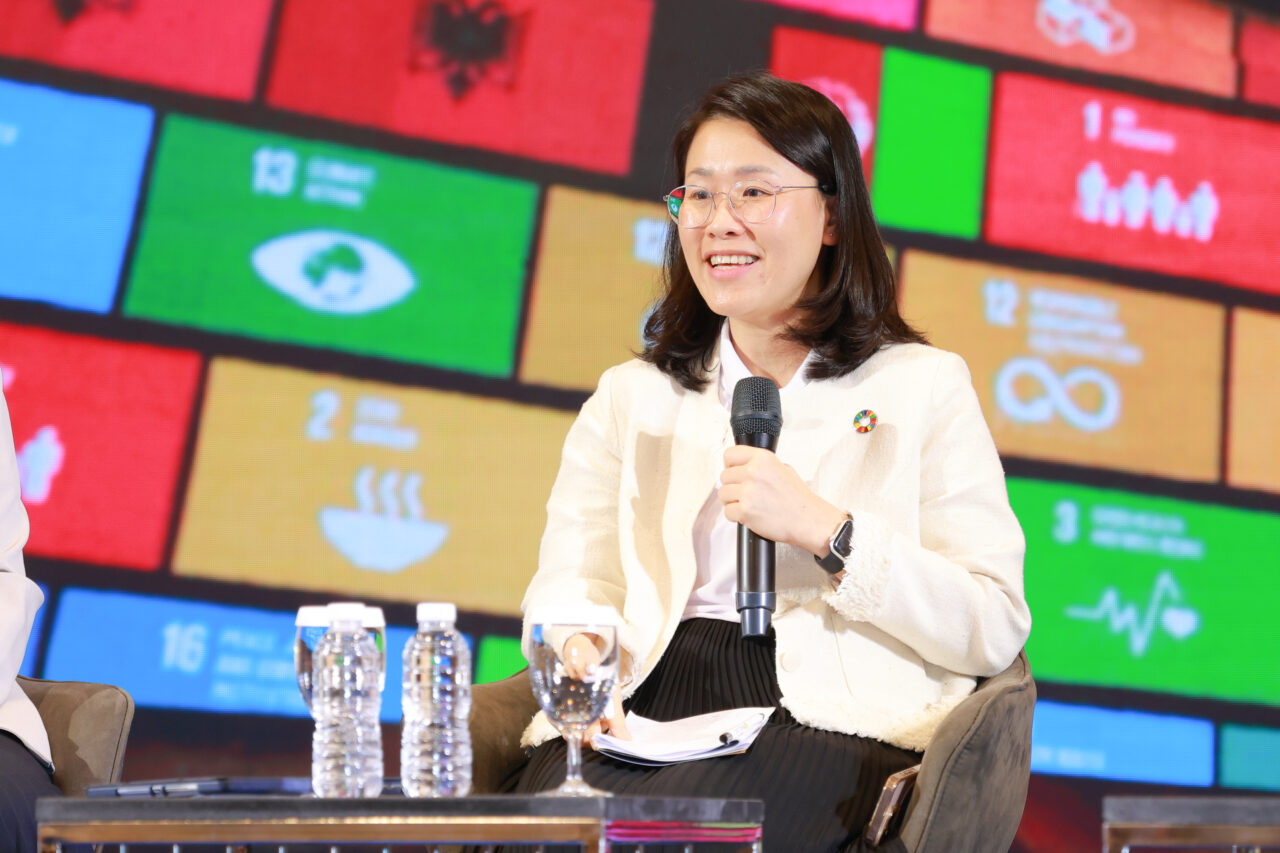
Panel 3: With Five Years Remaining, What Should Thailand Change and How Should We Collaborate?
Major obstacles to advancing the SDGs in Thailand stem from structural issues involving laws, policies, and governance—specifically restrictions on community rights in land and resource management, the concentration of land ownership, a lack of transparency in data disclosure, and unequal law enforcement.
In these final five years, Thailand must urgently reform its systems to be transparent and accountable by downsizing the centralised state, decentralising power to local administrations, and promoting participatory democracy that empowers citizens to make decisions on matters affecting their lives. This must be accompanied by establishing genuinely verifiable government data disclosure mechanisms, reducing inequality in resource access, elevating the role of youth from mere event participants to co-creators of development direction, and uniting the public sector, citizens, the private sector, and the younger generation to drive sustainable structural change.

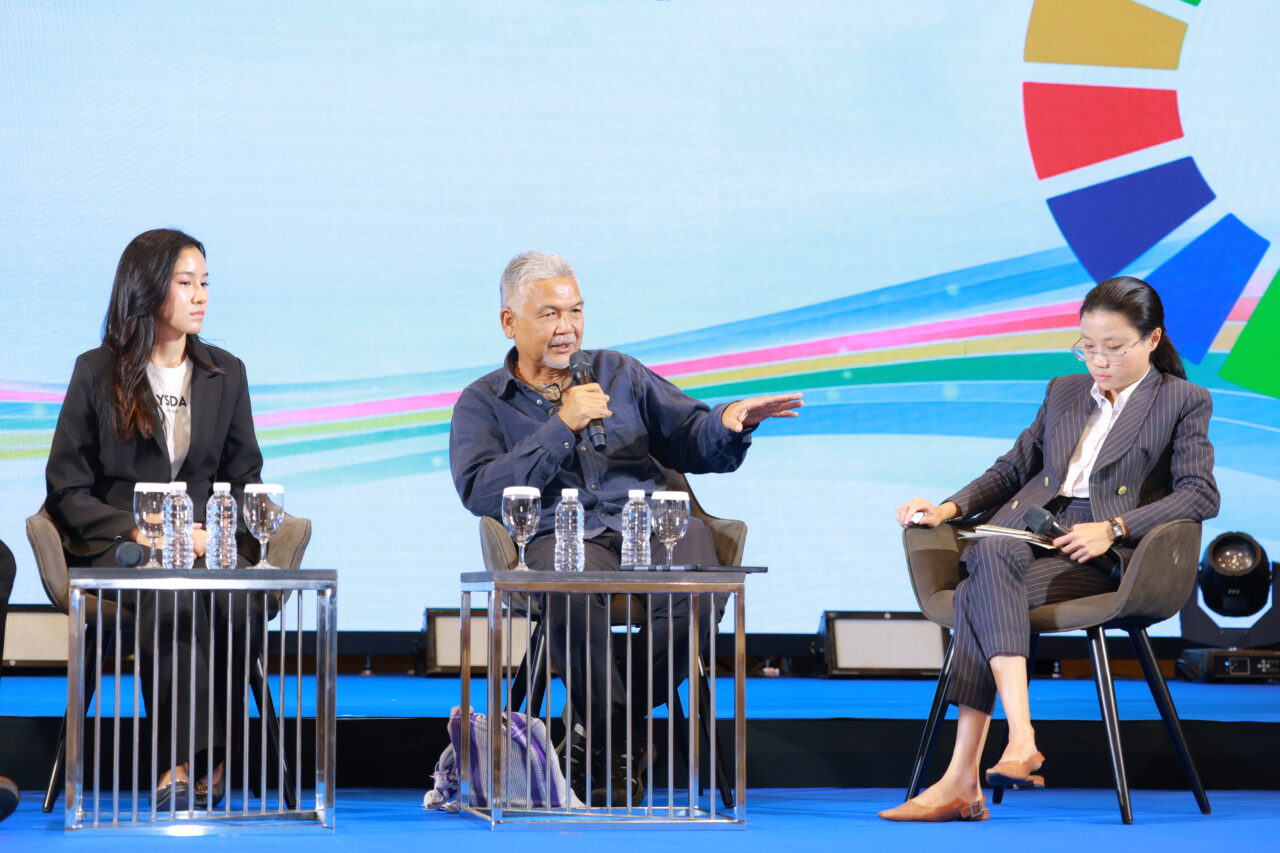
Over the past decade, Thailand’s SDG momentum has not reached its full potential due to limitations in data and budgets, a lack of cross-sectoral knowledge linkage, and centralised power structures that restrict community rights and roles. Consequently, the essential solution for the final five years requires “structural reform and decentralisation”, led by data and innovation rooted in real community problems. This must be paired with building transparent, accountable governance systems and creating space for businesses, citizens, and young people to participate equitably in decision-making, ensuring that sustainable development becomes deeply embedded within Thai society for the long term.
Watch the event recording at: Thailand Sustainable Development Forum 2026