Ethical sourcing policy
University’s office selects products that have been certified by green label according to green procurement policy.
[vc_row_inner][vc_column_inner width=”1/2″][vc_column_text]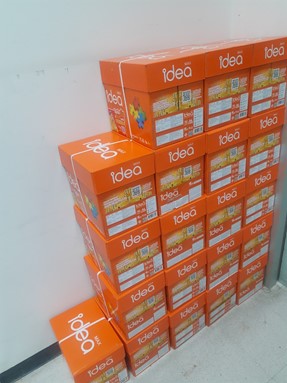
[/vc_column_text][/vc_column_inner][vc_column_inner width=”1/2″][vc_column_text]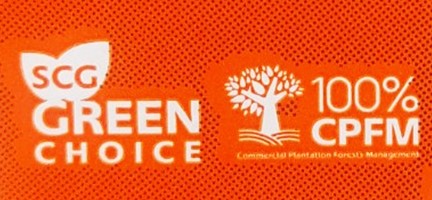 [/vc_column_text][/vc_column_inner][/vc_row_inner]
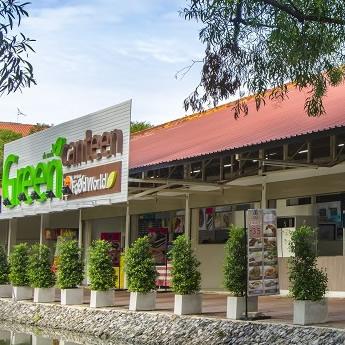
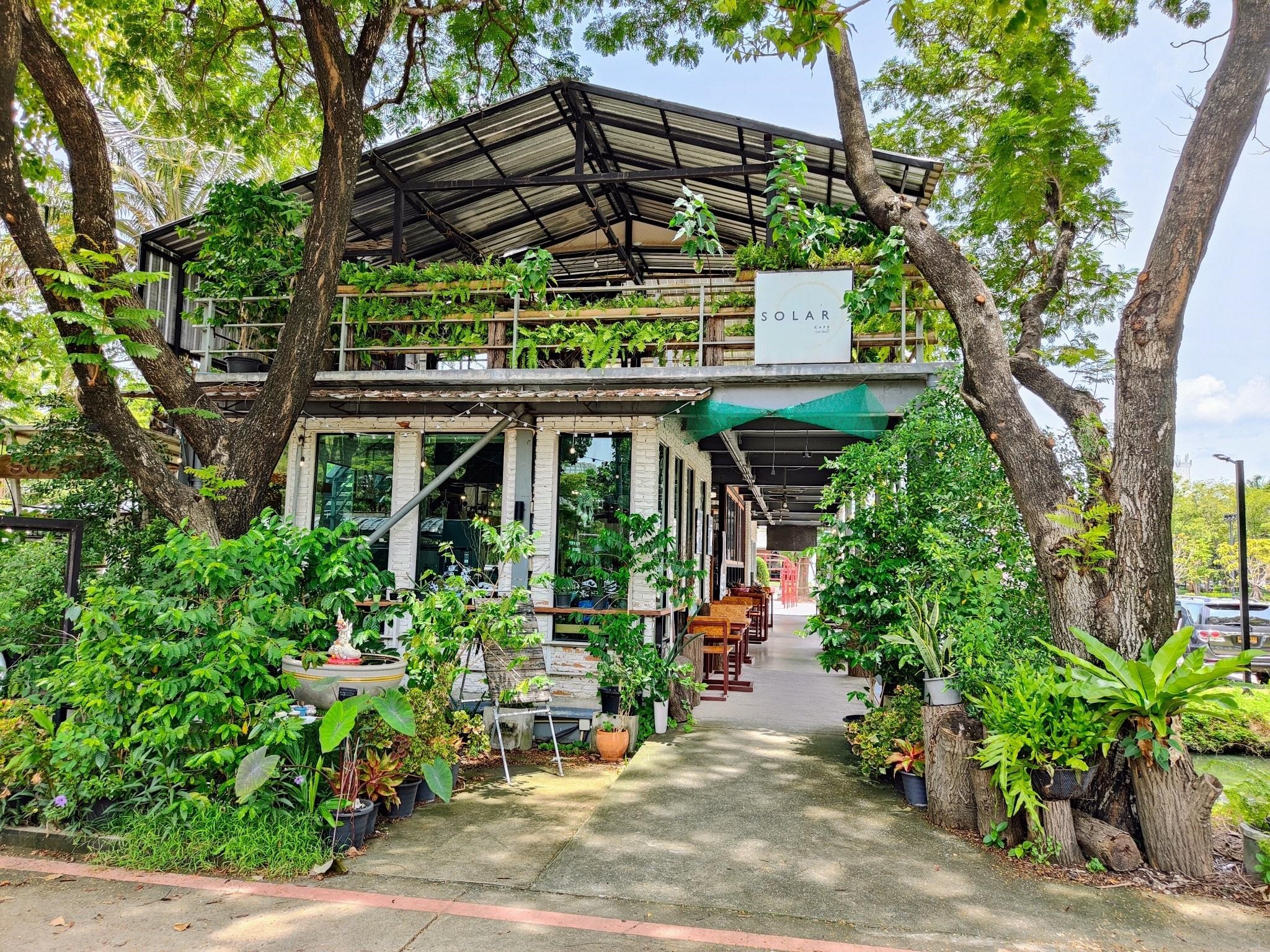
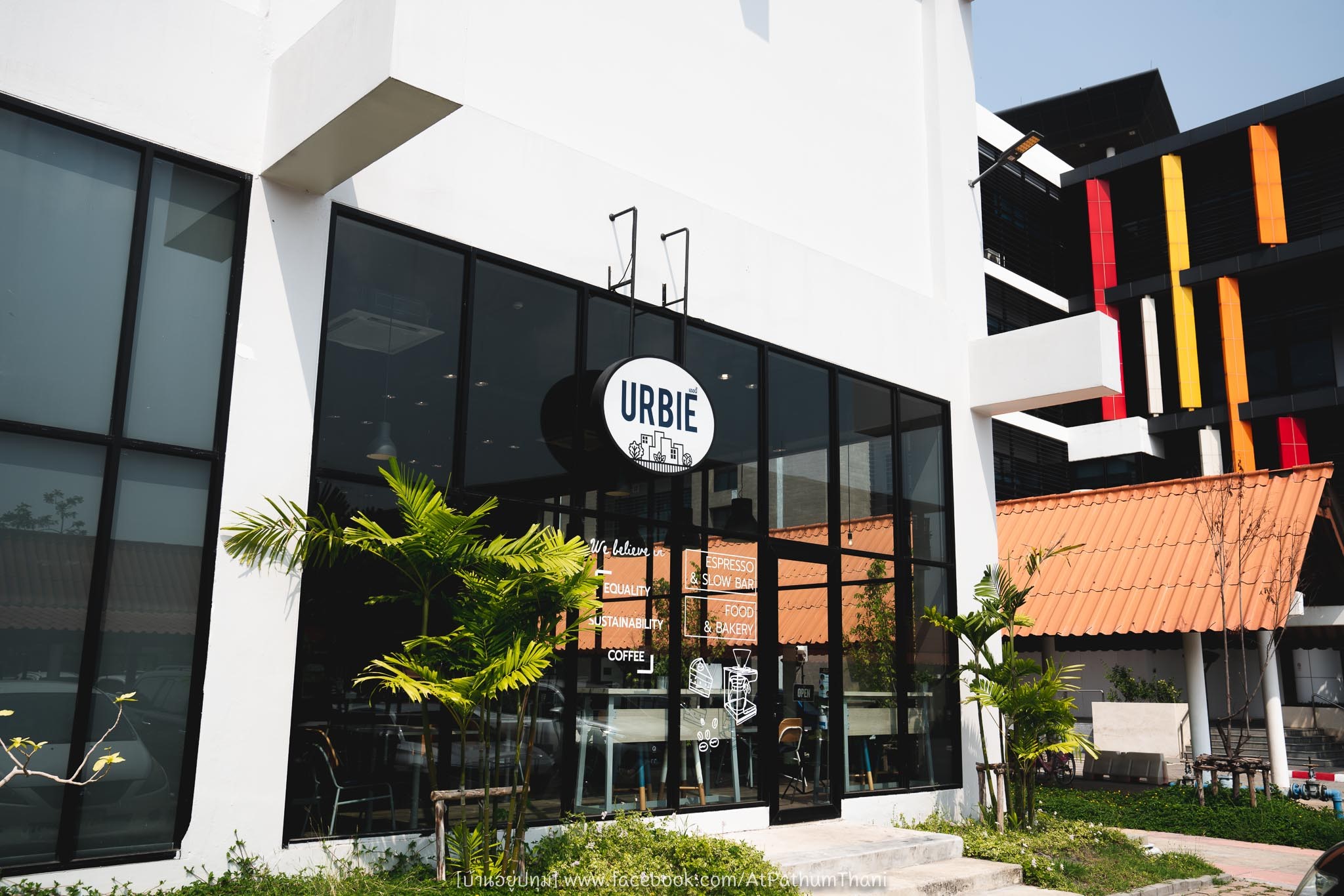
Moreover, coffee shops in university also apply a sustainable theme to raise awareness for students and staff in university and serve as a gathering place for sustainable topic talks.
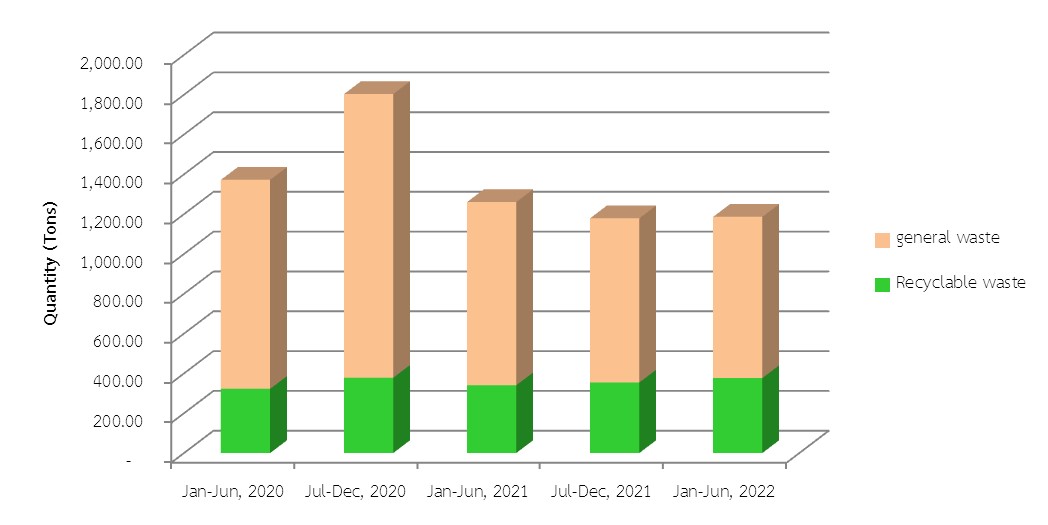
Proportion of recycle waste at Thammasat Rangsit
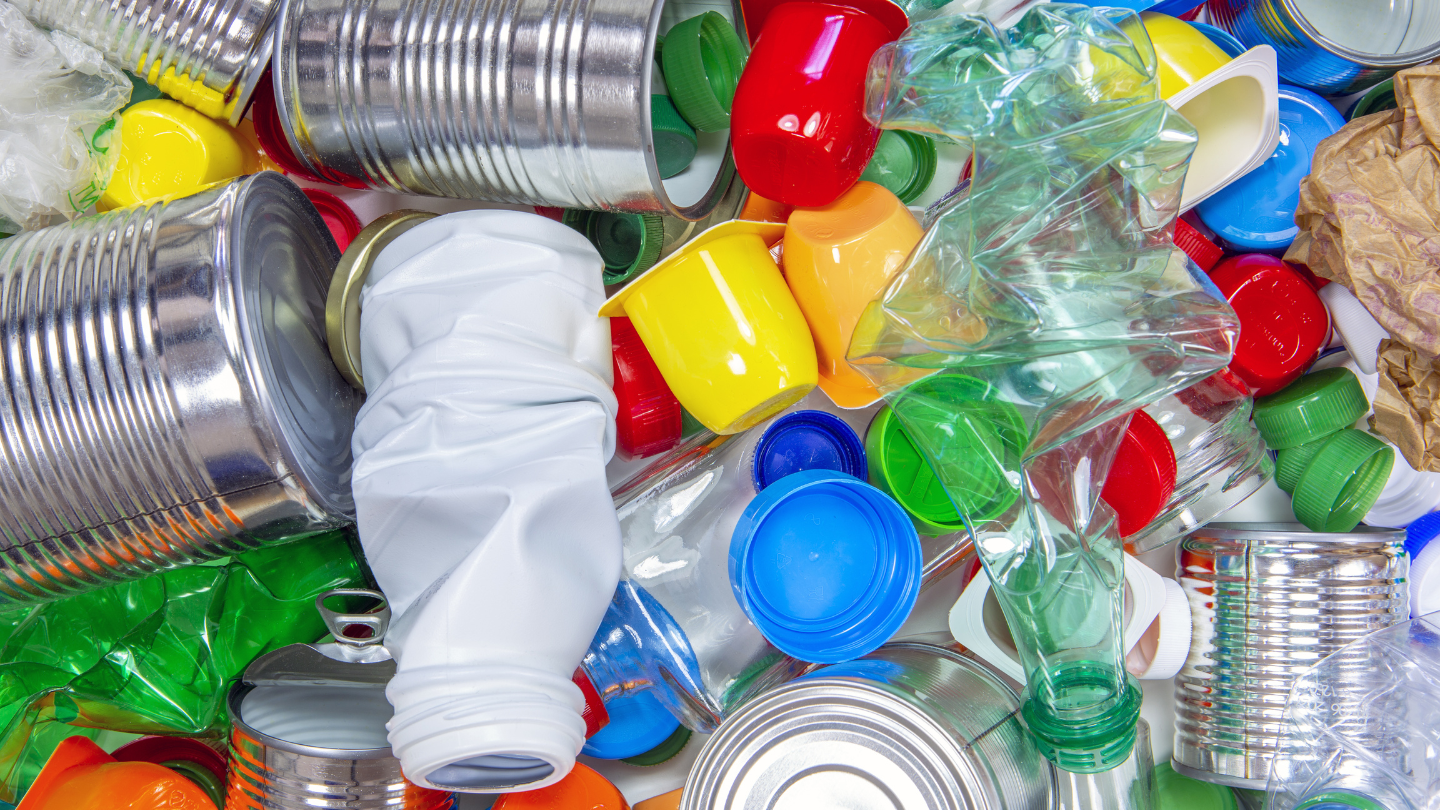
Thammasat encourages the students and staff to sort waste into 2 primary categories which are recyclable waste and general waste through various promotional activities. Combined with the increased efficiency of the waste sorting center, the proportion of recyclable waste on campus has continually increased since 2020, while the total amount of waste shows a downward trend.
| Amount of waste | Jan-Jun 2020 | Jul-Dec 2020 | Jan-Jun 2021 | Jul-Dec 2021 | Jan-Jun 2022 |
| General waste (Tons) | 1,050.00 | 1,425.00 | 920.00 | 825.00 | 810.00 |
| General waste (Percentage) | 76.51 | 79.04 | 72.99 | 69.96 | 68.28 |
| Recyclable waste (Tons) | 322.31 | 377.99 | 340.43 | 354.17 | 376.35 |
| Recyclable waste (Percentage) | 23.49 | 20.96 | 27.01 | 30.04 | 31.72 |