SDG 6 in Numbers
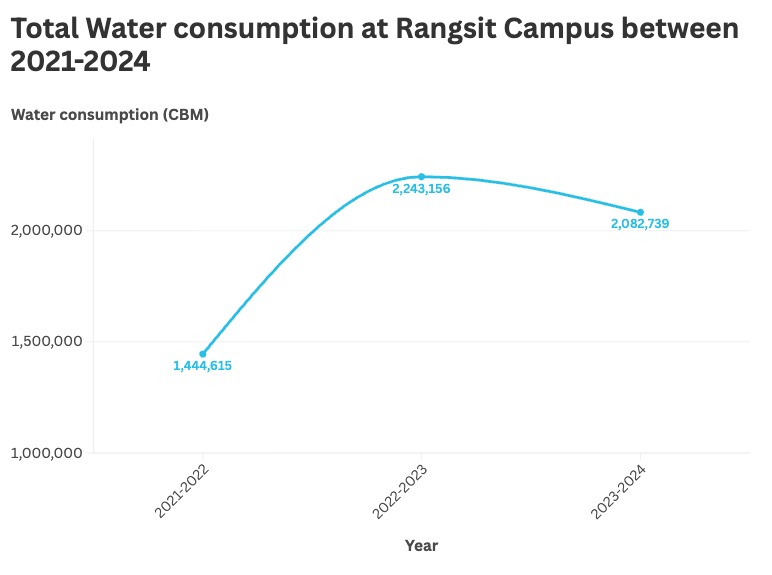
The line graph showing total water consumption from four campuses from 2021 to 2024 illustrates significant variation over the period. Consumption rose sharply from 1,444,615 m3 in 2021-2022 to 2,243,156 m3 in 2022-2023, a 55% increase, likely reflecting the expansion of campus activity or facility use following the pandemic. However, usage declined to 2,082,739 m3 in 2023-2024, marking a 7% reduction, which may indicate improved water efficiency or conservation measures being implemented across the campus.
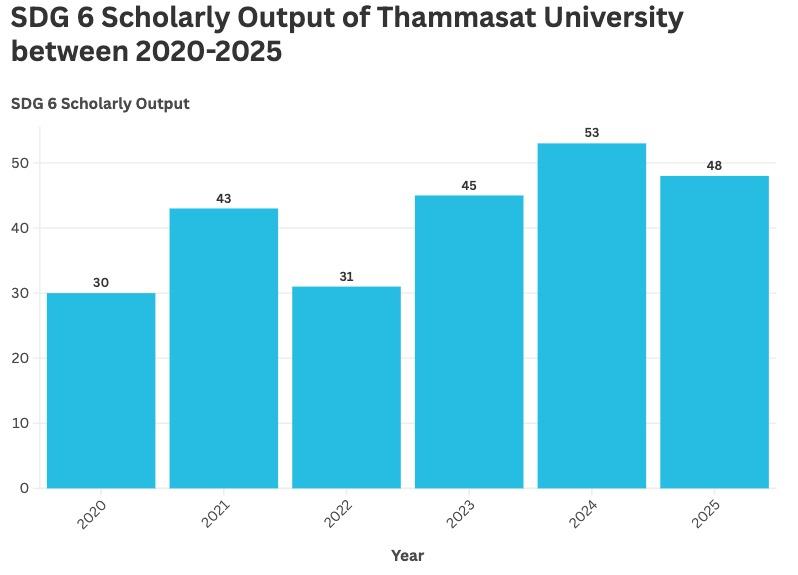
The bar chart depicting Thammasat University’s SDG 6 scholarly output between 2020 and 2025 shows an overall upward trajectory with minor fluctuations. The number of publications increased from 30 in 2020 to 48 in 2025, a 60% growth over the period. After a dip to 31 in 2022, output rebounded strongly, reaching 45 in 2023 and 48 in 2025, demonstrating the university’s sustained and growing commitment to water-related research and sustainability efforts
Research in SDG 6
Based on an analysis of 294 publications from 2020 to 2024, Thammasat University has demonstrated a comprehensive and robust research program dedicated to the SDG 6. The university’s contributions are centered around three interconnected thematic clusters that address critical local and global water challenges:
- Contaminant Detection and Advanced Treatment Technologies: A primary research focus is on identifying and removing pollutants. This is highlighted by a significant body of work on microplastics, establishing it as a key area of expertise. Research in this cluster traces contamination pathways, monitors the presence of microplastics in critical water sources like the Chao Phraya River, and evaluates remediation technologies. This work is part of a broader theme of Advanced Wastewater Treatment and Resource Recovery, which explores innovative solutions such as microbial fuel cells for energy generation, solar septic tank technology for decentralized sanitation in developing communities, and the development of novel materials like biochar and nano-adsorbents for removing heavy metals and dyes.
- Water Quality Assessment and Public Health: This cluster establishes the critical link between water quality and human health. The research includes detailed assessments of chemical contaminants like arsenic and lead in Thai groundwater, as well as broader international studies on drinking water quality in other developing nations. A particularly forward-looking area is the use of wastewater-based epidemiology, such as tracking the COVID-19 virus in wastewater to monitor public health trends and understand asymptomatic transmission.
- Urban Water Management and Nature-Based Solutions: The third major cluster addresses the macro-level challenges of managing water in urban environments. A strong emphasis is placed on Nature-Based Solutions (NbS), including the use of constructed wetlands and green space design to improve water quality and resilience. This research also tackles critical urban issues like flood management, with the development of real-time flood forecasting systems for Bangkok, and investigates the role of water in peri-urban agriculture.
Synthesis and Impact
Across these themes, Thammasat’s research is both locally grounded—addressing specific challenges within Thailand—and globally engaged through an extensive network of international collaborations. The findings provide practical solutions for a wide range of stakeholders, including municipal water authorities, public health organizations, and urban planners, solidifying the university’s role as a key contributor to achieving clean water and sanitation for all.
Outreach and Academic Services in SDG 6
In the 2024 academic year, Thammasat University made significant contributions to SDG 6 through 3 key academic and research initiatives. Recognizing the critical importance of clean water for public health and environmental stability, these projects leveraged a dual strategy, combining rigorous scientific expertise with a community-focused approach. This ensured that efforts to improve water quality and promote sustainable resource management were both technically sound and socially relevant. The initiatives were categorized into two main areas:
- Scientific Water Quality Analysis (2 initiatives)
A primary focus was placed on ensuring water safety through rigorous scientific assessment and diagnostics. The Faculty of Public Health was instrumental in this domain, utilizing its advanced laboratory facilities to conduct comprehensive water quality analyses. These technical services are vital for the continuous monitoring of rivers, reservoirs, and local water sources, identifying potential chemical and biological contaminants from industrial, agricultural, or domestic runoff. By providing precise data, these projects play a crucial role in safeguarding public health, preventing the spread of waterborne diseases, and empowering local authorities with the information needed to maintain a supply of clean and safe water for consumption and daily use. - Sustainable Water Management and Biodiversity Research (1 initiative)
Complementing the technical analysis, the university engaged in research aimed at achieving long-term water sustainability from a governance perspective. The Faculty of Political Science led a participatory research project that brought together local communities, stakeholders, and policymakers to co-develop effective water management strategies. This initiative explored the intricate link between water resource allocation and its impact on local biodiversity, emphasizing how sustainable practices can preserve aquatic ecosystems. This holistic, community-involved approach ensures that the resulting water governance frameworks are not only scientifically informed but also practical, equitable, and capable of protecting both human populations and their surrounding ecosystems for future generations.
Collectively, these initiatives powerfully demonstrate Thammasat University’s integrated commitment to SDG 6. By synergizing precise laboratory analysis with strategic, community-based research, the university addresses the multifaceted challenges of water security. This approach ensures that scientific data directly informs sustainable policy and community action, effectively tackling the critical need for clean water and sanitation and reinforcing the university’s role as a key contributor to Thailand’s national development goals.
Featured Stories
Water Management and Resource Efficiency
- Water Recycling and Efficiency: The university upgrades its wastewater treatment technology to enable water reuse for irrigation and certain sanitation systems, significantly reducing raw water abstraction from natural sources. Water-saving fixtures are also installed to boost high per-capita water use efficiency.
- Supporting National Groundwater Management: In 2023, the Thammasat University Research and Consultancy Institute (TU-RAC) served as a consultant for the Department of Groundwater Resources to develop a “Groundwater Resource Management Plan“. This project aims to enhance strategic planning and capacity for the sustainable conservation of the country’s critical groundwater resources.
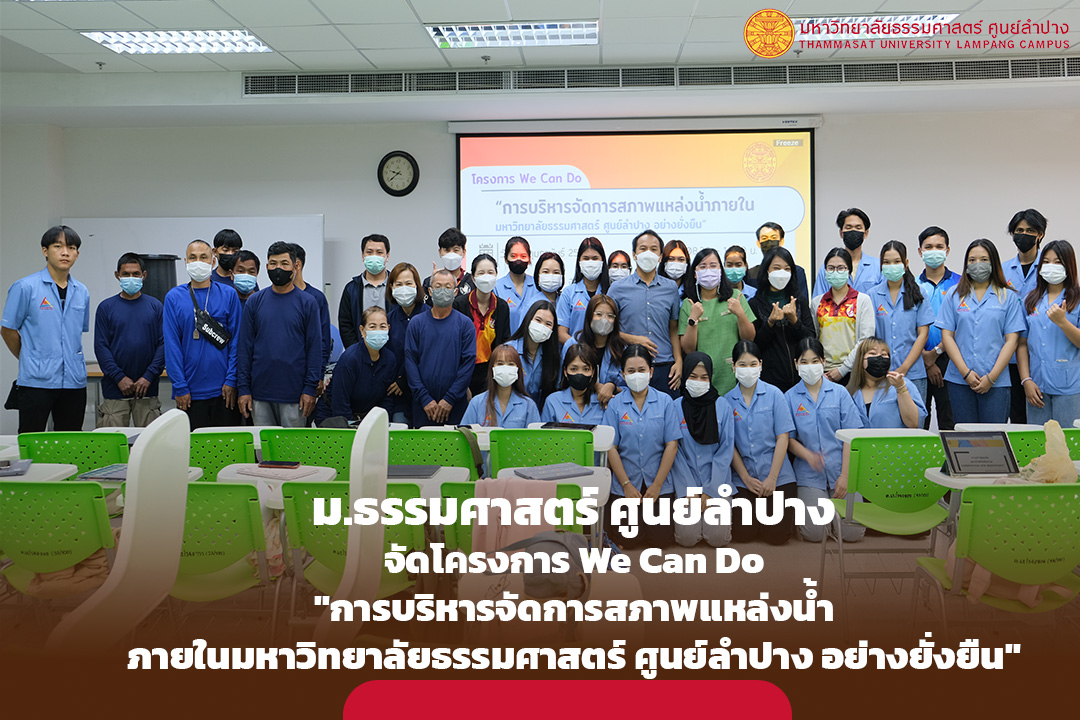
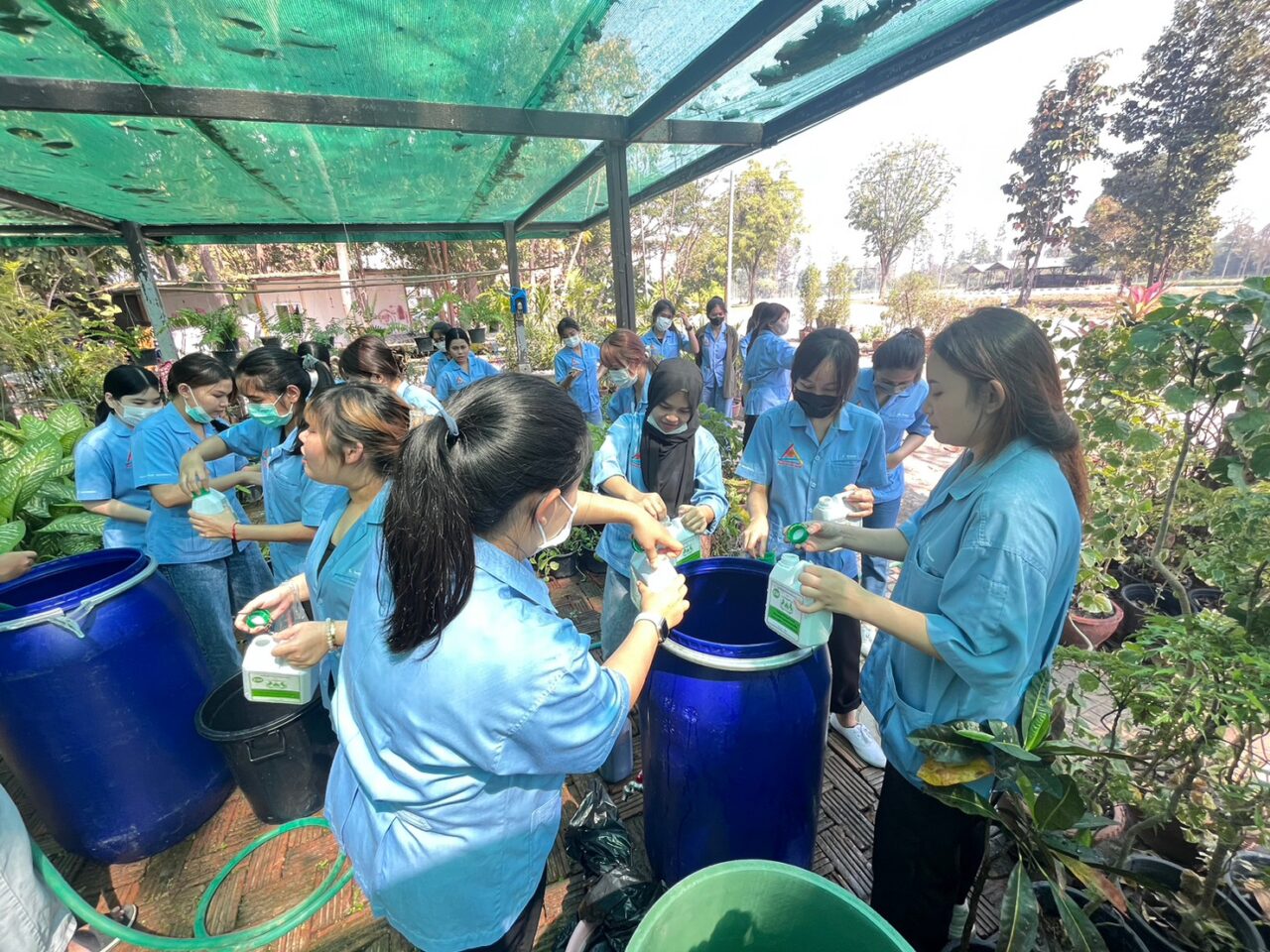
- Multi-Campus Water Stewardship: The Lampang Center implements the “Sustainable Water Resource Management Project,” demonstrating the university’s commitment to systematic water management across all its campuses.
Innovation, Research, and Pollution Control
- Innovation in Pharmaceutical and Chemical Treatment: Research focuses on developing advanced technologies to remove contaminating pharmaceutical compounds from hospital and community wastewater, ensuring water released back into the environment meets stringent safety standards.
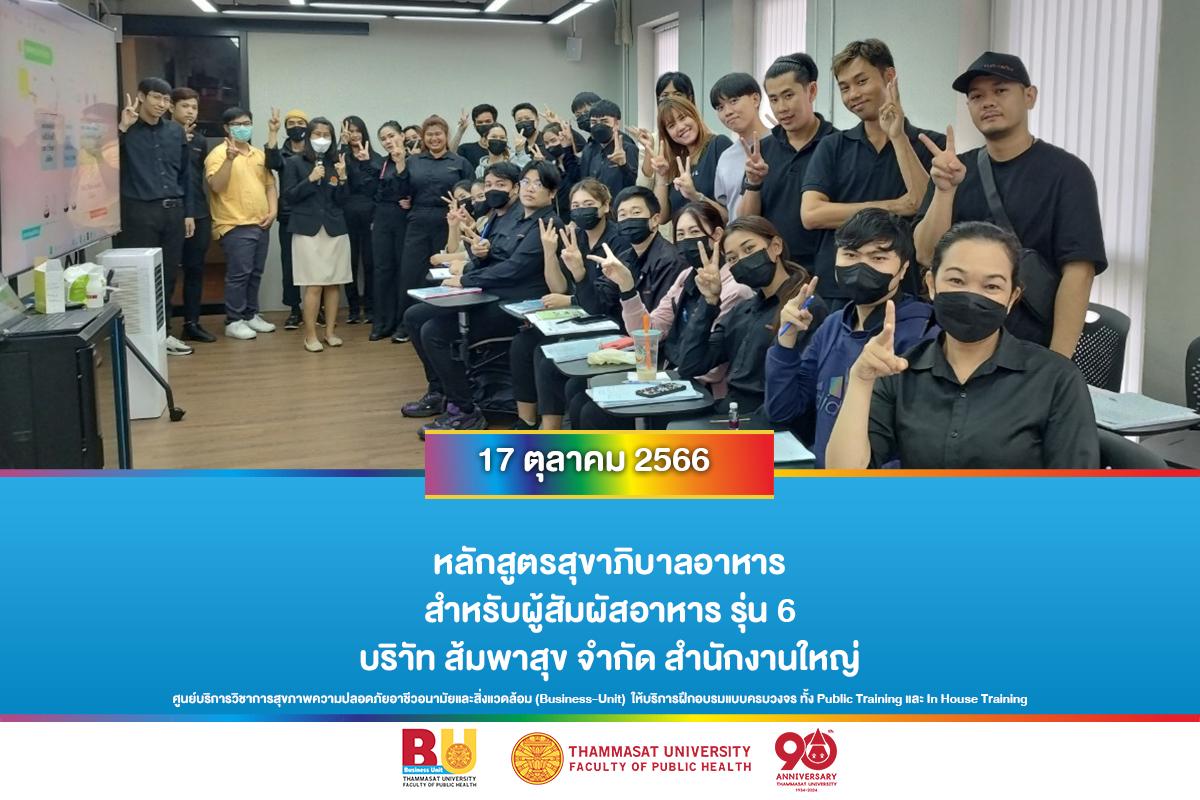
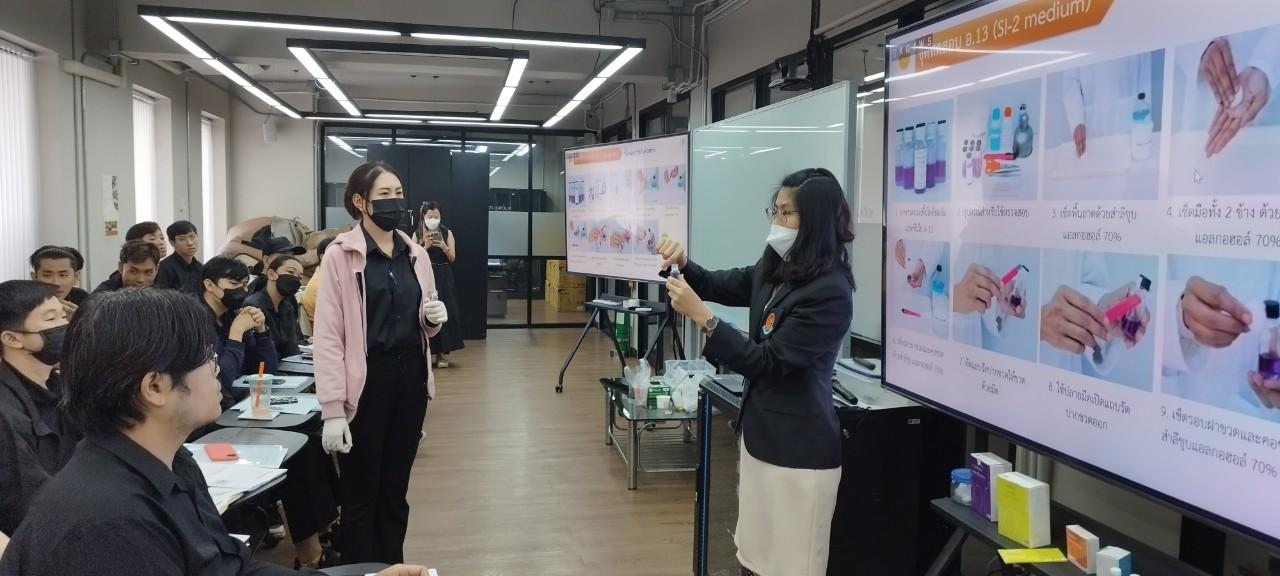
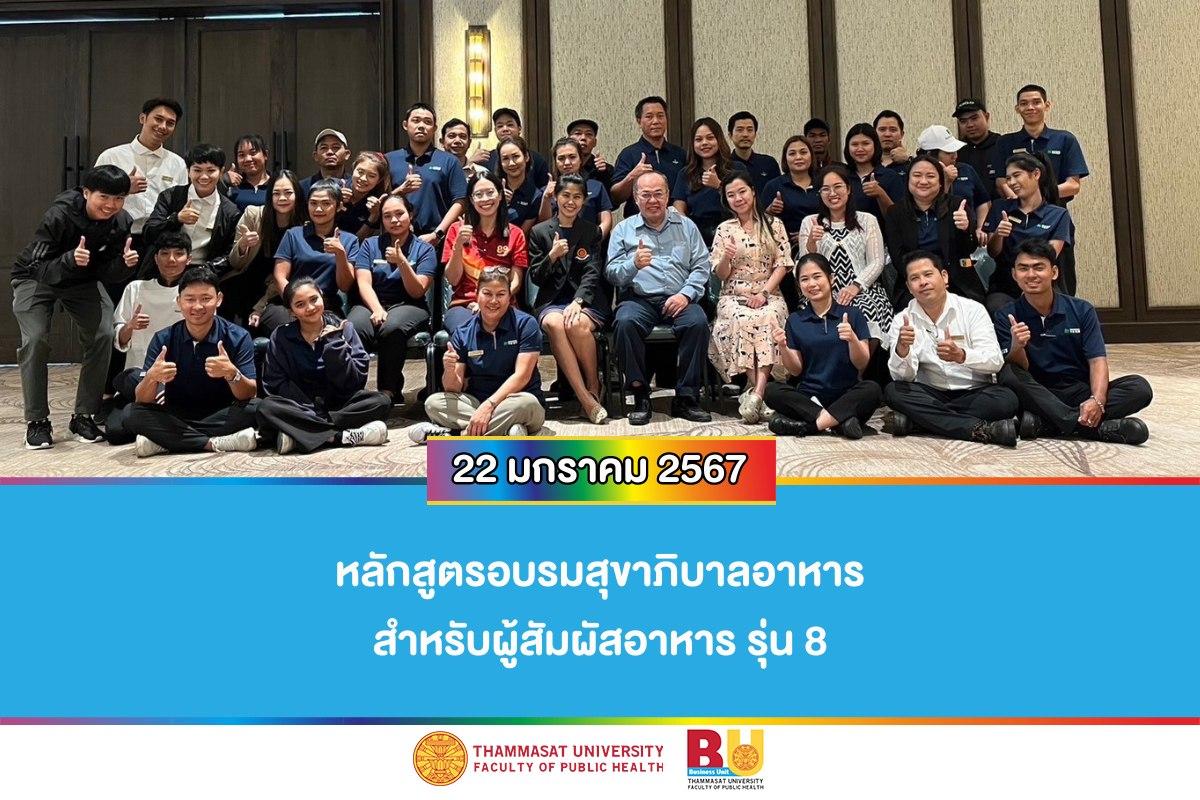
- Raising Food Sanitation Standards: The Faculty of Public Health continuously organizes “Food Sanitation Training Courses for Food Handlers” (now in its 8th iteration). These courses enhance hygiene knowledge in the food supply chain, preventing waterborne and food-borne diseases and building consumer confidence.
Access to Clean Water and Community Engagement
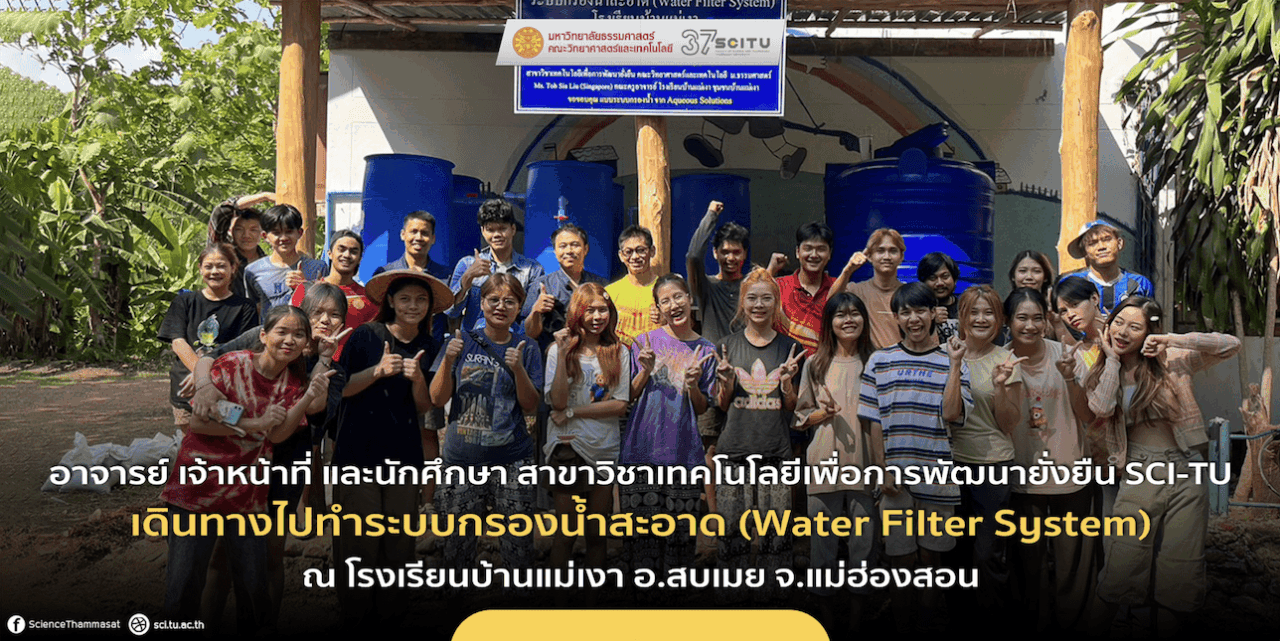
- Providing Safe Drinking Water in Remote Areas: The Faculty of Science and Technology deployed a community-based project in Mae Hong Son Province to install clean drinking water systems and improve water quality for consumption.
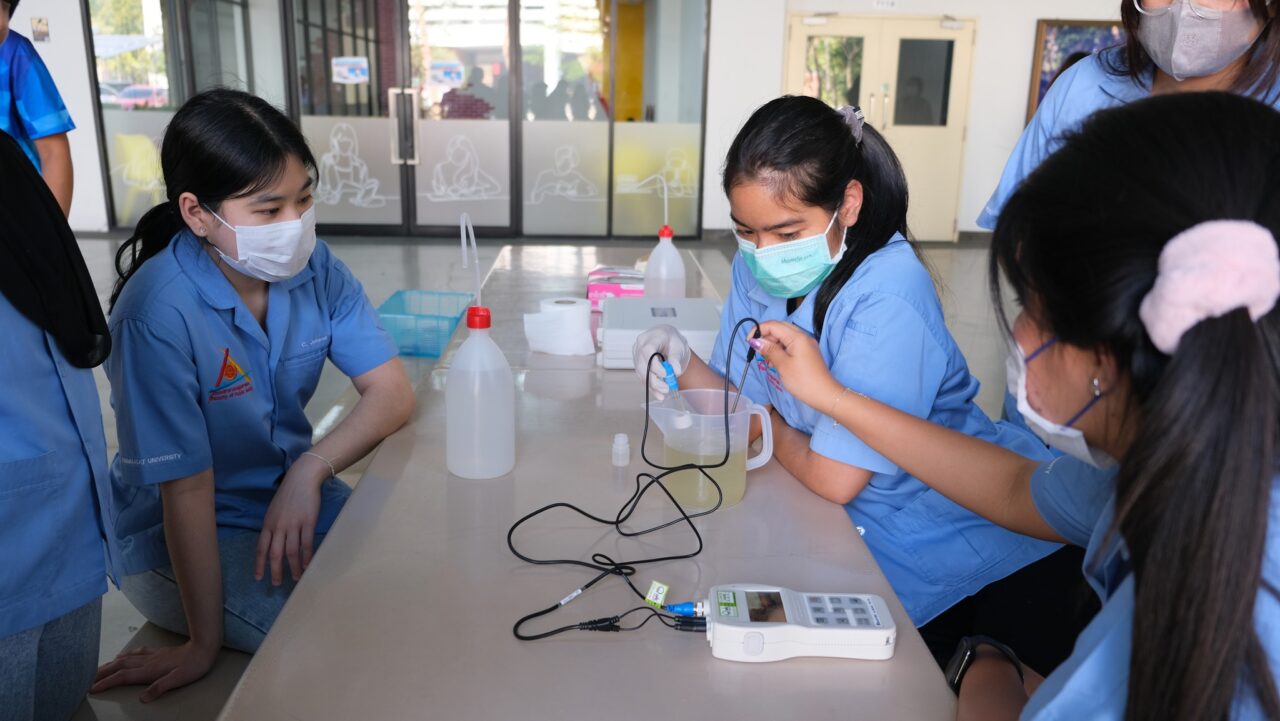
- Academic Partnership for Water Quality Monitoring: Public Health students collaborated with the Bang Duea Subdistrict Municipality to analyze water quality in local community sources. This demonstrates student engagement and supports local authorities in water quality surveillance for public safety.