SDG 15 in Numbers
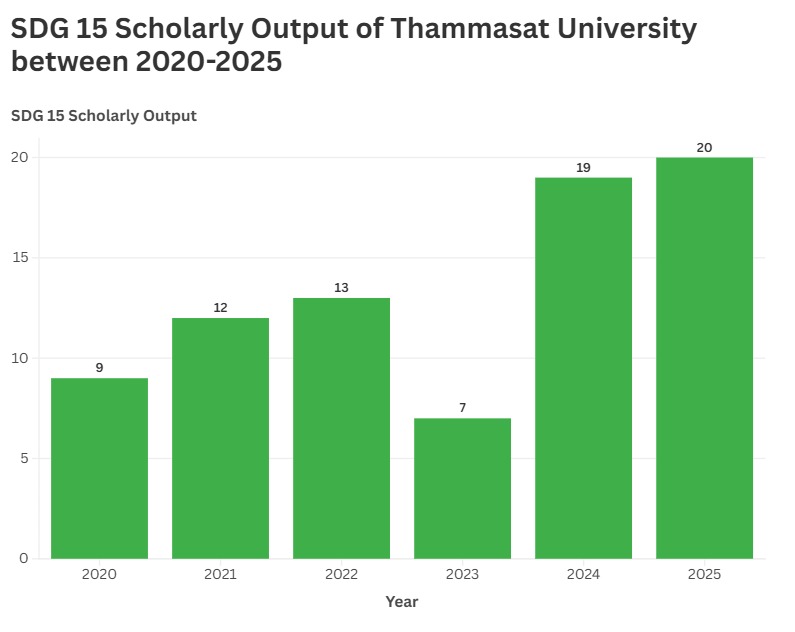
This bar graph illustrates the SDG 15 Scholarly Output of Thammasat University from 2020 to 2025. The output showed significant fluctuations, starting at 9 in 2020 and rising to 13 by 2022. However, the output dropped sharply by 6 outputs, a reduction of approximately 46%, to 7 in 2023. A massive rebound followed, rising to 19 outputs in 2024. The peak is projected for 2025 with 20 outputs, representing a net increase of 11 scholarly outputs over the entire period
Research in SDG 15
Based on an analysis of 77 publications from 2020 to 2024, Thammasat University has developed a focused and impactful research portfolio aligned with SDG 15. The research demonstrates a strategic emphasis on applied science to address Thailand’s key environmental challenges, from waste valorization to ecosystem conservation. The work is organized around three primary, interconnected clusters:
- Sustainable Materials and the Bio-Circular-Green Economy (BCG): A significant portion of the research is dedicated to advancing a circular economy by transforming biological resources and waste streams into high-value products. This includes developing advanced carbon materials from invasive biomass like water hyacinth for use in batteries and supercapacitors and creating sustainable construction materials by incorporating industrial byproducts such as fly ash and waste glass. This research directly supports Thailand’s national BCG economic model by providing innovative, tangible solutions for waste valorization.
- Ecosystem Health, Monitoring, and Remediation: This research cluster focuses on the assessment and restoration of terrestrial ecosystems. It leverages advanced technology, such as satellite data and laser scanning, to monitor long-term forest cover changes and carbon storage in critical regions like Nan Province. Another key strength is in pollution remediation, with studies identifying and utilizing plants and microbes for the bioremediation of soils contaminated with heavy metals and pesticides. This work provides an essential evidence base for conservation and environmental cleanup efforts.
- Sustainable Land Management, Governance, and Urban Ecology: The third pillar addresses the intersection of land use, policy, and human systems. Research in this area champions the use of Nature-Based Solutions (NbS) to create more resilient urban and peri-urban environments, particularly in the Bangkok Metropolitan Region. It also evaluates environmental governance, from analyzing conservation agreements to developing frameworks for assessing community resilience to environmental hazards. This work provides critical insights for sustainable landscape planning and effective environmental policy.
Synthesis and Impact
Collectively, Thammasat University’s research on SDG 15 is characterized by its applied nature, with a strong geographical focus on specific Thai contexts (Nan, Bangkok, Lampang) and a commitment to addressing the needs of local communities and ecosystems. The work is underpinned by a robust network of national collaborators, including key government agencies like NSTDA and GISTDA, as well as international partners. This positions the university as a vital contributor of scientific knowledge and practical solutions for sustainable land management in Thailand and the wider region.
Outreach and Academic Services in SDG 15
In 2024, Thammasat University demonstrated a robust and strategic commitment to SDG 15, by implementing 16 distinct academic service and social outreach activities. These initiatives were meticulously designed to protect and restore terrestrial ecosystems, promote biodiversity, and ensure sustainable land use through a comprehensive, multi-faceted approach. The university’s efforts were strategically organized into three primary clusters: biodiversity and ecosystem conservation, sustainable land governance and legal frameworks, and community engagement in sustainable resource use, reflecting an integrated strategy to tackle the complex challenges facing life on land:
- Biodiversity and Ecosystem Conservation (4 activities)
A significant focus was placed on protecting Thailand’s rich biodiversity and vital ecosystems. This included a public exhibition aimed at raising awareness about primates at Khao Yai National Park, which sought to foster a deeper public appreciation for wildlife and the critical importance of habitat conservation. The university also addressed the protection of invaluable coastal ecosystems through a seminar on mangrove forests, highlighting their role as natural barriers against erosion, crucial carbon sinks, and vital nurseries for marine life. From a legal standpoint, efforts were directed at combating the illegal online wildlife trade by exploring legal loopholes and developing more effective enforcement strategies to address this modern threat. Additionally, participatory research projects explored effective strategies for holistic biodiversity management, working alongside local communities to integrate traditional knowledge with scientific approaches. - Sustainable Land Governance and Legal Frameworks (7 activities)
The university dedicated substantial efforts to strengthening land governance and legal understanding, recognizing that clear and equitable laws are fundamental to protecting life on land. Multiple workshops and seminars were conducted to educate the public, community leaders, and local officials on land law, property tax regulations, and land rights. These sessions empowered stakeholders with the knowledge to navigate complex regulations, prevent land-use conflicts, and promote transparent administration. The initiatives also tackled pressing issues such as legal disputes over coastal erosion (“land lost to the sea”), a direct consequence of climate change, and the specific regulations concerning land owned by religious institutions, ensuring a comprehensive approach to sustainable and equitable land management. - Community Engagement and Sustainable Resource Use (5 activities)
Engaging communities as active partners in sustainable practices was another key area of focus. Initiatives included a hands-on workshop on natural indigo dyeing, which promotes the sustainable use of plant resources while reviving traditional crafts that provide eco-friendly economic benefits. The university also explored the crucial link between ethnic communities in highland areas and their surrounding ecosystems, recognizing their role as stewards of biodiversity and their valuable traditional ecological knowledge. Further activities focused on educating the public about natural disasters to build community resilience and preparedness, and promoting knowledge of local medicinal plants, which supports the conservation of both botanical diversity and cultural heritage.
Featured Stories
Raising Awareness and Mainstreaming Biodiversity
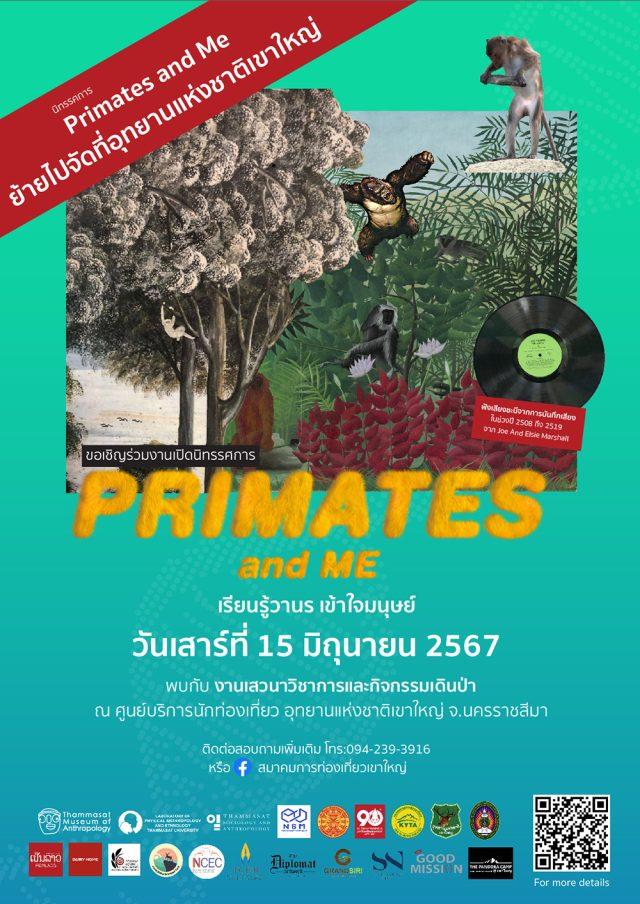
Thammasat University, through the Thammasat Museum of Anthropology, organized the “PRIMATES and ME: Understanding Apes, Understanding Humans“ Exhibition at the Khao Yai National Park Visitor Center, Nakhon Ratchasima Province (on June 15, 2024). This exhibition serves as a significant example of integrating the value of biodiversity into public awareness. It focused on fostering an understanding of the relationship between humans and primates as coexisting species, especially within conserved forest areas like Khao Yai. Hosting the event in the actual park, in collaboration with the Department of National Parks, Wildlife and Plant Conservation, demonstrates a spatial cooperation effort to promote conservation and enhance the public’s and tourists’ access to biodiversity information.
Strengthening the Rule of Law to Combat Illegal Wildlife Trade
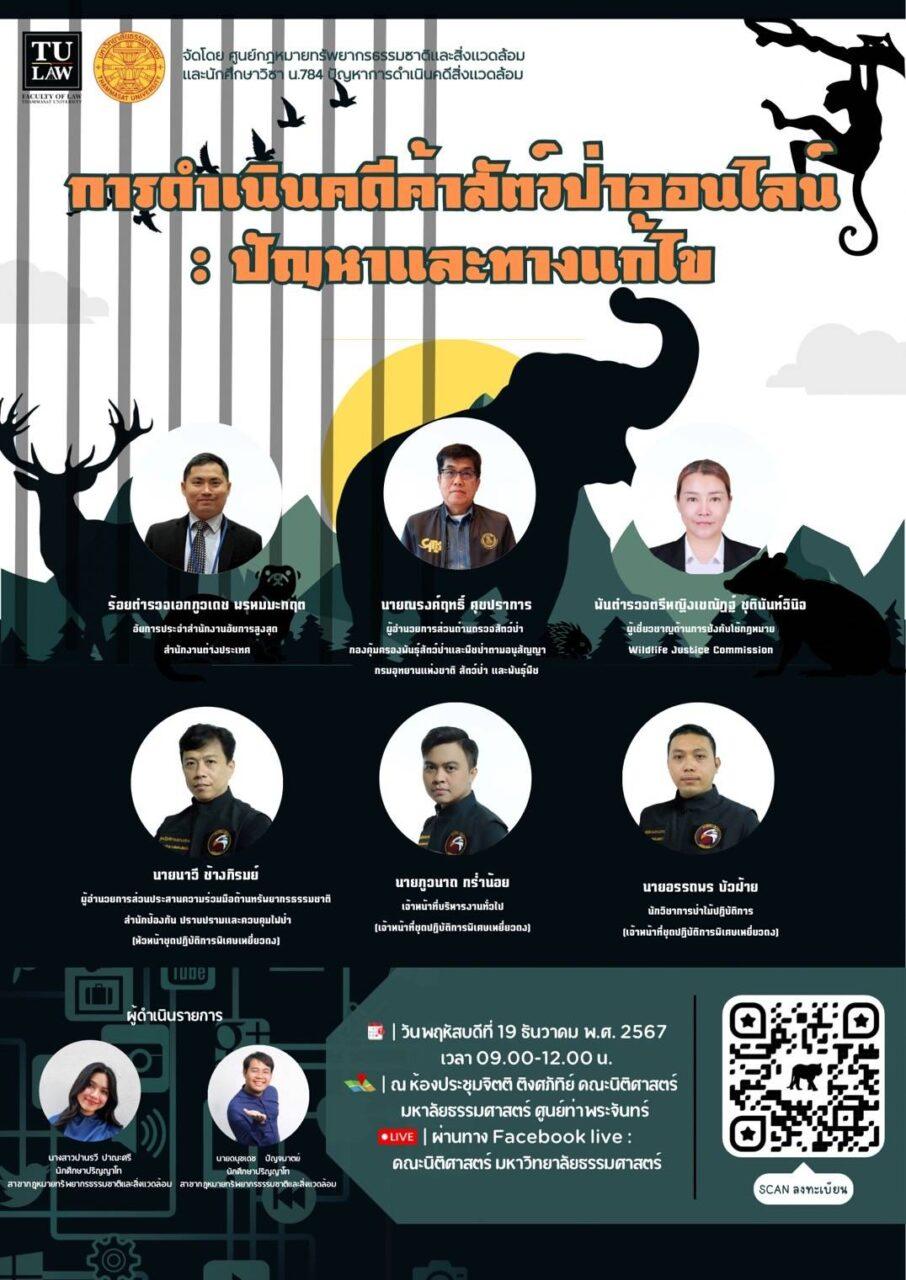
To address the challenges of illegal wildlife trade migrating to online channels, Thammasat organized a “Seminar on Online Wildlife Trafficking Prosecution: Problems and Solutions“. This was part of developing expertise in natural resources and environmental law. The seminar gathered legal and technological experts to devise strategies for strict and effective law enforcement in tracking and prosecuting offenders who utilize digital platforms. This is a critical and challenging issue in protecting threatened species from illicit trade.
Interdisciplinary Research for the Sustainability of Highland Ecosystems
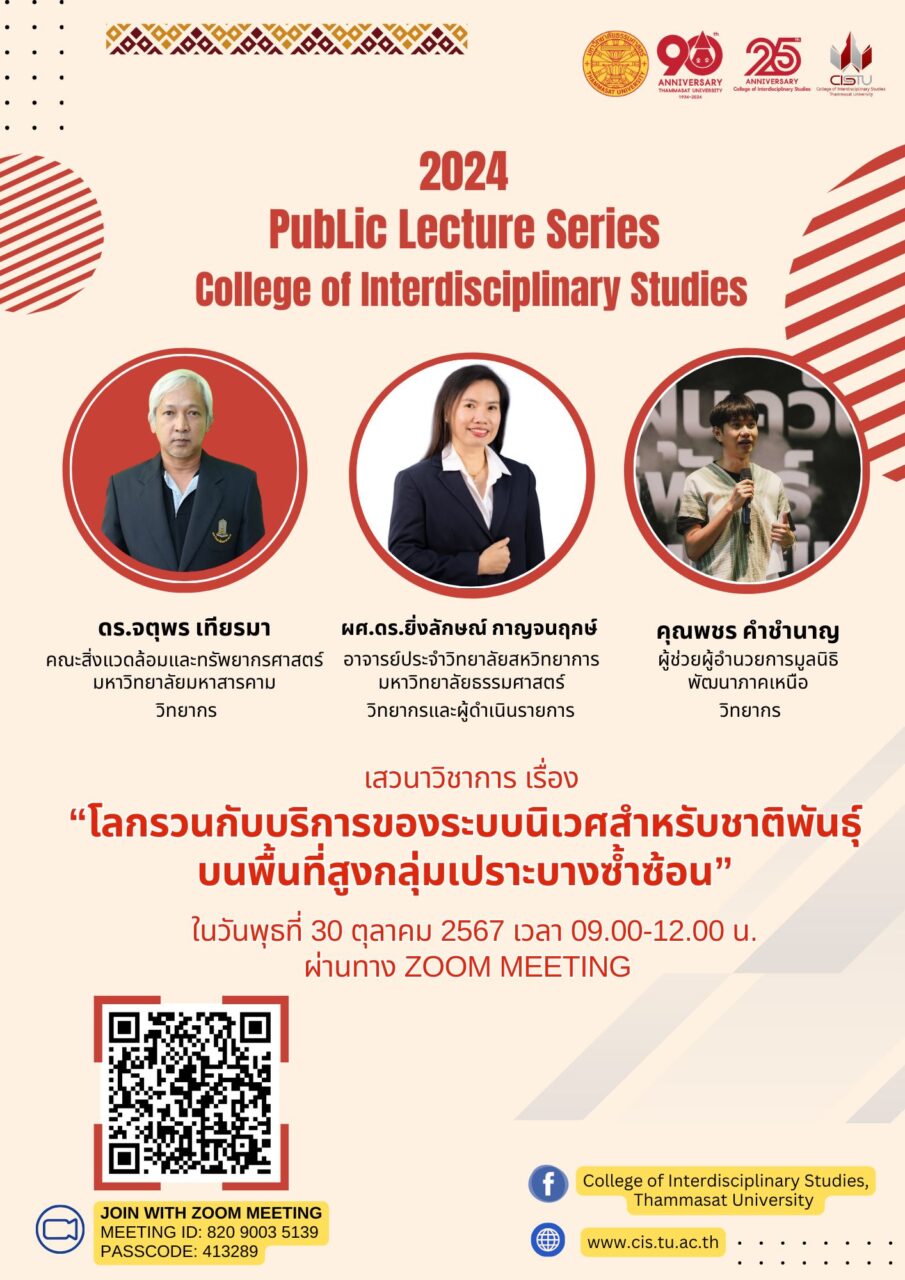
The university prioritized research that directly addresses real social and environmental issues through the “Interdisciplinary Studies with Society” Project focusing on “Climate Change and Ecosystem Services for Overlapping Vulnerable Highland Ethnic Groups.” This project highlights the link between climate change (known as Loh Ruan or “A Shaking World”) and its impact on the ecosystem services that highland ethnic groups depend on. The research aims to understand and propose sustainable solutions, considering the essential socio-cultural dimensions required for preserving biodiversity and the highland ecosystems that often serve as water sources.