SDG 14 in Numbers
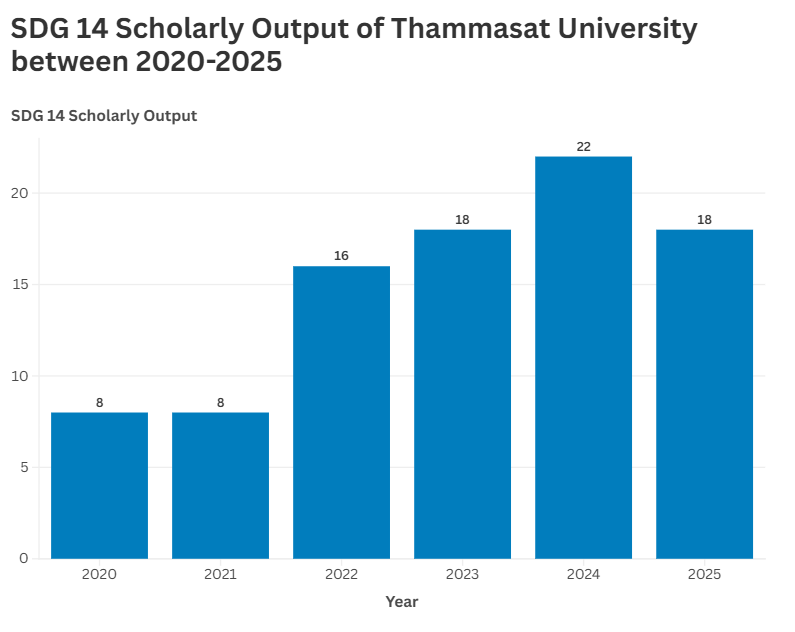
This bar graph illustrates the SDG 14 Scholarly Output of Thammasat University from 2020 to 2025. The output showed a strong upward trend, increasing from 8 outputs in both 2020 and 2021 to its peak of 22 outputs in 2024. This remarkable growth represents an increase of 14 scholarly outputs from the initial 2020 figure. The most dramatic rise occurred between 2021 and 2022, which saw a 100% surge, rising from 8 to 16 outputs. The output then projects a moderate reduction to 18 scholarly outputs in 2025.
Research in SDG 14
Based on an analysis of 102 publications from 2020 to 2024, Thammasat University has established a significant research portfolio aligned with SDG 14. The university’s work is concentrated in three main areas: microplastic pollution, sustainable aquaculture, and broader environmental management, with a strong emphasis on Thailand’s aquatic ecosystems and economy:
- Microplastic Pollution and Aquatic Contaminants: A primary research pillar focuses on the pervasive issue of microplastic pollution, particularly within the Chao Phraya River. Studies investigate the sources, distribution, and impacts of microplastics, including their role as vectors for heavy metals. This research directly addresses economic and food safety concerns by examining contamination in commercially vital species such as green mussels, shrimp, and crabs. The work extends to solutions, including evaluating the effectiveness of wastewater treatment plants and developing advanced Al and machine learning models for efficient microplastic detection.
- Sustainable Aquaculture and Fisheries Technology: The university has a strong focus on applying advanced technology to enhance the sustainability and productivity of Thailand’s aquaculture industry. This includes the development of automated systems for shrimp farming, real-time water quality monitoring sensors (e.g., for ammonium), and innovative Al-based methods for rapidly assessing fish freshness. This applied research provides practical solutions to improve efficiency and reduce the environmental impact of local fisheries.
- Environmental Management and Coastal Resilience: Beyond specific pollutants, the research addresses a wider range of environmental challenges affecting coastal and aquatic systems. This includes assessing the environmental impacts of using industrial byproducts like fly ash in coastal construction, analyzing coastal vulnerability to climate change in provinces like Nakhon Si Thammarat and Krabi, and investigating the direct links between water resource quality and public health, such as assessing arsenic levels in groundwater.
Synthesis and Impact
Collectively, Thammasat’s research on SDG 14 is highly applied, with a clear geographical focus on Thailand’s critical waterways and a biological focus on commercially important species. The work is supported by a robust network of domestic partners (Chulalongkorn University, Mahidol University, NSTDA) and international collaborators (Hokkaido University, Queen’s University Belfast). This positions the university as a key regional hub for applied aquatic science, providing vital data and innovative solutions to protect marine ecosystems and support sustainable economic development.
Outreach and Academic Services in SDG 14
In 2024, Thammasat University demonstrated its deep commitment to the conservation and sustainable use of marine resources through six targeted academic and social service initiatives aligned with SDG 14. Recognizing the profound importance of marine ecosystems to Thailand’s national identity and economy, these efforts exemplify a strategic, dual-pronged approach. This approach skillfully blends grassroots empowerment with high-level policy and scientific advancement, channeling expertise into both empowering coastal communities and advancing the essential legal and scientific knowledge required for effective marine ecosystem protection:
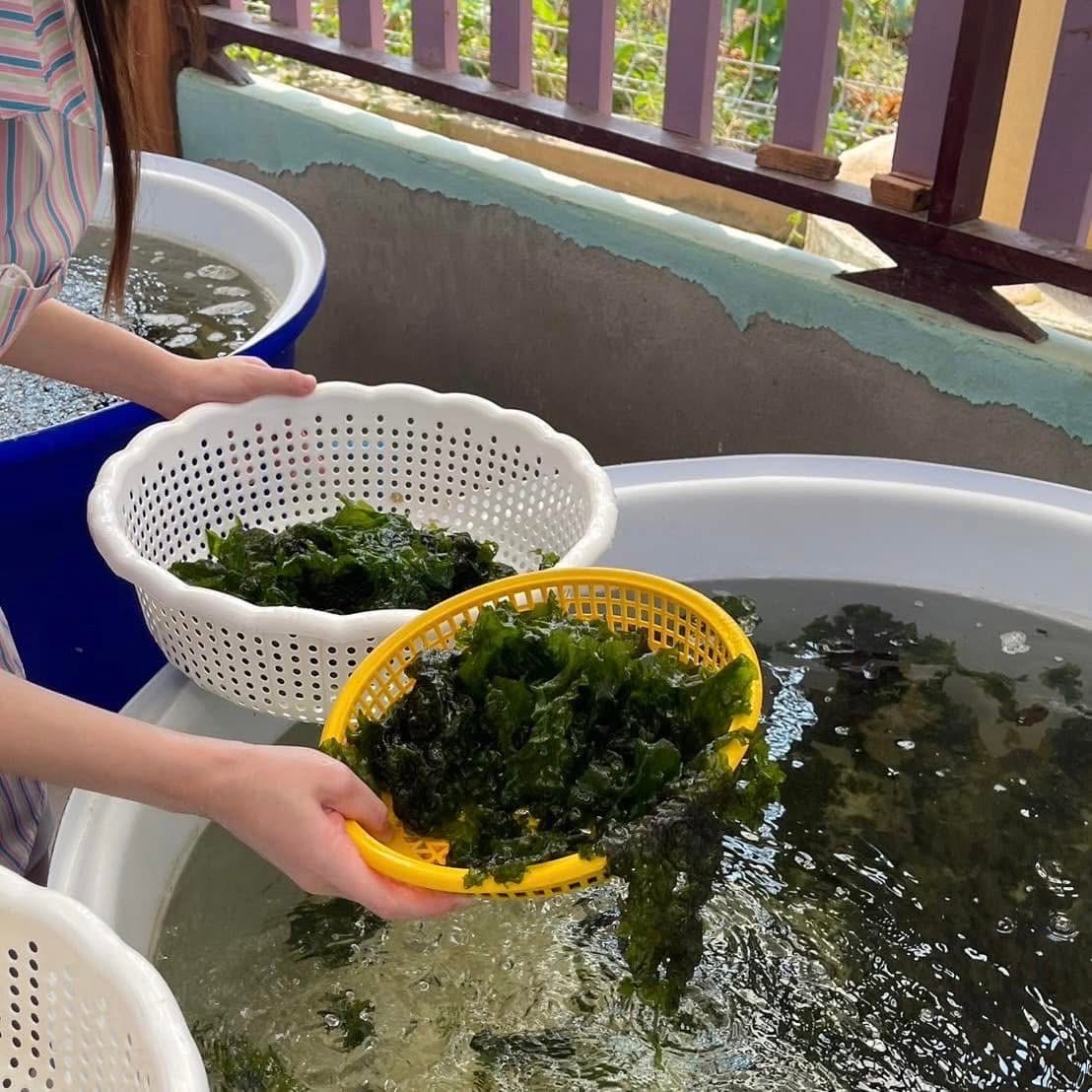
- Empowering Sustainable Coastal Livelihoods (3 activities) A core component of the university’s work involved direct, on-the-ground engagement with local communities to foster economic resilience while embedding principles of sustainable resource use. The Faculty of Commerce and Accountancy spearheaded several projects to support community enterprises, including those focused on the long-term viability of small-scale fisheries at Suchada and Kaoyod beaches. These efforts are vital for local food security, preserving cultural heritage, and promoting responsible, low-impact fishing practices. Another key initiative was the development of an innovative learning center for seaweed aquaculture, a practice that offers a sustainable alternative livelihood with significant co-benefits for local water quality, such as absorbing excess nutrients.
These initiatives aimed not only to enhance local income but also to create tangible value-added products—such as durable bags crafted from reclaimed fishing nets, a creative solution that directly tackles the pervasive issue of marine plastic pollution and hazardous ‘ghost nets‘—which exemplify circular economy principles. This hands-on approach directly contributes to the economic well-being of coastal populations whose livelihoods are intrinsically linked to the health of marine ecosystems. - Advancing Marine Knowledge and Environmental Governance (3 activities)
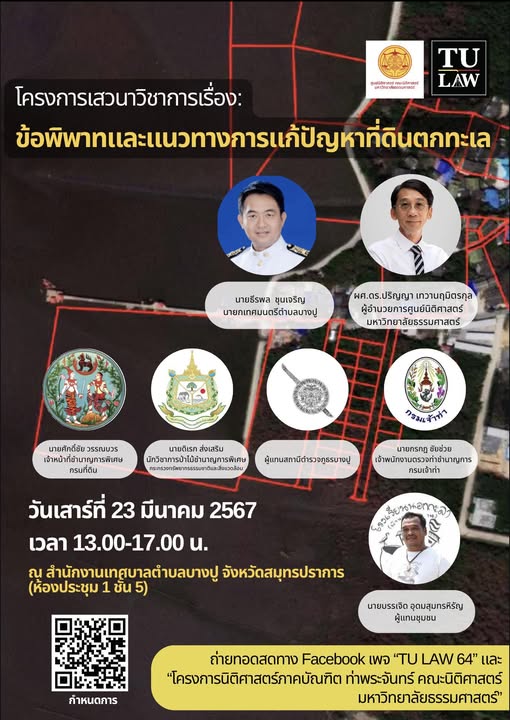
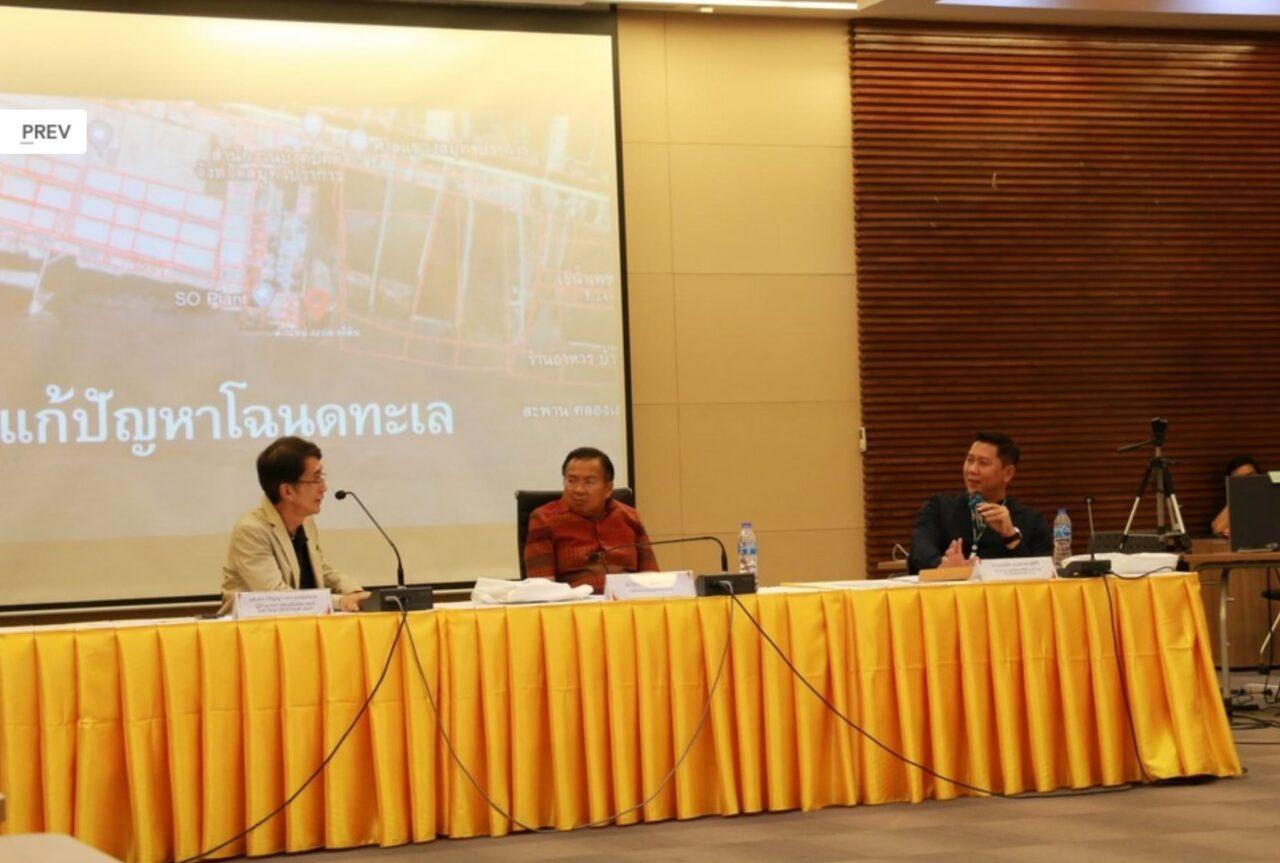
Complementing its community-based work, the university also focused on strengthening the academic and legal frameworks essential for long-term marine conservation. The Faculty of Law addressed critical and complex coastal challenges by hosting a seminar on resolving legal disputes related to coastal erosion—a growing issue often referred to as “land lost to the sea.”. This platform facilitated vital discussions on property rights, community displacement, and the urgent need for adaptive legal frameworks in an era of climate change, providing potential solutions for protecting vulnerable communities and their infrastructure.
Furthermore, the Faculty of Pharmacy contributed to the body of scientific knowledge by disseminating research on Blue Spirulina, highlighting the vast, untapped potential of marine bio-resources for applications in nutraceuticals and sustainable food systems. This research helps pioneer the shift towards a sustainable “blue bioeconomy,” which leverages marine biodiversity for high-value applications, thereby reducing pressure on terrestrial resources. Together, these initiatives underscore the university’s integral role in shaping evidence-based policy, resolving environmental conflicts, and building the robust knowledge base required for effective, equitable, and forward-looking marine governance.
Featured Stories
Academic Excellence and International Policy
Thammasat University (TU) has taken a leading role in raising awareness and providing policy recommendations on global ocean governance, notably through the Academic Seminar on “UN Ocean Treaty: Lessons Learned from the Drafting Process of a Multilateral Treaty“. This activity reflects the university’s commitment to promoting the conservation and sustainable use of marine resources through adherence to relevant international laws.
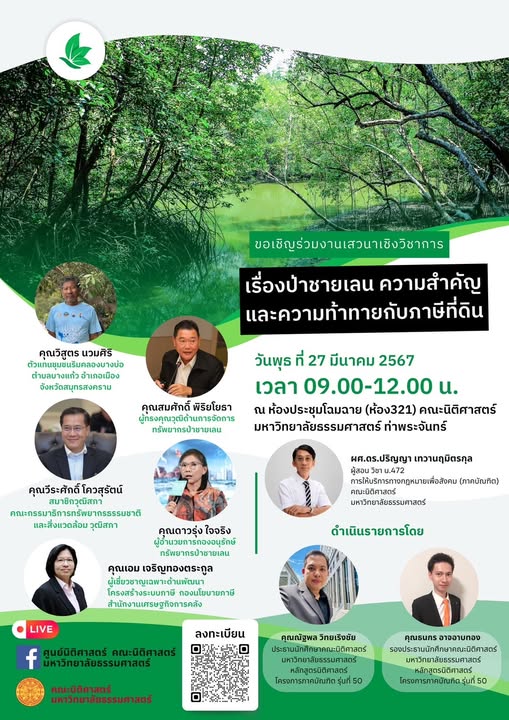
Furthermore, TU organized the Academic Forum on Mangrove Forests: Importance and Challenges with Land Tax, which links legal and public policy issues with the conservation of vital coastal ecosystems, as well as the Academic Seminar on “Disputes and Solutions for Land Reclamation Issues at Sea,” which focused on managing conflicts over the use of coastal areas a crucial factor for ecosystem sustainability.
Strengthening Fishing Communities and Sustainable Development
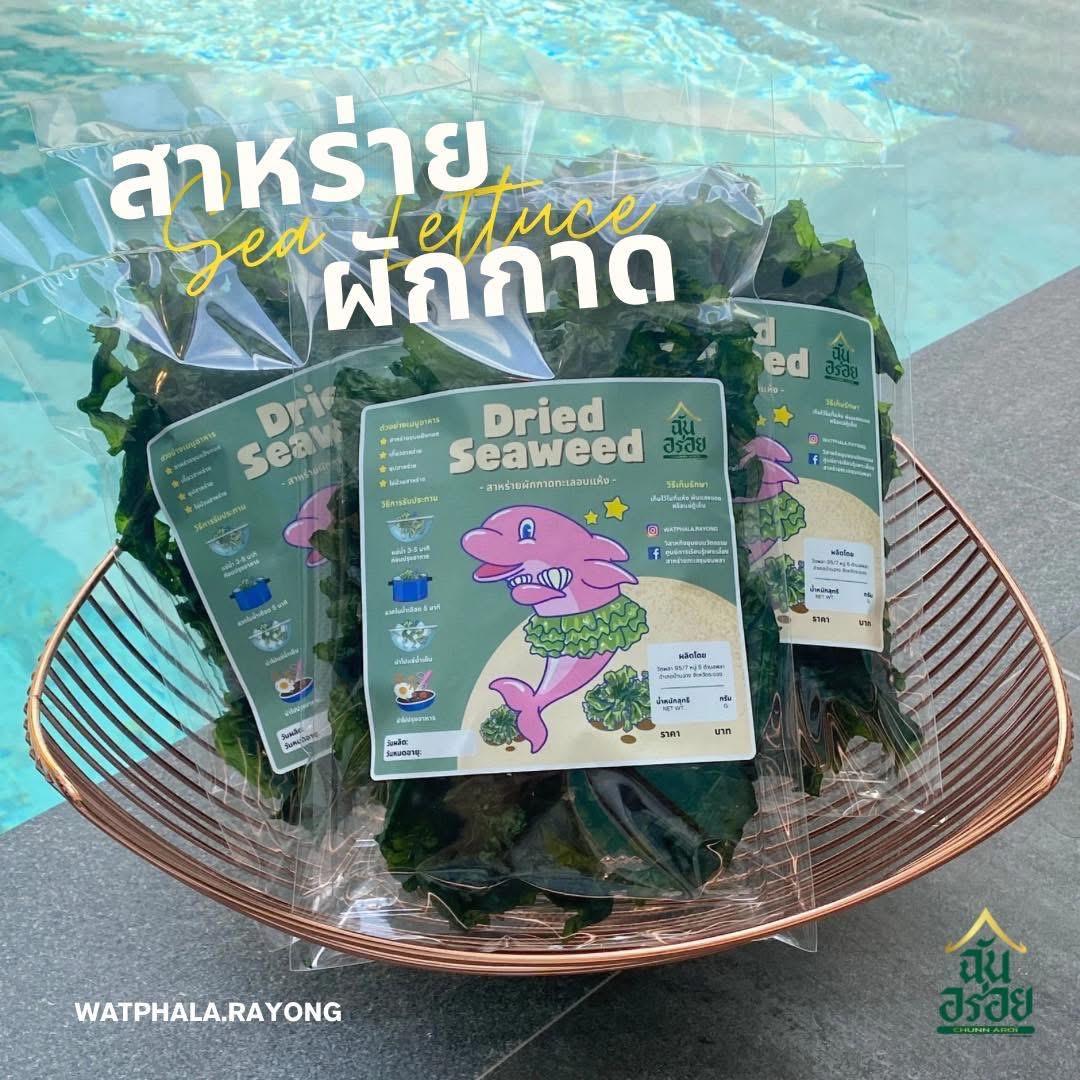
Thammasat has implemented the “Thammasat Model,” a collaborative mechanism with partners, particularly the PTT Group and the Friends of the Community Association, to enhance the capacity of the Sukhada Beach Small-Scale Fishery Community Enterprise and the Kao Yot Small-Scale Fishery Community Enterprise in Rayong Province. These initiatives focus on promoting sustainable livelihoods for small-scale fishers by improving their access to resources and markets. Key activities conducted in the area include:
- Product and Market Channel Enhancement
The TU Faculty of Commerce and Accountancy collaborated to upgrade the potential of the Sukhada Beach Small-Scale Fishery Community Enterprise, aiming for sustainable community economic development.
- Resource Conservation
The Kao Yot Small-Scale Fishery Community Enterprise participated in marine conservation projects, such as releasing aquatic animals and mangrove planting initiatives. These activities contribute to the sustainable management and protection of marine and coastal ecosystems.
Marine Research and Innovation for Health
TU also prioritizes the advancement of marine science and technology, which serves as the foundation for the sustainable use of resources. A prominent example is the Project for Academic Article Development and Conference: Academic Service Article on Blue Spirulina, a Powerful Food Source from the Sea by the Faculty of Pharmaceutical Sciences. This article focuses on researching and disseminating knowledge about Blue Spirulina, a marine resource with high potential for development into health supplements. This effort demonstrates the university’s investment in research to promote ocean health and the sustainable utilization of marine biological resources for human benefit.