
SDG 11 in Numbers
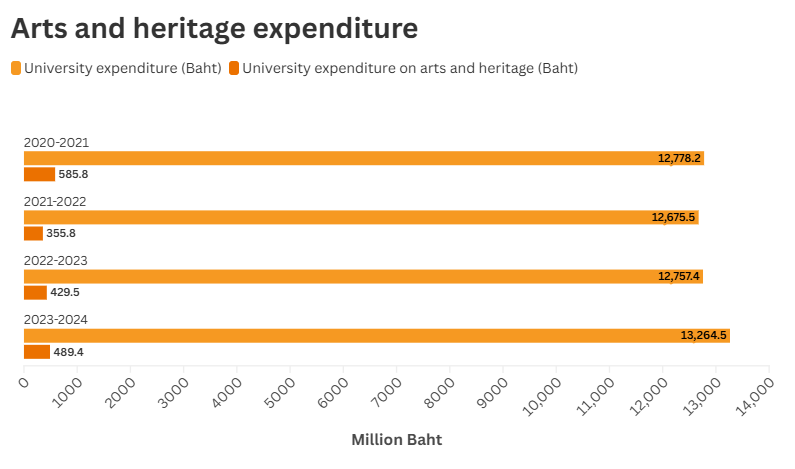
This vertical bar graph illustrates the university expenditure on arts and heritage (Million Baht) from 2020-2021 to 2023-2024. The expenditure exhibited a volatile trend, beginning at 585.8 Million Baht in 2020-2021. The largest change was an initial sharp reduction to 355.8 Million Baht in 2021-2022. Following this significant drop, the expenditure showed a recovery, increasing steadily in the subsequent two years, rising to 429.5 Million Baht in 2022-2023, and concluding at 489.4 Million Baht in 2023-2024.
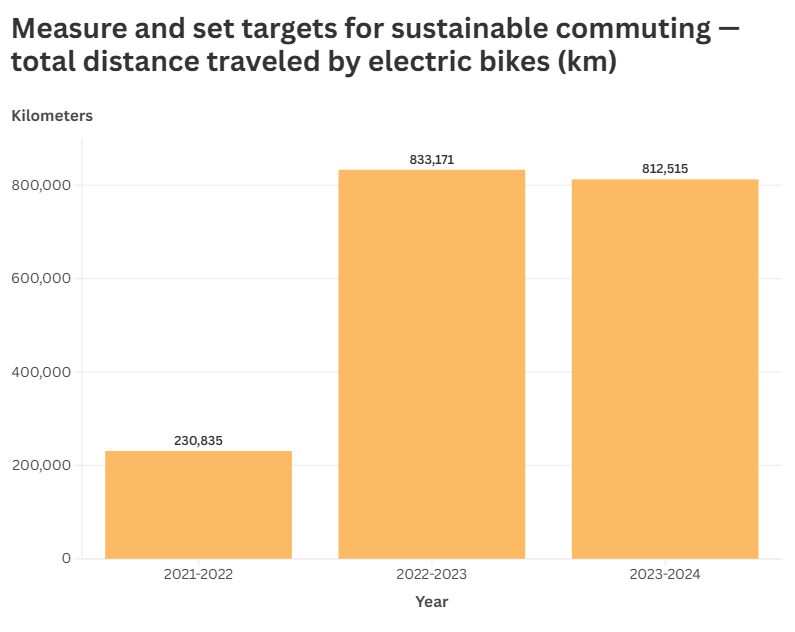
This bar chart details the total distance traveled by electric bikes (km), which contributes to Thammasat’s commitment to reducing fossil fuel use by promoting sustainable commuting. The distance surged from 230,835 km in 2021-2022 to a peak of 833,171 km in 2022-2023, representing a 261% rise. Overall, the accumulated distance of 812,515 km in 2023-2024 confirms the university’s active effort, achieving an over 250% increase from the starting period.
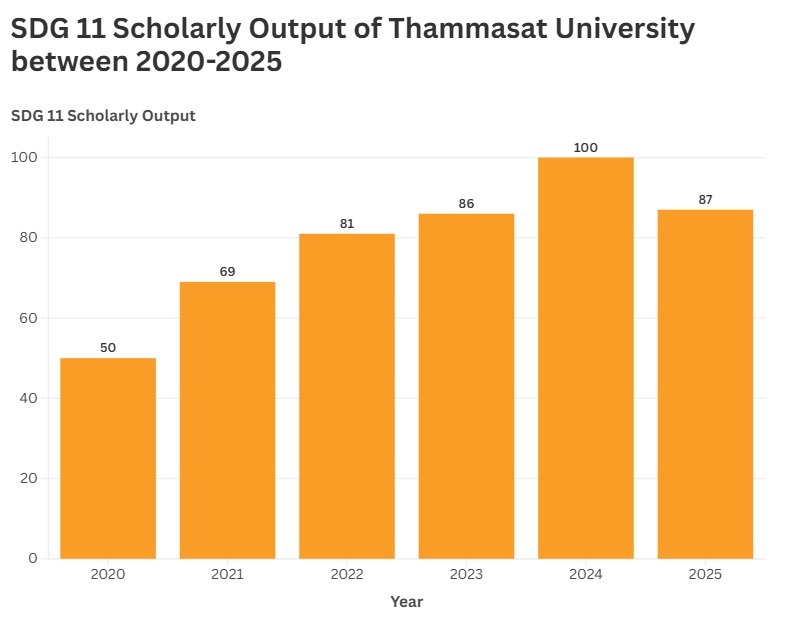
This vertical bar graph illustrates the SDG 11 Scholarly Output of Thammasat University from 2020 to 2025. The output shows a strong growth trend starting at 50 in 2020 and peaking significantly at 100 in 2024. This increase between 2020 and 2024 marks a 100% rise in scholarly activity. After the peak, the data indicates a reduction, with the output dropping to 87 in 2025. Overall, the initial period reflects robust growth in SDG 11 contributions.
Research in SDG 11
Based on an analysis of 525 publications from 2020 to 2024, Thammasat University has established a comprehensive research agenda addressing SDG 11. The university’s work provides a critical evidence base for creating inclusive, resilient, and sustainable urban environments, with a strong focus on the challenges facing Thailand and the broader Southeast Asian region. The research is organized around several key pillars:
- Urban Planning, Governance, and Smart Cities: A significant portion of the research focuses on the foundational principles of urban planning and governance. This includes studies on managing urban sprawl, particularly in Bangkok, and advancing the “smart city” concept by integrating technology to enhance sustainability and well-being. This work is complemented by research into transit-oriented development (TOD) to create more walkable and accessible communities.
- Environmental Management and Climate Resilience: This core theme addresses the environmental pressures of urbanization. Research is concentrated on pollution control, with studies quantifying air pollution from traffic (PM2.5), assessing water quality and microplastic contamination, and developing sustainable municipal solid waste management strategies, including waste-to-energy systems. A closely related pillar focuses on Climate Resilience and Disaster Risk Management. Given the regional context, this includes extensive research on flood management and forecasting, the urban heat island effect, seismic hazards, and the application of Nature-Based Solutions to build urban resilience.
- Sustainable Mobility and Social Equity: The university also conducts extensive research on Sustainable Transportation and Mobility, analyzing commuter behavior, optimizing transport infrastructure, and exploring the integration of emerging technologies like electric and autonomous vehicles. This is linked to a human-centered approach focused on Health, Well-being, and Social Equity, which examines the public health impacts of urban design and advocates for inclusive planning that addresses the needs of vulnerable groups, including women, older adults, and people with disabilities.
Synthesis and Impact
Across all themes, the research portfolio is characterized by its deep engagement with the specific challenges of the Bangkok Metropolitan Region and other Thai cities. This applied focus is amplified by robust collaborative networks with both domestic and international institutions. By leveraging data-driven solutions and technological innovation, Thammasat University’s research provides essential insights for policymakers, positioning it as a key partner in building a sustainable urban future for Thailand and beyond.
Outreach and Academic Services in SDG 11
In 2024, Thammasat University demonstrated a comprehensive and deep-seated commitment to SDG 11 through a focused portfolio of over 180 academic and social service initiatives. These wide-ranging efforts underscore the university’s role as a key partner in national development, addressing the multifaceted challenges of urbanization and community life through direct, tangible action. The activities can be broadly categorized into four interconnected clusters:
- Preserving Cultural Heritage and Strengthening Community Identity (approx. 65 activities)
A primary focus was dedicated to safeguarding Thailand’s rich cultural and natural heritage. Numerous faculties and institutes, including Sociology and Anthropology, Fine and Applied Arts, and the Thai Khadi Research Institute, led projects on this front. Initiatives included the digital documentation and promotion of intangible heritage such as the Songkran festival, developing community-based museums, preserving traditional arts and crafts, and facilitating cross-cultural exchanges. These activities aimed to strengthen community identity and ensure that cultural assets are preserved for future generations. - Fostering Community Development and Economic Resilience (approx. 70 activities)
The university was heavily invested in empowering local communities. A significant thrust, particularly from the Faculty of Commerce and Accountancy, involved providing consultancy and support to over 25 local community enterprises (วิสาหกิจชุมชน), ranging from organic agriculture and eco-tourism to local handicrafts. This was complemented by extensive training courses for community developers run by the Faculty of Social Administration, initiatives to establish community welfare funds, and programs promoting active citizenship, thereby equipping residents with the tools to drive their own sustainable economic growth. - Sustainable Urban Planning and Resilient Infrastructure (approx. 20 activities)
Addressing the physical and environmental aspects of urban life, faculties like Architecture and Planning, Engineering, and Public Health led critical initiatives. These included projects focused on improving road safety, developing disaster-resilient infrastructure (such as earthquake-resistant building design), creating sustainable urban transport solutions, and tackling environmental pollution through research on mitigating PM2.5 air quality issues and promoting effective community-based waste management systems. - Building Inclusive, Safe, and Healthy Communities (approx. 30 activities)
A cross-cutting theme was the creation of communities that are safe and inclusive for all residents. This involved numerous public health outreach programs, community first-aid and CPR training sessions led by the health science faculties, and projects by the Puey Ungphakorn School of Development Studies to empower the elderly, ensuring their active participation in urban life. These efforts collectively aimed to enhance the quality of life, safety, and well-being of all community members.
Featured Stories
Thammasat University continues to demonstrate its commitment to cultural preservation and community resilience through exhibitions, research, and inclusive development initiatives that connect heritage with sustainability.
Preserving Cultural Heritage and Knowledge
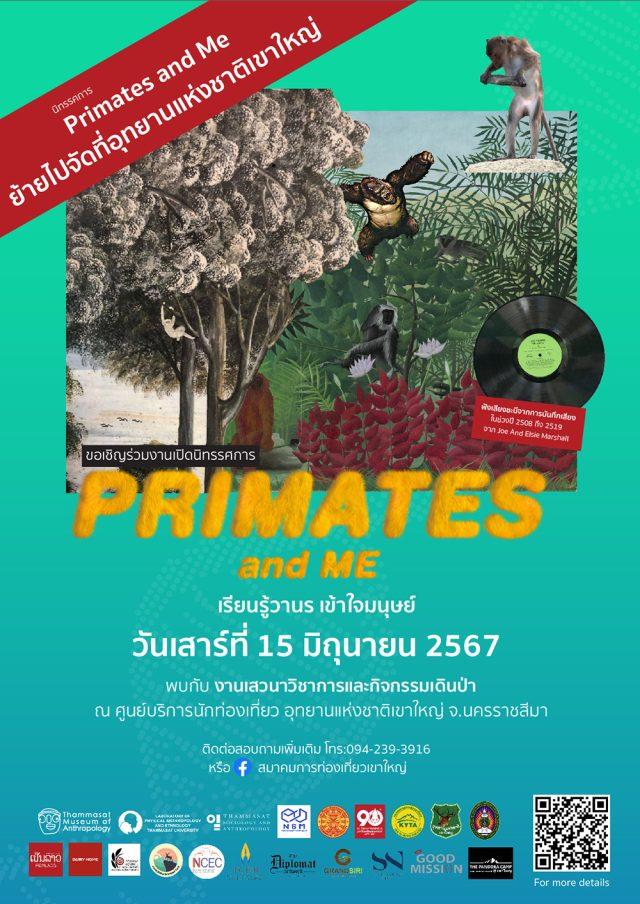
The Thammasat Museum of Anthropology serves as a key institution for preserving and promoting cultural heritage through exhibitions, academic events, and digital outreach. Its exhibitions highlight Thailand’s rich folk and national traditions, including “Primates and Me: Learning about Primates, Understanding Humans” at Khao Yai National Park, which fosters coexistence between humans and nature, and “Sumit Pitipat (1943-2024): Passing on and Inheriting Cultural Heritage,” which celebrates the legacy of cultural transmission. Visitors also engaged with the rotating exhibition “Dialogue Between Humans,” exploring human stories through artifacts displayed in open storage. Online exhibitions such as “The Royal Ploughing Ceremony” and “End of Buddhist Lent: Way of Life, Tradition” extend the museum’s educational reach to a global audience.
The museum further supports knowledge and language preservation through the 3rd National Academic Conference on Museums and Cultural Heritage, which emphasized Southeast Asian cultural studies and encouraged bilingual dialogue. Its research cluster, “Trade Routes and Cultural Heritage,” organized fieldwork, seminars, and workshops featuring international experts such as Professor Jonathan Mark Kenoyer under the Fulbright Specialist Program.
Building Local Resilience and Sustainable Support
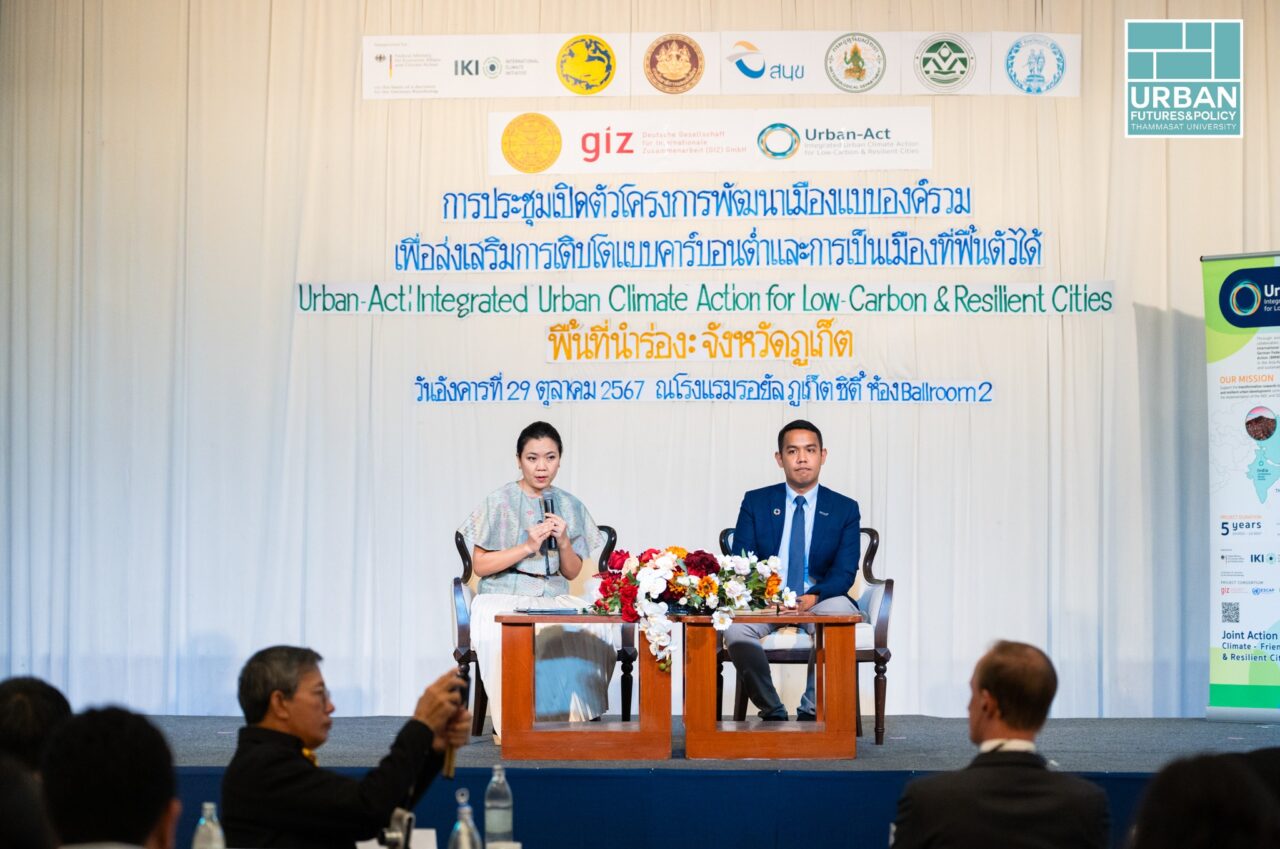
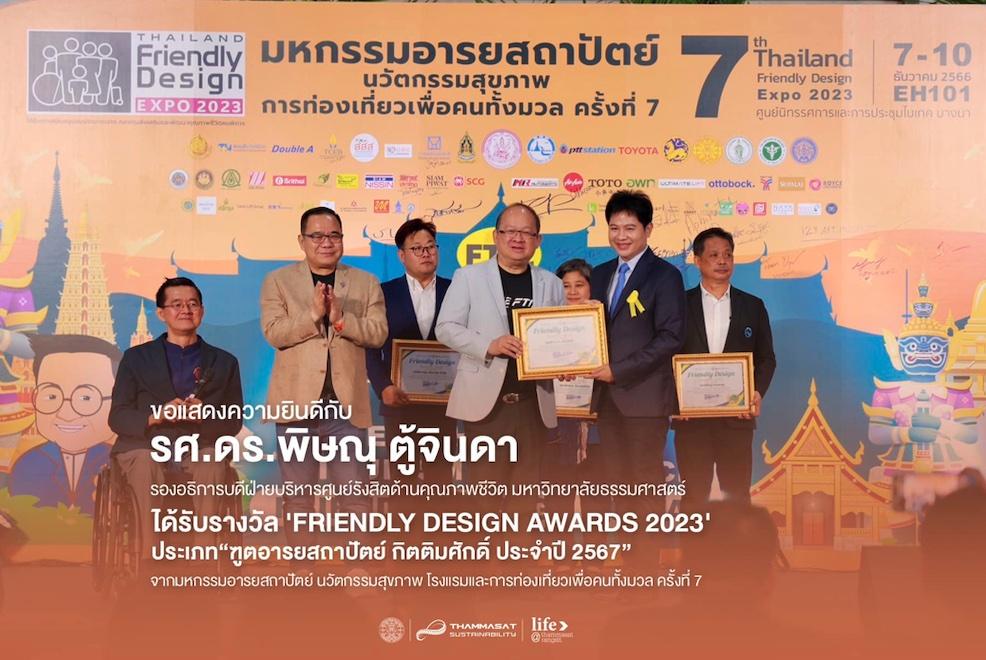
Beyond cultural preservation, Thammasat University actively contributes to sustainable urban development through the Thammasat Universal Design Center (UDC) and research collaborations with local authorities. The TU Research Unit in Urban Futures & Policy (UFP) leads the Urban-Act Project in Phuket, promoting low-carbon development and climate resilience, and conducted a feasibility study for the Urban Restoration Project in Bangkok’s Huai Khwang Community.
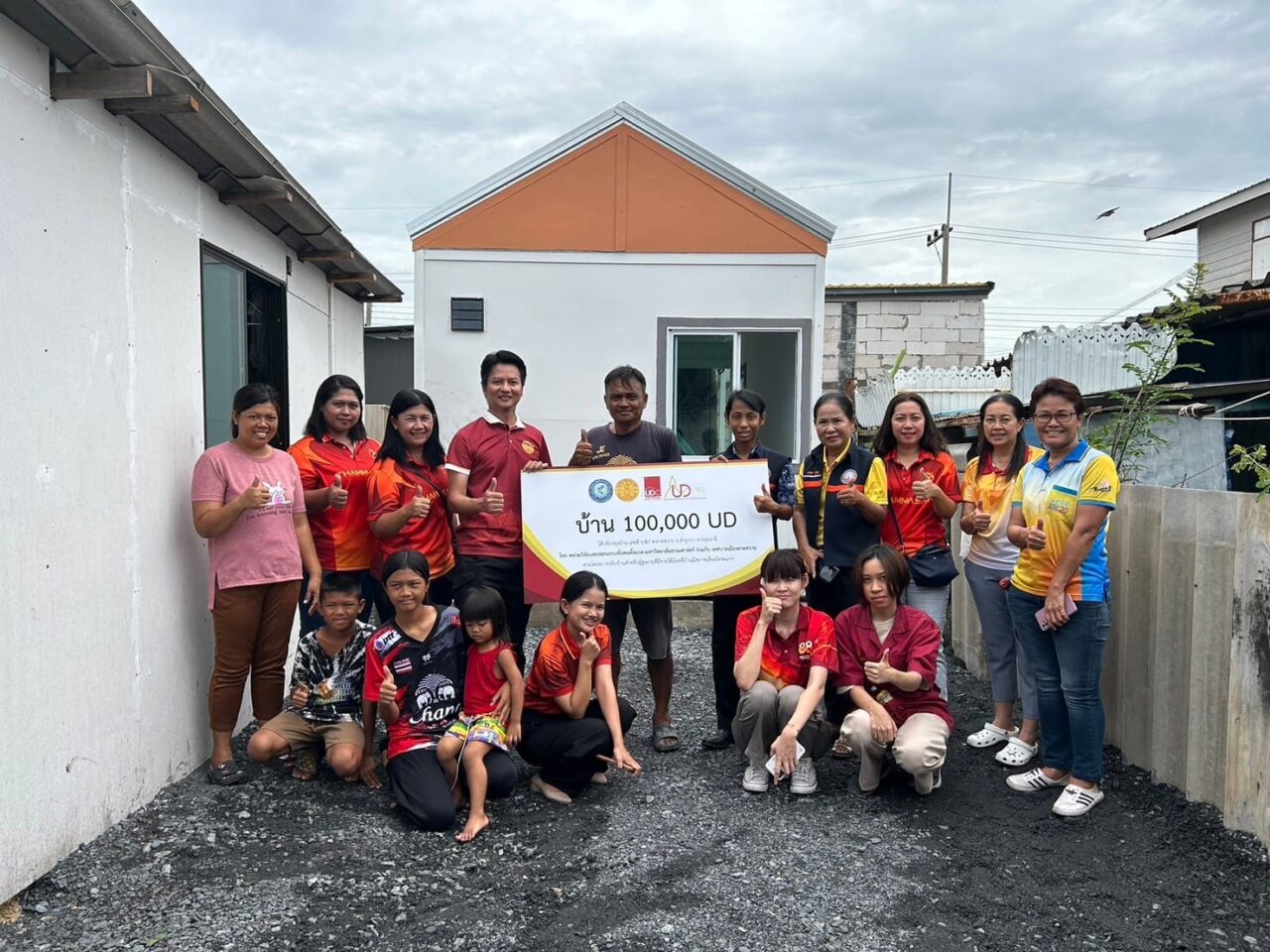
Thammasat also advances housing and social inclusion through the 100,000 Baht Universal Design Housing Project, providing affordable modular homes for vulnerable residents, and the Housing for All research exploring elderly daycare models in Pathum Thani. In partnership with the Department of Empowerment of Persons with Disabilities, UD-THAM trained caregivers and established a learning center in Prachinburi to support 60 persons with disabilities.
Through the Community Friends Association-Thammasat Model, the university has empowered 58 community enterprises since 2016, enhancing local economies through innovation, product development, and market expansion—strengthening the foundation for sustainable and inclusive communities.