SDG 10 in Numbers
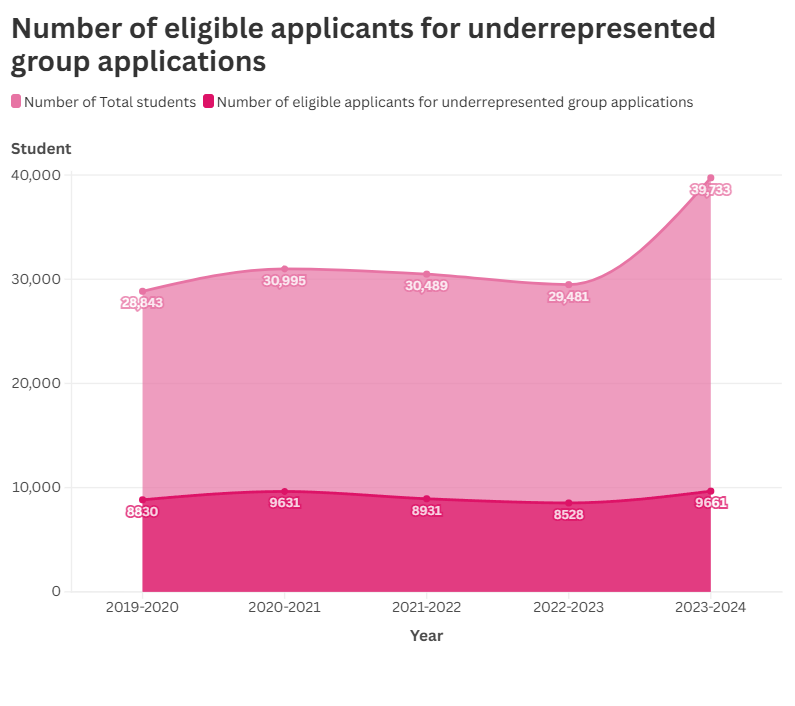
This stacked area chart illustrates the number of eligible applicants for underrepresented group applications. The overall application numbers show a clear upward trend, reaching a peak of 39,733. The eligible applicants from the underrepresented group (darker segment) rose from an initial value of 8,830 to a final value of 9,661. This constitutes a net increase of 131 applicants. The group previously dipped to a low of 8,528, resulting in a 13.3% increase from that trough to the final point
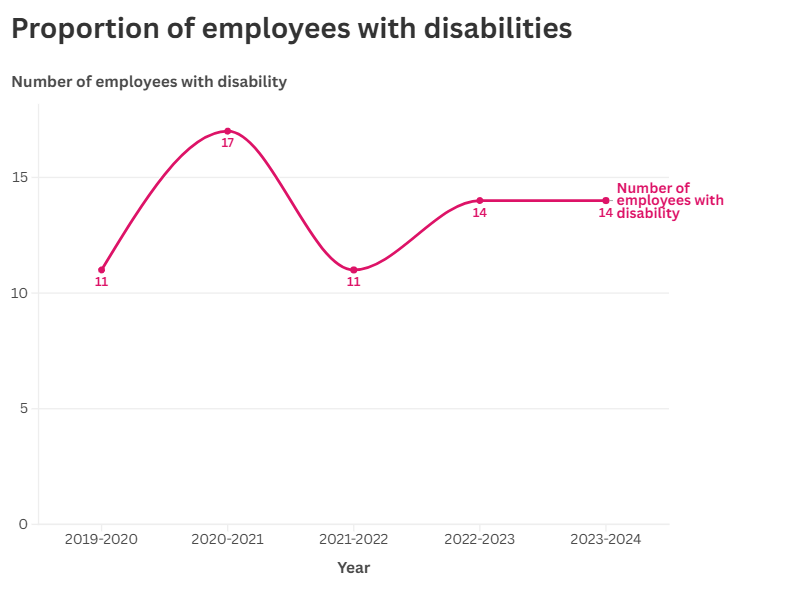
This line graph displays the volatile proportion of employees with disabilities. The number starts at 11, sharply peaking at 17, demonstrating a 54.5% increase from the initial figure. This high point is followed by a significant reduction, returning to 11, before recovering slightly to 14 employees. The overall trend is cyclical but shows a modest net increase of 3 employees from the starting figure of 11.
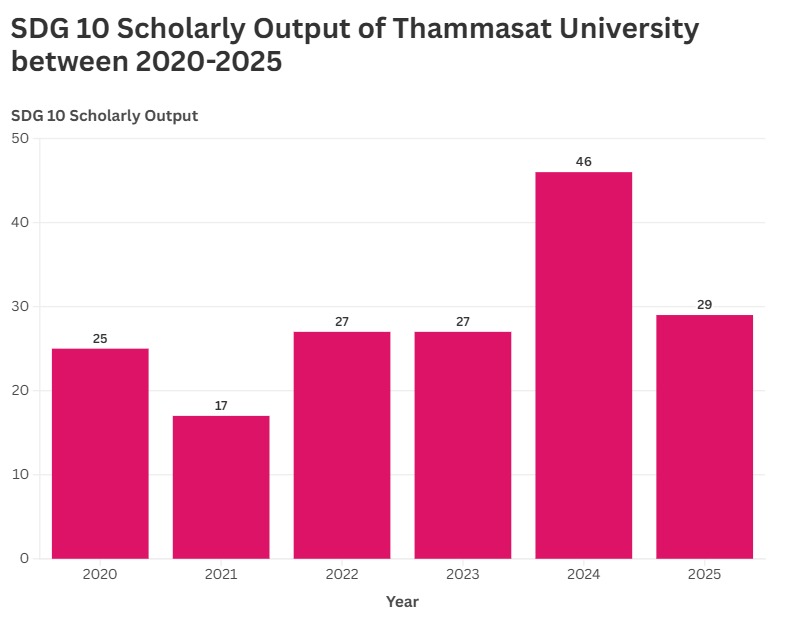
This bar chart displays the SDG 10 Scholarly Output of Thammasat University from 2020 to 2025, showing a volatile but generally positive trend. After an initial output of 25 in 2020, publications dipped to 17 in 2021. This was followed by a strong recovery and a significant surge, reaching a peak of 46 outputs in 2024. This peak represents a 170% increase from the 2021 low. The data projects a decline to 29 outputs in 2025, but the overall trend demonstrates a growing institutional focus on research related to reducing inequalities.
Research in SDG 10
Based on an analysis of 218 publications from 2020 to 2024, Thammasat University’s research on SDG 10 meticulously dissects the issue’s complex social, spatial, and political dimensions. This body of work is distinguished by its consistent and deep focus on vulnerable populations, with the university’s scholarship organized into several key, interconnected clusters that explore the systemic challenges these groups face and the structural forces that perpetuate inequality:
- Health Equity and Social Justice: A primary and substantial research area is Health Equity and Social Justice. This work moves beyond broad statistics to investigate the tangible disparities in healthcare access for marginalized groups like migrants, the elderly, and prisoners, who often face significant barriers to essential services. It examines the disproportionate and often severe impacts of health crises on these communities. This cluster is deeply intertwined with inequalities rooted in social identity, directly addressing the advancement of LGBT+ rights, the pervasive societal issue of gender-based violence, and the critical need for inclusive education. This research provides evidence-based pathways for transforming systems to better serve communities in remote border regions or those with disabilities, ensuring they are not left behind.
- Economic, Spatial, and Policy Dimensions: Another key focus is on Economic, Spatial, and Policy Dimensions. This research analyzes the foundational economic structures that drive inequality, such as the persistent gender wage gap and the influence of corporate governance on employee welfare and rights. The portfolio also investigates Urban and Spatial Disparities, exploring how inequality is physically produced and reinforced in cities. This includes a focus on inclusive city planning, the critical importance of accessibility for social participation by people with disabilities, and the enduring challenges of providing safe and adequate low-income housing. At a macro level, research on Governance and Policy evaluates the effectiveness of national social policies and explores the regional implications of disruptive financial technologies and complex international relations, connecting high-level frameworks to real-world outcomes.
Synthesis and Impact
Across all themes, the research consistently centers on the lived experiences of vulnerable populations, including migrants, women, LGBT+ communities, older adults, and people with disabilities. This dedicated focus ensures the work is grounded in real-world challenges. With a strong geographical concentration on Thailand and the broader ASEAN region, this extensive body of work provides a critical and nuanced evidence base for more equitable and effective policymaking. This ultimately positions Thammasat as a key regional knowledge hub, actively shaping academic discourse and informing policy aimed at reducing inequalities.
Outreach and Academic Services in SDG 10
In 2024, Thammasat University demonstrated a profound and expanded commitment to SDG 10, launching 10 pivotal academic and social service initiatives. Recognizing its historical and ongoing role in shaping a more inclusive Thailand, the university’s efforts were strategically designed to tackle inequality on multiple fronts. This dual strategy, which combines high-level advocacy for systemic legal change with grassroots support for marginalized populations, reflects a comprehensive approach to fostering a truly just and equitable society. The initiatives were organized into two deeply interconnected clusters:
- Legal Reform and Policy Advocacy for Structural Equality (approx. 3 initiatives)
A significant focus was placed on advocating for foundational legal reforms to dismantle long-standing structural inequality, particularly concerning LGBTQ+ rights and gender justice. The Puey Ungphakorn School of Development Studies and the Faculty of Law hosted crucial public seminars analyzing the landmark Marriage Equality Act, the Gender Equality Act, and their far-reaching implications for areas such as criminal law, civil rights, inheritance, and medical decision-making.
These high-level discussions served as vital platforms, bringing together leading academics, civil society activists, legal experts, and community representatives. The objective was not only to inform and shape public opinion but also to provide robust, evidence-based arguments to influence policymakers and government agencies. By acting as a catalyst for national dialogue, Thammasat championed the modernization of legal frameworks, working to ensure they guarantee the dignity, security, and rights of all individuals and addressing inequality at its very source. - Empowerment and Inclusion for Vulnerable & Marginalized Groups (approx. 7 initiatives)
Complementing this policy-level work, the university undertook a diverse range of projects aimed at the direct empowerment and meaningful inclusion of specific vulnerable populations. These initiatives moved beyond simple aid, focusing instead on building capacity and fostering self-advocacy. Key projects actively promoted disability rights and accessibility, such as producing high-quality audiobooks of significant cultural texts to democratize access to knowledge for the visually impaired, and collaborating with museums to adapt exhibitions to be fully accessible with tactile displays and multi-sensory elements.
Other projects addressed the complex and intersecting socio-economic and environmental challenges faced by ethnic minorities and remote communities, particularly those in border regions who are disproportionately affected by climate change and face issues of land rights and cultural preservation. Through dedicated seminars on “breaking down marginalization” and practical workshops aimed at reducing educational disparities, the university actively worked to amplify historically silenced voices, challenge societal prejudices, and create tangible pathways for their full and meaningful participation in the economic, social, and political life of the nation.
Featured Stories
Developing Creative Media Guidelines for Gender Equality
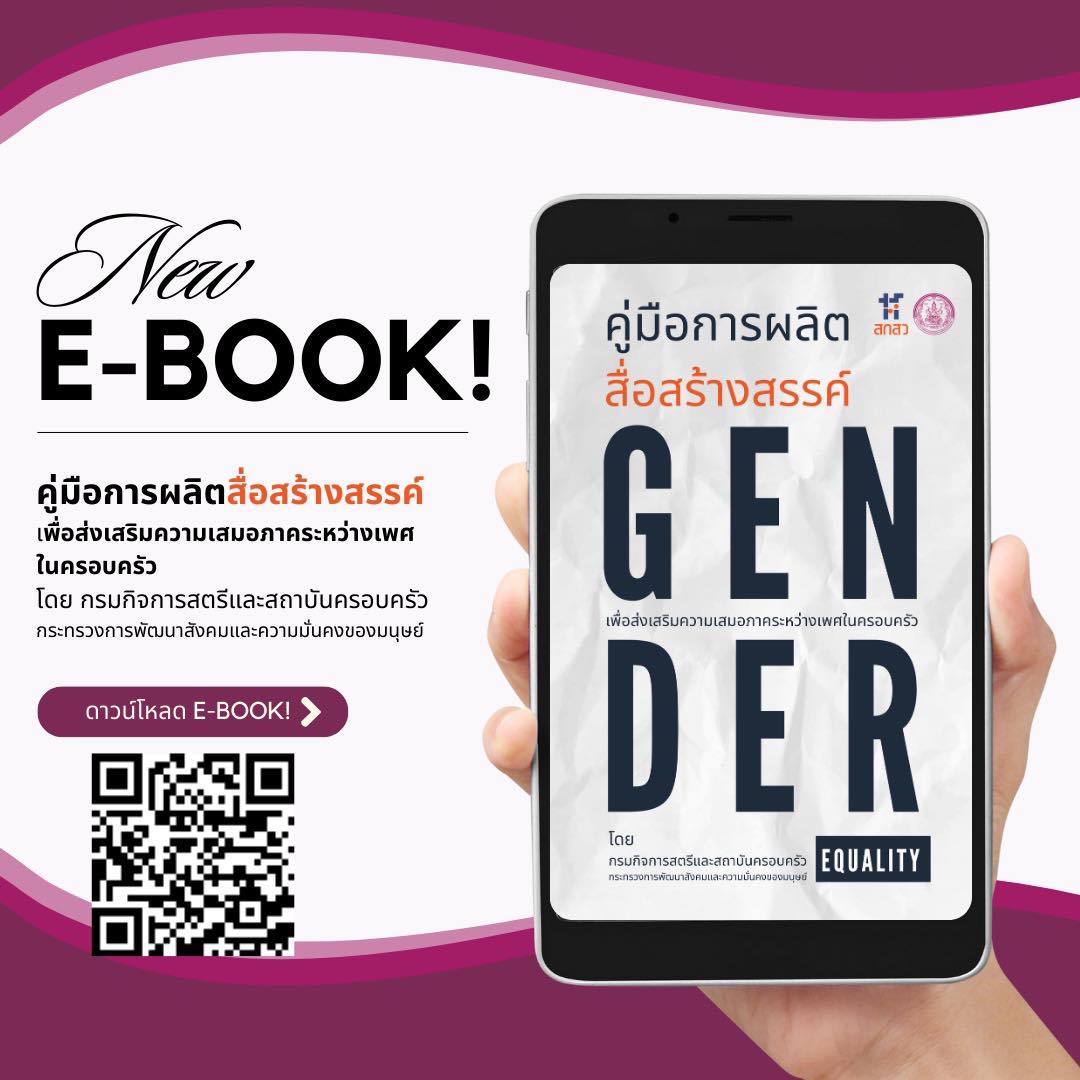
Thammasat University’s College of Interdisciplinary Studies, in collaboration with the Women, Gender and Sexuality Studies Program (WGSSP), developed and published the E-Book, “Creative Media Production Guide to Promote Gender Equality”. This guide resulted from research focused on advancing gender equality in Thai society. It serves as a practical tool for building understanding of gender equality within families and provides methods for creating high-quality media that respects gender diversity. The proper use of this creative media aims to reduce gender stereotyping, foster social acceptance, and drive positive societal change towards sustainable gender equality. The College affirms its commitment to working towards an inclusive society and gender equality.
Inter-institutional Collaboration in Advanced Medical Education through Clinical Sexology and Sexual Medicine Programs
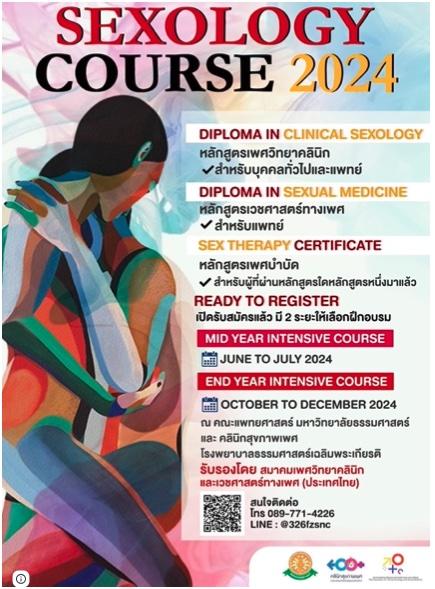
The Faculty of Medicine at Thammasat University, in collaboration with the Sexual Health Clinic and the Thai Association of Clinical Sexology and Sexual Medicine (TACS), provides specialized educational programs. These advanced offerings for 2024 include Clinical Sexology, Sexual Medicine, and the Advanced Course for Sex Therapy Certificate.
The Clinical Sexology course is open to applicants with a Bachelor’s degree in any field. The higher-level courses require applicants to have already completed the Diploma in Clinical Sexology or Sexual Medicine, or to be studying for them concurrently. By offering these specialized fields, Thammasat contributes to developing expertise necessary to address complex sexual health issues and support diverse needs.
Promoting Inclusive Higher Education
Thammasat University hosted a training program, in partnership with MHESI, focused on promoting the potential development of students with disabilities in higher education, involving 31 institutions. Committed to being a “People University,” TU seeks to create educational equality for all groups in society. The project’s goal is to develop essential skills for learning, living, and working, ensuring students with disabilities become high-quality graduates. TU prioritizes these students’ development through training supervised by the Disability Student Services Center. Workshops covered topics such as ‘Skill Development through Music Therapy Activities,’ ‘Ikigai,’ and ‘Promoting the Well-being of Students with Disabilities’