SDG 3 Ensure Healthy Lives and Promote Well-Being for All at All Ages

SDG 3 in Numbers

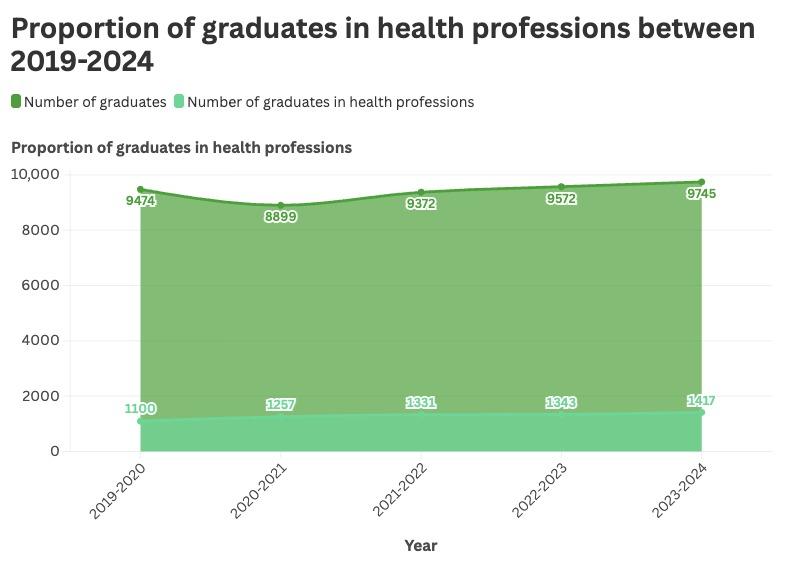
This graph illustrates the proportion of graduates in health professions between 2019 and 2024. The number of graduates in health-related fields increased from 1,100 in 2019-2020 to 1,417 in 2023-2024, reflecting a growth of approximately 29%. Although total graduates fluctuated slightly, the upward trend in health professions suggests sustained institutional investment in medical and health sciences education, potentially influenced by heightened demand for healthcare professionals following the COVID-19 pandemic.
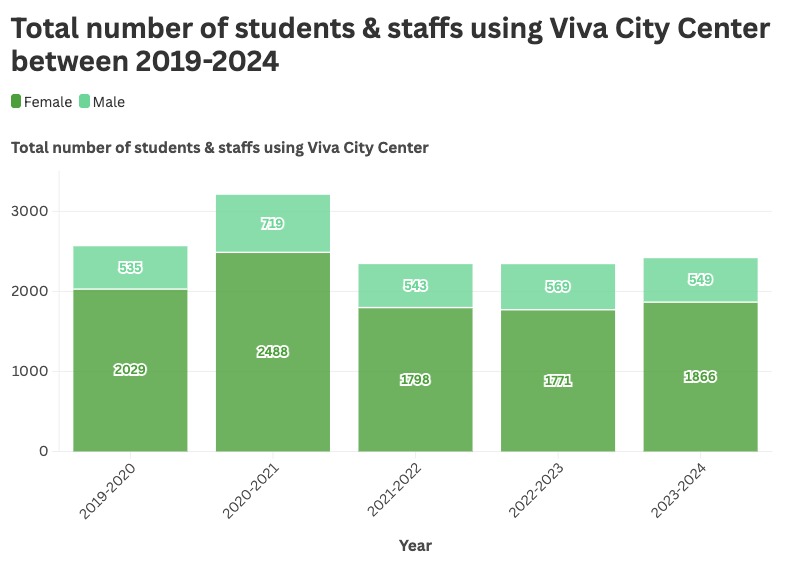
The stacked bar chart presents the total number of students and staff using the Viva City Center from 2019 to 2024. Usage rose from 2,564 in 2019-2020 to a peak of 3,207 in 2020-2021, marking a 25% increase, before gradually declining to 2,415 in 2023-2024. The initial growth likely reflects increased engagement in wellness and activity programs, while the subsequent decline may be attributed to pandemic restrictions and shifts toward remote or hybrid learning models.
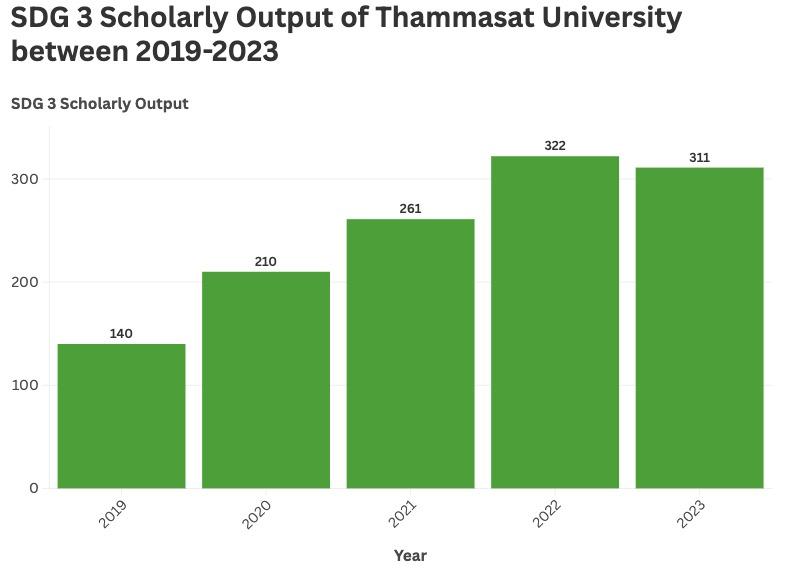
The bar chart highlights Thammasat University’s SDG 3 scholarly output between 2019 and 2023, showing significant growth in health-related research. Publications rose from 140 in 2019 to 311 in 2023, representing a 122% increase. The peak in 2022, with 322 outputs, underscores the university’s strong research emphasis on public health and well-being during and after the pandemic, while the slight decline in 2023 may relate to project transitions and publication review timelines.


Research in SDG 3

From 2020 to 2024, Thammasat University produced a vast and impactful body of research addressing SDG3. This work is drawn from a comprehensive analysis of 2,163 university publications on the topic. The university’s extensive contributions are defined by several key thematic clusters that highlight its strengths in tackling both immediate and long-term health challenges:

  1. Major Disease Response Pandemic and Chronic Illnesses: A dominant research theme is the comprehensive response to major diseases. This is highlighted by a substantial focus on the COVID-19 pandemic, with research spanning public health policy, vaccine effectiveness, clinical studies, and the broad socio-economic impacts of the crisis. Alongside this rapid pandemic response, the university maintains a robust research program targeting other globally significant diseases. This includes work on infectious diseases prevalent in the region like dengue and tuberculosis, major non-communicable diseases such as diabetes and kidney disease, and an extensive portfolio of cancer research covering diagnostics and novel treatments.
  2. Innovations in Health Technology and Therapeutics: A second major cluster focuses on technological and therapeutic innovation. There is a strong emphasis on applying advanced technologies like Artificial Intelligence (Al) and machine learning for improved diagnostics, disease prediction, and personalized medicine, particularly in oncology. This is complemented by research in pharmacology and therapeutic development, which explores both cutting-edge nanomedicine for enhanced drug delivery and the potential of natural products derived from traditional Thai medicine.
  3. Environmental Health and Pollution: The third key area is Environmental Health, which investigates the critical link between environmental factors and human well-being. Research in this cluster addresses the pressing health impacts of pollution, including the contamination of major water systems like the Chao Phraya River with microplastics and heavy metals, and the effects of traffic-related air pollution on vulnerable populations, such as students.

Synthesis and Impact

Across these themes, Thammasat’s research demonstrates a multi-scalar approach, addressing health challenges from local Thai communities to large-scale global collaborations. A defining characteristic is the consistent focus on specific and vulnerable populations, including children exposed to e-waste, marginalized communities, and patients with chronic conditions. This impactful work is supported by extensive national and international collaborative networks, cementing the university’s role as a key contributor to advancing global health.


Outreach and Academic Services in SDG 3

In early 2024, Thammasat University showcased a strong commitment to SDG 3 with 143 academic services and community outreach programs. Leveraging expertise across diverse faculties, the university aimed to enhance public health, promote well-being for all ages, and strengthen the healthcare ecosystem. The initiatives are organized into four key clusters:

  1. Comprehensive Community Health Services and Disease Prevention (approx. 30 initiatives)
    The university provided extensive clinical care and health promotion, including seasonal influenza vaccinations, mobile health check-ups, home visits, and public education on disease prevention. The Faculty of Medicine offered pulmonary function tests, while the Faculty of Dentistry provided free dental services via its royally-sponsored unit. These efforts focused on both preventive and direct treatment for a wide range of community members.
  2. Promoting Healthy Aging and Lifelong Well-being (approx. 26 initiatives)
    A significant focus was placed on Thailand’s aging population. The “Thammasat School for the Elderly” served as a central hub, offering courses on quality of life, dementia prevention, and digital literacy. These programs were complemented by initiatives on integrative medicine for seniors and projects empowering them to become agents of change in their cities.
  3. Specialized Care for Vulnerable Populations (approx. 18 initiatives)
    Recognizing that effective poverty reduction requires skilled administrators, the Faculty of Social Administration delivered several specialized training programs for local government officials. These courses, such as the “Social Welfare Administrator” program and “Administration of Education and Social Welfare” for local organizations, were designed to enhance the capabilities of local leaders in managing and implementing effective social welfare and educational services. By strengthening the administrative capacity at the local level, Thammasat University is helping to ensure that poverty alleviation efforts are efficient, impactful, and reach those most in need.
  4. Advancing Healthcare Capacity and Professional Development (approx. 69 initiatives)
    Strengthening the healthcare system was a core objective, achieved through extensive training and academic programs. The health science faculties offered numerous specialized courses and workshops for professionals on topics from physical therapy to rational drug use. The university also fostered innovation through healthcare entrepreneurship, ensuring Thailand’s healthcare workforce remains at the forefront of medical advancement.

Collectively, these initiatives underscore Thammasat University’s holistic approach to advancing good health and well-being, addressing immediate health needs while building a more resilient and equitable healthcare future.


Featured Stories

Advancing Global, National, and Local Health Collaborations

In 2024, Thammasat University strengthened its leadership in health promotion through dynamic collaborations that advanced education, research, and community well-being.

Global Partnerships

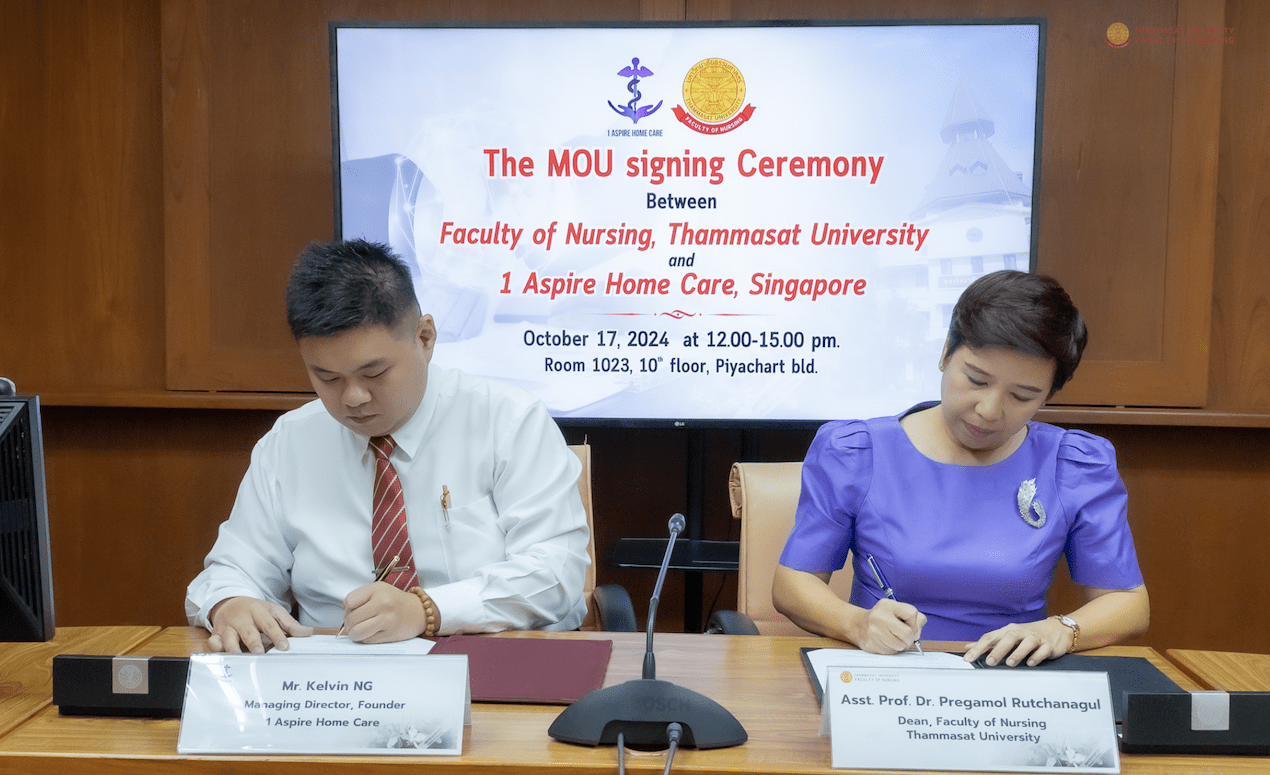
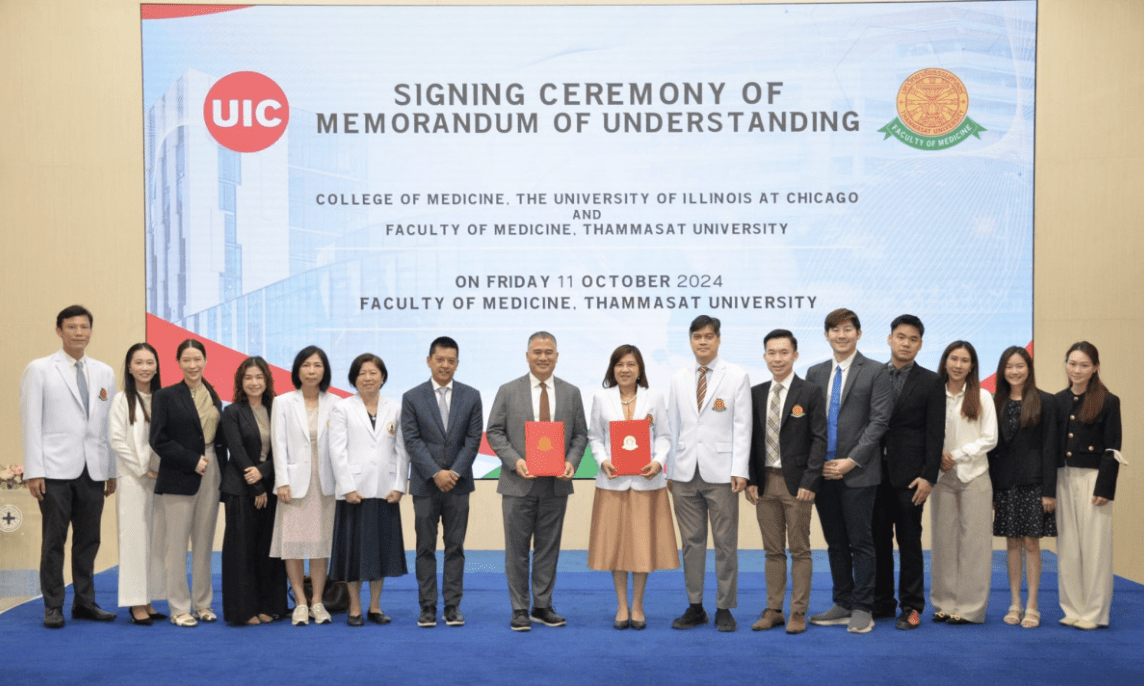
The university expanded international health networks across multiple faculties. The Faculty of Medicine signed MOUs with Cambodia’s National Pediatric Hospital and Preah Ang Duong Hospital to enhance maternal and child nutrition. The Faculty of Pharmacy partnered with Japan’s University of Toyamafor pharmaceutical research, while the Faculty of Nursing collaborated with Takasaki University of Health and Welfare, Juntendo University, Sinclair School of Nursing (USA), and 1 Aspire Home Care (Singapore). The Faculty of Dentistry advanced innovation through partnerships with Osaka University Dental Hospital, Mahasaraswati Denpasar University, and Dr. D.Y. Patil Dental College & Hospital.
National Initiatives

Thammasat collaborated with the Ministry of Public Health and national agencies to strengthen healthcare education and innovation. The Faculty of Medicine’s Clinical Research Center conducted training on research and medical device standards. The Faculty of Public Health joined the EU-funded THE-GLOW Project and partnered with Vipharam Hospital Group to promote SD-linked education. Other faculties worked with BDMS, DKSH, and the Dental Innovation Foundation to advance digital health and healthcare capacity.
Community Engagement

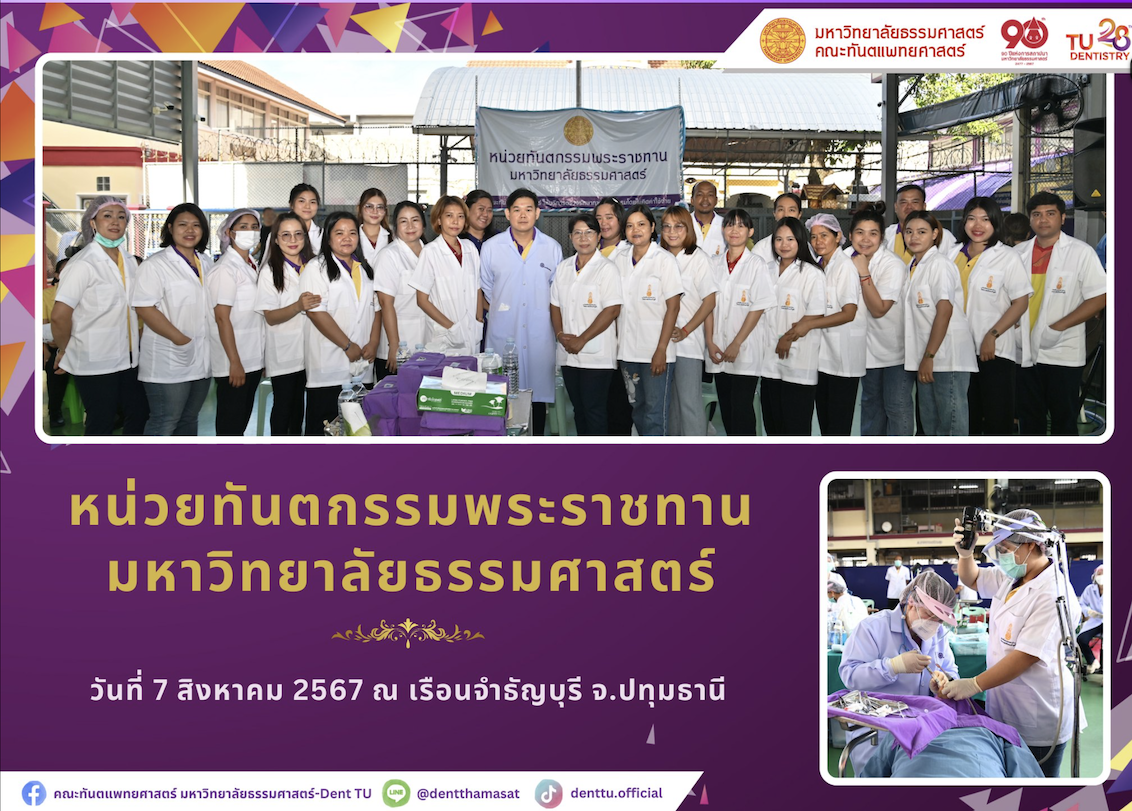
Locally, Thammasat partnered with Khlong Luang and Lad Sawai Municipalities and the Saraburi Provincial Administrative Organization to promote elderly health, preventive care, and community empowerment. The Royal Mobile Dental Unit, established under royal permission in 1999, continues to provide free dental services across Pathum Thani and remote provinces, reaching vulnerable populations with preventive care.

Mobile and Educational Outreach

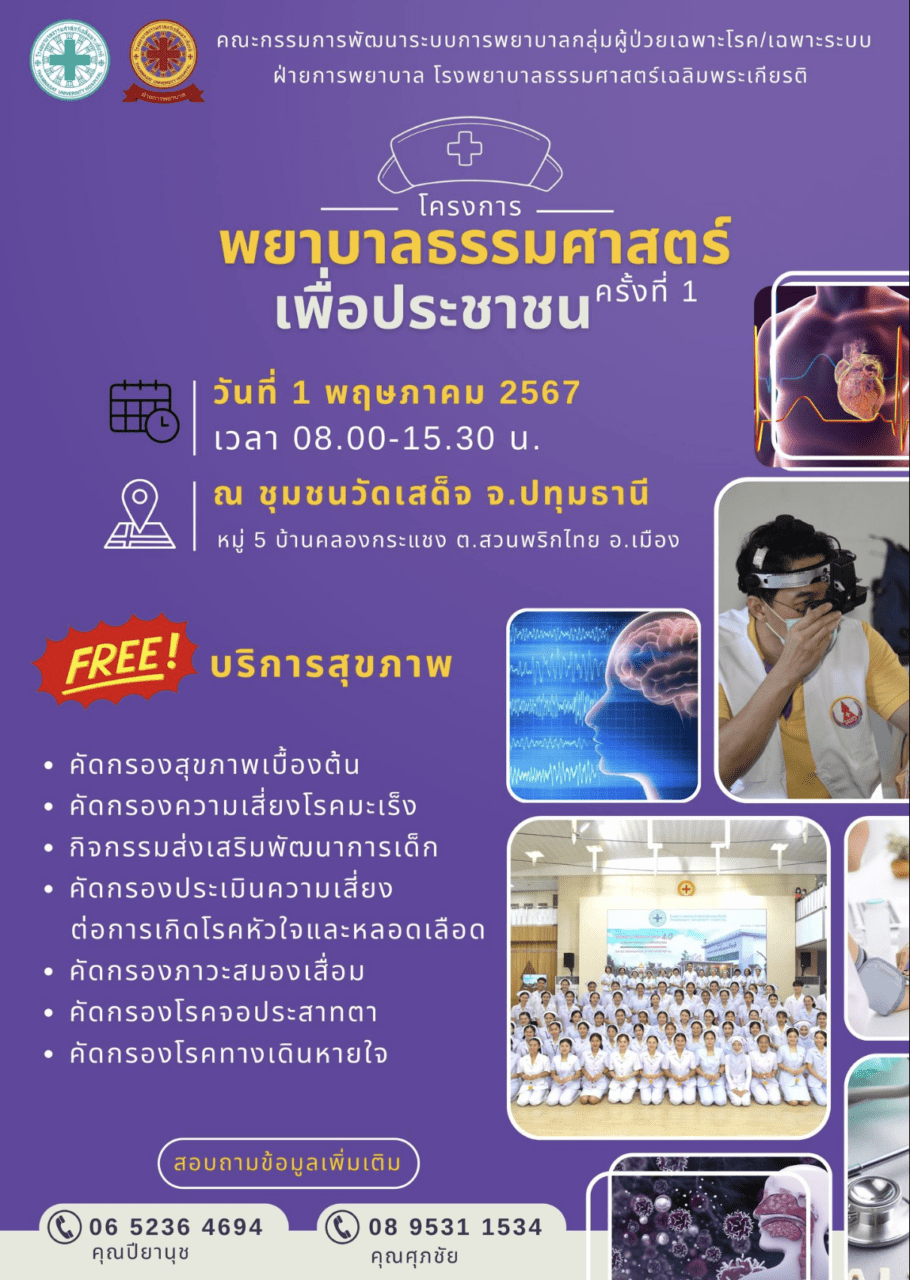
Thammasat’s Mobile Medical Units offer screenings, vaccinations, and wellness education across communities and workplaces. Health faculties also conduct extensive outreach—such as elderly care training, oral health education, and the “Empowering Bodies, Strengthening Minds” project—promoting preventive health and experiential learning. Collectively, these outreach projects reflect Thammasat University’s enduring commitment to community health promotion, experiential learning, and sustainable social impact.

SDG 2 End Hunger, Achieve Food Security and Improved Nutrition and Promote Sustainable Agriculture

SDG 2 in Numbers

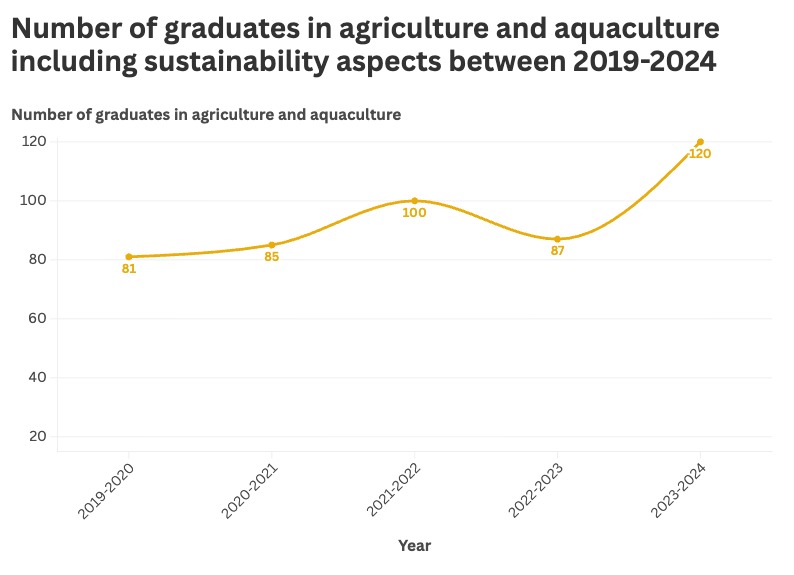
The line chart presents the trend in the number of graduates in agriculture and aquaculture, including sustainability aspects, from 2019 to 2024. Overall, the number increased from 81 in 2019-2020 to 120 in 2023-2024, marking a growth of approximately 48%. Despite a temporary decline of 13% in 2022-2023, this upward trend suggests enhanced institutional focus on sustainable agricultural education, curriculum development, and growing student interest in sustainability-driven disciplines

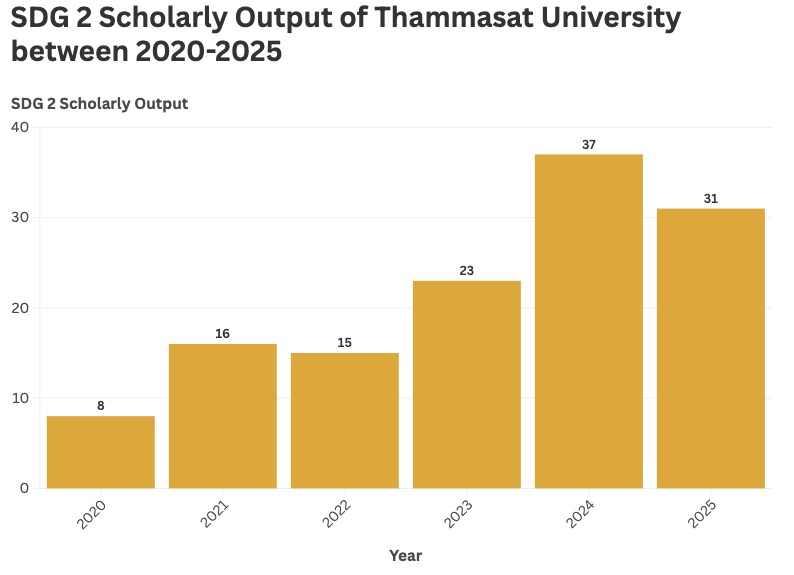
The chart illustrates Thammasat University’s SDG 2 scholarly output from 2020 to 2025, showing a strong upward trend overall. Research publications increased from 8 in 2020 to 31 in 2025, representing an overall growth of approximately 288%. The notable surge in 2024, reaching 37 outputs, reflects intensified institutional emphasis on food security and sustainable agriculture research. The slight decline in 2025 may be attributed to research project transitions and publication delays following the previous year’s peak.


Research in SDG 2

Based on an analysis of 136 publications from 2020 to 2024, Thammasat University has established a comprehensive research program dedicated to SDG 2. The university’s contributions are organized around five core thematic clusters that address the challenge of food security from multiple angles:

  1. Climate Resilience and Environmental Sustainability: A major research area focuses on the intersection of climate change and food security. This includes studying the impacts of environmental shocks and land-use change on agriculture, assessing the climate vulnerability of key regions like Thailand’s coastal provinces, and investigating ecological threats to food sources. The primary goal is to develop strategies that build resilience against climate-related risks.
  2. Agricultural Innovation and Smart Farming: The university is a leader in research on agricultural innovation and “smart farming“. Studies in this area explore the adoption of digital technologies to enhance productivity and sustainability. This work includes practical applications such as using high-resolution satellite data for improved land management and developing accessible Al-powered tools for farmers.
  3. Food Safety, Security, and Public Health: This theme addresses food safety and its direct impact on public health. Research covers two main areas: first, the investigation and mitigation of food contaminants such as mycotoxins, pesticides, and microplastics ; and second, the examination of nutritional challenges, from undernutrition in vulnerable groups like adolescents to the food security of older adults.
  4. Socio-Economic Dimensions of the Agri-Food System: Recognizing the human element of food security, this research examines the socio-economic dimensions of agriculture. It includes studies on the resilience and efficiency of food supply chains (especially for the urban poor), the role of social enterprises in creating inclusive value chains, and fundamental economic challenges such as agricultural land management.
  5. Sustainable Practices and Alternative Bio-resources: The fifth cluster centers on promoting sustainability and a circular economy. This research advances environmentally friendly practices like organic farming and explores innovative uses for biological materials. Key examples include developing methods to convert food waste into energy and researching alternative proteins as sustainable future food sources.

Synthesis and Impact

Overall, Thammasat’s research demonstrates a multi-scalar approach, with a strong focus on challenges within Thailand, while also addressing regional issues across Asia and contributing to global food security dialogues. The work consistently centers on key stakeholders, from smallholder farmers to vulnerable urban and rural populations. This extensive research portfolio is strengthened by a vast network of both domestic and international collaborators, positioning the university as a vital contributor to achieving a food-secure future.


Outreach and Academic Services in SDG 2

In early 2024, Thammasat University addressed the challenges of SDG 2 by deploying 27 academic and social service initiatives. These efforts focused on promoting sustainable agriculture, enhancing food security, nutrition, and strengthening the entire food value chain. The university’s contributions can be consolidated into three strategic clusters:

  1. Fostering Sustainable Agriculture and Empowering Farming Communities (13 initiatives)
    The university’s work directly supported agricultural producers to boost their sustainability and economic viability. The Thammasat Business School mentored numerous community enterprises, including organic farms, cocoa processing, innovative seaweed aquaculture, and agrotourism ventures. Complementing this, the Office of Advanced Science and Technology provided crucial financial planning and debt restructuring workshops for the Wang Nam Yen Dairy Cooperative. Further technical training was offered by the Faculty of Science and Technology on tropical fruit production (e.g., “Durian 101”), while the Chulabhorn International College of Medicine conducted training on Good Agricultural Practices (GAP) certification for medicinal herbs, ensuring higher standards and market access for farmers.
  2. Innovating the Food Value Chain and Agro-Industry (5 initiatives)
    Thammasat University also focused on improving the efficiency and value of the post-harvest sector. The Faculty of Engineering led activities to develop advanced production technologies suitable for the agro-processing industry. In a unique social outreach effort, the Institute for Continuing Education and Human Resources provided vocational training to prison inmates on value-added processing of agricultural goods, equipping them with valuable skills. The university also fostered innovation by promoting novel food sources, exemplified by the Faculty of Pharmacy’s academic article on “Blue Spirulina” as a powerful marine food source, and by supporting intellectual property through workshops on patent registration for food-related inventions.
  3. Advancing Food Security, Safety, and Cultural Dialogue (9 initiatives)
    Addressing the broader dimensions of food security, several faculties engaged in critical discourse and legal advocacy. The Institute of East Asian Studies hosted seminars on the cultural and political dimensions of food in ASEAN and provided workshops on food science. The Faculty of Law conducted numerous seminars on consumer protection laws, advocating for the rights of consumers in the food system and discussing challenges faced by regional consumer organizations. These initiatives ensure that as food systems evolve, they remain safe, equitable, and accessible for all populations, including the most vulnerable.

Through these concerted efforts, Thammasat University has demonstrated a comprehensive commitment to ending hunger by linking academic expertise with practical, on-the-ground support for farmers, innovators, and consumers across Thailand.


Featured Stories

Leading Global Research and International Collaboration

Thammasat University has reinforced its position as a regional leader in academia and food security by co-hosting major international conferences and driving advanced research.

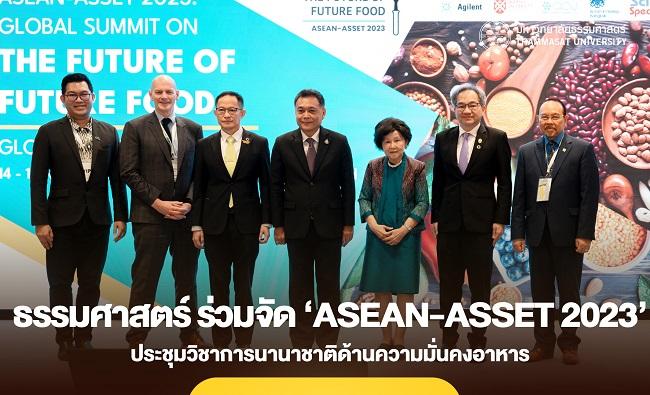
In November 2023, Thammasat, in partnership with the National Science and Technology Development Agency (NSTDA) and Queen’s University Belfast (QUB) through the International Joint Research Center on Food Security (IJC-FOODSEC), hosted the “ASEAN-ASSET 2023” summit. This marked the first time the prestigious ASSET conference was held in Asia. The event brought together over 400 experts from around the world to discuss “Global Protein Integrity,” exploring alternative protein sources and future food technologies. The IJC-FOODSEC also collaborated with CRDF Global in July 2024 to organize a regional workshop on food safety, focusing on applying peaceful nuclear technologies to enhance food security, such as developing crop varieties resistant to disease and climate change. These events not only advance research related to SDG 2 but also build international networks to tackle global food challenges sustainably.

Driving Digital Innovation and Sustainable Agriculture

Thammasat accelerates the adoption of technology and international standards to enhance productivity and market access for small-scale food producers:

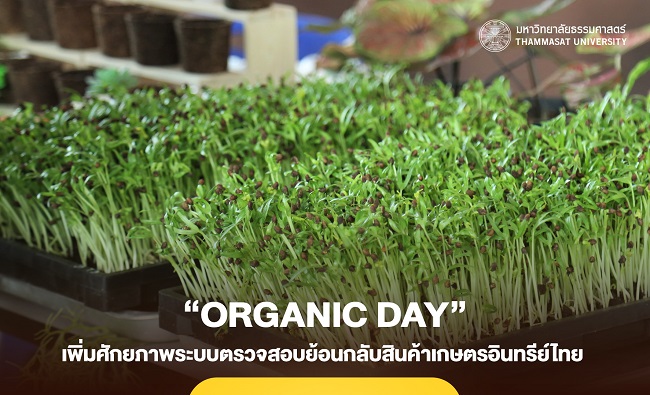
  • Blockchain Technology for Organic Agriculture: The Research and Consultancy Institute of Thammasat University collaborated with the Trade Policy and Strategy Office (TPSO) to develop TraceThai.com, a blockchain platform for tracing Thai organic agricultural products. In September 2023, a team of Thammasat experts conducted a hands-on training workshop for nearly 80 farmers and entrepreneurs in Lopburi. Participants learned to use the platform to track their products from farm to consumer, ensuring transparency and bolstering consumer confidence in organic standards. The project has since expanded to cover not only organic rice but also fruits, vegetables, and processed goods.
  • Digital Agriculture and Capacity Building: The university actively transfers digital knowledge directly to communities. Thammasat organized Digital Agriculture Training for villagers, focusing on implementing modern technology to boost farming efficiency. Furthermore, the university promotes sustainable practices through the Good Agricultural Practices (GAP) Training for farmers of medicinal herbs like Plai across six northern provinces, equipping them with the knowledge to meet international standards, create sustainable income, and enhance the country’s competitiveness.

Innovation for Improved Nutrition and Future Food

Thammasat leverages its research capabilities to tackle malnutrition and secure future food sources through novel products and educational initiatives:

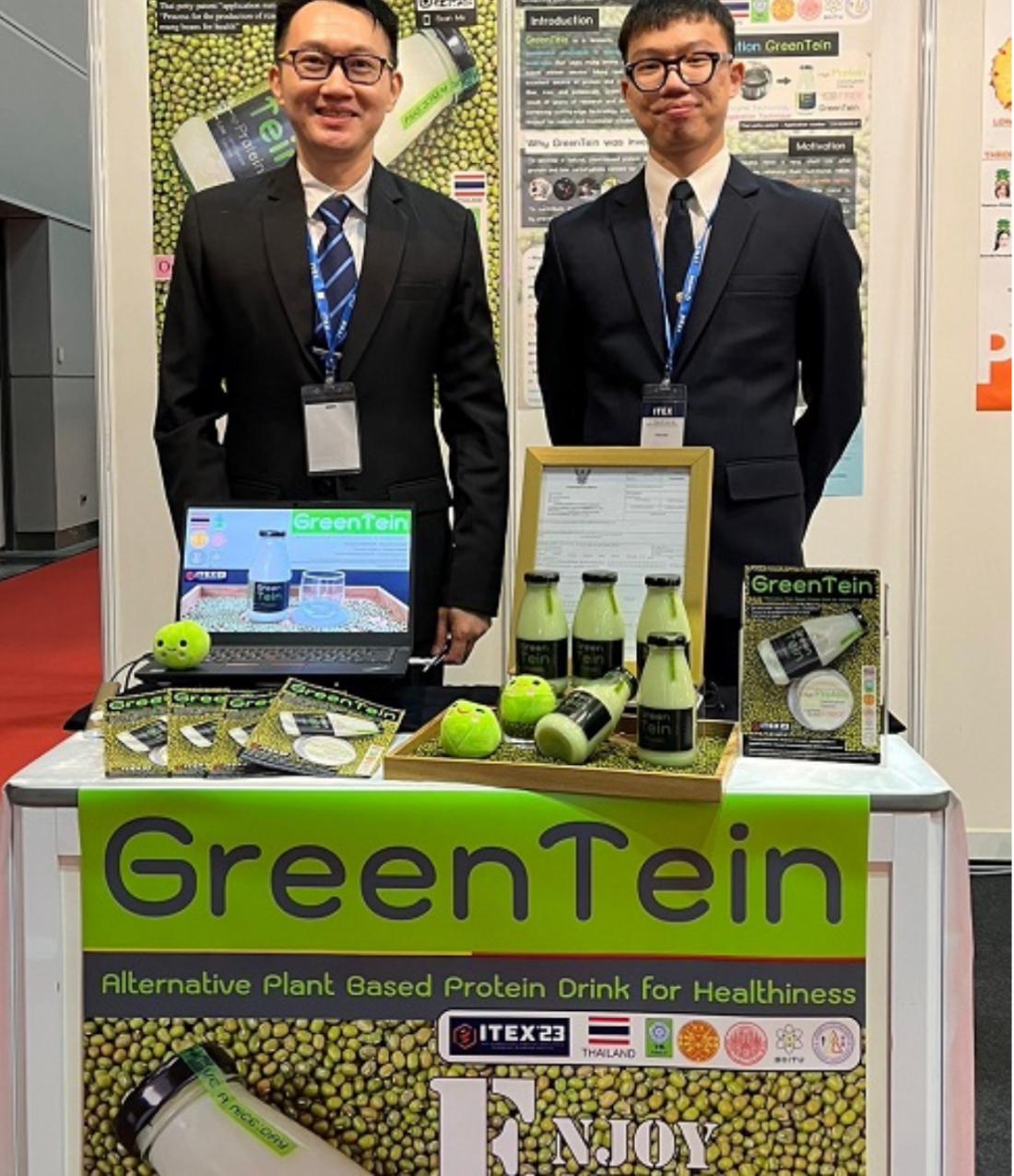
  • Low-Fat Mung Bean Protein: Researchers from Thammasat developed a Low-Fat Mung Bean Protein product, addressing the growing need for sustainable and nutritious alternative protein sources. This innovation directly contributes to achieving better nutritional outcomes (SDG 2.2) by offering a high-quality, plant-based, and healthier food option to the public and potential for commercialization.

  • Next-Generation Capacity Building: Thammasat is committed to educating future leaders in food security. The GH667 course: Transdisciplinary Approaches to Zero Hunger includes field trips for students from Thammasat, Kasetsart University, and the Asian Institute of Technology (AIT). These trips, such as the one held in June 2024 to Zhi Hua Farm and the Thai Farmer’s Way of Life and Spirit Learning Center (Na Hia Chai), expose students to real-world, sustainable, and integrated farming models, fostering a holistic approach to ending hunger.


SDG 1 End Poverty in All Its Forms Everywhere

SDG 1 in Numbers

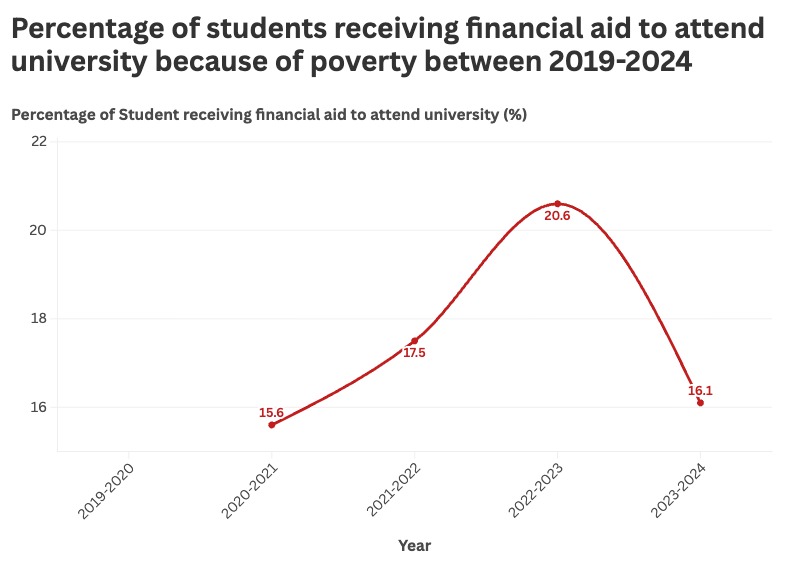
This line graph illustrates the percentage of students at Thammasat University who received financial aid due to poverty from the 2020-2021 to the 2023-2024 academic year. The data reveals a significant increase in financial need, coinciding with the economic impact of the COVID-19 pandemic. The proportion of students requiring aid rose from 15.6% in 2020-2021 to a peak of 20.6% in 2022-2023. Following this peak, the percentage saw a sharp decline to 16.05% in 2023-2024, indicating a period of economic recovery for students and their families post-pandemic.

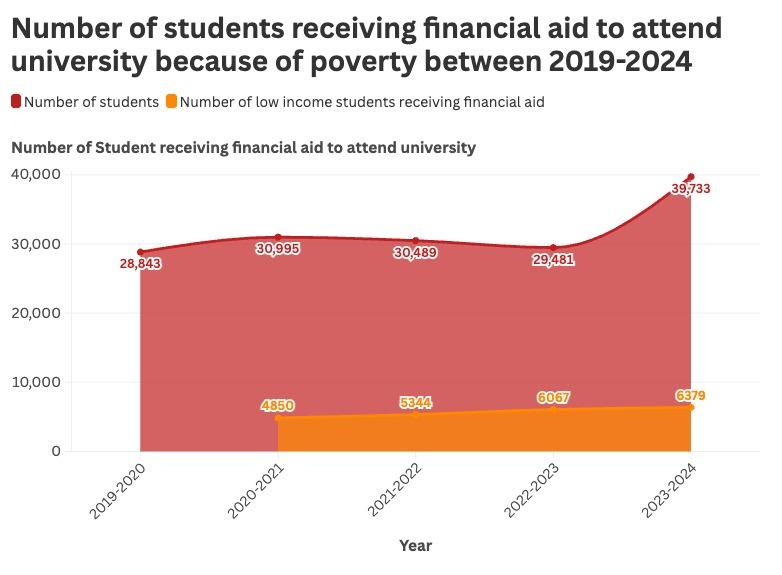
This chart tracks the total student population against the number of students receiving financial aid for poverty from 2019 to 2024. The number of students needing aid grew steadily before plateauing at 6,379 over the final two years. However, the total student population, after remaining stable, surged to 39,733 in 2023-2024. This divergence shows that while the absolute number of students supported remained consistent, financial aid did not expand to match the university’s significant enrollment growth in the most recent year.

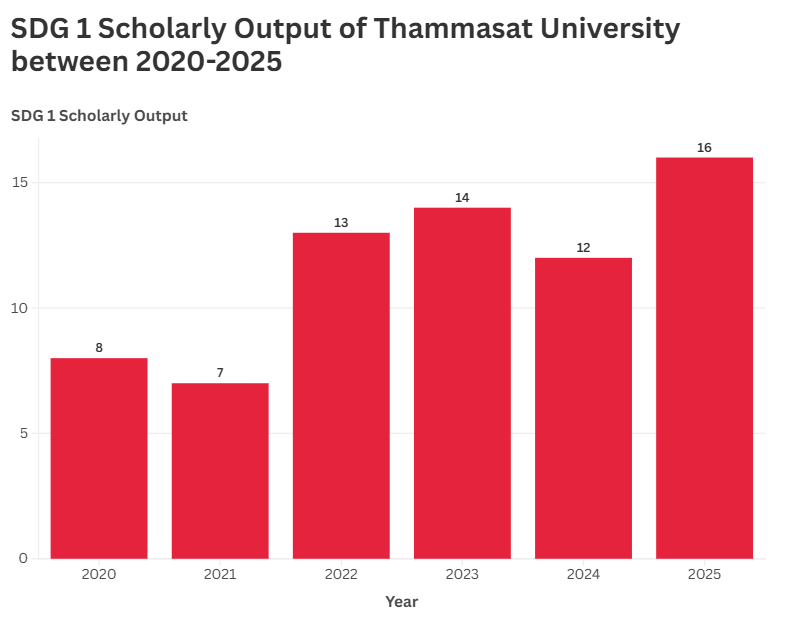
This bar chart highlights Thammasat University’s growing scholarly contribution to SDG 1 (No Poverty) from 2020 to 2025. The data shows a significant overall increase in research output on this topic, rising from 8 publications in 2020to a peak of 16 publications in 2025. This upward trend demonstrates the university’s strengthening commitment and expanding academic focus on addressing the critical global challenge of poverty.


Research in SDG 1

Between 2020 and 2024, Thammasat University produced a significant body of research addressing SDG 1. An analysis of 76 scholarly publications reveals a comprehensive, multi-disciplinary approach to understanding and combating the root causes and consequences of poverty. The university’s research contributions can be broadly organized into four interconnected thematic clusters:

  1. Health and Healthcare Access for Vulnerable Populations: A primary research focus address the critical link between health and poverty. Studies consistently demonstrate how health crises drive financial hardship and how poverty creates systemic barriers to healthcare. This research pays special attention to vulnerable populations- including migrants, informal workers, and the elderly and particularly examining the amplified impacts of shocks like the COVID-19 pandemic and natural disasters on their health and well-being.
  2. Economic Resilience, Labor Markets, and Inequality: This cluster addresses the economic underpinnings of poverty. Researchers investigated the structural drivers of income inequality, the precarity of labor markets for informal and aging workers, and pathways toward greater economic resilience. This includes analyses of macroeconomic policies, foreign direct investment, and the role of social enterprises and inclusive agricultural value chains in fostering economic stability for low-income populations.
  3. Environment, Climate Resilience, and Urban Development: A third area explores the intersection of environment, climate change, and urban planning. This work highlights the disproportionate impact of environmental degradation and natural disasters on the poor. Research projects focus on assessing coastal vulnerability in Thailand, promoting sustainable and inclusive urban planning in cities like Bangkok, and leveraging technology, such as machine learning with geospatial data, for more accurate poverty mapping.
  4. Social Policy, Governance, and Human Rights: The final cluster frames poverty as a systemic issue shaped by social policy, governance structures, and human rights frameworks. This research critically evaluates national social policies and their alignment with poverty reduction goals, the effectiveness of welfare systems, and the protection of human rights, especially in transnational contexts involving migrants and other marginalized communities in Southeast Asia.

Synthesis and Impact

Across all themes, Thammasat’s research demonstrates a strong geographical focus on Thailand—from provincial case studies to national-level analysis—while also extending its scope to the ASEAN region and the broader Global South. A defining feature of this portfolio is its consistent emphasis on specific marginalized groups, including older adults, people with disabilities, and disaster-affected communities. This work is reinforced by a robust collaborative network of leading domestic and international partners, positioning the university as a key hub for providing critical, evidence-based insights essential for developing effective strategies to eradicate poverty.


Outreach and Academic Services in SDG 1

In early 2024, Thammasat University demonstrated a focused commitment to addressing SDG 1 through a series of targeted academic and social service initiatives. A total of 8 key projects were undertaken, adopting a multi-faceted strategy that combined direct support for vulnerable populations, policy-relevant research, and institutional capacity building to create sustainable pathways out of poverty in Thailand. The initiatives can be categorized into three key areas of intervention:

  1. Strengthening Social Safety Nets and Community Welfare (2 initiatives)
    A primary focus was on reinforcing the social welfare system for at-risk groups. The Faculty of Social Administration launched the “Happy Family and Happy Kids” project, a targeted initiative to improve the welfare and living conditions of single-parent families, who are often more susceptible to economic hardship. In parallel, the Puey Ungphakorn School of Development Studies continued its support for grassroots poverty alleviation through its Community Welfare Fund Project, empowering local communities to build their own social protection mechanisms and enhance economic resilience from the ground up.
  2. Policy-Oriented Research and Economic Dialogue (2 initiatives)
    Leveraging its academic strengths, the university contributed to the national discourse on poverty reduction. The Faculty of Economics conducted crucial seminars to inform policy-making. One seminar analyzed the health outcomes resulting from financial subsidies for extremely poor children, providing evidence-based insights into the effectiveness of social welfare programs. Another explored the practical application of educational economics as a tool to break the cycle of intergenerational poverty, directly addressing the root causes of long-term economic disadvantage.
  3. Enhancing Capacity for Social Welfare Administration (4 initiatives)
    Recognizing that effective poverty reduction requires skilled administrators, the Faculty of Social Administration delivered several specialized training programs for local government officials. These courses, such as the “Social Welfare Administrator” program and “Administration of Education and Social Welfare” for local organizations, were designed to enhance the capabilities of local leaders in managing and implementing effective social welfare and educational services. By strengthening the administrative capacity at the local level, Thammasat University is helping to ensure that poverty alleviation efforts are efficient, impactful, and reach those most in need.

Collectively, these initiatives highlight Thammasat University’s comprehensive approach to combating poverty, moving beyond temporary aid to build a foundation of knowledge, skills, and community-based support for a more equitable and prosperous society.


Featured Stories

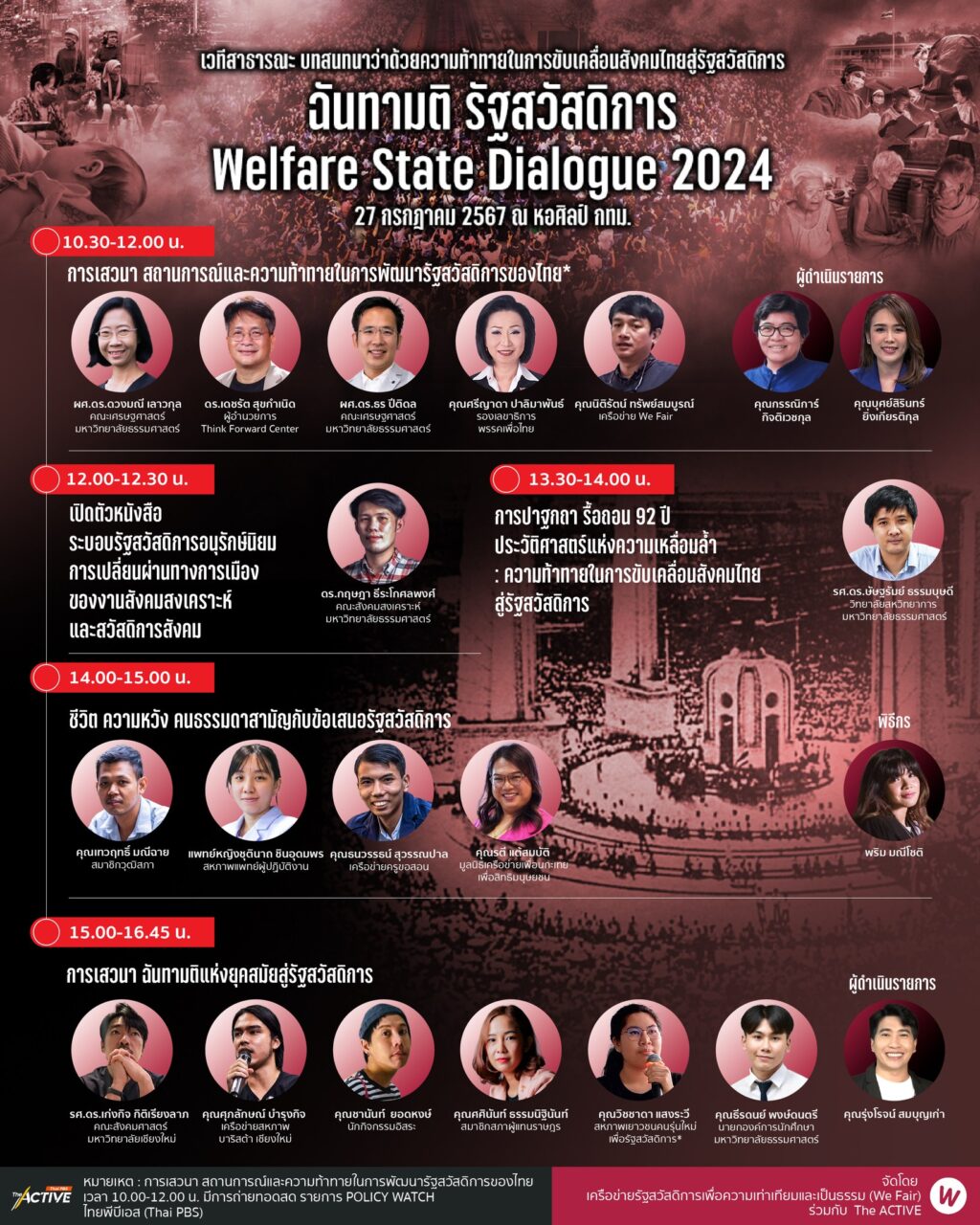
Driving Public Policy through the “Welfare State Dialogue 2024”

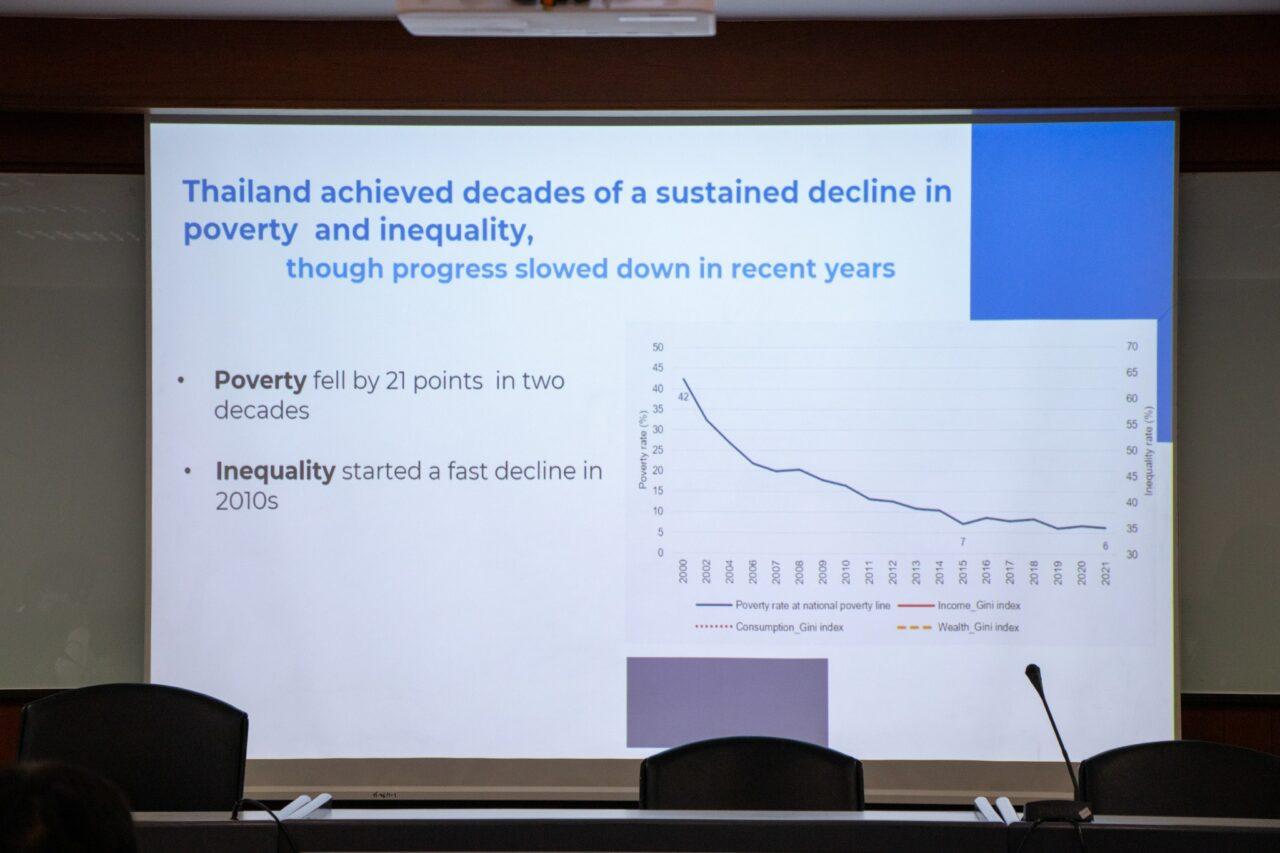
In July 2024, Thammasat University co-organized the public forum to initiate a national conversation on the challenges of advancing Thailand towards a welfare state. The forum featured essential policy data and analysis from key Thammasat academics, including: report on the situation of inequality in Thailand 2024, Thai state Ideology and the development of the Thai social welfare system, history of welfare state movements. The organization of this national public forum, which brought together academics, policymakers, and civil society, underscored Thammasat University’s significant role as a Thought Leader and its intensive contribution to shaping evidence-based public policy for sustainable social security and poverty eradication.

The Role of Research in Educational Policy Highlights Mechanism to Address Educational Poverty

In February 2023, the Centre for Research on Inequality and Social Policy (CRISP) at Thammasat University published major research on “Lessons from Two Decades of Thai Education Reform.” The research indicated that public policies focused on equitable resource allocation (e.g., EEF legislation) are crucial for reducing educational inequality and supporting disadvantaged children. This initiative demonstrates the University’s role as a ‘Think Tank’ that uses empirical evidence to guide policy-making, aiming to tackle structural and intergenerational poverty.

Building Financial Resilience through Saving and Personal Finance Literacy

In the dimension of building individual financial resilience, Assoc. Prof. Dr. Wichai Witayakiattilerd from the Division of Mathematics and Statistics, Faculty of Science and Technology, contributed to disseminating knowledge on saving and personal financial management through public media, such as an article in Workpoint Today (as seen in March 2024). This effort focuses on providing essential financial literacy to the general public, aiming to enhance skills in financial planning, reduce financial risks, and create long-term stability a crucial mechanism for preventing individual poverty.