Thammasat University continues to create new projects and initiatives, both ongoing and yearly, to record and preserve cultural heritage. These cultures include folk and regional culture, national culture, and the culture of displaced communities in the country. One of the key institutes which lead the art and culture preservation is Thai Khadi Research Institute (สถาบันไทยคดีศึกษา), Thammasat University.
Thammasat University established Thai Khadi Research Institute (TKRI) in 1971 under the name “Thai Khadi Research Project” with the aims to promote research on Thai traditions, language, and knowledge, to create documentary on the study of Thai society, to lead the art and culture preservation projects, and to spread the knowledge about Thai society to the general public. Thai Khadi Research Institute’s mission is to be a leading research institute that provide academic services and create projects and activities to restore, preserve, and promote traditional arts and culture which are local and national’s identity for Thai society.
For more information on Thai Khadi Research Institute, please visit our website or facebook at:
สถาบันไทยคดีศึกษา มหาวิทยาลัยธรรมศาสตร์ (TKRI TU)
สถาบันไทยคดีศึกษา มธ. (TKRI TU) – Facebook
Highlights:
Arts and Cultural Preservation Projects during 2023-2024
The Thai Studies Institute (TKRI) demonstrates significant dedication to efforts that record and preserve cultural heritage, particularly intangible knowledge, traditional artistry, and historical documentation. The institute is actively involved in preserving cultural heritage and traditional knowledge, including projects related to artistic documentation and heritage submission to UNESCO. In February 2024, TKRI collaborated with the Department of Cultural Promotion to hold a consultative meeting to gather feedback from over 40 Thai dress artisans concerning the documentation of the intangible cultural heritage of “Thai Dress”. The aim of this effort was to prepare for the submission of the “Thai Dress” to UNESCO for registration on the Representative List of the Intangible Cultural Heritage of Humanity, covering the knowledge, craftsmanship, and practices associated with national attire.
This project not only highlights the beauty and elegance of Thai traditional attire but also delves into its artistic craftsmanship, historical significance, and cultural symbolism. Each piece of *Chut Thai* carries intricate details and techniques passed down through generations—capturing unique weaving patterns, embroidery, and fabric treatments that reflect Thailand’s diverse regions and identities. This initiative involves an extensive documentation process, where experts meticulously research and record the traditional methods, regional variations, and cultural contexts that define Thai attire. By aiming for UNESCO recognition, Thailand hopes to honor these age-old practices and encourage future generations to appreciate and sustain these arts.
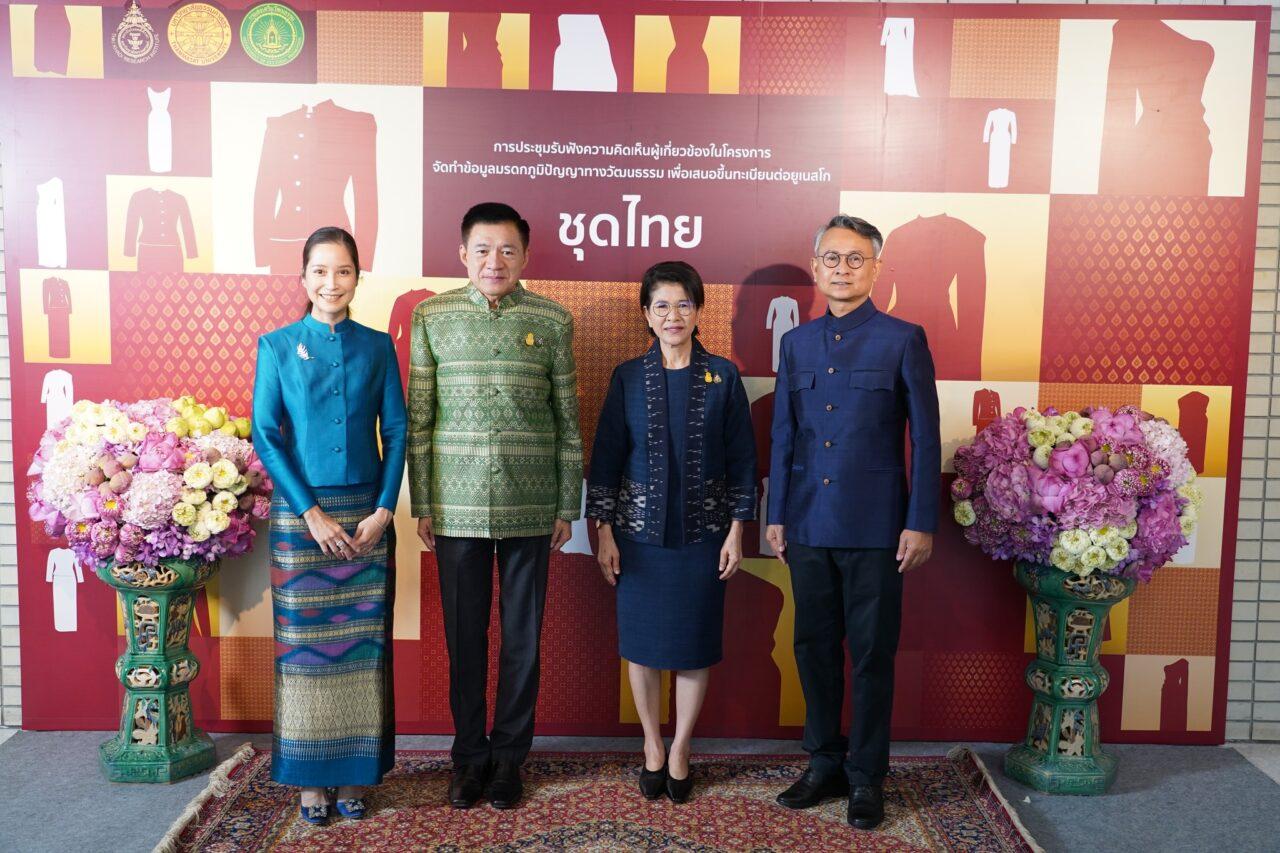
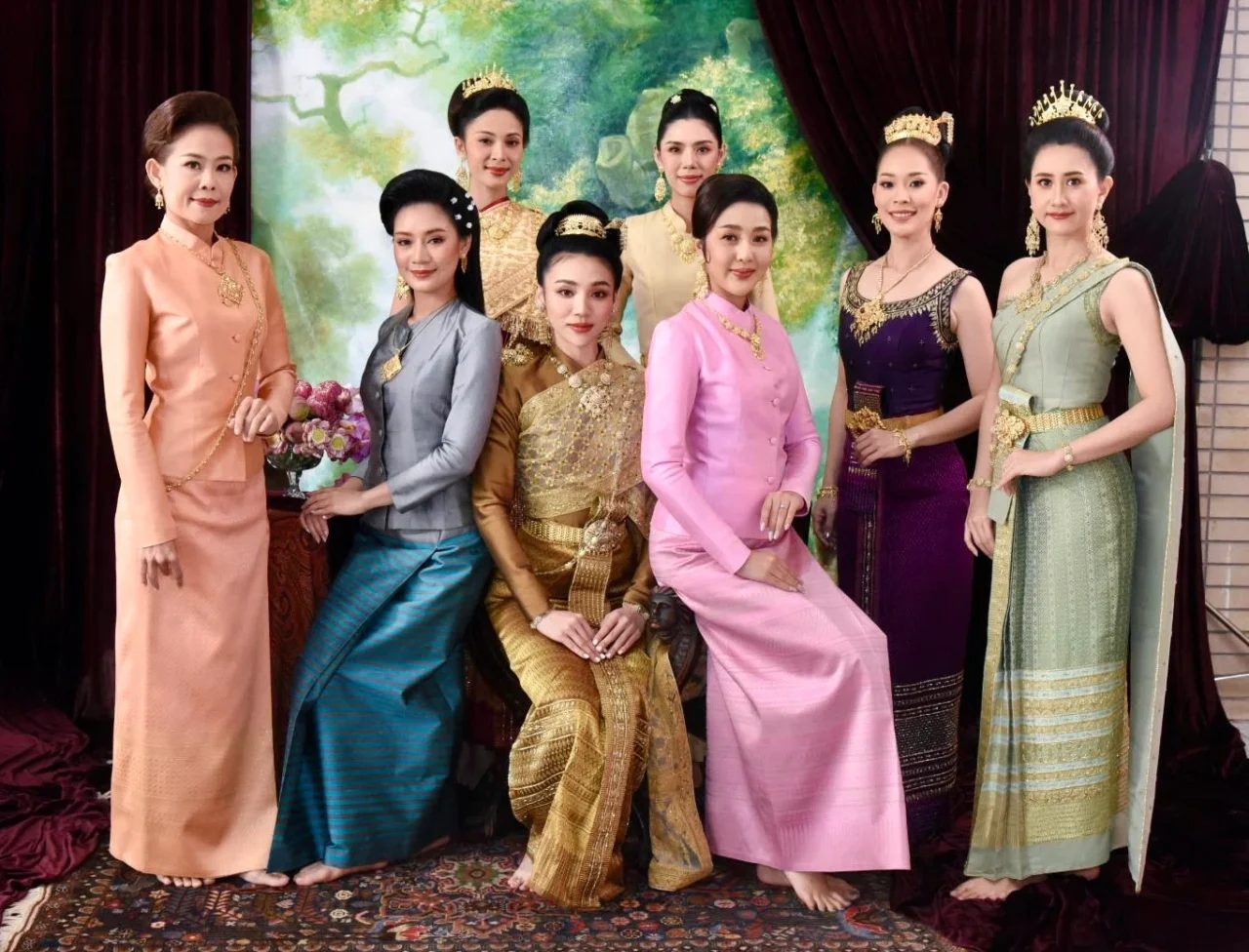
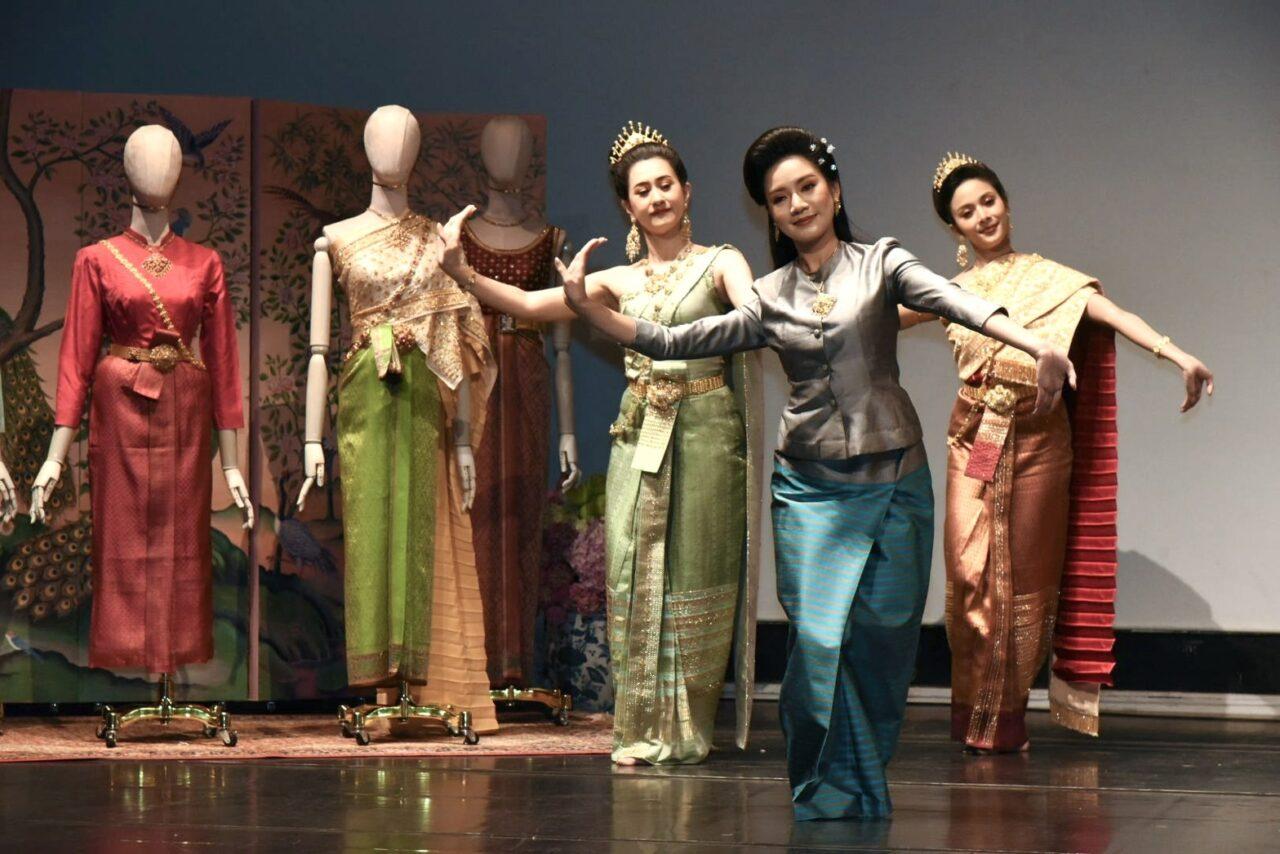
การจัดทำข้อมูลมรดกภูมิปัญญาทางวัฒนธรรม “ชุดไทย” เพื่อเตรียมเสนอ UNESCO (Dec,2023)
Similarly, the importance of maintaining traditions is highlighted in TKRI’s academic seminar on the Royal Barge Procession held on October 22, 2024. The event, titled “Looking Through the Lens to See Beauty, Looking Through the Image to See Meaning: The Royal Barge Procession,” explored the history of the procession, its cultural heritage value, and the artistic elements reflected in mural paintings and the process of maintaining this royal tradition. This seminar served to explore the procession’s value as living cultural heritage and to promote the process of maintaining this royal tradition.
Regarding ancient and traditional knowledge, TKRI hosted an academic seminar and exhibition in August 2024 to commemorate the 79th anniversary of Thai Peace Day, focusing on the film “The King of the White Elephant,” which had been recognized as a National Register Memory of the World document in August 2023. The exhibition, co-organized with the Thammasat University Library, displayed original documents, photographs, and related materials concerning the film. This exhibition was held from August 16–23, 2024, and showcased important original documents, English and French scripts, and correspondence concerning the film.
Furthermore, TKRI published the book “Suvarnabhumi: Land of Arts and Culture” in August 2024, derived from the larger SLAC project, which studies the historical value of settlement, state development, art, and culture in the Suvarnabhumi area.
TKRI is also exploring future methods for documentation through interdisciplinary study. A seminar scheduled for July 19, 2025, titled “Contemporary Archaeology: When Contemporary Objects Become Evidence in the Ground,” will discuss methodologies for selecting and collecting data, and how unearthed objects such as dishes, tools, and animal bones are interpreted in the archaeological process.
In the realm of artistry and cultural significance, TKRI is involved in promoting local craftsmanship and cultural entrepreneurship. A project in Lampang, conducted on December 20, 2024, focused on the wisdom of Sangwai handicrafts, including demonstrations of pottery molding/firing and a palm leaf basketry workshop aimed at networking and preserving this local wisdom and enhancing the value of these traditions. Separately, the Faculty of Fine and Applied Arts led a project between February 5–8, 2024, focused on integrating design and creative culture, where students studied textile history at the Chaiyaphum Ancient Fabric Museum and collected data from communities known for indigo-dyed cotton and ancient weaving.
The Thai Khadi Research Institute took a leading role in another preservation of cultural heritage through its work on the historic mural paintings at the Maha Thingdawgyi Temple in Sagaing, Mandalay. These murals, created by skilled artisans from Ayutthaya who were forcibly relocated to Myanmar after the kingdom’s fall, embody a significant exchange of artistic and cultural traditions between Thailand and Myanmar.
To preserve and share this valuable heritage, the Institute collaborated with the Faculty of Architecture at Silpakorn University and the Thai Embassy in Yangon. This partnership resulted in the creation of a detailed model of the Maha Thingdawgyi Ordination Hall, visually capturing the intricate murals that depict cultural and historical narratives shared by both nations.
Furthering their efforts in arts preservation, the Institute also published “Maha Thingdawgyi Temple Mural Paintings Book”, which provides an academic analysis of these murals. The book offers insights into the artistry and cultural significance of the works, highlighting their role in strengthening the historical connection between Thailand and Myanmar. Through extensive field research and documentation, the Institute ensures that these works of art, once at risk of being forgotten, are preserved for future generations.

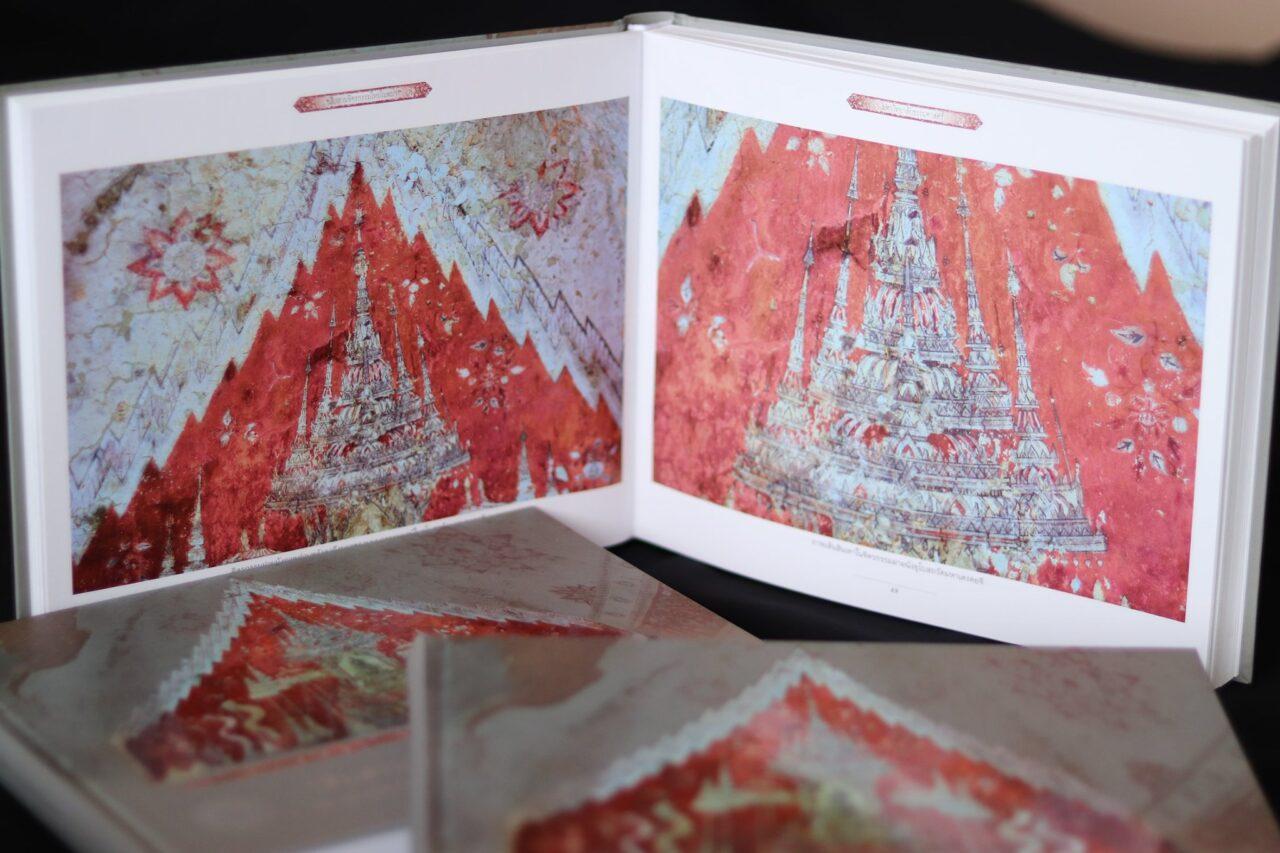
การจัดการความรู้มรดกภูมิปัญญาทางวัฒนธรรมการทอผ้าของชุมชนน้ำอ่าง จังหวัดอุตรดิตถ์ (Oct,2023)
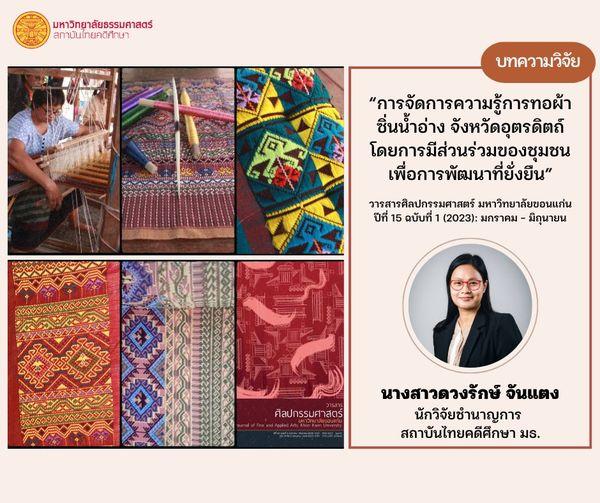
The Nam Ang community in Uttaradit preserves its cultural heritage through the tradition of weaving, particularly the creation of phasin (tube skirts), passed down through generations. This knowledge is not just a craft but an integral part of the community’s identity, preserved through hands-on learning from elder weavers. Through its research, TKRI has worked to document and preserve these practices, collecting stories from skilled weavers and recording the distinctive patterns that represent the community’s identity.
TKRI’s efforts include organizing interviews and focus groups with local weavers to collect data on traditional techniques, such as the use of *Sin Tin Jok* cloth and natural dyes. These findings have been systematically recorded and shared with younger generations, including students from Nam Ang School, to ensure the transmission of this invaluable knowledge. TKRI also helped establish a weaving network and community learning center, alongside a market for selling the woven products, which provides sustainable income for the community while promoting cultural preservation and social cohesion. This initiative underscores the importance of community engagement and the role of research institutions like TKRI in safeguarding traditional arts and fostering local economic development.
Cultural and Heritage Tourism: 2023-2024
TKRI actively promotes cultural heritage tourism through academic field trips and ancient city tours designed to study and record historic sites and monuments. The institute conducts various cultural and heritage tourism activities, including academic service trips and exhibitions focusing on ancient sites and historic regions. A major project, “Suvarnabhumi: Land of Arts and Culture (SLAC),” was launched on January 9, 2024, with a seminar and exhibition titled “From Suvarnabhumi to Suphannaphum.” This project seeks to study the region’s civilization in terms of settlement value, state development, art, and culture.
A key part of the SLAC project was a heritage route trip conducted on January 14, 2024, focusing on the civilization of Suphannaphum linked to Suvarnabhumi. This exploration of historic religious sites and monuments included the Ban Don Ta Phet archaeological site in Kanchanaburi, the U Thong National Museum, Ancient Monument 14 in U Thong (the only Dvaravati-era underground vihara in Thailand), Wat Khao Phra Si Sanphetcharam, Wat Khao Tham Thiam, and Wat Phra Rup Museum in Suphan Buri.
Another notable one-day trip, “Traces of International Ayutthaya,” was held on February 17, 2024, guiding 24 participants through sites showcasing art, painting, and architecture influenced by foreign contact during the Ayutthaya period. Destinations included Prasat Nakhon Luang, Wat Mai Prachum Phon, Wat Kudi Dao, the Khamalien Palace (showing Persian art traces), the Portuguese Village (representing the first Western nation contact), and the Chao Sam Phraya National Museum, which displays Ayutthaya-era gold artifacts.
Furthermore, TKRI organized specific heritage tours, such as the “Sai Mu” sacred tour to Nakhon Pathom on June 15, 2024, featuring visits to historic temples associated with famous monks and amulets, including Phra Pathom Chedi, Wat Thammasala, Wat Si Sa Thong, Wat Klang Bang Kaew, Wat Ta Kong, and Wat Phanang Taek. A trip to Phetchaburi focusing on culture and architecture was also conducted on September 21, 2024, featuring sites like Wat Phra Non, Wat Sa Bua, Khao Luang Cave, an ancient house (over 100 years old), and the Phanich Charoen Walking Street.
The “Namasakara Roi Phra Phutthabat Chom Mueang Boran Si Thep” project, initiated by the TKRI TU, is a cultural and heritage tourism initiative that focuses on exploring the ancient city of Si Thep. Located in Phetchabun Province, this historical site is an integral part of Thailand’s rich cultural heritage and plays a significant role in the country’s ancient civilizations, particularly during the Dvaravati period. Si Thep is home to fascinating ruins, temples, and sacred sites, including the revered Buddha footprints, which are central to the project’s offerings.
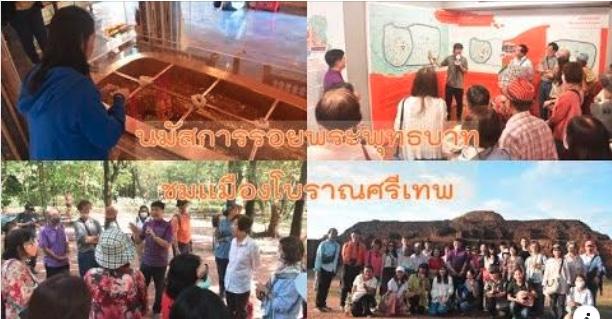
Through guided tours, the project allows participants to visit key archaeological landmarks like “Prang Si Thep” and “Prang Song Phi Nong”, showcasing Khmer architectural influence, along with ancient remnants such as the “Khao Khlang Nai” and “Khao Khlang Nok”. These sites serve as valuable educational tools, providing visitors with a deeper understanding of Thailand’s cultural and spiritual past while preserving the region’s historical significance.
The project is designed to promote cultural tourism by offering unique opportunities to explore the historical, architectural, and spiritual heritage of the area. Additionally, it highlights the potential of Si Thep as a future UNESCO World Heritage site, which could further attract tourists and researchers from around the world. By focusing on cultural tourism, the initiative not only contributes to the preservation of Thai heritage but also fosters greater awareness and appreciation of Thailand’s ancient civilizations.
Ancient Medicines Preservation
The “Sustainable Development Project for Thai Traditional Medicine: Audio Book on Narai Medicine Texts” is an important initiative by the Thai Legal Institute that focuses on preserving and disseminating the invaluable knowledge of traditional Thai medicine. This project takes the historic “Narai Medicine Texts”, an essential component of Thailand’s medical heritage, and transforms it into an audio book format. TKRI is committed to using accessible media to preserve and disseminate ancient medical knowledge, especially through the production of audiobooks for the visually impaired. The institute developed an audiobook titled “Inheriting the Wisdom of Tamra Phra Osot Phra Narai” (The Medicine Recipe Book of Narayana) as part of a 2023 academic service project. This audiobook was specifically created to spread knowledge of this ancient medicine text to various social groups, particularly the visually impaired, thereby helping to preserve Thai traditional medical heritage and aligning with the Sustainable Development Goals (SDGs) for equal educational opportunities. The audiobook was publicly released in January 2024.
The primary aim of this project is to preserve and promote Thai traditional medicine, which has been passed down through generations. By adapting these ancient texts into audio form, the project ensures that this rich medical knowledge remains accessible, particularly to those with visual impairments, thus ensuring inclusivity. This effort not only preserves the medicinal practices themselves but also safeguards the cultural heritage associated with Thai traditional healing.
In addition to promoting inclusivity, the project helps maintain the continuity of Thai medicine by providing a platform where future generations can access, learn, and apply these teachings. The initiative underscores the importance of safeguarding traditional medical knowledge, which is a crucial part of Thailand’s cultural legacy, while also ensuring that it remains relevant and available to diverse communities across the country.

Beyond digital preservation, TKRI supports research concerning the practical and contemporary application of this knowledge. On July 11–13, 2024, a TKRI researcher presented a study on the development of herbal products based on the Tamra Phra Osot Phra Narai, focusing on a community enterprise of herbal planters in Lop Buri Province. The research utilized participatory action methods to explore the potential for implementing herbal product production and to design activities for development under the BCG Economic Concept.
Furthermore, TKRI applied the methodology of creating audio media for the visually impaired to other important cultural records. As part of a 2024 academic service project (Year 2), the institute produced an audiobook detailing the historical Royal Barge Procession. The content was drawn from a 2019 academic document, and the audio was disseminated through various channels, including YouTube, the Thammasat University Library website, and the educational media section for the disabled under the Ministry of Education. The production of this audio media occurred in September 2024, providing another accessible channel for preserving and promoting Thai cultural and historical knowledge.