SDG 9 in numbers
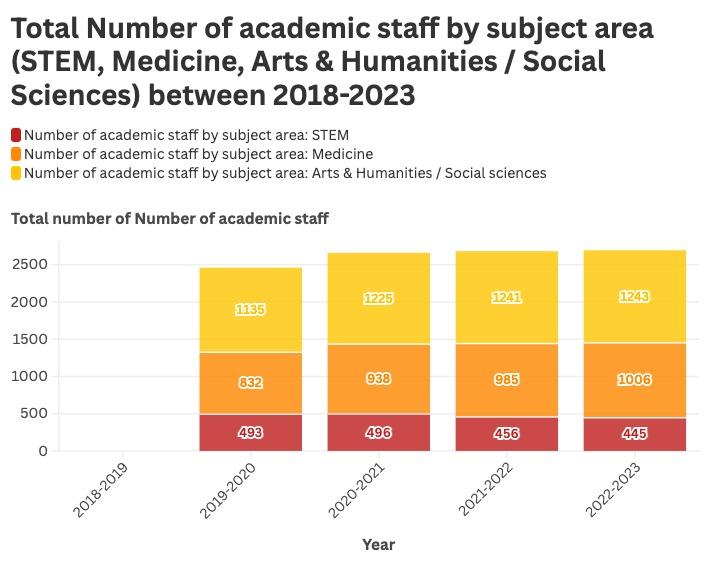
The graph shows the number of Thammasat University academic staff by subject from 2018 to 2023. Arts & Humanities/Social Sciences lead, ranging from 1,135 to 1,243 staff. Medicine staff grew from 832 to 1,006, while STEM staff remained around 445 to 496. Overall, there’s been steady growth, especially in Medicine and Arts & Humanities.
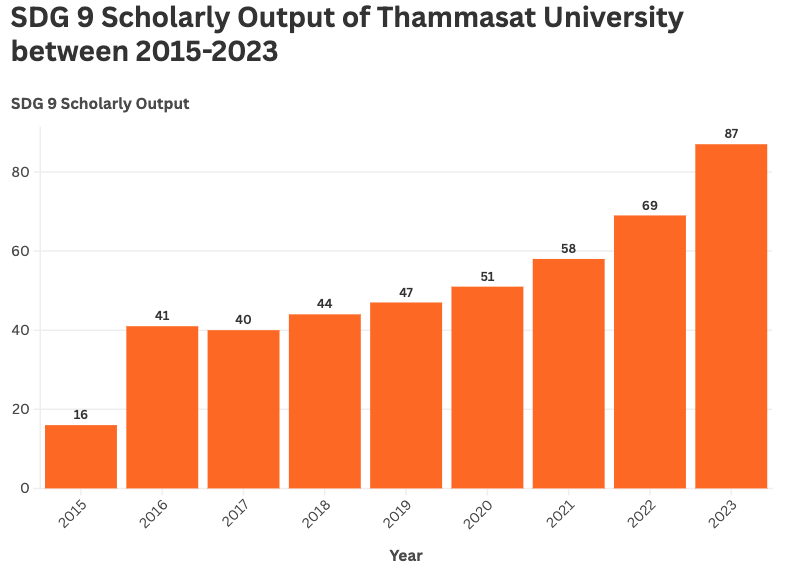
The graph shows Thammasat University’s research output on SDG 9 (Industry, Innovation, and Infrastructure) from 2015 to 2023, starting with 16 publications in 2015 and peaking at 87 in 2023. Output remained steady from 2017 to 2020, then rose sharply from 2021, reflecting increased emphasis on industry and innovation research.
Research in SDG 9 (2019 – 2024)
Building the Future: Thammasat University’s Bold Innovations for Sustainable Industry and Infrastructure
Thammasat University scholars contribute significantly to SDG 9 (Industry, Innovation, and Infrastructure) through research in three key areas: Industrial Innovation for Sustainability, Technological Advancement and Digital Transformation, and Sustainable Infrastructure and Environmental Impact Mitigation.
1. Industrial Innovation for Sustainability
Many studies focus on enhancing environmental sustainability within industries. Research on Industry 4.0 technologies and the circular economy, particularly in sectors like metals, emphasizes waste reduction and resource efficiency. For example, studies on integrating circular principles into manufacturing processes aim to improve sustainability and competitiveness.
2. Technological Advancement and Digital Transformation
Another major research area involves digital transformation in industries. Scholars study smart manufacturing systems, artificial intelligence applications, and decision support systems for process optimization. Research on additive manufacturing and IoT-based supply chain optimization supports Industry 4.0, demonstrating Thammasat’s commitment to advancing digital infrastructure and fostering industry evolution towards digital maturity.
3. Sustainable Infrastructure and Environmental Impact Mitigation
Infrastructure research focuses on sustainable construction and urban resilience. Scholars explore new materials like geopolymer concrete and bio-composites to reduce carbon emissions. This cluster also includes studies on resilient city planning, waste management, and carbon capture technologies aimed at mitigating environmental impacts, supporting the transition to sustainable urban and industrial landscapes.
In conclusion, Thammasat University’s research advances SDG 9 by promoting industrial innovation, digital transformation, and sustainable infrastructure. These efforts help build resilient infrastructure, foster inclusive industrialization, and support innovation, demonstrating the university’s leadership in addressing challenges in Thailand’s industrial and infrastructural sectors while contributing to global sustainability goals.
Outreach and Academic Services in SDG 9
Thammasat University plays a crucial role in advancing SDG 9 through 56 social service projects focused on industry, innovation, and infrastructure. These initiatives promote science and technology research while emphasizing digital and AI literacy for all age groups, aiming to lay a solid foundation for sustainable growth in Thailand.
In digital infrastructure, the university offers AI and Digital Literacy courses to the general public, including programs like AI Literacy and Digital Skills Training for the Elderly. These initiatives, organized by the Institute of Continuing Education and Human Resources, provide essential digital skills and safe technology usage, particularly for older populations, ensuring accessible and secure ICT infrastructure.
Thammasat also fosters innovation through collaborative projects with the private sector and local communities, such as the IoT Innovation Collaboration Project. This project enhances data management in agriculture and production, promoting sustainability and supporting Thailand’s industrial growth. These efforts align with sustainable economic development, contributing to resilient and inclusive industrial systems.
The university conducts business and technology-focused programs, such as workshops on Blockchain and Smart Contracts, organized by the Office of Science and Technology. These workshops help participants understand and apply Blockchain technology in the digital finance sector, contributing to secure, transparent financial systems.
In transportation and infrastructure, Thammasat hosts seminars like “Toward Just Energy Transition in Thailand Logistics and Transportation Sectors,” organized by the Faculty of Economics. This seminar focuses on eco-friendly transportation infrastructure, reducing carbon emissions, and promoting sustainable energy use, fostering knowledge exchange in sustainable energy and infrastructure development.
Thammasat’s interdisciplinary approach integrates science, technology, and social sciences, empowering individuals across demographics and preparing them for the evolving future of industry.
Featured Stories
Pioneering Sustainable Solutions: Thammasat University’s Breakthrough Innovations at ITEX 2023″
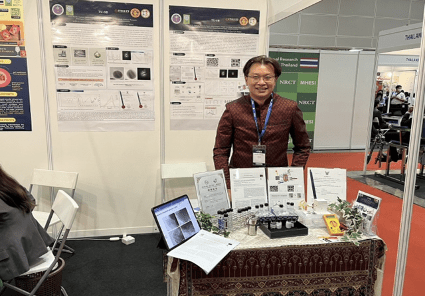
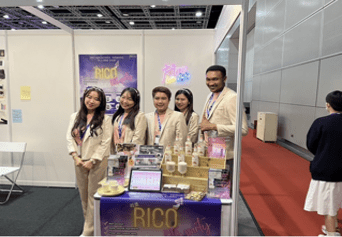
Thammasat University’s remarkable achievement at the 34th International Invention, Innovation & Technology Exhibition (ITEX 2023) underscores the critical role universities play in driving innovation aligned with Sustainable Development Goal (SDG) 9. With 27 awards, including nine gold medals, their research projects not only demonstrate cutting-edge technological advancements but also reflect a strong commitment to sustainable practices.
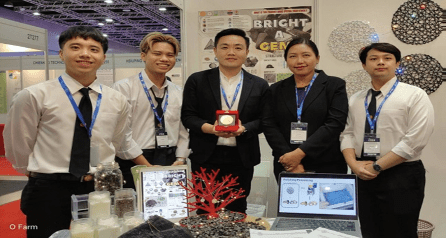
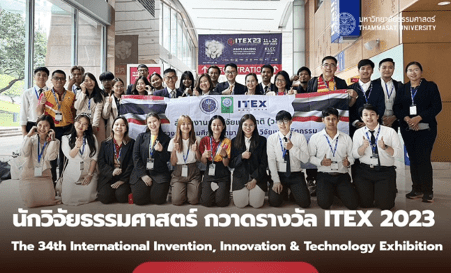
Among the standout innovations, Bright A Gems offers a groundbreaking composite material for the jewelry industry. This eco-friendly material, combining polypropylene, polyethylene vinyl acetate, and micro-cellulose, serves as an alternative to conventional polishing substances, aligning with SDG 9’s focus on sustainable industrialization and environmental stewardship.
Another notable project, TU-SBA, addresses water scarcity in agriculture. This solar-powered, smart technology optimizes water use, making farming more efficient and sustainable by reducing resource waste and enhancing agricultural productivity.
Thammasat also unveiled InnoMed, a project focused on creating nano-enhanced natural products for better health. By combining nature’s ingredients with cutting-edge nanotechnology, this innovation provides an alternative to synthetic medicines, supporting both human health and the environment.
Additionally, Rico Fermented RD43 Rice Drink offers an alternative, nutrient-rich beverage made from fermented rice. This product not only promotes the health benefits of rice but also reduces food waste, as it utilizes rice strains that are typically underutilized in the food industry.
These innovations exemplify how university research not only drives economic growth but also fosters sustainable development—an essential step toward meeting the global challenges outlined in SDG 9. Thammasat University’s success at ITEX 2023 highlights the transformative power of academic-driven innovation in creating a more resilient, sustainable future.