SDG 6 in numbers
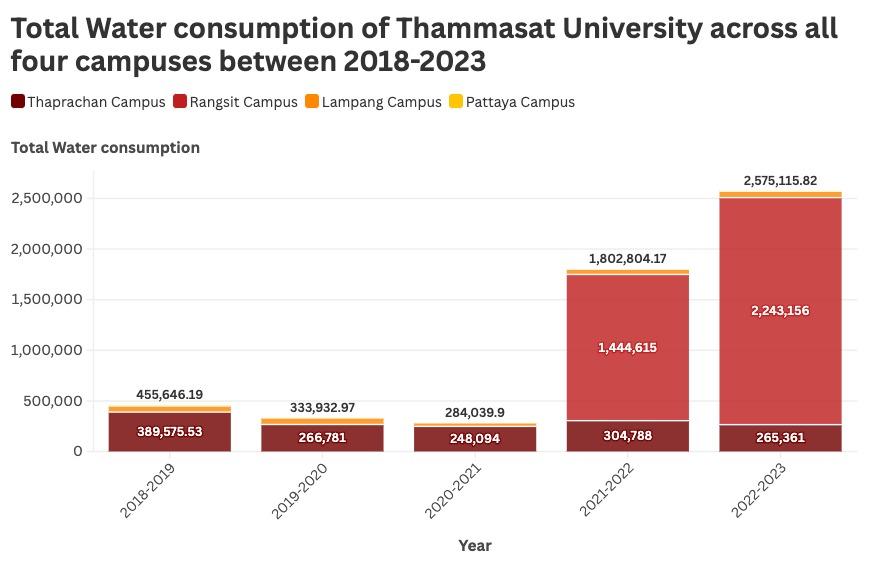
The graph shows Thammasat University’s water consumption across four campuses from 2018 to 2023. Consumption appeared stable until 2021, rising sharply to 1,802,804 cubic meters due to newly included data from Rangsit Campus, which used 1,444,615 cubic meters. In 2022–2023, total usage further increased to 2,575,115 cubic meters, mainly from Rangsit. Other campuses remained stable.
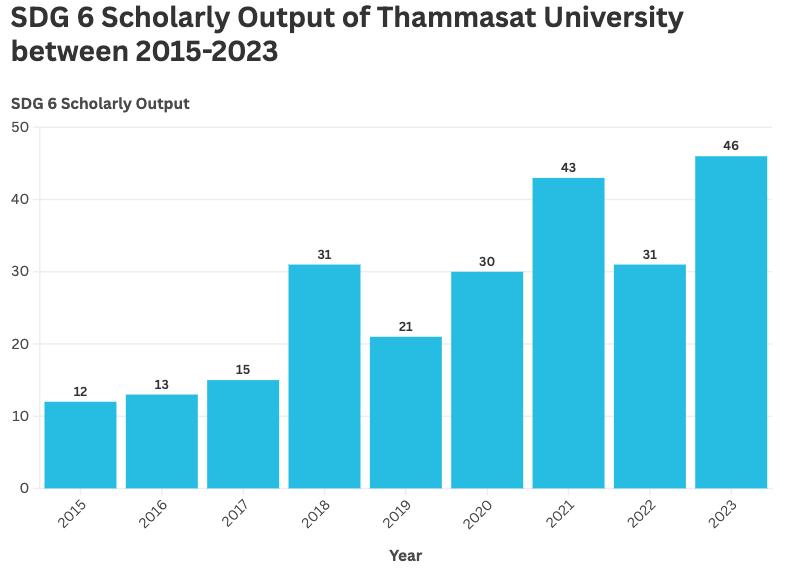
The graph shows Thammasat University’s research output on SDG 6 (Clean Water and Sanitation) from 2015 to 2023. Starting with 12 publications in 2015, output peaked at 43 in 2021, dipped slightly in 2022, then reached a new high of 46 in 2023. This trend reflects an increasing focus on water and sanitation research.
Research in SDG 6 (2019 – 2024)
Clean Water Innovations: Thammasat University’s Pioneering Path to Sustainable Solutions for SDG 6
Thammasat University scholars have made significant contributions to SDG 6 (Clean Water and Sanitation) through diverse research and technological advancements addressing water quality, wastewater treatment, and sustainable water management.
A prominent research cluster focuses on innovative water treatment technologies. Studies on advanced filtration methods, such as nanocomposites, biochar, and graphene-based systems, aim to remove pollutants like heavy metals, antibiotics, and microplastics. Additionally, eco-friendly photocatalysts for degrading organic pollutants highlight the university’s commitment to sustainable water purification.
Another key cluster centers on wastewater management and recovery systems. Research on microbial fuel cells explores wastewater treatment while recovering energy. Thammasat scholars also develop low-cost septic systems and constructed wetlands, aiming to provide decentralized sanitation solutions for both urban and rural communities, particularly in developing countries where traditional infrastructure is limited.
Water resource management is a third important area, with research utilizing IoT-based decision models and multicriteria decision-making approaches to optimize water distribution and irrigation. Projects include predictive models for urban water supply, hydrological models for river basin management, and assessments of irrigation efficiency. This work addresses water scarcity and climate resilience, essential for sustainable water use.
Lastly, scholars investigate emerging pollutants like microplastics and pharmaceutical residues in drinking water sources. These studies highlight the potential risks to public health and ecosystems, informing policies to improve water safety standards and protect human health.
In conclusion, Thammasat University’s research on SDG 6 takes a holistic approach to water sustainability, combining advanced treatment technologies, decentralized sanitation, efficient water management, and public health risk assessments, all contributing to cleaner water and better sanitation.
Outreach and Academic Services in SDG 6
Thammasat University has developed and implemented various social service projects focused on promoting sustainability in clean water and sanitation (SDG 6), with a total of five projects currently underway. These projects highlight the collaboration of diverse faculties, each bringing specialized knowledge and expertise to provide services that meet community needs and enhance sustainability in water and sanitation. These initiatives aim not only to create local impact but also to emphasize interdisciplinary efforts across different fields to improve development outcomes and tackle complex issues effectively.
The project by the Faculty of Political Science focuses on participatory research in water management and biodiversity, working closely with other relevant community organizations. This community-based research approach allows for a deep understanding of local issues and limitations, which helps in developing more appropriate and sustainable water management solutions. In addition to scientific knowledge used for data analysis and research, this project integrates social science principles to ensure that all participants recognize the importance of water conservation and sustainable resource management.
Featured Stories
Safe and clean drinking water for all on campus
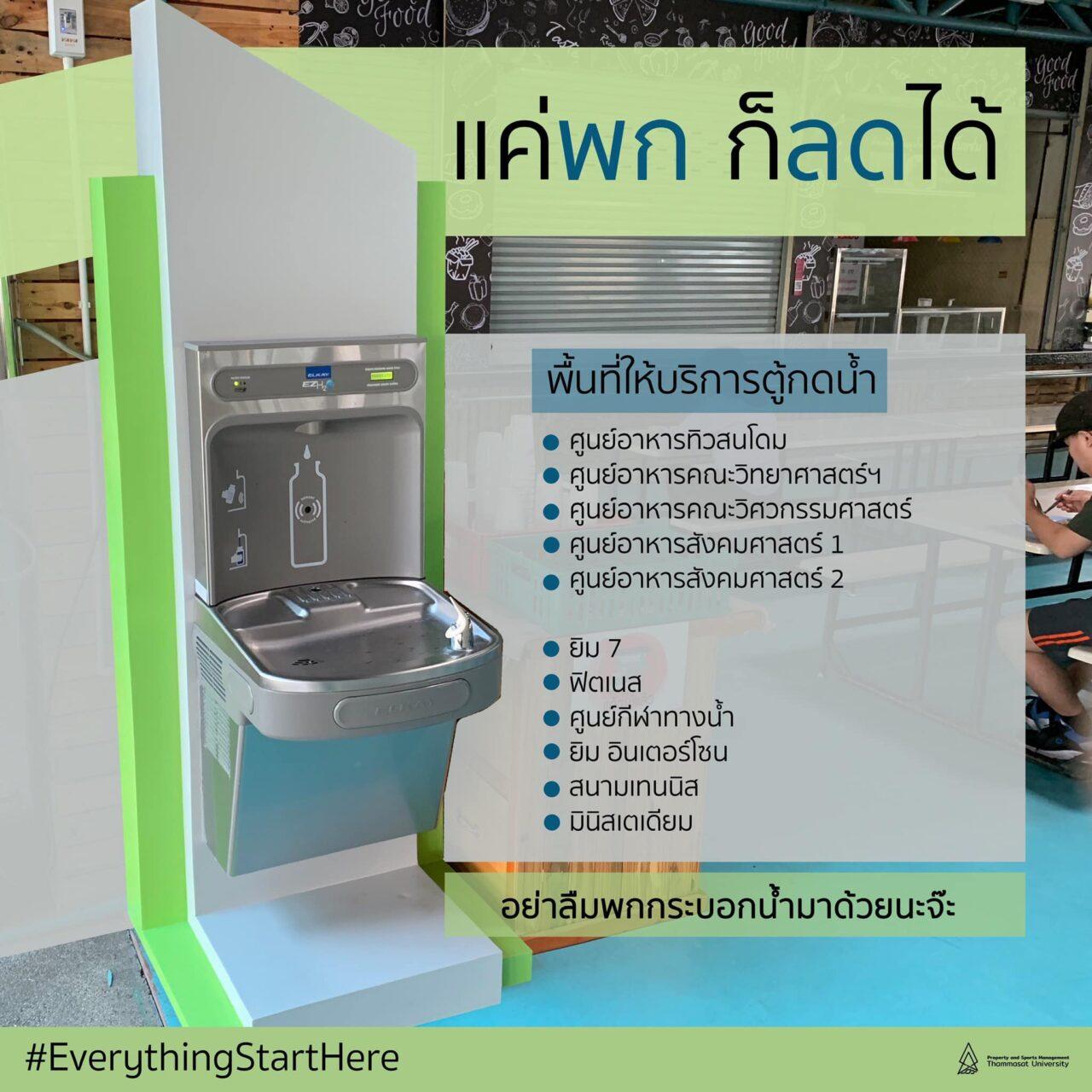
Thammasat University is dedicated to providing safe, clean drinking water to all students, staff, and visitors as part of its commitment to sustainability and public health. To reduce reliance on single-use plastic bottles, the university has installed water dispensers across campus, offering free, filtered water in strategic locations. This initiative encourages the use of reusable containers, promoting sustainable practices among the campus community.
The university ensures the quality of the water by regularly maintaining the dispensers, replacing filters monthly, and conducting routine water quality checks. In cases of water-related issues, such as discoloration, Thammasat acts swiftly, requiring the water supply company to conduct thorough testing under the oversight of student representatives. These steps ensure transparency and accountability in the process.
By combining access to clean water with active monitoring and student involvement, Thammasat University demonstrates a strong commitment to environmental responsibility and the well-being of its community.
Sustainable Water Management and Community Resilience
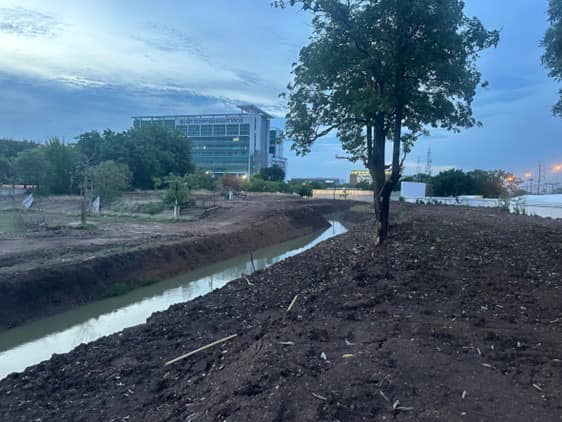
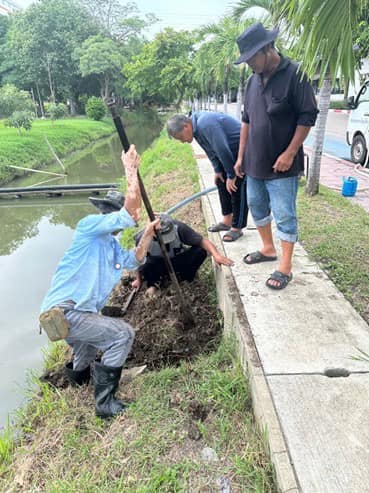
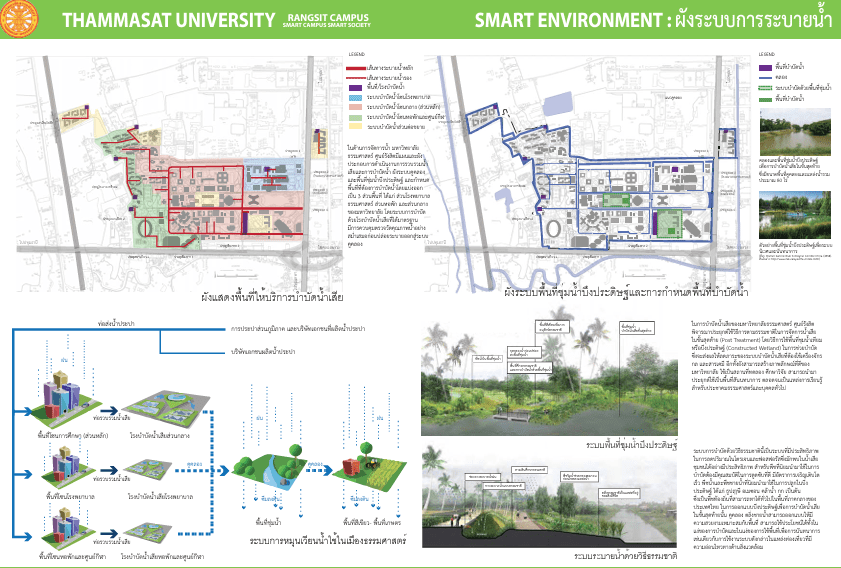
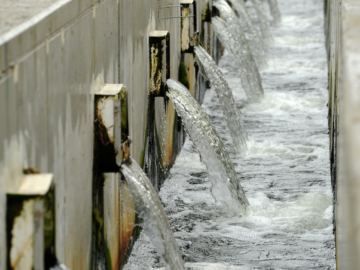
Thammasat University’s Rangsit Campus is committed to sustainable water management, focusing on wastewater treatment and flood prevention. The university operates a wastewater system that treats 3,000–5,000 cubic meters of water daily, using an aerated lagoon to recycle water for irrigation and ecosystem support. Plans to upgrade to a zero-liquid discharge system will reduce water usage and chemical dependence. Additionally, Thammasat has worked with local authorities to improve flood prevention, including dredging canals and repairing drainage systems. These efforts reflect the university’s dedication to environmental sustainability and enhancing the quality of life for both the campus and surrounding community.