Building a Sustainable Future: Thammasat University’s Commitment to Measuring and Enhancing Sustainability Literacy

HIGHLIGHTS

  • Thammasat University is committed to embedding sustainability literacy within its community, equipping students, faculty, and staff with the knowledge and skills necessary for responsible, sustainable decision-making. Through structured pathways such as coursework, assessments, and annual surveys led by the SDG Mission Unit, the university aims to foster a deep-rooted awareness of sustainability, aligning with its vision to cultivate global citizens prepared to address pressing environmental and social challenges.

Thammasat University is deeply committed to fostering sustainability literacy across its academic community, recognizing it as a critical foundation for nurturing responsible global citizens. The university has implemented structured pathways to assess and enhance the understanding of sustainability principles among students. Through both coursework and targeted assessments, Thammasat aims to equip students with the knowledge and skills necessary to make informed, sustainable choices that positively impact their communities and the environment. This commitment is part of a broader strategy under the guidance of the new administration to ensure that sustainability becomes an integral part of university life.

Thammasat University as a body is committed to measure the sustainability literacy of students. It has integrated the measurement of sustainability literacy into two paths. First, students can take a general education course, TU103 Life and Sustainability, and take midterm and final exams. As the course content focuses on sustainability from diverse perspectives, such as social science, architecture and urban planning and environmental science, as well as changing perspectives of how their actions in everyday’s life could contribute to sustainability, the students that pass this course can be assumed to have obtained sustainability literacy. The second path is that students can choose to take a TU-GREAT test, in which the R-Responsibility element is directly connected to sustainability literacy. The test in this part aims to measure their understanding of sustainability and choices of behavior that they would choose should they encounter sustainability related situations, which is a part of sustainability literacy. 

With the new administration of Rector Supasawad Chatchawarn, the SDG Mission Unit was established under the supervision and direction of the Rector. This unit is led by the Assistant to the Rector on Quality Development and Sustainability. One of the key missions is to ensure sustainability awareness and literacy is embedded in the mind of Thammasat’s people. As a result, the plan is to create a survey annually to assess the level of the sustainability literacy of the students, as well as lecturers and staff members. This survey result will inform future Thammasat’s sustainability policies especially the ones related to the promotion of sustainability awareness and literacy. 

Thammasat University’s dedication to sustainability literacy reflects its vision of empowering students, faculty, and staff to lead sustainable lives and make informed decisions that address global challenges. By implementing both curricular assessments and regular surveys through the SDG Mission Unit, the university is building a foundation for ongoing improvement in sustainability awareness. These efforts reinforce Thammasat’s role as a leader in sustainability education and underscore its mission to instill sustainable values throughout its community, creating a lasting impact that extends well beyond the campus.

Thammasat University’s Drive for Sustainability Literacy: Key Insights and Future Direction

HIGHLIGHTS

  • Direct Measurement of Competence: Thammasat university has successfully conducted a comprehensive, evidence-based Sustainability Literacy Assessment across all major stakeholder groups (students, staff, faculty, and executives), confirming institutional-wide engagement with measuring sustainability competence, as noted in the methodology’s guidance.
  • Identified Knowledge Gaps for Action: The assessment pinpointed a critical knowledge deficit in the Environmental Dimension, which received the lowest correct score (65.11% in central functions). This evidence directly justifies the need for urgent and targeted educational intervention.
  • Data-Informed Strategic Commitment: Findings are explicitly linked to future action, informing the decision to develop and deploy targeted educational interventions (e.g., integrating environmental concepts into curricula) to close specific knowledge gaps identified in the fact-based test.

Thammasat University, through its SDG Mission Unit under Quality Development Division, has undertaken a comprehensive Sustainability Literacy Assessment across its faculties, colleges, and central university functions. This initiative, conducted during Academic Year 2024 for the faculty/college level and the central university level, aims to thoroughly gauge the knowledge, attitudes, and practices regarding sustainability among its diverse stakeholders, including executives, academic staff, support staff, and students.

The data gathered from the survey will serve as a vital roadmap to develop and enhance sustainability knowledge for all stakeholders, ensuring that Thammasat University can continuously and effectively drive its long-term sustainability policies and strategies.

Key Findings from the Assessment

The self-assessment section revealed a generally moderate to high level of understanding (Knowledge), particularly concerning basic Sustainable Development Goals (SDGs) and the impact of waste. This positive trend extended to Attitude, where most personnel agreed that climate change is an urgent issue and that sustainability knowledge should be shared with family and community.

However, the assessment identified critical areas needing targeted intervention:

  • Practice Shows Variation: A high degree of variation was observed in the Practice dimension. For instance, support staff across university functions reported engaging in supporting sustainable businesses/organizations “often”, while staff in faculties/colleges/institutes reported engaging in this activity only “sometimes”. Conversely, placing importance on diversity, equity, and human rights was reported as being practiced “regularly” by the majority.
  • Knowledge Gaps in Critical Areas (Fact-Based Test): A multiple-choice knowledge test highlighted significant knowledge gaps, particularly in the Environmental Dimension:
    • Climate & Carbon: Many still misunderstand that climate change is solely due to natural factors (269 respondents from faculties/colleges) or incorrectly define Carbon Footprint as the volume of oxygen released.
    • Social and Economic Literacy: Misconceptions remain regarding the interconnectedness of SDGs, with many unaware that Gender Equality or Reduced Inequalities are core UN development goals. Similarly, errors were noted regarding the misconception that economic growth under the SDGs disregards social and environmental inequalities.

Addressing Challenges and Charting the Future

The assessment explicitly identified the primary obstacles to implementing sustainability action within the university community:

  1. Lack of motivation (highest barrier in faculties/colleges: 29.0%).
  2. Lack of knowledge and understanding (highest barrier in university functions: 31.7%).
  3. Budgetary constraints.

The need for a targeted approach is clear, especially given the disconnect between a high self-rated attitude and low scores on specific environmental knowledge questions.

Recommendations for Action

Thammasat University is leveraging these data to deploy strategic interventions:

  • Integrated Curriculum: Prioritize the integration of environmental concepts into all core curricula, explicitly addressing widespread misunderstandings around the carbon footprint and renewable energy.
  • Targeted Training: Design and launch dedicated training modules that focus on closing the identified knowledge gaps in the Social and Economic dimensions, emphasizing that quality employment and fair wages are inseparable from economic sustainability.
  • Incentivizing Action: Develop robust motivation and engagement programs to address the “lack of motivation” barrier, encouraging the transition from a positive attitude to consistent, daily sustainable practices.

By using this evidence-based approach, Thammasat University reaffirms its commitment to educating the next generation in sustainability, ensuring that knowledge translates into impactful action for a more sustainable future.

SDG 8 Promote sustained, inclusive and sustainable economic growth, full and productive employment and decent work for all

SDG 8 in numbers

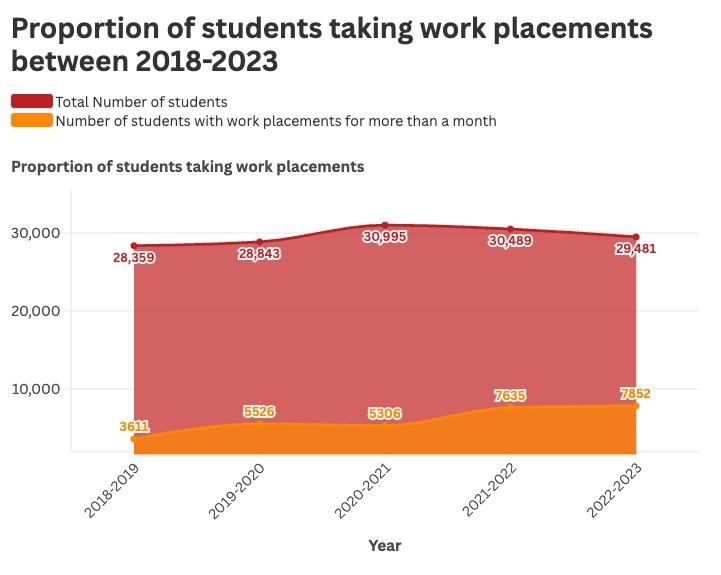
The graph shows the proportion of Thammasat University students in work placements over a month from 2018 to 2023. While total enrollment remained stable, fluctuating between 28,359 and 30,995, students in extended placements rose from 3,611 in 2018–2019 to 7,852 in 2022–2023, reflecting increased emphasis on practical experience among students.

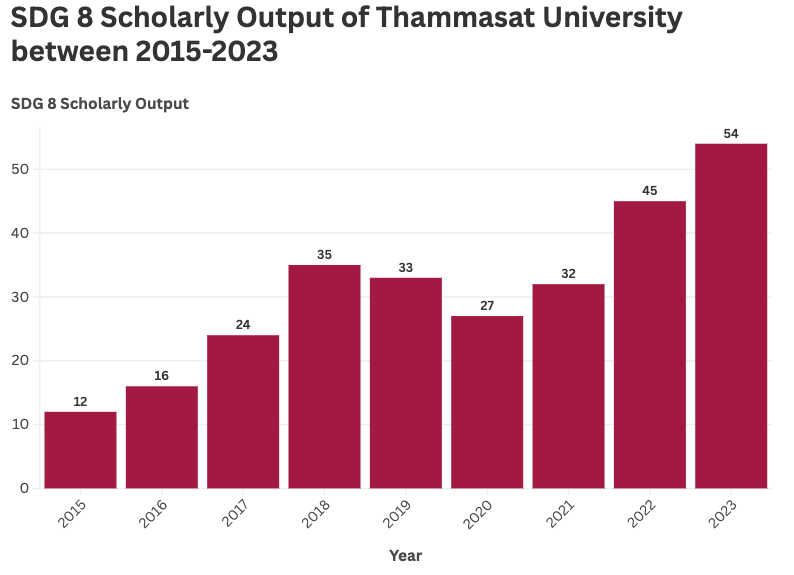
The graph shows Thammasat University’s research output on SDG 8 (Decent Work and Economic Growth) from 2015 to 2023. Starting with 12 publications in 2015, output rose steadily, peaking at 54 in 2023. Despite minor dips, recent years indicate a strong focus on decent work and economic growth research, with significant growth in 2022 and 2023.

Research in SDG 8 (2019 – 2024)

Driving Sustainable Growth: Thammasat University’s Bold Pursuit of Decent Work and Economic Transformation

Thammasat University scholars have made significant contributions to SDG 8—Decent Work and Economic Growth—through research in several key areas. One focus is labor market dynamics and job quality, examining issues like skill redefinition, job polarization, and the impact of structural economic changes in Thailand. Studies explore the tension between economic growth and equitable job quality.

Another major research area is entrepreneurship and innovation, particularly among Thai youth and vulnerable groups. Research emphasizes the role of education in fostering entrepreneurial intent and highlights the importance of inclusive entrepreneurship to bridge income gaps and drive economic resilience.

The effects of crises, such as the COVID-19 pandemic, on economic structures and labor markets have also been explored. Research investigates wage inequalities, sector-specific vulnerabilities, and the distributional impacts of economic disruptions, underscoring the need for resilience through policy adaptation, job retention, and social protection.

Additionally, scholars study the relationship between economic growth and sustainable development. Research explores how economic policies, trade liberalization, and infrastructure investments can promote sustainable employment and resource-efficient practices. This work links economic growth with ecological imperatives, supporting long-term growth that meets SDG 8 and broader SDG objectives.

Gender and workforce equality also receive substantial focus, with research on gender wage gaps, occupational feminization, and work conditions for women. Scholars investigate structural barriers and wage disparities, proposing policies to create inclusive work environments. This area reflects Thammasat’s commitment to equitable economic growth by addressing gender-based challenges in the labor market.

These research clusters demonstrate Thammasat University’s comprehensive approach to SDG 8, promoting resilient, inclusive, and sustainable economic growth through interdisciplinary insights and evidence-based solutions for decent work for all.

Outreach and Academic Services in SDG 8

Thammasat University has actively supported SDG 8 (Decent Work and Economic Growth) through 118 community service projects driven by various faculties. These projects aim to equip entrepreneurs, government and private sector employees, community enterprises, and marginalized groups with essential skills for success in the modern economy, fostering inclusive growth and ensuring economic resilience.

The Faculty of Commerce and Accountancy offers specialized training in financial analysis, market research, product development, and financial management. These initiatives support local businesses, including agricultural product processing in provinces like Nakhon Pathom and Rayong, promoting sustainable growth at the grassroots level.

The Institute for Continuing Education and Human Resources provides vocational training for marginalized communities, including inmates, focusing on practical skills such as batik-making and agricultural product processing. These programs aid reintegration into society by equipping individuals with the skills needed for stable employment, extending economic support to those outside traditional labor markets.

The Faculty of Science and Technology, in collaboration with the Office of Advanced Science and Technology, offers workshops on financial planning, debt restructuring, and technology integration. These initiatives help young entrepreneurs leverage technology for sustainable growth, combining scientific innovation with practical business skills to enhance adaptability and competitiveness in complex economic environments.

Social sciences play an integral role as well. The Faculty of Social Administration and the Puey Ungphakorn School of Development Studies organize seminars on economic and social management, promoting sustainable economic models and responsible business practices. Their focus on social responsibility ensures that projects instill both technical skills and ethical values.

Thammasat’s community service projects span diverse demographics, empowering participants to thrive in the evolving economic landscape. These interdisciplinary efforts highlight the university’s commitment to sustainable economic growth and inclusive development.

Featured Stories

Supporting Thammasat University’s Workforce: A Commitment to Welfare, Safety, and Growth

1. Comprehensive Welfare Programs for All Employees
Thammasat University values its staff and offers comprehensive welfare benefits to all employees, including civil servants, permanent staff, and temporary workers. Benefits cover social security, health and life insurance, housing aid, disaster relief, provident funds, and educational support for master’s and child education. The university also emphasizes employee well-being through flexible health benefits, offering services like health check-ups, vision care, gym memberships, and additional health insurance. These programs are designed to keep employees healthy, motivated, and engaged in supporting Thammasat’s mission.

2. Ensuring a Safe and Productive Workplace
Thammasat University fosters a safe, efficient work environment to support staff well-being and productivity. Safety committees in each faculty monitor hazards, track incidents, and enforce safety protocols. Regular safety meetings and training sessions help ensure staff can work confidently and effectively, with health and safety as top priorities.

3. Ongoing Training and Professional Development
Thammasat University fosters professional growth through continuous learning and knowledge sharing across departments. Each department develops training programs focused on staff well-being, skills enhancement, and career development. Workshops cover stress management, document systems, software tools, quality assurance, international standards, and more. These initiatives strengthen staff competencies and support the university’s mission of excellence.

From Skill to Impact: Thammasat University’s Expertise for a Better Tomorrow
At Thammasat University, both faculty and academic support staff are vital in shaping Thailand’s future through outreach and community-focused initiatives. In 2023, Thammasat’s Faculty of Law led legal training in Ubon Ratchathani and Bangkok, empowering communities with essential knowledge on legal rights. The Faculty of Learning Sciences and Education, in partnership with the Sirindhorn Anthropology Center, promoted cultural leadership and community-based learning, while coaching skills workshops and lifelong learning programs supported educator development.

The Faculty of Nursing Sciences championed senior health by providing nutrition education in collaboration with local groups, and the Library and Information Center advanced digital innovation with workshops on archiving and research management. Thammasat’s dedication to educational excellence, cultural awareness, and community service reflects its mission for a more informed and sustainable society, making a positive, lasting impact on both local and global communities.

SDG 7 Ensure access to affordable, reliable, sustainable and modern energy for all

SDG 7 in numbers

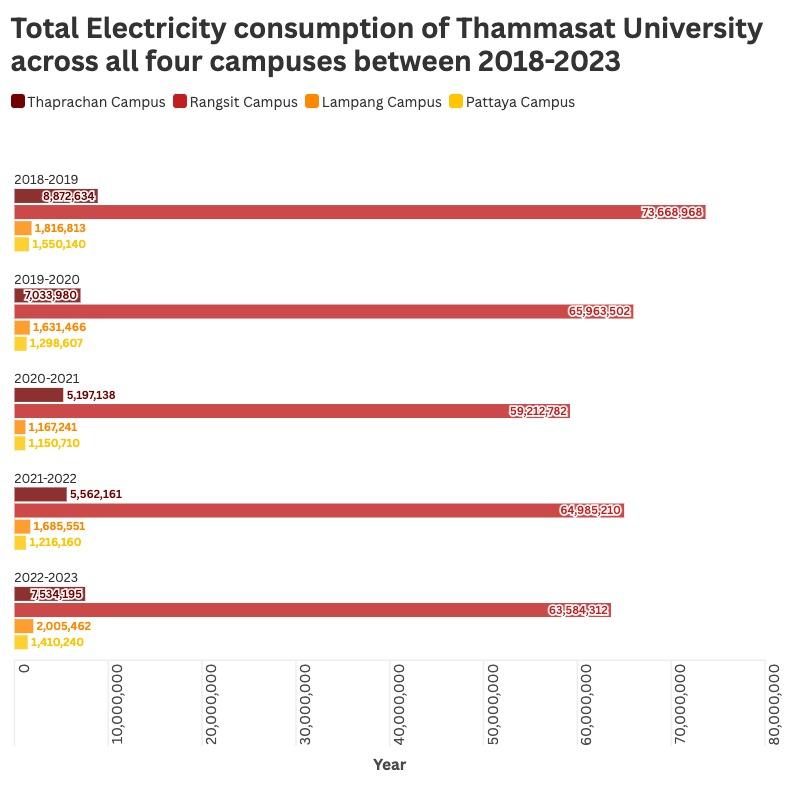
The graph shows electricity consumption across Thammasat University’s campuses from 2018 to 2023. Rangsit Campus leads, peaking at 73,668,968 kWh in 2018–2019, dropping to 59,212,782 kWh in 2020–2021, then rising to 63,584,312 kWh in 2022–2023. Thaprachan follows, with consumption ranging from 8,872,634 kWh to 7,534,195 kWh. Lampang and Pattaya campuses have low, stable usage.

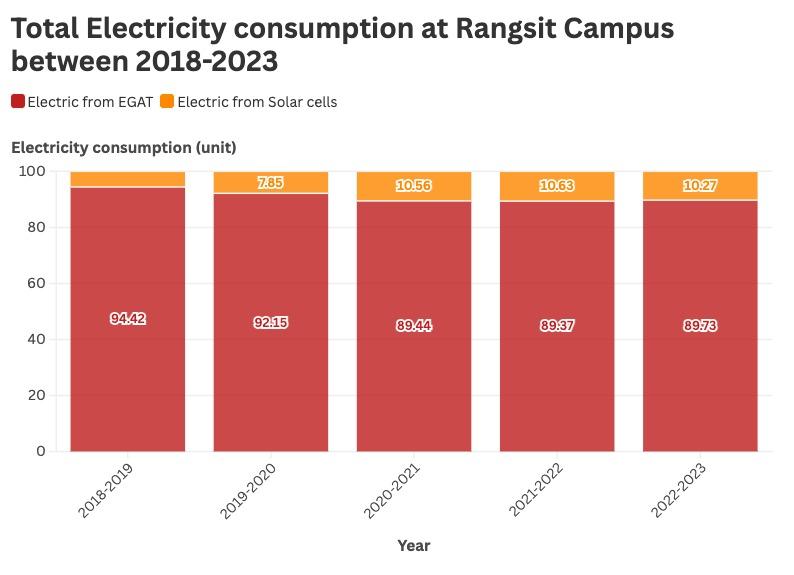
The graph shows electricity sources at Thammasat University’s Rangsit Campus from 2018 to 2023. EGAT consistently supplies the majority, over 89% each year. Solar power usage rose gradually from 5.58% in 2018–2019, peaking at 10.63% in 2021–2022, before slightly decreasing to 10.27% in 2022–2023, indicating slow solar integration.

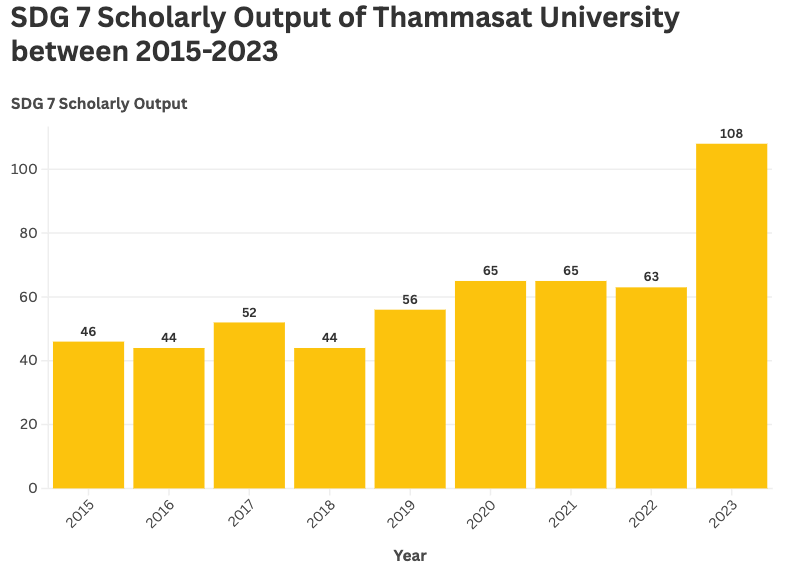
The graph shows Thammasat University’s research output on SDG 7 (Affordable and Clean Energy) from 2015 to 2023. Beginning with 46 publications in 2015, output fluctuated, then steadily increased from 2020, reaching 65 publications in 2021. A sharp rise to 108 publications occurred in 2023, reflecting heightened research focus on clean energy.

Research in SDG 7 (2019 – 2024)

Powering Tomorrow: Thammasat University’s Pioneering Research in Clean Energy and Sustainable Innovation

Thammasat University scholars have developed a diverse research portfolio addressing SDG 7 (Affordable and Clean Energy), focusing on renewable energy technologies, bioenergy, and energy storage solutions to promote sustainable energy systems and efficient resource use.

One major cluster involves photovoltaic (PV) technologies and solar energy applications. Research focuses on improving solar cell efficiency and developing cost-effective PV systems for residential and industrial use. Scholars also explore new materials and optimization methods to enhance the reliability and output of solar energy systems.

Another key area is bioenergy and waste-to-energy conversion, where researchers investigate transforming biomass and food waste into biofuels, hydrogen, and electricity. Studies include biodiesel production from waste oils, pyrolysis for bio-oil production, and the catalytic conversion of organic waste. These efforts aim to promote sustainable resource recovery, addressing both waste management and energy security.

Thammasat also explores hydrogen energy and fuel cell technology, particularly hydrogen’s potential to decarbonize Thailand’s energy sector. Research includes innovations in microbial fuel cells, which recover bioelectricity from wastewater, highlighting hydrogen’s role in a low-carbon future.

Energy storage is another vital area, with a focus on developing high-efficiency, sustainable batteries, including lithium-ion and sodium-ion technologies. Research aims to optimize energy storage for electric vehicles and smart grids, using waste-derived carbon sources to create novel electrode materials.

Together, these research clusters position Thammasat University as a leader in advancing sustainable energy solutions. By focusing on renewable energy, sustainable fuels, hydrogen, and energy storage, Thammasat’s work aligns with SDG 7, contributing to Thailand’s transition to a more sustainable energy future.

Outreach and Academic Services in SDG 7

Thammasat University has undertaken various community service projects related to Sustainable Development Goal 7 (SDG 7), focusing on enhancing energy security and access to clean energy for different groups in society. These projects are the result of interdisciplinary collaboration, integrating expertise from both scientific and social sciences fields. Currently, Thammasat University has initiated a total of three projects aligned with SDG 7, aimed at promoting efficient energy use and raising awareness about clean energy.

The Sirindhorn International Institute of Technology (SIIT) launched the project “Let’s Make My EV: Chemical Engineering and Electric Vehicle Technology!” This project aims to impart knowledge and skills in electric vehicle creation to high school students and university staff. The program not only provides technical knowledge on developing electric vehicles but also fosters awareness of clean energy usage, empowering participants to apply these principles in their daily lives and advocate for clean energy in broader applications.

The Faculty of Economics also plays a crucial role in advancing energy-related issues by organizing a seminar titled “Power Development Plan (PDP) 2024: Thailand at the Crossroads.” This seminar provides an opportunity for the public and stakeholders to engage in discussions about national energy policies. Participants gain a deeper understanding of the choices and long-term impacts of energy policies, which fosters critical thinking and helps build knowledge on energy issues at both community and national levels.

These projects reflect Thammasat University’s commitment to creating social benefits through interdisciplinary collaboration, effectively driving clean energy initiatives in education, research, and policy advocacy to address the nation’s sustainable energy needs.

Featured Stories

Pioneering Renewable Energy and Zero Emission Goals

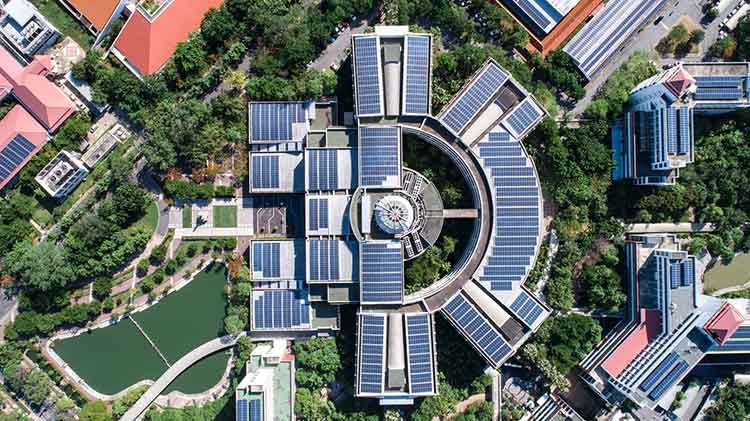
Thammasat University leads in sustainability, advancing its “Smart University” vision to reduce its carbon footprint and promote environmental responsibility. Solar panel installations at its Rangsit, Pattaya, and Lampang campuses reflect this commitment. Rangsit campus, since 2016, has hosted one of Asia’s largest university solar rooftops, with solar energy now supplying 14% of Rangsit’s and 21% of Lampang’s electricity.

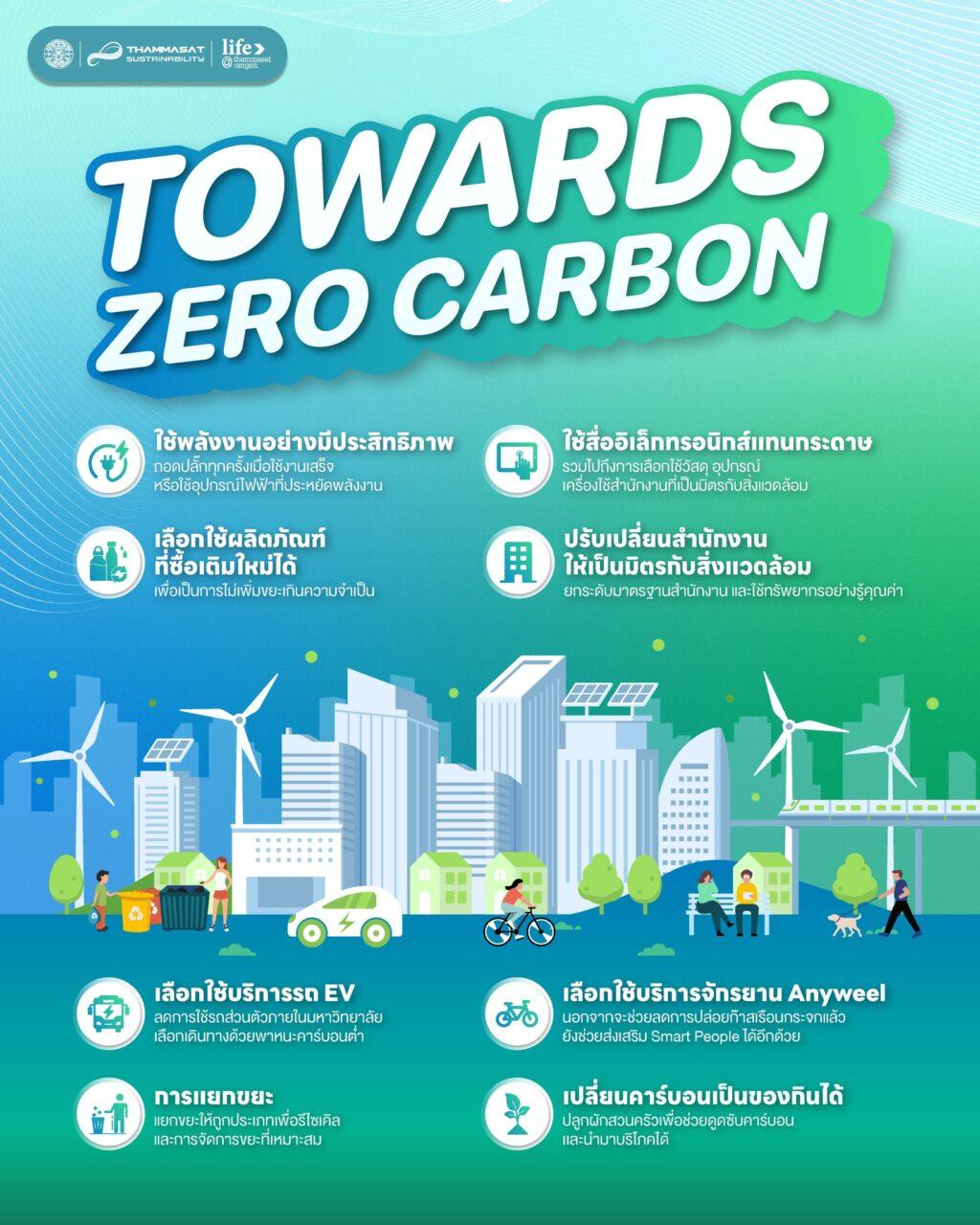
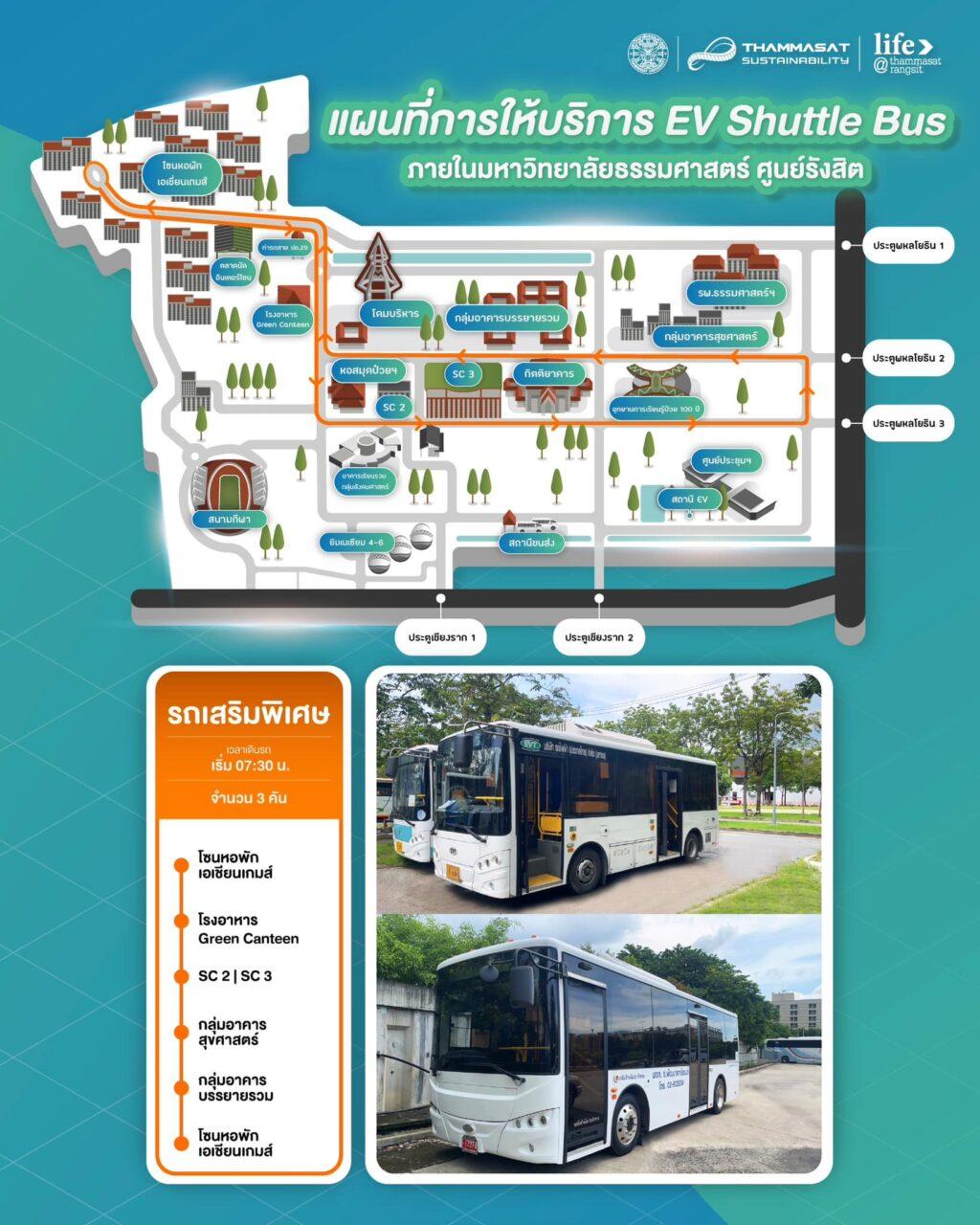
In sustainable transportation, Thammasat has shifted shuttle buses from NGV to electric, cutting annual carbon emissions by 366 tons. The university’s efforts align with its goal of achieving carbon neutrality by 2030, emphasizing increased clean energy use, improved waste management, and sustainability education for students, staff, and the wider community.

Thammasat’s renewable energy goals align with its broader sustainability agenda, which includes achieving carbon neutrality by 2030. The university is working to increase its use of clean energy, improve waste management, and foster a culture of sustainability among students, staff, and the community.

Thammasat and Solartron: Building a Sustainable Future Through Education

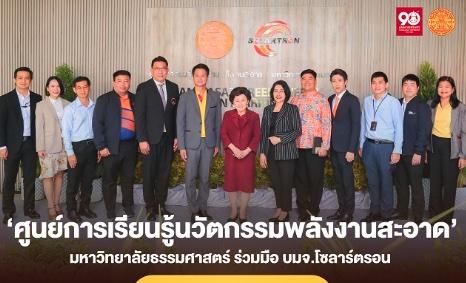
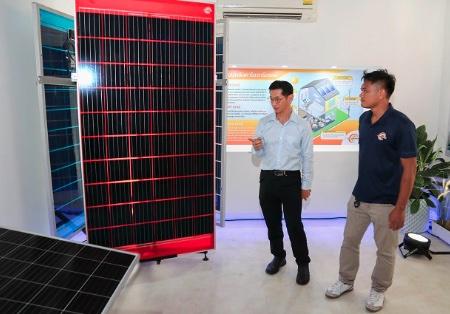
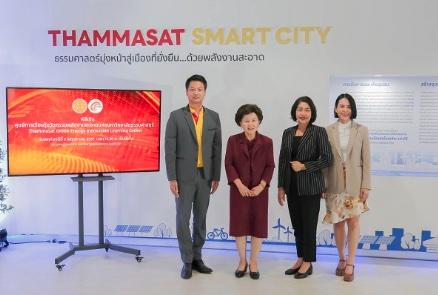
In May 2023, Thammasat University and Solartron Public Company Limited opened the Clean Energy Innovation Learning Center at Rangsit campus. Located in the Dome Administration Building, this center educates students, staff, and the community about renewable energy and sustainable practices through hands-on learning. It reflects Thammasat’s commitment to SDG 7 (Affordable and Clean Energy) and SDG 13 (Climate Action), highlighting efforts to reduce carbon emissions.

Thammasat also integrates renewable energy across campus, with solar rooftops supplying 10% of electricity and EV shuttle buses decreasing fossil fuel reliance. The university’s broader sustainability strategy aims to reduce carbon emissions by over 21,000 tons annually, supporting a future led by sustainability-conscious leaders.

SDG 6 Ensure availability and sustainable management of water and sanitation for all

SDG 6 in numbers

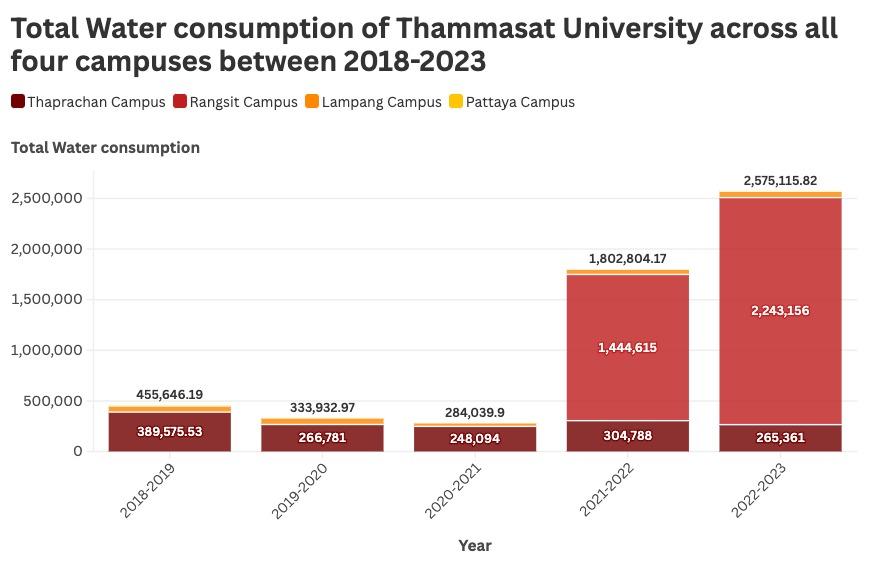
The graph shows Thammasat University’s water consumption across four campuses from 2018 to 2023. Consumption appeared stable until 2021, rising sharply to 1,802,804 cubic meters due to newly included data from Rangsit Campus, which used 1,444,615 cubic meters. In 2022–2023, total usage further increased to 2,575,115 cubic meters, mainly from Rangsit. Other campuses remained stable.

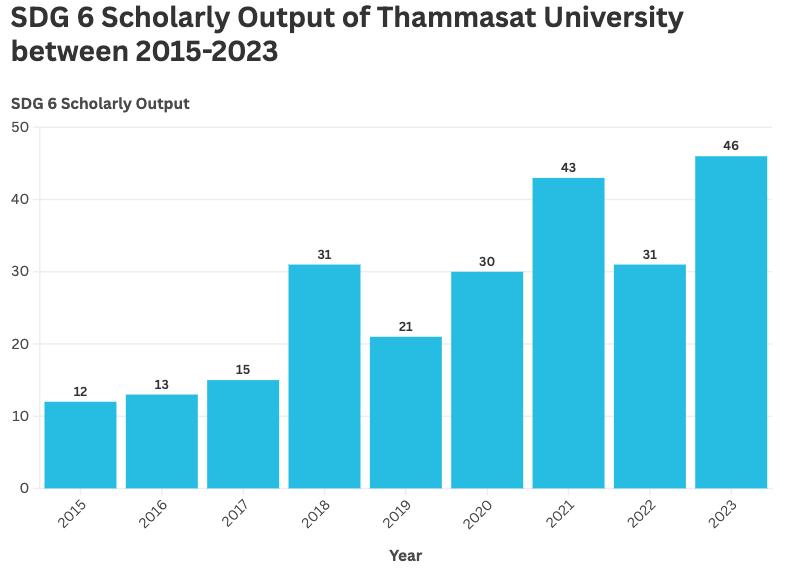
The graph shows Thammasat University’s research output on SDG 6 (Clean Water and Sanitation) from 2015 to 2023. Starting with 12 publications in 2015, output peaked at 43 in 2021, dipped slightly in 2022, then reached a new high of 46 in 2023. This trend reflects an increasing focus on water and sanitation research.

Research in SDG 6 (2019 – 2024)

Clean Water Innovations: Thammasat University’s Pioneering Path to Sustainable Solutions for SDG 6

Thammasat University scholars have made significant contributions to SDG 6 (Clean Water and Sanitation) through diverse research and technological advancements addressing water quality, wastewater treatment, and sustainable water management.

A prominent research cluster focuses on innovative water treatment technologies. Studies on advanced filtration methods, such as nanocomposites, biochar, and graphene-based systems, aim to remove pollutants like heavy metals, antibiotics, and microplastics. Additionally, eco-friendly photocatalysts for degrading organic pollutants highlight the university’s commitment to sustainable water purification.

Another key cluster centers on wastewater management and recovery systems. Research on microbial fuel cells explores wastewater treatment while recovering energy. Thammasat scholars also develop low-cost septic systems and constructed wetlands, aiming to provide decentralized sanitation solutions for both urban and rural communities, particularly in developing countries where traditional infrastructure is limited.

Water resource management is a third important area, with research utilizing IoT-based decision models and multicriteria decision-making approaches to optimize water distribution and irrigation. Projects include predictive models for urban water supply, hydrological models for river basin management, and assessments of irrigation efficiency. This work addresses water scarcity and climate resilience, essential for sustainable water use.

Lastly, scholars investigate emerging pollutants like microplastics and pharmaceutical residues in drinking water sources. These studies highlight the potential risks to public health and ecosystems, informing policies to improve water safety standards and protect human health.

In conclusion, Thammasat University’s research on SDG 6 takes a holistic approach to water sustainability, combining advanced treatment technologies, decentralized sanitation, efficient water management, and public health risk assessments, all contributing to cleaner water and better sanitation.

Outreach and Academic Services in SDG 6

Thammasat University has developed and implemented various social service projects focused on promoting sustainability in clean water and sanitation (SDG 6), with a total of five projects currently underway. These projects highlight the collaboration of diverse faculties, each bringing specialized knowledge and expertise to provide services that meet community needs and enhance sustainability in water and sanitation. These initiatives aim not only to create local impact but also to emphasize interdisciplinary efforts across different fields to improve development outcomes and tackle complex issues effectively.

The project by the Faculty of Political Science focuses on participatory research in water management and biodiversity, working closely with other relevant community organizations. This community-based research approach allows for a deep understanding of local issues and limitations, which helps in developing more appropriate and sustainable water management solutions. In addition to scientific knowledge used for data analysis and research, this project integrates social science principles to ensure that all participants recognize the importance of water conservation and sustainable resource management.

Featured Stories

Safe and clean drinking water for all on campus

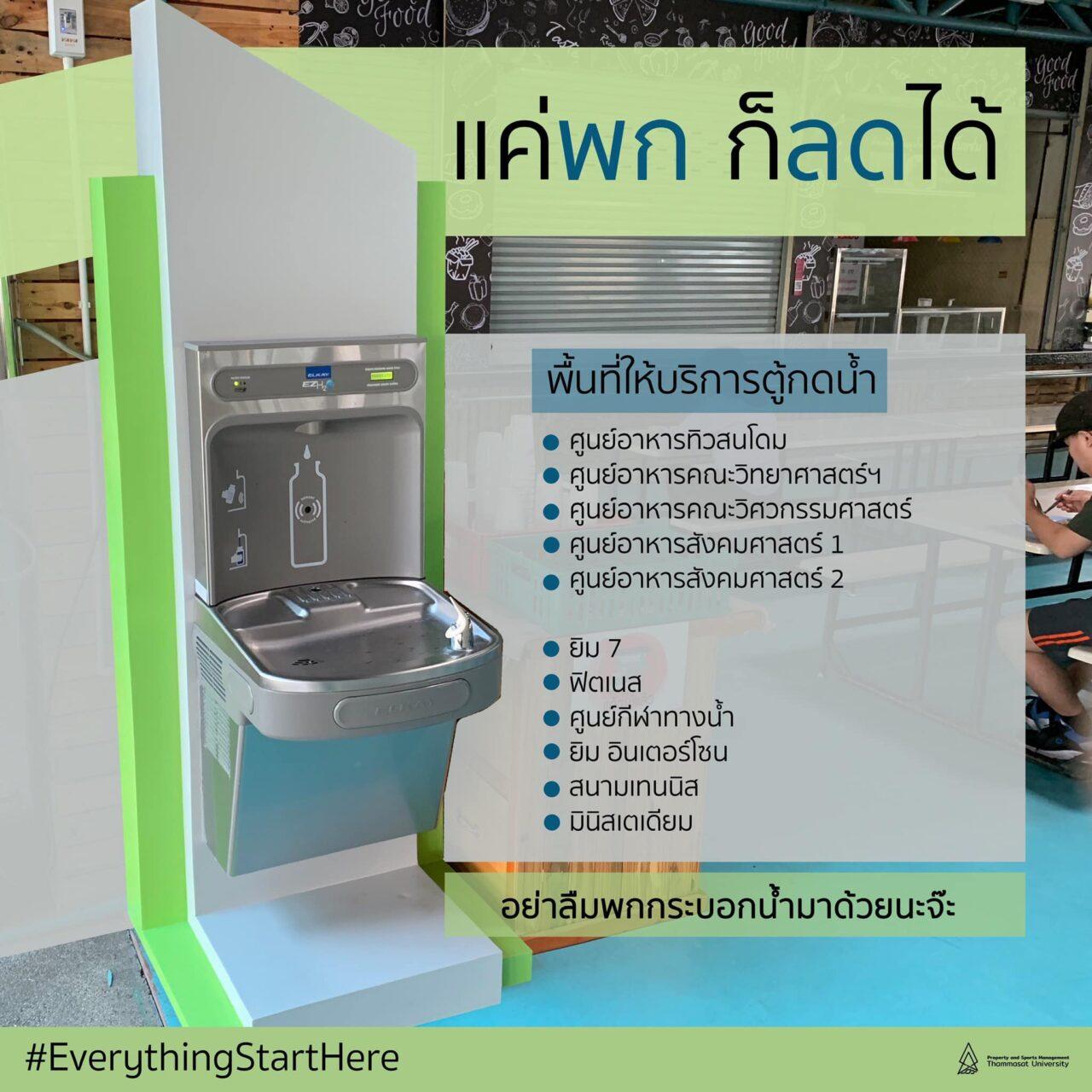
Thammasat University is dedicated to providing safe, clean drinking water to all students, staff, and visitors as part of its commitment to sustainability and public health. To reduce reliance on single-use plastic bottles, the university has installed water dispensers across campus, offering free, filtered water in strategic locations. This initiative encourages the use of reusable containers, promoting sustainable practices among the campus community.

The university ensures the quality of the water by regularly maintaining the dispensers, replacing filters monthly, and conducting routine water quality checks. In cases of water-related issues, such as discoloration, Thammasat acts swiftly, requiring the water supply company to conduct thorough testing under the oversight of student representatives. These steps ensure transparency and accountability in the process.

By combining access to clean water with active monitoring and student involvement, Thammasat University demonstrates a strong commitment to environmental responsibility and the well-being of its community.

Sustainable Water Management and Community Resilience

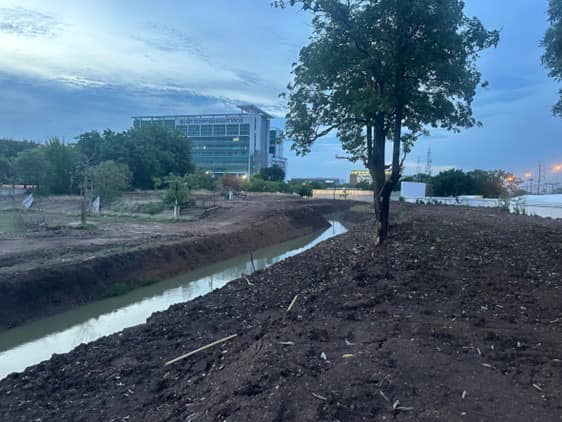
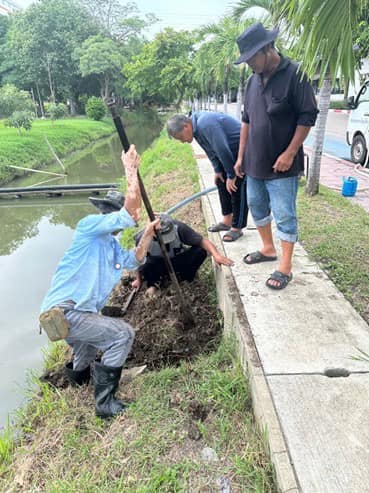
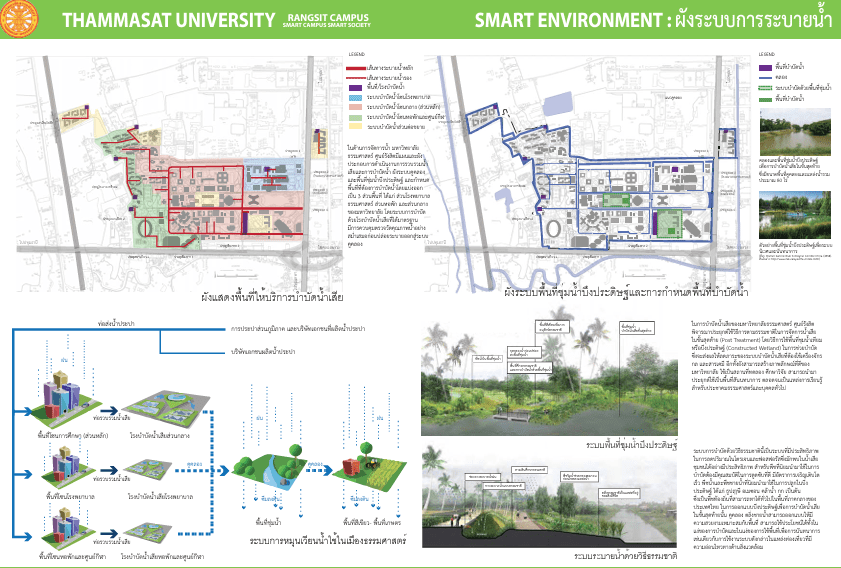
Thammasat University’s Rangsit Campus is committed to sustainable water management, focusing on wastewater treatment and flood prevention. The university operates a wastewater system that treats 3,000–5,000 cubic meters of water daily, using an aerated lagoon to recycle water for irrigation and ecosystem support. Plans to upgrade to a zero-liquid discharge system will reduce water usage and chemical dependence. Additionally, Thammasat has worked with local authorities to improve flood prevention, including dredging canals and repairing drainage systems. These efforts reflect the university’s dedication to environmental sustainability and enhancing the quality of life for both the campus and surrounding community.