HIGHLIGHTS
- Developing Educational Resources with NGOs: Through SDG Move (SDSN Thailand), Thammasat partnered with the IHPP Foundation to launch the SDG Port—a national knowledge hub consolidating SDG-related data and learning materials. At the community level, Thammasat’s Faculty of Social Administration and the Sasakawa Peace Foundation co-created curricula for stateless children, promoting educational equity.
- Collaborative Research for Community Resilience: The Puey Ungphakorn School of Development Studies partnered with local NGOs to study community innovations during the COVID-19 pandemic, producing research that strengthens primary healthcare systems and informs national policy on community resilience.
- Student Engagement and Educational Transformation: In the “Ecosystem of Meaningful Learning and Happiness” project, Thammasat’s Faculty of Learning Sciences and Education worked with the Jaika Ting Foundation to engage students and teachers in hands-on learning innovation across schools in Phichit Province—linking education reform to SDG 4: Quality Education through creative, community-based initiatives.
Thammasat University is deeply committed to addressing the world’s most pressing challenges, utilizing the Sustainable Development Goals (SDGs) as a guiding framework. Recognizing that meaningful change cannot be achieved in isolation, the university actively fosters deep, cross-sectoral collaborations, particularly with Non-Governmental Organizations (NGOs).
These vital partnerships bridge the gap between academia and society, transforming shared goals into tangible outcomes. These collaborations are activated across three core pillars: developing inclusive educational resources, conducting high-impact public research, and fostering hands-on student engagement.
Development of Educational Resources
A cornerstone of Thammasat’s strategy involves co-creating educational resources that target both specific communities and the nation at large.
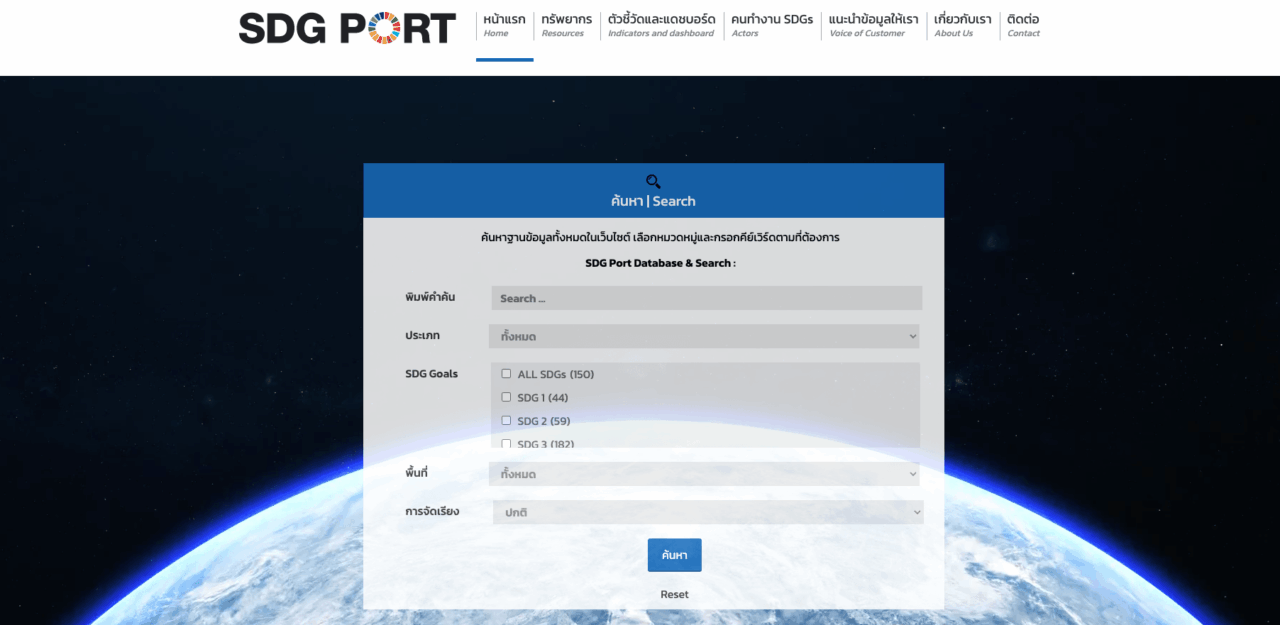
On a national scale, Thammasat University, through its SDG Move initiative at the Faculty of Economics, serves as the host of the Sustainable Development Solutions Network (SDSN) Thailand. In this pivotal role, Thammasat partners with the IHPP Foundation, a non-profit think tank, to produce “the SDG Port.” This key initiative creates a centralized Knowledge Hub, consolidating diverse SDG-related data and educational resources from various agencies to monitor and advance sustainable development in Thailand.
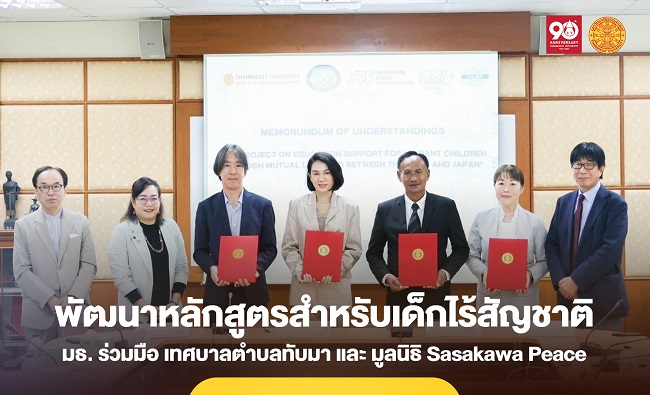
The Faculty of Social Administration, for instance, has partnered with the Sasakawa Peace Foundation to develop a specialized learning curriculum for stateless children. This initiative directly addresses educational inequality (SDG 4 and 10), ensuring that vulnerable children gain access to the knowledge and skills necessary for their development and to improve their quality of life.
Read more: https://tu.ac.th/thammasat-221167-swtu-mou-developing-curriculum
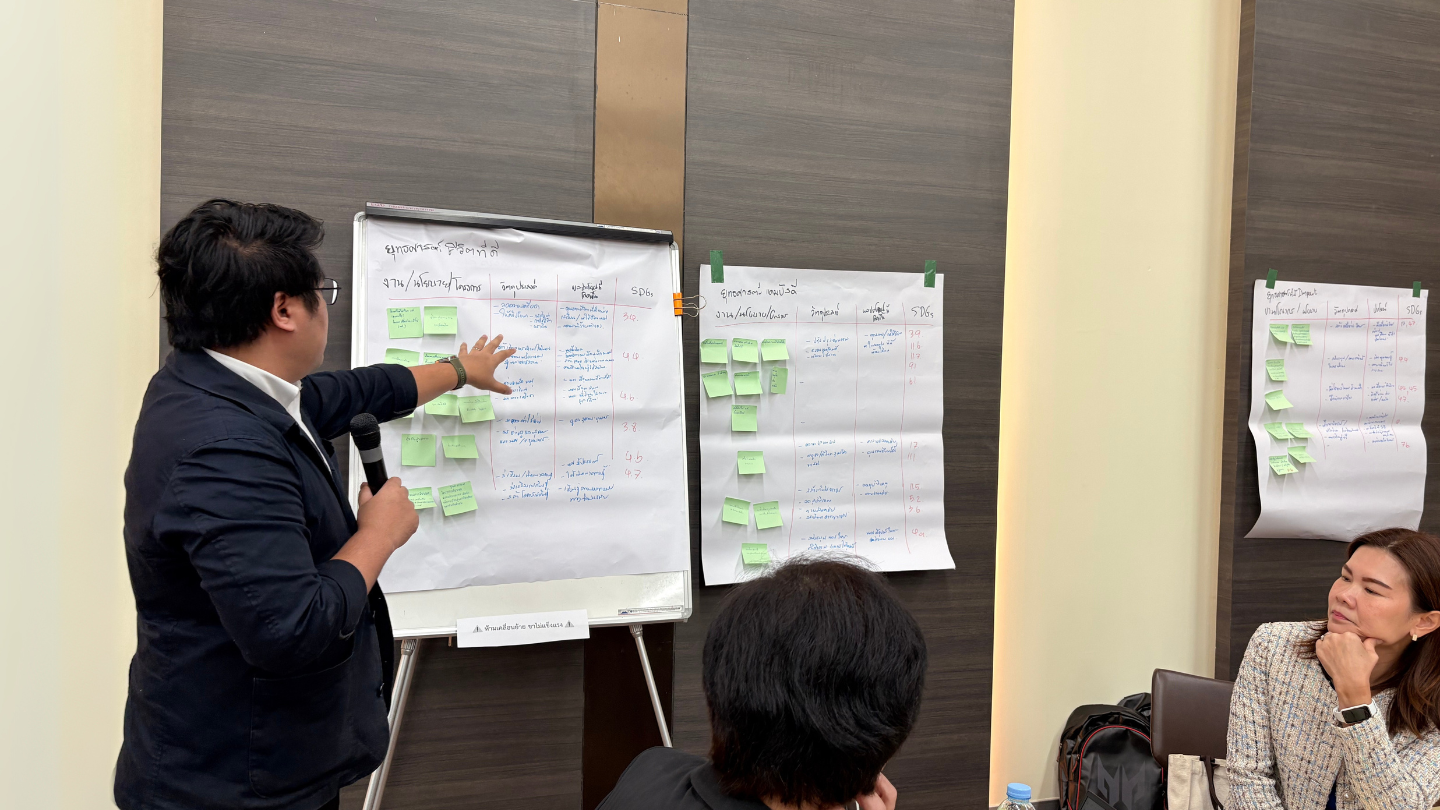
Similarly, the “Ploi Sang School” (Letting Shine School) project, led by the Faculty of Learning Sciences and Education, collaborates with NGOs like the Korkankru (Teacher Uprising Group) and the Foundation for the Promotion of Reading Culture. This project moves learning beyond the traditional classroom, working to build a healthy learning ecosystem by developing teacher capacity and empowering students.
Driving Impact Through Collaborative Research
Thammasat’s research mission is intrinsically linked to solving public problems, a goal amplified through partnerships with civil society.
The Puey Ungphakorn School of Development Studies is leading a critical research project to enhance community resilience against health crises. This project, which analyzes community-led innovations that emerged during the COVID-19 pandemic, is conducted in close collaboration with government health agencies and various NGOs that serve as local “mentors.” By working together, the university and its NGO partners are analyzing community-based solutions to strengthen primary healthcare systems and develop national policy proposals.
Explore more: https://www.thecoverage.info/news/content/7105

Fostering Hands-on Student Engagement
Thammasat is dedicated to connecting students directly with community challenges while simultaneously working to improve educational systems from the ground up.
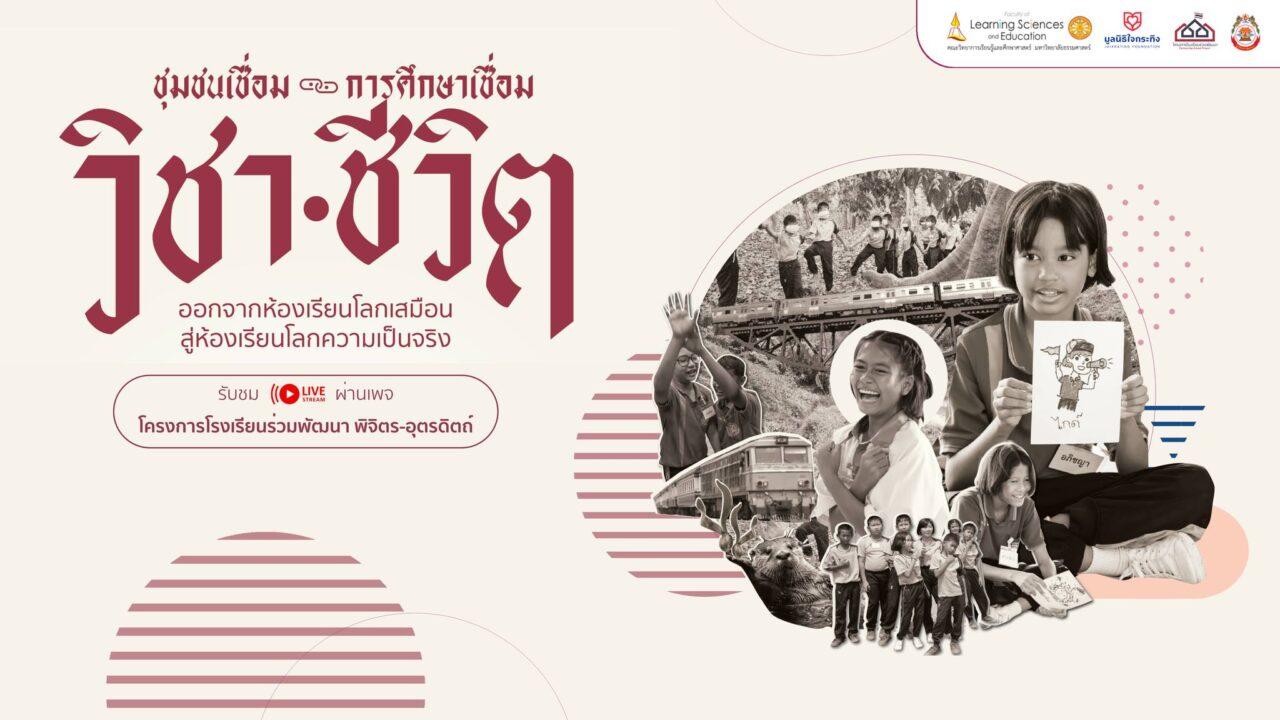
A prime example is the “Ecosystem of Meaningful Learning and Happiness” project, led by the Faculty of Learning Sciences and Education in collaboration with the Jaika Ting Foundation. This initiative, part of the national Partnership School Project, targets four schools in Phichit Province (Bang Mun Nak, Wat Ban Huai Yao, Wang Takur, and Ban Noi Pruk).
The project’s goal is to enhance educational management and quality by leveraging Phichit’s local resources and collaborative networks. It addresses key challenges, such as adapting classroom management to students’ specific contexts and ensuring academic strategies meet community requirements.
The project operates on three distinct levels:
- Institutional Level: Encouraging schools to transform into lifelong learning spaces by adapting curricula to real-life needs and fostering multi-grade learning to optimize resources.
- Network Level: Building connections among educational institutions, communities, and the public and private sectors to mobilize resources for development.
- Policy Level: Utilizing findings to inform policy recommendations aimed at enhancing small and medium-sized schools nationwide.
Core activities include empowering teachers as change leaders through modules emphasizing self-awareness and innovative teaching practices. The project also engages students in creative camps, focusing on skills like video production and community theater, which foster critical skills and connect them directly to their local contexts. This multi-level collaboration directly embodies a commitment to achieving Sustainable Development Goal 4: Quality Education.
These collaborations—spanning high-impact research, inclusive educational development, and student-led community service—are fundamental to Thammasat University’s role as an engine for social progress. By partnering with dedicated NGOs, Thammasat ensures that its academic expertise is effectively translated into scalable solutions and lasting sustainable development for Thailand and the region.