Highlights
- Rangsit Campus established the Special Affairs Unit (SAU) in 2021, which primarily focuses on collaborating with stakeholders in the Rangsit and Pathum Thani areas by convening regularly meetings and organizing outreach activities aimed at promoting the well-being and safety of students and residents
- Pattaya Campus created a forum for local government, civil society representatives and students to exchange the issues and idea in enhancing safety of well being within the local community.
- Lampang Campus emphasizes its role in enhancing accessible education in the northern region while serving as a central hub for collaboration with the government, private sector, and local residents. The campus aims to leverage knowledge, technology, and innovation to strengthen the economy and improve societal conditions within these communities.
Thammasat University has expanded its educational footprint through additional campuses in Lampang, Pattaya, and Rangsit, with the goal of enhancing access to quality education and addressing the specific needs of the surrounding regions. Each campus is strategically designed to foster community engagement and collaboration, ensuring that local stakeholders—including residents, local government officials, and civil society representatives—are actively involved in university decision-making processes. This collaborative approach is aimed at tackling community challenges and contributing to the development of both local economies and social well-being.
Promoting Safety and Well-being
Rangsit Campus:
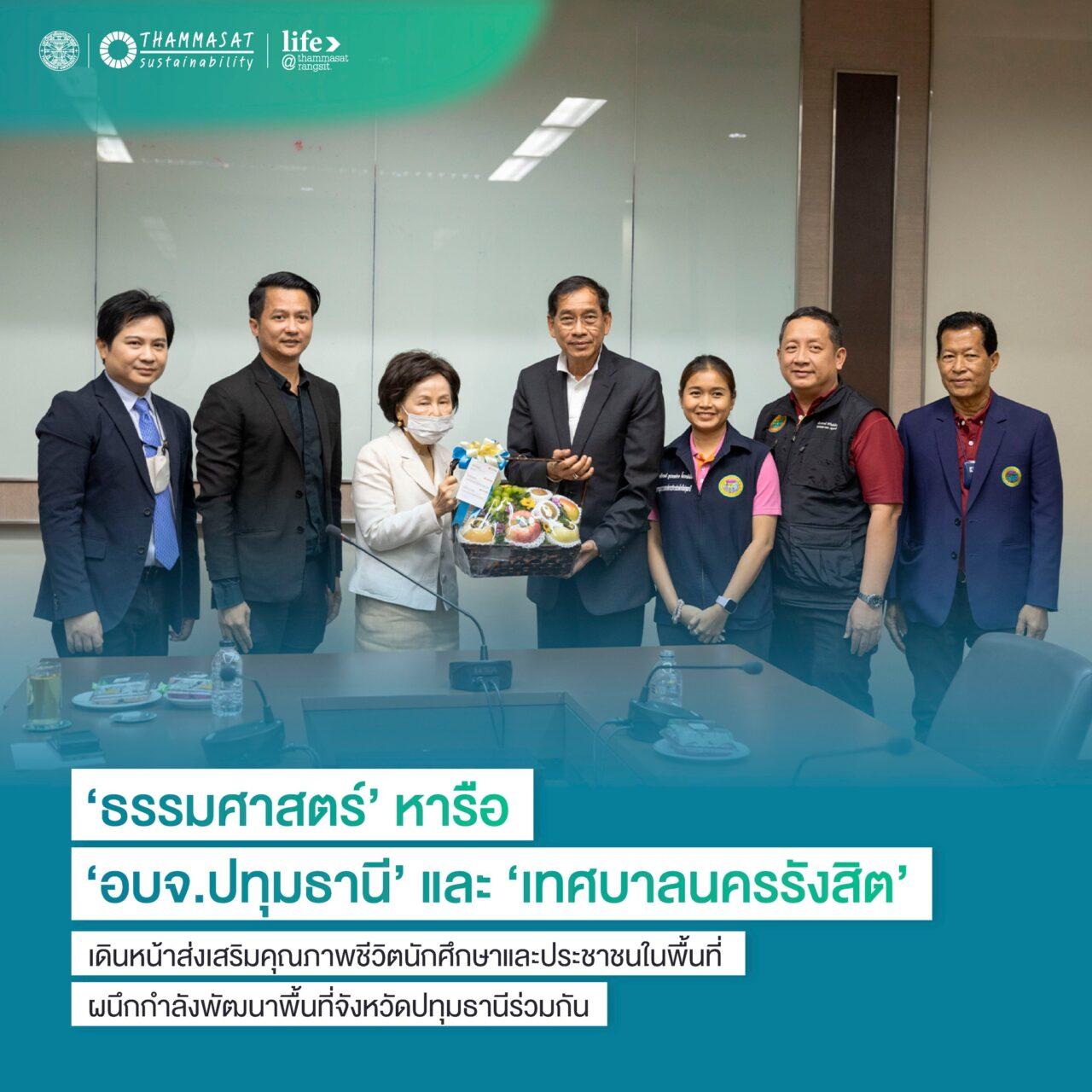
The Special Affairs Unit (SAU) at the Rangsit campus was established in 2021 to promote safety and well-being within the Rangsit and Pathum Thani areas. The SAU works closely with key stakeholders such as Rangsit Municipality, Tha Klong Municipality, the Pathum Thani Provincial Administrative Organization, and the National Science and Technology Development Agency (NSTDA) to implement outreach initiatives and foster a secure environment for both students and local residents.
Notable activities from 2021 to 2024 include the following:
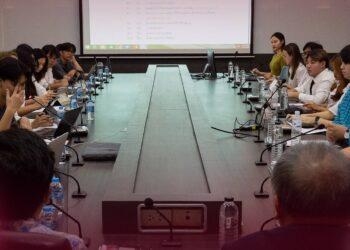
- On February 22, 2024, the Planning and Management Committee for Safety at Thammasat University Rangsit Center convened a meeting with representatives from the Thammasat University Student Organization, the Student Council, Rangsit Center Administration, and Khlong Luang Police Station.
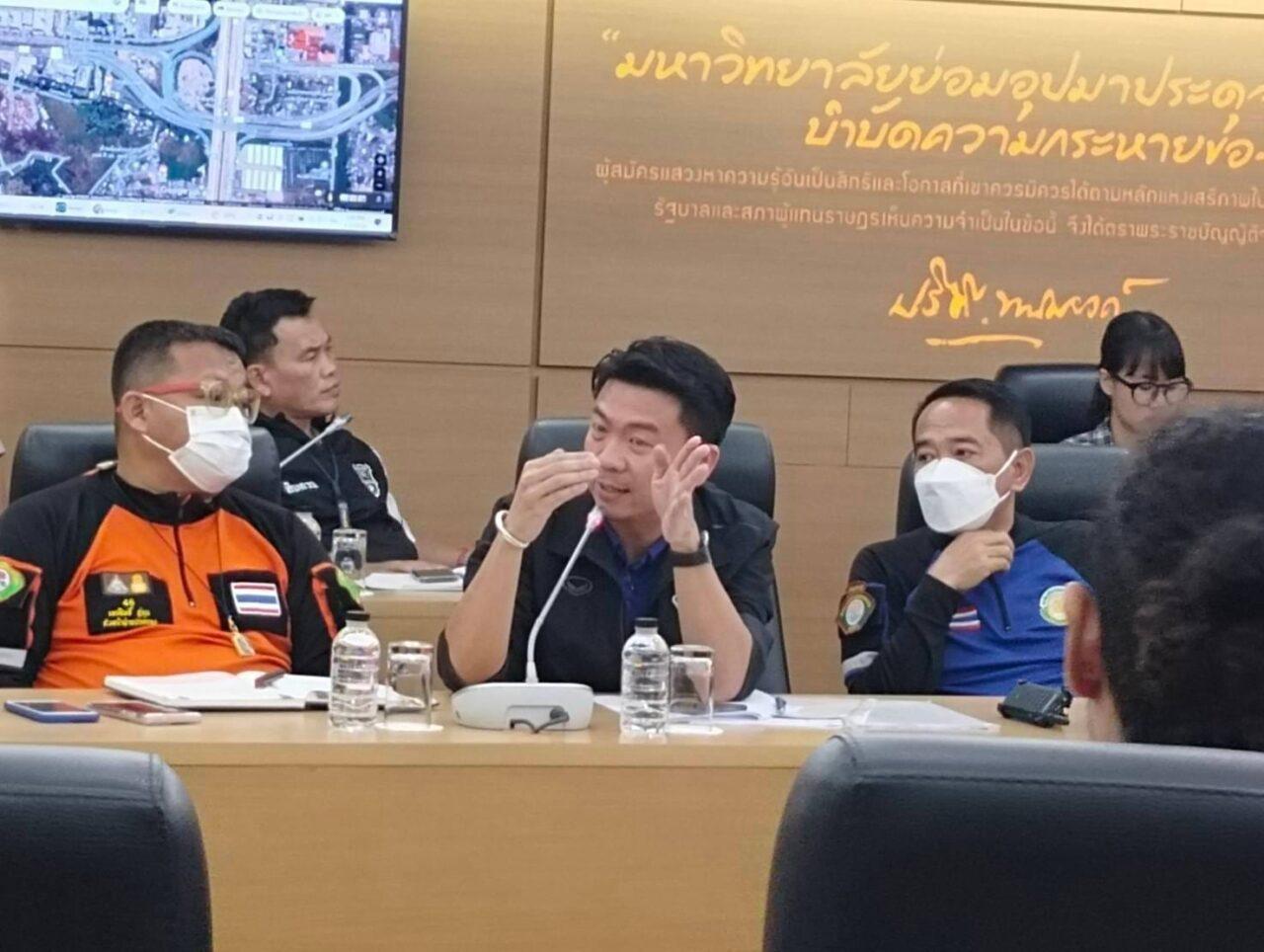
- On December 27, 2022, the Committee met with Khlong Luang Police Station, Thakhlong Municipality, Khlong Luang Municipality, and local district representatives to discuss several critical issues, such as:
- Enhancing safety for students and the public
- Improving waste management and environmental sustainability
- Developing partnerships for student internships
- Establishing systems to monitor and manage emergency situations
- Strengthening public health services for the surrounding community
These efforts reflect the university’s proactive role in building a safer, more resilient community in the Rangsit area.
Pattaya Campus:
Similarly, the Pattaya Campus is committed to fostering community well-being. On June 19, 2024, a significant meeting was held, bringing together university staff, local government officials, and civil society representatives to discuss strategies for enhancing safety and well-being within the Pattaya-Bang Lamung area. The gathering emphasized the university’s commitment to collaboration and involved the active participation of students, staff, and residents in shaping the university environment. Key issues discussed included inadequate street lighting and public transportation, with students offering valuable insights that were well-received by local officials. The meeting concluded with a commitment to ongoing collaboration, setting the stage for a forum where stakeholders can continue to engage with the university in shaping its future. (For more details, please visit the link.)
Strengthening the Local Economy
Rangsit Campus:
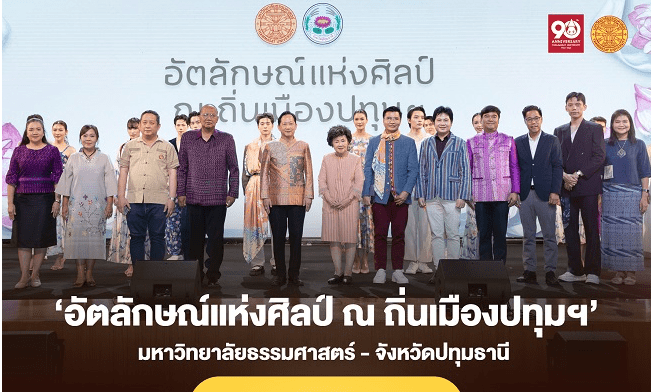
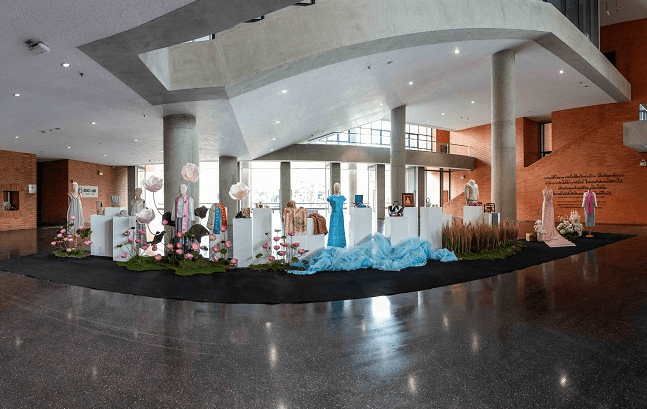
Thammasat University is also deeply committed to promoting the economic development of the regions it serves. On March 16, 2024, the university, in collaboration with Pathum Thani Province, local universities, schools, and communities, hosted the event “The Identity of Art in Pathum City” at the Puey Ungphakorn Learning Park at Thammasat University, Rangsit Center. The event, themed “Color of Pathum,” highlighted the rich cultural heritage and natural resources of Pathum Thani Province. It aimed to create economic opportunities by showcasing local art, culture, and traditional textiles, which the event sought to promote on an international scale. This initiative plays a key role in fostering local industries, creating jobs, and increasing the region’s economic potential.(For more details, please visit the link.)
Lampang Campus:
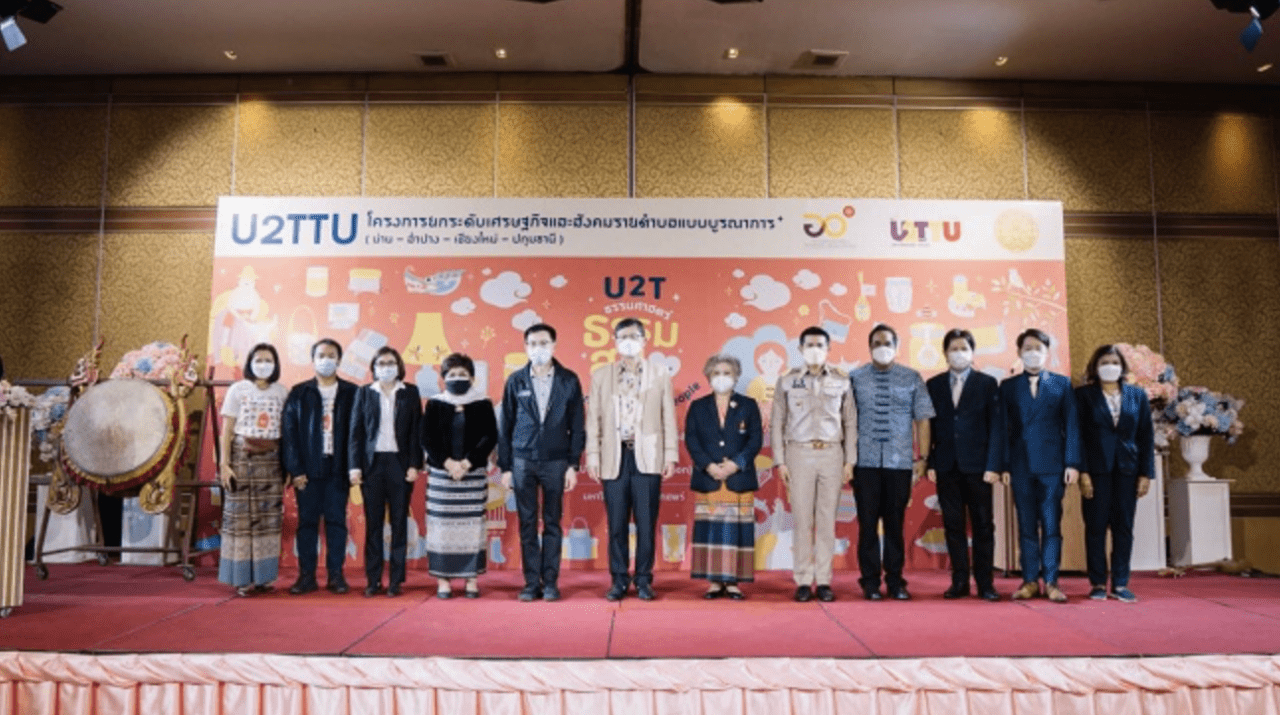
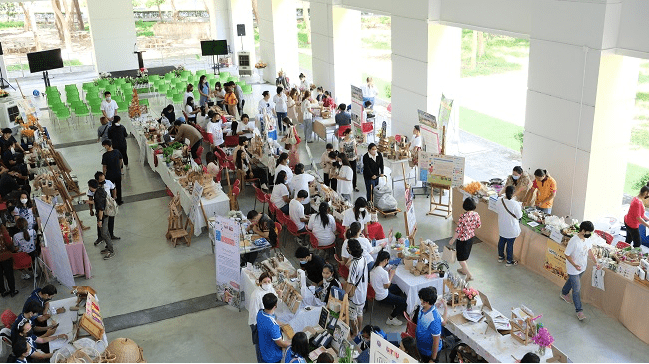
The Lampang Campus has also prioritized economic and social development through its various community-driven projects. One prominent initiative is the U2T (University to Targeted Communities) project, which currently operates in 48 sub-districts across northern Thailand. By creating over 960 local jobs, this project collaborates with government bodies, the private sector, and local residents to leverage knowledge, technology, and innovation to uplift the regional economy and improve societal well-being.
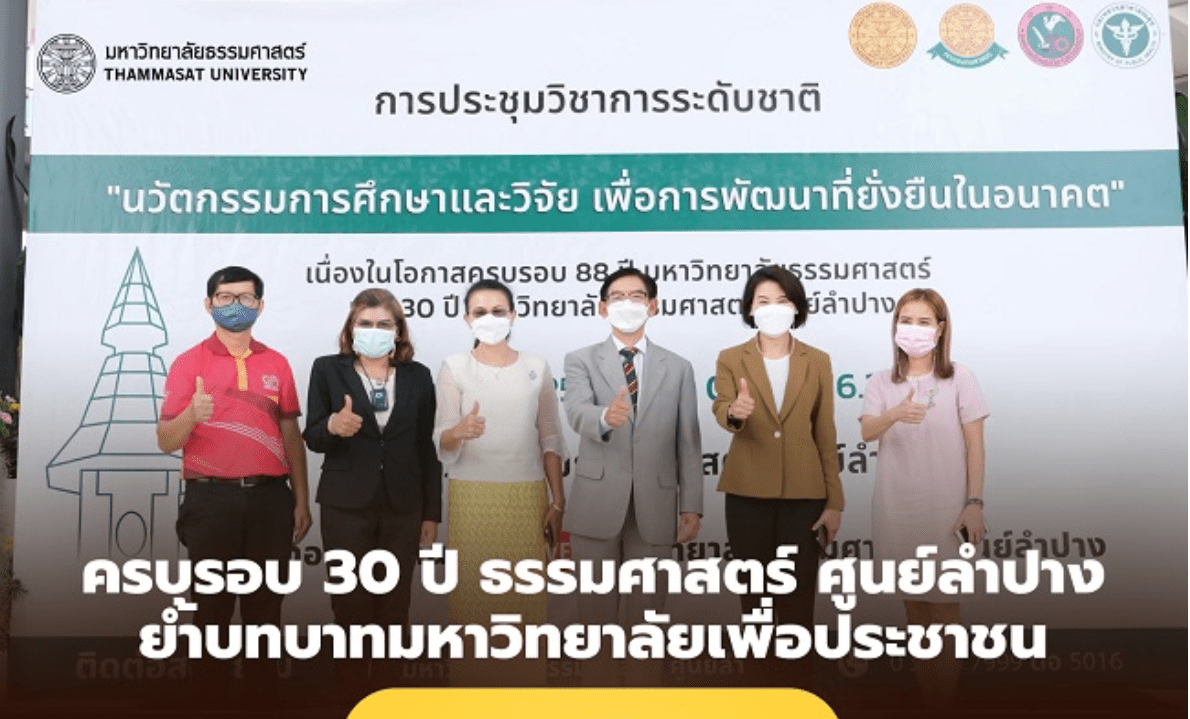
In addition, in celebration of its 30th anniversary in 2022, the Lampang campus organized a national academic conference titled “Educational and Research Innovations for Sustainable Development in the Future.” This conference provided a platform for advancing education, economic growth, and sustainable social development in the northern region. It also facilitated knowledge exchange through special lectures and panels on topics such as Thai traditional medicine and the use of local herbs, further promoting collaboration among local and national stakeholders.(For more detail, please visit the link)
Relavent infomation