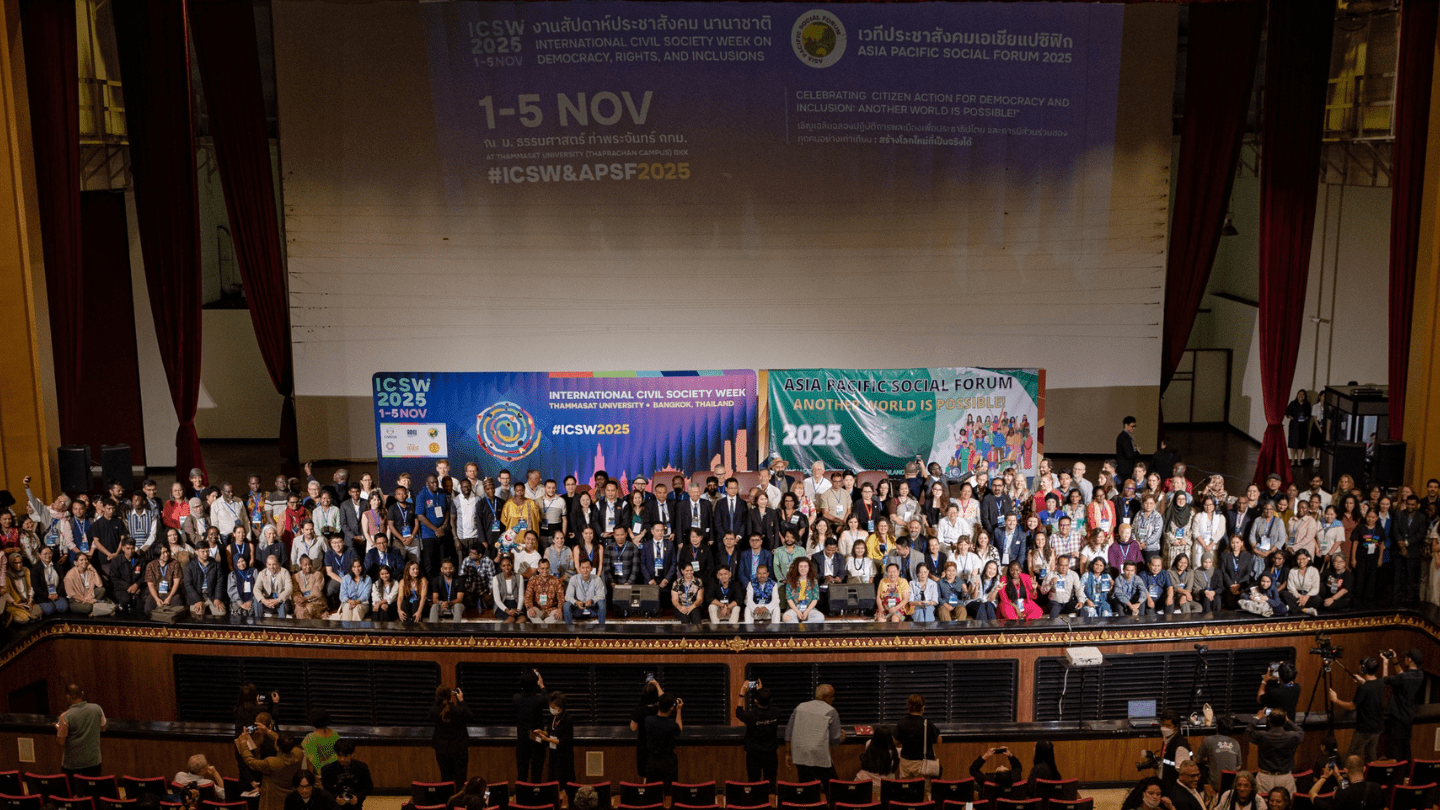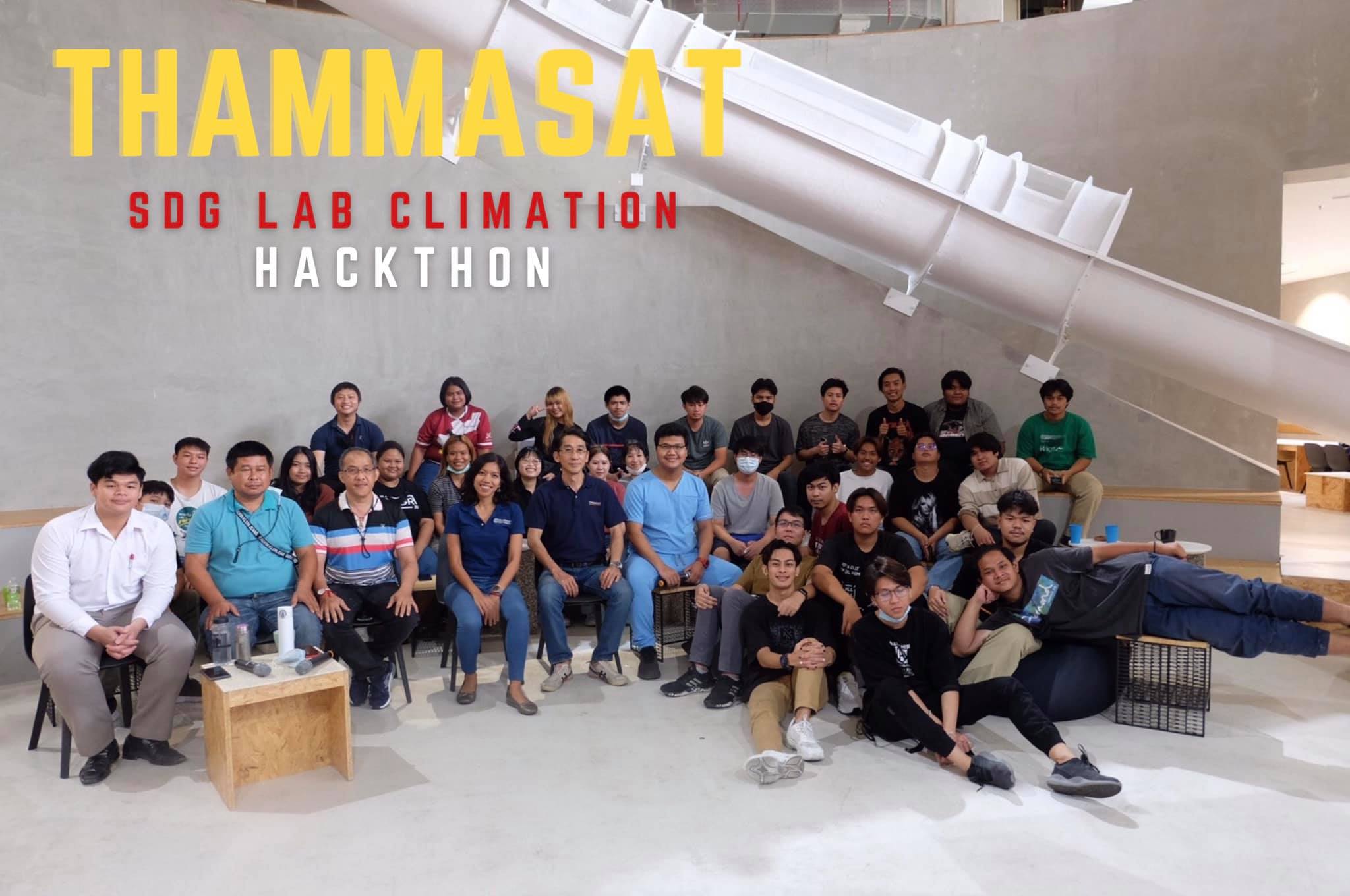
Thammasat University (TU) is the second oldest, leading comprehensive university in Thailand. Inaugurated in 1934 with social science and humanities to serve society’s thirst for modern knowledge. Thammasat, thus, has been known as “the university for the people”. The campuses of Thammasat University, especially Tha Prachan Campus, is a home to several buildings and monuments of historical and cultural significance that open to all visitors for free.
Dome Building
Dome Building is the inaugural building of the University of Moral and Political Science, designed by Chitrasen (Mew) Apaiwongs. A three-story building, with a symbolic “Dome” in the middle, is added to the complex. It was later explained that the design of the Dome was taken from a sharpened octagonal pencil tip motif to illustrate the high wisdom in education management, according to Professor Doctor Pridi Banomyong’s inception.
On the second floor of the building is Prof. Dr. Pridi Banomyong’s office. During the Second World War, this room was the headquarters for the Free Thai Movement led by Pridi Banomyong in collaboration with the Free Thai Movement in the UK and the US. On the third floor of the building is Thammasat University Hall of Fame which tells the stories of Thammasat University from its establishment until the present. The University of Ethics and Politics and the Dome Building, therefore, have a special status especially for the Free Thai members and all patriots.
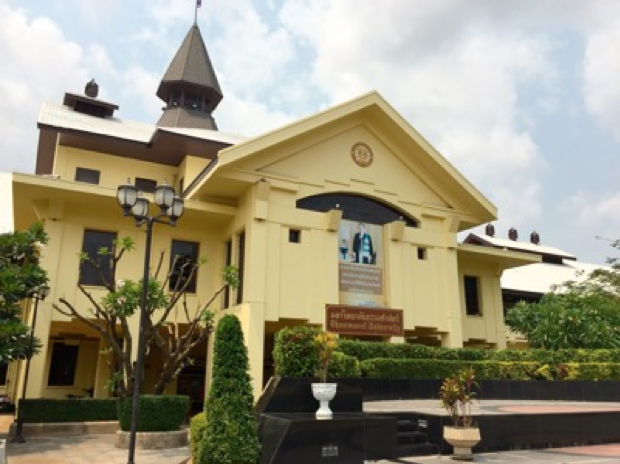
Dome Building is open to all visitors for FREE.
For more information on Dome Building, please visit our website and facebook:
https://www.facebook.com/thammasat.uni/posts/pfbid0QzbSQkR6rajpsHxF1mCXRKU3bWhDEov1KjrPxPVTUvDND2L6zCMEamoK3bfbpDHml
Pridi Banomyong Plaza
Pridi Banomyong Plaza was constructed in memory of Mr. Pridi Banomyong, a senior statesman, a leader of the Free Thai Movement and an important figure in the University of Moral and Political Science, after his passing on 2 May 1983 in France.
Banomyong had an important role as a civilian leader of the People’s Party and played various roles in the transfer period, particularly in the drafting of constitution, establishment of parliament, amendments of unequal treaties with foreign countries and founding of the University of Moral and Political Science. He took part to plant the seeds of knowledge on politics and democracy for people with the thirst for new political knowledge. Banomyong had an outstanding career during the Second World War. He found the Free Thai Movement to protest Thailand’s alliance with Japan. After the Second World War, he earned the title “senior statesman” and became a Prime Minister from March to August 1945. Nevertheless, the abrupt political change of 8 November 1947 forced him to seek exile in China and later in France, where he resided for 36 years until his death.
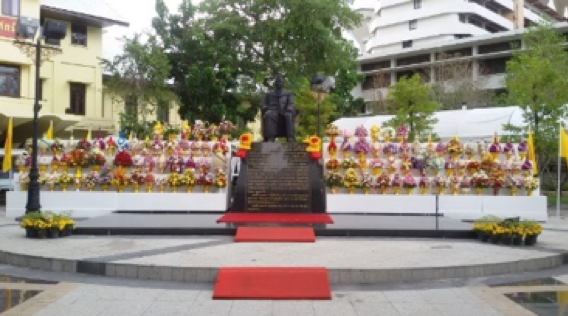
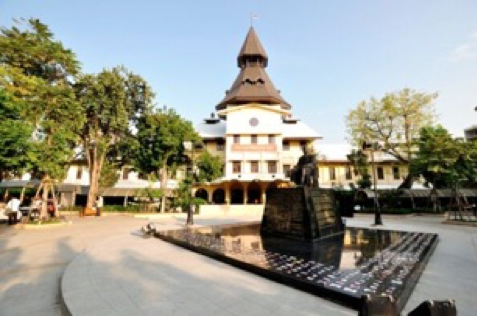
Pridi Banomyong Plaza is open to the public for free. Visitors are welcome.
For more information on Pridi Banomyong Plaza, please visit our website and facebook: https://tu.ac.th/attractions
https://www.the101.world/pridi-monument/
Bhodhi Court
Bhodi Court became a symbol of democratic struggle of Thammasat and the Thai society after the events of 14 October 1973 when students and civilians gathered to demand constitution and democracy.
In the early hours of the morning of 8 October 1973, students gathered at Bhodi Court to demand the release of 13 activists who demanded constitution from the government. Ten of thousands later joined the gathering, which expanded to Thammasat’s football field. Hundred thousands of protesters started their rally from Thammasat University at noon on 13 October 1973, and the popular uprising of 14 October 1973 was set in motion. Tales and stories of modern Thai politics cannot leave out the popular uprising of 14 October 1973, comprehensive stories of the development of Thai democracy cannot leave out the historic gatherings on Bhodi Court. Bhodhi Court is still used nowadays during demonstrations of the new generation of youths who are anti-government as a platform to express their opinions on the politics.
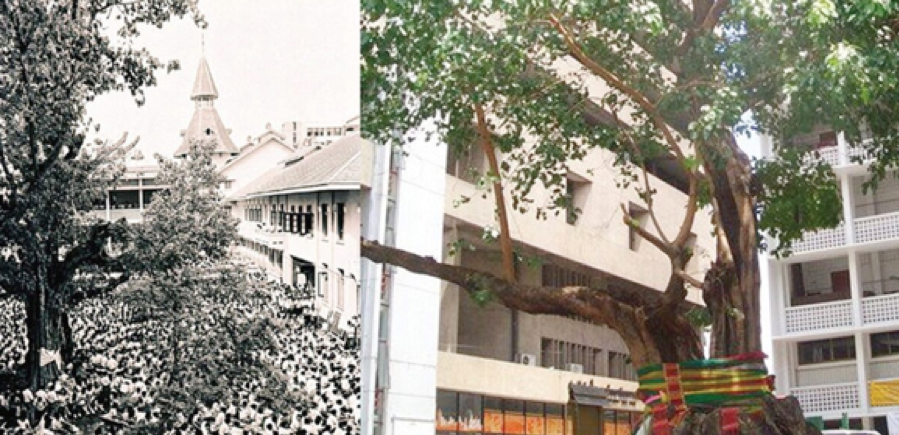
Bhodhi Court is open to the public for free. Visitors are welcome.
For more information on Bhodhi Court, please visit our website and facebook: https://www.matichon.co.th/news-monitor/news_1348646
https://www.khaosod.co.th/newspaper-column/general-knowledge/news_6668574
The 6 October 1976 Memorial and the Sculpture Courtyard
As a physical memory space with characteristics of both a monument for the remembrance of the event and a memorial to the deceased, the 6 October 1976 memorial is a part of the ‘Wall of history: Thammasat and the struggle for democracy’ sculpture garden. This memorial which commemorates Thammasat University’s battle for democracy, is in front of the main auditorium of Thammasat University, Tha Prachan Campus. It now serves as the main site for religious rites for the deceased during the annual memorial events.
The 6 October 1976 memorial is located at the entrance to the University facing Sanam Luang, which was the place that state armed forces besieged the university students and the people. Placing the memorial at the place of the actual event contributes to the narrative of memorial.
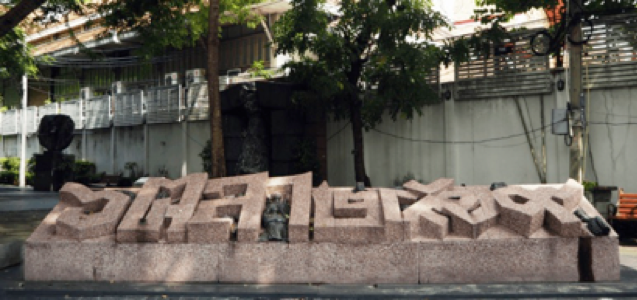
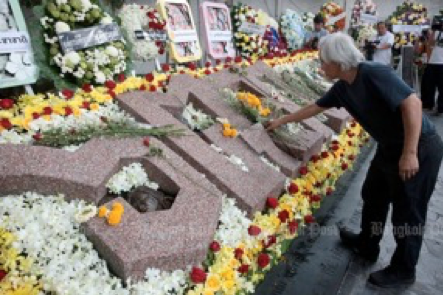
The 6 October 1976 Memorial is open to the public for free. Visitors are welcome.
For more information, please visit our website and facebook:
https://tu.ac.th/thammasat-the-43rd-anniversary-6-october-1976
https://www.springnews.co.th/photo-story/816739
https://themomentum.co/6-oct-1976-memorial-sculpture/