As a higher education institute, Thammasat University recognizes the importance of creating new innovations and has made contributions in driving innovations by organizing hackathons and collaborative research efforts with NSTDA.
- Hackathon by Rangsit Campus Administration Division
Thammasat University together with AIS has established Sustainable Development Goals Lab (SDG Lab) at Puey Ungphakorn Centenary Hall, Thammasat University, Rangsit Campus to serve as a laboratory space for projects that aim to solve problems in global warming, climate change and sustainable development by focusing on small projects that require small budget but can create a large impact. The SDG Lab strives to create sustainability and develop as a space for experiments and hands-on practices for innovators in order to support innovation development and application of technological solutions to environmental problems in various dimensions.
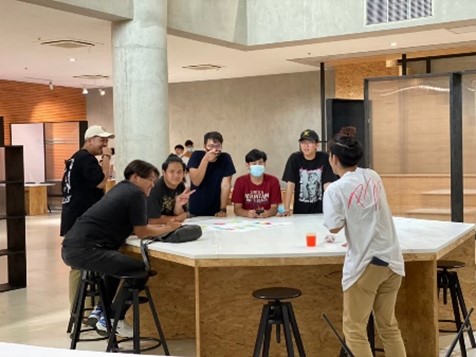
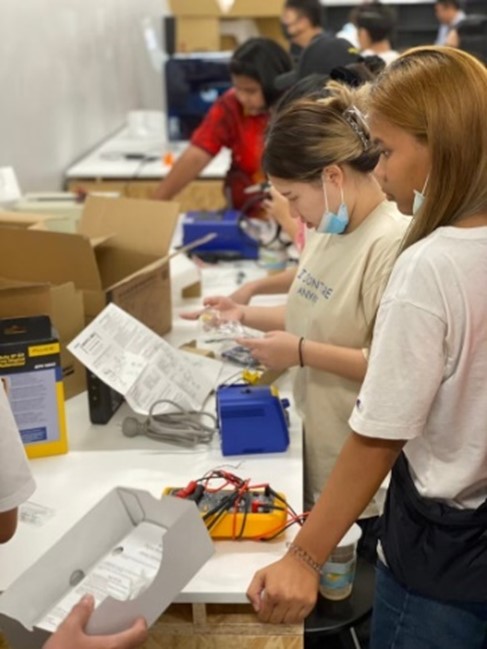
Rangsit Campus Administration Division encourages students and the public to participate in concept proposal presentations for prototypes or devices to solve problems due to global warming and climate change with concept frameworks that are consistent with the Sustainable Development Goals of the United Nations as a part of “Thammasat SDGs Lab Climation Hackathon”. Concept proposals with a potential of further development will be implemented in SDG Lab at Puey Ungphakorn Centenary Hall. This year’s Hackathon took place on 3 – 4 April 2021 at Puey Ungphakorn Centenary Hall, Thammasat University, Rangsit Campus.
https://www.facebook.com/thammasatsustainability/posts/3054863028109995
- U2T Hackathon by Faculty of Public Health
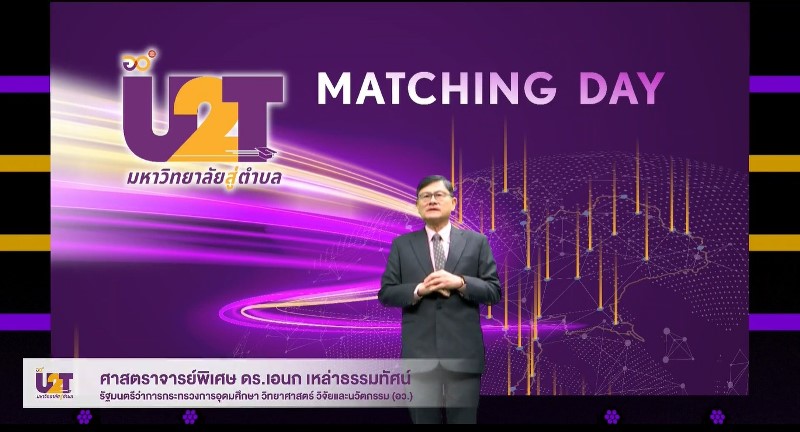
Faculty of Public Health, Thammasat University has been commissioned by the Rector to organize a Hackathon under the Integrated Subdistrict Economic and Social Enhancement Project (U2T) for the Central region during May–December 2021. The main skill development activity for the participants is to brainstorm on actual problems and requirements to create innovative solutions that are appropriate for the context through community-integrated learning in 753 sub-districts of 18 provinces. The theme of this Hackathon is “Innovations to Drive Local Economy” in 4 aspects, which are Creative Economy, Health Care Technology, Circular Economy, and Art and Culture.
There were 112 teams that participated in the Hackathon, 5 of which were selected as the representatives of the Central region. These teams were paired up with mentors from 5 agencies under the supervision of Ministry of Higher Education, Science, Research and Innovation.
 https://tu.ac.th/thammasat-090864-u2t-hackathon-2021
- Super AI Engineer Project
Nowadays, AI plays a role in virtually every industry and is a great opportunity for Thailand to build the economy on technology and innovations. Thailand possesses a lot of talents in the AI field, which will be a strong base for our competition on the global scale, especially now that the government has expressed their support in the development of AI by partnering with higher education institutions, the private sector, and professional associations, in establishing “the National AI team”.
On 14 Sep 2021, the Ministry of Higher Education, Science, Research and Innovation joined forces with Thammasat University and a network of more than 45 organizations in establishing the ‘Thai AI Consortium’ which was the first of its kind in Thailand. The Ministry also allocates a budget to support AI knowledge and manpower development through the ‘Super AI Engineer’ Project with the expectation to create AI experts that will drive the industry. On the same day, Thammasat University and the alliances also jointly witnessed the signing of a ‘Memorandum of Cooperation on digital knowledge management and AI skill certification and development’ to create the ‘AI Academy Alliance’.
Prof. Dr. Thanaruk Theeramunkong, the President of the Artificial Intelligence Association of Thailand and a lecturer at Sirindhorn International Institute of Technology Thammasat University, explained that the goals of AI Academy Alliance are to prepare the resources, personnel, and a systematic knowledge management in artificial intelligence technology for AI technology development in Thailand. This Alliance will serve as the ‘center’ where all sectors can come together to exchange knowledge and resources, which will ultimately advance the AI industry in Thailand. This cooperation is the first and an important step for creating and supporting new talents in AI that will help drive the manufacturing industry and the service sector.
In addition to the establishment of “the National AI team”, Thammasat University has supported and powered the AI circle in Thailand by establishing the ‘Thammasat AI Center’ and the ‘Artificial Intelligence Skill Development Institute’ to create innovators who will pioneer the development of cutting-edge artificial intelligence technology in Thailand.


- Multidisciplinary development of 3D-printed prosthetic eyes
Many people say that eyes are the window to the heart, but eyes are more important than that. When we just woke up, we must open our eyes first before getting out of bed to do other activities. Eyes are, therefore, important because they make us see and perceive things that happen around us. But for those who lost their eyes, either due to congenital disability or an accident, they not only cannot see but also suffer in terms of individual image, social interaction, and other opportunities.
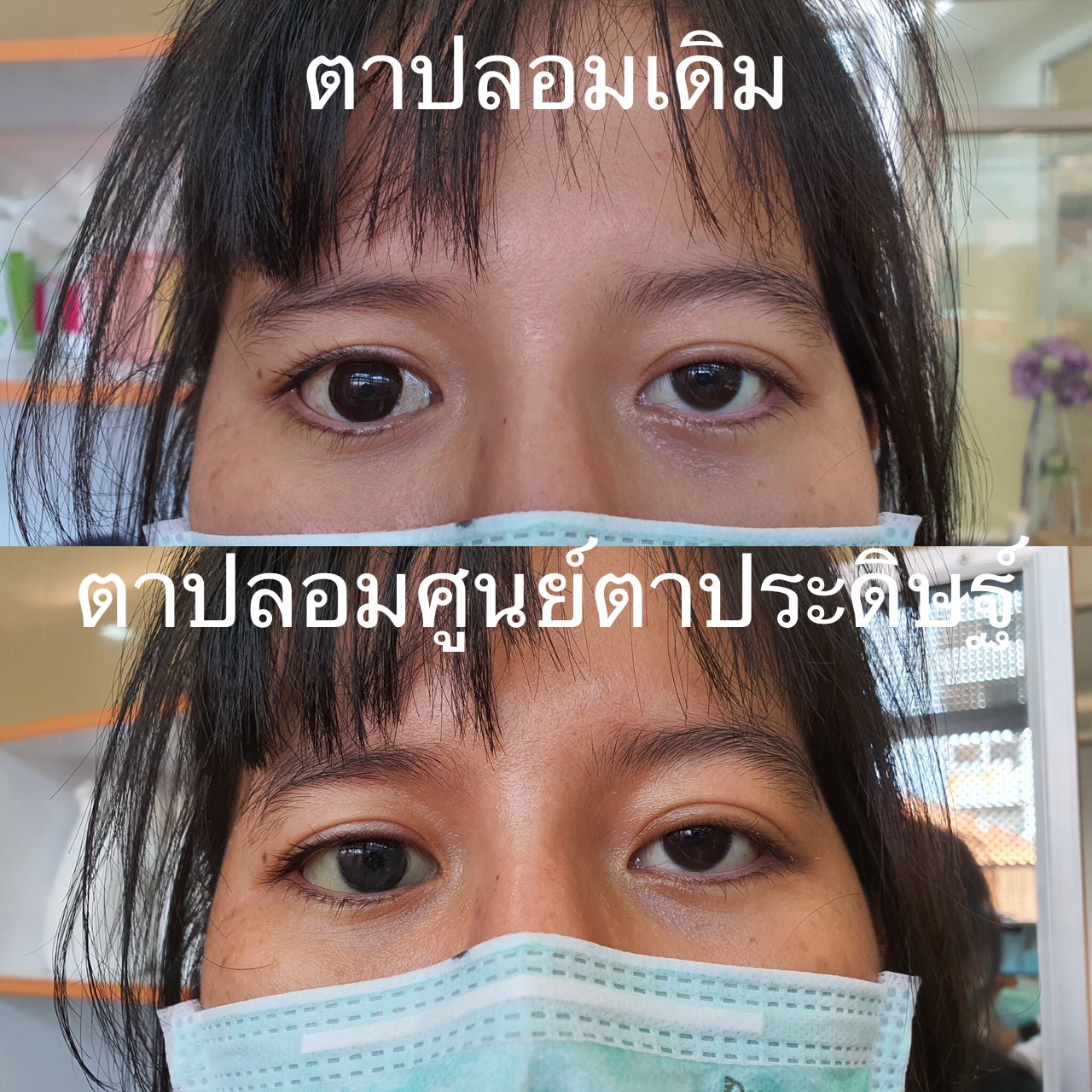
The ‘Prosthetic Eye Center’ of Thammasat University Hospital provides ocular prostheses to people who have lost their eyes free of charge, under the policy proposed by Assoc. Prof. Gasinee Witoonchart, the Rector of Thammasat University, while serving as the Vice Rector for Planning and Quality Development and the acting Dean of the Faculty of Dentistry, Thammasat University in 2015. The project was initially supported by Bangkok Bank with the funding of 600,000 THB together with extra supports from Prof. Dr. Sittichai Koontongkaew, D.D.S. And Assoc. Prof. LadyAmpornSukhonthamarn, M.D..
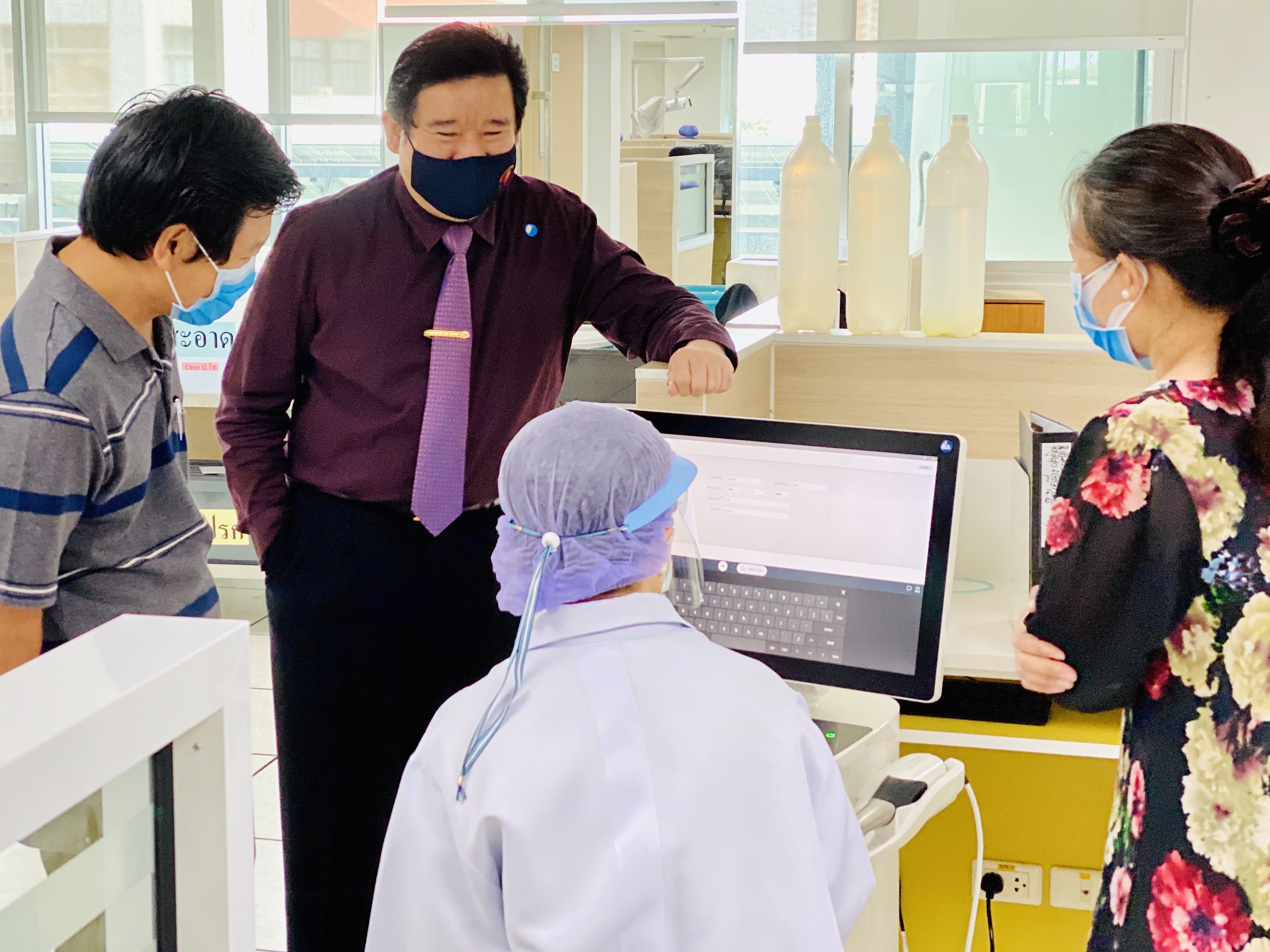
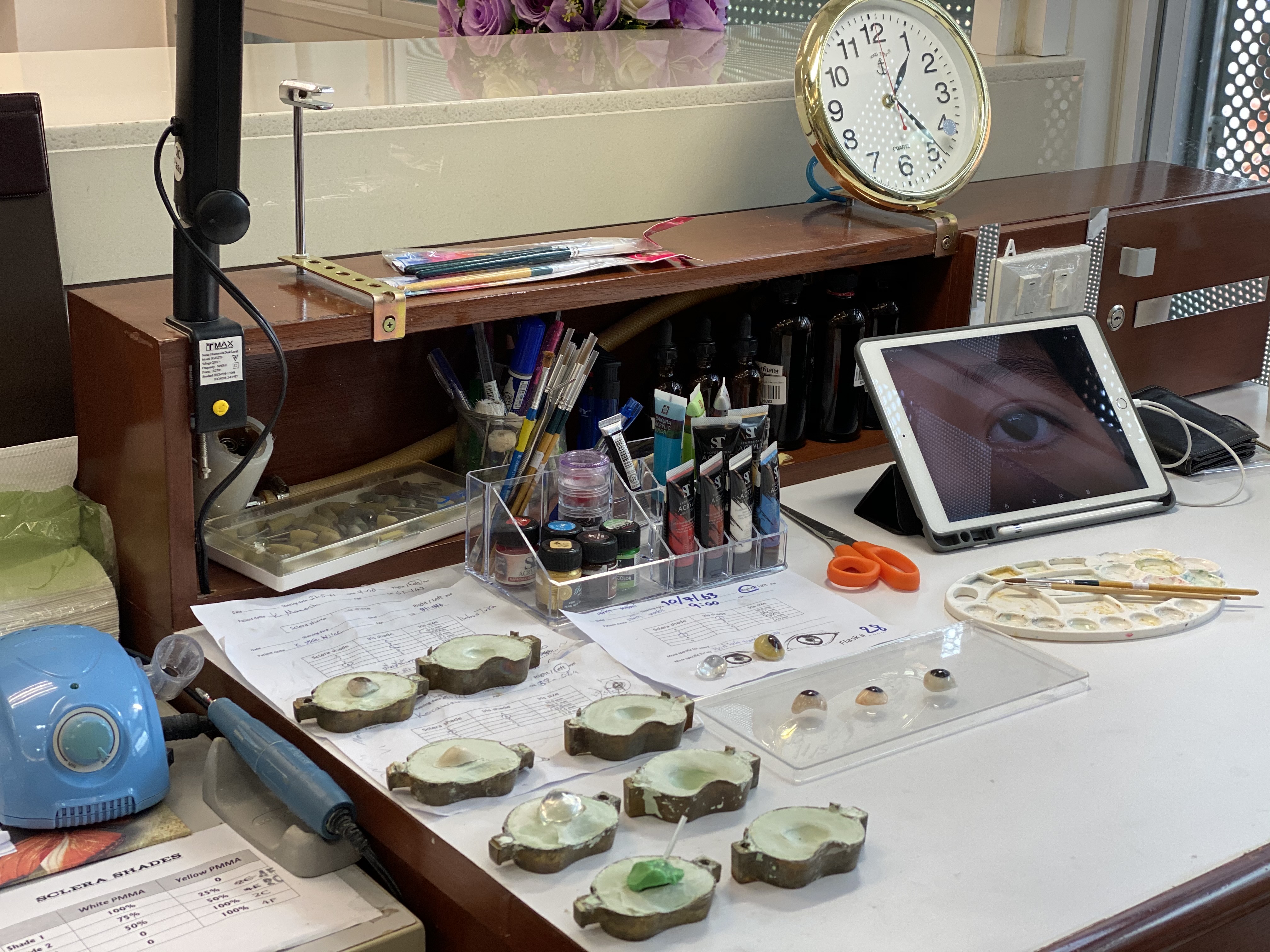
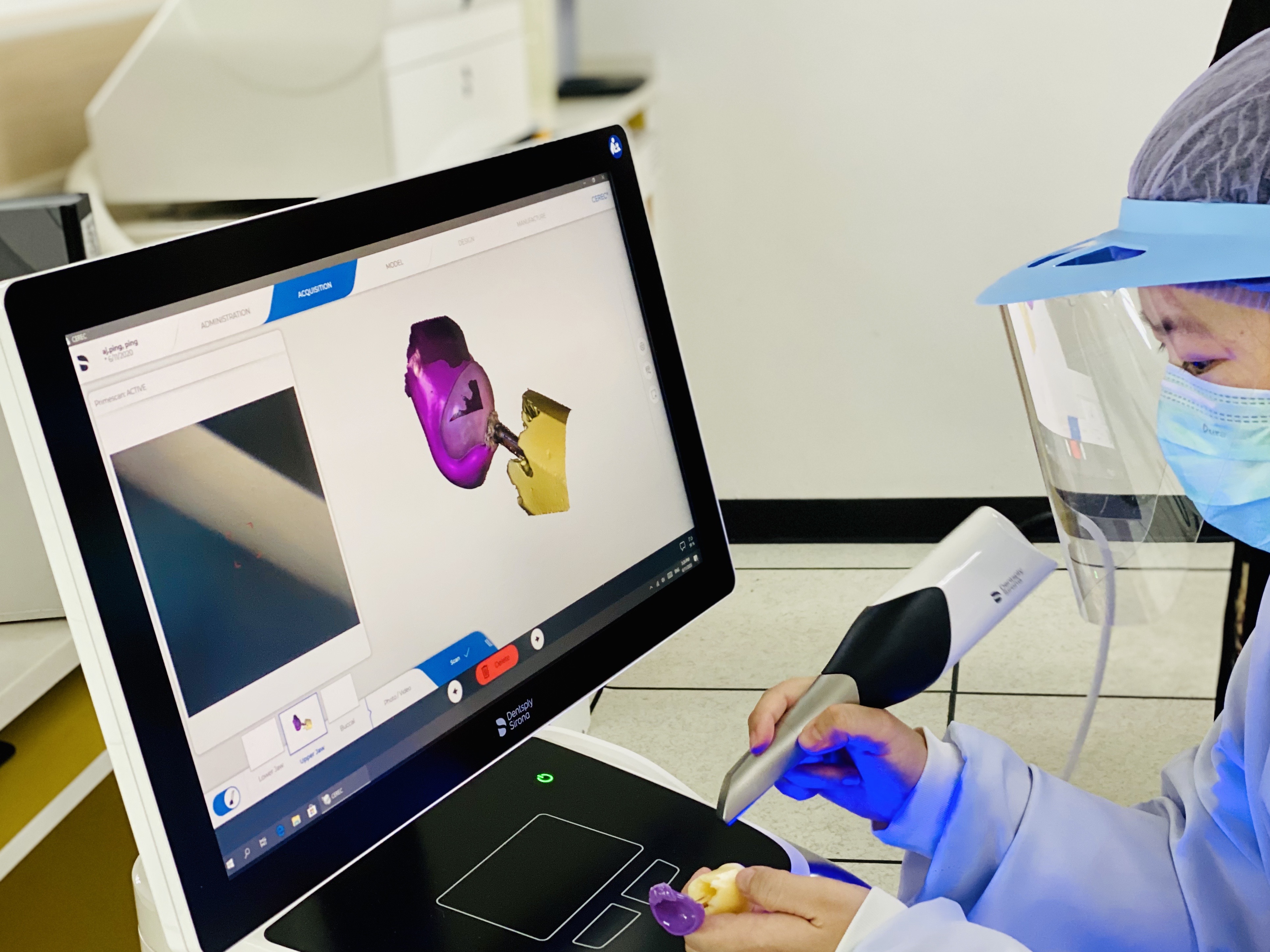
The Prosthetic Eye Center has adopted a multidisciplinary approach, with the joint effort from ophthalmologists, dentists, and engineers, to create 3D-printed ocular prosthesis that matches the real eye and requires less time to produce. “In creating permanent ocular prosthesis, a lot of time is required to draw the sclera and the pupil that perfectly match the other eye”, Adj. Prof. Dr. Sakchai Wongkittirak, M.D., the Director of Thammasat Eye Center said.
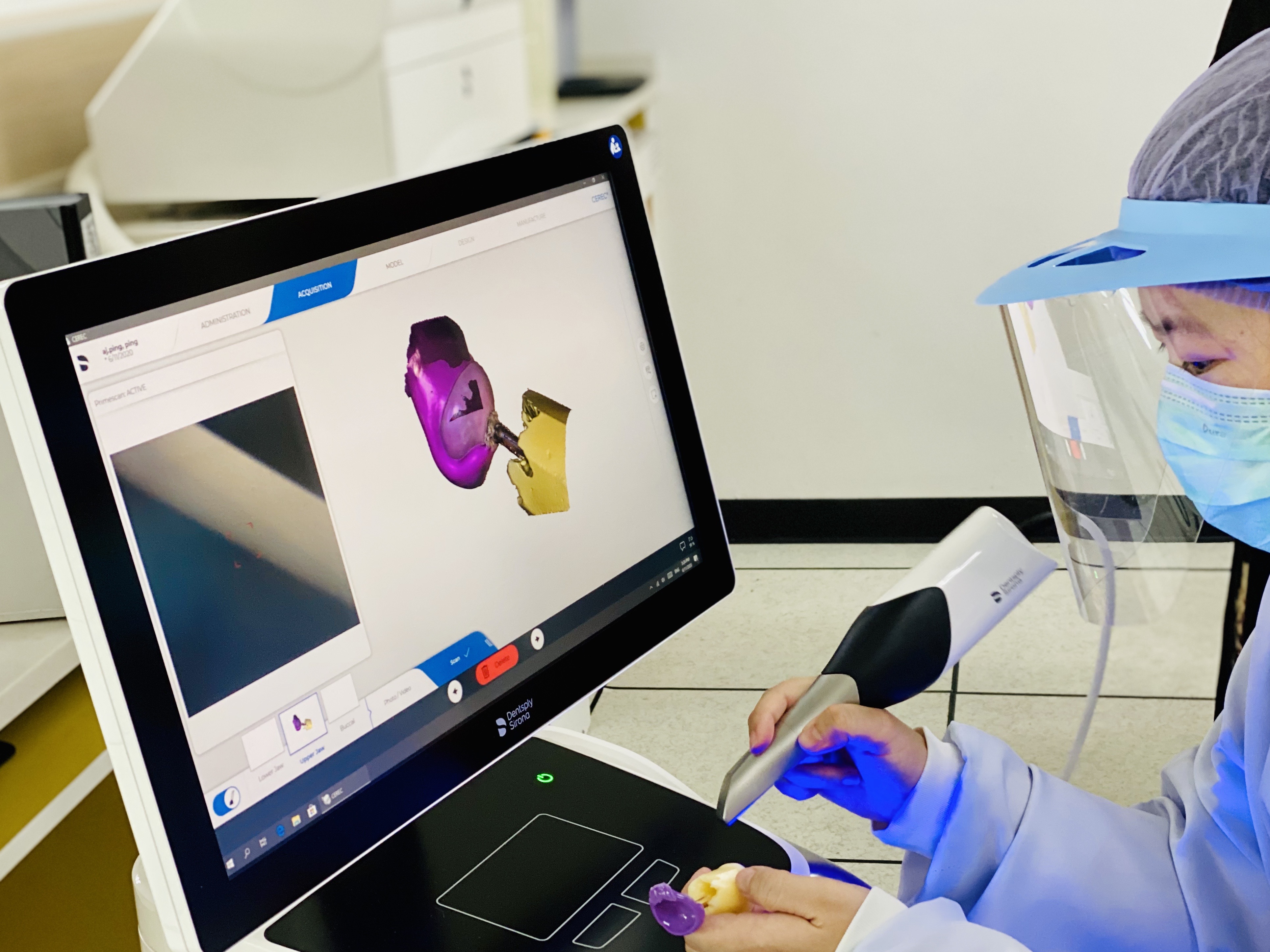
In the multidisciplinary development process, the ophthalmologists will assess the type of prosthetic eye that is suitable for each case. Then the engineers implement 3D printing technology, starting by scanning the patient’s eye to capture the color of the pupil and the blood vessels in the sclera which are unique. The 3D printer will adjust the color of the prosthetic eye to match the real eye. The 3D-printed ocular prostheses are produced using the material used in dentures, which thus requires the supervision by dentists.
The 3D-printed prosthetic eyes can be completed in a matter of hours, allowing them to be used while the patients are waiting for their permanent ocular prosthesis. The 3D-printed temporary prosthetic eyes do not have any negative effect, can be worn for a long period of time, and can be taken out to clean in the same way as contact lenses. If these 3D-printed prosthetic eyes are developed to be more durable, there are chances that they can be used as permanent ocular prostheses.
The 3D-printed prosthetic eyes innovation has won a national-level excellence award in service innovation from the Office of the Public Sector Development Commission On 16 September 2020. Thammasat Eye Center received this award for the second consecutive year. In 2019, the Center won an award from ‘music therapy during phacoemulsification surgery’ from the Thammasat Cataract Center.